REGULAR DENIM
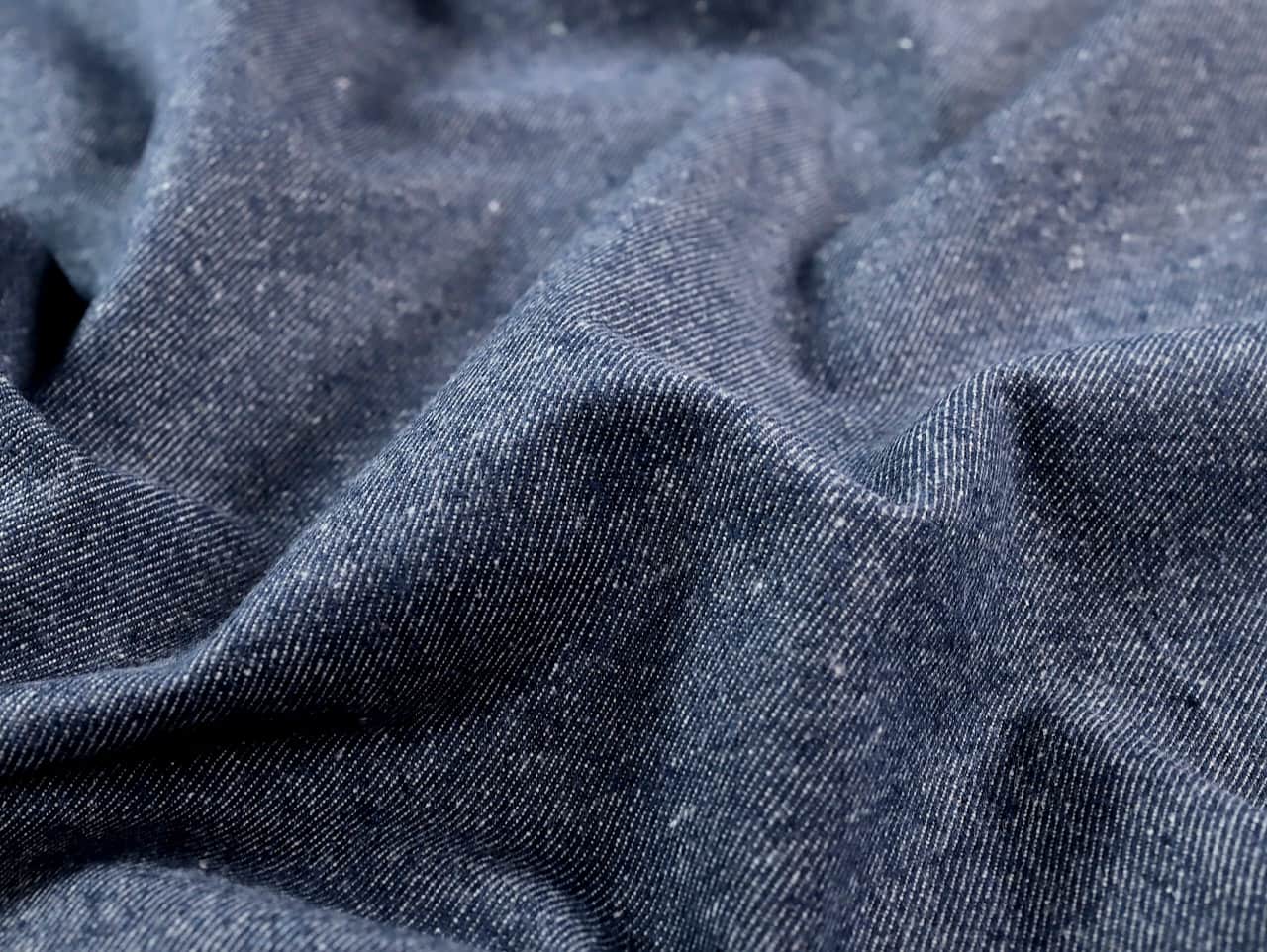
Denim is one of the most recognisable fabrics in the world: a sturdy cotton twill with indigo-blue yarns on the outside and white yarns on the inside. It was made for work, and it became everyone's uniform.
- Category
- DENIM
- Weight
- 250 GSM
REGULAR DENIM
Denim is one of the most recognisable fabrics in the world: a sturdy cotton twill with indigo-blue yarns on the outside and white yarns on the inside. It was made for work, and it became everyone's uniform.
- Category
- DENIM
- Weight
- 250 GSM
Serge de Nîmes
The name is generally traced to serge de Nîmes, a twill from the French city of Nîmes. In 1873 tailor Jacob Davis and merchant Levi Strauss patented work trousers reinforced with copper rivets. Miners, cowboys and railroad workers wore them first; film stars and teenagers followed.
How it's woven
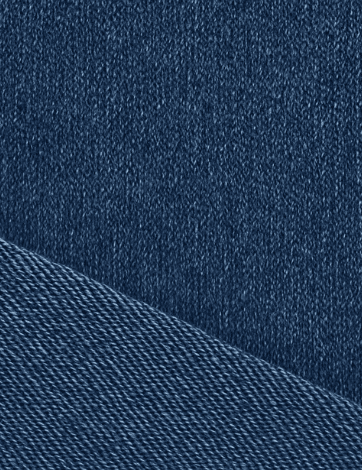
Only the warp yarns are dyed with indigo, and the dye sits mostly on the surface of the yarn. Woven in a diagonal twill with undyed weft, the face shows blue and the back stays pale. As the surface wears, the white core shows through, which is how jeans fade.
What it's made of
Made from 100% cotton. Traditional cotton denim is known for its durability, comfort, and ability to develop a unique fade over time. Conventional denim production, however, requires significant water and pesticide use, which has a substantial environmental impact.
How it feels
Strong, durable, and breathable with a classic, slightly rough texture that softens with wear. Regular cotton denim is highly absorbent, making it comfortable for everyday wear but less moisture-wicking than alternatives.
Where it works
Ideal for Apparel (jeans, jackets, shirts), Accessories (bags, hats), and Home Textiles (upholstery). Cotton denim is widely popular in fashion for its versatility, durability, and timeless aesthetic.
Caring for it
Machine wash cold with similar colors to preserve dye. Tumble dry on low or air dry to reduce shrinkage. Avoid bleach; denim may fade naturally over time.
Certification
Often certified by OEKO-TEX® or GOTS if organic, ensuring standards for quality and environmental safety.