%2Fimages%2F06562c92-4be9-4e80-8b10-e6f05c983c8f.png&w=3840&q=75)
AGRIWASTE BANANA LEAF FIBER (ABACA)
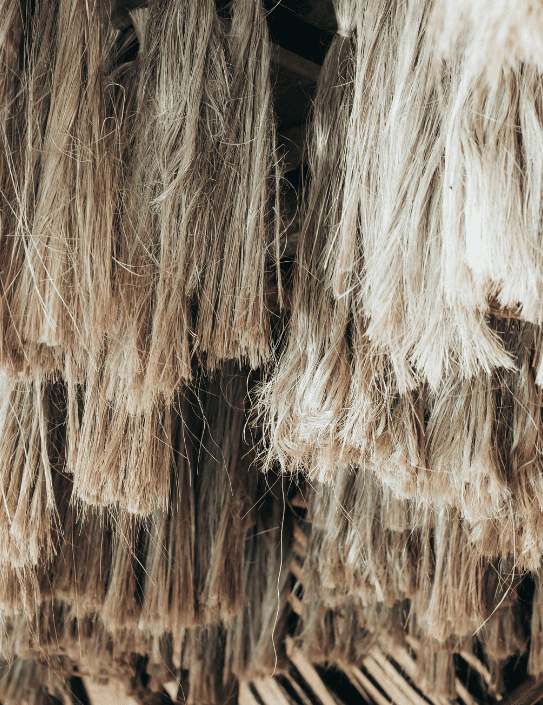
Abaca is a fibre from a banana relative native to the Philippines, drawn from the plant's leaf sheaths. It's one of the strongest natural fibres there is, and this version comes from the agricultural side of banana cultivation.
- Category
- AGRIWASTE
- Weight
- 150 GSM
AGRIWASTE BANANA LEAF FIBER (ABACA)
Abaca is a fibre from a banana relative native to the Philippines, drawn from the plant's leaf sheaths. It's one of the strongest natural fibres there is, and this version comes from the agricultural side of banana cultivation.
- Category
- AGRIWASTE
- Weight
- 150 GSM
Manila hemp
Abaca has been grown in the Philippines for centuries. Its fibre was so prized for ship rope that it became known around the world as Manila hemp, although it isn't hemp at all. The Philippines is still the world's leading producer.
How it's made
Fibre is stripped from the plant's leaf sheaths, cleaned and dried. The long, strong strands can be spun into yarn, blended with other fibres or processed into textiles with a natural lustre.
What it's made of
Made from banana plant fibers (abaca). The fibers are naturally durable, strong, without harming the banana plant.
How it feels
Extremely strong and resilient, with a textured appearance. Naturally resistant to saltwater, mold, and UV rays, making it ideal for rugged applications. The fiber’s natural luster and durability make it well-suited for high-quality, eco-conscious products.
Where it works
Suitable for Apparel (jackets, shoes), Accessories (bags, hats), Home Textiles (rugs, mats), and Industrial Textiles. Abaca is frequently used in applications where durability and sustainability are prioritized.
Caring for it
Hand wash with mild detergent or dry clean for best results. Air dry to maintain fiber strength; avoid tumble drying. Low iron if needed; abaca’s natural texture often requires minimal ironing.
Certification
Commonly certified by OEKO-TEX® for safety standards, with some certifications around sustainable harvesting and biodegradability.