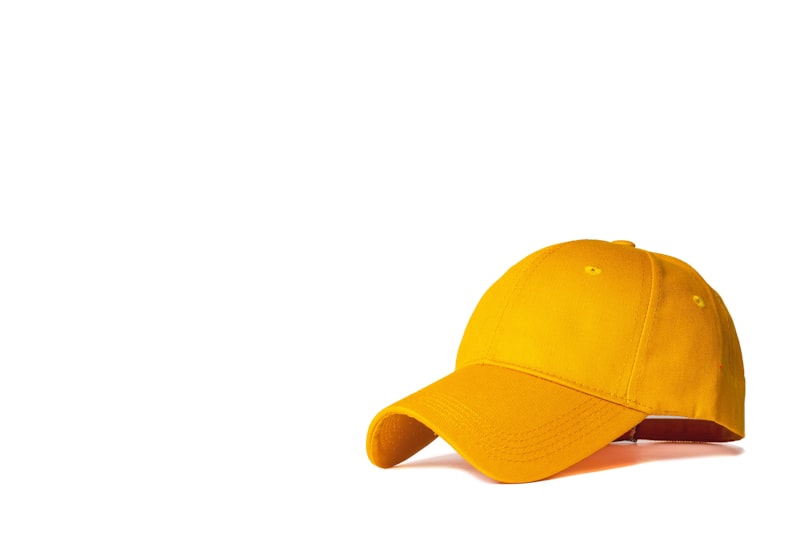
Why Caps Get Taxed Harder Than Almost Any Other Fashion Item
If you've priced out a cap production run and then been surprised by the landed cost after duty, you're not miscalculating — headwear genuinely does carry a heavier tariff burden than most of the rest of the apparel world.
The number that catches people off guard
Baseball caps fall under HS 6505 (hats and headgear, knitted or textile). From China, that code carries a 20% duty in the US and a 10.5% duty in the EU — both meaningfully higher than the rates most garment categories see.
Headwear's duty rate is a structural cost, not a rounding error.
Why this matters for your pricing model
On a 300-unit run, duty and freight combined typically add $1.50–$2.80 per unit on top of factory-gate COGS. If you're building your retail pricing model off factory cost alone and adding a rough freight estimate, this rate is high enough to meaningfully compress your margin if it's not factored in from the start.
What actually changes based on sourcing country
| Region | Duty exposure | Notes |
|---|---|---|
| China | Highest (20% US / 10.5% EU) | Most accessible MOQ, dominant capability |
| Portugal | No EU duty for EU-bound orders | Useful if primary market is Europe |
| Vietnam | Differs by destination market | Check current rates, don't assume China parity |
Worth knowing
Run the full landed-cost math before setting retail price: fabric + CMT + hardware + embroidery, then freight, then duty at the applicable HS 6505 rate. A cap that looks like it costs $12 to make can land closer to $15–$18 once duty is included.
The takeaway
If margin is tight, compare sourcing countries specifically on landed cost including duty, not just CMT — the cheapest factory quote isn't always the cheapest landed unit.
Powered by Sparkit — duty, HS codes, and landed cost intelligence across 13+ material categories.