The 20-Cent Trick That Makes a Logo Look Twice as Premium
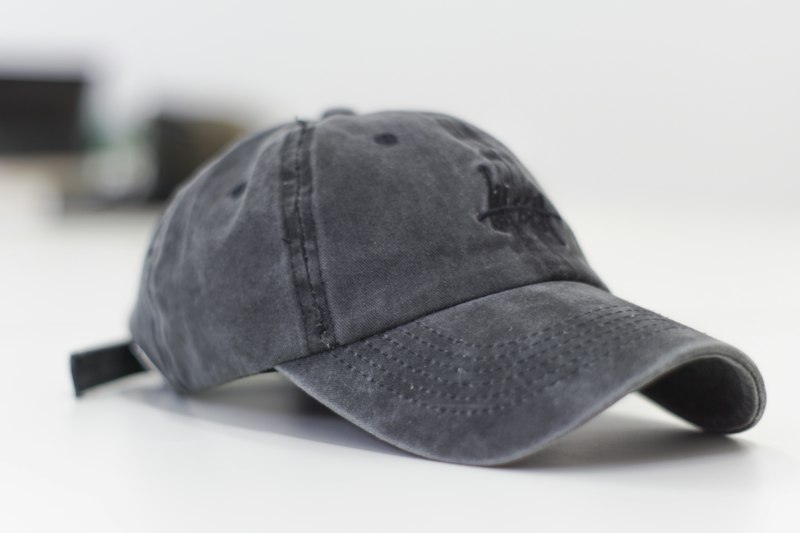
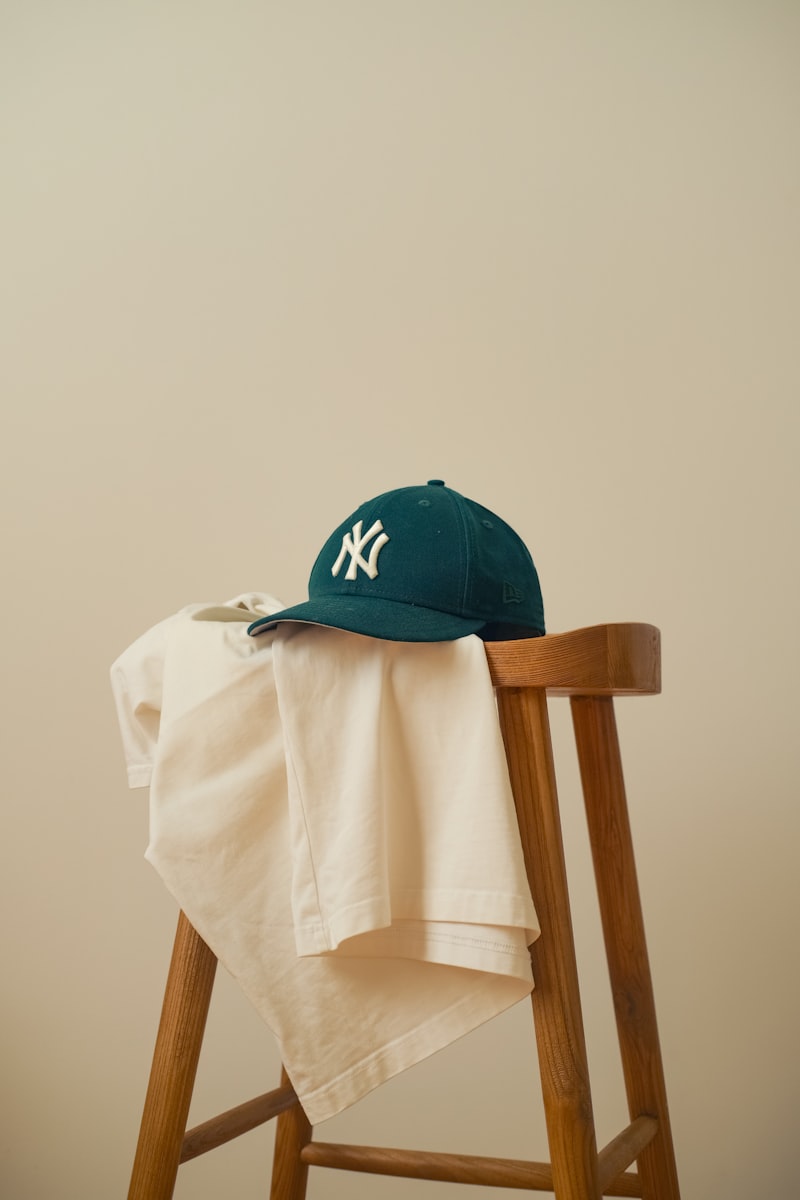
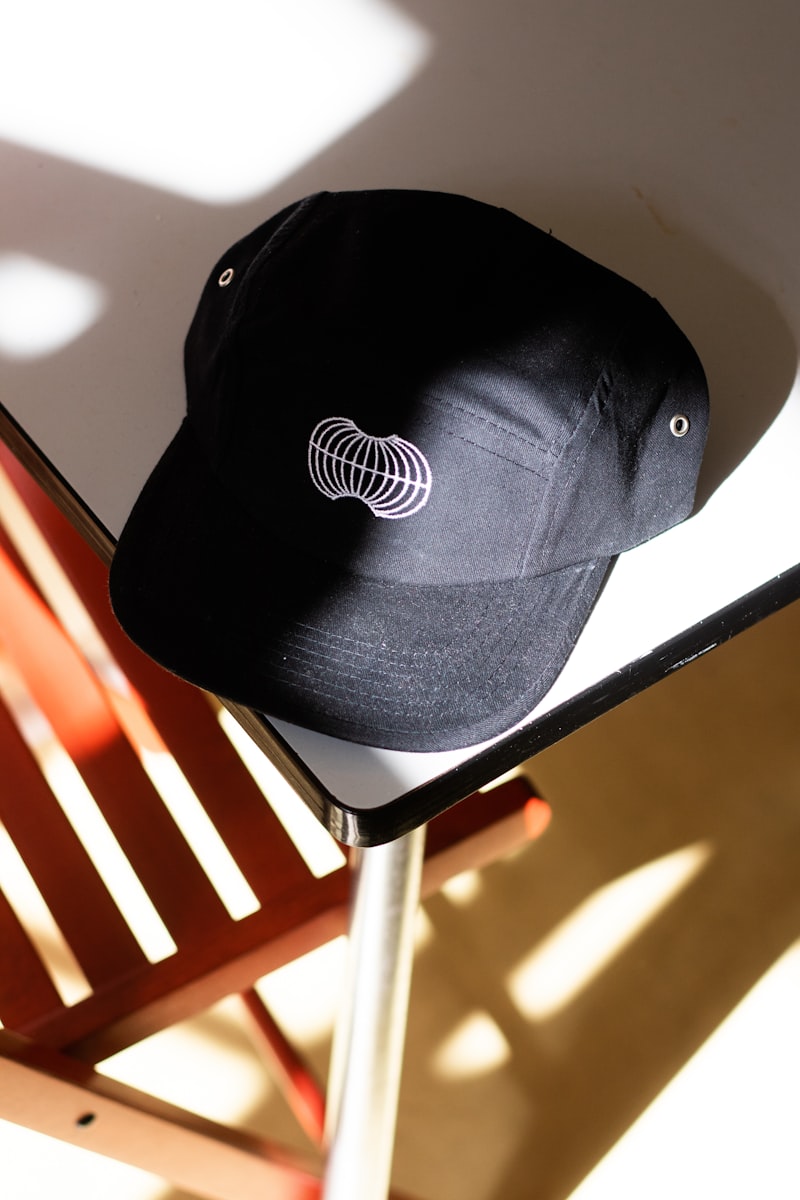
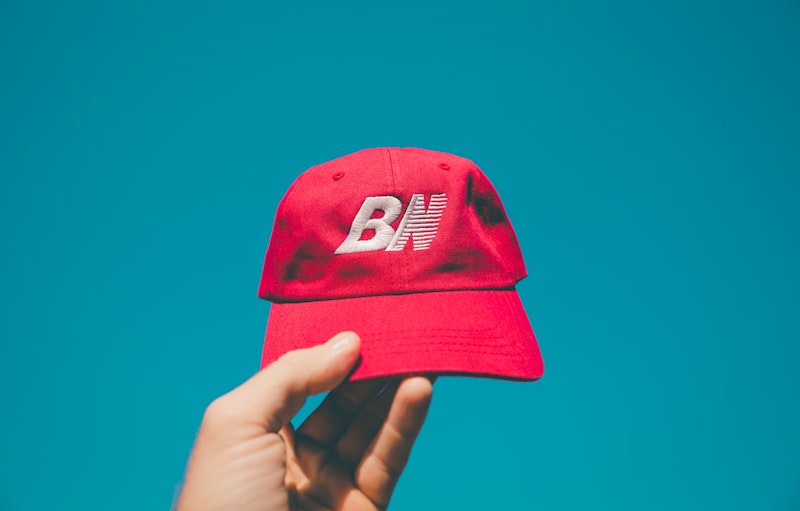
If you've noticed that some cap logos sit flat against the fabric while others look raised and dimensional, you've spotted the difference between standard flat embroidery and 3D puff embroidery — a small production detail with an outsized effect on how a logo reads.
What it actually is
3D puff embroidery places a foam sheet — typically 2 to 8mm thick — underneath the logo stitching before it's sewn. The thread is stitched over and around the foam, which pushes the design up off the surface of the cap, creating a raised, dimensional logo instead of a flat one.
Puff embroidery costs 20–40 cents more — for a completely different logo presence.
Why it reads as a specific aesthetic register
Raised, puffy logos have become closely associated with streetwear and sport caps — it's a deliberate visual signal, not just a manufacturing variant. If your brand is going for that register, flat embroidery on the same design will read noticeably differently, even with an identical logo file.
What it actually costs
How to actually spec it
- Provide your logo as a DST or EMB file — a machine embroidery format, not just AI or PDF
- Specify the puff height in mm as part of the digitization
- Ask to see a stitch preview before bulk production starts
Flat vs. puff: which should you choose?
Flat embroidery is the safer, more universal choice — cleaner on complex or detailed logos, appropriate across almost any positioning. 3D puff is the right call specifically when you want a bold, dimensional logo moment and your brand register leans streetwear or sport — think a simple wordmark rather than a highly detailed design.
The takeaway
3D puff is a cents-level upgrade with an outsized visual effect — worth using deliberately for the right register, not by default on every design.
Powered by Sparkit — embroidery specs and logo application options across 13+ material categories.