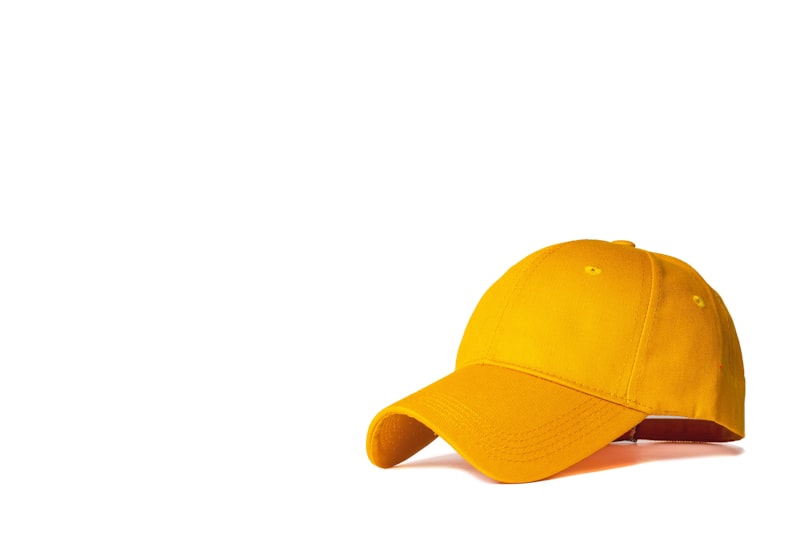
Why a Regular Garment Factory Will Wreck Your Baseball Cap
It's a common assumption for first-time creators: if a factory can sew a T-shirt, surely it can sew a hat. It can't — and finding this out after placing an order is one of the most expensive mistakes in headwear sourcing.
What a cap factory actually has that a garment factory doesn't
A baseball cap isn't flat-pattern sewing. It's a structural, molded product, and it needs equipment a standard apparel factory simply doesn't own.
Cap factory equipment
Cutting jigs
Precision-cut curved crown panels
Brim press
Heat-sets thermoplastic stiffener
Sweatband jig
Curved insertion equipment
Cap embroidery frame
Holds curved crown at tension
Eyelet tooling
Punch and set metal eyelets
Worth knowing
Without this equipment, a garment factory will produce something that looks like a cap but fails structurally: crowns that twist, brims that delaminate, embroidery that puckers, sweatbands that bunch. These aren't cosmetic issues — they're the difference between a sellable product and a return.
How to actually vet a cap factory
Before you commit to an order, ask for a sample cap from their standard range — not a custom sample made for you, but something they already produce regularly. This confirms they genuinely have brim-moulding and sweatband-insertion capability, and that baseline quality matches what you're expecting.
Where cap manufacturing actually happens
| Region | MOQ | Notes |
|---|---|---|
| China (Guangzhou/Shantou) | 100-300 units | Dominant global supply. Embroidery in-house. |
| Bangladesh | 500-1,000 units | Volume only. Simple caps. |
| Vietnam | 300-500 units | Growing base. Good for mid-volume. |
| Portugal | 50-150 units | Made in Europe premium. Small batch. |
| Italy | 30-80 units | Luxury wool/cashmere caps. |
Cap manufacturing is a specialist category, not a garment-factory side project.
The takeaway
If a supplier quotes you cap production without asking about brim stiffener type, sweatband material, or showing you an embroidery frame in their factory photos, that's worth a direct question before you commit.
Powered by Sparkit — factory requirements and sourcing intelligence across 13+ material categories.