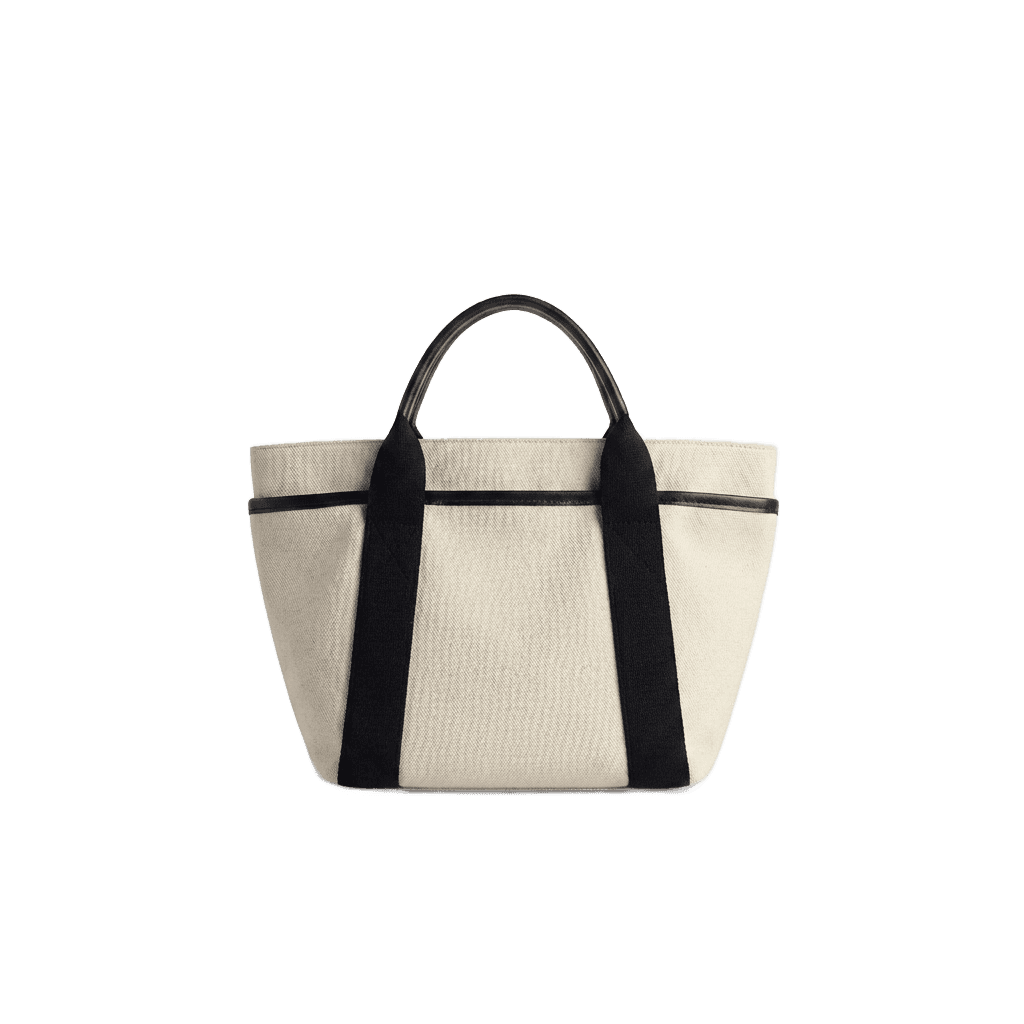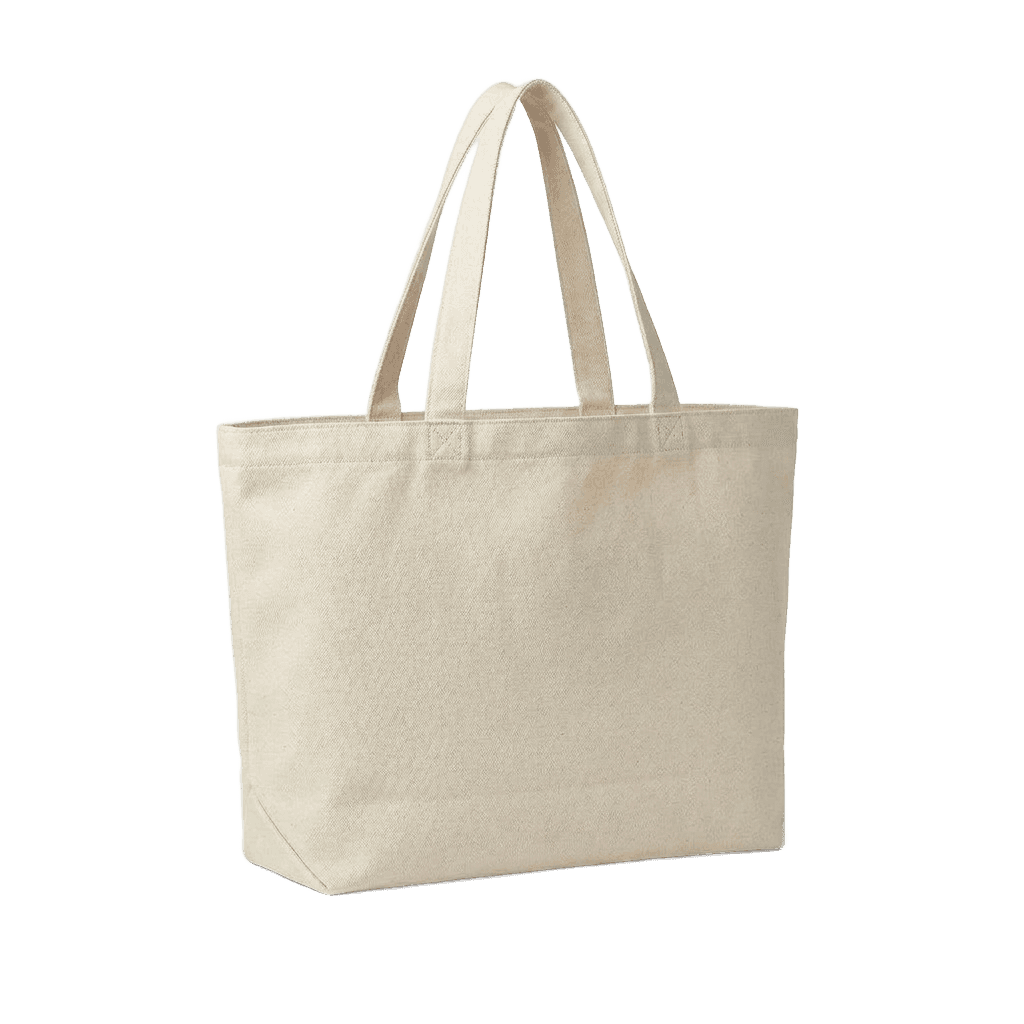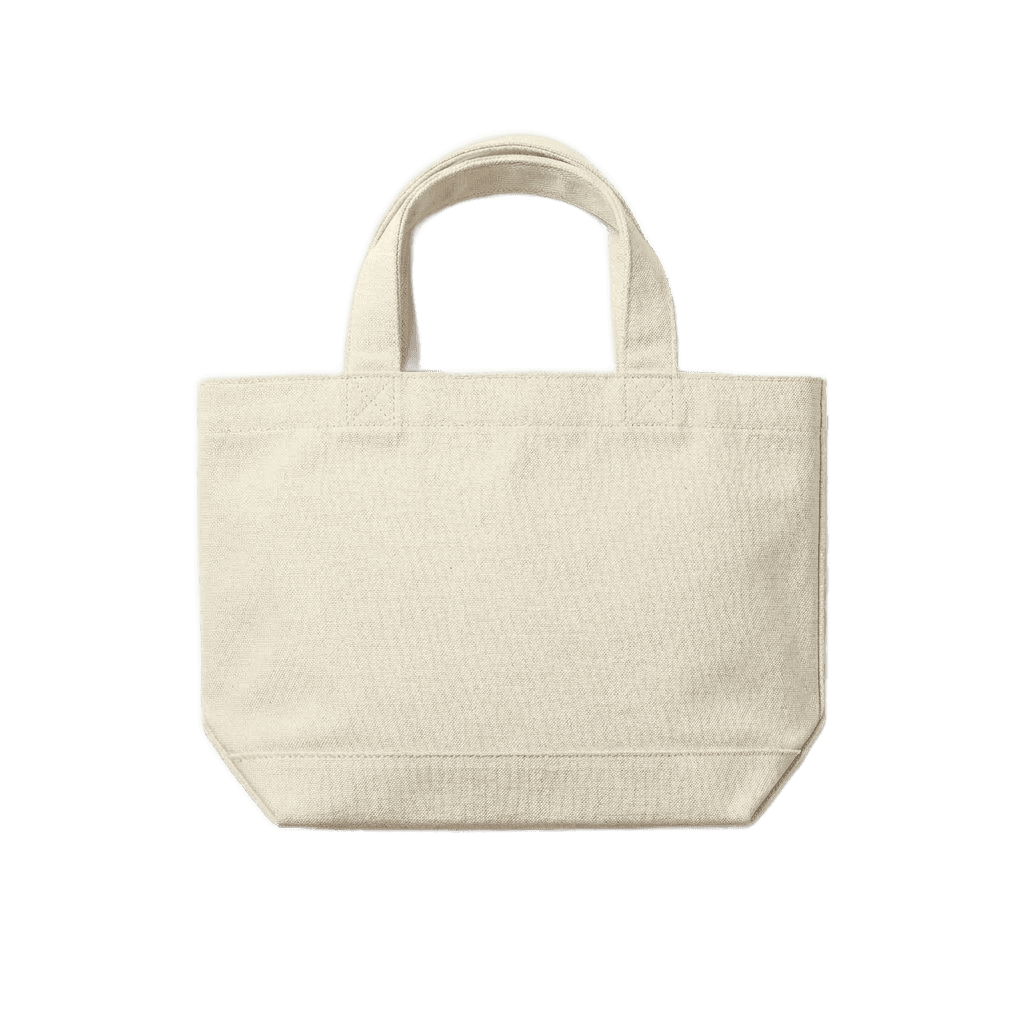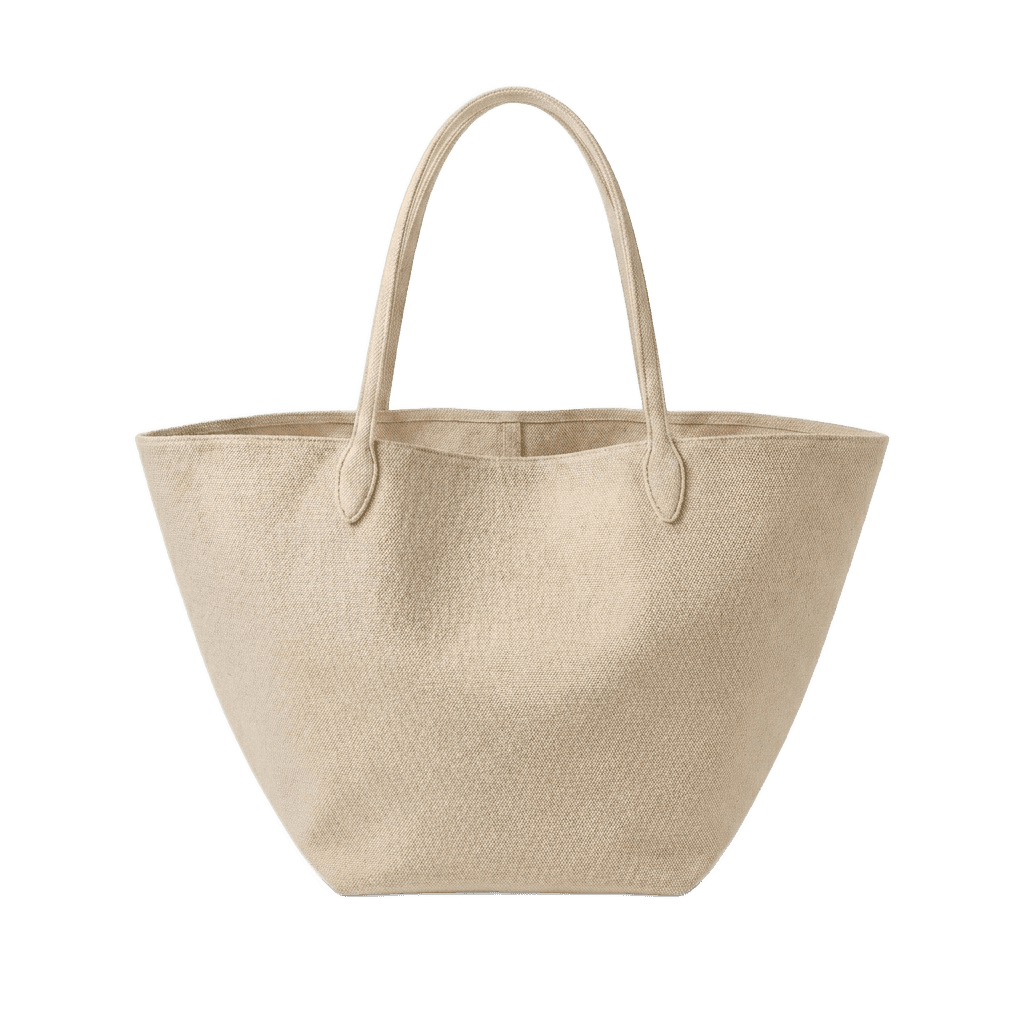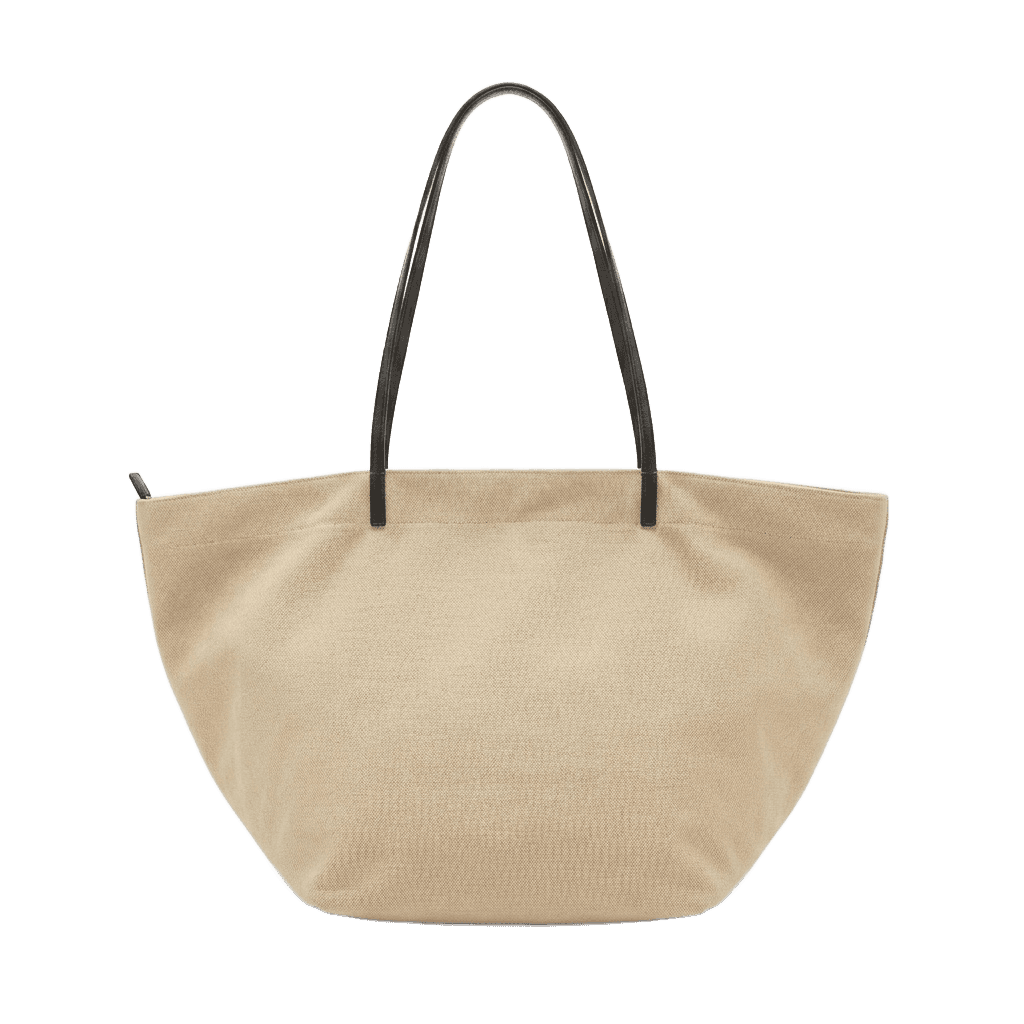
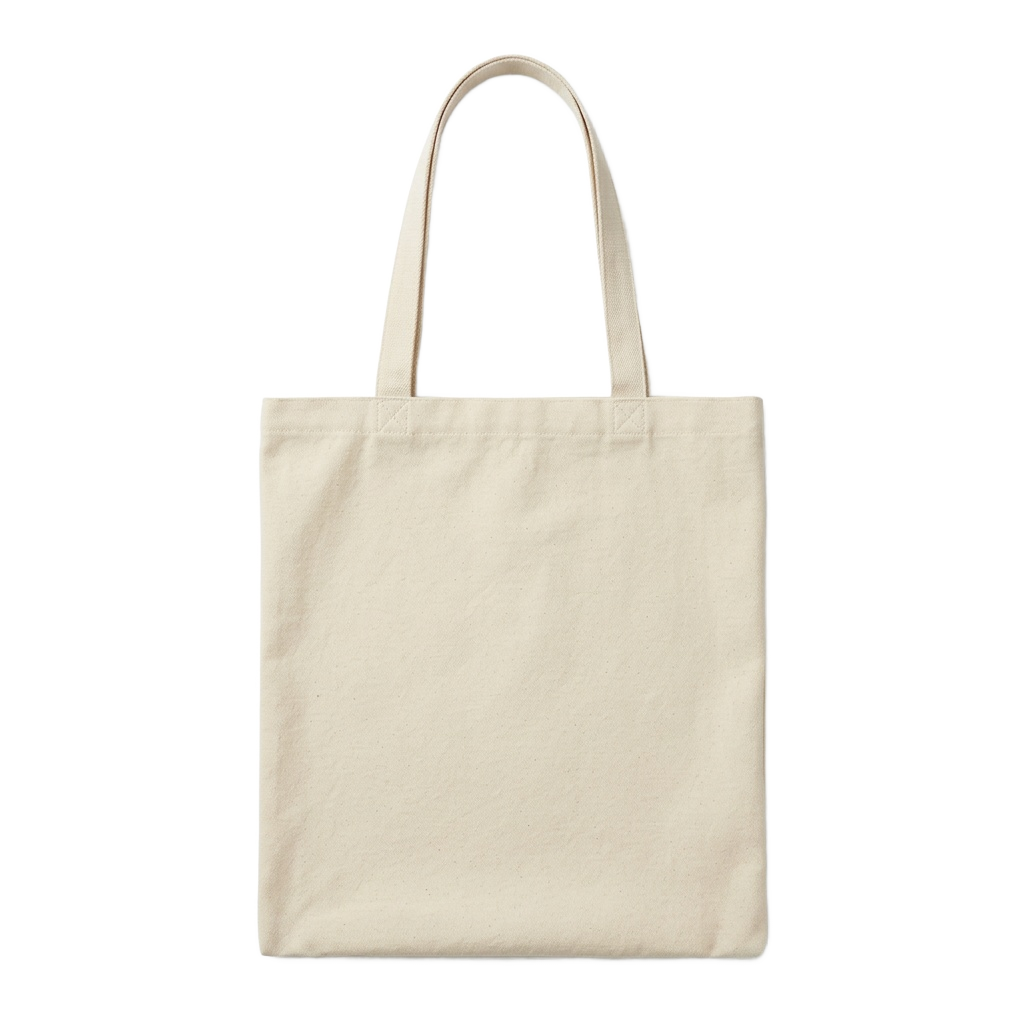
Canvas tote bag
A flat, rectangular tote with a straight hem and an open top, its body formed from a single piece folded at the bottom or two joined panels. Two slim shoulder straps rise from the upper edge, attached with visible cross-stitched reinforcement. The bag is regular in length, holding a squared, upright profile in a light neutral tone.
The same factories that produce for houses like Celine and Balenciaga can produce this piece, directly to you
GABI
Make it yours
Material gradeMOQ 300
Colour
- Main Fabric: 100% Cotton, 340gsm
- Spot clean with a damp cloth — do not machine wash
- Do not bleach
- Do not tumble dry
- Iron on a medium setting
A guide based on the garment’s materials — always follow the care label on the item itself.
Fabrics
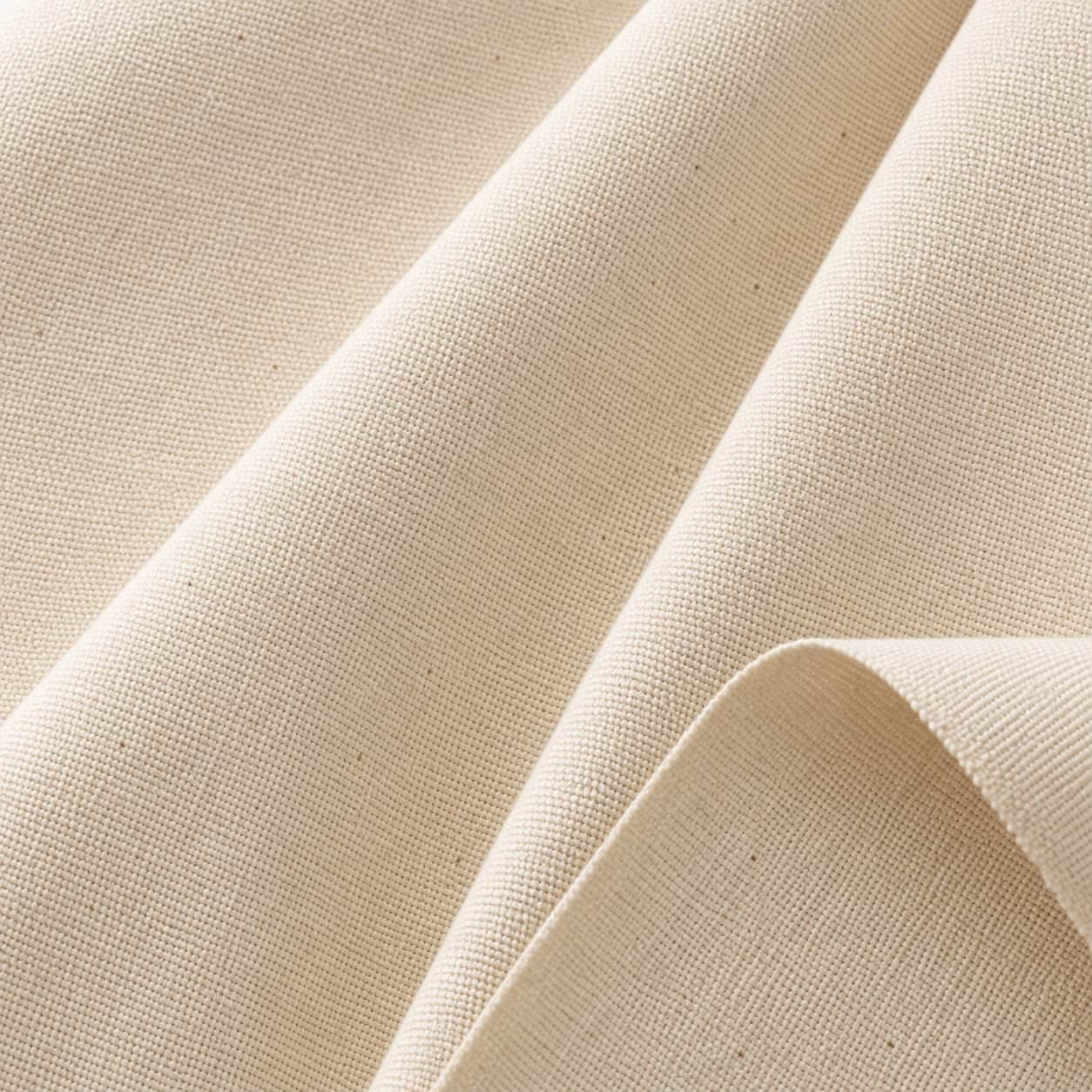
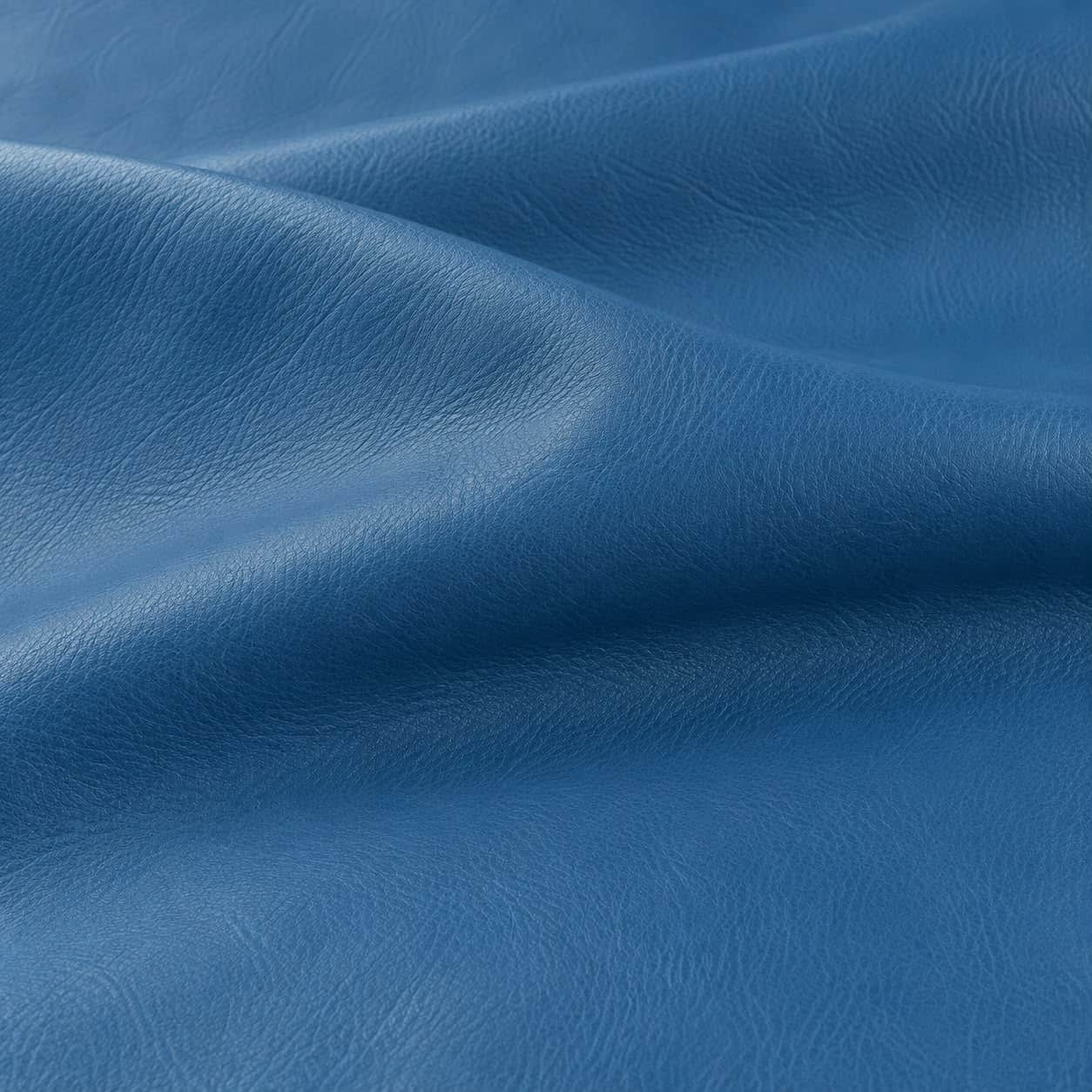

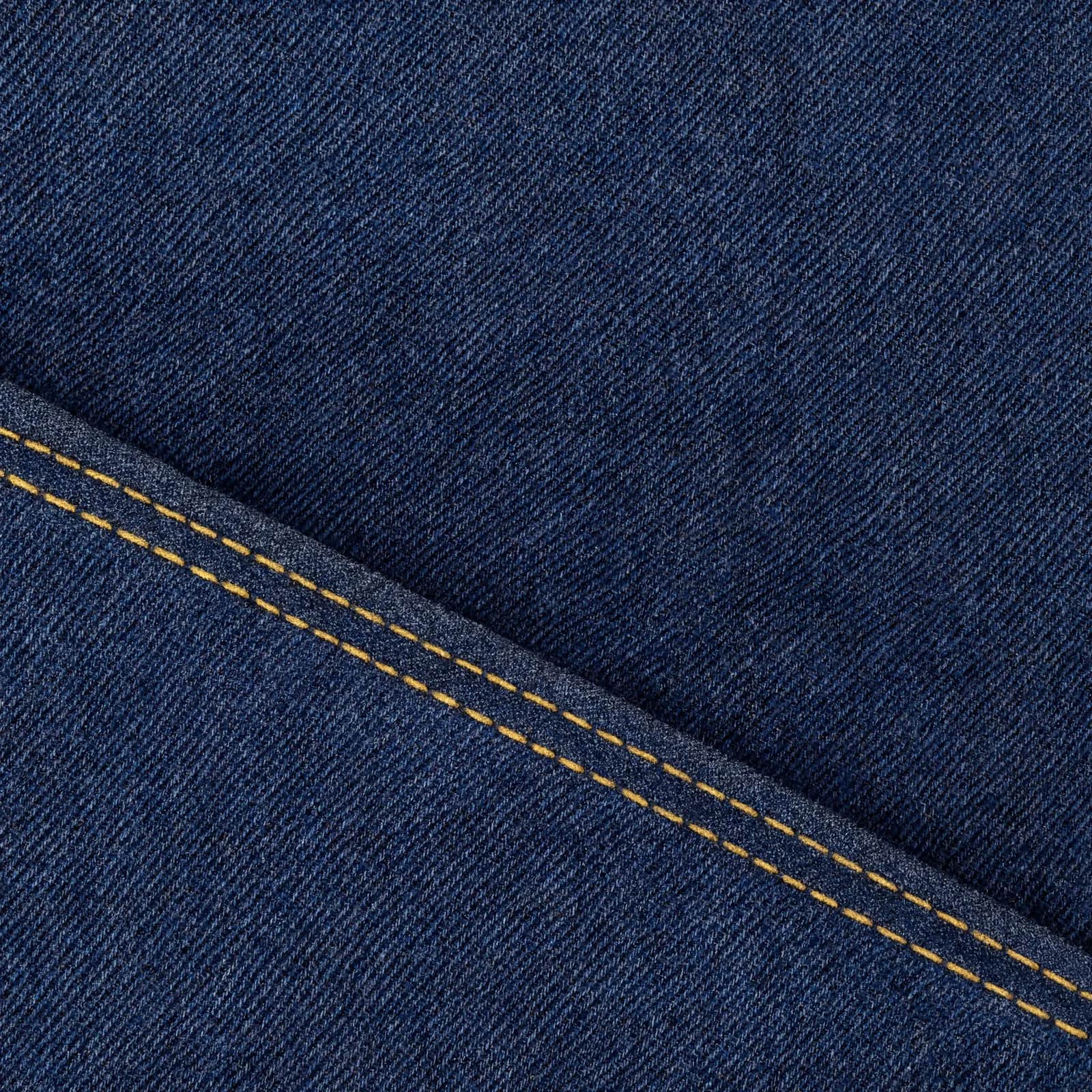
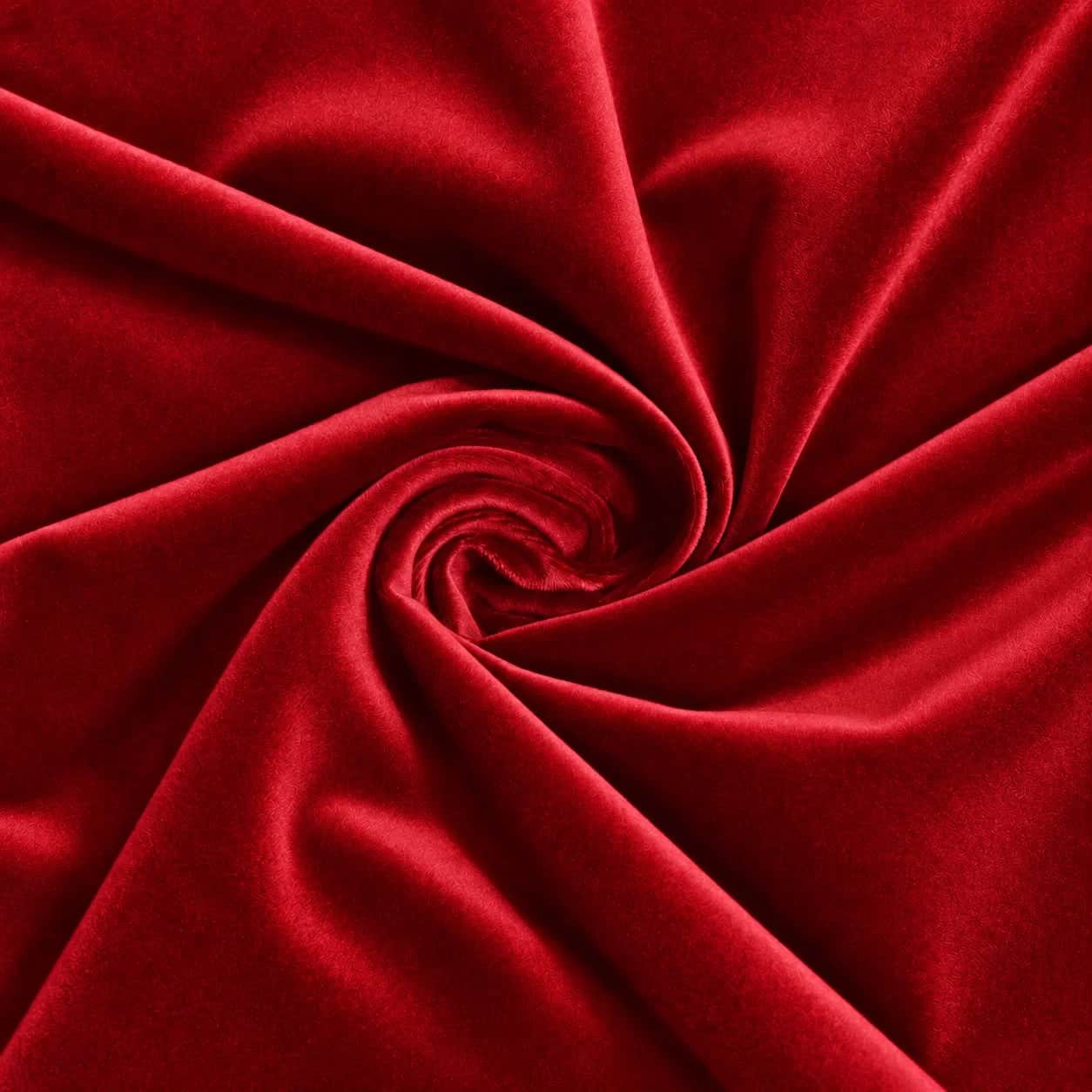
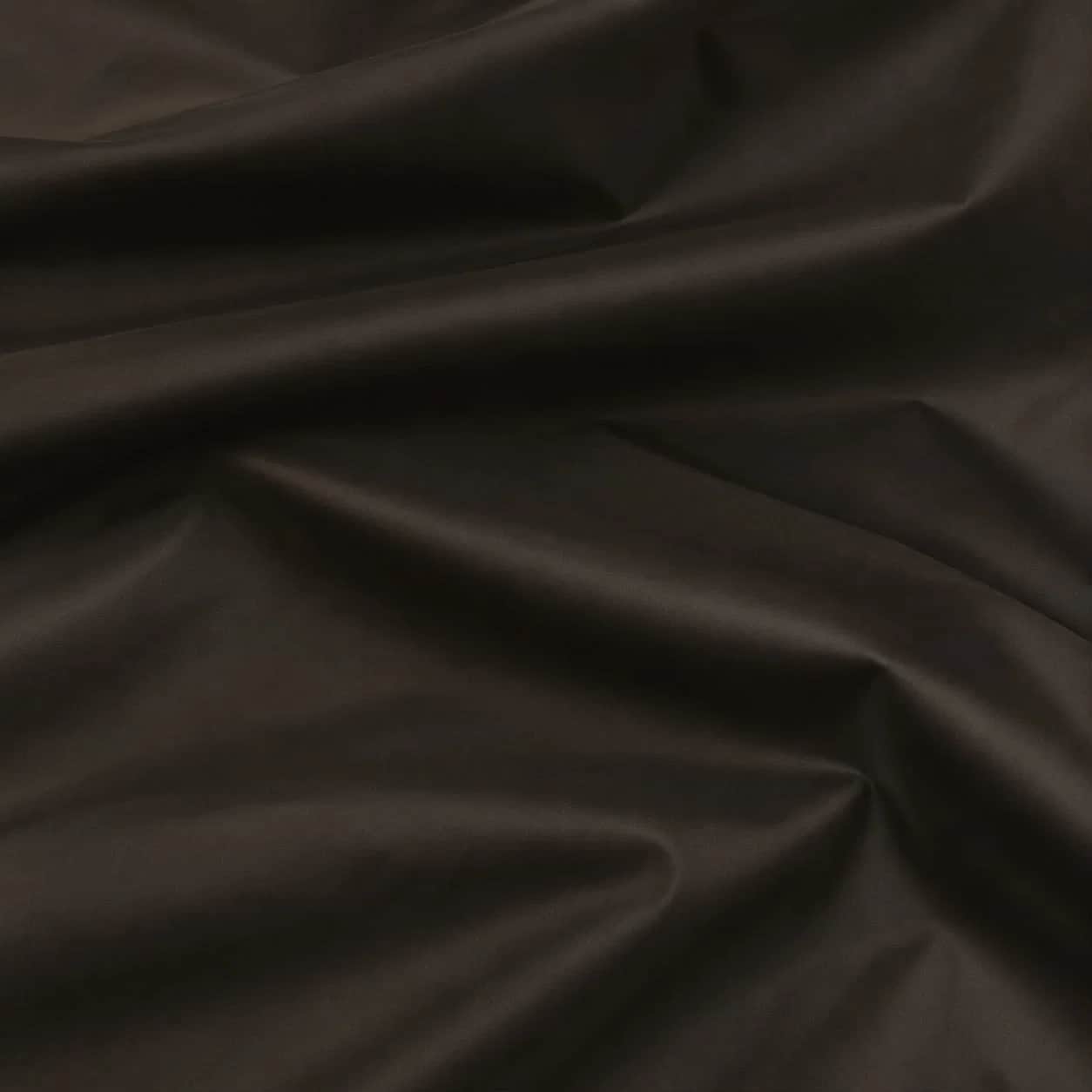
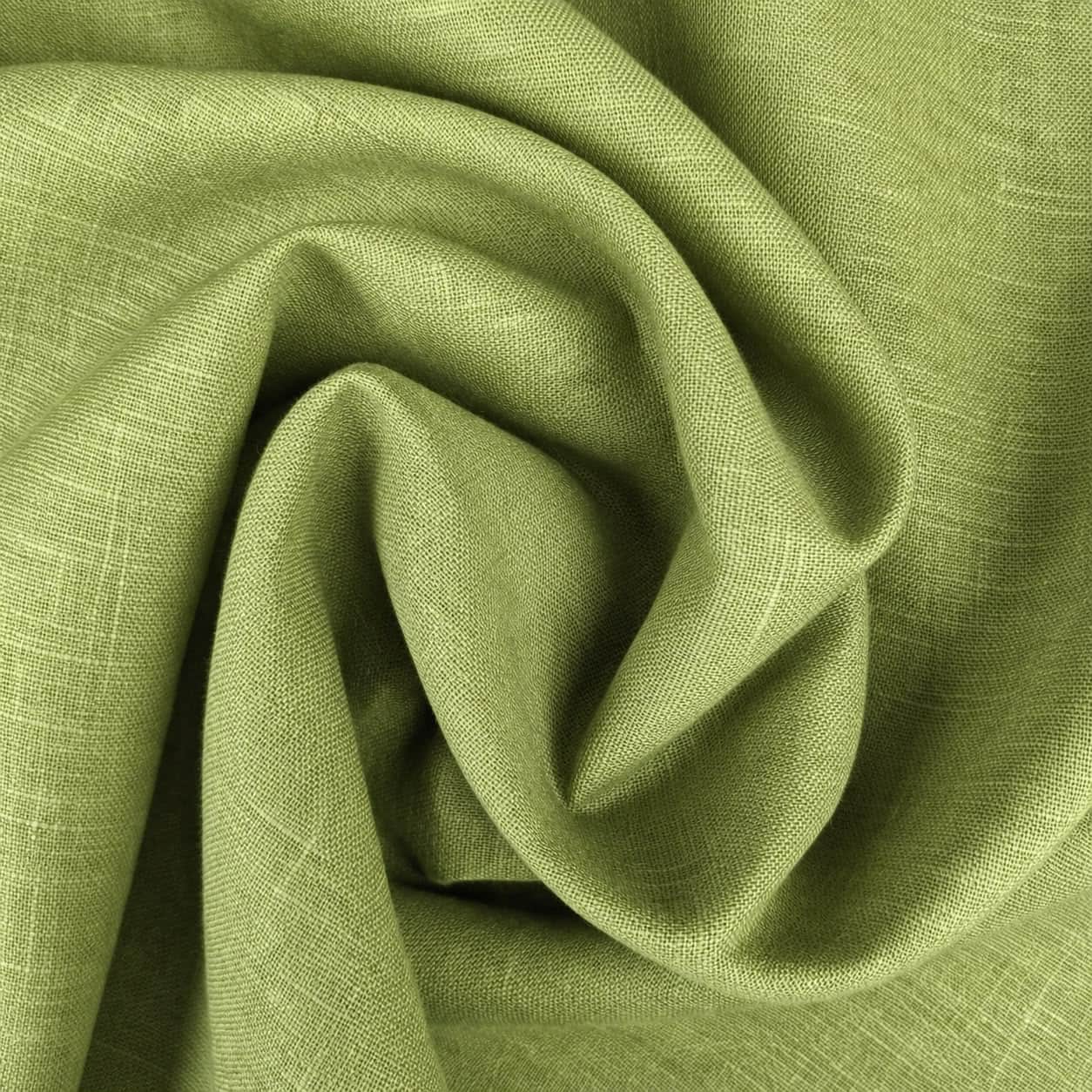
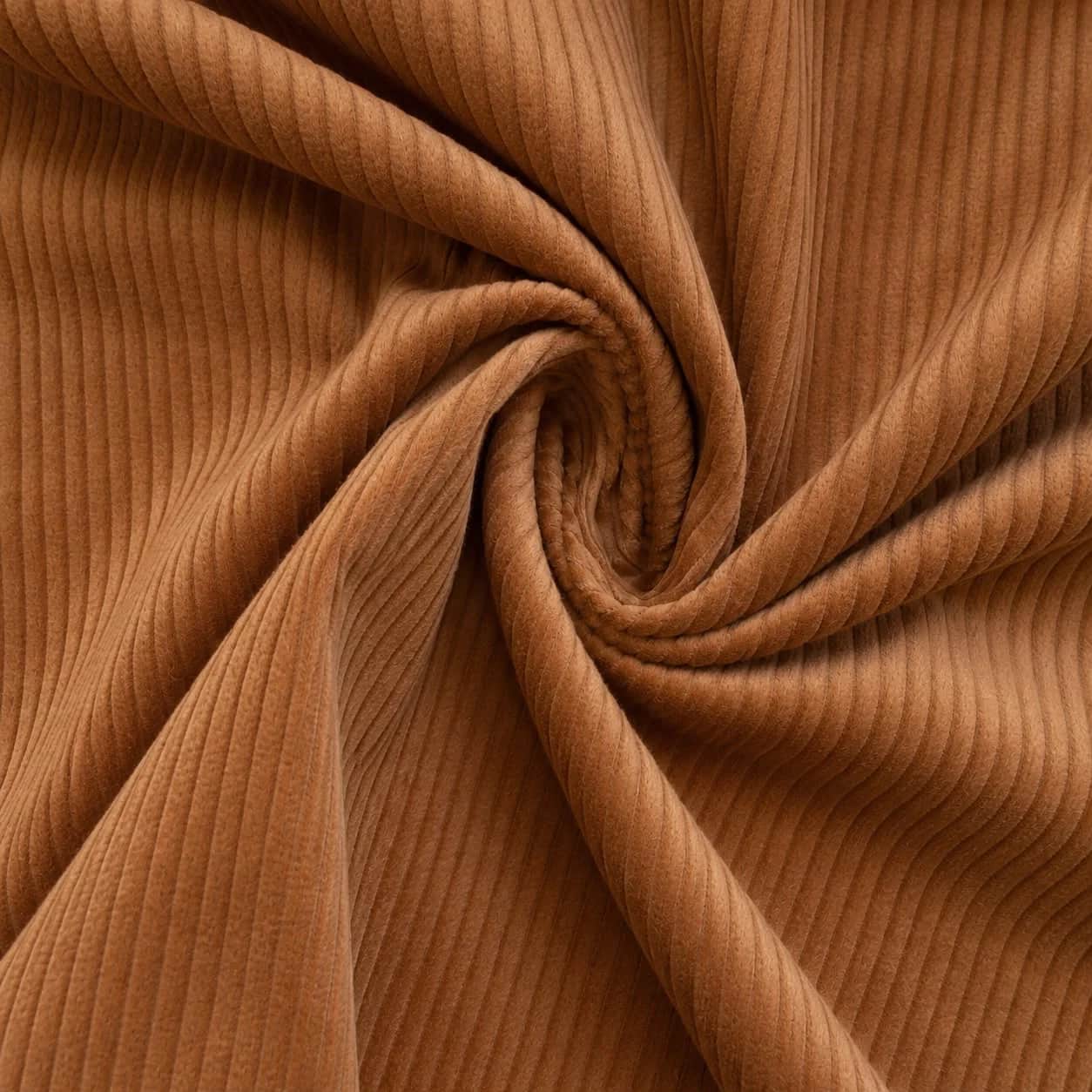
The tote is the simplest bag shape in fashion and one of the hardest to make look expensive. Two panels, two handles, one opening: that is the entire premise. The value comes from canvas weight, handle engineering, seam strength, and whether the bag collapses with dignity.
The Tote Bag -- "The tote is the simplest bag shape in fashion and one of the hardest to make look expensive."
The tote bag's roots are practical carry: market bags, boat bags, book bags, and utility canvas carriers. It became a fashion object because the open rectangle is an ideal surface for material, logo, and proportion. Luxury did not change the format; it changed leather trim, hardware, structure, and branding.
Construction logic
A tote can be flat, boxed, gusseted, bucket-shaped, or structured. The critical points are handle attachment, bottom reinforcement, seam strength, and edge finishing. Canvas totes rely on fabric weight and stitching; leather-trimmed totes rely on reinforcement and hardware quality.
Commercial logic for creators
For creators, the tote is a low-pattern-risk accessory with strong brand visibility. It is also brutally transparent: cheap canvas, weak handles, and poor edge finishing make the product feel promotional. Premium totes win with proportion and durability, not complexity.
Articles
Guide · Budgeting
How Much Does Custom Branded Apparel Cost for a Small Business?
A realistic breakdown of what drives cost on custom apparel orders — quantity, print method, fabric, and where small businesses overpay.
Guide · Merch Design
How to Design Branded Merch Without Hiring a Designer
You don't need an agency to put your logo on a hoodie. Here's the file prep, tools, and rules that make DIY merch look professional.
Guide · Events
Event and Trade Show Merch Checklist: What to Order and When
A timeline and checklist for ordering booth swag and trade show merch without last-minute rush fees or missed deadlines.
Guide · Startups
The Startup's Guide to Ordering Swag on a Tight Budget
How early-stage teams can get professional branded merch without overspending on bulk minimums or unused inventory.
Materials · Cotton · Sourcing
Where Cotton Actually Comes From
Cotton is grown in more than 80 countries — but just two of them, China and India, supply roughly half the world's fiber. Here's who grows what, and why it matters.
Materials · Cotton · Sustainability
Cotton's Water Problem
Cotton uses just 2.5% of global farmland but consumes staggering amounts of water and 16% of the world's insecticides. Here's the real environmental math — and what's being done about it.
Materials · Cotton · Comparison
Regenerative vs Organic vs Recycled
All three are technically the same fiber. The difference is entirely in how it's grown or where it comes from — and each one solves a different part of cotton's environmental problem.
Materials · Cotton · Certifications
Reading a Cotton Label Properly
A "cotton" label alone tells you almost nothing about how it was grown or processed. Here's what each major certification actually verifies — and what it doesn't.
Buyer Guides · Corporate Swag
The Complete Guide to Employee Swag Kits for New Hires
Well-onboarded employees are roughly 58% more likely to stay three-plus years — and the swag kit sitting on their desk on day one is doing more strategic work than most companies realize.
FAQ
A tote is an open-top carry bag, usually with two handles and a rectangular, gusseted, or structured body.
Common options include cotton canvas, duck canvas, nylon canvas, leather, canvas/leather combinations, webbing, and metal hardware.. Choose based on target price, handfeel, durability, and care requirements.
Focus on reinforced handles, boxed corners, bottom panels, lining, top hem, edge binding, and bartacks at stress points. These details usually determine whether the product feels credible or cheap.
Check handle drop, body depth, laptop fit, opening width, and whether the bag is soft, structured, or collapsible. Fit should be reviewed on the body type and use case the product is designed for, not only on a flat measurement sheet.
The main cost drivers are canvas weight, leather trim, lining, hardware, bottom reinforcement, inner pockets, and edge finishing. Sampling time and rejection risk also increase cost when the fit is sensitive.
Request checks for handle pull strength, seam strength, abrasion, colour transfer, and hardware corrosion. For performance or workwear products, test under the real use condition rather than only visually.
Watch for handles tearing out, sagging bottom, weak lining, uneven top edge, and dye transfer from dark canvas or leather. These issues should be caught at fit sample, pre-production sample, and bulk inspection stages.
affordable uses unlined canvas; premium adds lining and reinforced base; luxury adds leather trim, hardware, and structured construction.
Include handle drop, bag dimensions, gusset depth, reinforcement map, pocket layout, material weight, and hardware spec. Add reference photos and tolerance notes where fit or construction is easy to misread.
bag factories with canvas and leather-trim capability are preferred over garment factories.
Use OEKO-TEX STANDARD 100 as a consumer-safety baseline where possible. Use GOTS for organic cotton, GRS for recycled polyester or nylon, RWS for responsible wool, and leather-specific or chemical compliance where relevant to the material.
spot clean canvas, condition leather trims if used, and avoid overloading beyond handle-test limits.