Regenerative vs Organic vs Recycled
The Fiber Itself Doesn't Change
Regenerative, organic, and recycled cotton are technically identical cotton fiber at the cellulose level — same softness, same dyeability, same GSM range. The difference is entirely in how it's grown or where it comes from, not in the material itself.
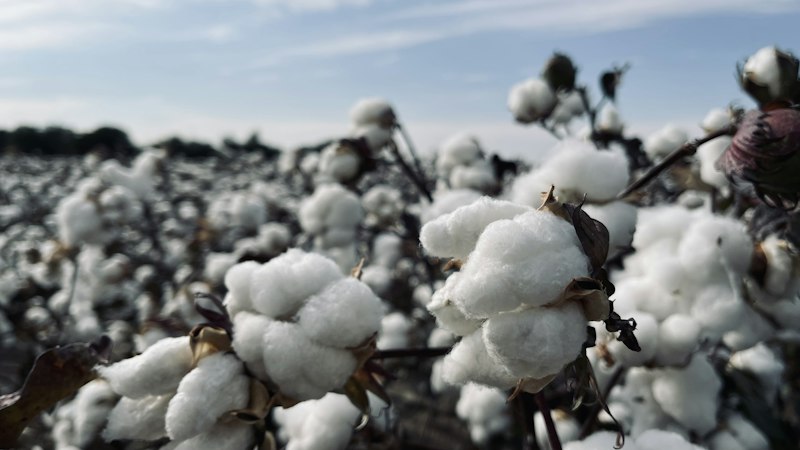
Organic Cotton: Removing Harm
Grown without synthetic pesticides, herbicides, fertilizers, or GMO seed, following a documented 3-year transition period, and certified under GOTS or OCS. It uses roughly 91% less water in rainfed systems compared to conventional (a smaller reduction, 30–50%, under irrigation). It still represents only about 1% of global cotton production.
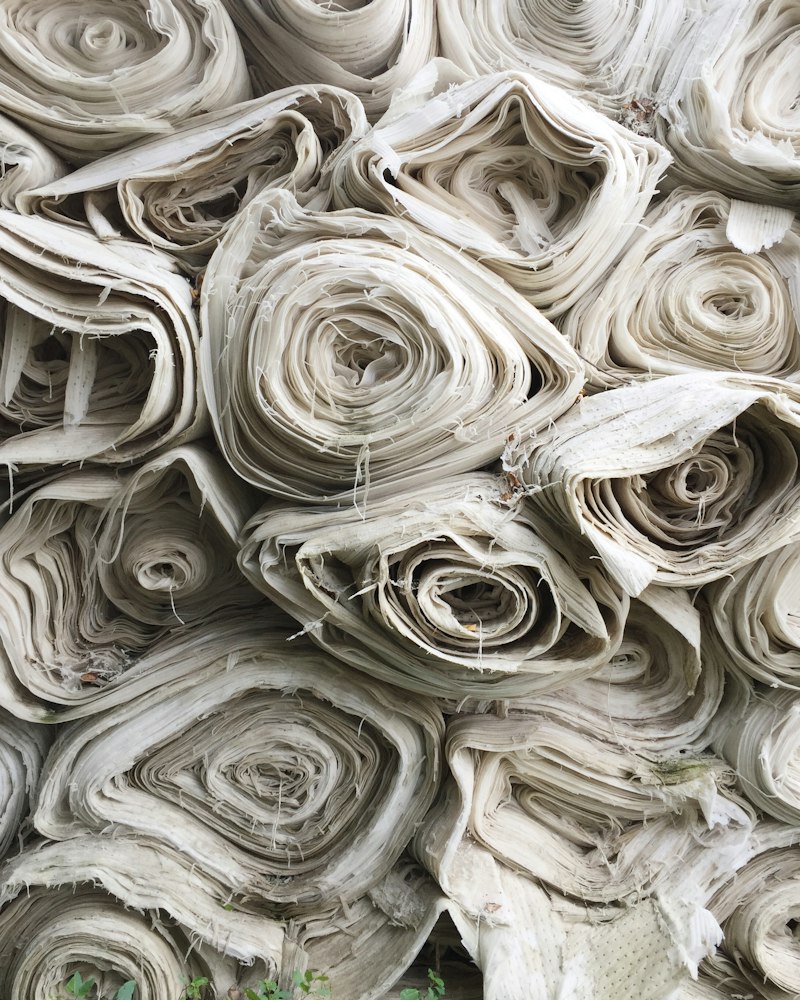
Recycled Cotton: No New Farming
Recovered from post-industrial cutting waste or post-consumer garments through mechanical or, increasingly, chemical processes. Mechanical recycling shortens the fiber (from 25–38mm down to 10–20mm), so it's usually blended with 20–30% virgin fiber to keep yarn strength up. It uses about 80% less water and 60% lower CO2 than virgin cotton — no land, no irrigation, no pesticides at all.
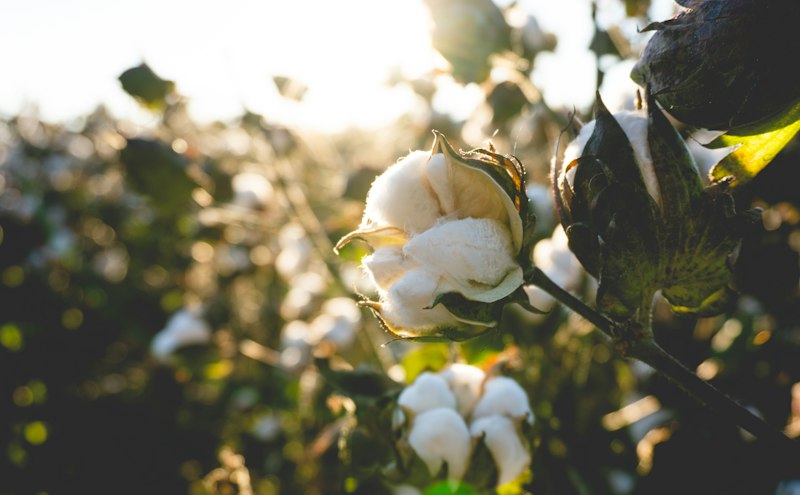
Regenerative Cotton: Actively Repairing the Land
Defined by farming practices, not a single certification — cover cropping, reduced tillage, composting, crop rotation, and integrated pest management. It can cut water use 30–50% versus conventional and sequester 0.5–1.5 tonnes of CO2 per hectare per year; well-managed regenerative farms can be carbon negative.
Which One Actually Wins?
They solve different problems: organic removes harm, recycled avoids new farming entirely, regenerative repairs the land itself. They're not mutually exclusive — some farms hold both regenerative and organic certification at once.