One Fiber, Many Fabrics
Two Families, One Fiber
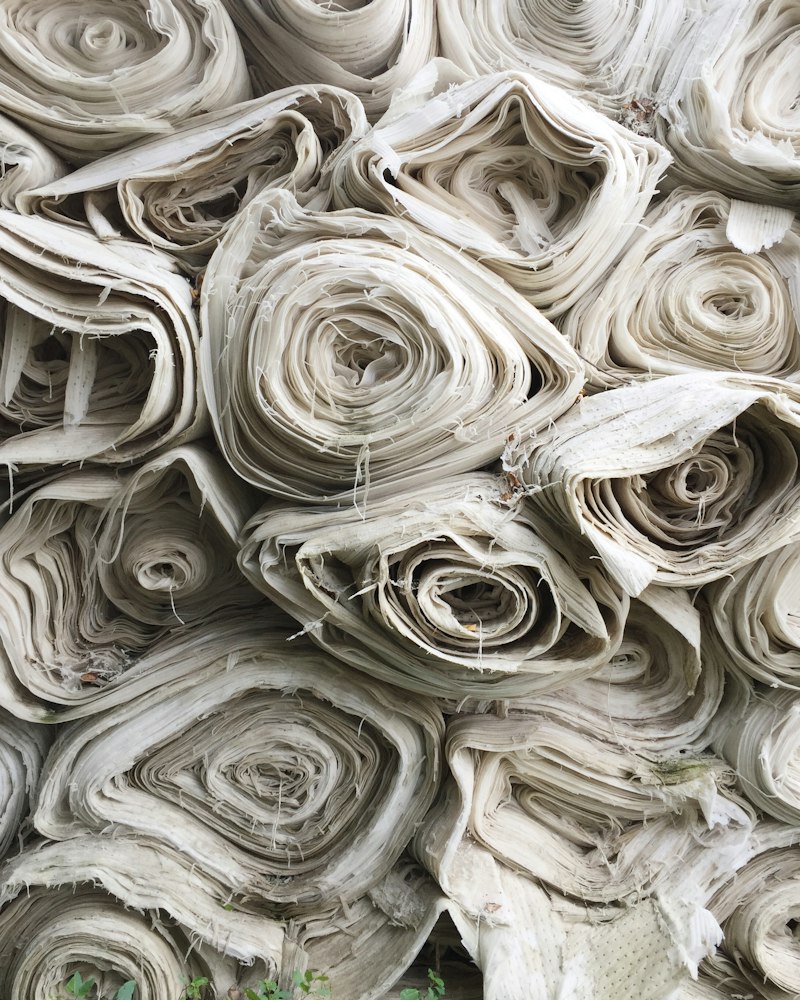
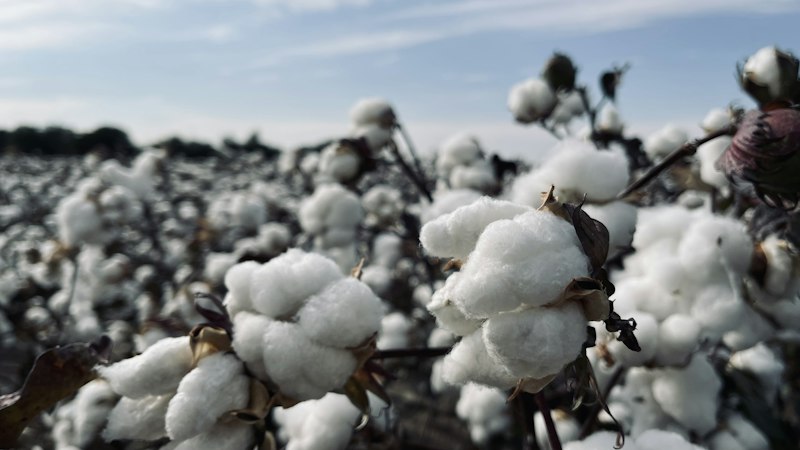
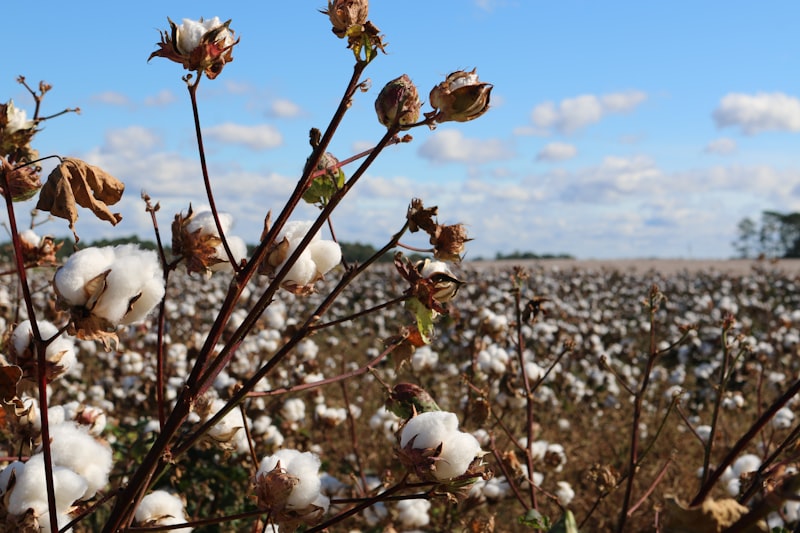
Every cotton fabric starts as the same raw fiber — what changes is how the yarn is turned into cloth. Knits loop yarn into interlocking stitches, giving stretch and drape. Wovens interlace two sets of yarn at right angles, giving structure and crispness. The construction, not the fiber, decides how a fabric behaves.
The Knits
Single Jersey is the T-shirt fabric — lightweight, stretchy, soft. French Terry and Loopback Fleece build on that same jersey base to make the entire sweatshirt and hoodie category. Piqué and waffle add texture for polo shirts and performance tops.
Poplin: The Shirting Weave
Poplin (70–190 GSM) is a plain weave — warp and weft threads cross in the simplest possible over-under pattern, one at a time. That's what gives it a crisp, smooth, flat surface with almost no visible diagonal texture. It's the dominant construction for shirts, blouses, and shirt dresses.
What Makes Twill Different
Twill is a different structure entirely: instead of a simple over-under pattern, the weft thread passes over one or more warp threads before going under two or more, offsetting slightly with each row. That offset creates the diagonal rib you can see and feel on denim, chino, and gabardine — and it makes the fabric more durable and better at hiding soil and wrinkles than a plain weave like poplin.
Denim: Twill's Flagship Fabric
Denim is a cotton twill, traditionally yarn-dyed with indigo in the warp threads only — which is why jeans fade unevenly along creases and eventually turn white where the indigo wears away, while the white weft threads stay hidden underneath. Typical weight runs 10–14oz (280–400 GSM); stretch denim adds 1–3% elastane into the weft for give without losing the twill structure. It's a large enough category on its own to support a $60B+ global jeans market.
Canvas and Heavier Twills
The same twill structure, woven heavier and denser, becomes canvas and gabardine — the fabrics behind trench coats, field jackets, work pants, and bags. These run 250–400 GSM and are often finished with DWR (durable water repellent) or wax coatings for extra weather resistance, trading softness for structure and durability.
Why Construction Matters More Than Fiber Content
Two garments can both be "100% cotton" and feel completely different — one stiff and structured, one soft and stretchy, one diagonally ribbed and hard-wearing. That's construction, not fiber, at work. Knowing the weave tells you more about how a fabric will perform than the fiber content alone.