
Ready to shipOrder from 1
Classic crew-neck T-shirt
T-shirt · regular fit · Classic Cotton Jersey
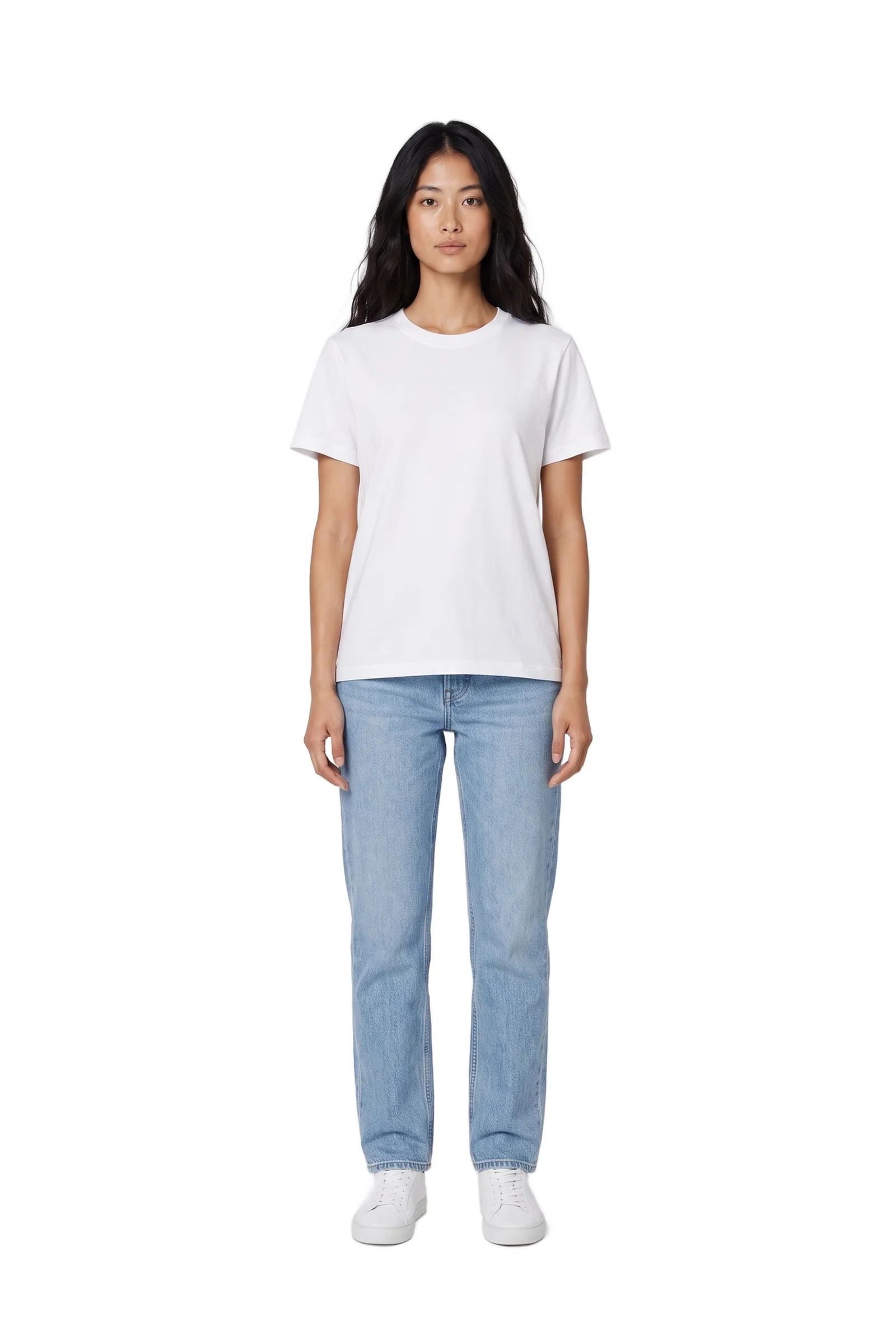 Model
Add 200 more to pay $14.81 / unit.
Kids
Gabi designs your changes in the Studio, then you order the finished piece. ORDER below makes it as shown.
What's included at $17.48
- Classic crew-neck T-shirt, Essential grade (Classic Cotton Jersey)
- Made to order in White
- Your size run, as set above
- Replaced if anything arrives faulty
Shipping is priced at checkout from your address.
Make it yours
Your logo on the chest, a woven label, a back print, a colour from your brand book: Gabi designs the changes with you in the Studio and prices the finished piece before you order it. Your logo file goes on as you supply it.
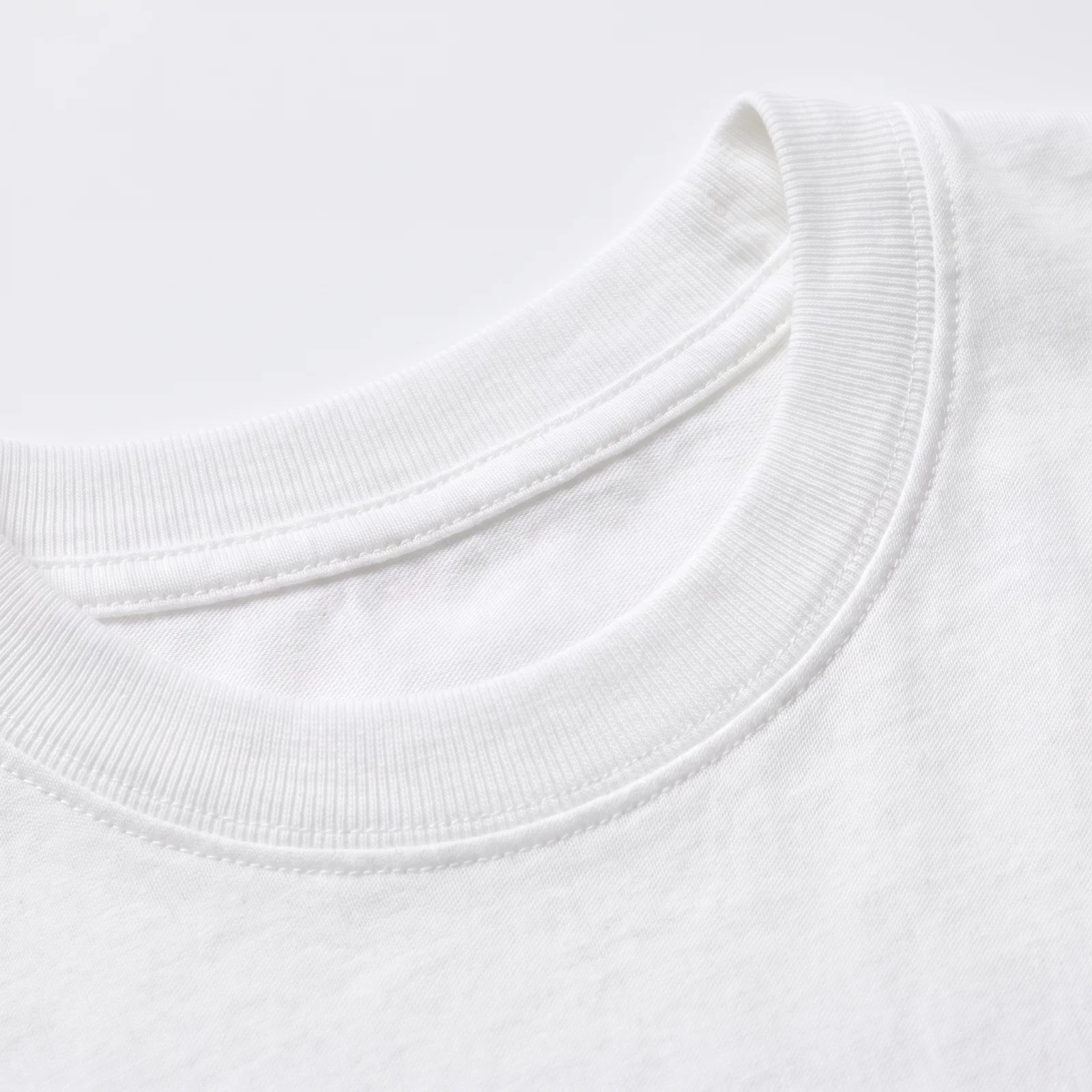 Close-upFabric and finish
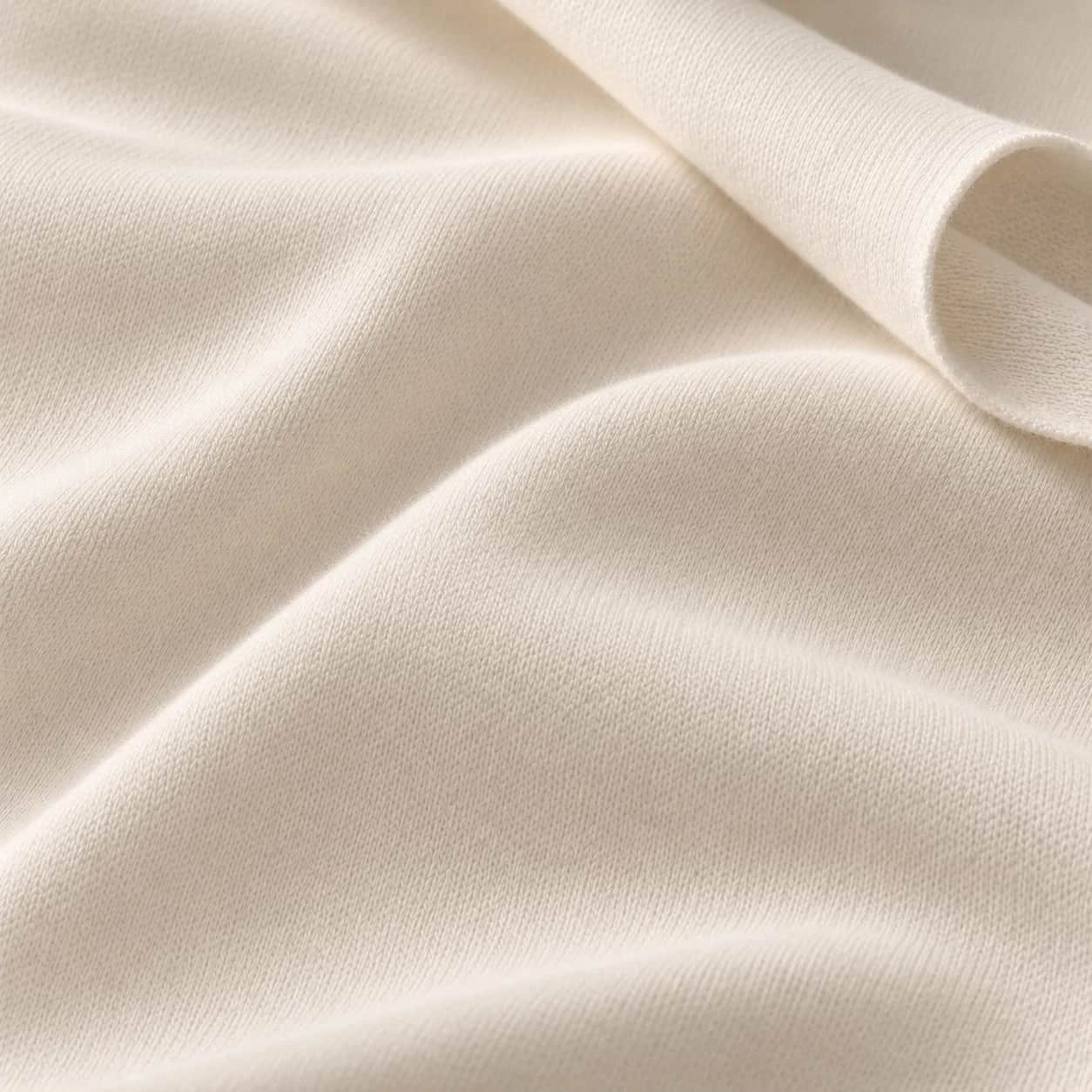
A regular-fit pullover with a straight, tubular body that falls to a standard length and ends in a straight hem. Short set-in sleeves extend from standard shoulder seams, and a narrow ribbed band finishes the round crew neckline. The white cotton knit sits close to the torso without tapering at the waist.
Specs
Size guide
| cm | XXS | XS | S | M | L | XL | XXL |
|---|---|---|---|---|---|---|---|
| Bust | 44.5 | 47 | 49.5 | 52 | 54.5 | 57 | 59.5 |
| Length | 62 | 64 | 66 | 68 | 70 | 72 | 74 |
The garment measured flat: compare it with one you own.
Similar styles
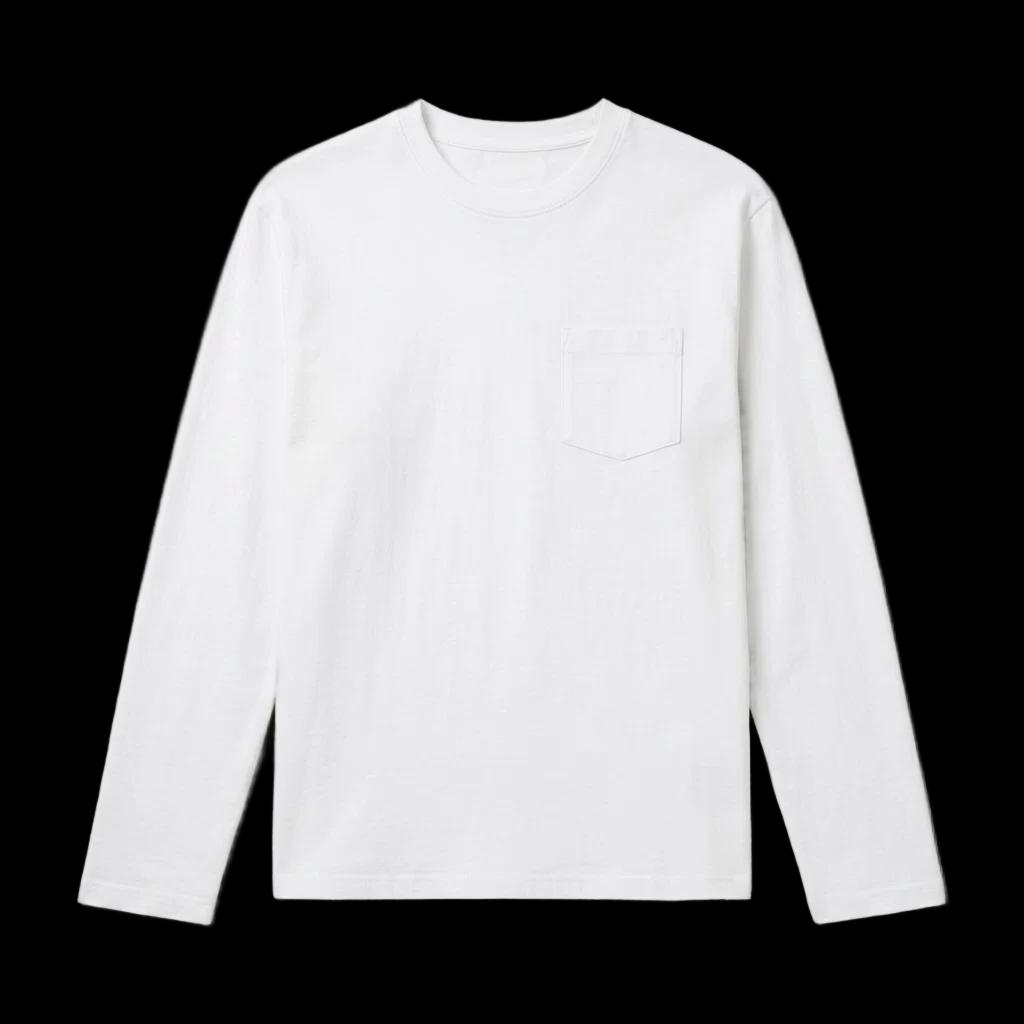
Long Sleeve pocket T-shirt
Essential · 100% Cotton Jersey
$17.48/ unit at 100
Long Sleeve pocket T-shirt
Luxury · Organic Cotton Interlock
$49.88/ unit at 100
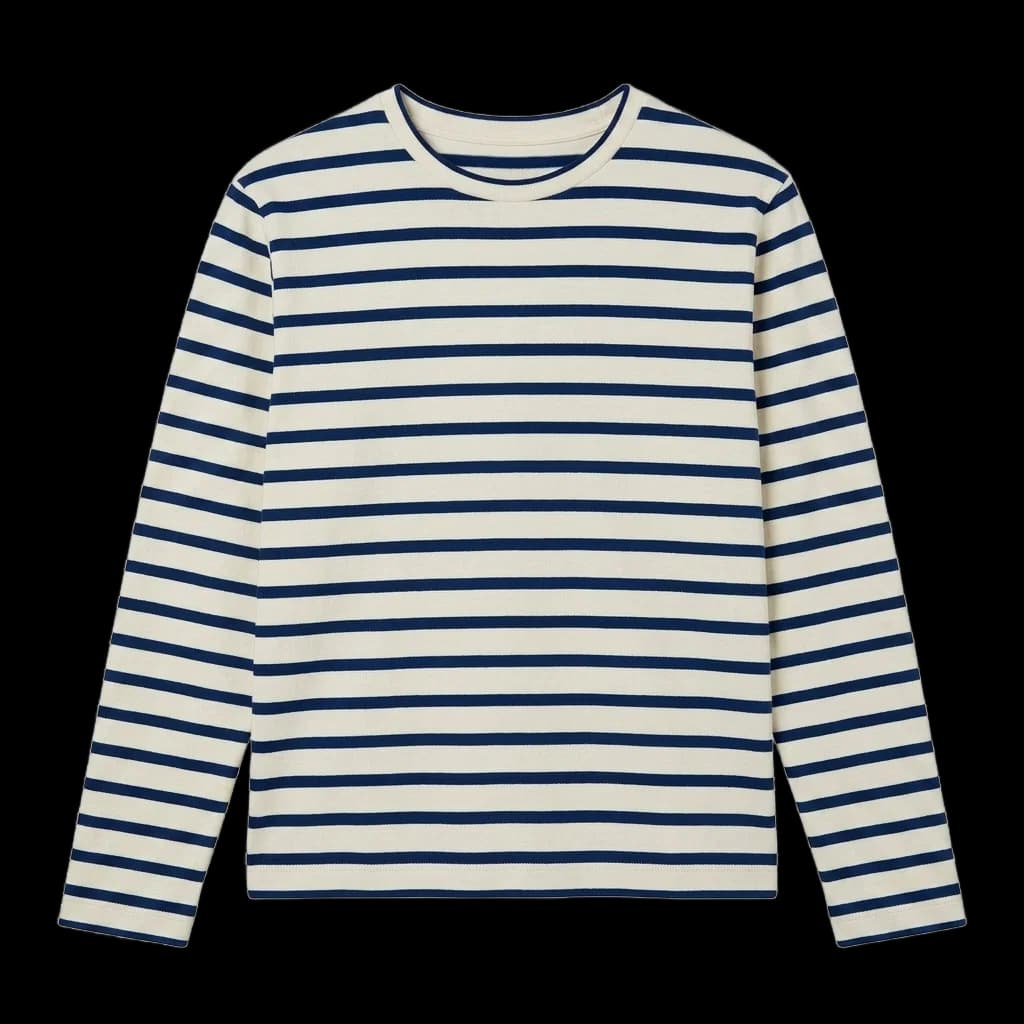
Breton Stripe T-shirt
Essential · Classic Cotton Jersey
$17.48/ unit at 100
Breton Stripe T-shirt
Luxury · Organic Cotton Interlock
$49.88/ unit at 100
The T-shirt was born as underwear.
For a hundred years, it was hidden under shirts, worn by soldiers and sailors, invisible to the world. Then Marlon Brando put one on screen in 1951 — and everything changed. Today the T-shirt is the most produced garment in human history. 2 billion units a year. And the first thing almost every independent fashion brand ever makes.
Fabrics

Articles
Guide · Materials
How to Choose the Right Fabric for Custom Team Apparel
A quick guide to matching fabric type to how your team's apparel will actually be worn — office, active, or outdoor roles.
Guide · Budgeting
How Much Does Custom Branded Apparel Cost for a Small Business?
A realistic breakdown of what drives cost on custom apparel orders — quantity, print method, fabric, and where small businesses overpay.
Guide · Merch Design
How to Design Branded Merch Without Hiring a Designer
You don't need an agency to put your logo on a hoodie. Here's the file prep, tools, and rules that make DIY merch look professional.
Guide · Events
Event and Trade Show Merch Checklist: What to Order and When
A timeline and checklist for ordering booth swag and trade show merch without last-minute rush fees or missed deadlines.
Guide · Production
Screen Print vs. Embroidery: Which Is Better for Company Merch?
The real trade-offs between screen printing and embroidery for branded apparel — cost, durability, and when each one wins.
Guide · Startups
The Startup's Guide to Ordering Swag on a Tight Budget
How early-stage teams can get professional branded merch without overspending on bulk minimums or unused inventory.
Guide · Jersey Basics
The T-Shirt Encyclopedia: Every Silhouette, One Factory
23 t-shirt silhouettes, one jersey knit supply chain. A field guide to the style families, what actually changes between them, and where the CMT cost moves.
Materials · Cotton · Fiber Basics
What Is Cotton, Really?
Cotton fiber is, botanically speaking, a seed's survival mechanism. Here's what makes it soft, breathable, and biodegradable — and why not all cotton is the same grade.
Materials · Cotton · Constructions
One Fiber, Many Fabrics
Same fiber, wildly different fabric. Here's the real difference between a plain weave like poplin and a twill weave like denim — and how that single structural choice changes everything.
Buyer Guides · Corporate Swag
The Complete Guide to Employee Swag Kits for New Hires
Well-onboarded employees are roughly 58% more likely to stay three-plus years — and the swag kit sitting on their desk on day one is doing more strategic work than most companies realize.
Guide · Jersey Basics
You're Already Making T-Shirts. A Bodysuit Is $3 Away.
The bodysuit uses the exact same jersey knit factory as your T-shirt and tank top range. Two added operations, one modest CMT adder.
Guide · Seasonal Design
14 Halloween Shirt Ideas to Inspire Your Next Design (2026)
From minimalist ghost line art to Day of the Dead sugar skulls — 14 Halloween t-shirt design directions for your 2026 seasonal drop, plus print method guidance for each.
Questions
A T-shirt costs between $13 and $28 per unit landed, depending on material tier and factory region. Standard conventional cotton at 300 units from China or Vietnam lands at approximately $13–$16 per unit, including fabric, CMT, trims, finishing, freight, and duties. Premium T-shirts using GOTS-certified organic cotton land at $20–$28 per unit at the same volume.
100 × Essential · White
$1,748