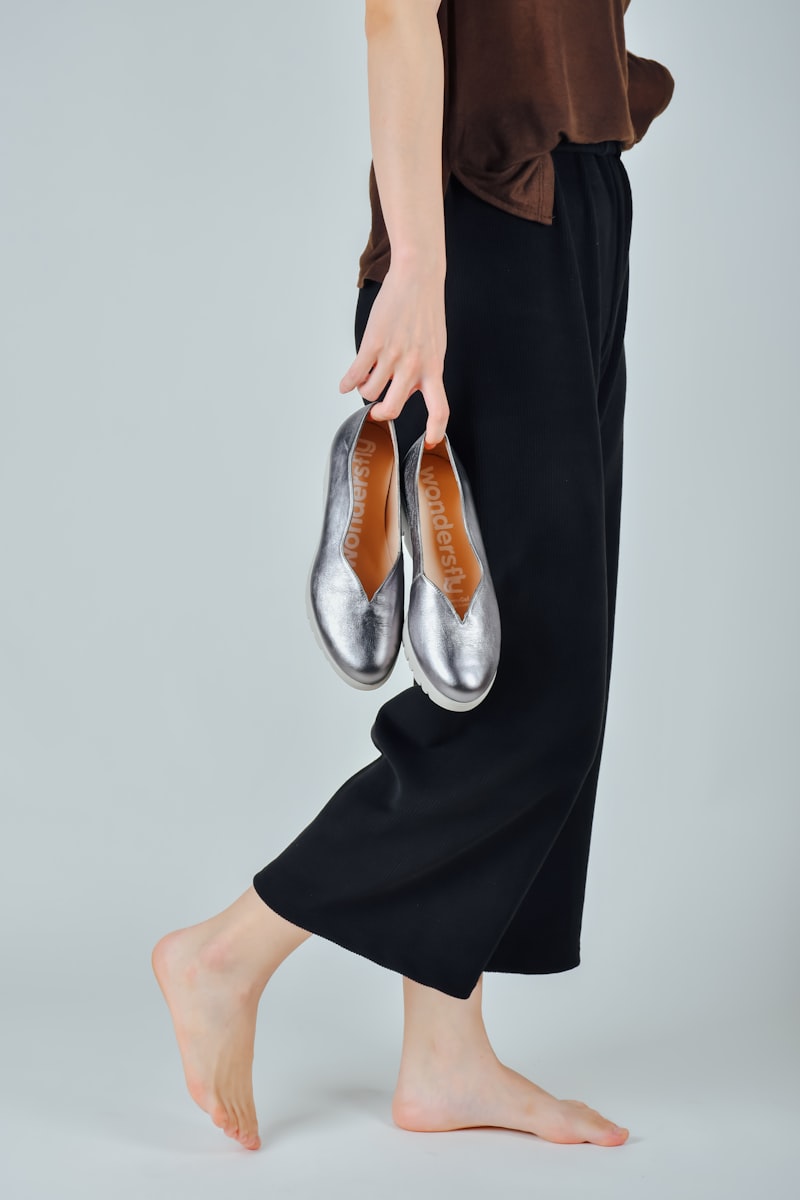
The $1.50 Upgrade That Decides If Anyone Wears Your Flats Twice
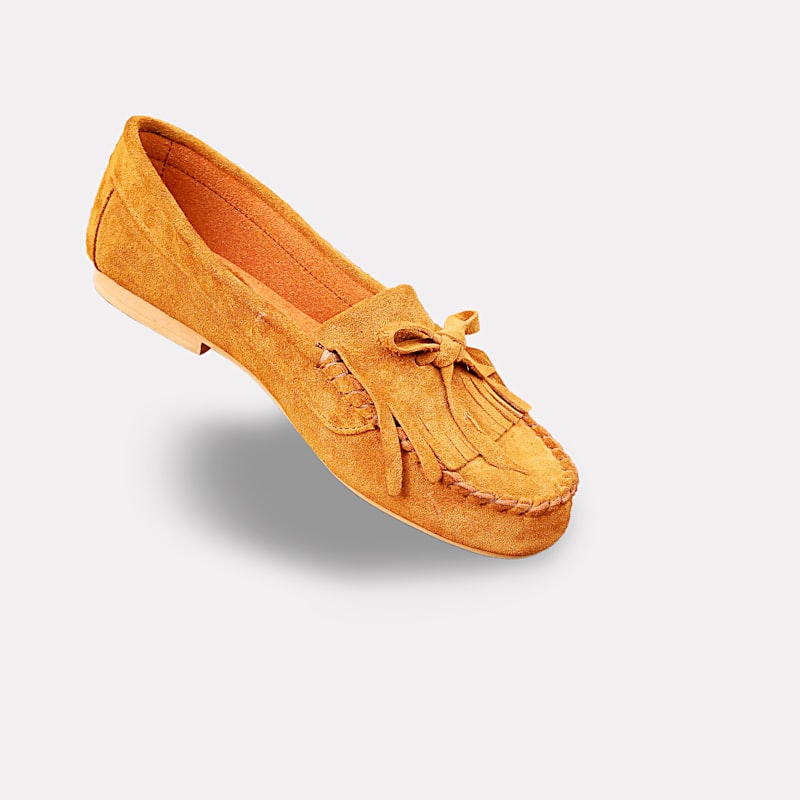
Of every component in a ballet flat, the insole has the strangest relationship between cost and impact: it's one of the cheapest parts of the shoe, and it's also the single biggest factor in whether a customer wears the flat once or wears it every day.
Fashion flat vs. wearable flat
Insole specification by tier
3mm EVA foam
affordable, minimum viable
Covered in non-woven fabric.
Functional but thin — noticeable after a few hours of wear.
5–6mm memory foam
premium, all-day comfort
Covered in leather.
The insole upgrade that turns a flat into something worn regularly, not occasionally.
Full leather footbed
luxury, cushioned
Full leather insole plus cushioned footbed construction.
The comfort standard at the top of the market.
A flat with no padding is a fashion object, not a wearable shoe.
Worth knowing
The insole cost is $1–2.50 per pair — modest at any tier — but the retail differentiation it enables runs $30–60 at the same construction tier. Almost no other component in a ballet flat has that kind of leverage.
The takeaway
If budget is tight anywhere in a ballet flat build, the insole is the last place to cut it — it's the highest-ROI line item in the entire cost sheet, and it's what separates a repeat customer from a one-time buyer.
Powered by Sparkit — production intelligence across footwear categories.