The 1956 Sewing Trick Behind Every Repetto Flat
When Brigitte Bardot asked Rose Repetto for a street version of a ballet shoe in 1956, Repetto turned an existing dance-shoe technique into what's now one of the most recognizable constructions in footwear. It's called stitch-and-turn, and it's still how the Repetto Cendrillon is made today.
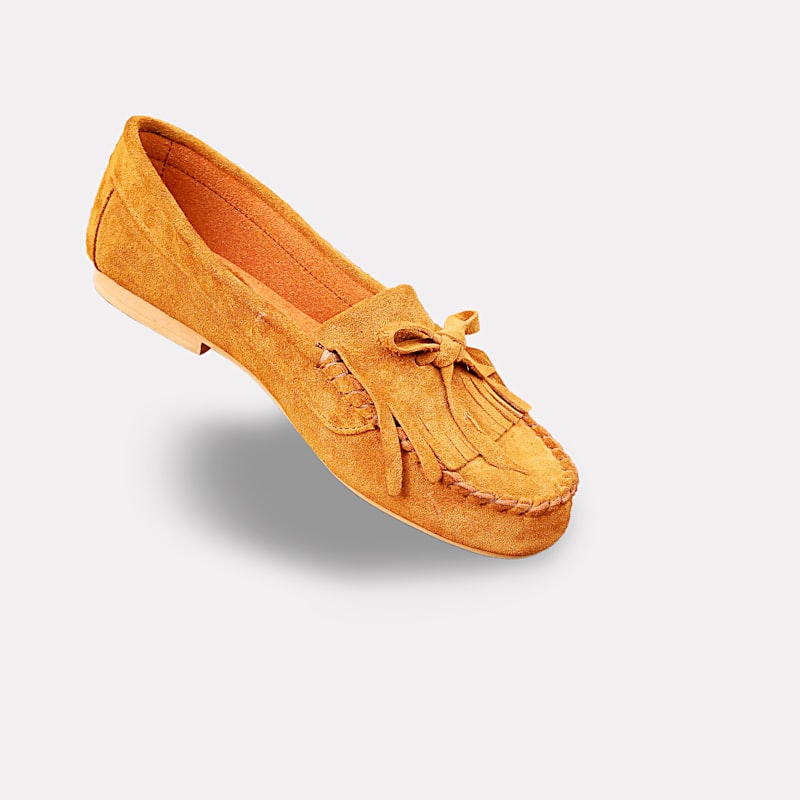
The shoe is sewn wrong-side-out, then reversed — so every seam ends up on the outside.
Stitch-and-turn construction, Repetto Cendrillon since 1956.
What stitch-and-turn actually does
The shoe is assembled inside-out, then physically reversed so the finished seams sit on the exterior of the shoe. That leaves the interior smooth against the foot, with no seam irritation — a meaningful comfort difference from a standard cement-lasted flat, where interior seams are common.
Why it costs more
Worth knowing
Not every factory has this skill — ask specifically before you brief it. It's a distinct construction method, not a variation on standard lasting, and a factory that hasn't done it before will struggle on the first sample.
How to brief it
Name the construction explicitly as "stitch-and-turn" or "turned construction" on the tech pack — don't just describe the visual result and expect the factory to infer the method. Ask for a reference sample of another stitch-and-turn shoe from their production history before committing to a full order.
The takeaway
Stitch-and-turn is a genuine construction upgrade, not a marketing term — it changes how the shoe feels against the foot, and it's worth the CMT premium if comfort is part of your positioning.
Powered by Sparkit — construction techniques and CMT benchmarks across footwear categories.