420D or 600D? The Nylon Denier Guide That Decides Your Backpack's Price
"Denier" (the D after the number) measures the thickness of the individual fiber, not the fabric as a whole — but in practice, higher denier means a heavier, more abrasion-resistant, more expensive shell. Choosing the right one is one of the first decisions in any backpack brief, and it has a direct effect on both cost and positioning.
Higher denier means heavier, tougher, and more expensive — not automatically better.
420D vs 600D vs 1000D Cordura.
Shell fabric by denier
600D polyester
affordable, everyday
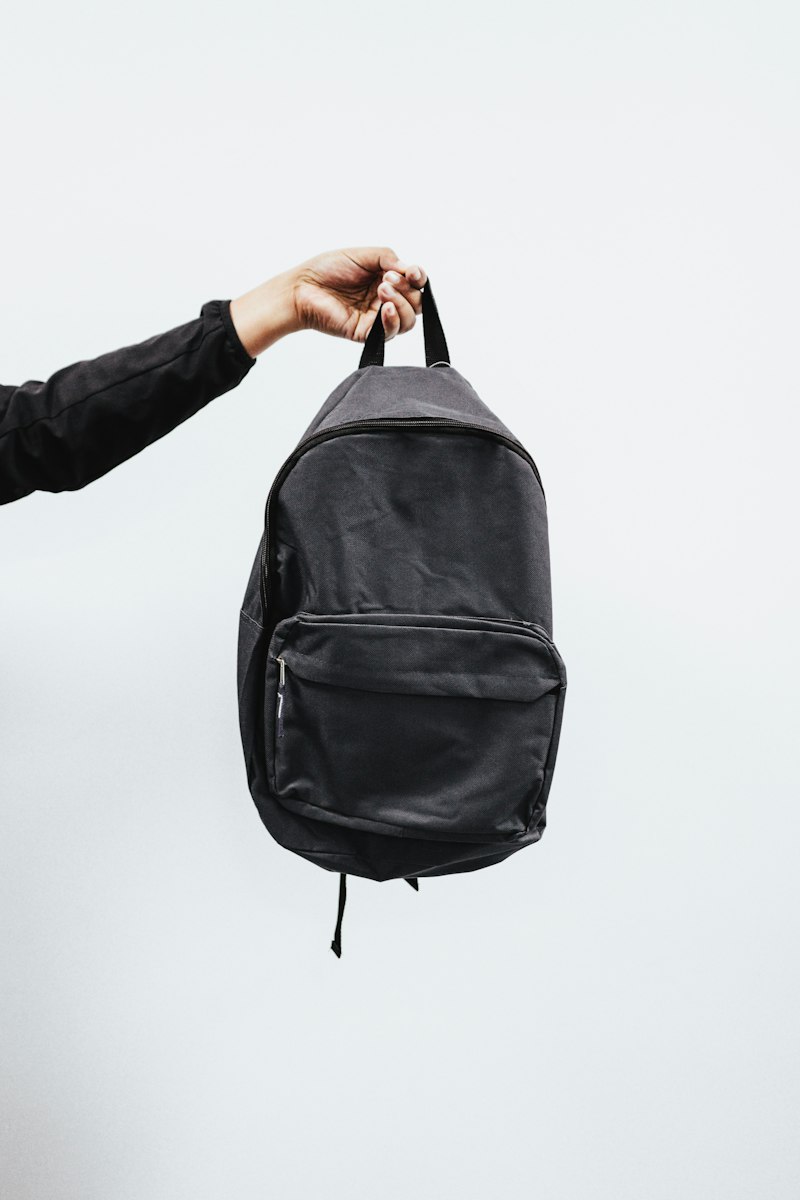
The workhorse of school bags and affordable commuter packs.
Tougher and cheaper than nylon at the same weight, though without quite the same soft hand-feel.
DWR finish is optional at this tier. Roughly $3.50/m.
420D nylon
premium, lightweight
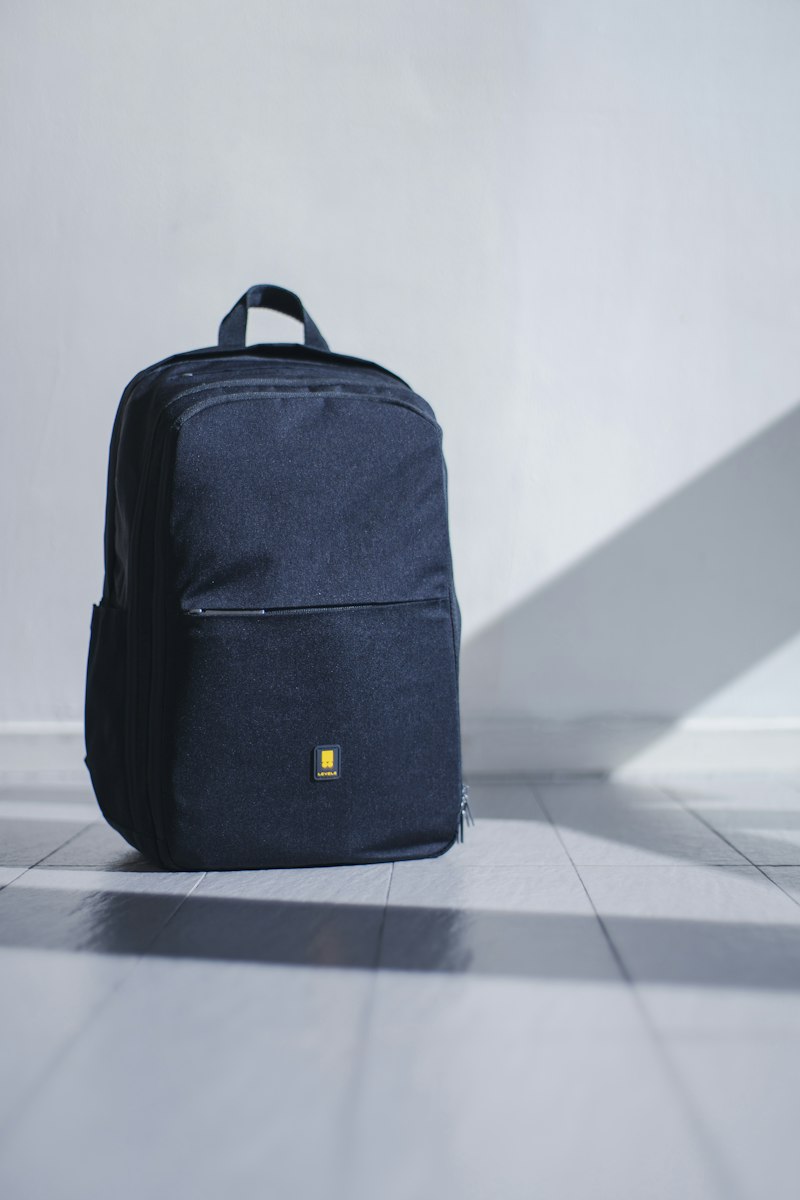
The step up for fashion and urban backpacks.
Lighter than 600D poly, better abrasion resistance for its weight, and takes a DWR finish as standard at premium tier.
1000D Cordura nylon
heavy-duty
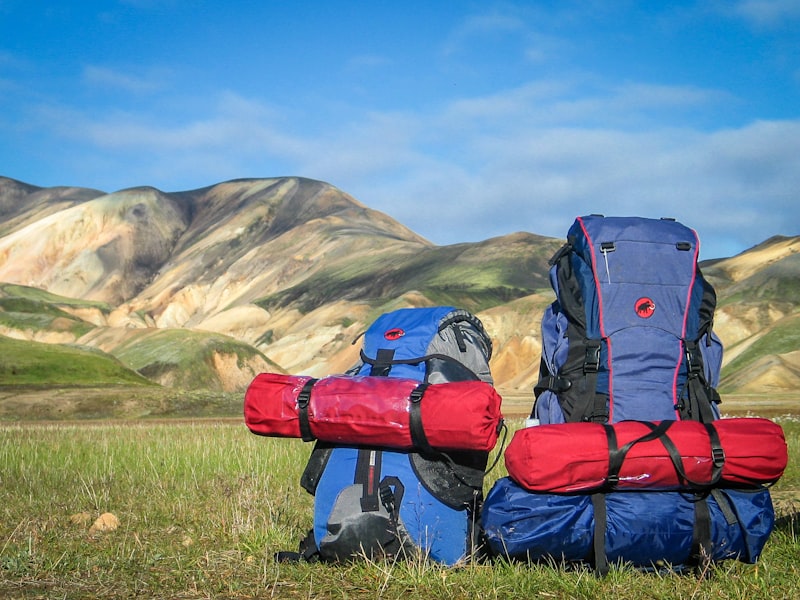
"Lifetime guarantee" fabric — the denier used by outdoor and technical brands that promise their packs will survive years of hard use.
Premium-to-luxury pricing.
1680D ballistic nylon
maximum abrasion resistance
The heaviest common option, typically reserved for luxury briefcases and executive packs.
Maximum toughness and a substantial hand-feel over weight savings.
Recycled (GRS) nylon
the sustainability play
Available across the 420D–1000D range, performs identically to virgin nylon.
Carries a certification premium of roughly 15–20% over base fabric cost.
Quick decision guide
| If you're building... | Choose |
|---|---|
| A budget school bag or basic commuter | 600D polyester |
| A fashion-forward or lightweight urban pack | 420D nylon |
| An outdoor or "built to last" pack | 1000D Cordura |
| A luxury executive or briefcase-style pack | 1680D ballistic nylon |
| A sustainability-led premium brand | GRS recycled nylon (420D–1000D) |
Worth knowing
Whichever fabric you choose, specify DWR finish explicitly on the fabric brief — don't leave it as an assumption. Ask your factory for an ISO 4920 spray test result before bulk approval.
The takeaway
Denier decides weight, abrasion resistance, and price tier — but DWR finish is a separate spec that needs its own line on the brief, at every denier, or it gets skipped by default.
Powered by Sparkit — fabric pricing and specs across 13+ material categories.