Saffron Snug
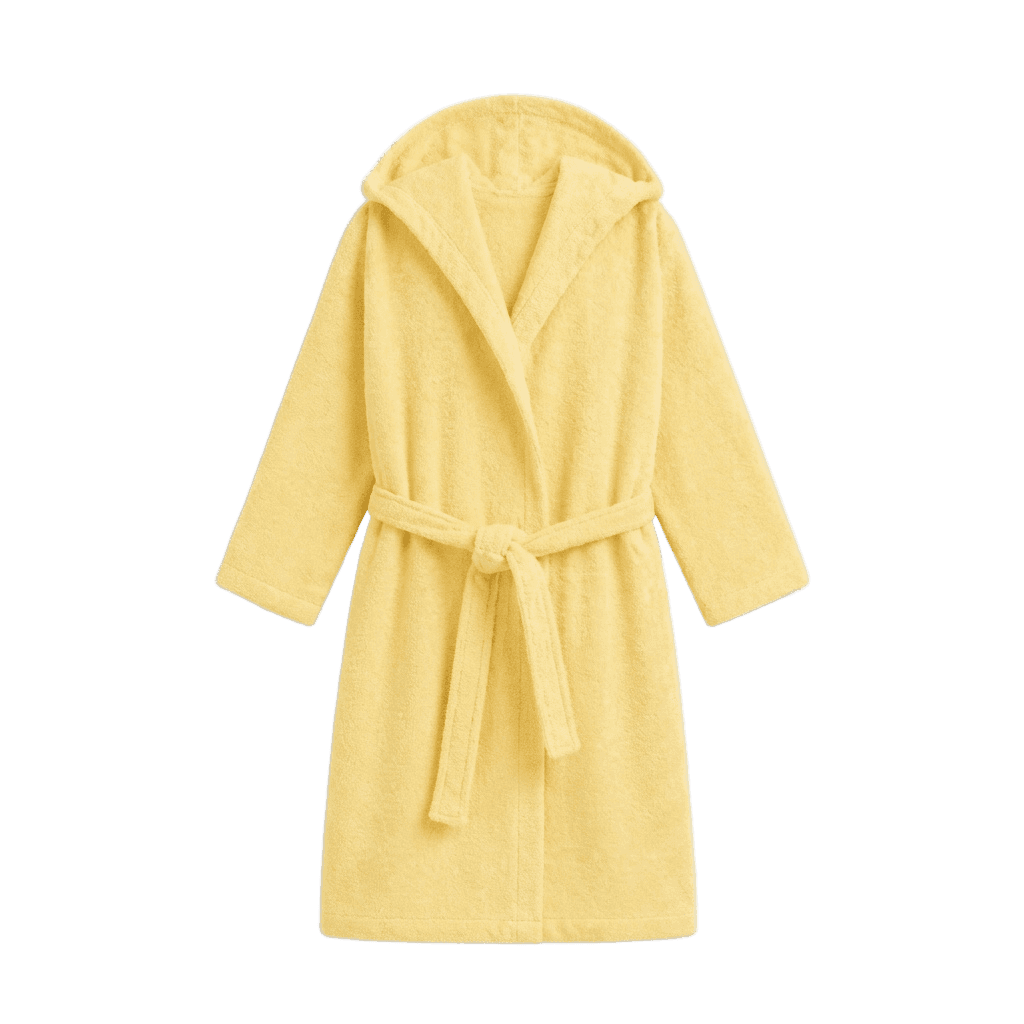
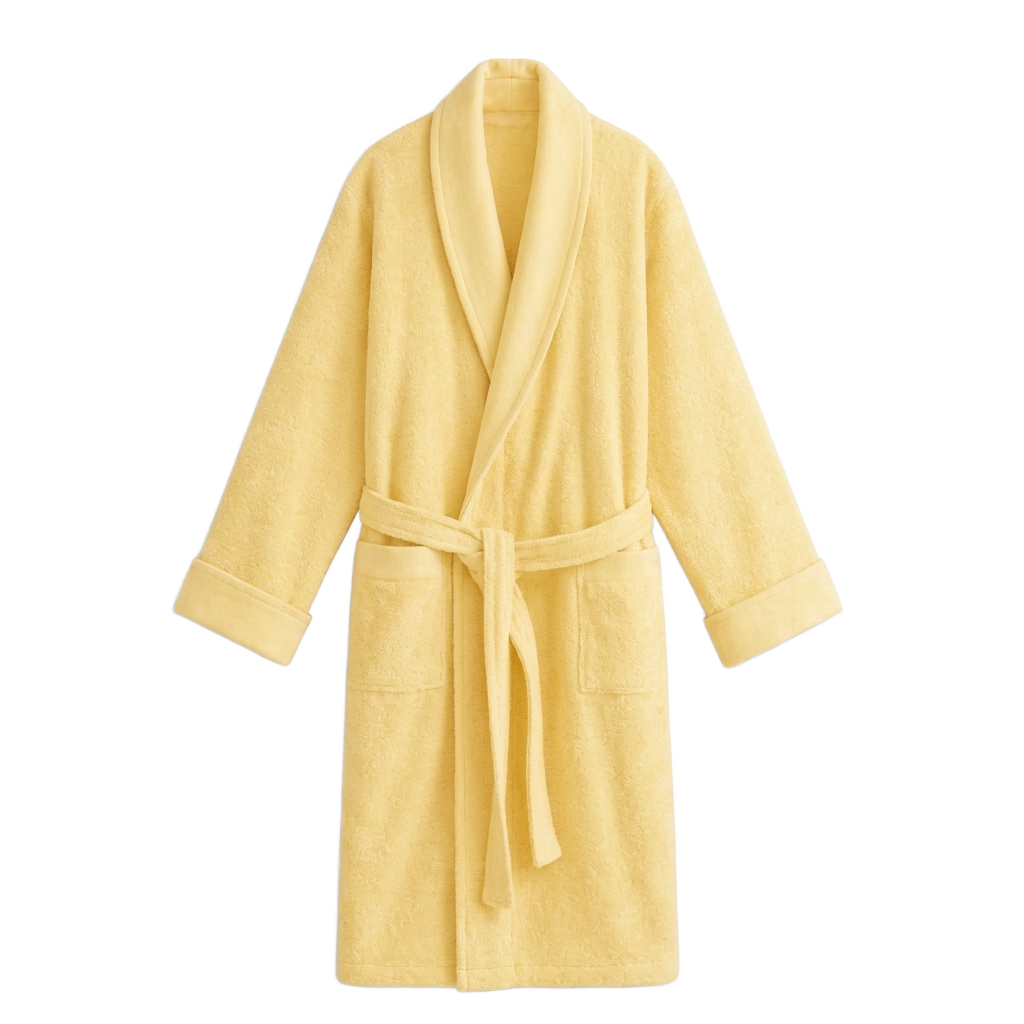
A midi-length wrap robe in pale yellow, cut straight through the body with a relaxed drop shoulder and set-in sleeves ending in wide turn-back cuffs. A continuous shawl collar runs from the neckline down the front overlap, which closes with a self-fabric tie belt threaded through two side seam loops. Two patch pockets sit at hip level above a straight hem.
The same factories that produce for houses like Celine and Balenciaga can produce this piece, directly to you
GABI
Make it yours
Material gradeMOQ 50
Colour
- Main Fabric: 100% Cotton, 400gsm
- Machine wash at 30°C on a gentle cycle
- Do not bleach
- Tumble dry on low heat
- Iron on a medium setting
A guide based on the garment’s materials — always follow the care label on the item itself.
Fabrics
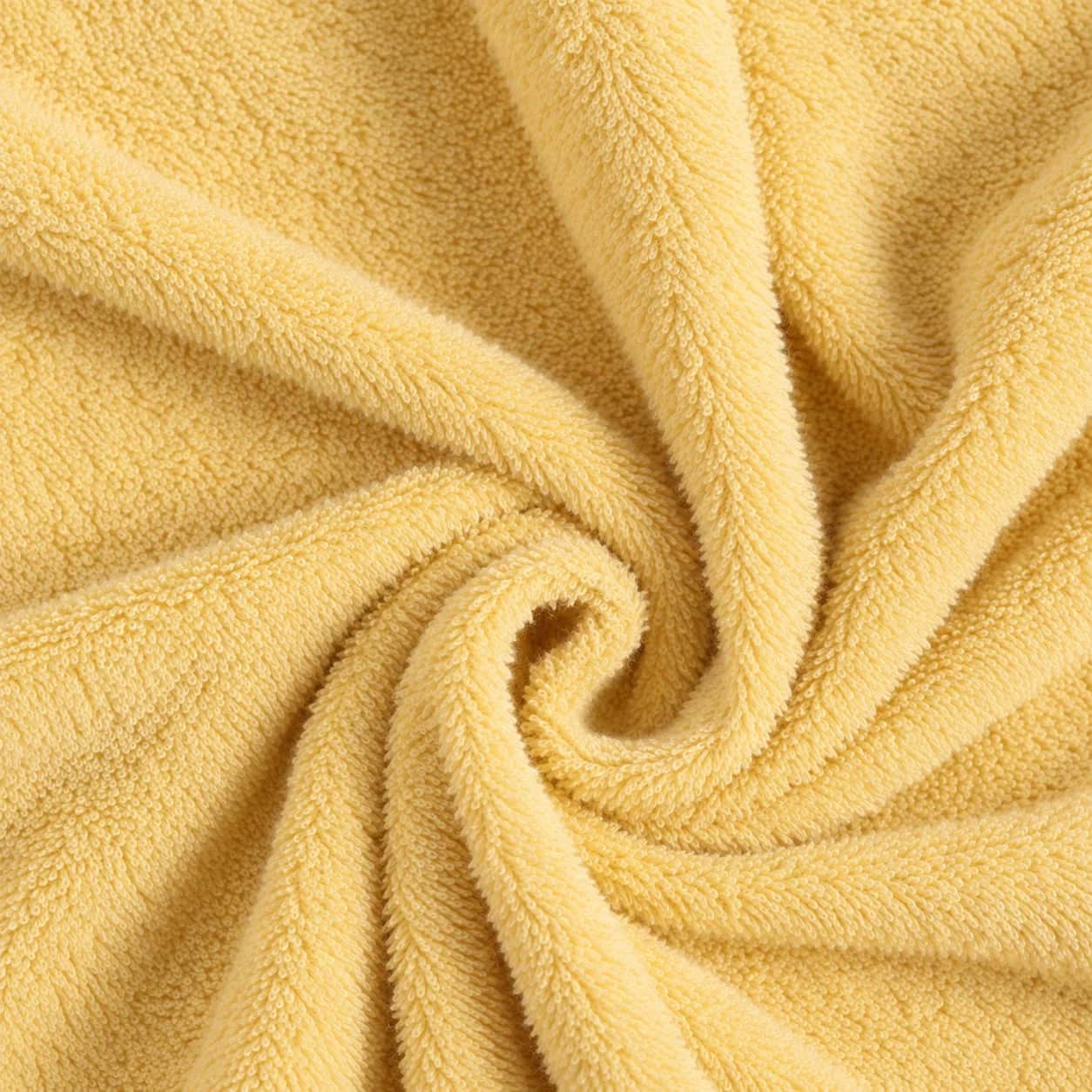
Towelling is beachwear pretending to be clothing and clothing borrowing from towels. The looped pile gives it volume, absorbency, and nostalgia. The mistake is treating it like normal jersey; the pile, stretch, and seam bulk change every manufacturing decision.
The Towelling / Terry Cloth -- "Towelling is beachwear pretending to be clothing and clothing borrowing from towels."
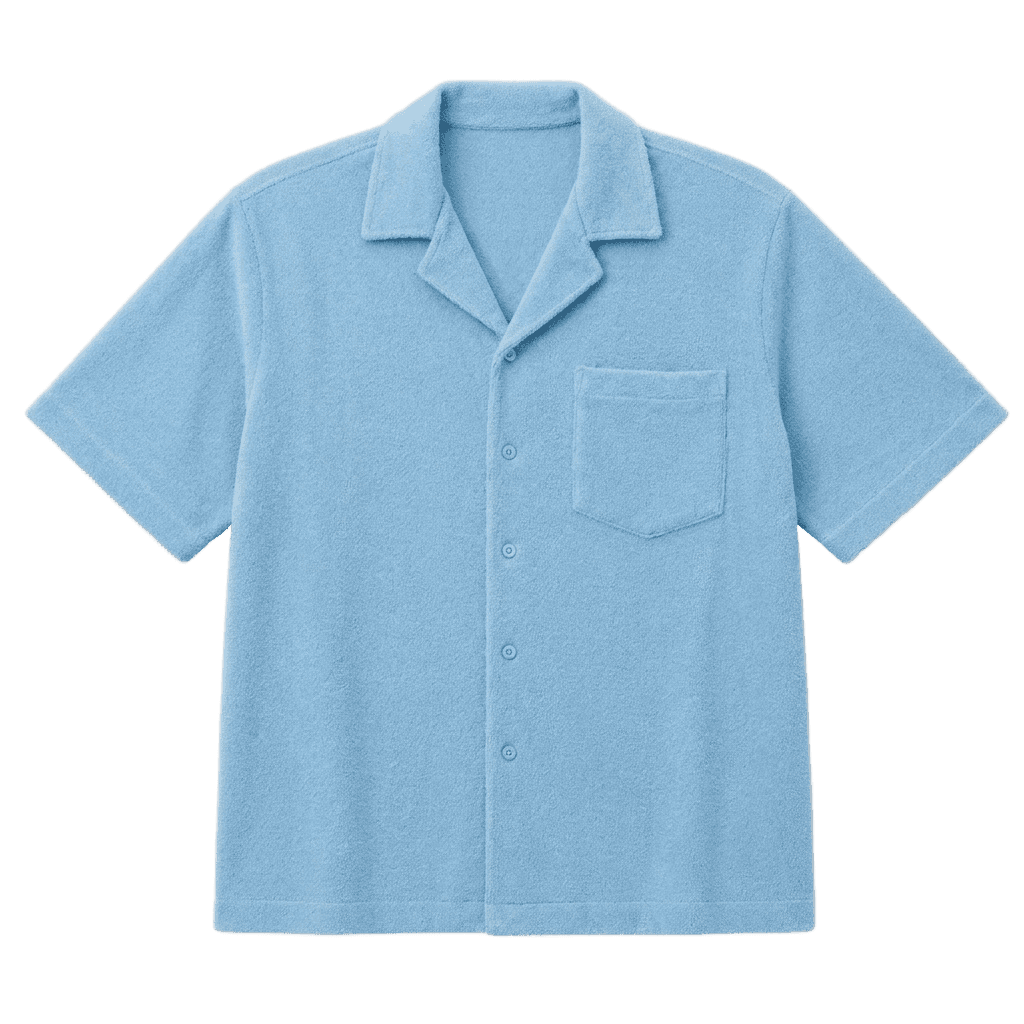
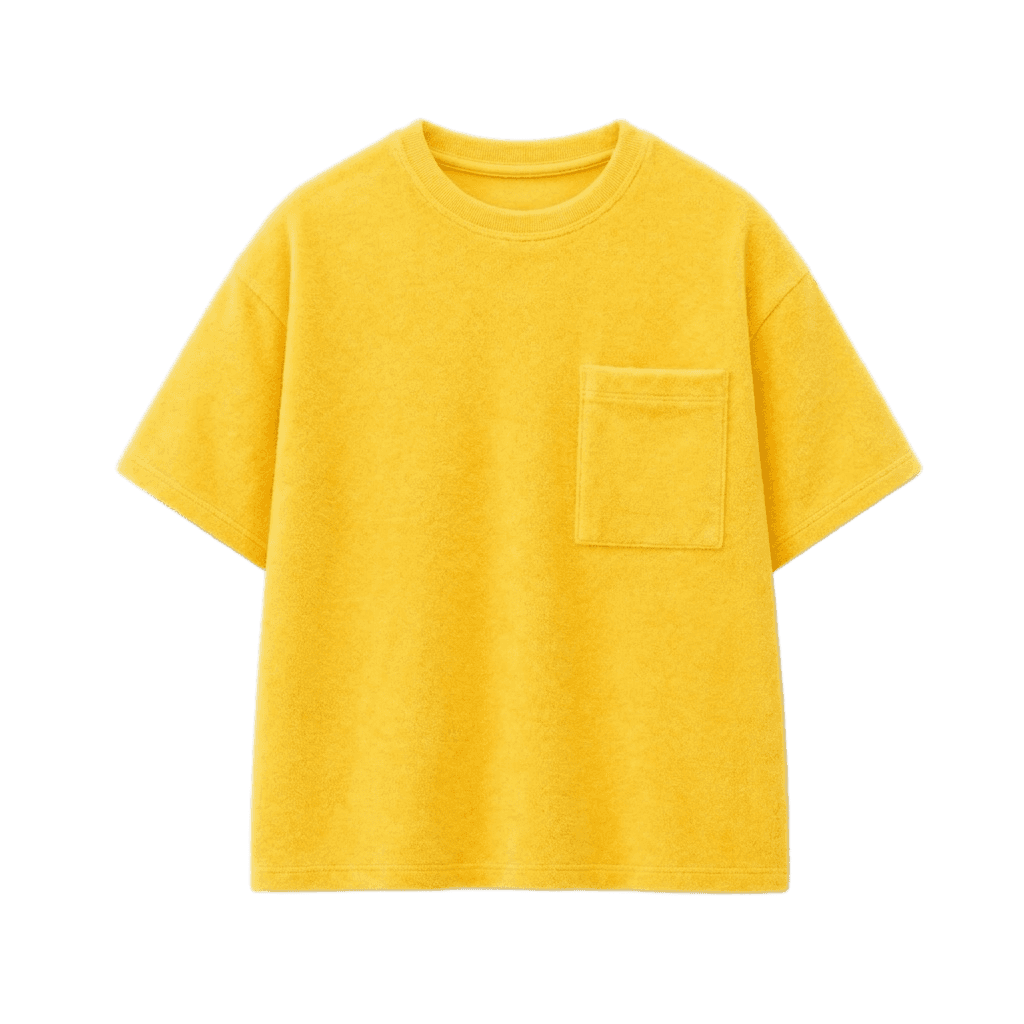
Terry cloth grew from towel construction: looped yarns designed to absorb moisture. Resort wear, poolside robes, cabana sets, and 1970s leisure silhouettes turned the towel into a garment. Contemporary brands use towelling for shirts, shorts, rompers, robes, hoodies, and dresses because it photographs as comfort and holiday at the same time.
Construction logic
Towelling fabric is bulky, absorbent, and prone to seam thickness. Patterns need clean but not over-complicated lines; pockets, collars, and waistbands must be stabilized. Cotton terry, cotton/poly terry, and bamboo or modal blends all behave differently under sewing and washing.
Commercial logic for creators
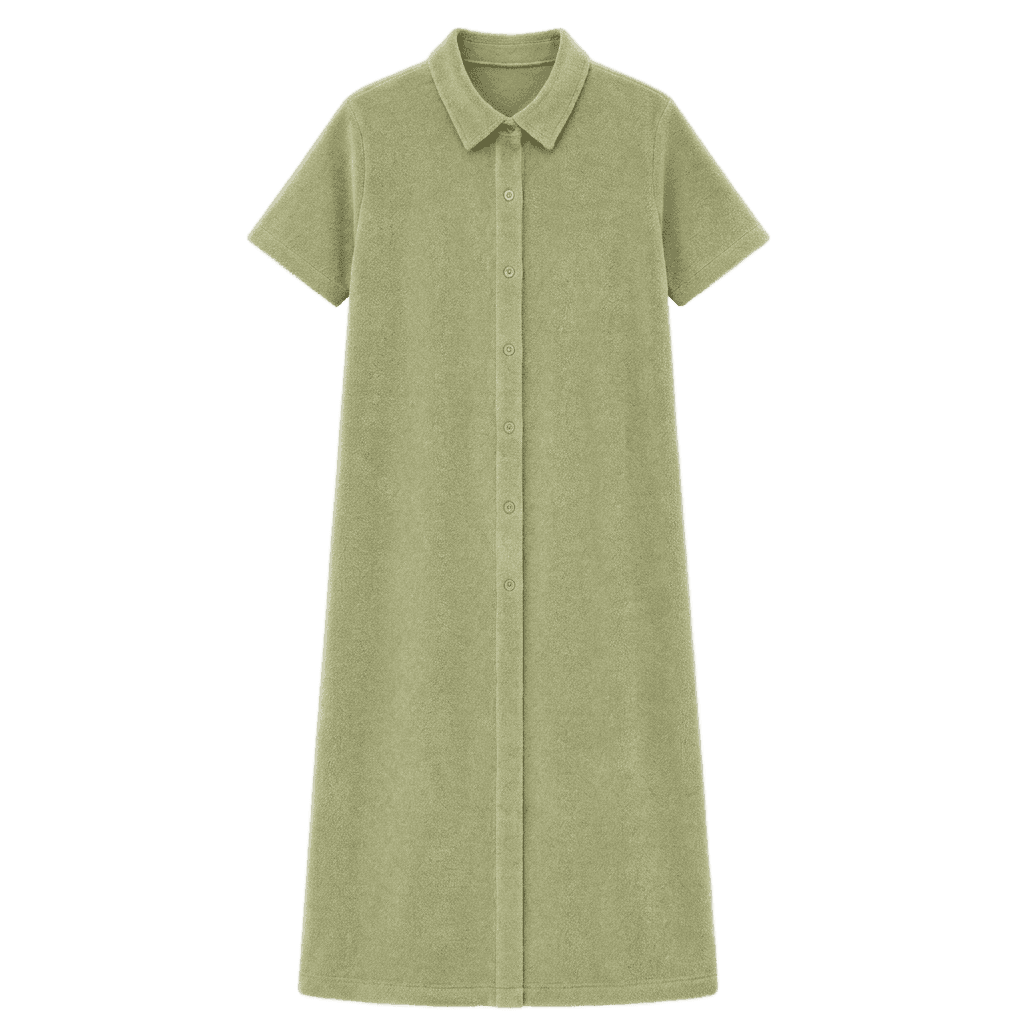
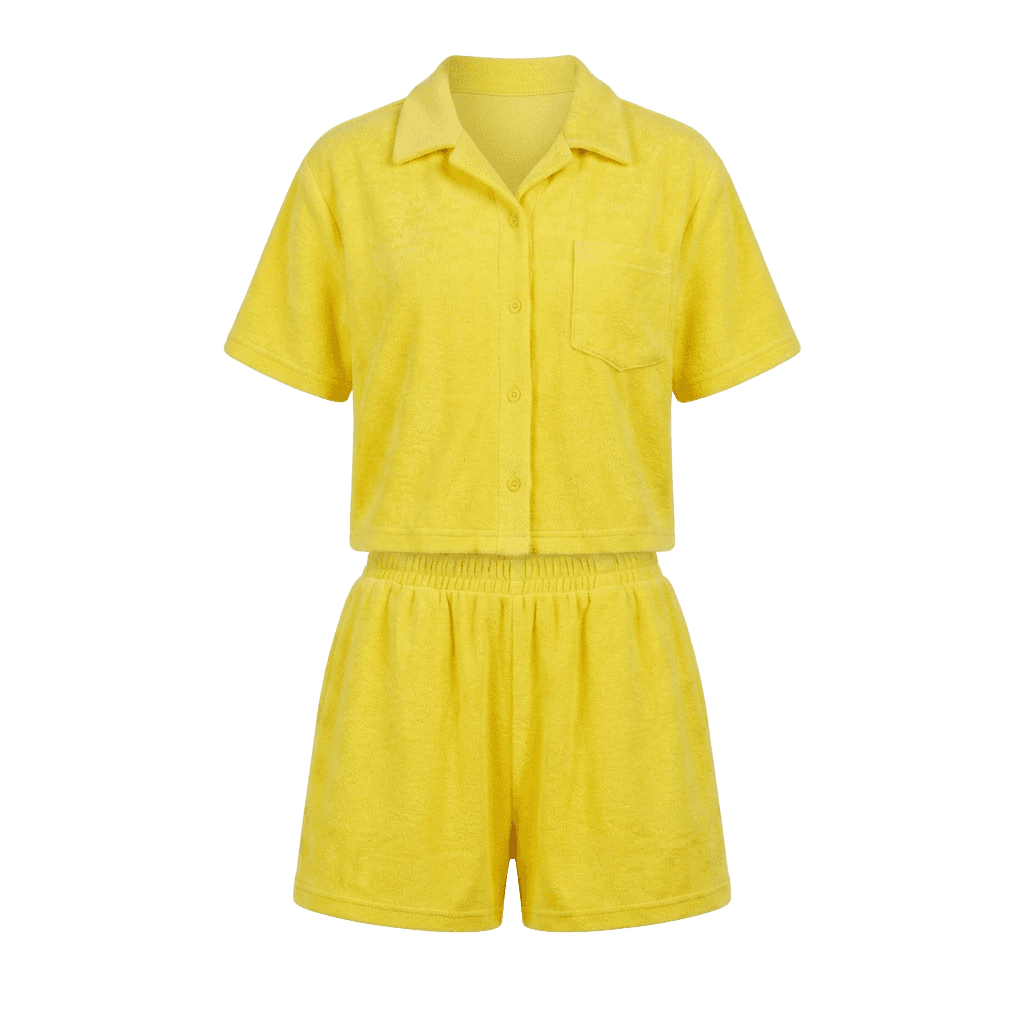
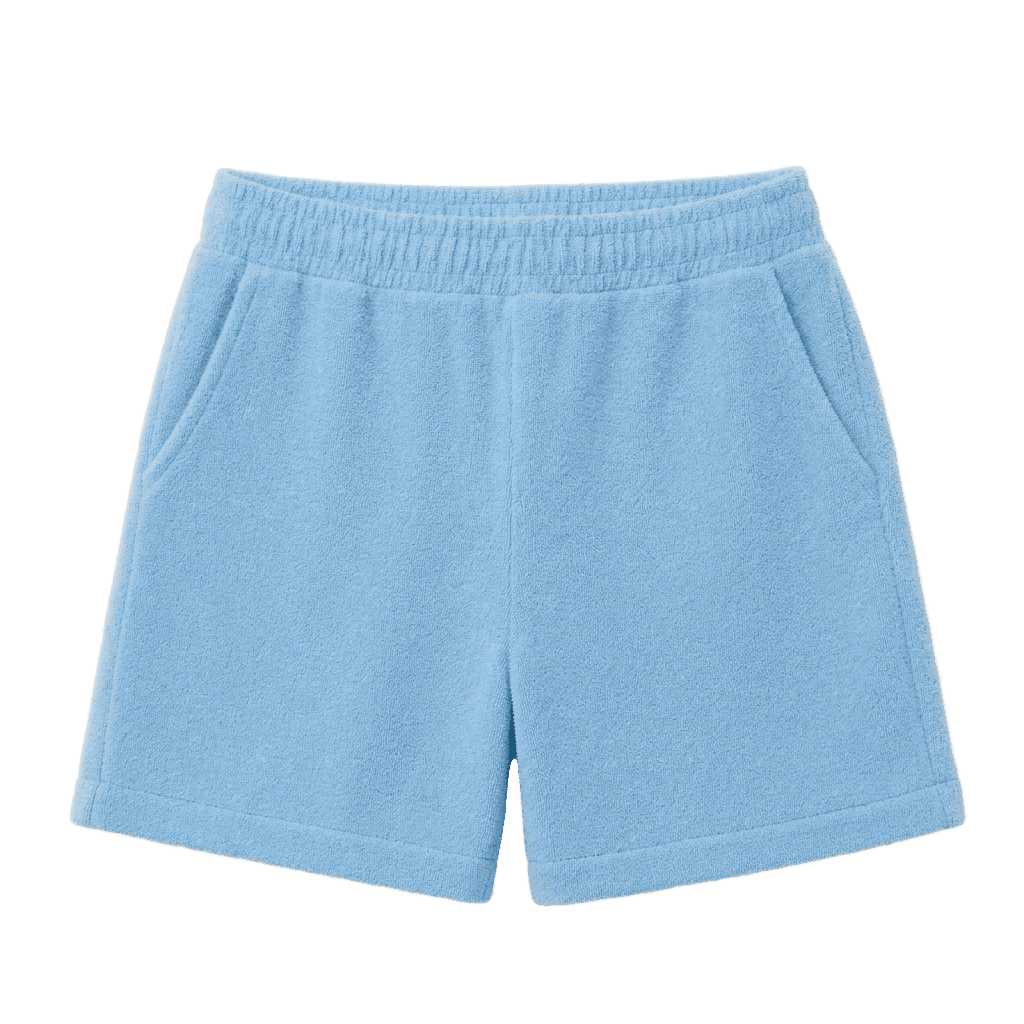
For creators, towelling works best as a capsule: shirt, short, robe, dress, and romper from the same colour story. It has strong resort appeal but needs serious wash testing. Poor quality terry sheds, stretches, and looks tired quickly.
FAQ
Towelling or terry cloth garments use looped-pile fabric originally associated with towels, robes, and resort wear.
Common options include cotton terry, cotton/poly terry, bamboo terry, modal terry, velour terry, and French terry for lighter versions.. Choose based on target price, handfeel, durability, and care requirements.
Focus on stabilized shoulder seams, clean bulky hems, reinforced pockets, collar control, and shrinkage allowance. These details usually determine whether the product feels credible or cheap.
Check ease, garment weight, sleeve opening, robe overlap, waistband comfort, and whether the terry is looped or velour-faced. Fit should be reviewed on the body type and use case the product is designed for, not only on a flat measurement sheet.
The main cost drivers are fabric weight, pile quality, garment dye, pockets, collars, belts, and seam finishing that can handle bulk. Sampling time and rejection risk also increase cost when the fit is sensitive.
Request checks for linting, shedding, shrinkage, colourfastness, seam bulk, and pile crush after washing. For performance or workwear products, test under the real use condition rather than only visually.
Watch for wavy hems, bulky seams, shedding fibres, sagging pockets, and distorted collars. These issues should be caught at fit sample, pre-production sample, and bulk inspection stages.
affordable uses cotton/poly terry; premium uses heavier cotton terry; luxury uses soft compact terry with garment wash and refined trims.
Include pile type, GSM, shrinkage tolerance, seam finish, belt or pocket details, and wash standard. Add reference photos and tolerance notes where fit or construction is easy to misread.
jersey or robe factories with bulky-fabric handling are best.
Use OEKO-TEX STANDARD 100 as a consumer-safety baseline where possible. Use GOTS for organic cotton, GRS for recycled polyester or nylon, RWS for responsible wool, and leather-specific or chemical compliance where relevant to the material.
wash before wear, avoid fabric snagging, and tumble low to maintain softness without excessive shrinkage.