Classic Cotton Rugby Polo
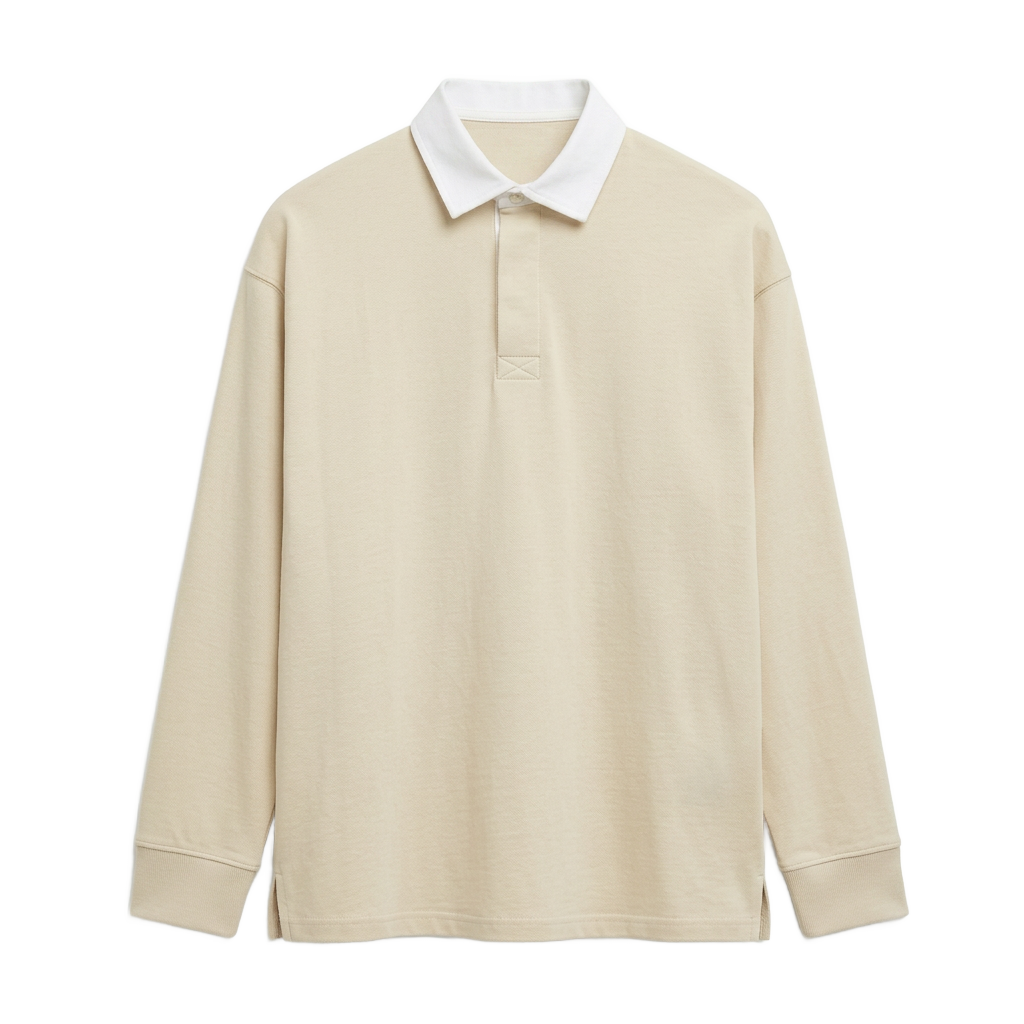
The body falls straight from the shoulders to a regular-length hem, which is finished with side slits and a contrast woven twill collar. Drop shoulders sit roughly eight centimetres below the natural shoulder line, giving the sleeves a low set-in position that ends in rib knit cuffs. A short hidden button placket closes the neckline, marked by a visible box stitch at its base.
The same factories that produce for houses like Celine and Balenciaga can produce this piece, directly to you
GABI
Make it yours
Material gradeMOQ 30
Colour
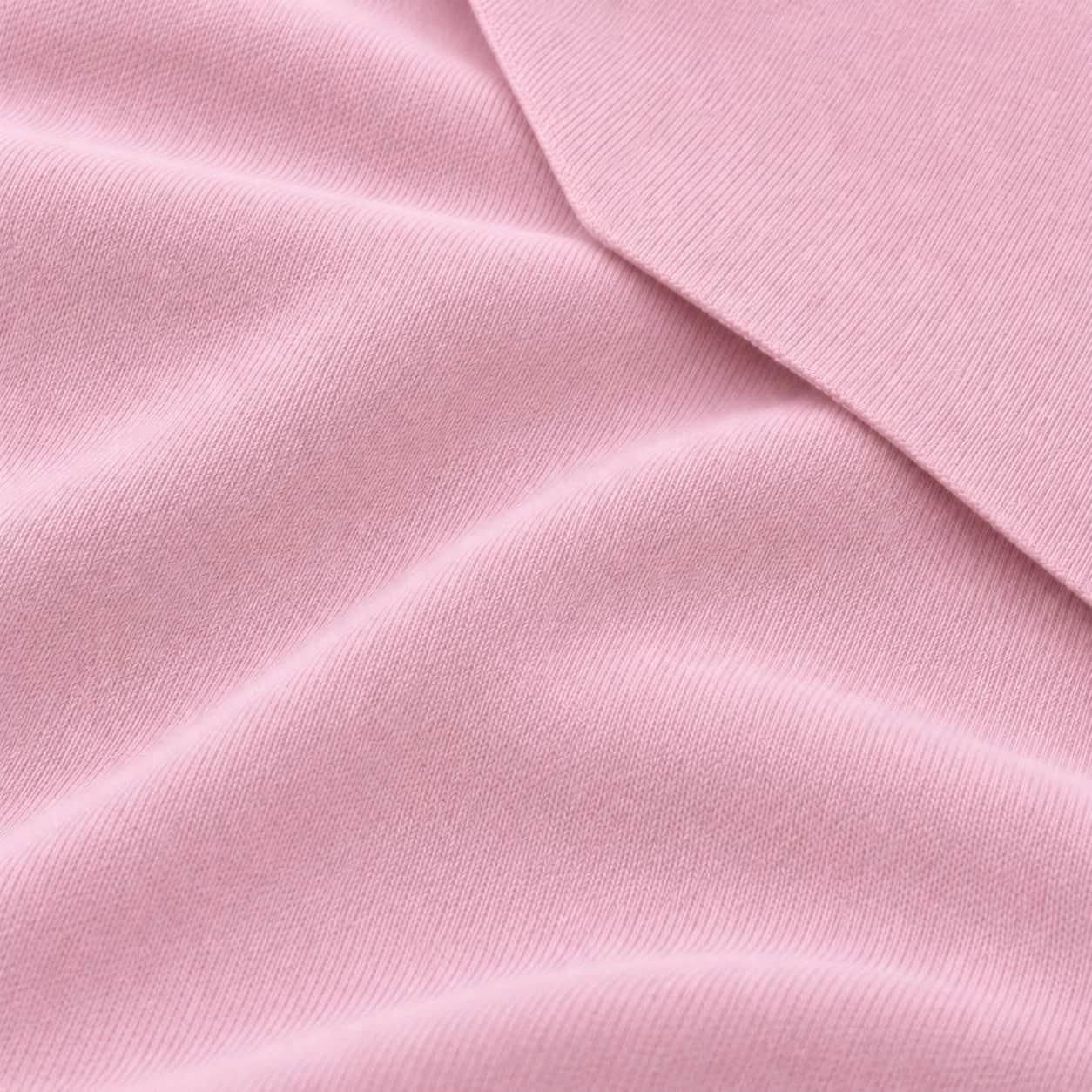
- Main Fabric: 100% Cotton, 260gsm
- Collar and Placket: 100% Cotton
- Rib Trims: 95% Cotton / 5% Elastane
- Machine wash at 30°C on a gentle cycle
- Do not bleach
- Do not tumble dry
- Iron on a low setting
- Fasten zips and hardware before washing
A guide based on the garment’s materials — always follow the care label on the item itself.
Fabrics
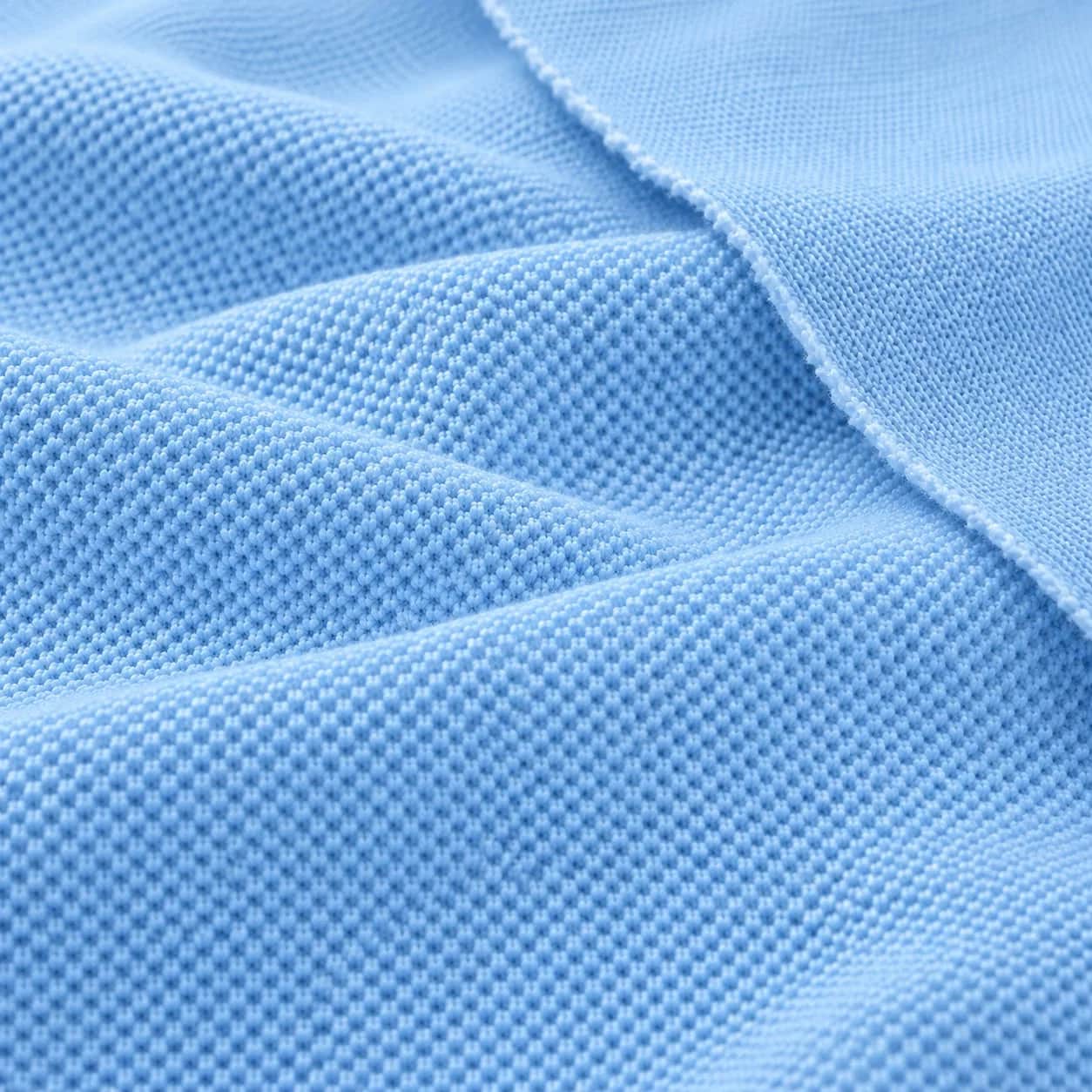
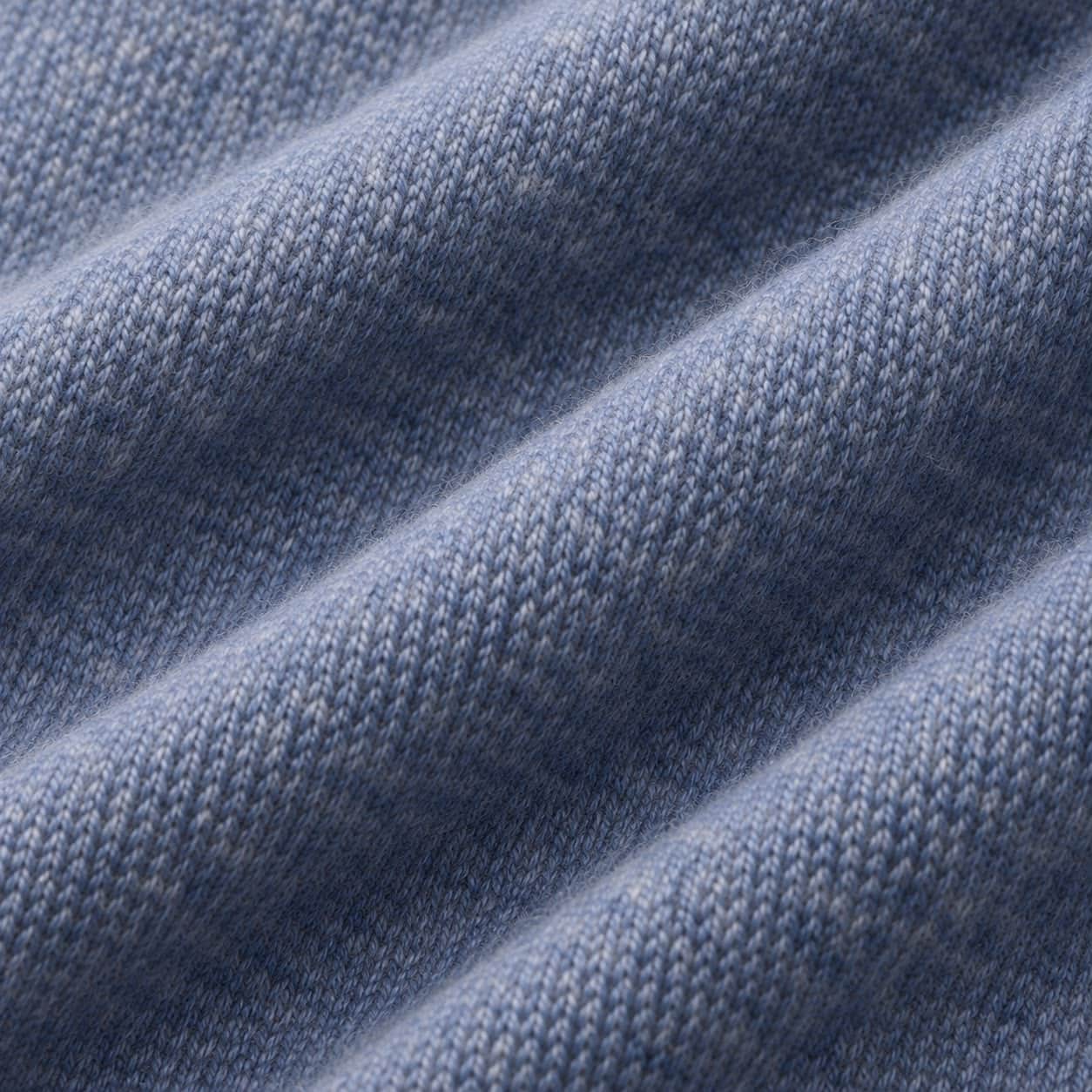
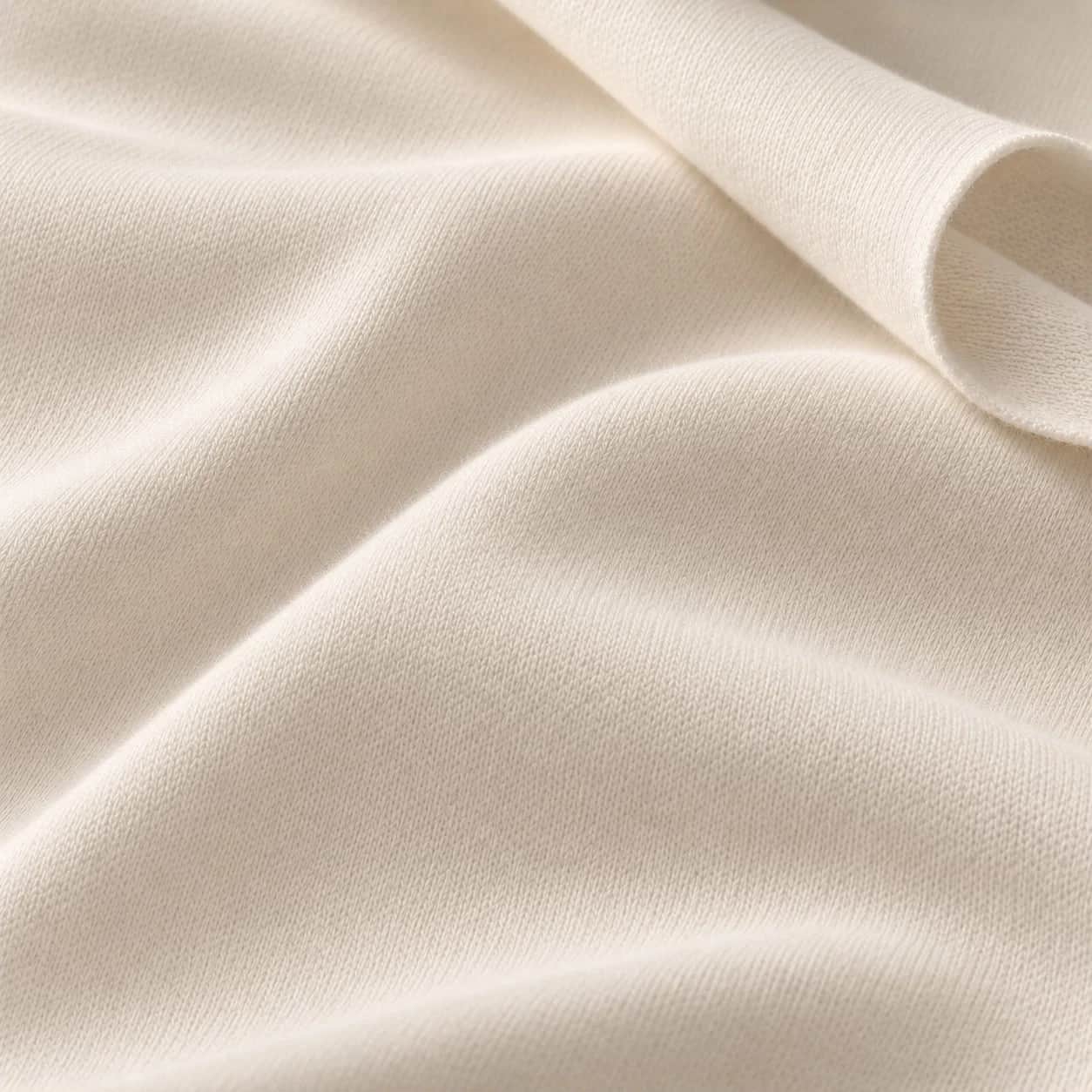
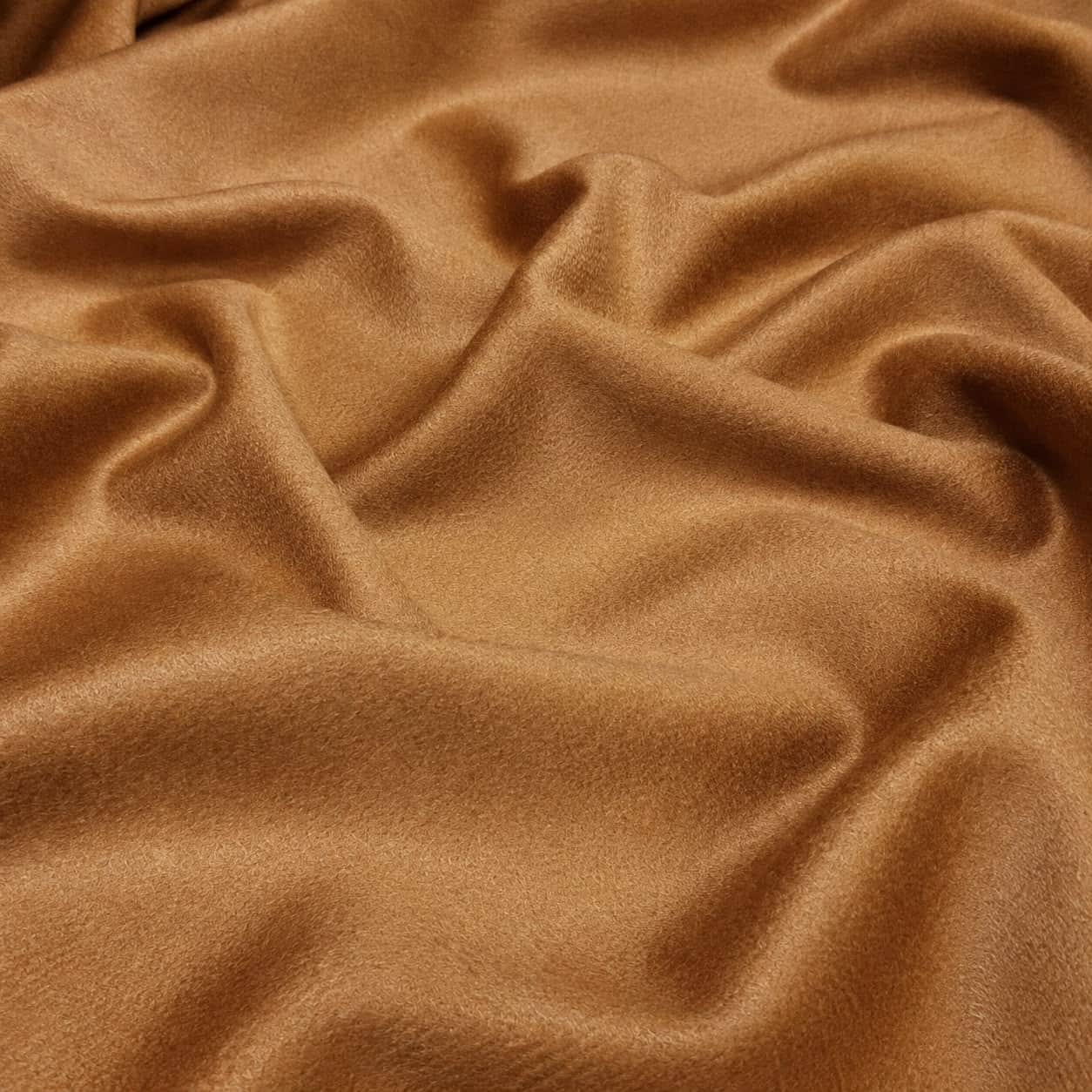
The rugby shirt is the polo's heavier, tougher, louder cousin. Built for grabbing, pulling, and mud, it became a prep and streetwear staple because the stripe does half the branding for you. The collar looks familiar; the weight is the difference.
The Rugby Shirt -- "The rugby shirt is the polo's heavier, tougher, louder cousin."
Rugby shirts were designed for the sport: durable cotton jersey, reinforced seams, rubber or concealed buttons, and a contrast collar that could survive contact. Outside sport, the garment crossed into collegiate, prep, and casual menswear because it carried athletic heritage without looking technical.
Construction logic
A rugby shirt uses heavyweight jersey, a woven or twill collar, a placket, reinforced shoulders, and often bold yarn-dyed stripes. The fabric is heavier than a polo and less refined than a sweatshirt. Collar roll, stripe matching, and placket strength determine perceived quality.
Commercial logic for creators
For creators, rugby shirts are excellent for colour blocking and heritage identity. They can sit between T-shirts and sweatshirts in price and weight. The best versions feel substantial without becoming stiff.
FAQ
wash cold and reshape collar; heavy cotton may shrink if not pre-washed.
A rugby shirt is a heavyweight jersey top with a collar, placket, and often bold horizontal stripes.
Common options include heavy cotton jersey, cotton twill collar, rubber buttons, cotton rib, and yarn-dyed stripe fabric.. Choose based on target price, handfeel, durability, and care requirements.
Focus on reinforced shoulder seams, strong placket, collar attachment, stripe matching, and durable hems. These details usually determine whether the product feels credible or cheap.
Check body ease, sleeve length, shoulder drop, collar size, and whether the fit is classic, oversized, or cropped. Fit should be reviewed on the body type and use case the product is designed for, not only on a flat measurement sheet.
The main cost drivers are fabric weight, yarn-dyed stripe, collar material, placket construction, embroidery, and reinforcement. Sampling time and rejection risk also increase cost when the fit is sensitive.
Request checks for collar roll, placket strength, shrinkage, stripe alignment, and seam distortion. For performance or workwear products, test under the real use condition rather than only visually.
Watch for twisted body, weak placket, stretched collar, stripe mismatch, and shrinkage. These issues should be caught at fit sample, pre-production sample, and bulk inspection stages.
affordable uses printed stripes or lighter jersey; premium uses heavy yarn-dyed cotton; luxury adds refined collar, embroidery, and dense fabric.
Include GSM, stripe repeat, collar fabric, placket length, button type, reinforcement, and wash shrinkage. Add reference photos and tolerance notes where fit or construction is easy to misread.
jersey factories with polo/placket experience are best.
Use OEKO-TEX STANDARD 100 as a consumer-safety baseline where possible. Use GOTS for organic cotton, GRS for recycled polyester or nylon, RWS for responsible wool, and leather-specific or chemical compliance where relevant to the material.