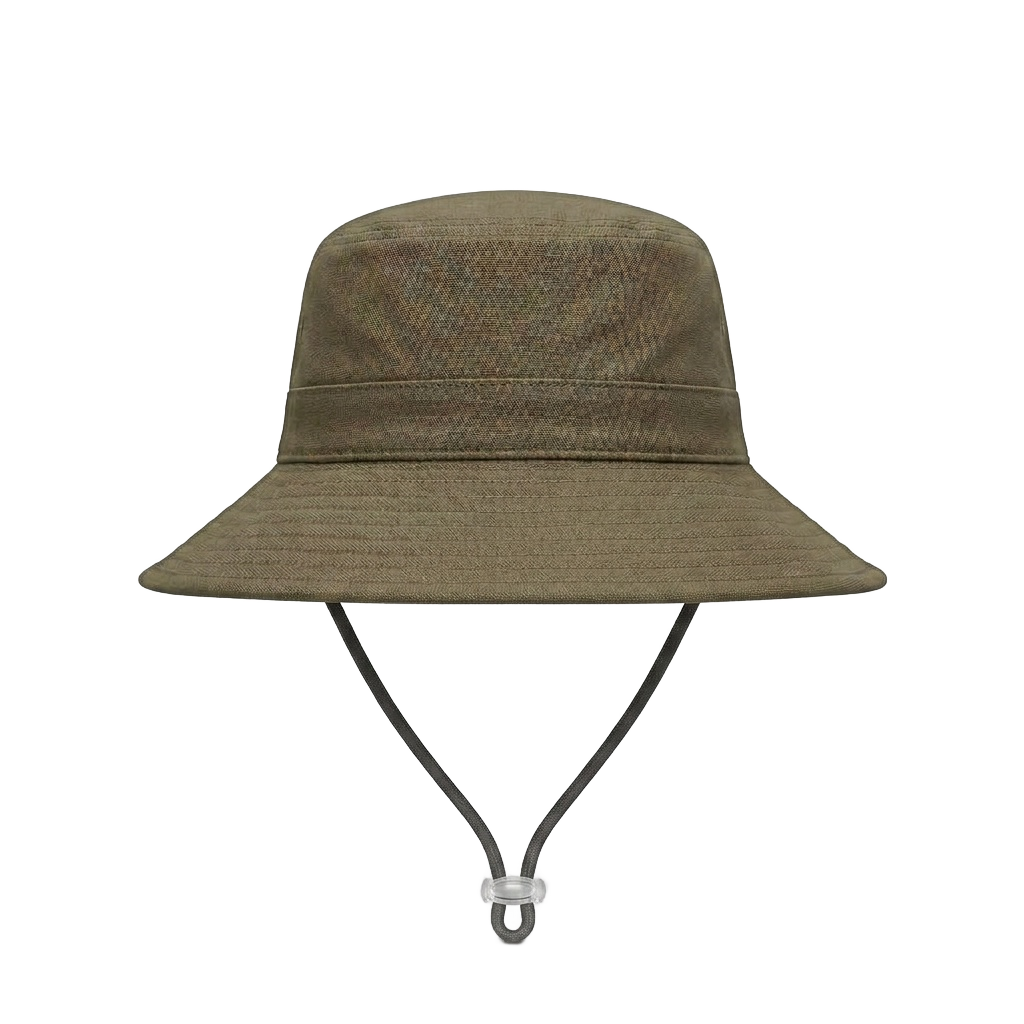
Chinstrap Boonie Hat
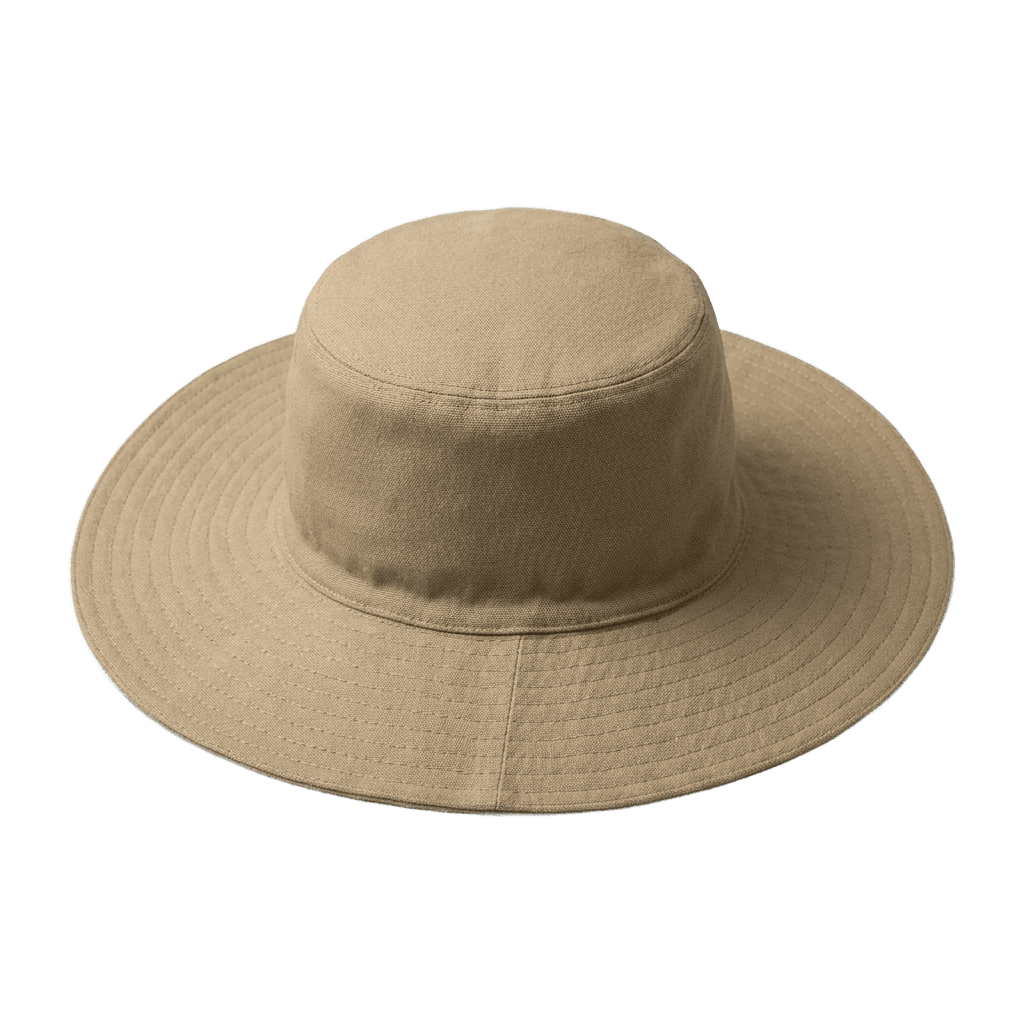
A flat-topped crown rises in a short cylinder that tapers slightly toward the crown, separated from a broad circular brim by a horizontal self-fabric band. The brim projects outward all around and slopes gently downward, giving the hat a wide, low profile. A thin cord chinstrap drops from the brim sides and meets at a clear plastic toggle below the crown.
The same factories that produce for houses like Celine and Balenciaga can produce this piece, directly to you
GABI
Make it yours
Material gradeMOQ 50
Colour
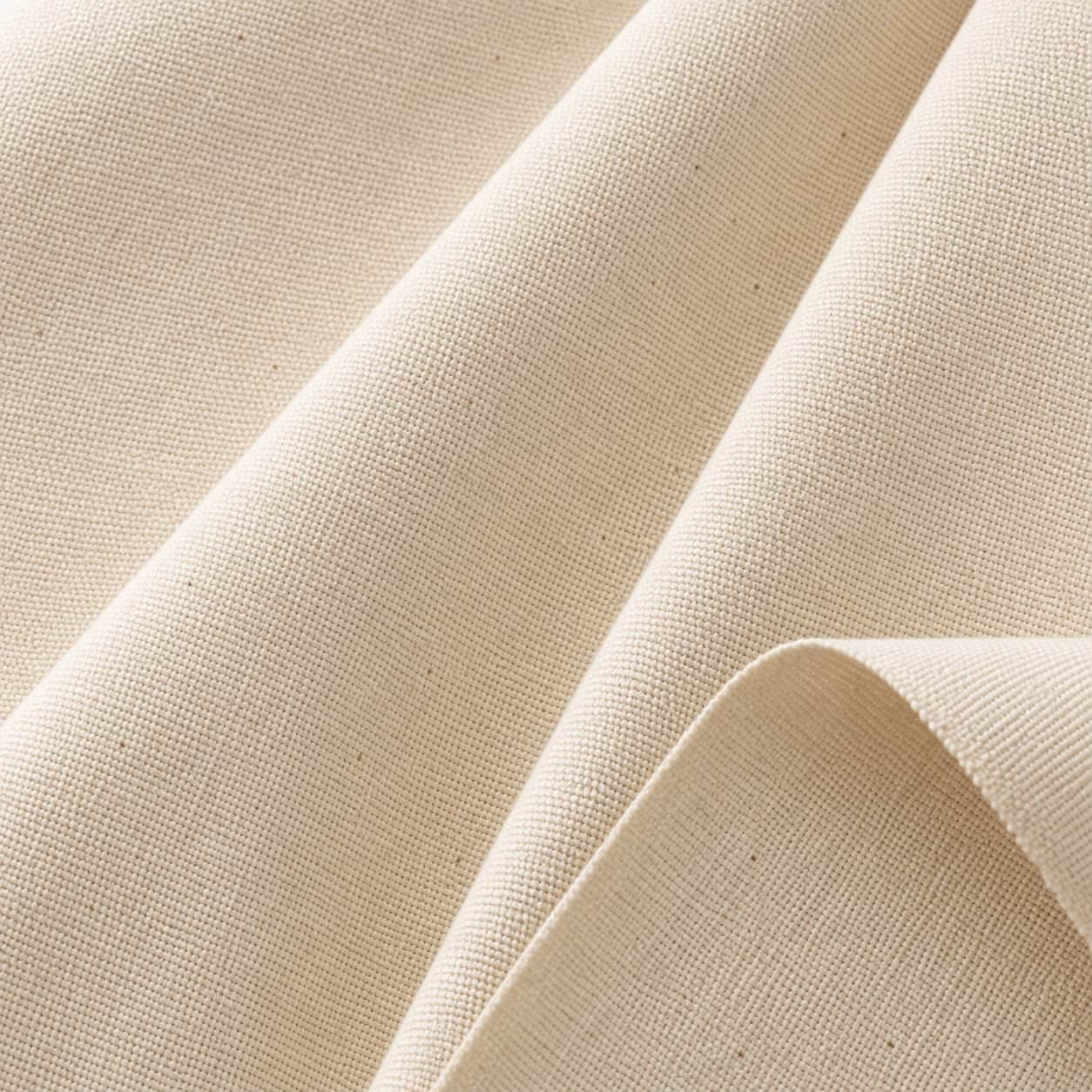
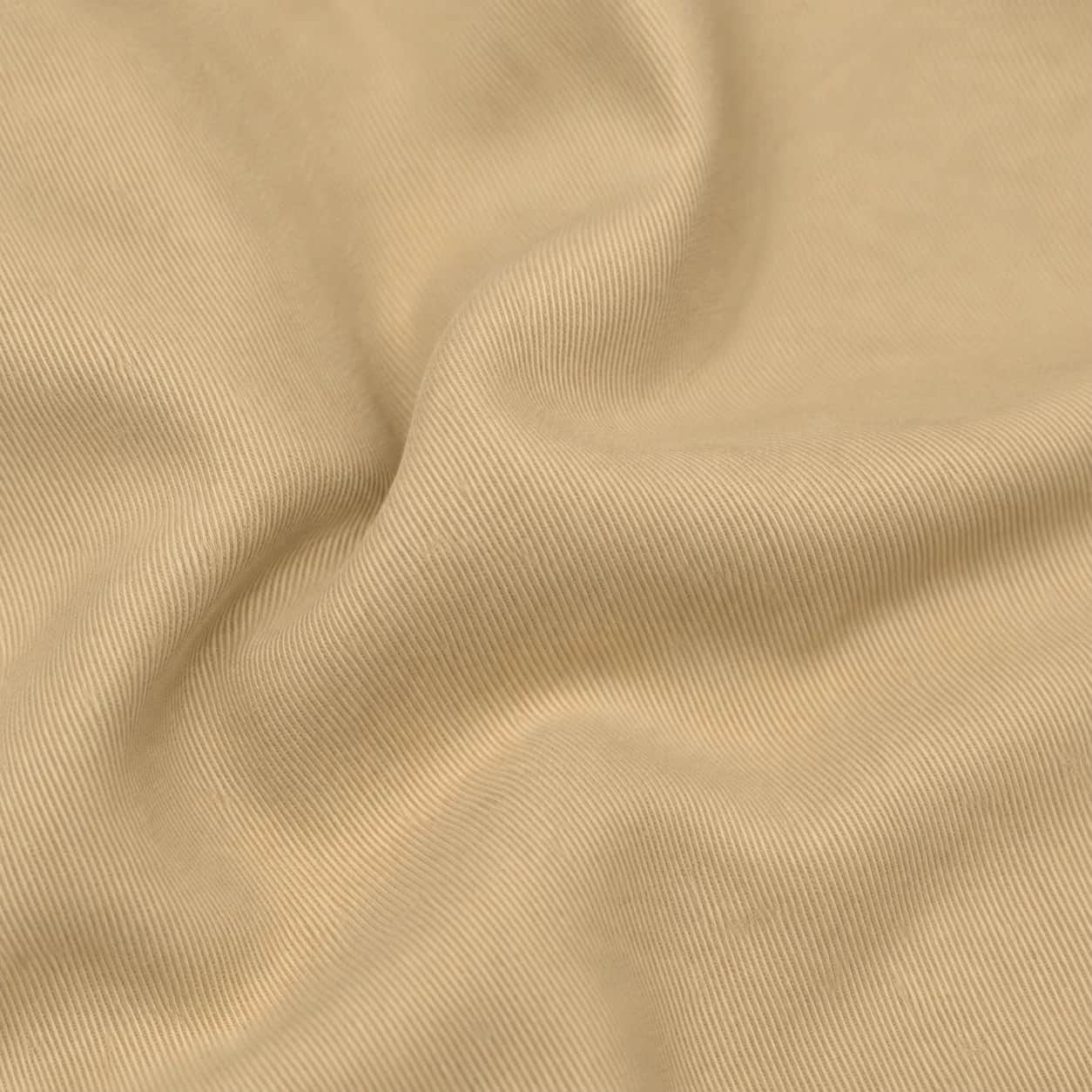
- Main Fabric: 100% Cotton, 320gsm
- Chinstrap Cord: 100% Recycled Polyester
- Spot clean with a damp cloth — do not machine wash
- Wash separately for the first few washes — the finish may transfer
- Do not bleach
- Do not tumble dry
- Iron on a low setting
A guide based on the garment’s materials — always follow the care label on the item itself.
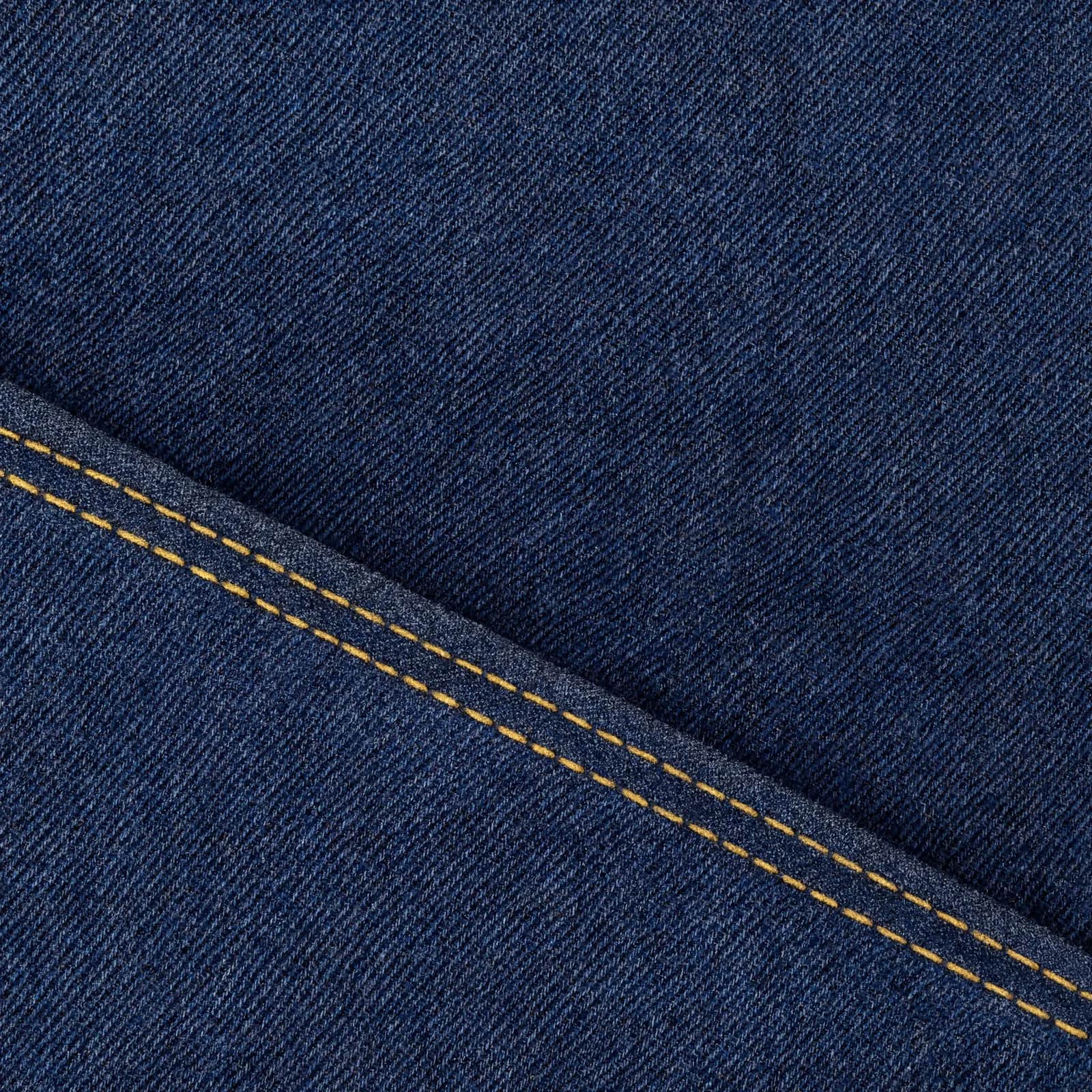
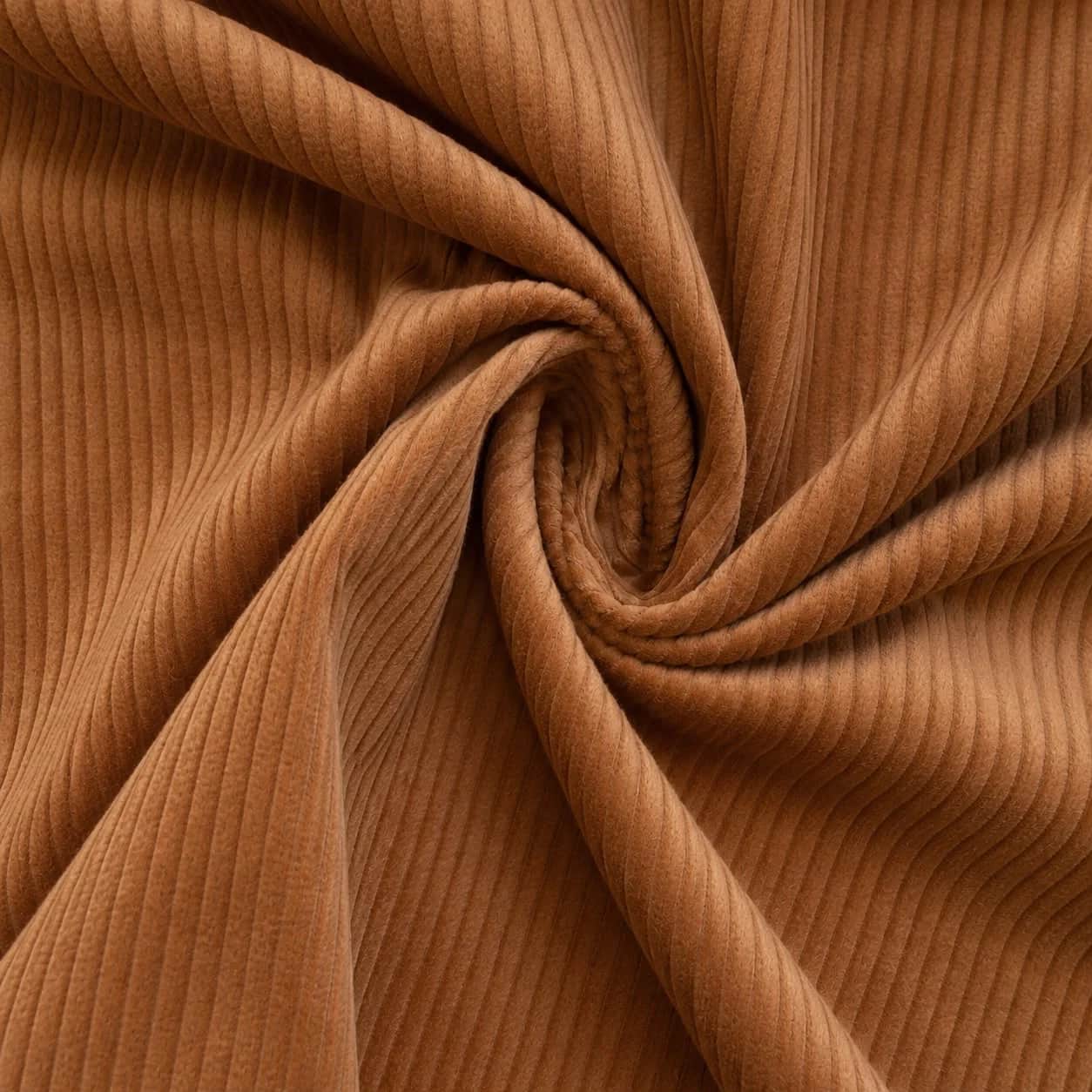
Fabrics

The bucket hat was designed for Irish fishermen in the 1900s. Wool felt, downward-sloping brim, weatherproof. It became US military field gear in the 1960s -- Vietnam soldiers wore it in the jungle for sun protection. Bob Gillespie wore it. Then LL Cool J wore it. Then Gilligan wore it on television. Then Rihanna wore it on the cover of Vogue. The same construction -- four panels, a brim, a sweatband -- went from fishing to warfare to sitcom to hip-hop to high fashion. It is now a $6 billion category. The hat never changed. The context changed everything.
The Most Versatile Hat in Fashion History
The bucket hat origin is contested -- Irish fishermen, British colonial military, and American workwear all share claim to variations of the downward-brimmed soft hat. The modern fashion trajectory begins in 1960s America, where it appeared as military field gear and was popularised by LL Cool J and other hip-hop artists in the 1980s. The Kangol brand, with its distinctive kangaroo logo, is the primary heritage reference for the hat as a hip-hop fashion object.
Palace brought the bucket hat back as a streetwear essential in the early 2010s, using it as a canvas for allover print and bold branding. Carhartt WIP turned the bucket into a workwear-fashion object with logo-embroidered cotton. Off-White used mesh and industrial-tape branding. Jacquemus created the Le Bob -- a bucket hat made iconic by proportions and celebrity placement -- that sold hundreds of thousands of units at 70 euros apiece and became one of the most photographed accessories of the 2020s.
Luxury adoption followed streetwear: Prada terry-cloth bucket hat ($600), Gucci monogram ($450), Bottega Veneta braided leather ($1,800). The Bottega example illustrates the construction ceiling -- at luxury tier, the bucket hat becomes a craft object, not a construction formula. For most creators, the commercial zone is premium-to-accessible: cotton canvas, nylon, denim, terry at $45-$120 retail.
FAQ
The bucket hat has a softer, unsupported brim (no moulded thermoplastic stiffener) and a full 360-degree brim, versus the baseball cap's front-only structured brim. The bucket hat is generally simpler and cheaper to produce: no brim moulding equipment required. The same cap factory makes both.
Specify: (1) Face A fabric -- material, GSM, colour. (2) Face B fabric -- material, GSM, colour. (3) Seam join: topstitched at brim edge or clean-finish. (4) Sweatband: which face it attaches to in each orientation. (5) Labels: which face carries care label and brand label. Provide a physical sample for the factory to reverse-engineer the construction.
With the right materials: yes. Neoprene bucket hat with bonded seams = fully waterproof. DWR-treated nylon bucket hat = water-resistant. Cotton canvas: water-resistant with waxing or DWR coating, not waterproof. Specify seam sealing if full waterproofing is required.
China: 100 units minimum is achievable at most cap factories. Portugal: 50 units. For a first drop, 200 units at a China factory allows testing the product while maintaining reasonable landed COGS.
Bucket hat: lower CMT, simpler construction, reversible option creates strong value-add story, appeals to fashion/streetwear audience. Baseball cap: stronger logo visibility (structured front panel, flat embroidery surface), broader demographic appeal (sport, casual, luxury). For a fashion-forward creator brand: bucket hat first. For a streetwear/sport brand: baseball cap first.