Balaclava
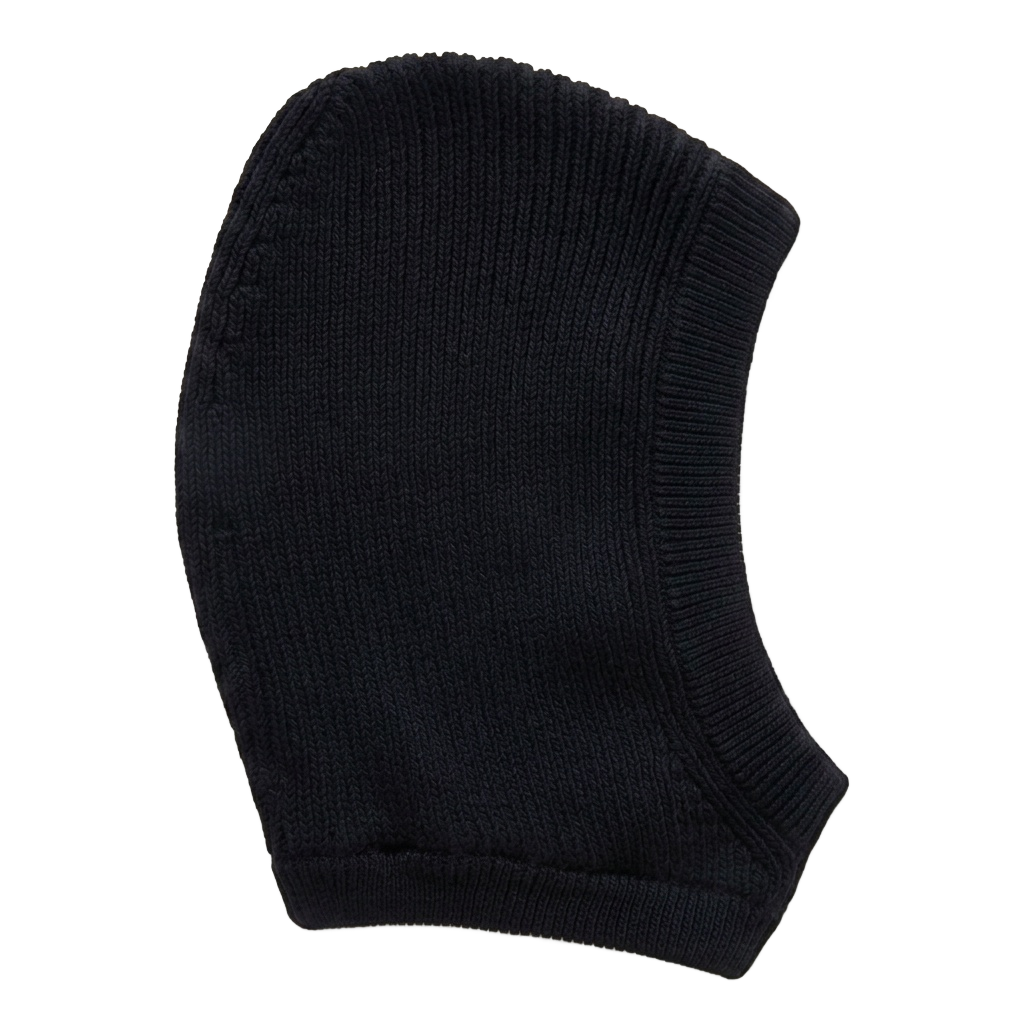
A single knitted piece contoured to the crown and jaw, with a rounded top and a ribbed face opening that curves from the brow down past the chin. The lower section extends into a straight ribbed tubular neck, cut regular in length and finished with a straight ribbed hem. Knitted to shape in two linked halves, it has no closure and pulls on over the head.
The same factories that produce for houses like Celine and Balenciaga can produce this piece, directly to you
GABI
Make it yours
Material gradeMOQ 50
Colour
- Main Fabric: 80% Wool / 20% Nylon, 320gsm
- Hand wash cold
- Do not bleach
- Do not tumble dry
- Dry flat to keep its shape
- Iron on a low setting
A guide based on the garment’s materials — always follow the care label on the item itself.
Fabrics
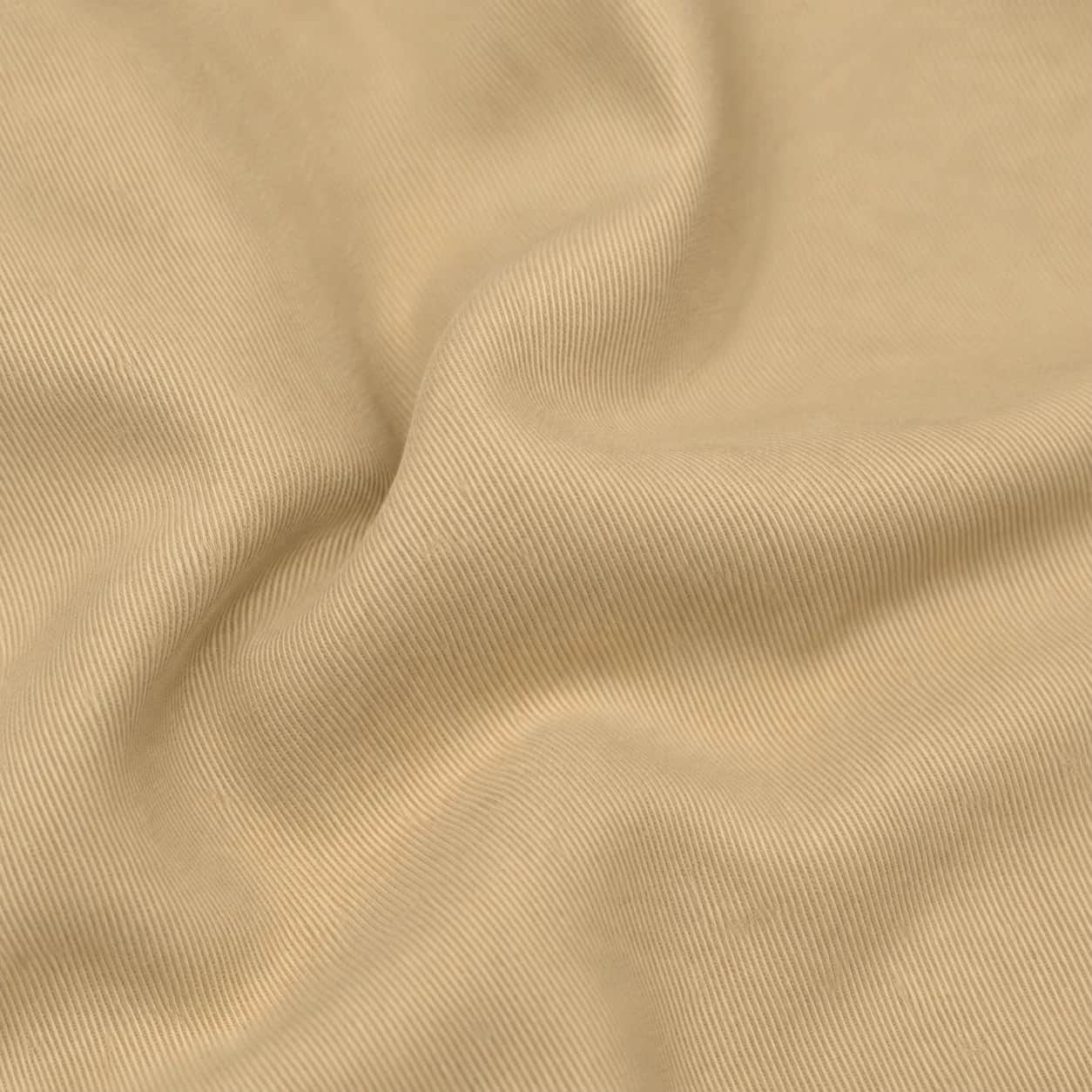
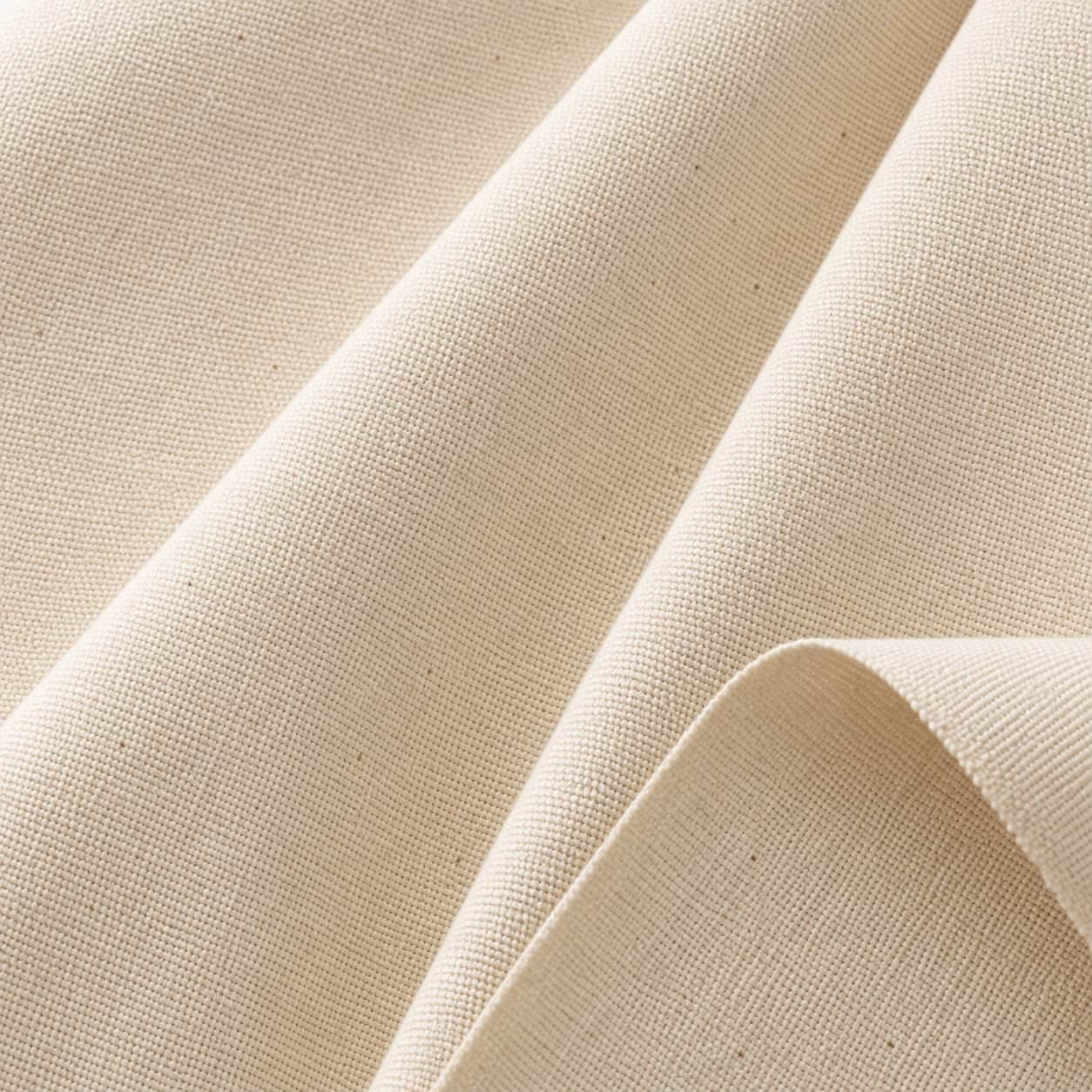
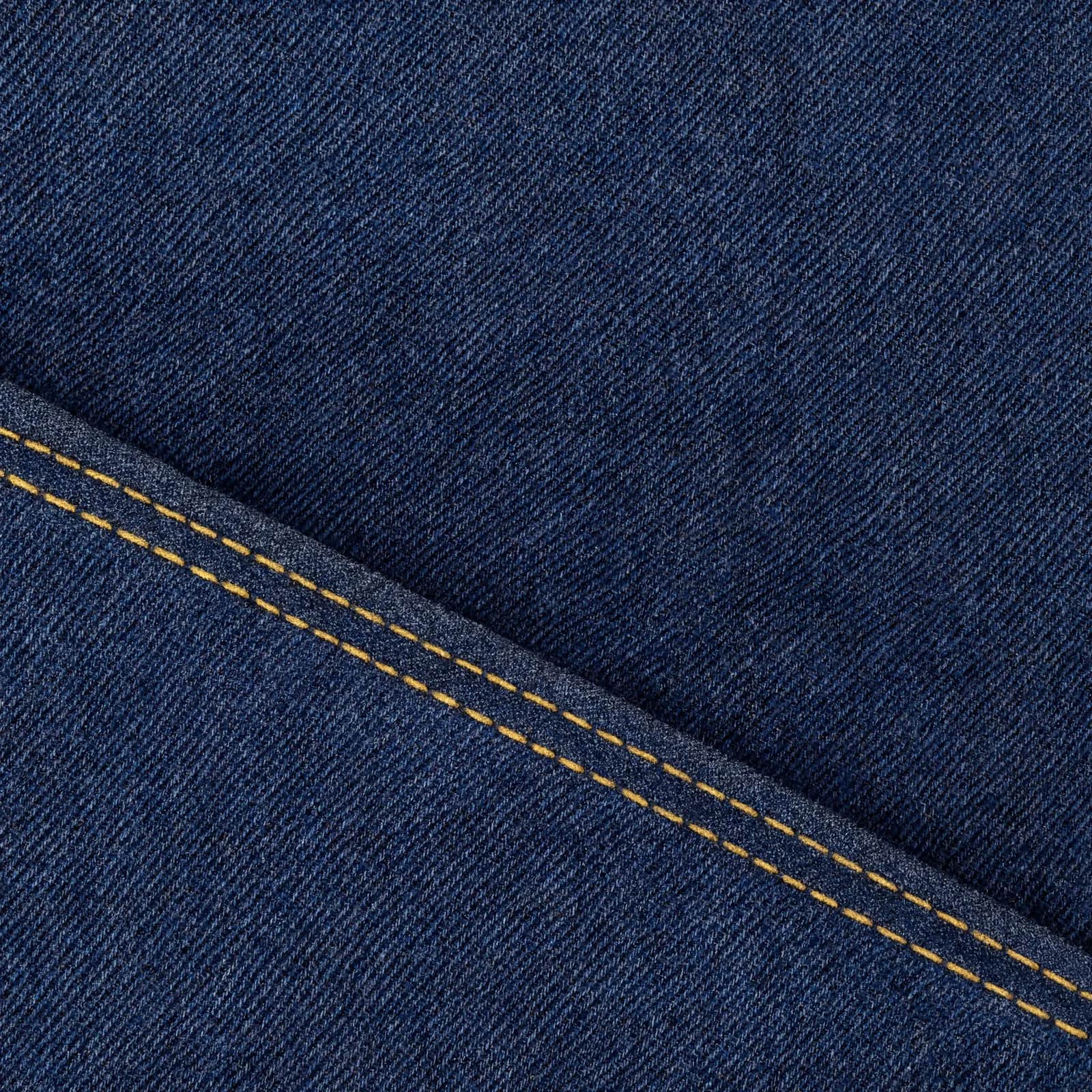
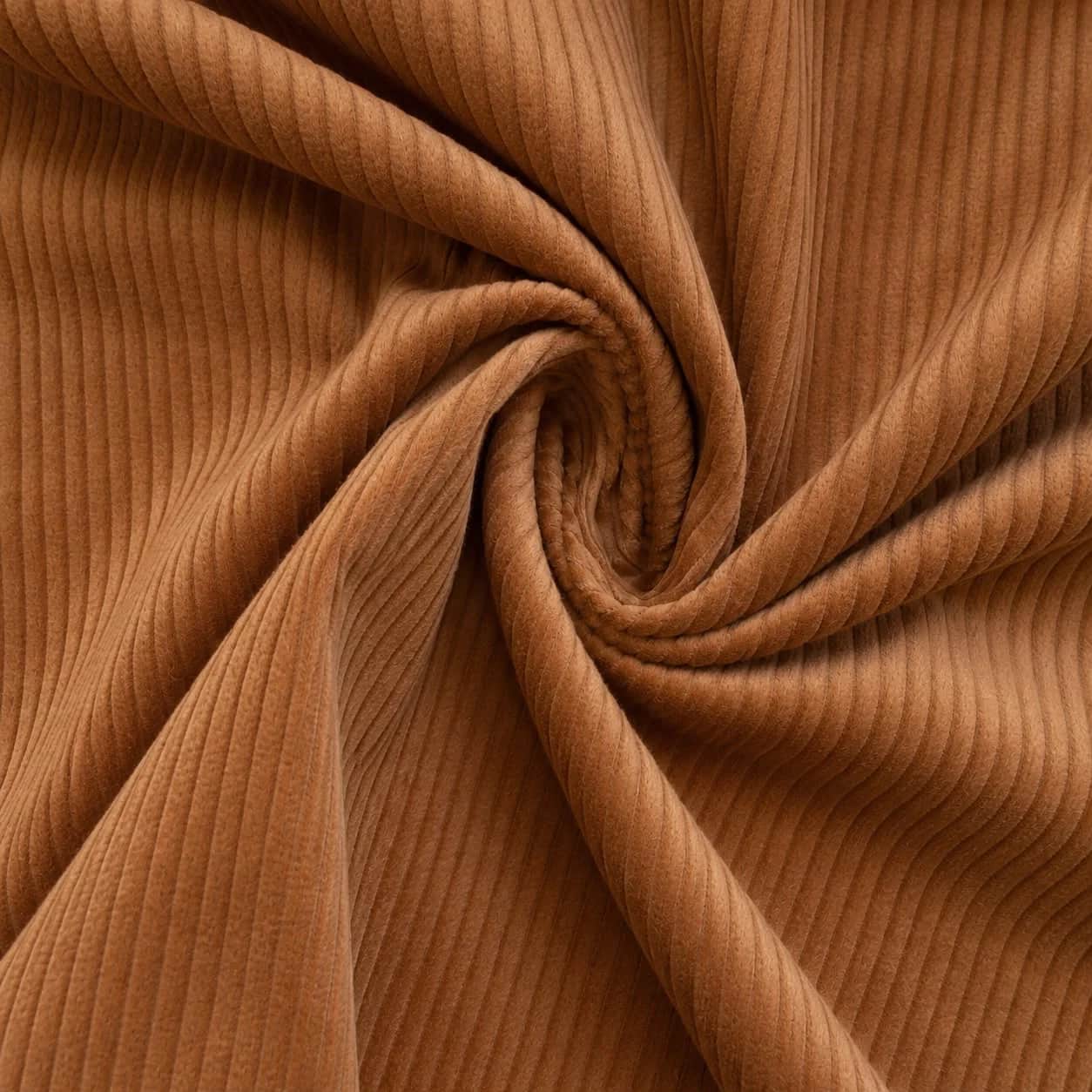

The balaclava is a hood, scarf, and hat collapsed into one object. Once purely functional, it became a fashion signal because it frames the face as sharply as a logo frames a garment. It is simple to draw and difficult to fit without discomfort.
The Balaclava / Knit Hood -- "The balaclava is a hood, scarf, and hat collapsed into one object."
The balaclava's name is associated with military cold-weather headwear, but the garment's logic is older: protect the head, neck, and lower face in one knitted layer. Outdoor sport, motorcycling, skiing, and contemporary fashion all adapted the form. Its recent fashion use is driven by anonymity, warmth, and strong visual identity.
Construction logic
A balaclava can be knitted seamlessly, cut-and-sewn from fleece, or built from stretch jersey. The face opening, neck length, seam placement, and fabric recovery determine comfort. A poor balaclava pulls at the nose, collapses around the mouth, or feels restrictive at the neck.
Commercial logic for creators
For creators, the balaclava is a statement accessory with low material use but high fit sensitivity. It works best in cold-weather capsules, knitwear stories, and performance outerwear ranges. Comfort around the face is the quality test.
FAQ
A balaclava is a close-fitting hood that covers the head and neck, with an opening for the face.
Common options include merino wool, wool/acrylic blends, cashmere blends, fleece, stretch jersey, and technical base-layer knits.. Choose based on target price, handfeel, durability, and care requirements.
Focus on face opening binding, crown shaping, neck extension, seam placement, and stretch recovery. These details usually determine whether the product feels credible or cheap.
Check face opening size, neck comfort, crown depth, fabric itch, and compatibility with jackets or helmets. Fit should be reviewed on the body type and use case the product is designed for, not only on a flat measurement sheet.
The main cost drivers are yarn type, seamless knitting, face binding, gauge, and finishing. Sampling time and rejection risk also increase cost when the fit is sensitive.
Request checks for stretch recovery, seam comfort, pilling, itch, and face opening distortion. For performance or workwear products, test under the real use condition rather than only visually.
Watch for tight neck, itchy yarn, stretched face opening, poor crown shape, and seams pressing into the face. These issues should be caught at fit sample, pre-production sample, and bulk inspection stages.
affordable uses acrylic knit; premium uses merino blends; luxury uses cashmere, fine gauge, or fully fashioned shaping.
Include face opening dimensions, finished depth, neck length, yarn content, gauge, and stretch tolerance. Add reference photos and tolerance notes where fit or construction is easy to misread.
knit accessory or technical fleece factories are best depending on material.
Use OEKO-TEX STANDARD 100 as a consumer-safety baseline where possible. Use GOTS for organic cotton, GRS for recycled polyester or nylon, RWS for responsible wool, and leather-specific or chemical compliance where relevant to the material.
gentle washing preserves shape; high heat can shrink wool and distort the face opening.