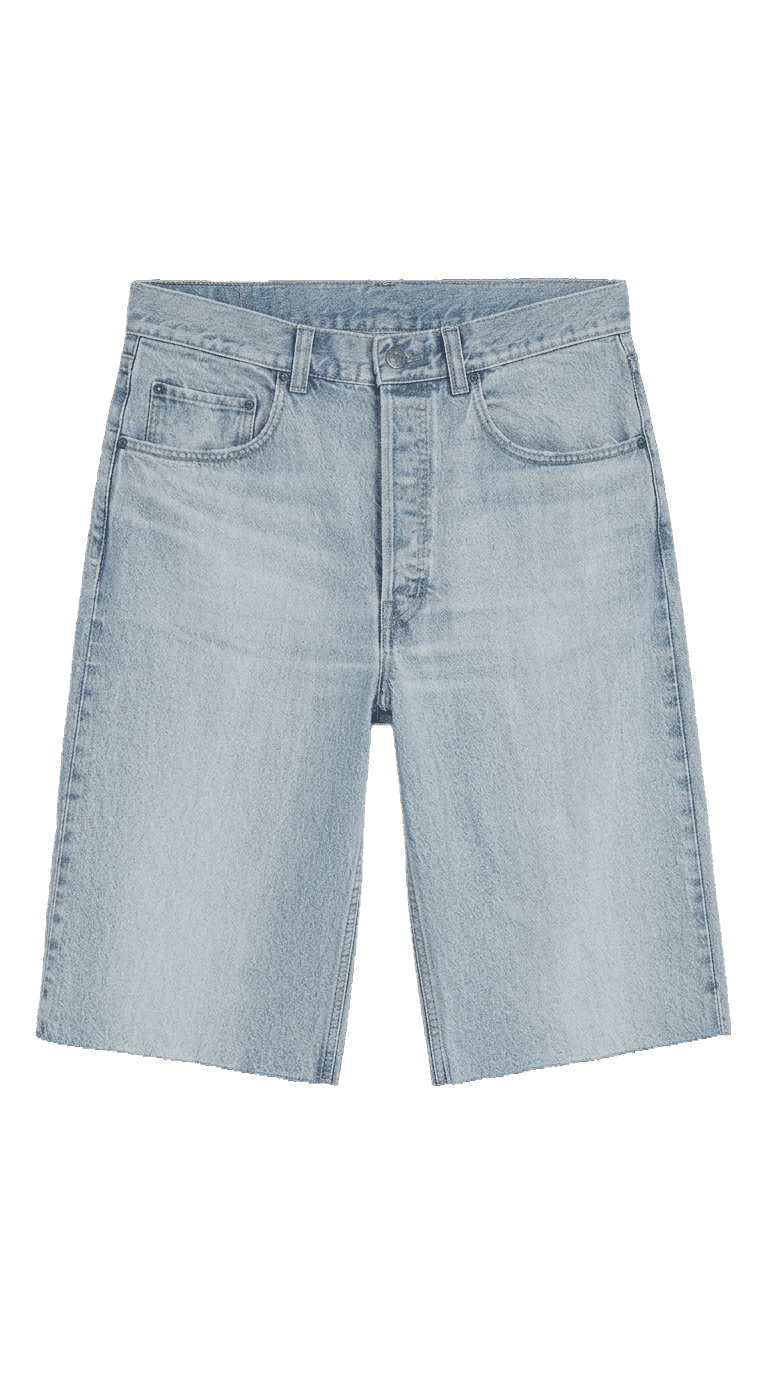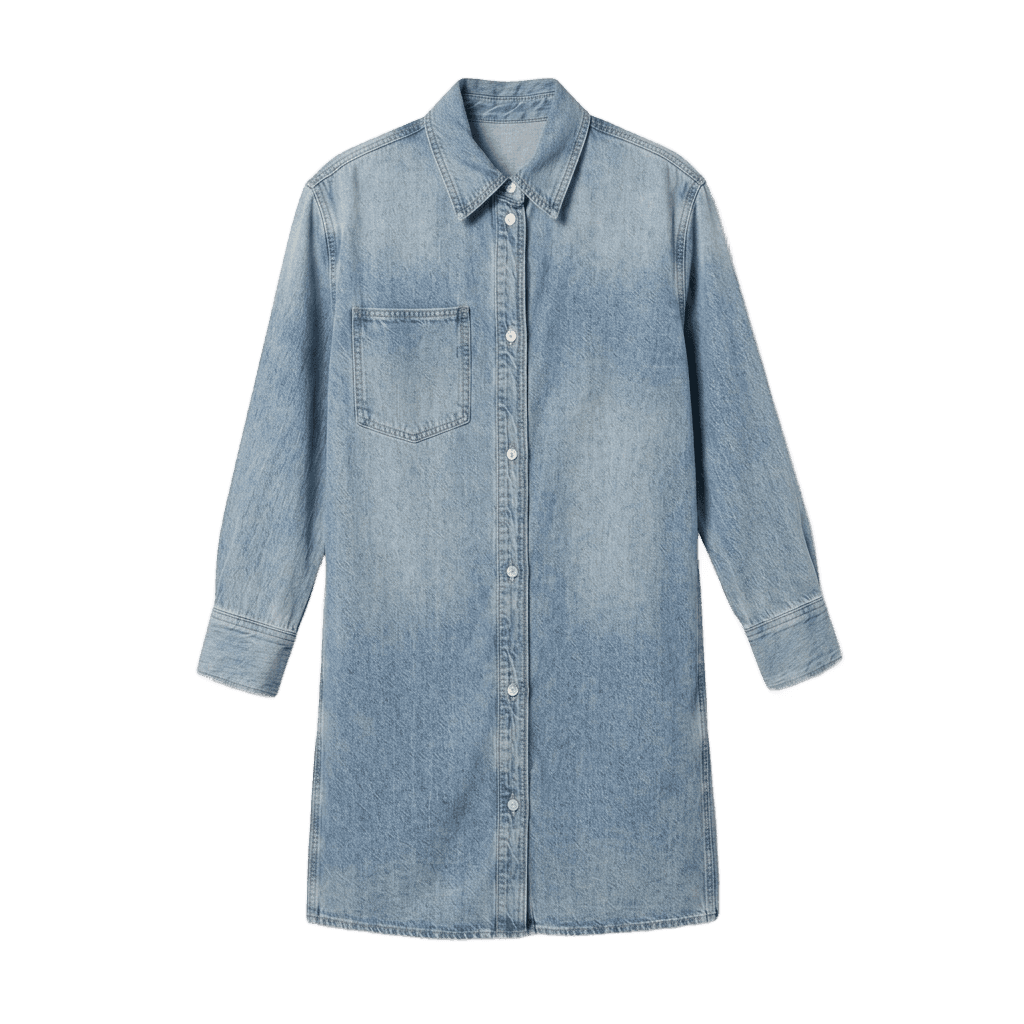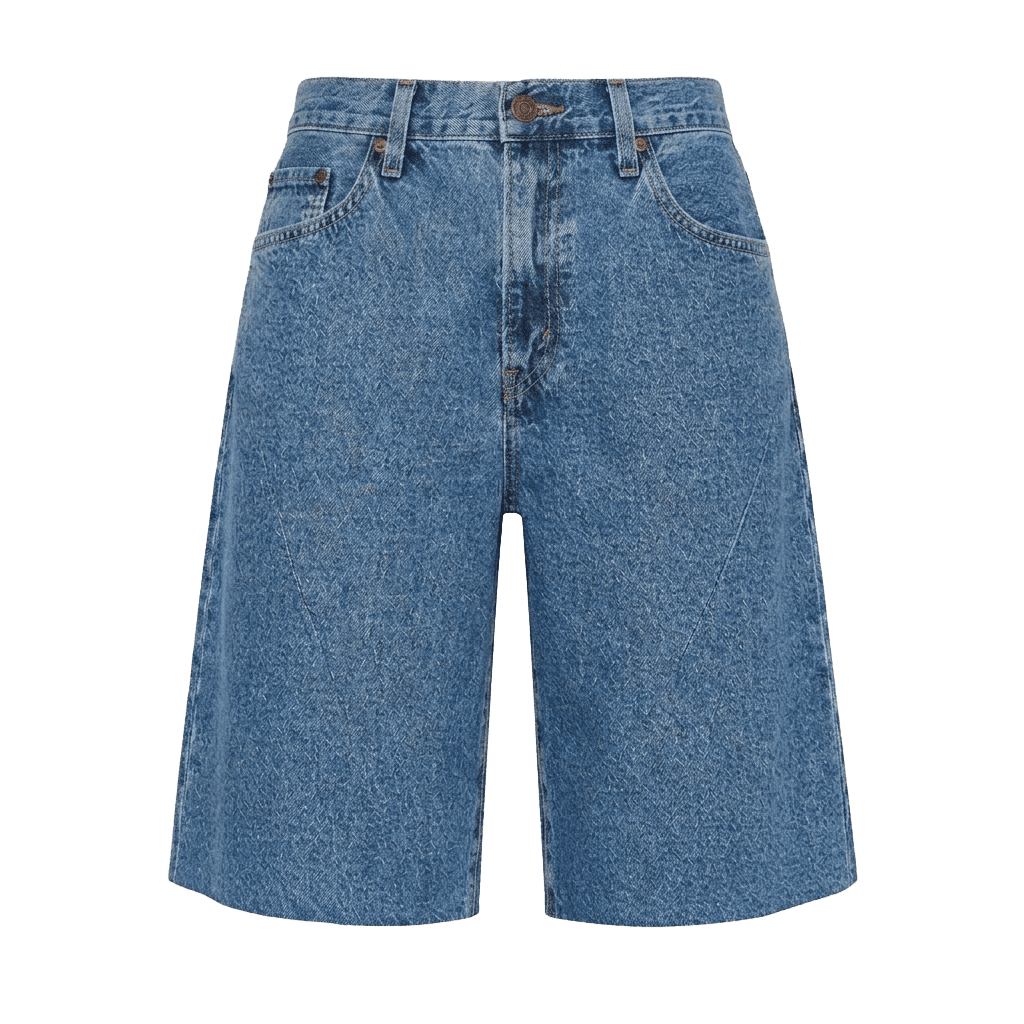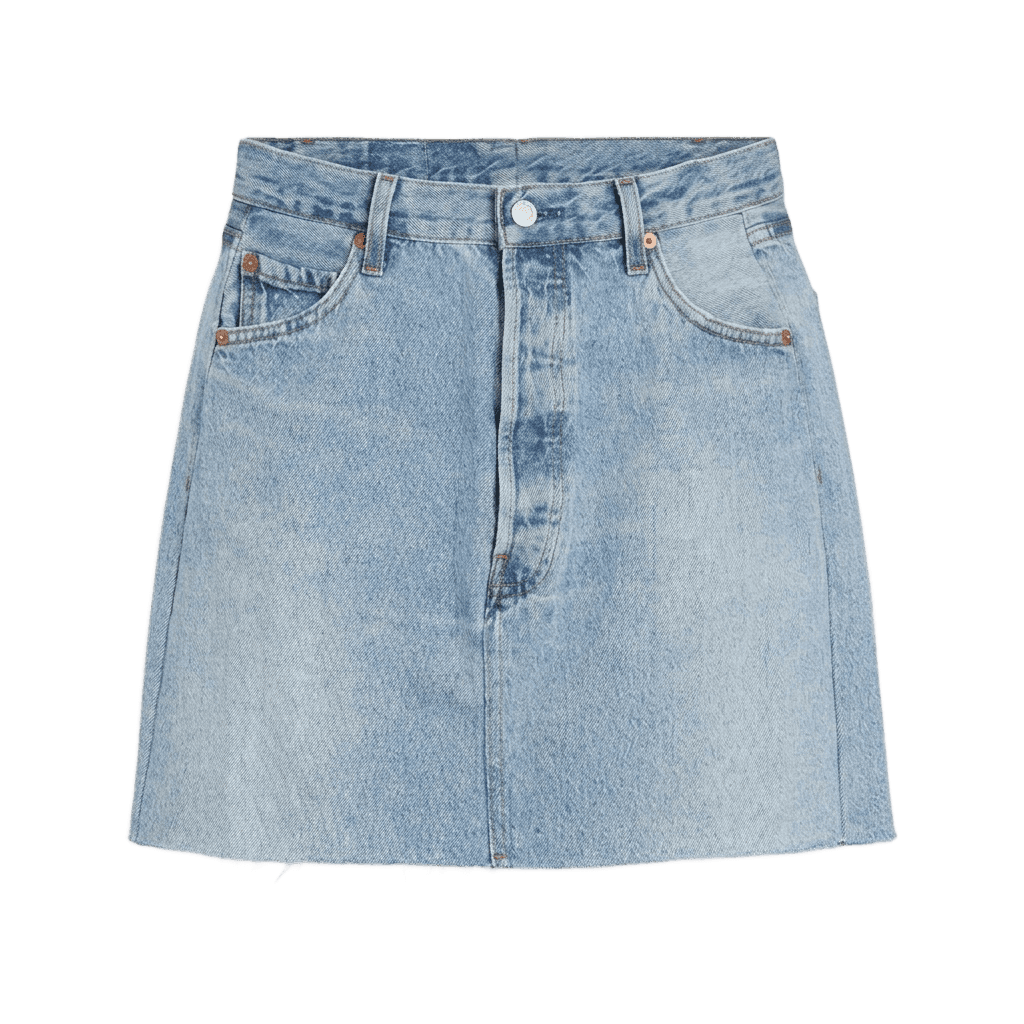
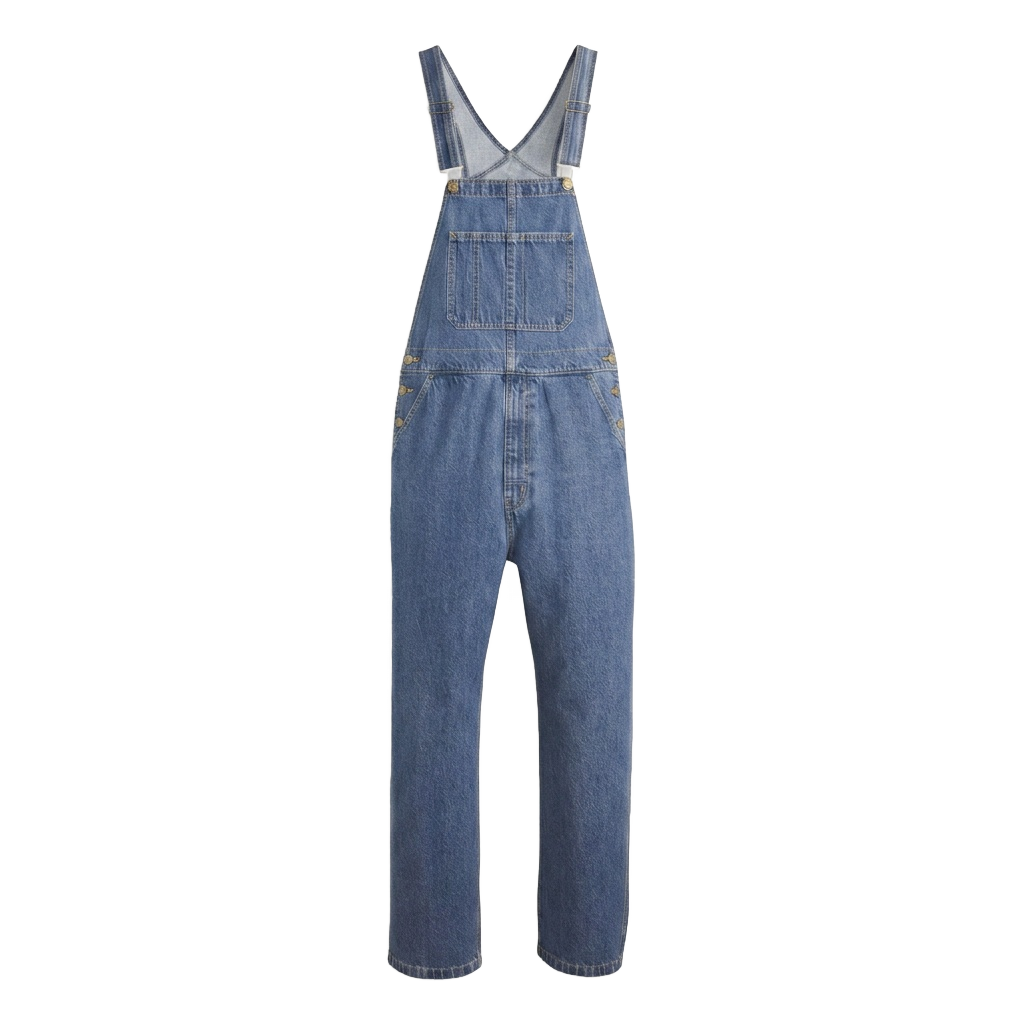
Denim Overalls
A full-length bib overall cut with a relaxed straight body that falls loosely from the square front bib to straight hems. Adjustable straps with metal hardware cross into a high racerback, while metal shank buttons close the side waist. The front bib carries a patch pocket, and the legs run wide and even in classic blue denim.
The same factories that produce for houses like Celine and Balenciaga can produce this piece, directly to you
GABI
Make it yours
Material gradeMOQ 50
Colour
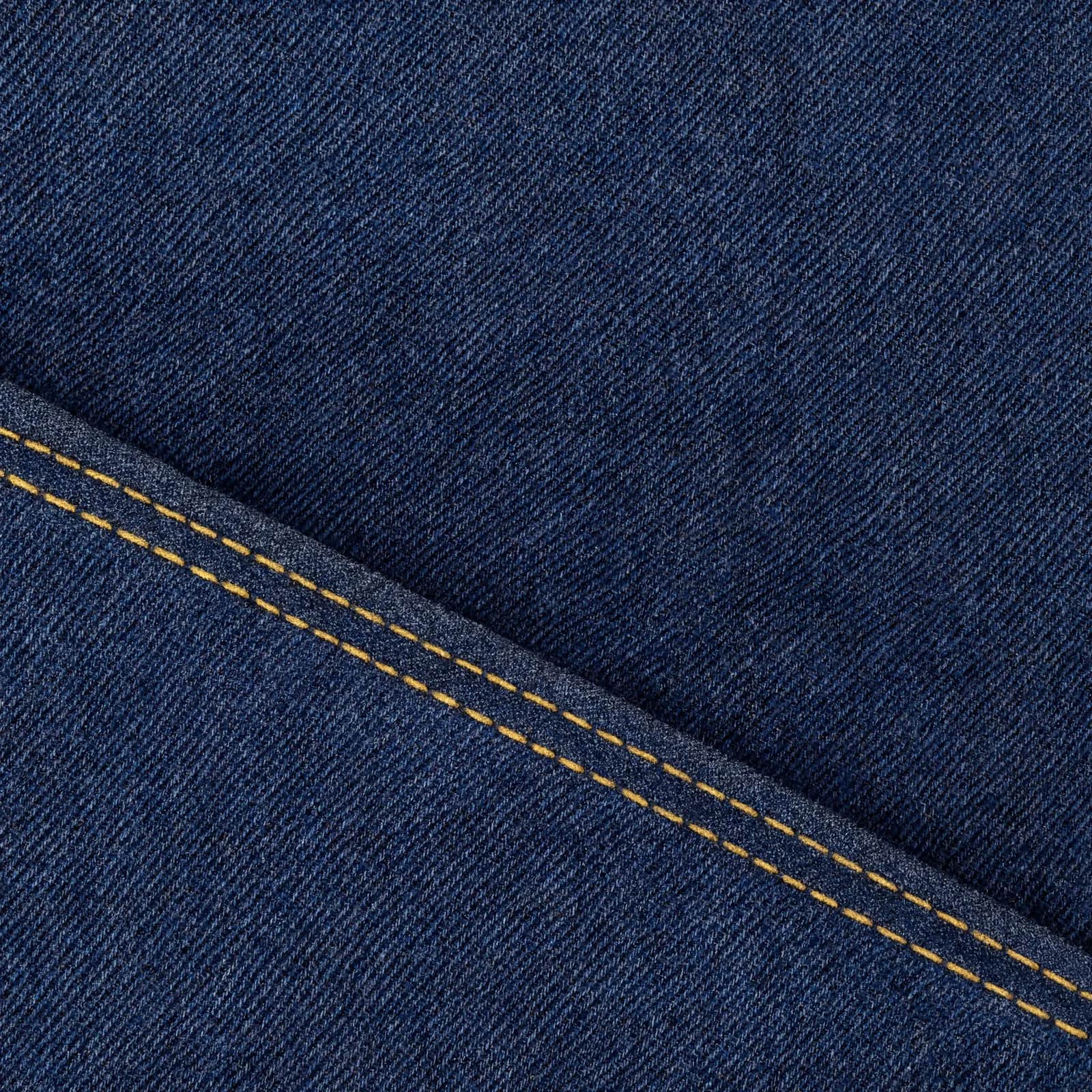
- Main Fabric: 100% Cotton, 350gsm
- lining: 100% Cotton
- Machine wash at 30°C on a gentle cycle
- Wash separately for the first few washes — the finish may transfer
- Do not bleach
- Tumble dry on low heat
- Iron on a medium setting
- Fasten zips and hardware before washing
A guide based on the garment’s materials — always follow the care label on the item itself.
Fabrics

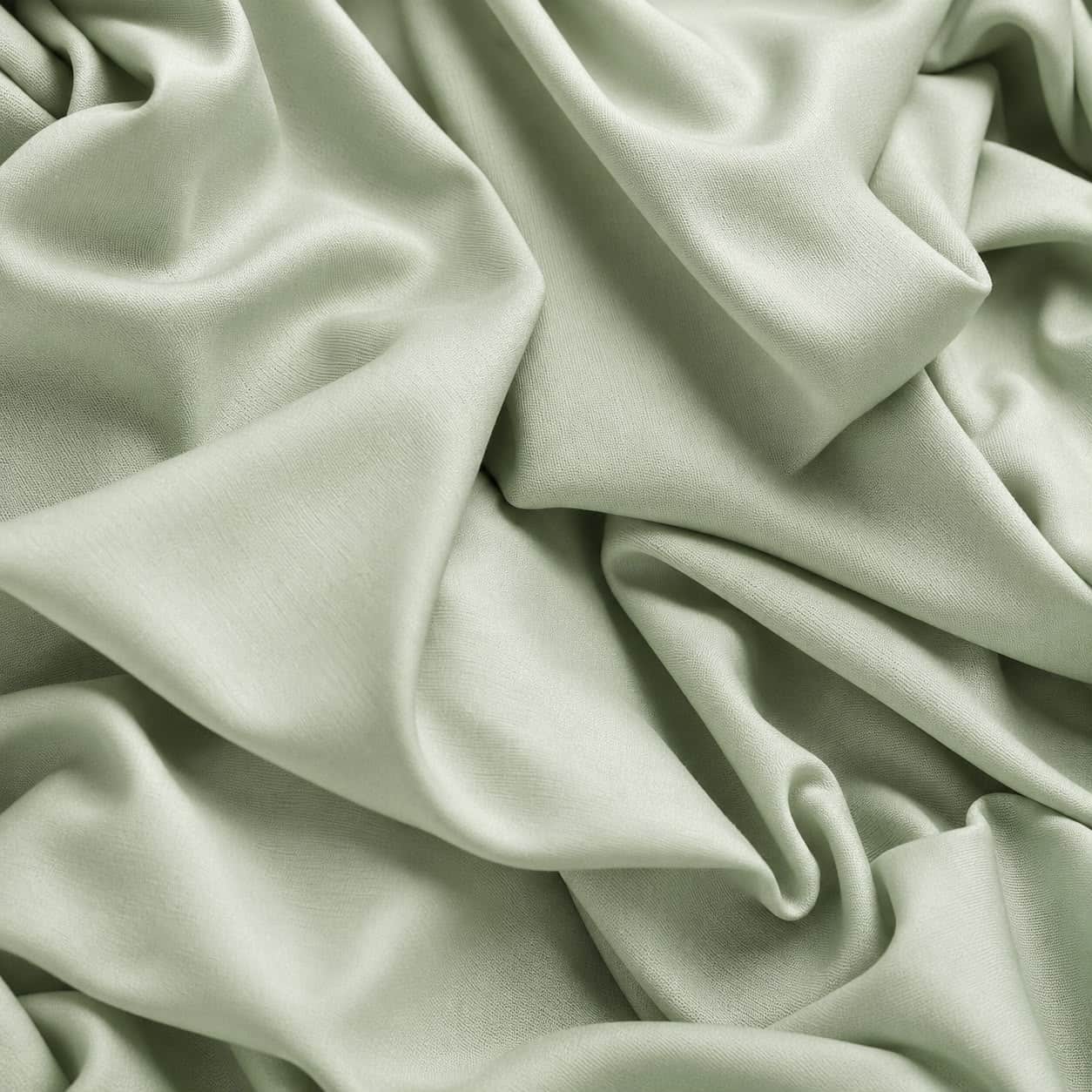
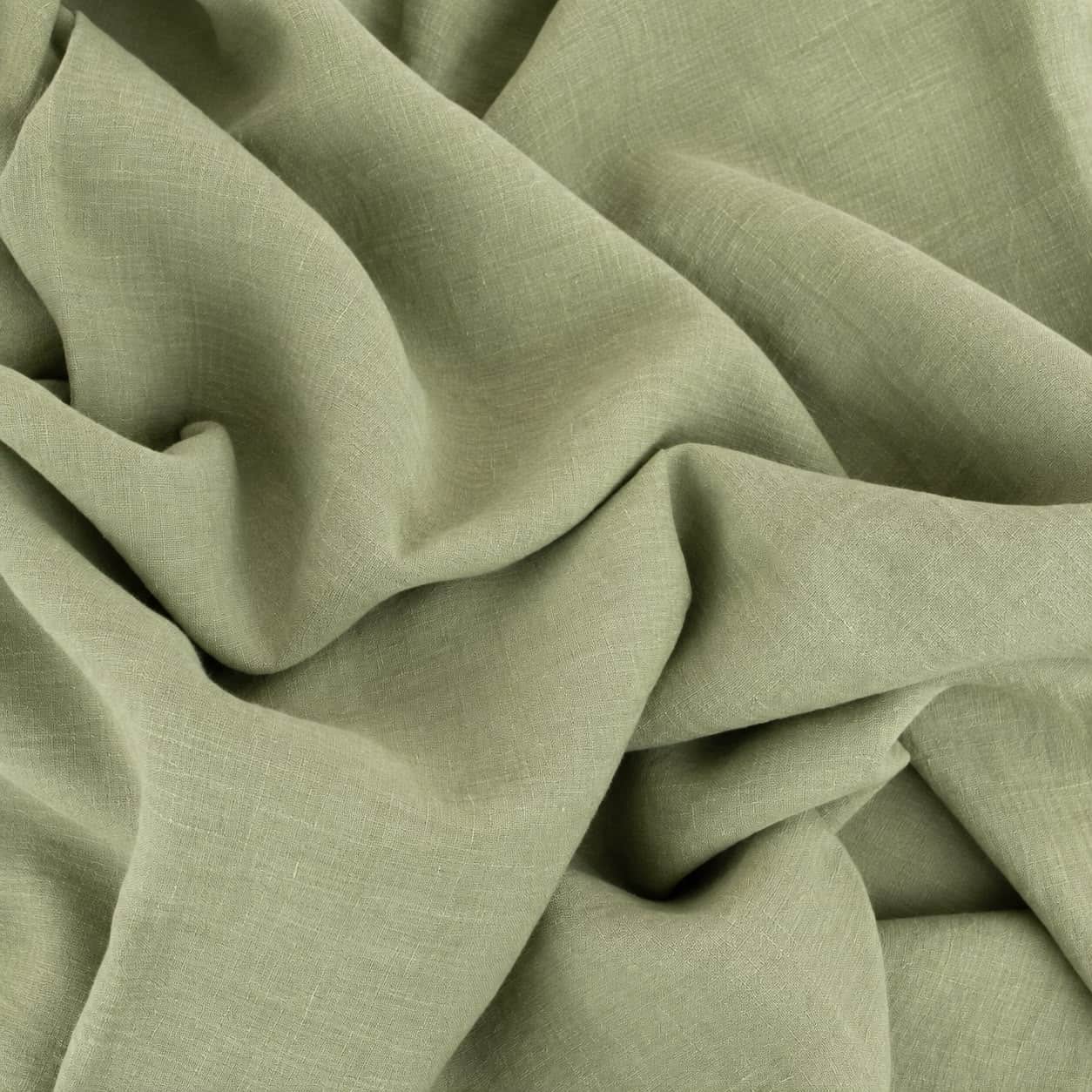
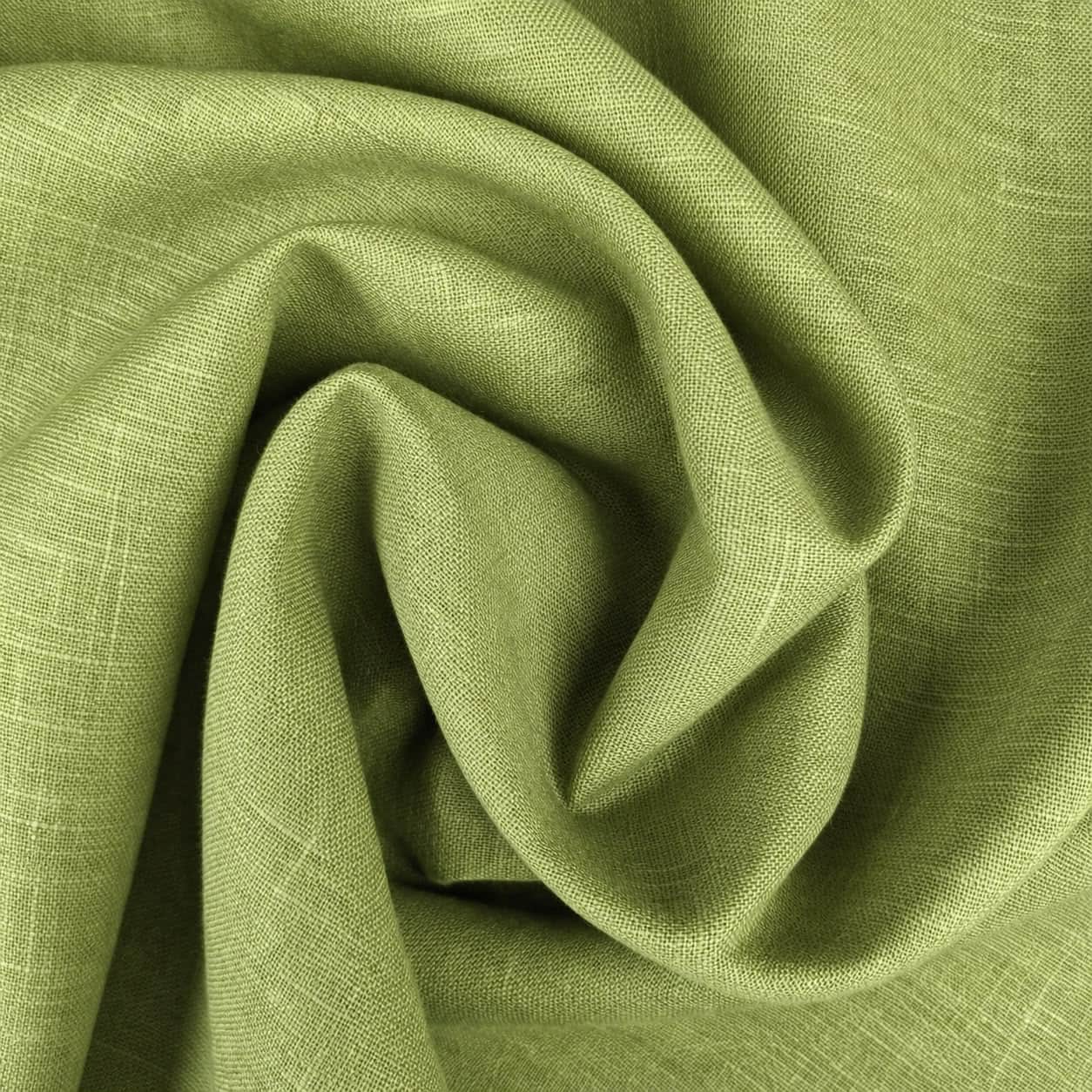
Overalls are workwear that never fully became costume because the function is too obvious. Bib, straps, side buttons, hammer loop, patch pockets: every part explains itself. Fashion changes the fabric and fit; the workwear grammar stays.
The Overalls / Dungarees -- "Overalls are workwear that never fully became costume because the function is too obvious."
Overalls and dungarees developed as protective work garments for labourers, painters, farmers, and mechanics. Denim made them durable; adjustable straps made them practical across body types; bib pockets made them useful. Fashion adopted them for the same reason it adopted jeans: utility became identity.
Construction logic
The garment combines trouser construction with a bib and strap system. Stress points include strap attachments, side openings, crotch seams, and pocket corners. Hardware quality matters because buckles and buttons are functional, not decorative.
Commercial logic for creators
For creators, overalls are a strong heritage product but require careful fit sampling. The bib height, strap length, and rise must work together. Denim, canvas, and linen versions can all sell, but each changes drape and cost.
FAQ
Overalls or dungarees are one-piece workwear bottoms with a bib front, shoulder straps, and trouser legs.
Common options include denim, cotton duck, canvas, twill, corduroy, linen blends, metal buckles, and shank buttons.. Choose based on target price, handfeel, durability, and care requirements.
Focus on bib shaping, adjustable straps, side openings, reinforced crotch, patch pockets, and bartacked stress points. These details usually determine whether the product feels credible or cheap.
Check rise, bib height, strap length, seat ease, leg shape, and whether it layers over tops or stands alone. Fit should be reviewed on the body type and use case the product is designed for, not only on a flat measurement sheet.
The main cost drivers are fabric weight, hardware, pocket count, bartacking, wash treatments, and fit sampling. Sampling time and rejection risk also increase cost when the fit is sensitive.
Request checks for hardware strength, seam strength, pocket reinforcement, shrinkage, and post-wash twisting. For performance or workwear products, test under the real use condition rather than only visually.
Watch for straps slipping, bib gaping, crotch pulling, weak side buttons, and pocket corners tearing. These issues should be caught at fit sample, pre-production sample, and bulk inspection stages.
affordable uses lightweight twill; premium uses durable denim or canvas; luxury uses refined fabrics, washes, and hardware.
Include bib dimensions, strap hardware, side closure, pocket map, rise, inseam, and wash standard. Add reference photos and tolerance notes where fit or construction is easy to misread.
denim and workwear factories are ideal because they understand hardware and bartacks.
Use OEKO-TEX STANDARD 100 as a consumer-safety baseline where possible. Use GOTS for organic cotton, GRS for recycled polyester or nylon, RWS for responsible wool, and leather-specific or chemical compliance where relevant to the material.
pre-wash or shrink-test fabric; heavy denim and canvas can shrink and torque after laundering.