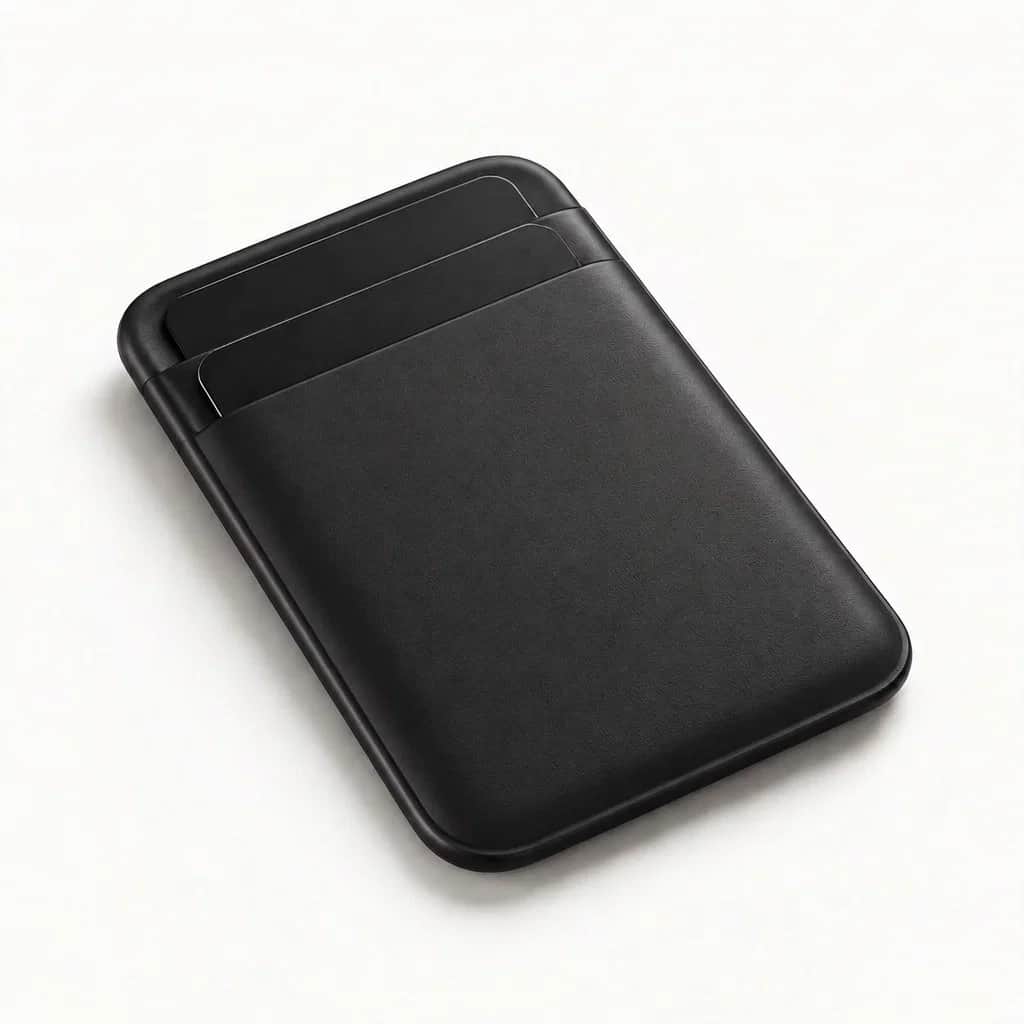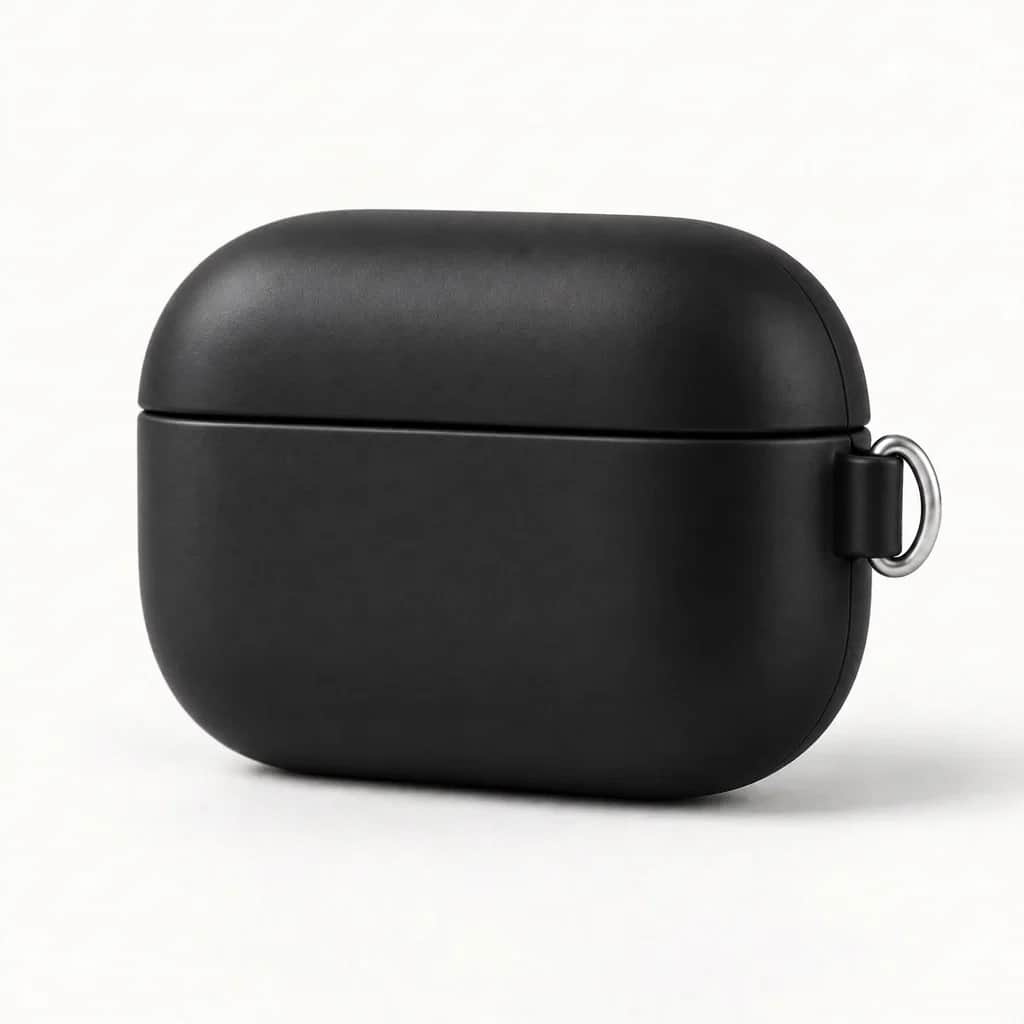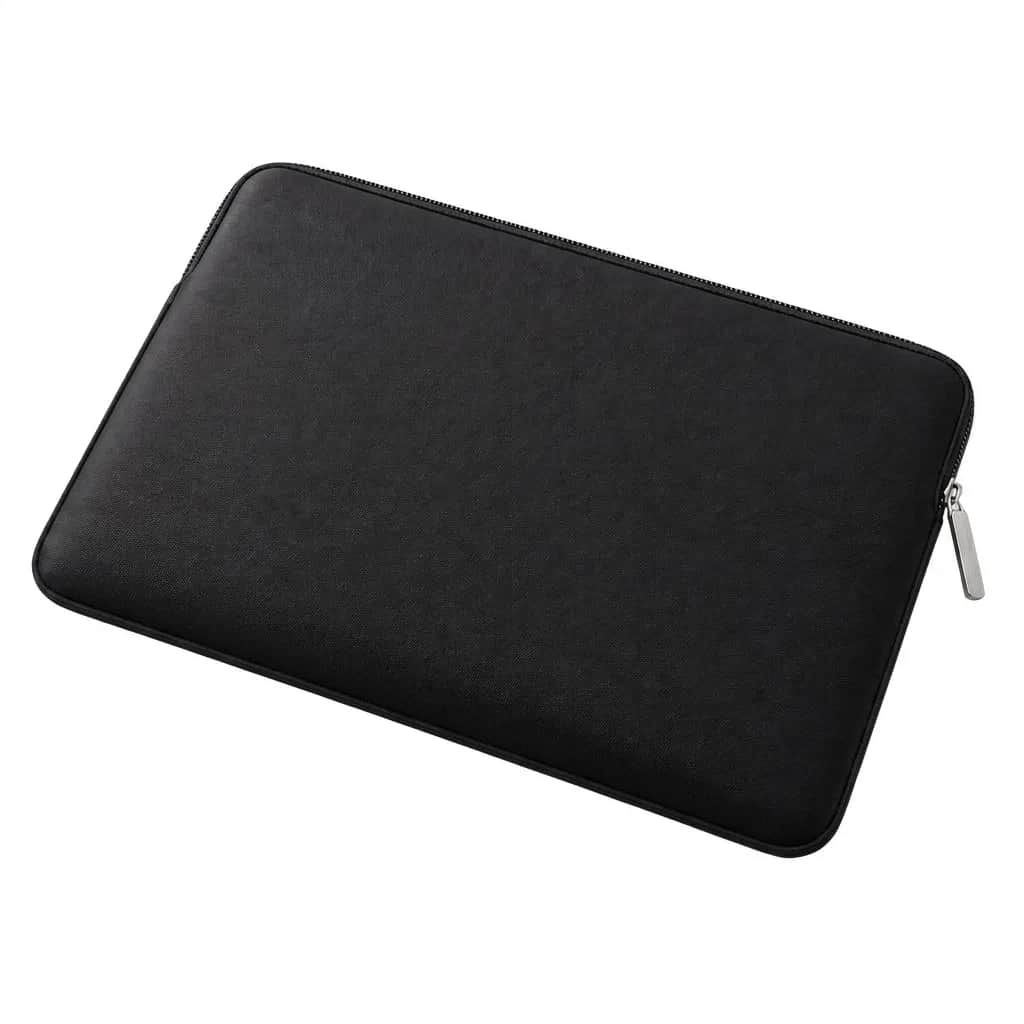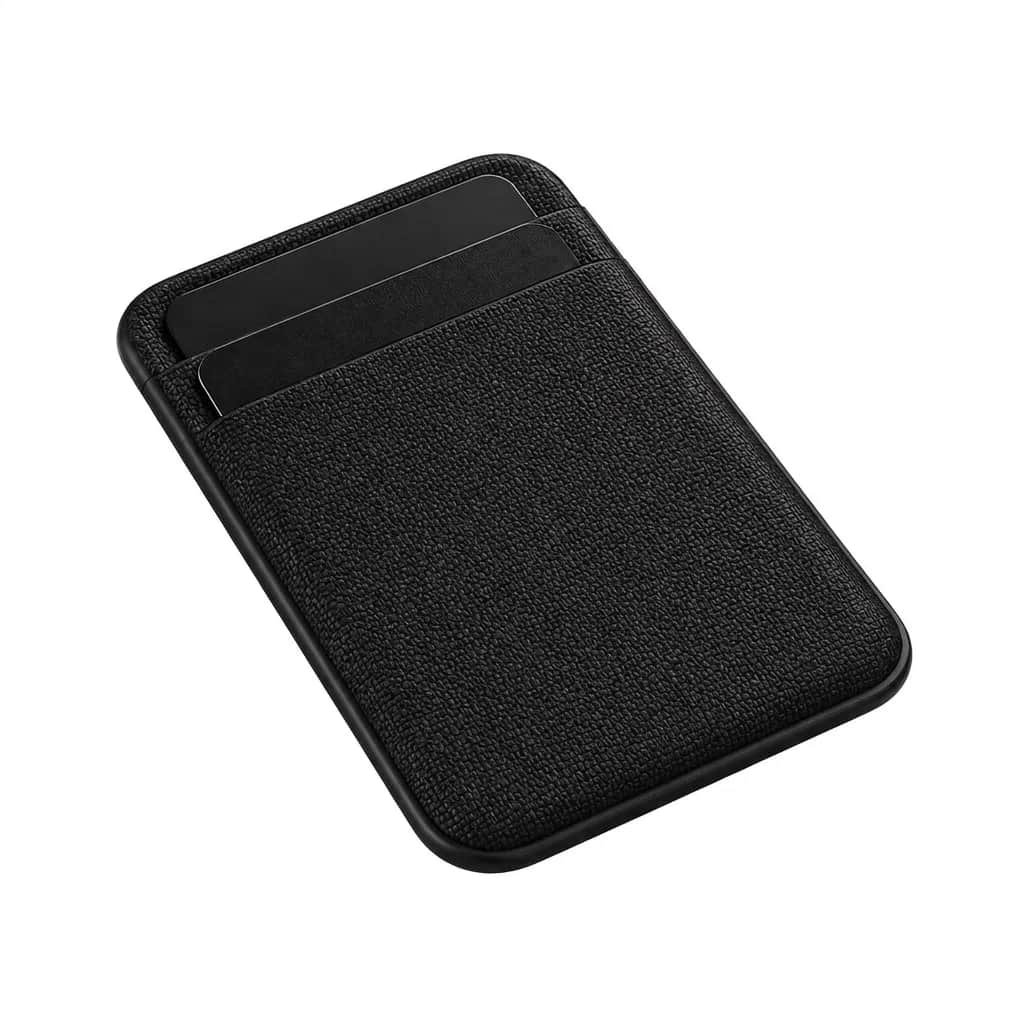
Phone Pouch — Nylon
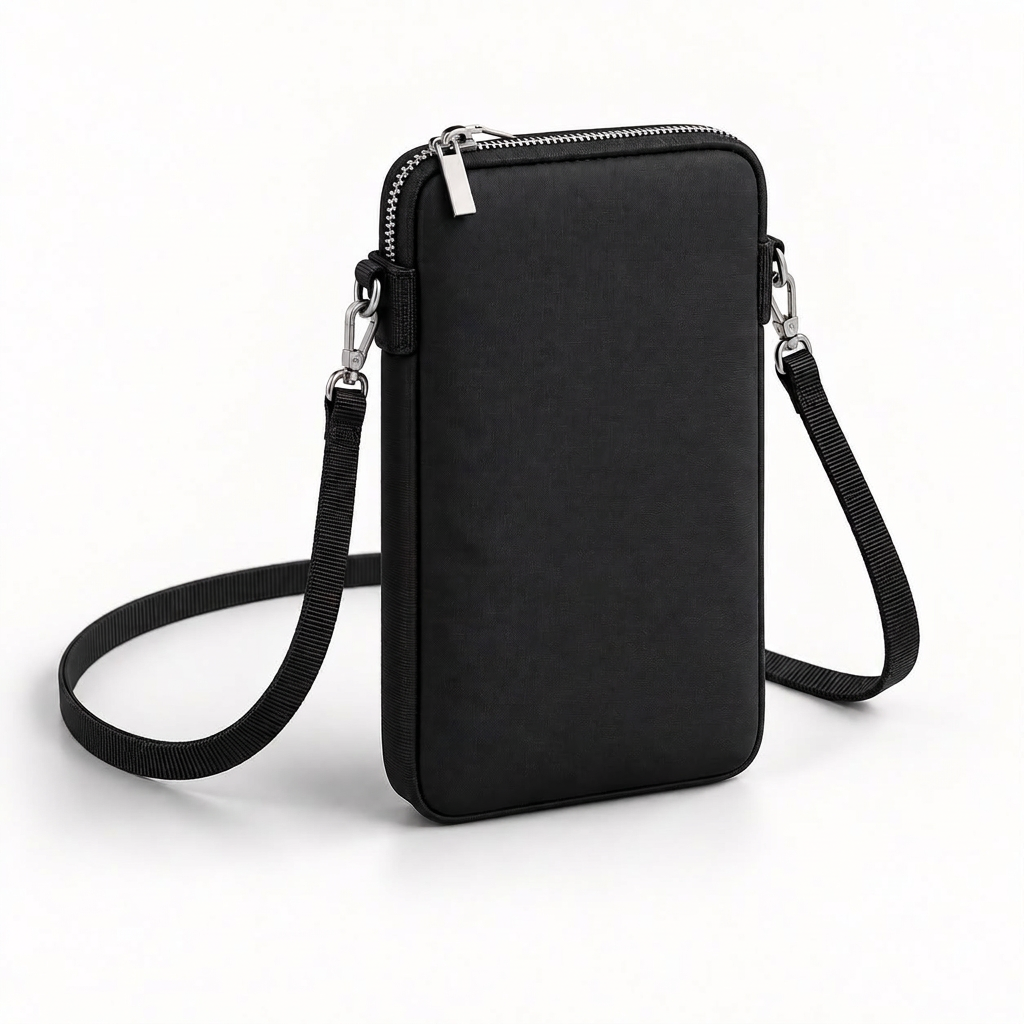
A tall, narrow rectangle with softly rounded corners, sized to hold a single phone against the body. The front and back panels lie flat, joined by a shallow gusset that runs continuously along the sides and base, giving the pouch a slim depth. A webbing strap attaches at the upper side edges through metal clips, and the top edge closes with a zipper.
The same factories that produce for houses like Celine and Balenciaga can produce this piece, directly to you
GABI
Make it yours
Material gradeMOQ 50
Colour
- Main Fabric: 100% Nylon, 250gsm
- lining: 100% Recycled Polyester
- webbing: 100% Nylon
- Spot clean with a damp cloth — do not machine wash
- Do not bleach
- Do not tumble dry
- Iron on a low setting
A guide based on the garment’s materials — always follow the care label on the item itself.
Phone cases existed for feature phones throughout the 1990s, mostly as a style accessory for a nearly indestructible plastic brick. The 2007 iPhone changed the economics entirely: a full glass front turned a dropped phone into an expensive repair, and the case went from optional accessory to something close to mandatory. Phone stands are a smaller, later addition to the category, driven by video calls and hands-free media consumption becoming a daily habit rather than an occasional one.
From Style Accessory to Insurance Policy
The iPhone's glass front turned phone protection from optional styling into a near-mandatory purchase.
Leather phone cases split into full-grain (ages and develops a patina, more expensive) and bonded leather (reconstituted leather fiber bonded with polyurethane, cheaper and more uniform but doesn't age the same way).
Nylon pouches use either standard nylon or ballistic nylon, a tighter, more abrasion-resistant weave originally developed for military flak jackets, now common in premium tech pouches.
Phone stands use either an adjustable hinge or friction-fit mechanism for video-call positioning, or a fixed angle for simple desk charging display.
FAQ
A leather phone case (China, 300–500 unit run) lands around $6–12; a nylon pouch runs $3–6; a phone stand runs $2–5 depending on the adjustment mechanism.
Full-grain for a case that develops character and patina over time, at higher cost; bonded leather for a more uniform, lower-cost look that doesn't age the same way.
Ballistic nylon for better abrasion resistance and a more durable, premium feel; standard nylon for a lighter, lower-cost option suited to lighter use.
Typically 300–500 units per device model and colorway, since cases are molded or cut to fit a specific phone model and that tooling needs volume to amortize.
Adjustable for video calls and varied viewing angles; fixed-angle for a simpler, lower-cost desk charging stand where one viewing position is sufficient.
Yes — cases are molded to a specific model's exact dimensions and button/port cutouts, so a new phone release typically requires a new mold rather than adapting an existing one.
Phone cases fall under HS 4202 (leather) or HS 3926 (plastic/nylon) depending on material; stands generally fall under HS 8302 or HS 3926. Confirm per SKU based on primary material.