What's Really Inside a $5,000 Blazer vs a $50 One
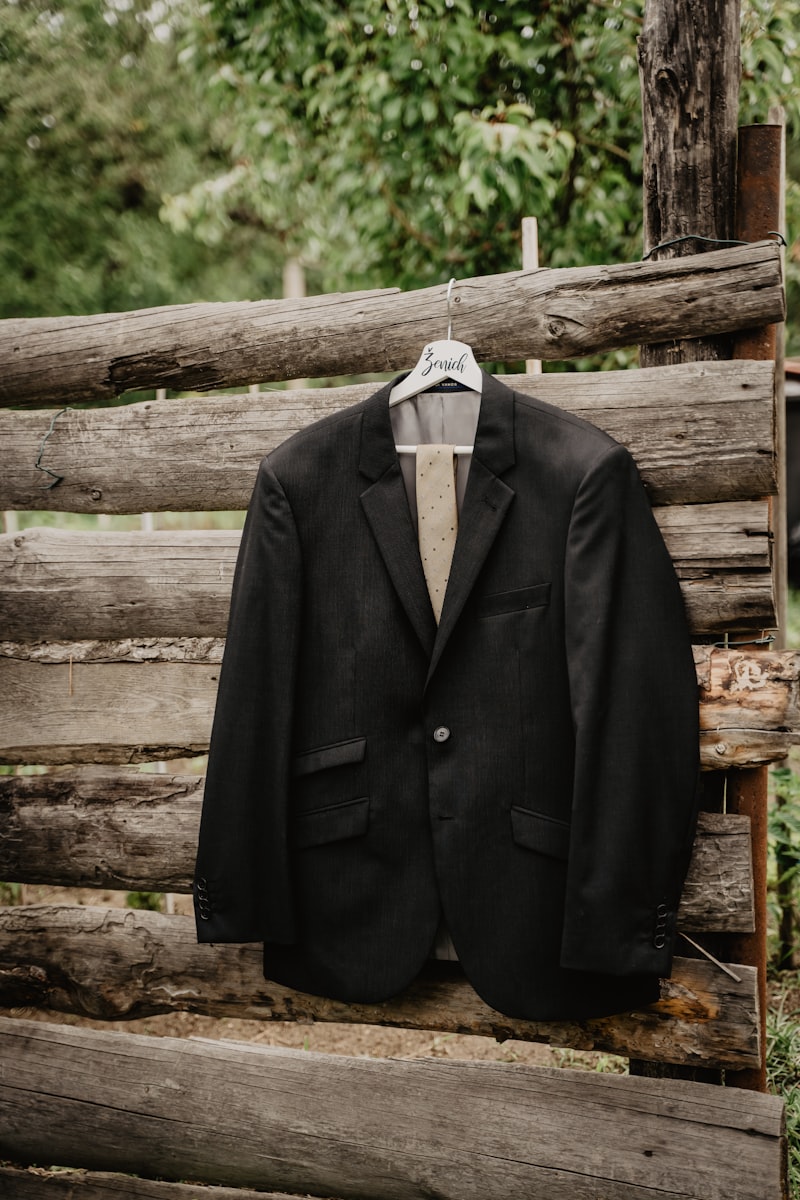
In 1860, a Savile Row tailor made a jacket for the Prince of Wales — no tails, no decoration, just a clean, structured jacket with a notch lapel and two buttons. Contemporaries said it was too plain. He wore it anyway. That jacket became the blazer.
The only thing separating a $50 version from a $5,000 version is what is inside.
A silhouette that hasn't moved in 160 years
The construction architecture — canvas, interlining, lining, pad-stitched lapel — stayed essentially unchanged from the 1860s until the 1970s, when fusible interlining became commercially available at scale and transformed the market. A bonded adhesive interlining gave factories without specialist tailoring skill the ability to produce a recognizable blazer quickly and cheaply.
What that trade-off actually cost
Fusible interlining made the blazer a mass-market garment rather than a luxury item — a genuine democratization. The compromise was durability: a fused blazer loses its structure as the adhesive bond weakens with wear and washing, in a way a canvas-built garment simply doesn't.
Where the modern middle ground sits
Half-canvas construction — a natural-fibre canvas chest piece sewn into the jacket front — became the premium commercial standard precisely because it offers most of full canvas's drape and longevity without the hand-tailoring time of a full Savile Row build. It's why most blazers at the $300–600 retail tier are built this way.
The takeaway
Every blazer on the market today, from a $50 fused version to a $5,000 full-canvas piece, traces its silhouette to the same 1860 jacket. The price gap was never really about the design. It's about how much of the garment is built by hand versus bonded by machine.
Powered by Sparkit — construction history and CMT benchmarks across 13+ material categories.