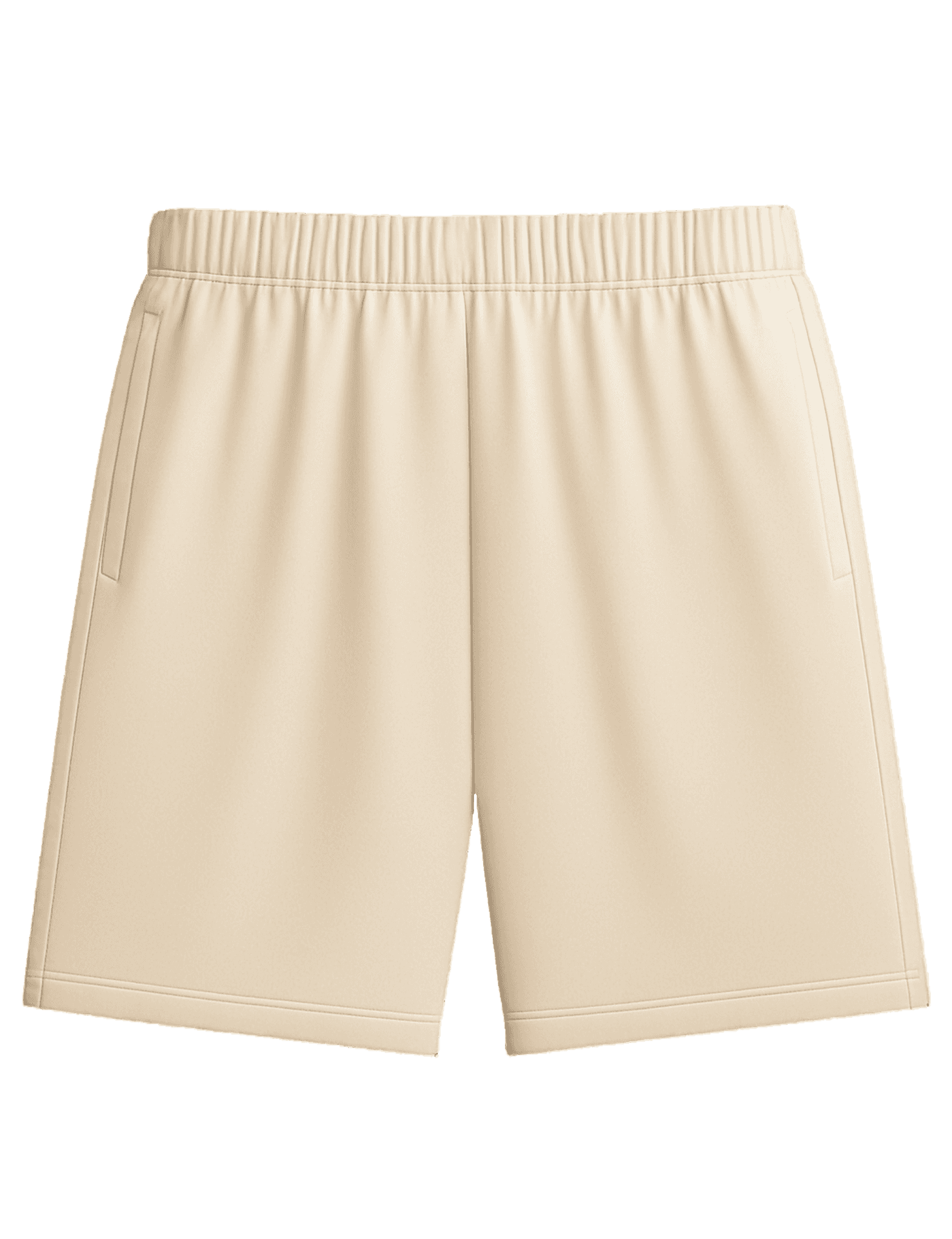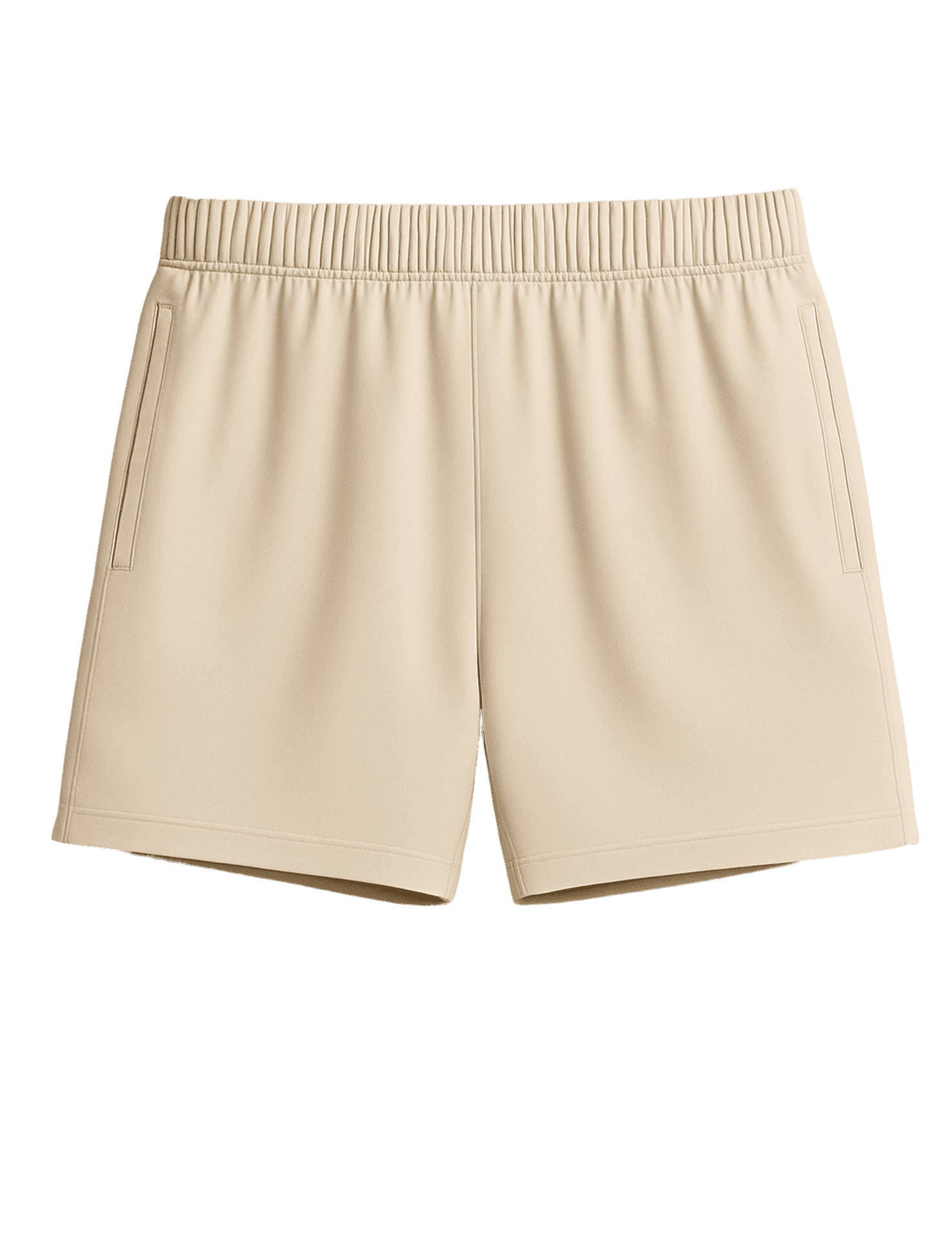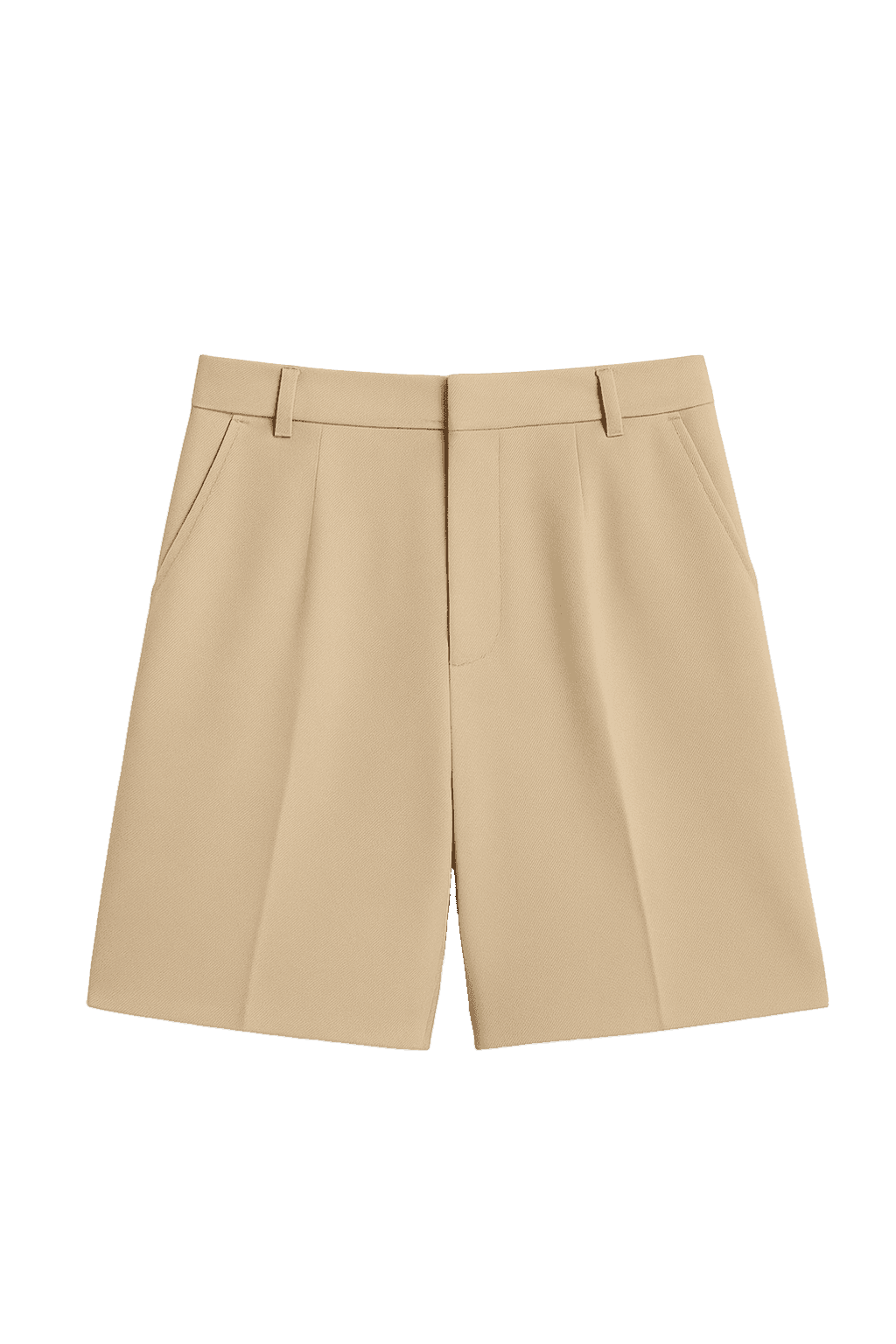
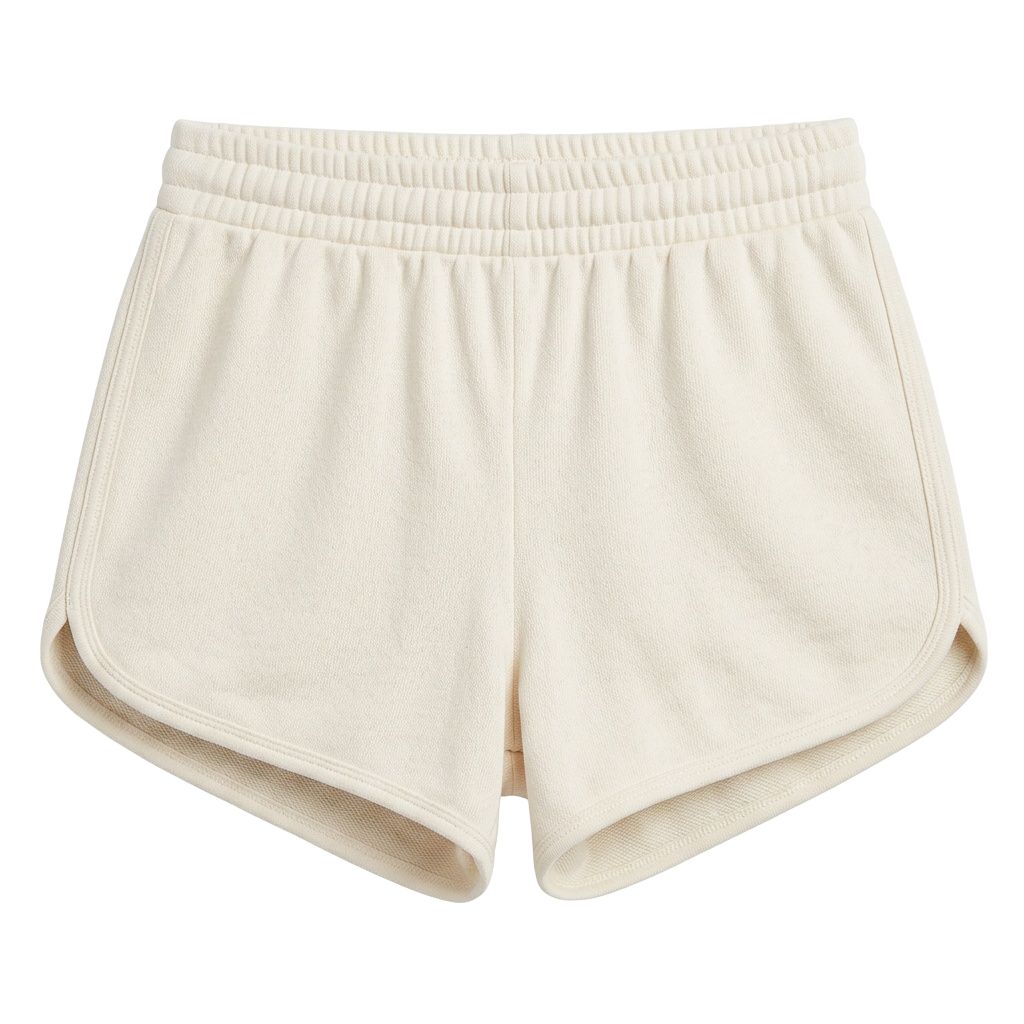
Retro Running Shorts
Running shorts are tiny, technical, and easy to ruin. A split hem, liner, waistband, and pocket system decide whether they feel elite or like promotional merchandise. The customer notices while moving, not standing still.
The same factories that produce for houses like Celine and Balenciaga can produce this piece, directly to you
GABI
Make it yours
Material gradeMOQ 50
Colour
Retro Running Shorts
Running shorts are tiny, technical, and easy to ruin. A split hem, liner, waistband, and pocket system decide whether they feel elite or like promotional merchandise. The customer notices while moving, not standing still.
The same factories that produce for houses like Celine and Balenciaga can produce this piece, directly to you
GABI
Make it yours
Material gradeMOQ 50
Colour
Running shorts are tiny, technical, and easy to ruin. A split hem, liner, waistband, and pocket system decide whether they feel elite or like promotional merchandise. The customer notices while moving, not standing still.
The Running Shorts / Gym Shorts -- "Running shorts are tiny, technical, and easy to ruin."
Running shorts evolved from track and training kit: lightweight woven shells, brief liners, side splits, and elastic waists built for stride length and heat release. Gym shorts broadened the category into training, HIIT, and casual activewear while keeping the same priorities: movement, breathability, and low weight.
Construction logic
The short usually has a lightweight shell, inner brief or compression liner, elastic waistband, drawcord, and pocketing. Side splits improve stride but increase finishing complexity. The waistband must stay stable without digging in.
Commercial logic for creators
For creators, running shorts are a good activewear add-on if the fabric and liner are right. They use less fabric than leggings but require more technical fit than casual shorts. Premium versions win through lightness, liner comfort, and secure storage.
FAQ
Running or gym shorts are lightweight performance shorts built for movement, ventilation, and training comfort.
Common options include nylon ripstop, polyester microfibre, recycled woven, mesh liner, compression jersey, elastic, and drawcord.. Choose based on target price, handfeel, durability, and care requirements.
Focus on split hems, inner liner, elastic waistband, drawcord, secure pockets, and lightweight seam finishing. These details usually determine whether the product feels credible or cheap.
Check inseam, rise, leg opening, liner compression, waistband tension, and pocket bounce. Fit should be reviewed on the body type and use case the product is designed for, not only on a flat measurement sheet.
The main cost drivers are technical woven fabric, liner, pockets, reflective trims, waistband construction, and split-hem finishing. Sampling time and rejection risk also increase cost when the fit is sensitive.
Request checks for liner comfort, seam chafe, colourfastness, pocket security, waistband recovery, and fabric snagging. For performance or workwear products, test under the real use condition rather than only visually.
Watch for liner ride-up, pocket bounce, chafing seams, clingy shell, and waistband twisting. These issues should be caught at fit sample, pre-production sample, and bulk inspection stages.
affordable uses basic woven shell; premium adds better liner and pockets; luxury adds ultralight fabric and refined trim.
Include inseam, liner type, shell fabric, waistband spec, pocket map, split depth, and drawcord details. Add reference photos and tolerance notes where fit or construction is easy to misread.
activewear or sportswear factories with woven and stretch-liner capability are best.
Use OEKO-TEX STANDARD 100 as a consumer-safety baseline where possible. Use GOTS for organic cotton, GRS for recycled polyester or nylon, RWS for responsible wool, and leather-specific or chemical compliance where relevant to the material.
wash cold and avoid softener to preserve wicking and elastic recovery.