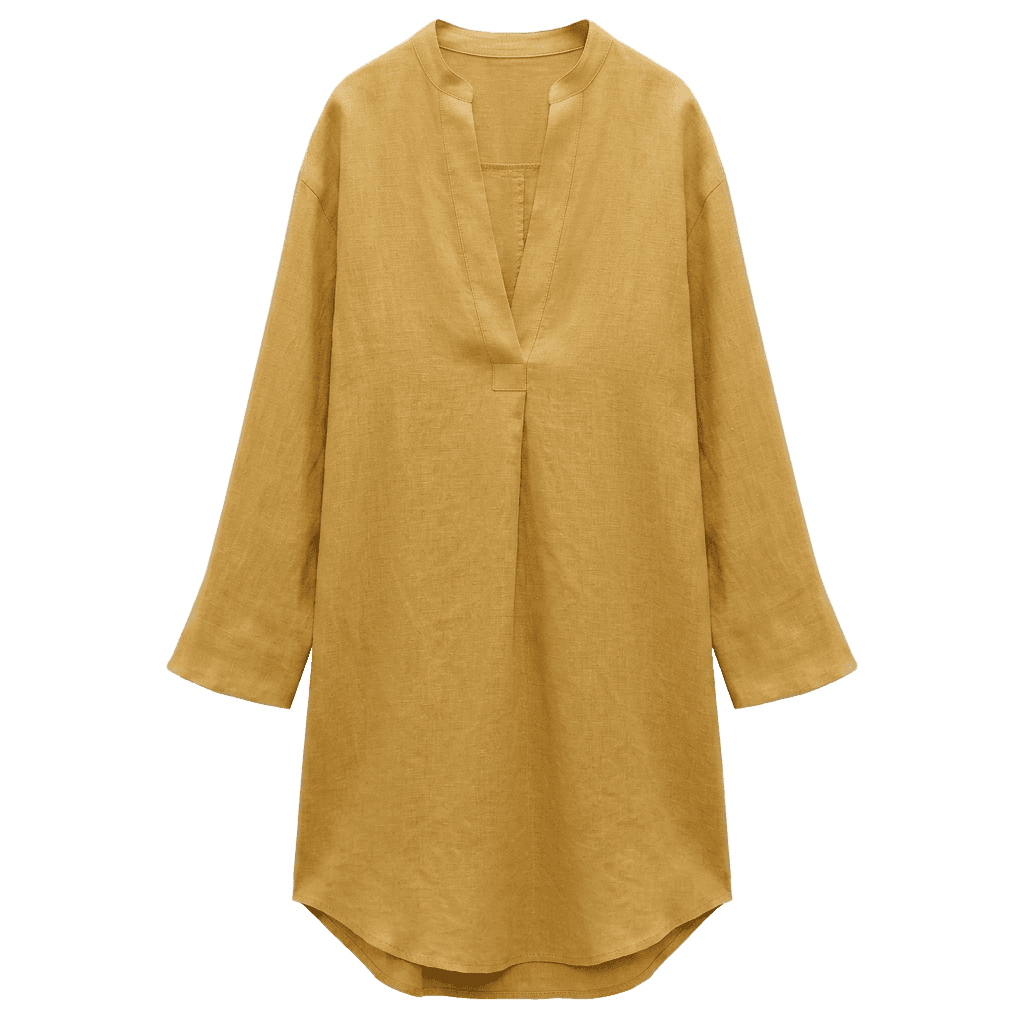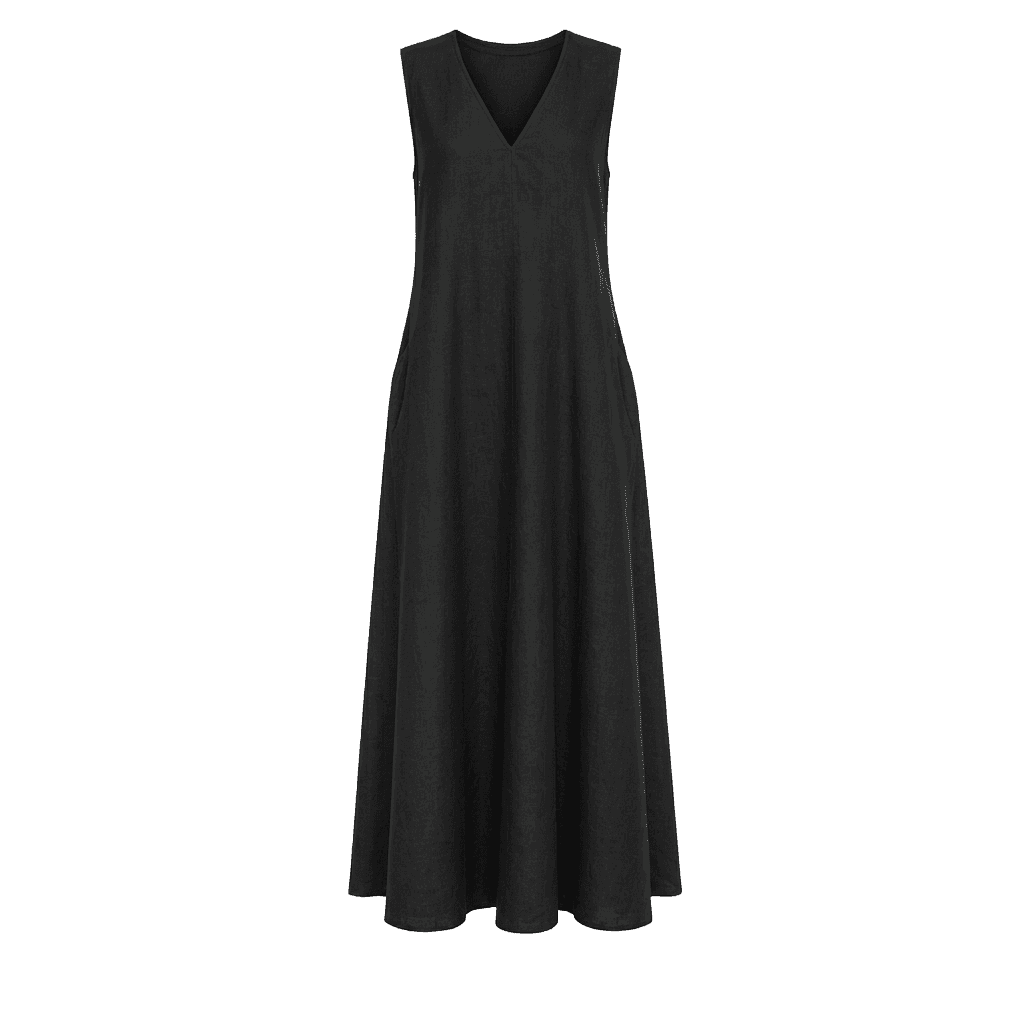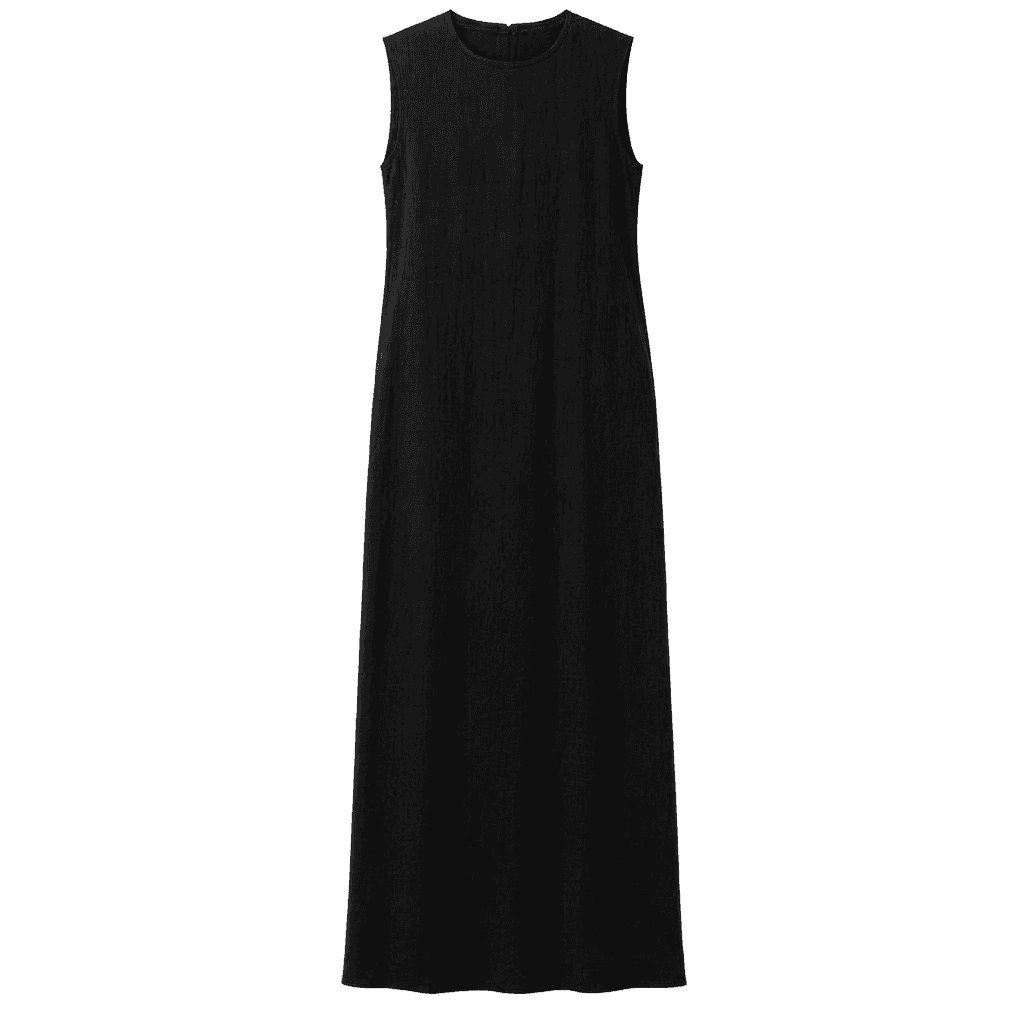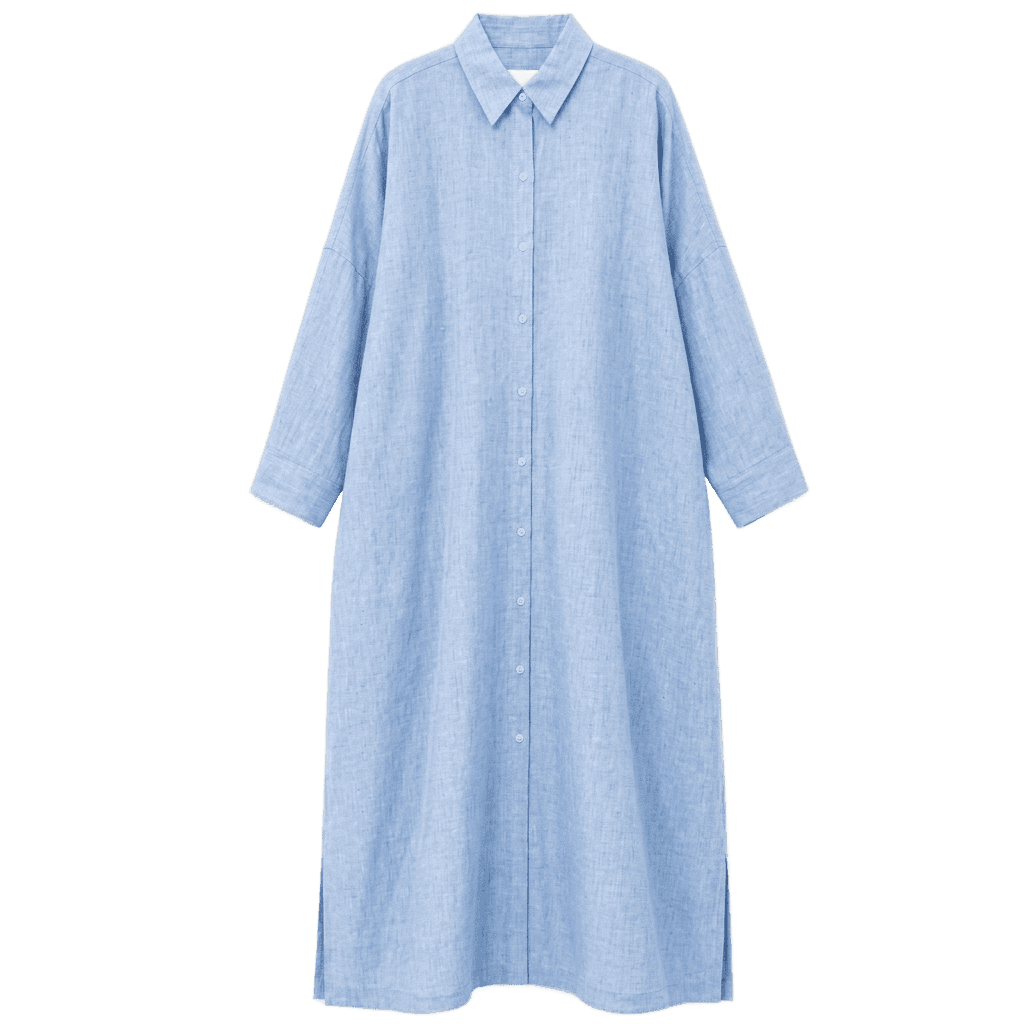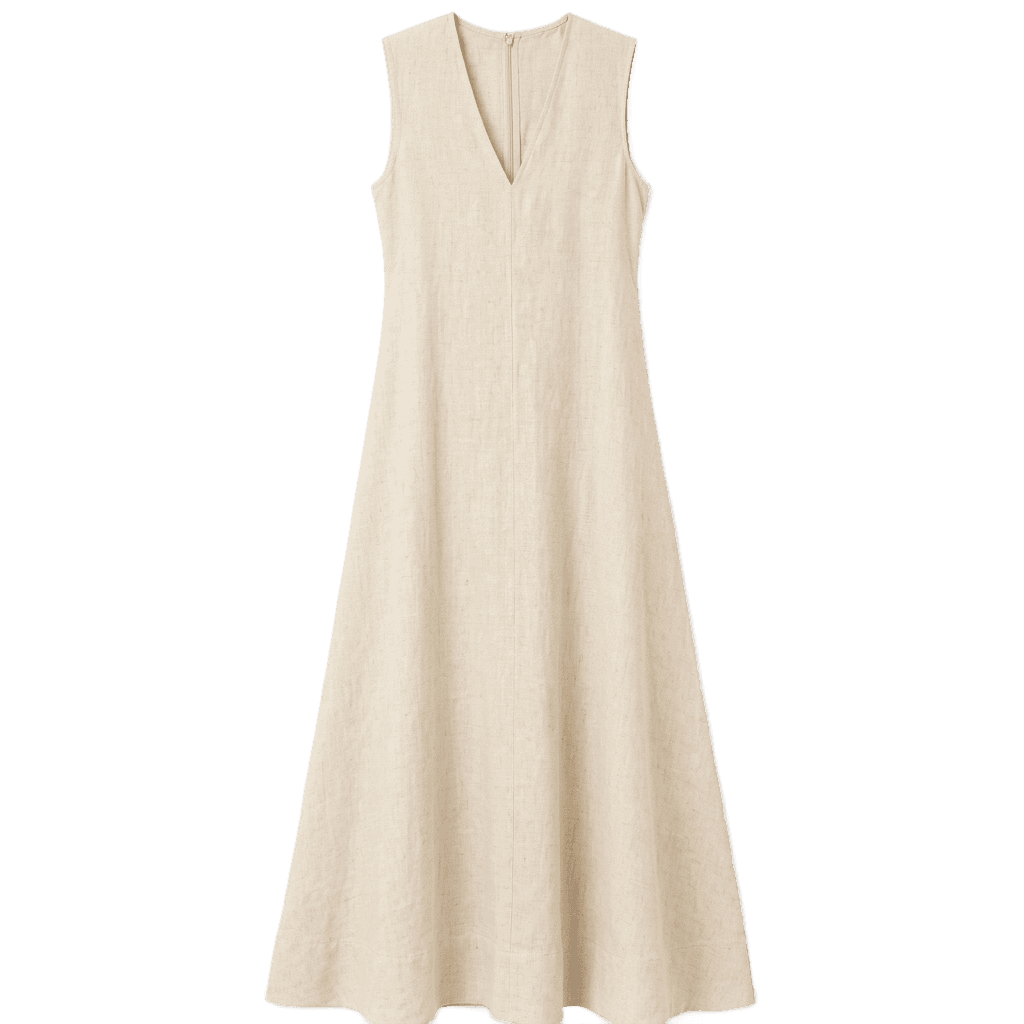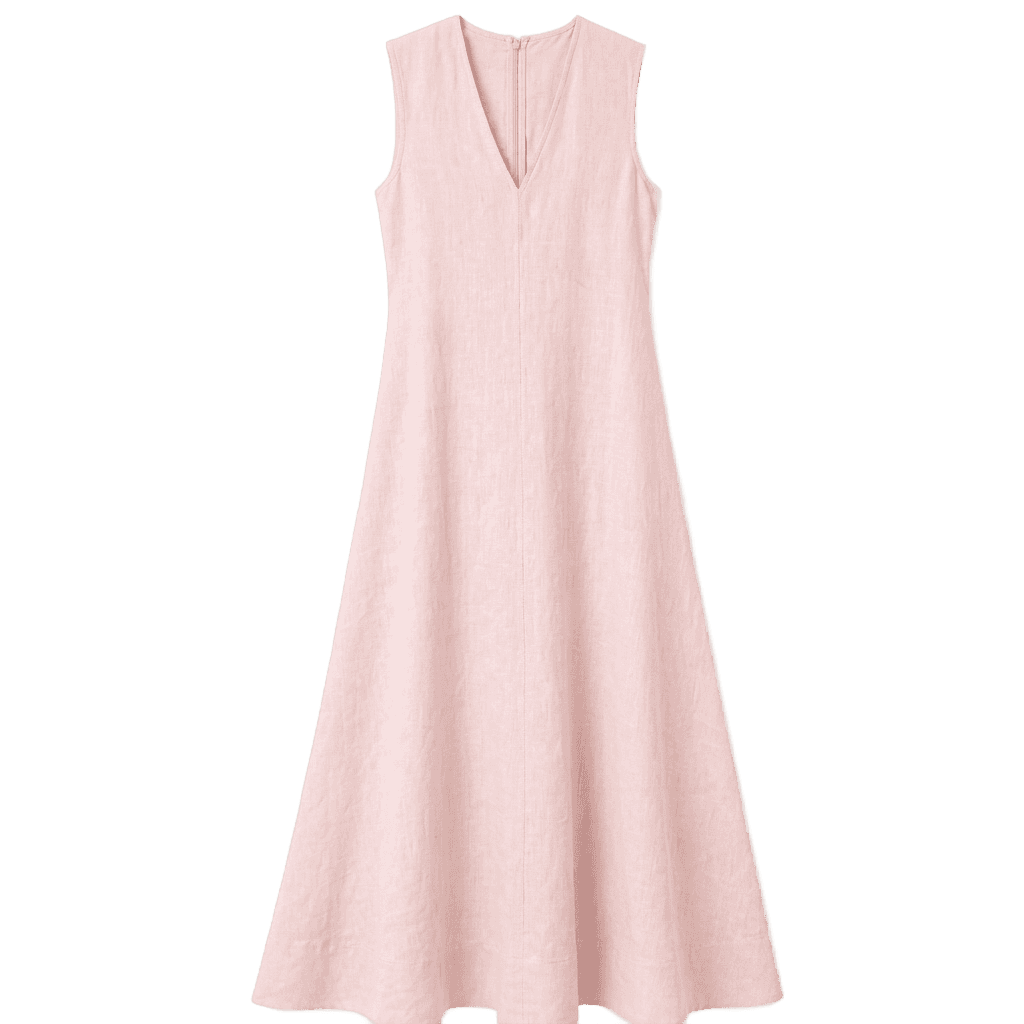
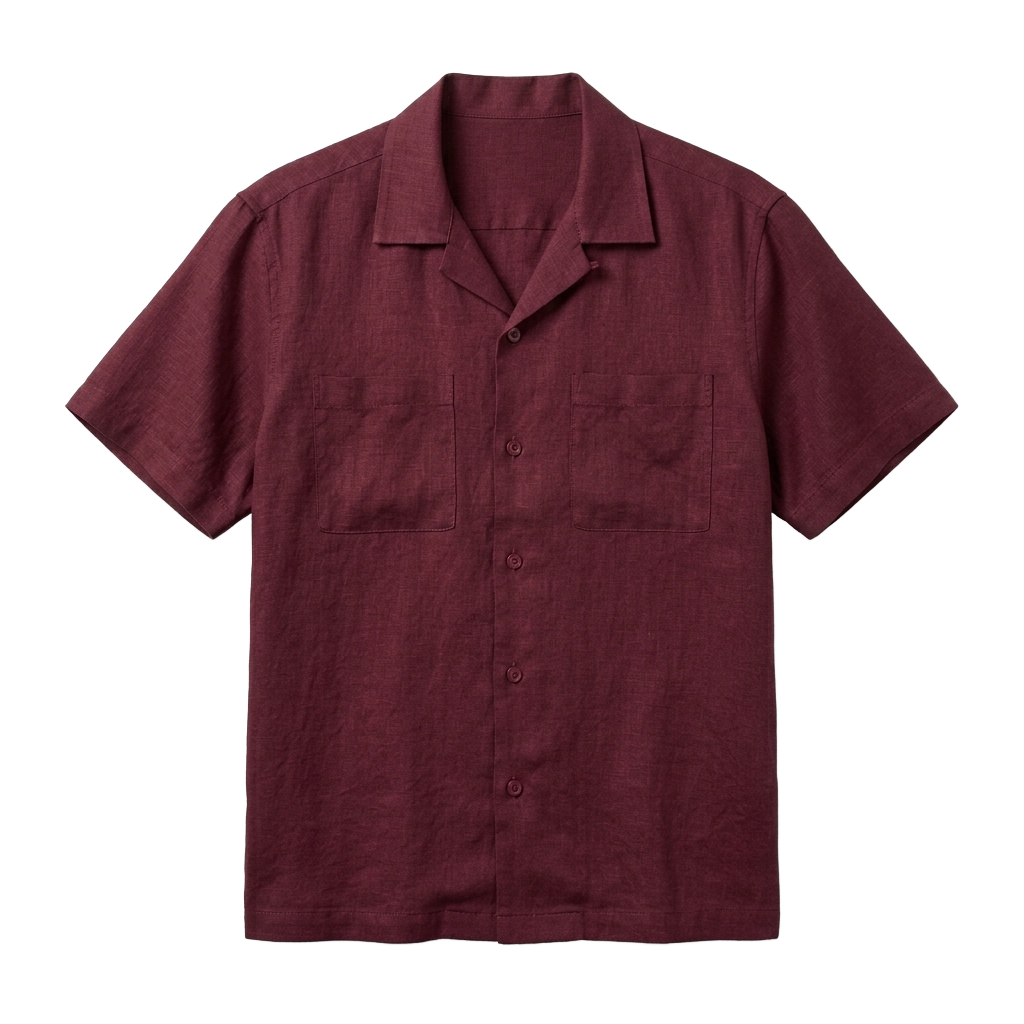
maroon Linen Short Sleeve Shirt
A boxy, straight-cut body with a regular length and a two-centimetre drop shoulder gives this short-sleeve shirt a square, relaxed profile. The camp collar sits flat without a stand, while a five-button front placket runs to a straight hem with small side vents. Two chest patch pockets and a back yoke with twin knife pleats complete the front and rear panels.
The same factories that produce for houses like Celine and Balenciaga can produce this piece, directly to you
GABI
Make it yours
Material gradeMOQ 50
Colour
- Main Fabric: 100% Linen, 150gsm
- interfacing: 100% Recycled Polyester
- Machine wash at 30°C on a gentle cycle
- Wash separately for the first few washes — the finish may transfer
- Do not bleach
- Tumble dry on low heat
- Iron on a low setting
- Fasten zips and hardware before washing
A guide based on the garment’s materials — always follow the care label on the item itself.
Fabrics
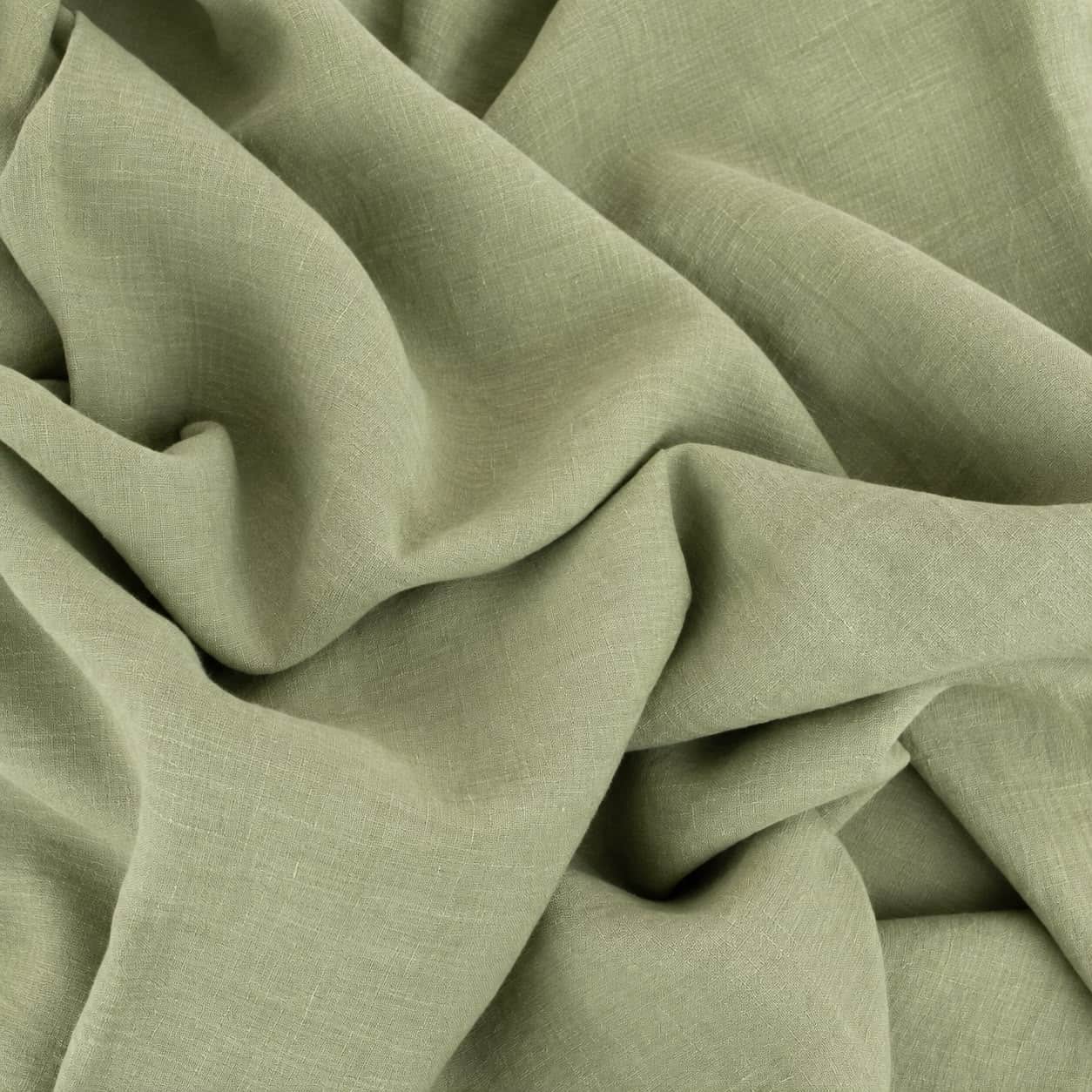

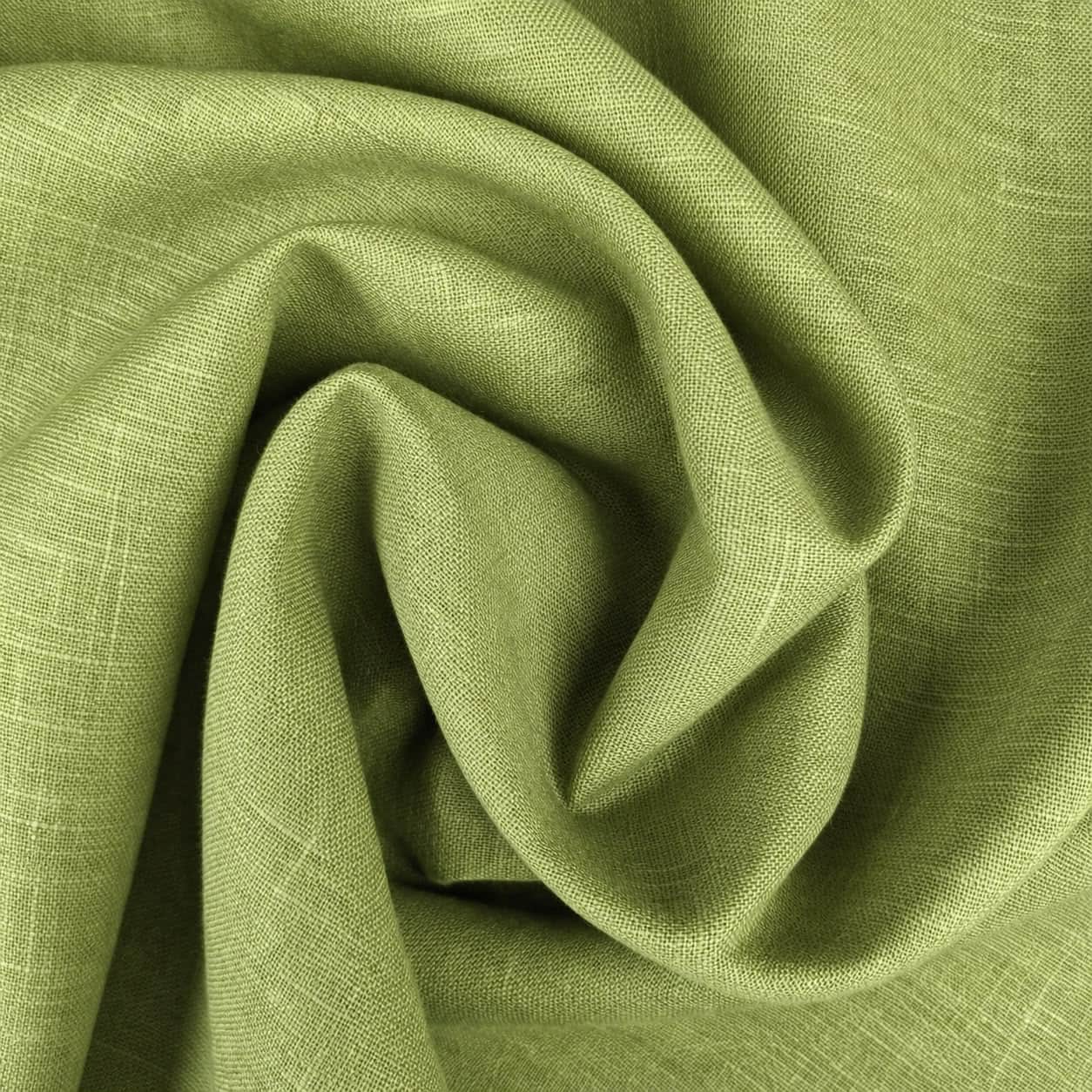
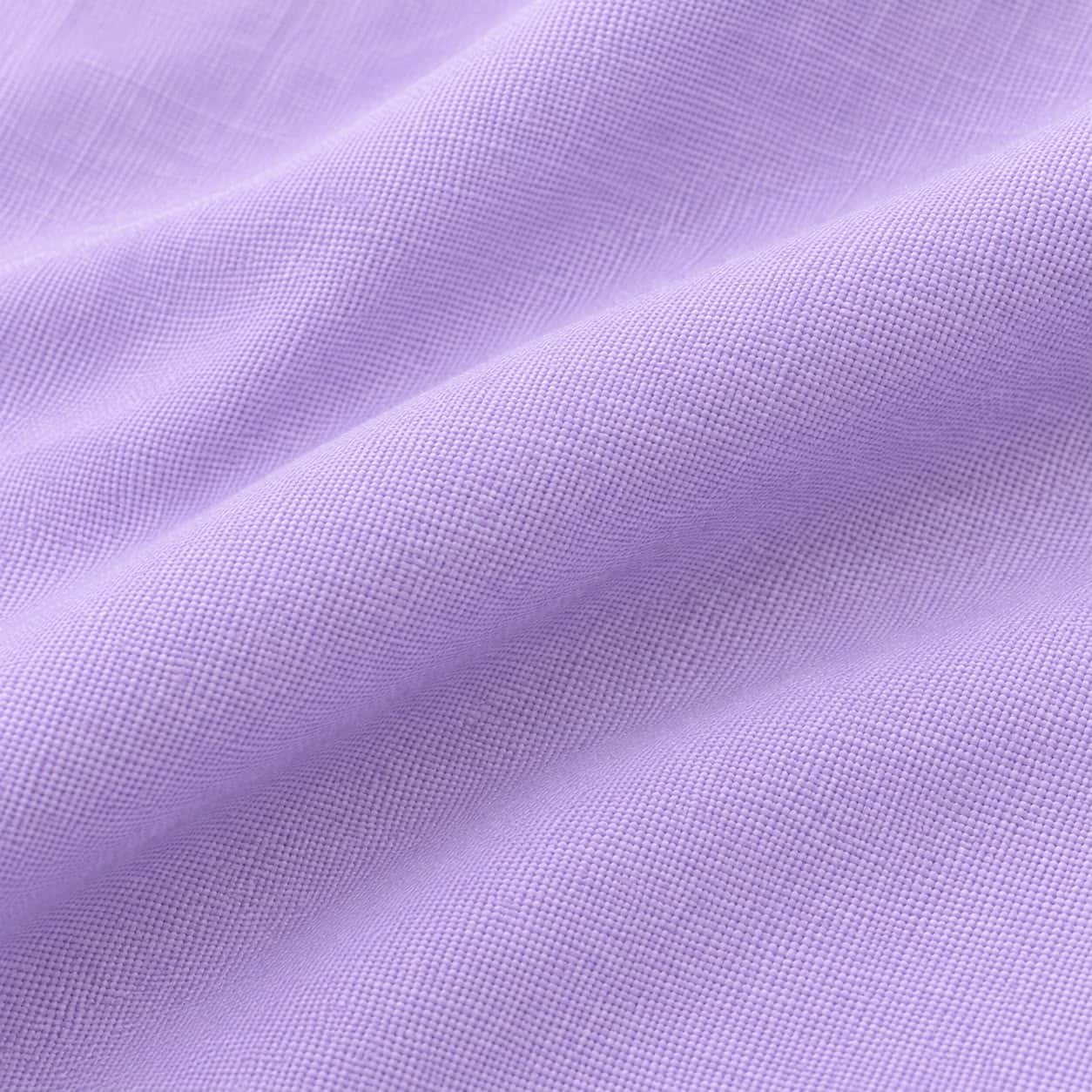
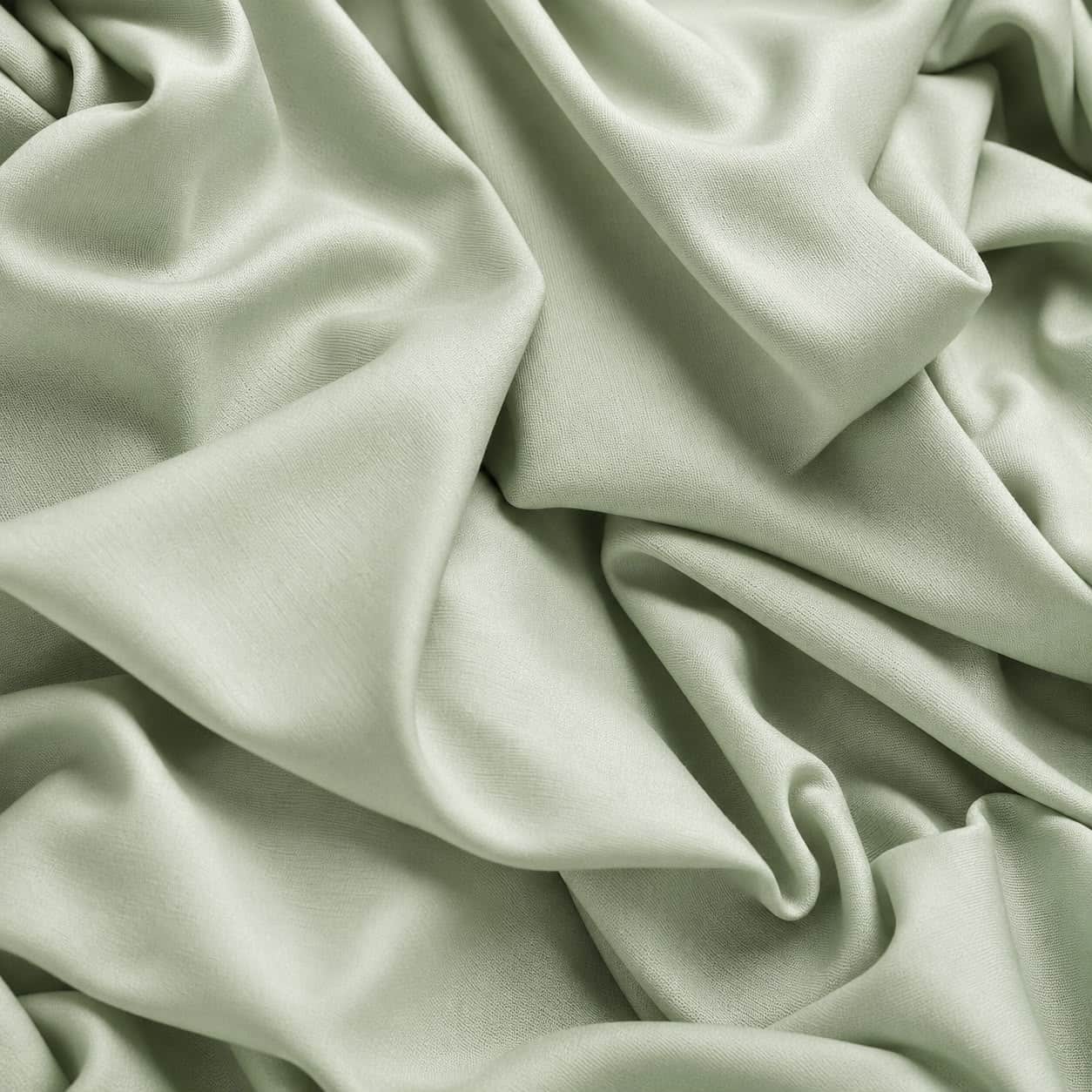
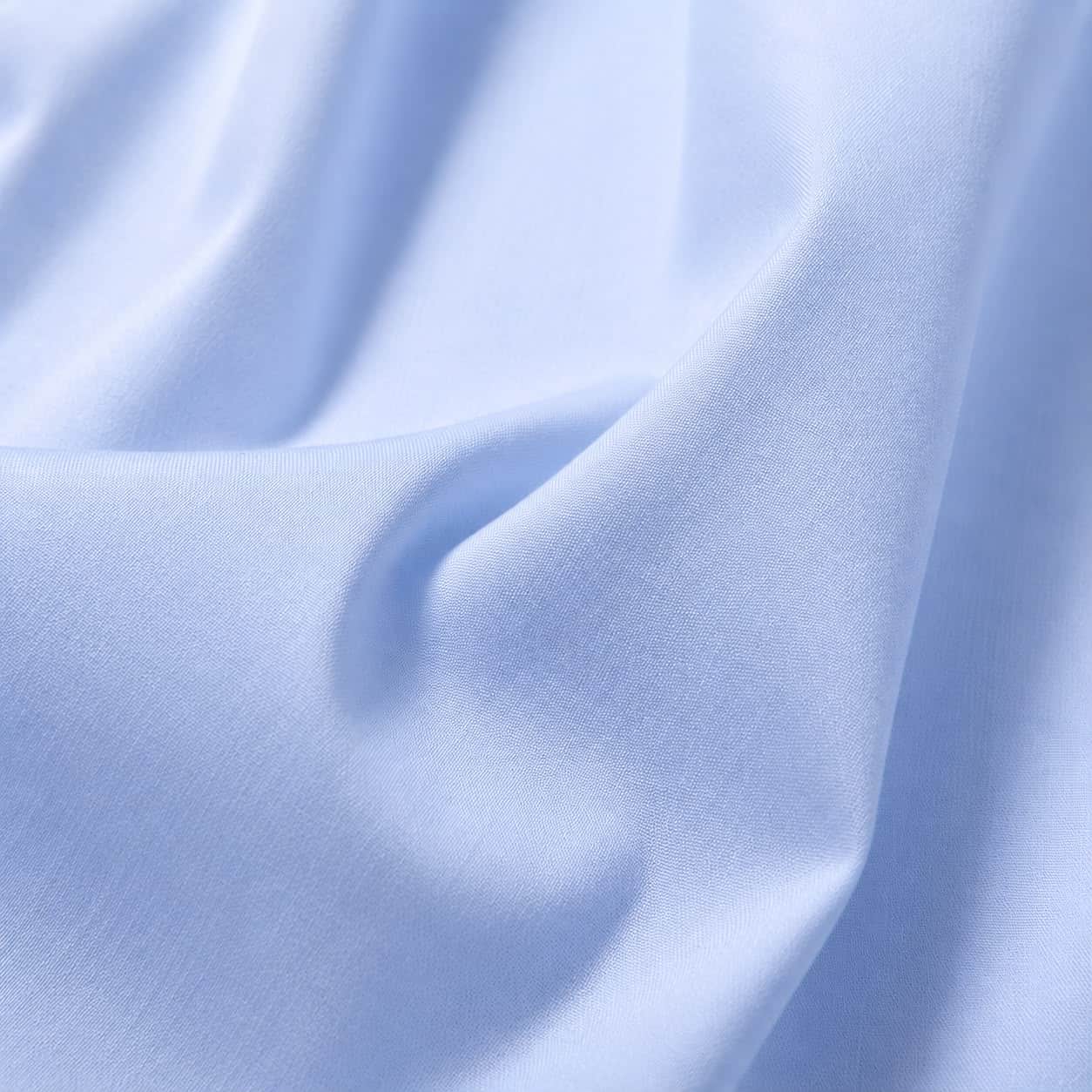
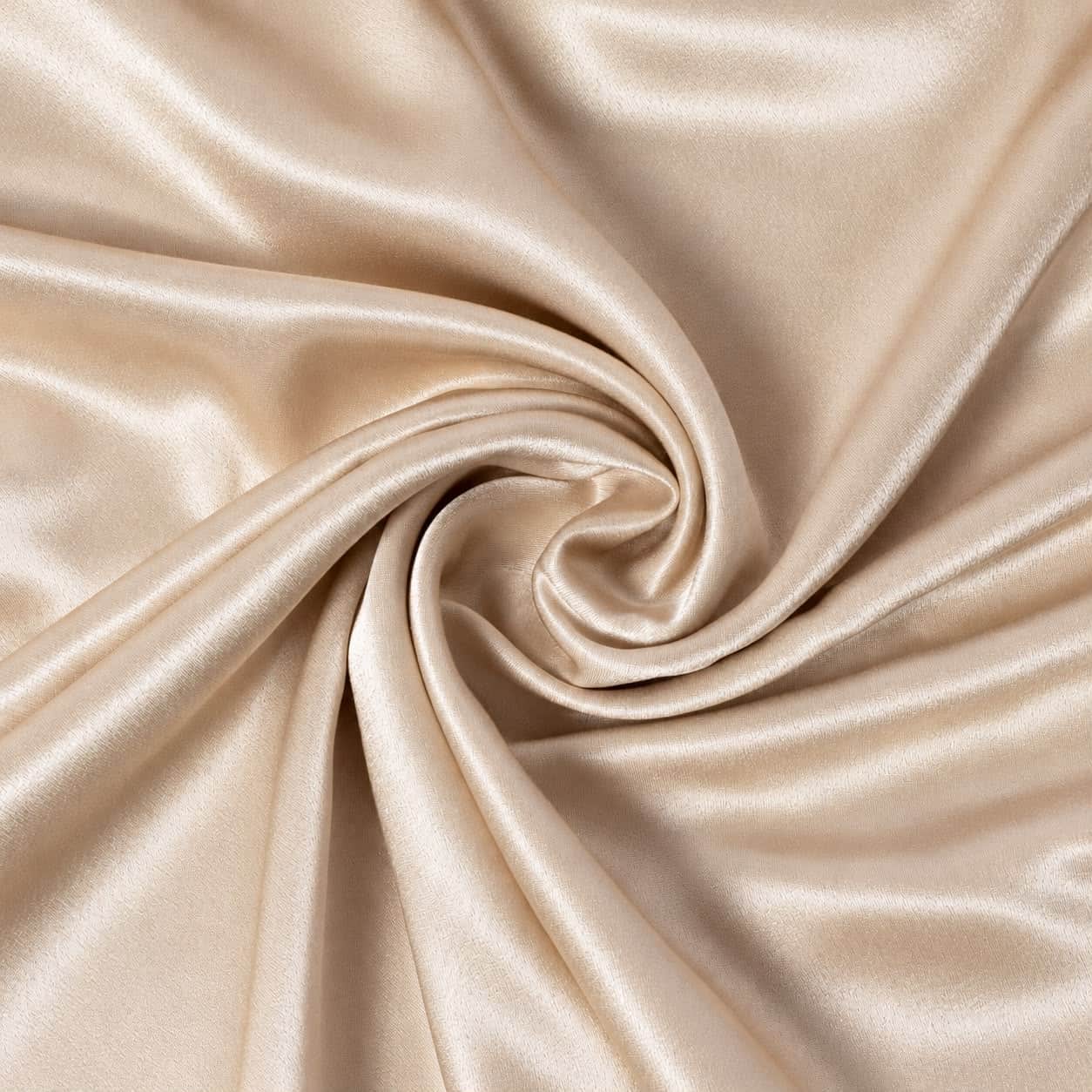
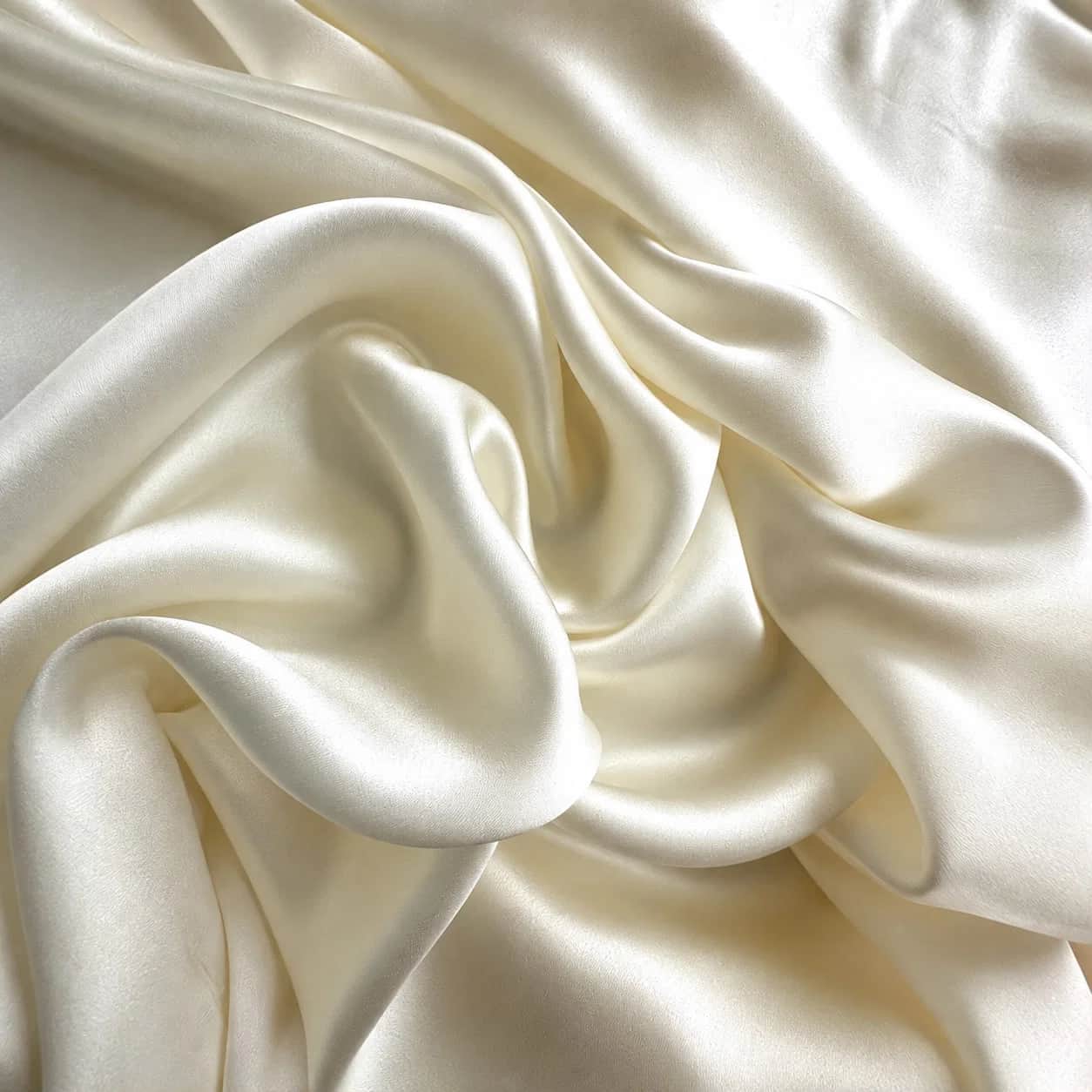
Linen is the oldest fabric in the world. Woven flax fragments have been found in caves dating to 30,000 BCE. Ancient Egyptians wrapped their pharaohs in it. Roman senators wore it as a signal of refinement. And in 2025 it is the fastest-growing fabric category in fashion — because it is the only fabric that is simultaneously 5,000 years old, completely sustainable, and exactly right for the climate we now live in.
The Story of the Linen Shirt — "The Fabric That Predates Fashion"
Linen is not a trend. It predates the concept of trend by several millennia. Woven flax fibres have been found in prehistoric cave sites in the Republic of Georgia, dated to approximately 30,000 BCE — making linen the oldest textile in human history. Ancient Egyptian linen was so prized that it functioned as currency. The finest grades, woven so tightly they were nearly transparent, were reserved for priests and royalty. When archaeologists opened the tomb of Tutankhamun in 1922, the linen wrappings were still intact after three thousand years.
Roman senators wore linen as a signal of refinement over wool. Medieval European nobility imported it at great expense from Flanders and Ireland, where the cool, damp climate proved optimal for growing flax. In the 18th century, Irish linen — bleached white on the famous bleach greens of County Down — was one of the most traded commodities in the Atlantic economy.
Linen is made from the bast fibre of the flax plant, Linum usitatissimum. After the flax stalks are harvested, they are retted — soaked to separate the fibre from the woody core — then scutched and hackled to produce long, lustrous strands. These are spun into yarn and woven into fabric. The process is labour-intensive. The fibre is uniquely long and strong. The resulting fabric is unlike anything produced from cotton, wool, or synthetic fibre.
Linen's physical properties are determined by its hollow fibre structure. Moisture moves away from the body rapidly — linen is approximately 30% more absorbent than cotton by weight. It conducts heat away from the body more efficiently than cotton, which is why a linen shirt feels genuinely cool at 35 degrees. It is naturally antibacterial. And it wrinkles. This last property has defined the consumer conversation about linen for decades, and the answer depends entirely on which grade of linen you are discussing.
The linen shirt's cultural history is a history of summer and of a particular kind of earned ease. The white linen shirt, slightly crumpled, collar open, became the uniform of the Mediterranean summer — worn by artists in Positano, writers in Tangier, architects in Ibiza. It was deliberately imprecise. A rejection of the pressed formality of cotton dress shirting in favour of something that looked as though it had been lived in. This was not negligence. It was the entire point.
Giorgio Armani's deconstructed linen suits and shirts of the 1980s — fluid, unlined, worn open at the collar over a T-shirt — brought the fabric into the mainstream of contemporary fashion without diluting its character. Armani understood that linen's refusal to be formal was its strength, not a weakness to be corrected. Hermès has produced linen shirts at the luxury tier for decades. Brunello Cucinelli uses Irish linen at price points that make the fabric's properties visible in every seam.
Now linen is having a much broader cultural moment, driven not by aesthetics but by ecology. Flax requires approximately 6 to 13 litres of water per kilogram of fibre. Conventional cotton requires 10,000 to 20,000 litres. Flax grows without irrigation in European climates. It uses fewer pesticides than cotton. The entire plant is usable — seeds for linseed oil, fibre for textile, woody core for construction and bedding. Belgium and Northern France, particularly the Lys River basin, produce the world's finest flax. Ireland historically produced the finest yarn from this flax.
The CELC — the Confederation of European Linen and Hemp — awards the Masters of Linen certification to fabric guaranteed to have been grown, retted, and woven entirely in Europe. This is the linen equivalent of an appellation d'origine contrôlée. Belgian flax line linen is to linen what Sea Island cotton is to cotton — the finest available fibre grade.
The contemporary linen shirt market spans every price point from fast fashion to couture. But linen cannot be successfully faked. A low-quality linen shirt — made from short-fibre tow linen, processed cheaply, sewn carelessly — wrinkles badly, pills quickly, and loses character within a season. A high-quality linen shirt — made from long-fibre Belgian or Irish line linen, properly processed, correctly constructed — improves with every wash and develops a patina of wear that makes it more beautiful over time. This is the linen paradox: the most ancient fabric in fashion is the most demanding of correct specification.
FAQ
A linen shirt costs between $22 and $88 per unit landed. An affordable midweight solid linen shirt from Bangladesh lands at approximately $22. A premium Belgian flax GOTS garment-dyed linen shirt from Portugal lands at approximately $47. A luxury Irish line linen shirt with French seams from Portugal lands at approximately $88. The primary cost driver is not CMT — it is the fabric, which costs 40 to 60% more per metre than equivalent cotton poplin at the same quality tier.
Linen wrinkles because the cellulose fibre has low elasticity — it does not spring back from deformation the way wool does. This is a characteristic of the fibre, not a defect. High-quality line linen wrinkles with texture and character — reinforcing the natural, lived-in quality of the garment. Low-quality tow linen wrinkles badly. The difference is entirely the fibre grade. Position wrinkling correctly in brand communications: it is evidence of a natural fibre, not a manufacturing failure.
Line linen is made from long-staple fibres extracted from the flax stalk — smooth, lustrous, strong, characterful. It softens and improves with washing. Tow linen is made from shorter by-product fibres — coarser, stiffer, more prone to pilling, significantly cheaper. Most fast-fashion linen is tow linen. Belgian or Irish line linen is what luxury and premium brands use. The two fabrics can be identical in GSM and weave yet produce completely different customer experiences. Specify line linen for any shirt above affordable tier.
Garment dyeing dyes the finished shirt rather than the fabric. For linen it produces a slightly washed, tonal appearance — subtle colour variation that enhances the natural character of the fabric and reinforces the relaxed aesthetic. The Sparkit Poplin Engine applies $1.15 per unit for the garment dye adder plus 10 to 15% CMT uplift for additional finished garment handling through the dye process. Garment dyeing is one of the most cost-effective ways to differentiate a linen shirt at premium tier.
Belgian flax linen is woven from flax grown in the Lys River basin of Belgium and Northern France — the world's finest flax-growing region. A combination of climate, soil, and traditional retting methods produces a particularly fine, lustrous long-staple fibre. The CELC Masters of Linen certification guarantees European flax from field to finished fabric. Belgian flax line linen at premium tier ($13/m midweight benchmarked) is to linen what Sea Island cotton is to shirting — the finest fibre grade available.
Lightweight linen at 120 to 150 GSM is the standard for high-summer shirts — maximum breathability, beautiful drape, and characteristic translucency. Midweight at 150 to 200 GSM is most commercial — slightly more structured across a broader seasonal range. Heavyweight at 200 to 260 GSM suits smart-casual or transitional positioning. Match GSM to silhouette — relaxed camp collar works best lightweight; structured classic collar at midweight.
The most relevant certifications are GOTS (×1.23 in Sparkit Engine) for organic fibre and full chain-of-custody processing; OEKO-TEX STANDARD 100 for consumer safety; CELC Masters of Linen for European origin guarantee. European flax is inherently low-water and low-pesticide even without organic certification — the environmental story is strong at any tier when using Belgian or French flax. GOTS and CELC together represent the strongest possible provenance claim.
Linen shrinks 3 to 8% on the first wash without pre-treatment. Prevent this by specifying pre-washed or stonewashed fabric — the pre-washing removes the majority of initial shrinkage before garment construction. For garment-dyed linen the dye wash serves as the pre-wash. Always conduct a wash test on pre-production samples. Specify the expected shrinkage allowance in the tech pack. This is non-negotiable at every tier.
The camp collar sits flat against the shirt without a collar stand — the collar folds directly from the shirt front as a single piece. It suits linen because it reinforces the relaxed resort aesthetic of the fabric, is simpler to construct (marginally reducing CMT), and avoids the interlining specification challenge that classic linen collars present. For any linen shirt positioned as summer or resort, the camp collar is the natural and most commercially credible choice.
Portugal is the primary destination for premium and luxury linen shirts — proximity to European flax supply chains, Made in Europe provenance, and access to Belgian and French fabric mills. Turkey offers excellent premium linen capability with EU delivery and GOTS supply chain. Lithuania and Latvia are growing linen manufacturing destinations with strong European flax sourcing. Bangladesh and China produce affordable linen shirts but are geographically distant from the primary European flax supply.
Yes. Linen/cotton blends (55% linen / 45% cotton) reduce wrinkling while retaining linen's breathability and texture. Linen/lyocell blends (55% linen / 45% TENCEL) add drape and improve moisture management. Both are commercially popular at mid-tier. Pure linen is always more characterful and carries the strongest sustainability story. Specify blends only when the target consumer requires reduced wrinkling at mid-price.
CMT stands for Cut, Make, and Trim — the core labour cost. Linen shirt CMT uses Sparkit Poplin Engine rates since construction is identical: basic affordable mid $6.00, premium mid $8.50, luxury mid $15.00. Garment dyeing adds 10 to 15% CMT. The critical point: CMT is not where linen costs more than poplin. A midweight linen and a midweight poplin shirt cost the same to cut and sew. The linen premium is entirely in the fabric.