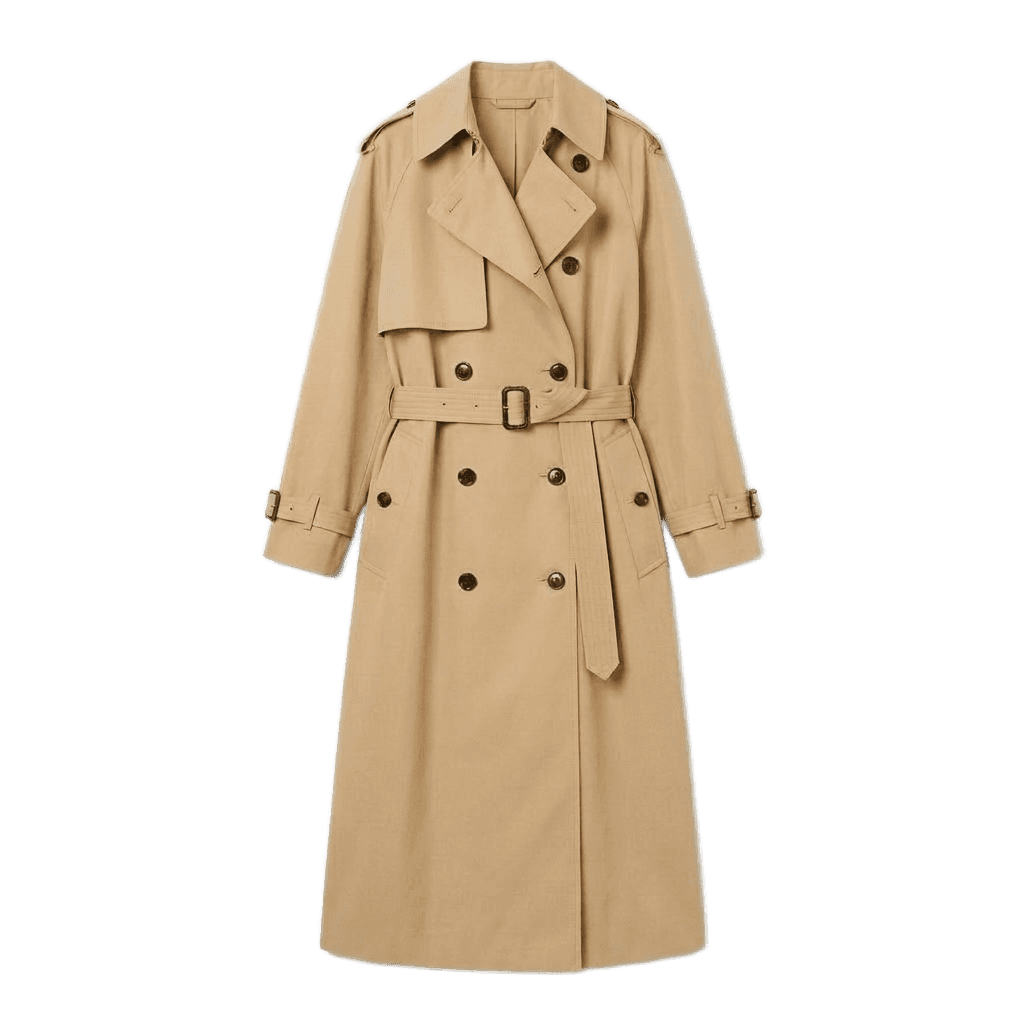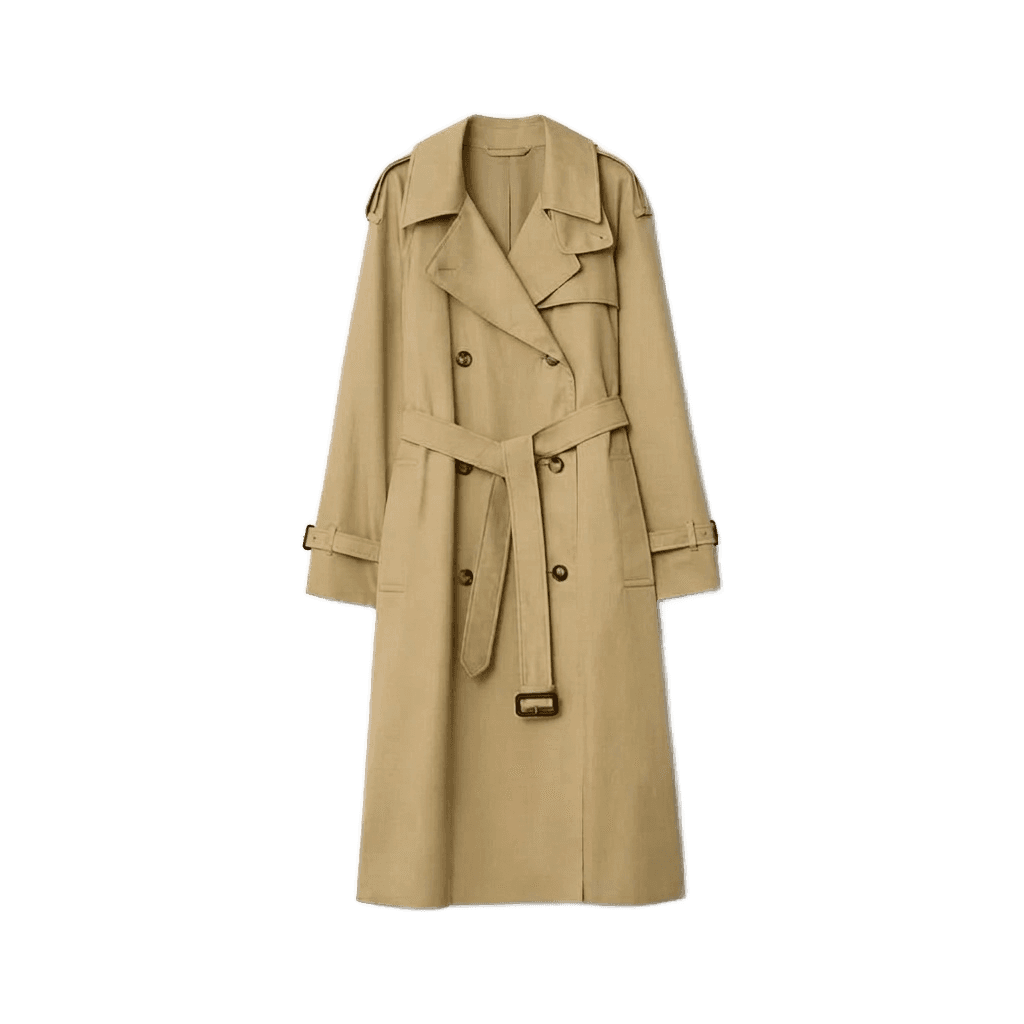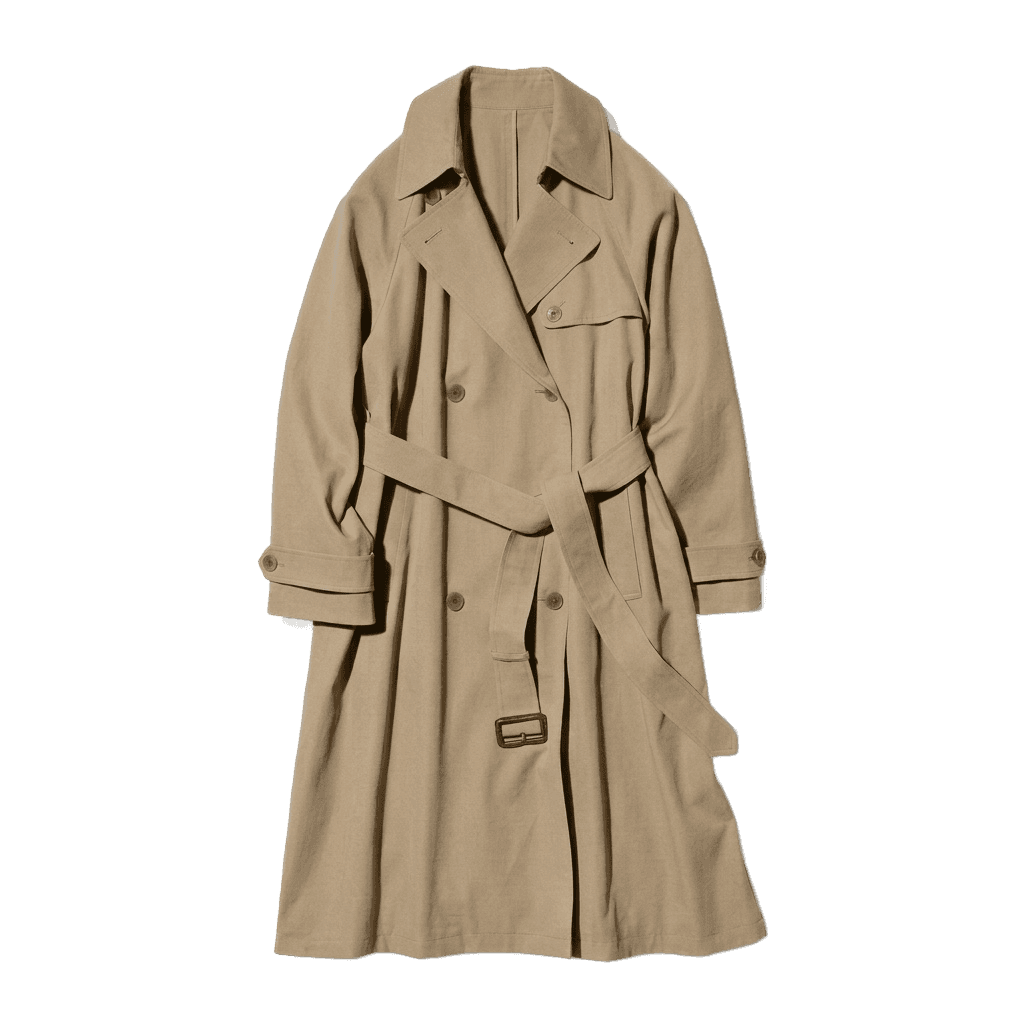
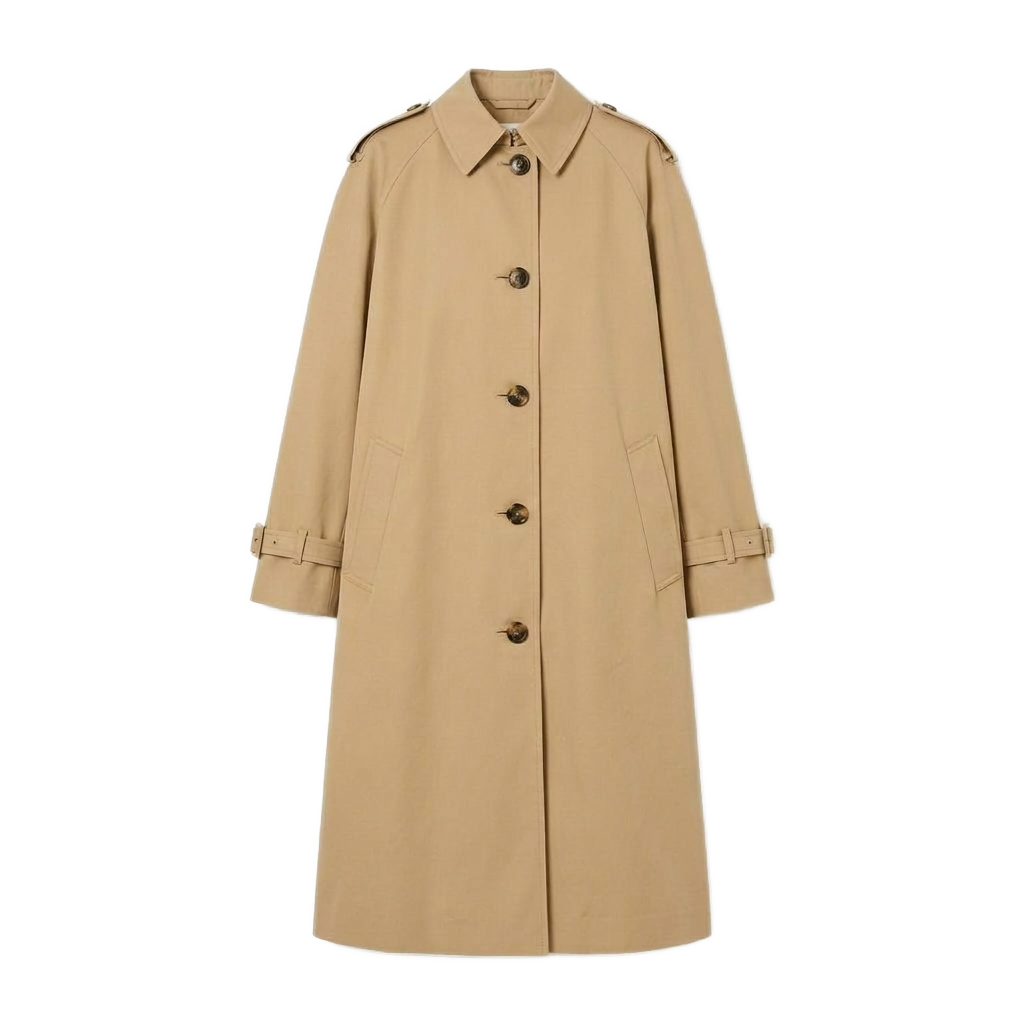
Classic Car Coat with Epaulettes
A knee-length coat with a straight body that flares slightly toward a straight hem, finished with a center back vent. The pointed collar sits on a stand above a five-button single-breasted front placket. Two-piece raglan sleeves end in plain hems with adjustable buckled straps, and buttoned epaulettes rest on the raglan shoulder seams.
The same factories that produce for houses like Celine and Balenciaga can produce this piece, directly to you
GABI
Make it yours
Material gradeMOQ 50
Colour
- Main Fabric: 80% Wool / 20% Polyamide, 400gsm
- lining: 100% Recycled Polyester
- pocket bags: 100% Cotton
- Dry clean only
- Do not bleach
- Do not tumble dry
- Dry flat to keep its shape
- Iron on a low setting
A guide based on the garment’s materials — always follow the care label on the item itself.
Fabrics
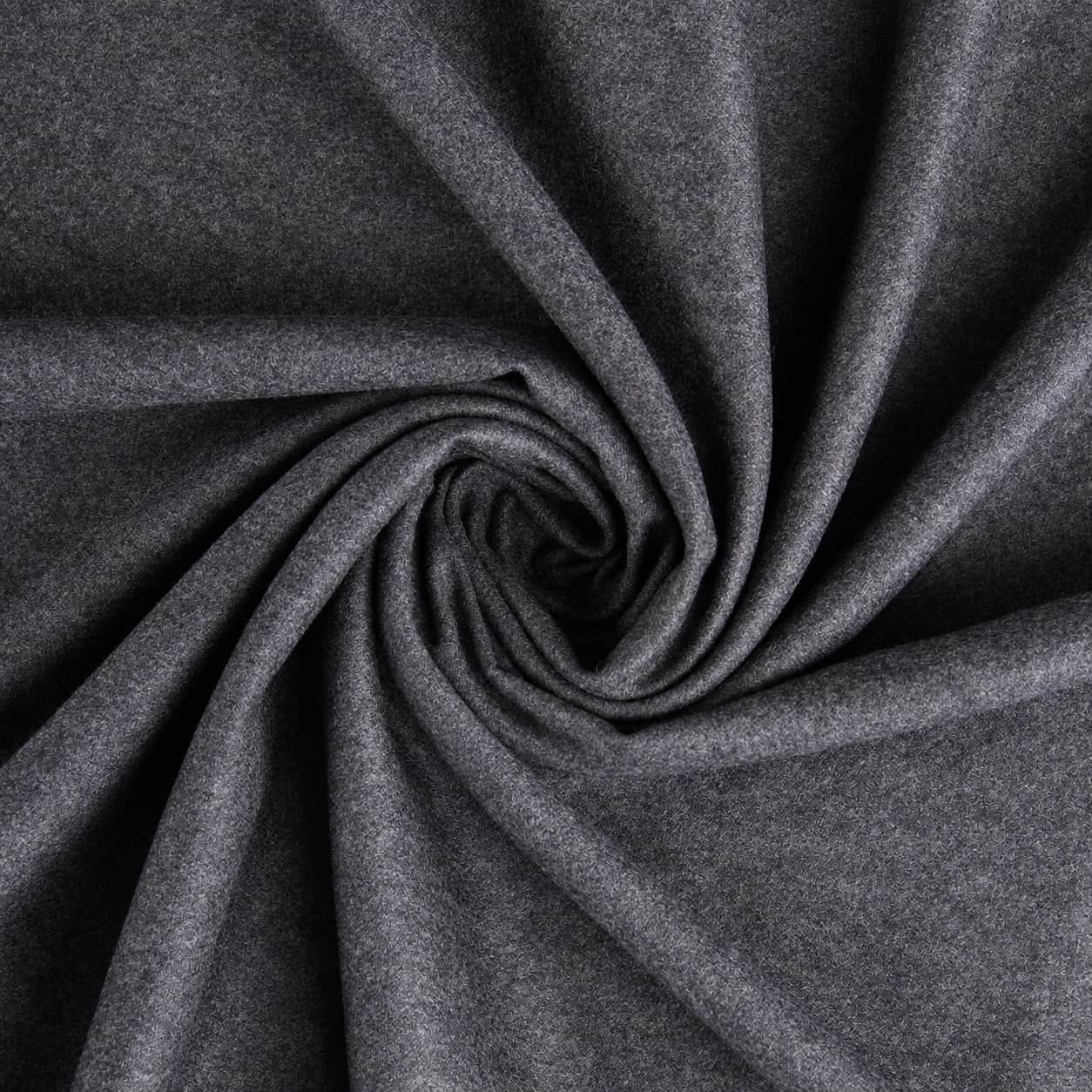
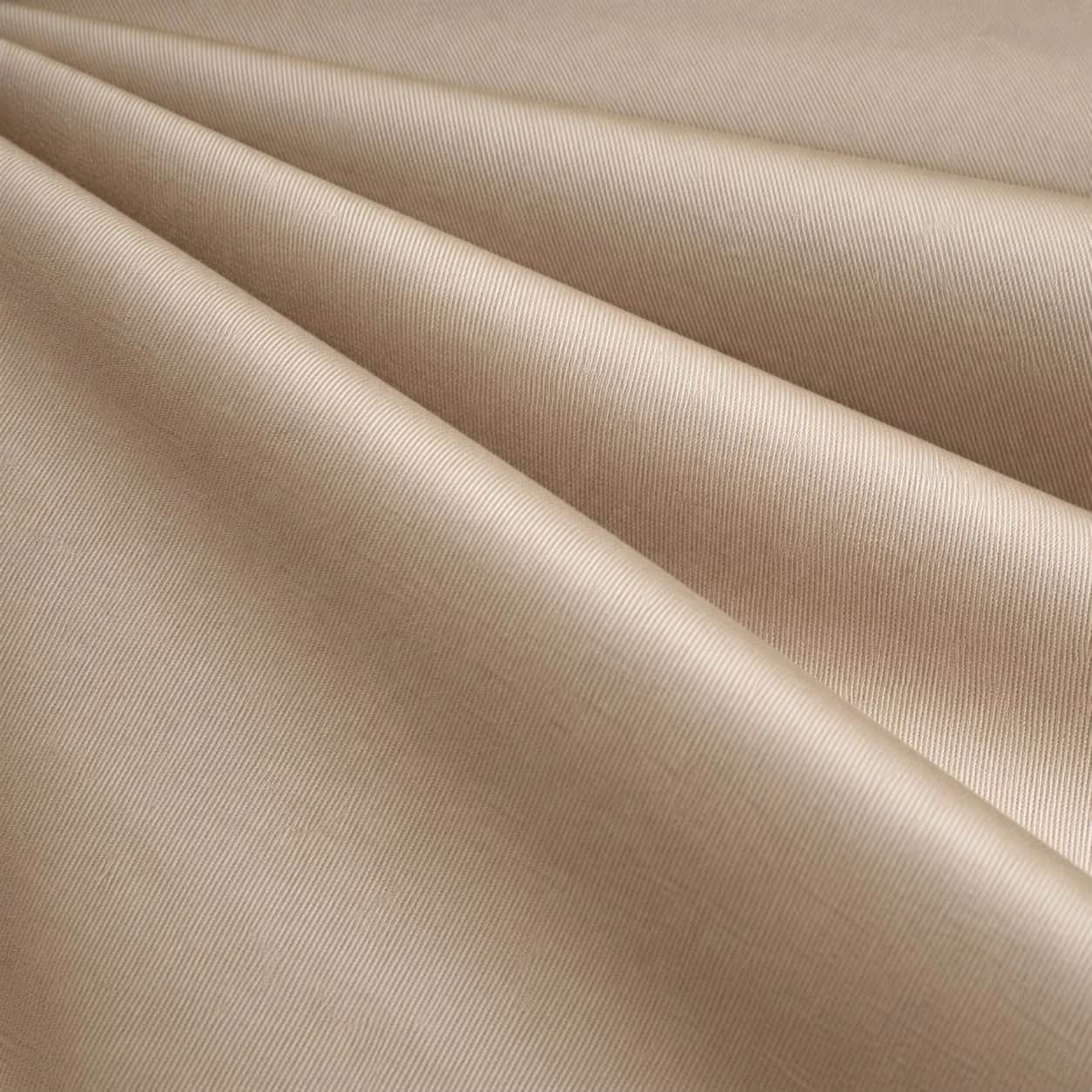
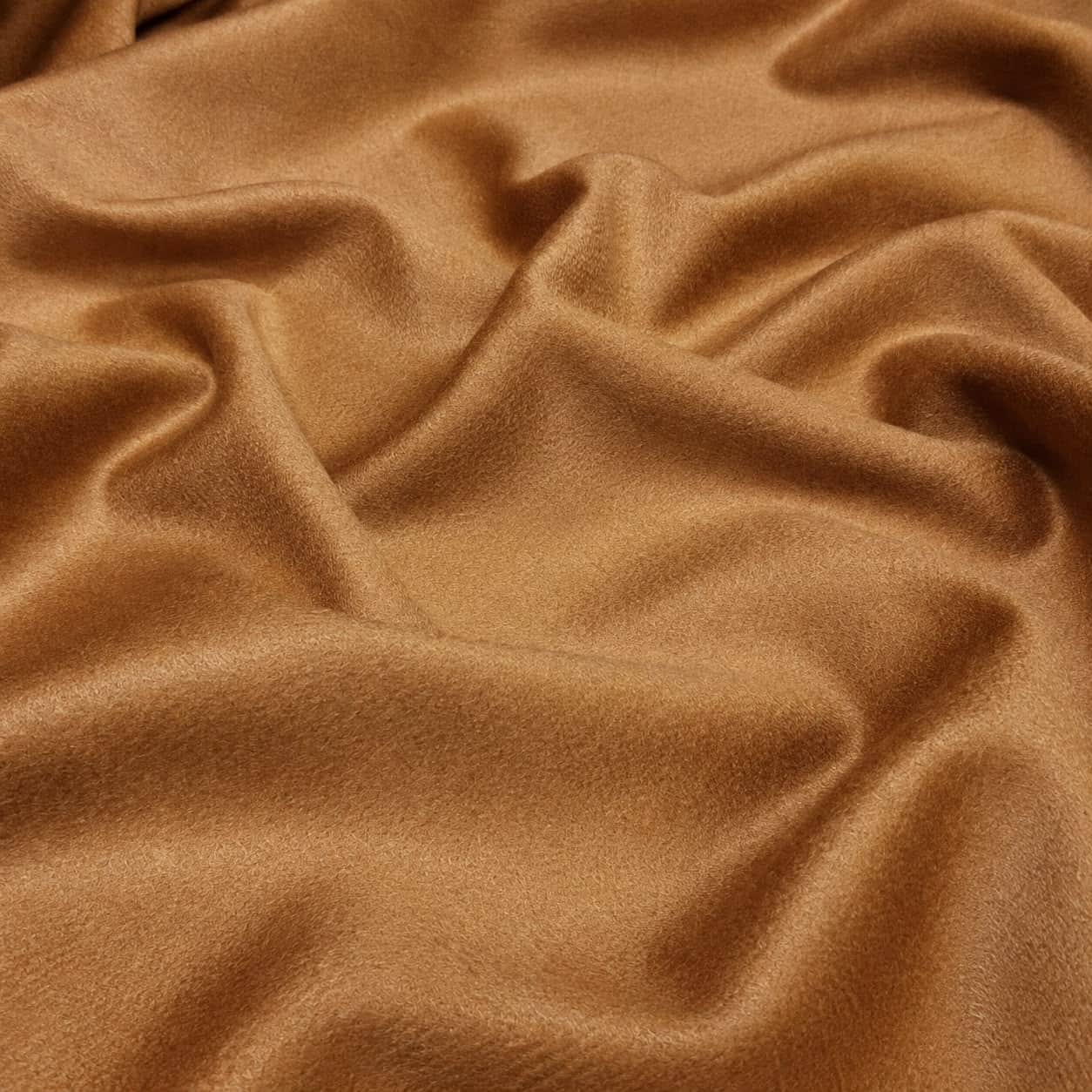
The mac and the car coat are the quiet coats that built the everyday outerwear business. Less dramatic than a trench, less heavy than an overcoat, they exist for rain, commuting, and clean lines. Their value is restraint: fabric, length, collar, and finish.
The Mac / Car Coat -- "The mac and the car coat are the quiet coats that built the everyday outerwear business."
The macintosh coat began with waterproof cloth and the need for practical rain protection. The car coat evolved as a shorter, easier coat for driving and daily wear. Both became civilian staples because they solve common weather and commuting problems without the military drama of a trench coat.
Construction logic
A mac or car coat is usually single-breasted, knee to mid-thigh length, and made in cotton, technical, or coated fabric. The key details are collar shape, placket, pocketing, lining, and water-resistant finish. Too much detail turns it into a trench; too little makes it a plain shell.
Commercial logic for creators
For creators, the mac/car coat is an excellent minimal outerwear product. It works across menswear and womenswear, and it can sit at premium price when fabric and finishing are right. The risk is under-specifying water resistance or lining quality.
FAQ
A mac or car coat is a clean, practical outerwear coat, often water-resistant and shorter or simpler than a trench.
Common options include cotton gabardine, cotton/nylon, polyester twill, coated cotton, bonded fabric, lining, horn buttons, and corozo buttons.. Choose based on target price, handfeel, durability, and care requirements.
Focus on front placket, collar shaping, lining, pocket bags, seam finishing, back vent, and water-resistant finish. These details usually determine whether the product feels credible or cheap.
Check coat length, shoulder ease, sleeve pitch, layering room, collar sit, and vent movement. Fit should be reviewed on the body type and use case the product is designed for, not only on a flat measurement sheet.
The main cost drivers are shell finish, lining, buttons, seam construction, pocketing, and water-resistance treatment. Sampling time and rejection risk also increase cost when the fit is sensitive.
Request checks for water repellency, seam pucker, lining attachment, button strength, shrinkage, and collar roll. For performance or workwear products, test under the real use condition rather than only visually.
Watch for flat collar, cheap lining, puckered seams, weak buttons, and fabric that wets out quickly. These issues should be caught at fit sample, pre-production sample, and bulk inspection stages.
affordable uses polyester blends; premium uses cotton/nylon or gabardine; luxury uses refined water-resistant cloth and tailoring details.
Include length, placket type, lining, pocket construction, shell performance, buttons, and vent detail. Add reference photos and tolerance notes where fit or construction is easy to misread.
coat or light outerwear factories are preferred.
Use OEKO-TEX STANDARD 100 as a consumer-safety baseline where possible. Use GOTS for organic cotton, GRS for recycled polyester or nylon, RWS for responsible wool, and leather-specific or chemical compliance where relevant to the material.
water-resistant finishes can degrade; care instructions should preserve the coating and lining.