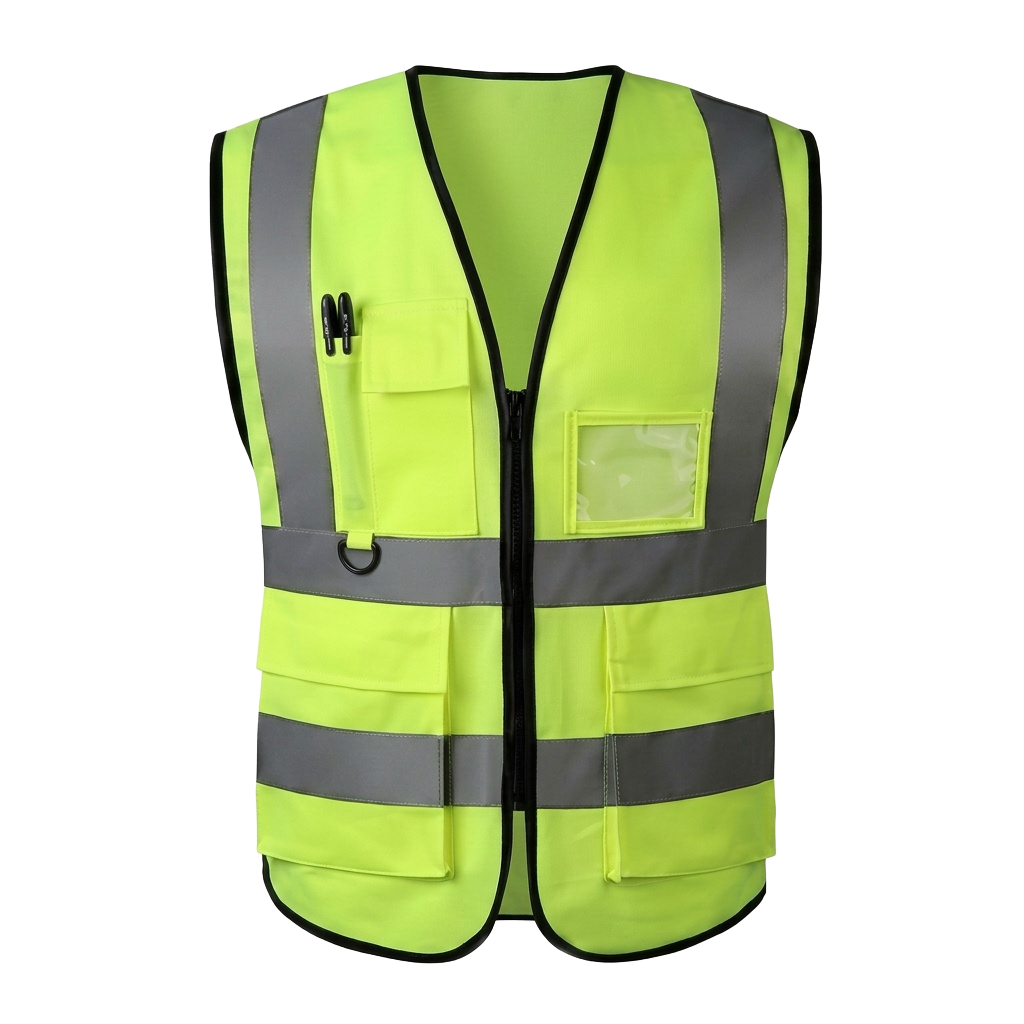
Neon Yellow Safety Vest
A sleeveless, boxy vest with a straight silhouette and regular body length, ending in a straight hem. The deep V-neckline and armholes are finished with bound edges, while a center front zipper with black tape and a metal pull closes the front. Applied reflective tape overlays wrap the front and back panels, and utility pockets sit across the lower body.
The same factories that produce for houses like Celine and Balenciaga can produce this piece, directly to you
GABI
Make it yours
Material gradeMOQ 50
Colour
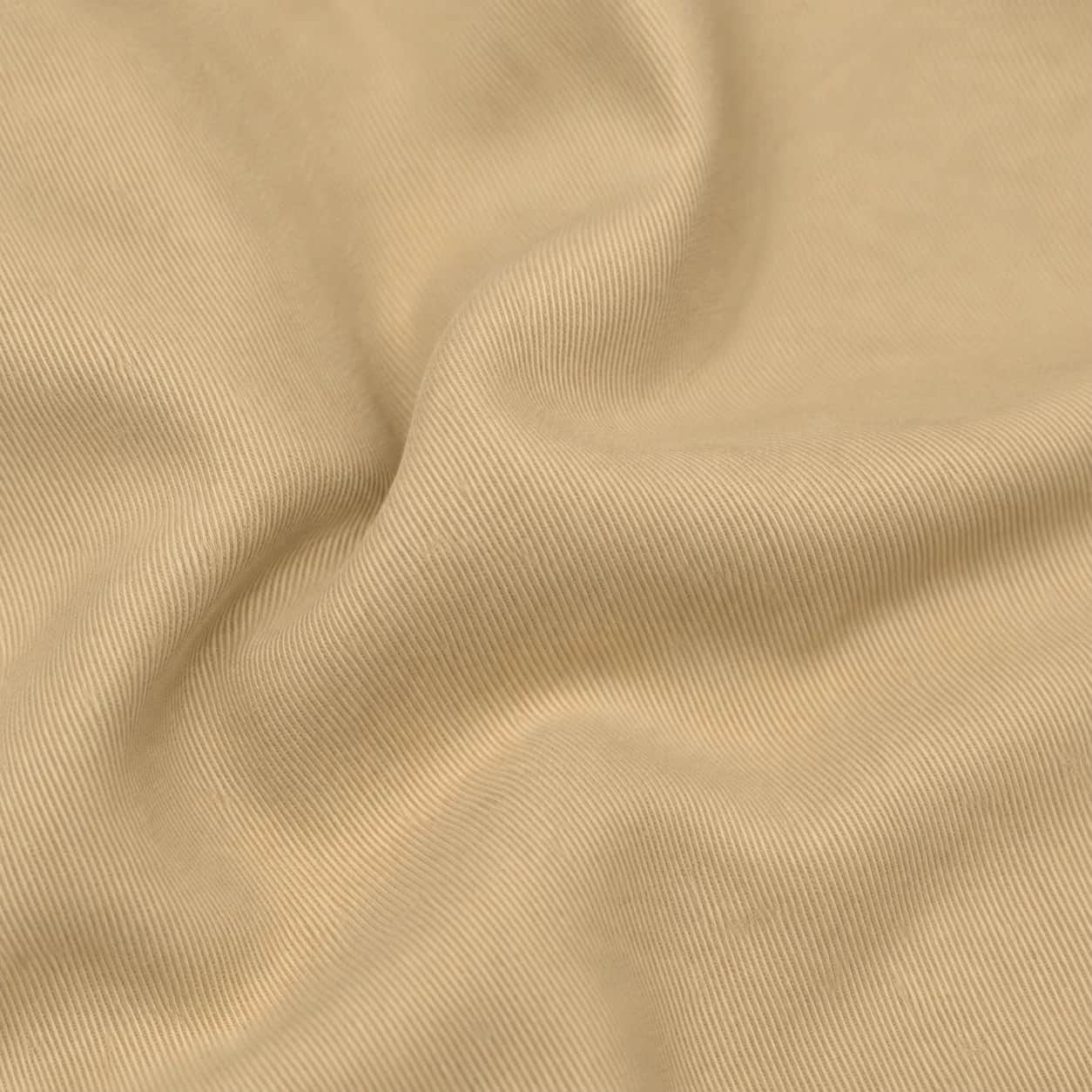
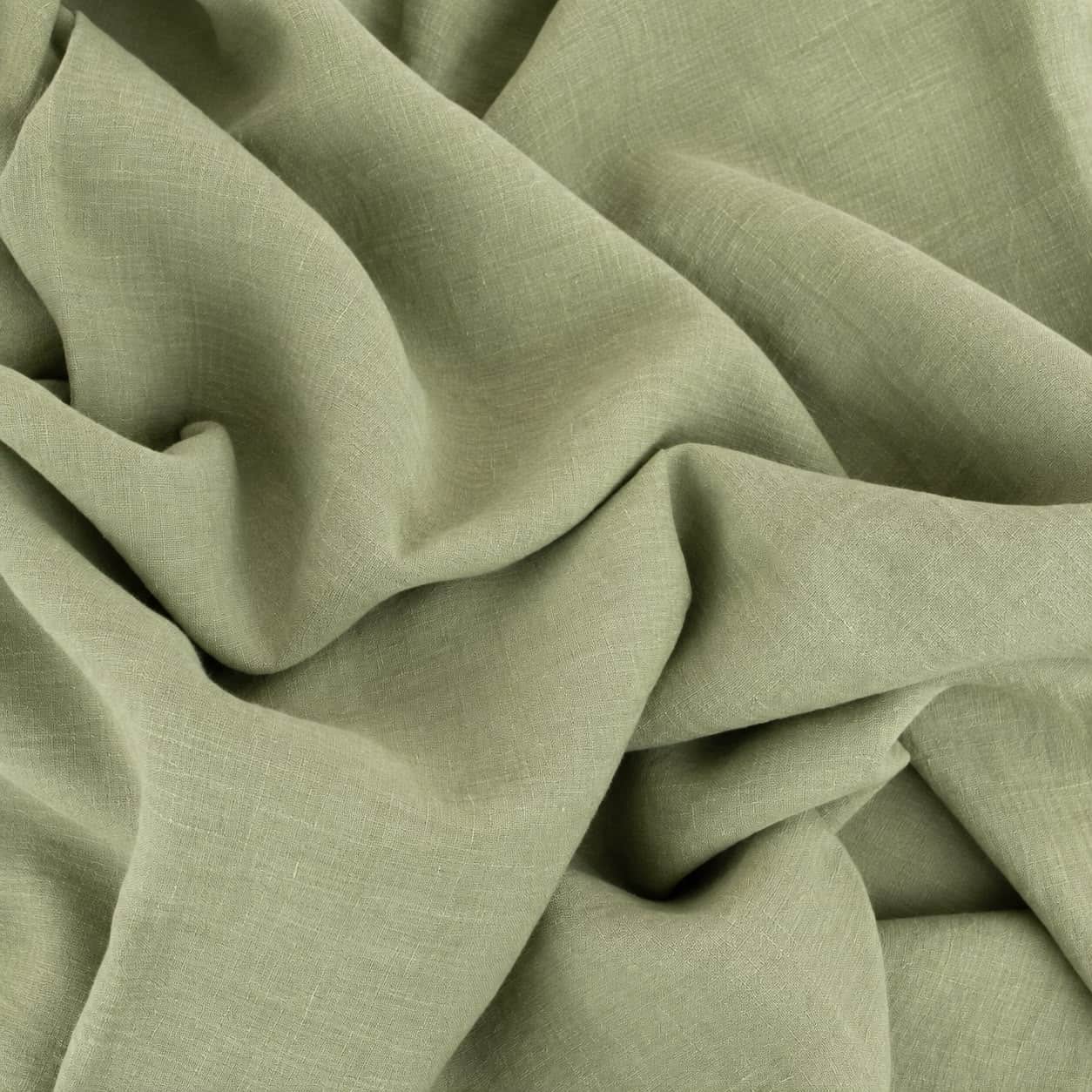
- Main Fabric: 100% Cotton, 250gsm
- Reflective Tape: 100% Recycled Polyester
- Edge Binding: 100% Recycled Polyester
- ID Window: 100% Polyvinyl Chloride
- Machine wash at 30°C on a gentle cycle
- Do not bleach
- Tumble dry on low heat
- Iron on a low setting
- Fasten zips and hardware before washing
A guide based on the garment’s materials — always follow the care label on the item itself.
Fabrics
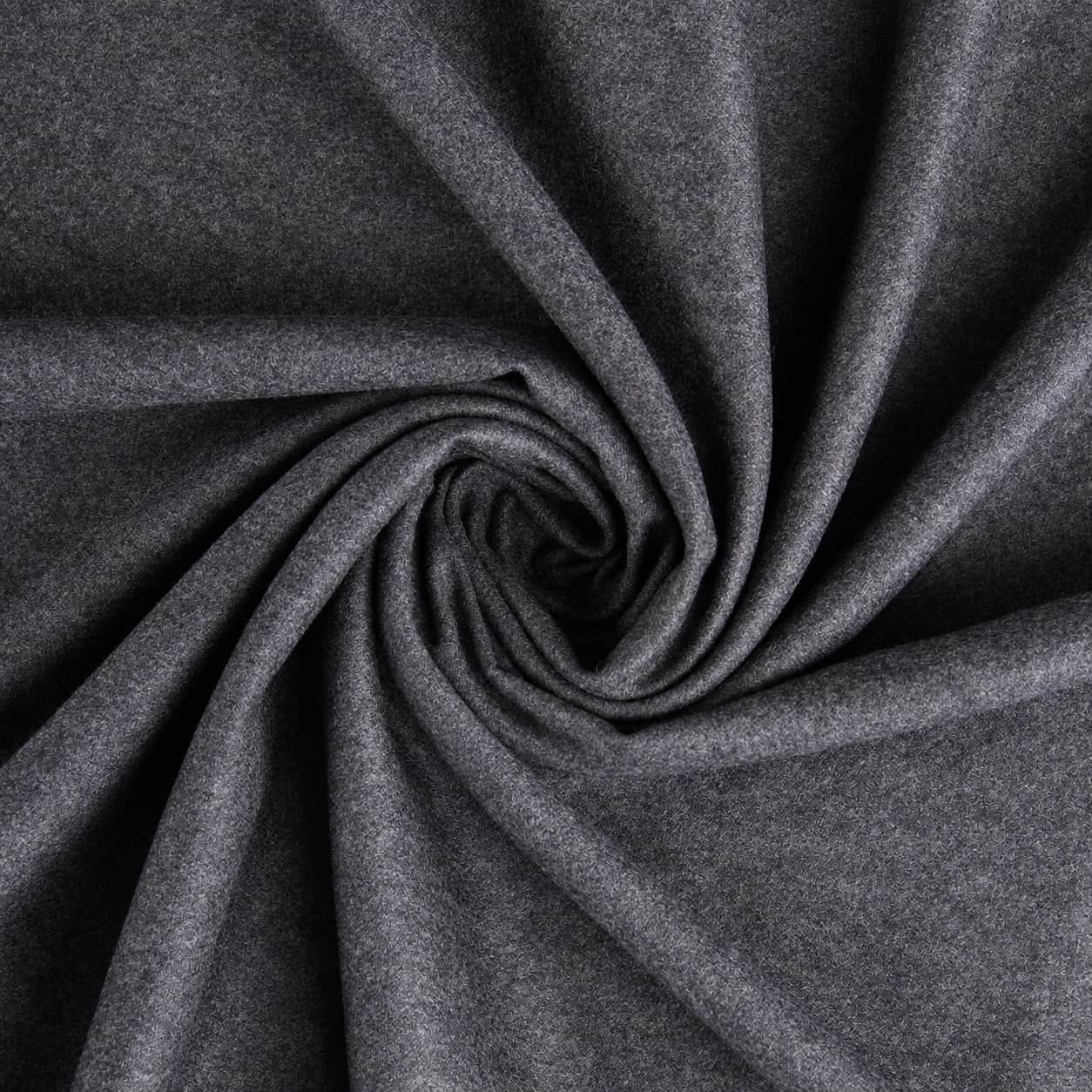
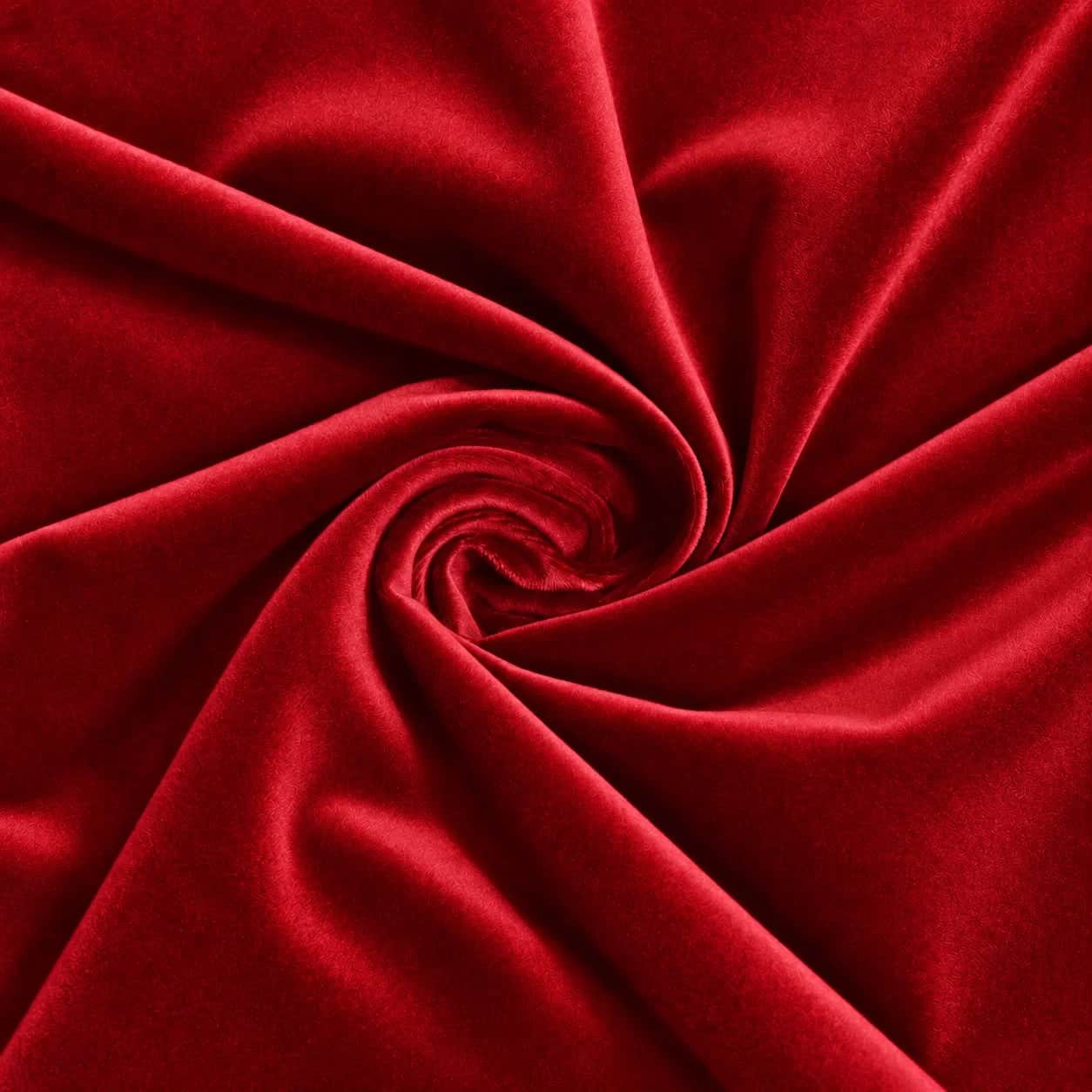
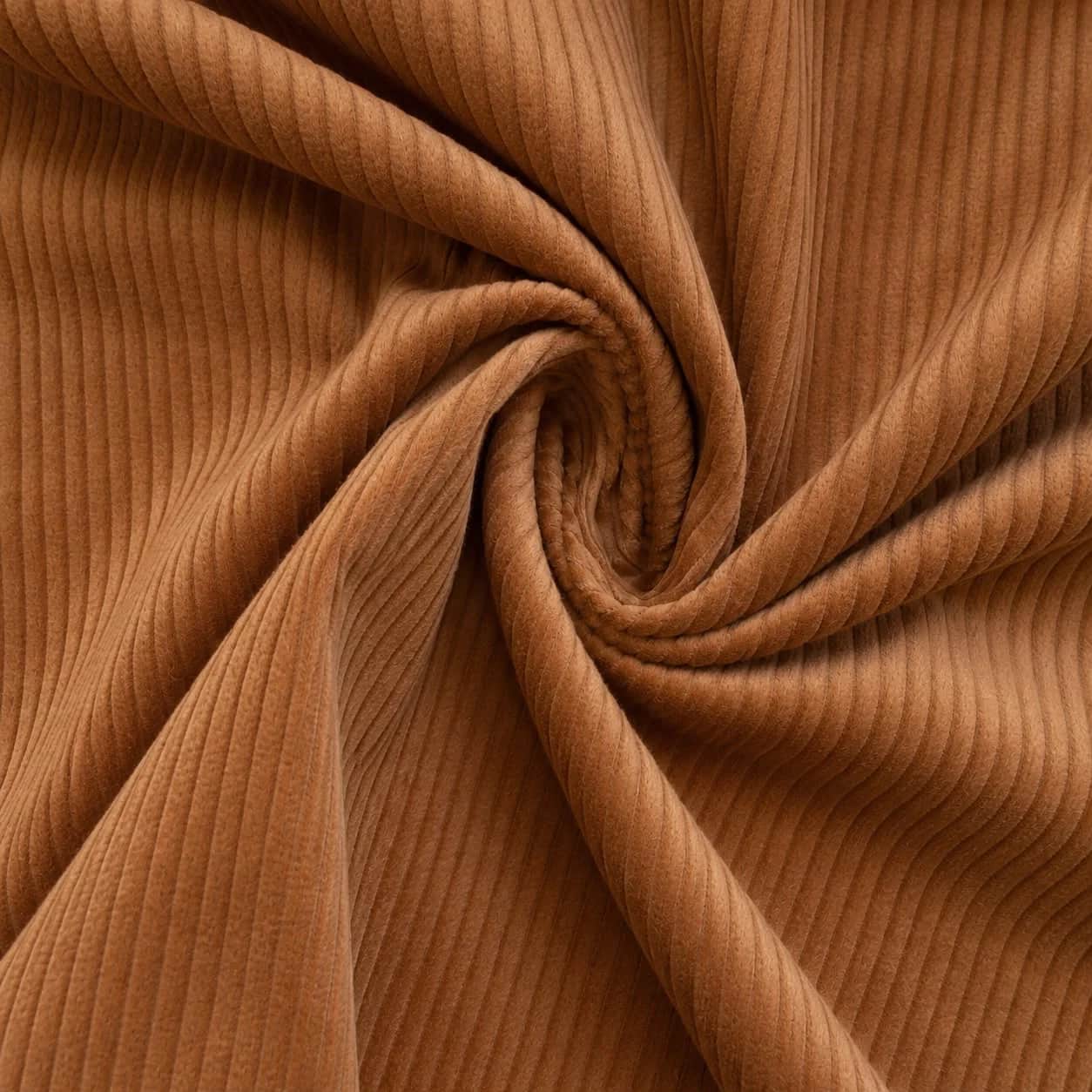
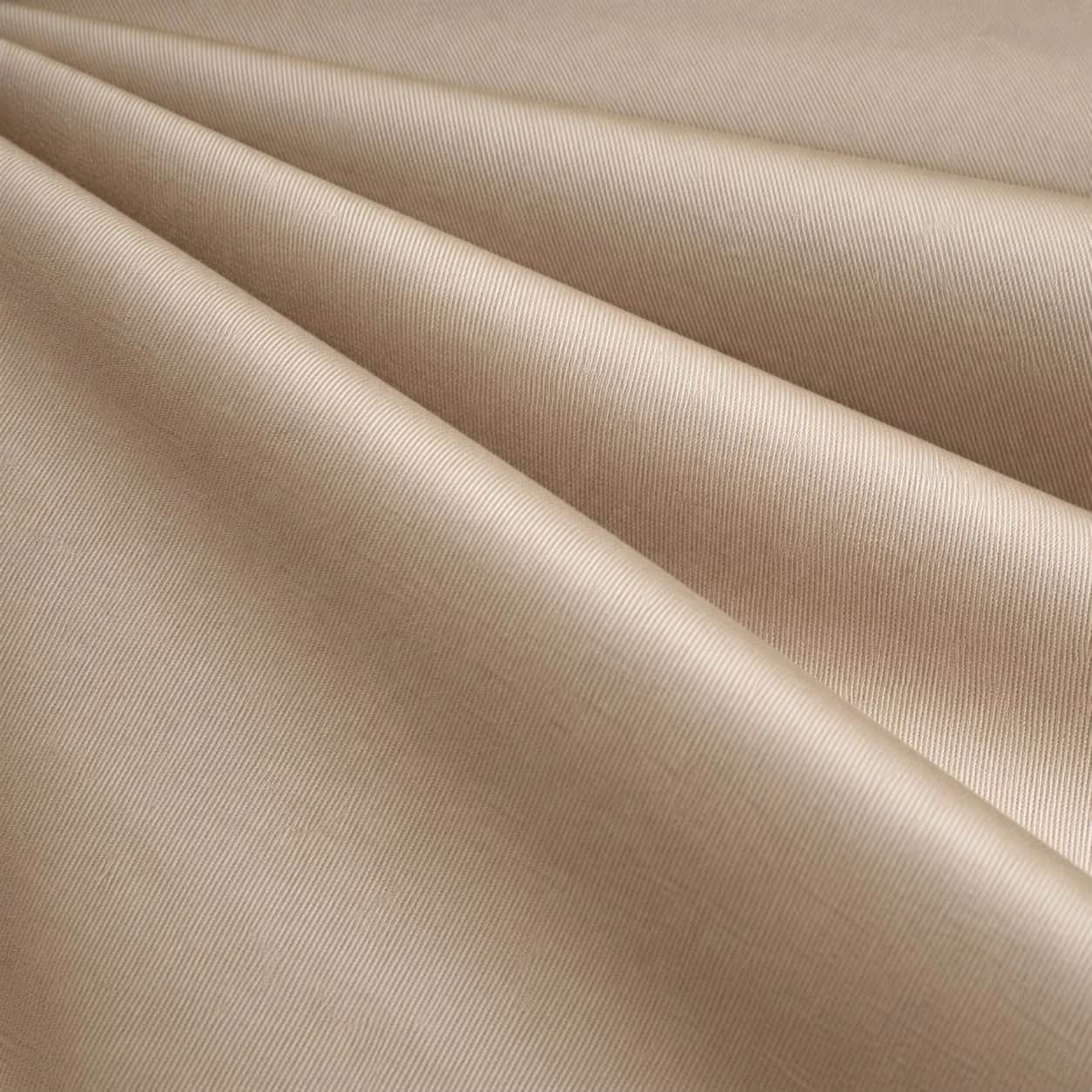
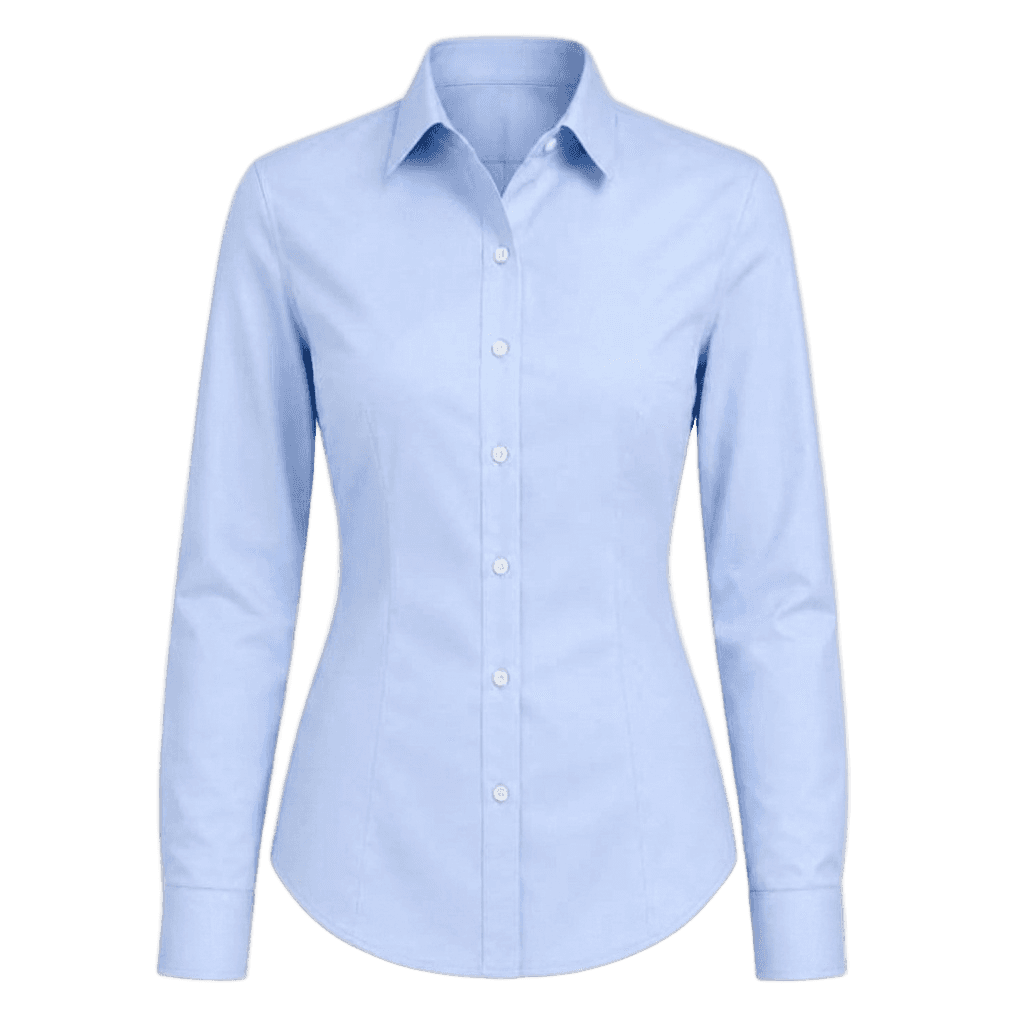
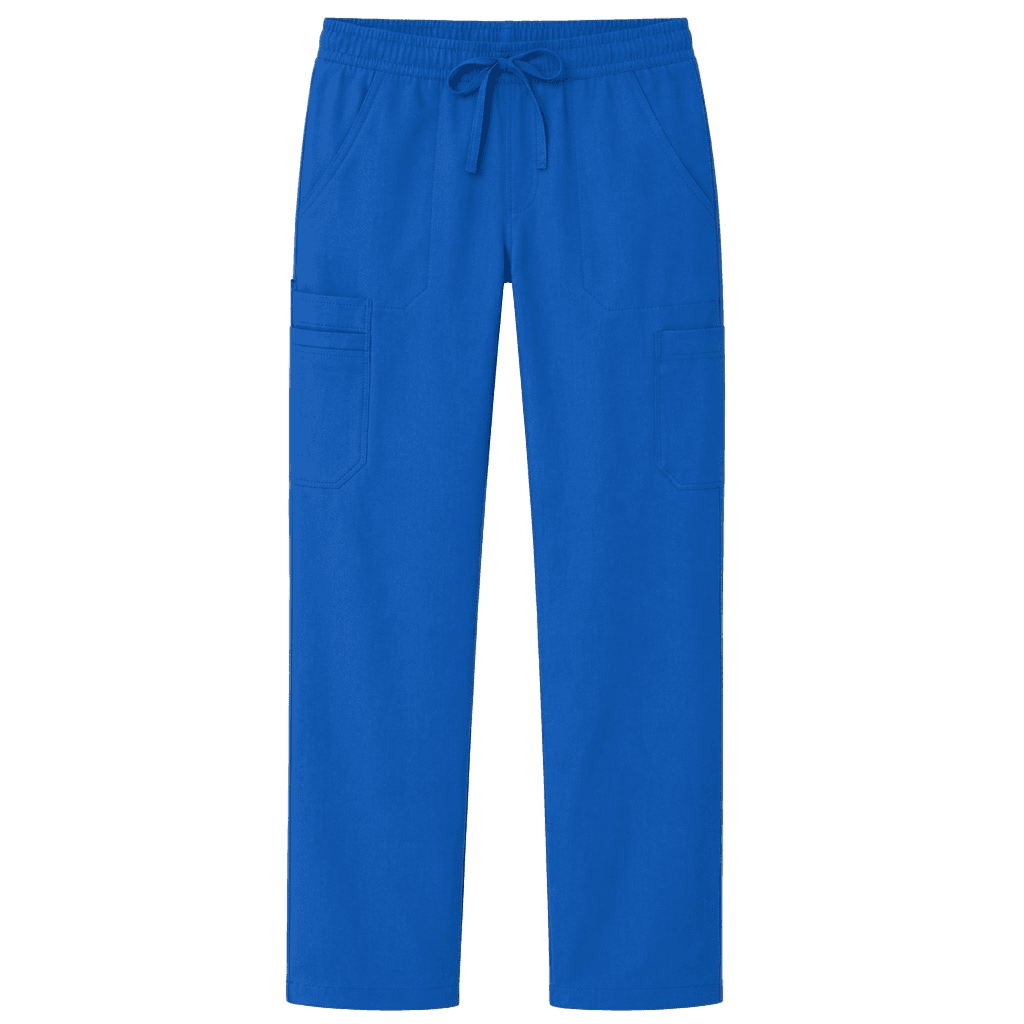
A uniform is fashion with a job description. It has to identify a role, survive repeat washing, fit many bodies, and still look consistent across a team. The design problem is not trend; it is standardization without making the wearer feel disposable.
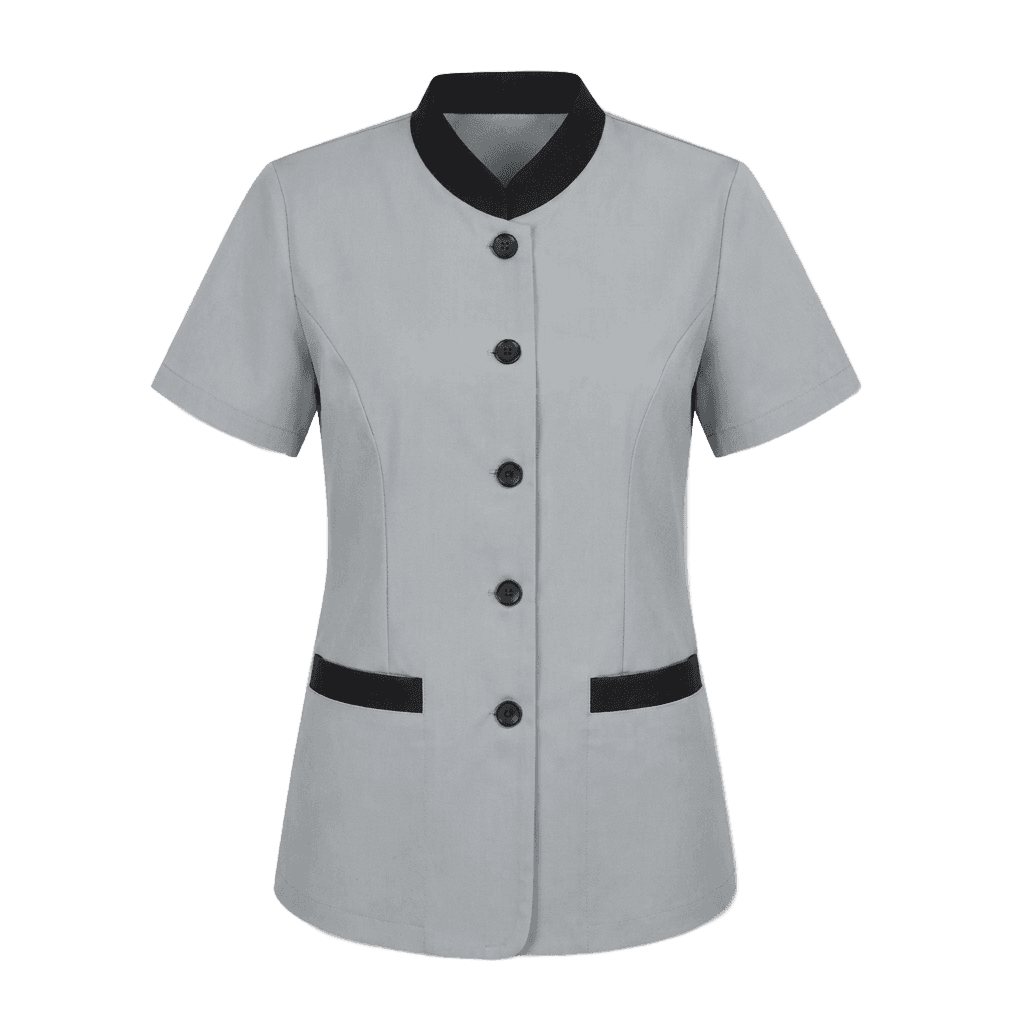
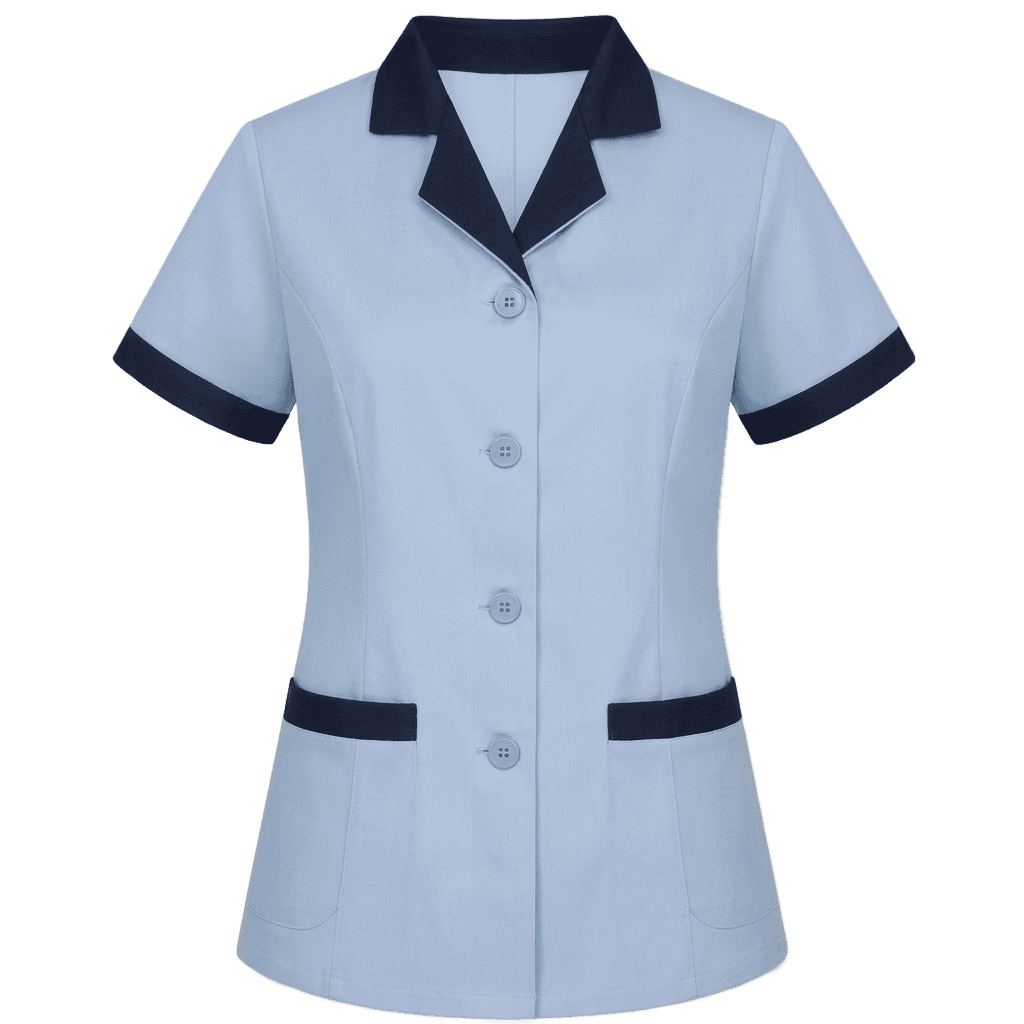
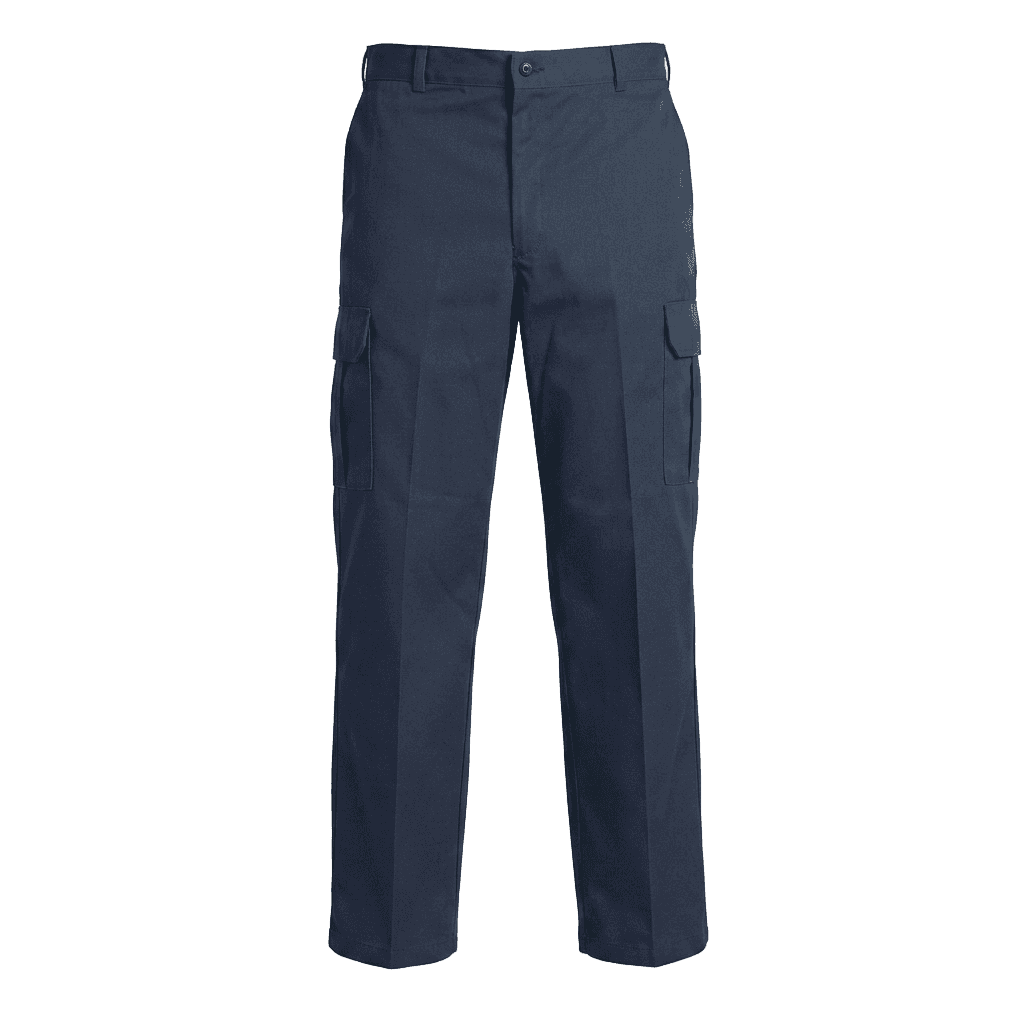
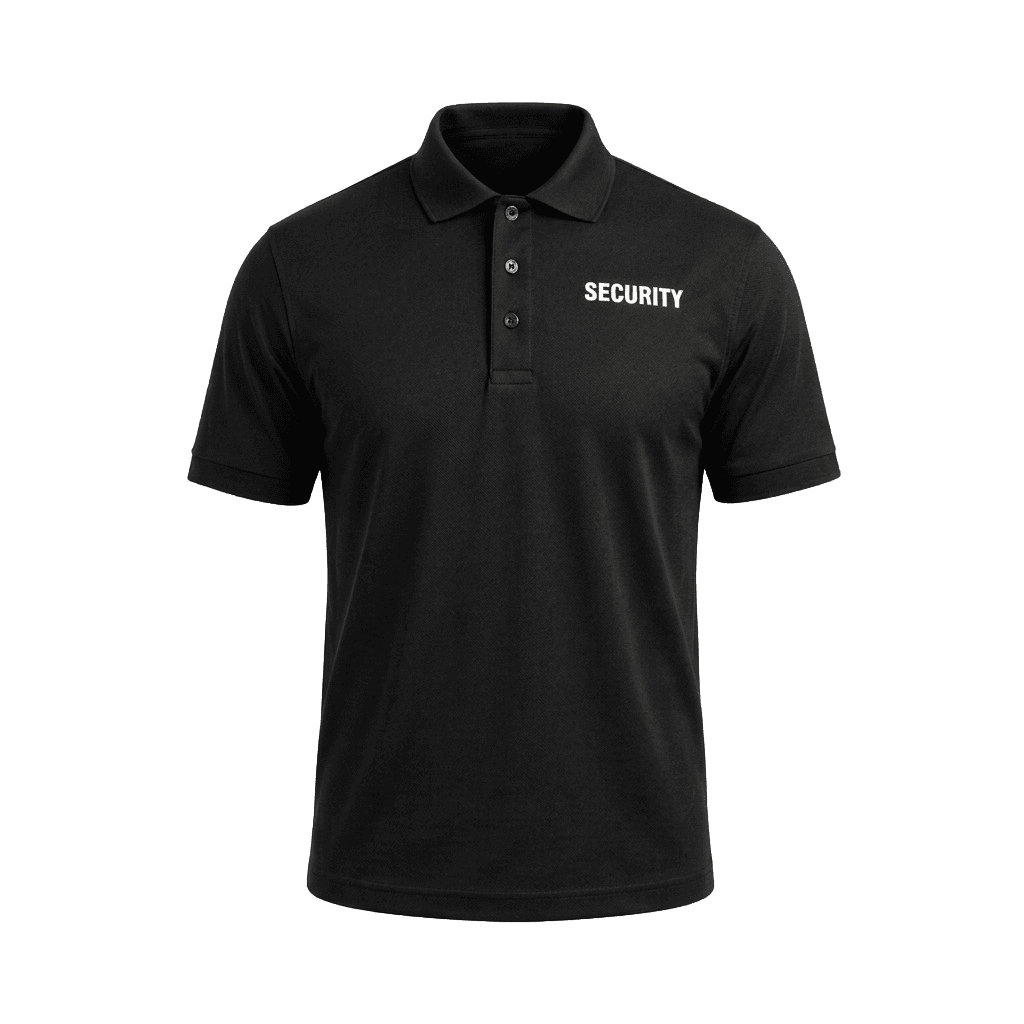
The Uniform / Workwear -- "A uniform is fashion with a job description."
Uniforms evolved from military, hospitality, medical, industrial, and service clothing where appearance and function had to be controlled. The modern commercial uniform borrows from workwear, tailoring, scrubs, aprons, polos, and technical outerwear. Its success depends on durability, easy reordering, and fit systems rather than runway novelty.
Construction logic
Uniforms prioritize repeatability: stable fabrics, reinforced seams, easy-care finishes, size grading, and components that can be sourced again next season. Logos, embroidery, colour consistency, and role-specific pockets matter. Medical and industrial uniforms also require hygiene, safety, or abrasion standards.
Commercial logic for creators
For creators and suppliers, uniform work is operationally different from fashion. The buyer values consistency, replacements, and cost-per-wear. A good uniform program specifies fabric, colour, decoration, wash testing, and replenishment before the first bulk order.
FAQ
Uniform workwear is role-specific clothing designed for identification, durability, repeat use, and consistent appearance.
Common options include poly-cotton twill, cotton poplin, stretch suiting, scrub fabric, ripstop, performance polyester, canvas, and easy-care knits.. Choose based on target price, handfeel, durability, and care requirements.
Focus on reinforced seams, durable pockets, embroidery zones, bar-tacks, easy-care closures, and colourfast trims. These details usually determine whether the product feels credible or cheap.
Check inclusive sizing, movement allowance, role-specific coverage, wash shrinkage, and comfort across long shifts. Fit should be reviewed on the body type and use case the product is designed for, not only on a flat measurement sheet.
The main cost drivers are fabric durability, logo application, pocket count, compliance requirements, replenishment planning, and size range. Sampling time and rejection risk also increase cost when the fit is sensitive.
Request checks for industrial wash performance, colourfastness, seam strength, pilling, shrinkage, and decoration durability. For performance or workwear products, test under the real use condition rather than only visually.
Watch for colour mismatch between batches, logo puckering, weak pocket corners, seam failure, and shrinkage after laundry. These issues should be caught at fit sample, pre-production sample, and bulk inspection stages.
affordable uses durable poly-cotton; premium adds stretch, better handfeel, and stronger trims; luxury uniforming adds tailoring and branded finishing.
Include role, fabric spec, colour standard, logo placement, pocket requirements, wash method, and replenishment sizing. Add reference photos and tolerance notes where fit or construction is easy to misread.
workwear, uniform, scrub, or hospitality factories are best because they understand repeat programs.
Use OEKO-TEX STANDARD 100 as a consumer-safety baseline where possible. Use GOTS for organic cotton, GRS for recycled polyester or nylon, RWS for responsible wool, and leather-specific or chemical compliance where relevant to the material.
test against the real laundry process before bulk, especially if garments will be industrially washed.