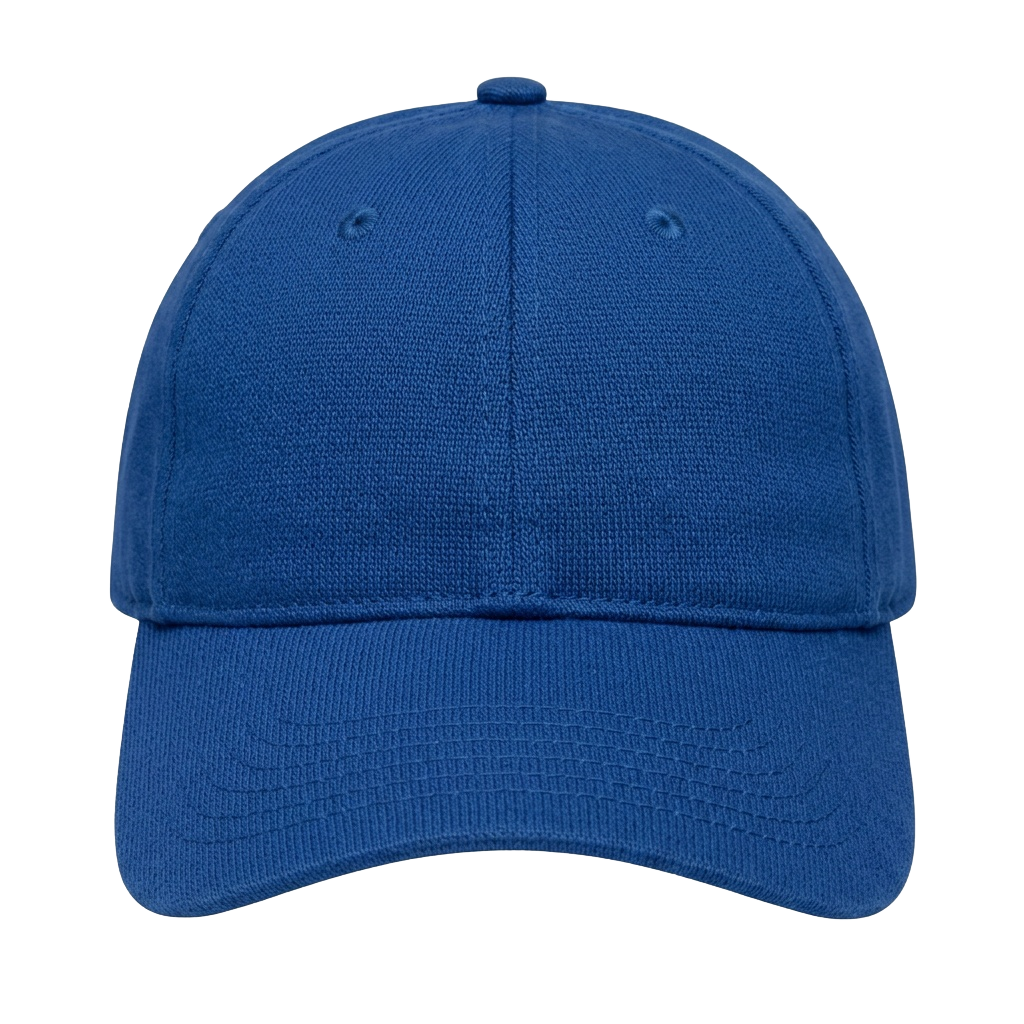
Classic baseball cap
A rounded, structured crown rises to a button at the top, with six stitched panels meeting at a central seam. The curved visor extends forward in a two-layer construction, its underside visible from the front. A self-fabric strap at the back adjusts the fit, with a slider buckle and a tuck-in slit for excess strap.
The same factories that produce for houses like Celine and Balenciaga can produce this piece, directly to you
GABI
Make it yours
Material gradeMOQ 50
Colour
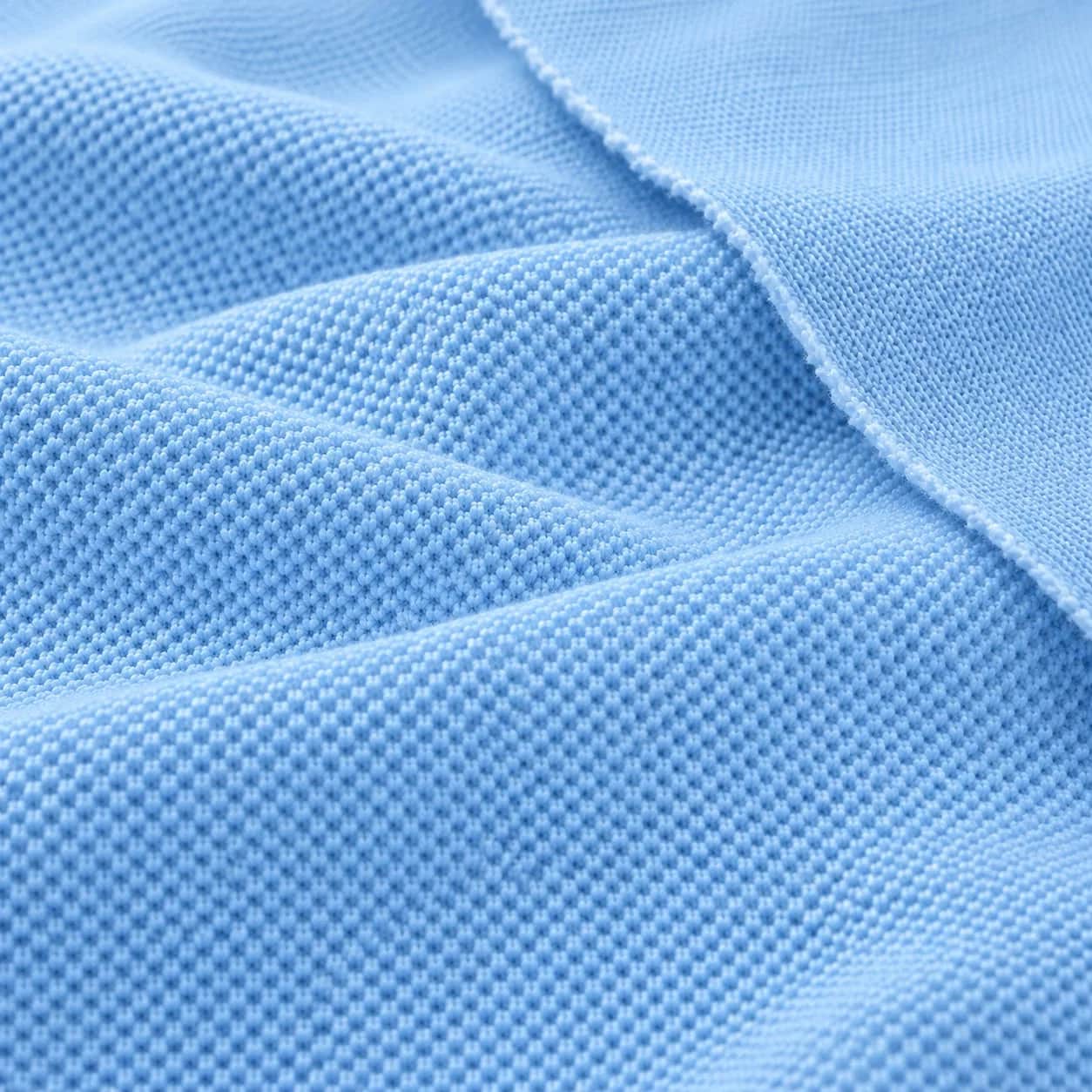
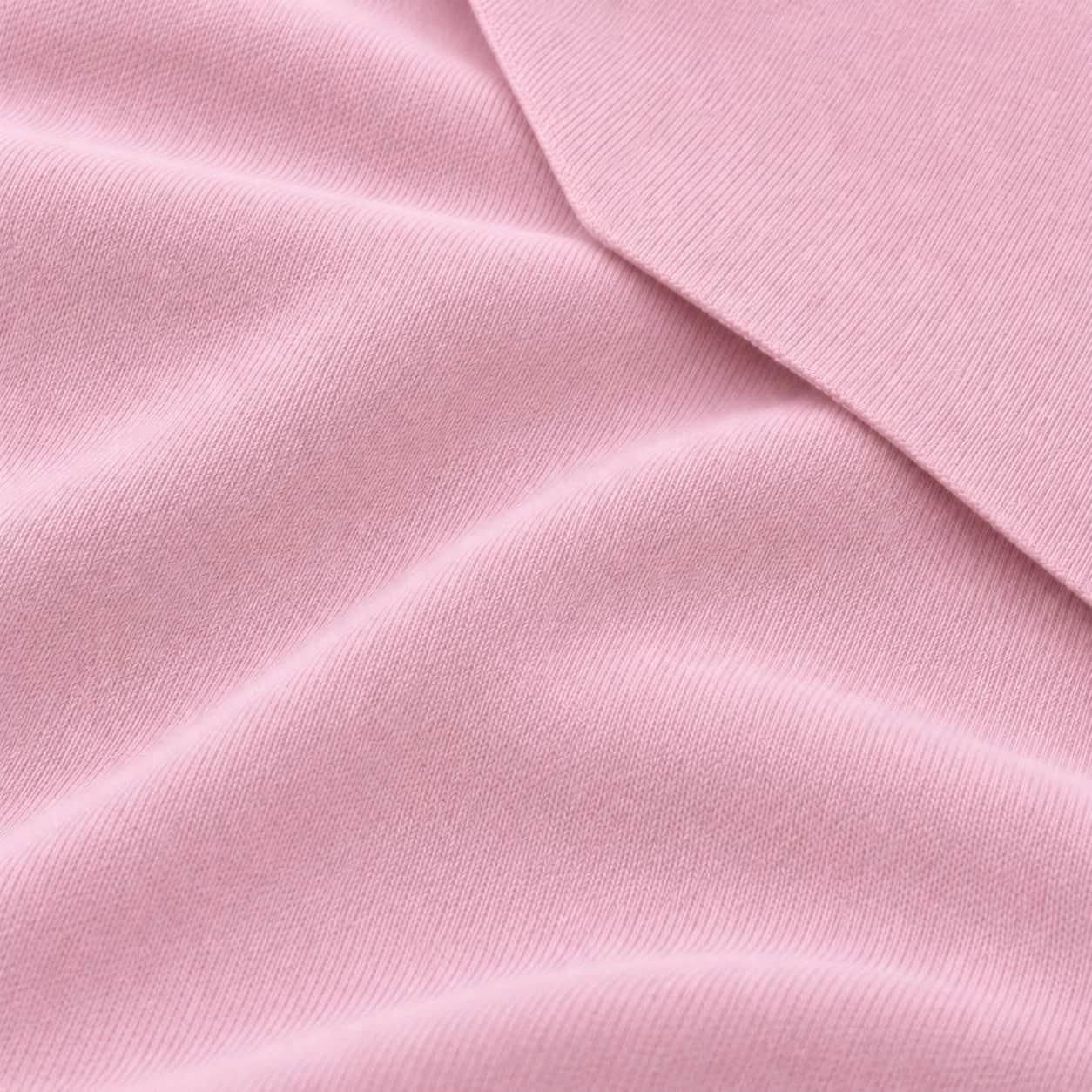
- Main Fabric: 100% Cotton, 300gsm
- backing: 100% Recycled Polyester
- sweatband: 100% Cotton
- Spot clean with a damp cloth — do not machine wash
- Do not bleach
- Do not tumble dry
- Iron on a low setting
A guide based on the garment’s materials — always follow the care label on the item itself.
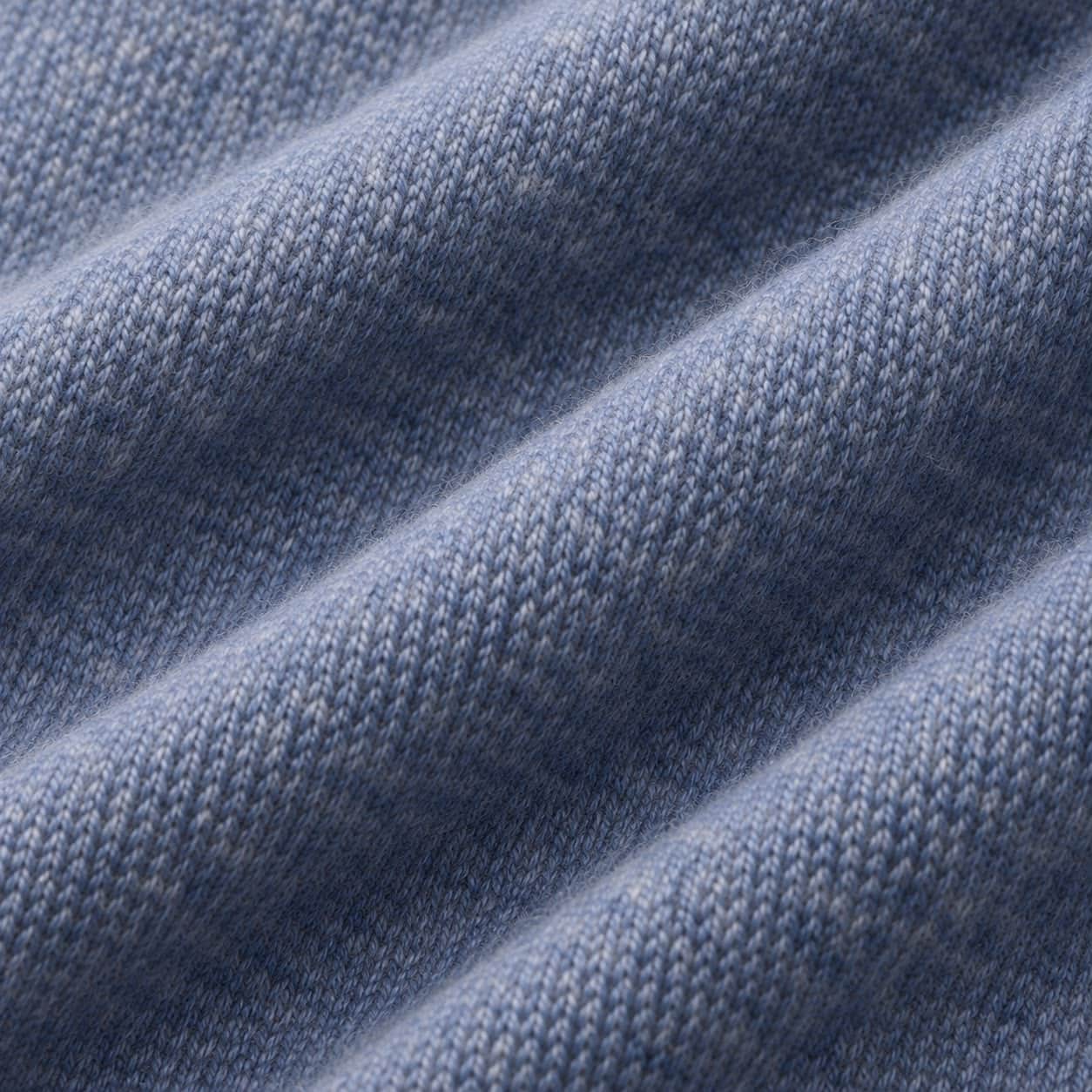
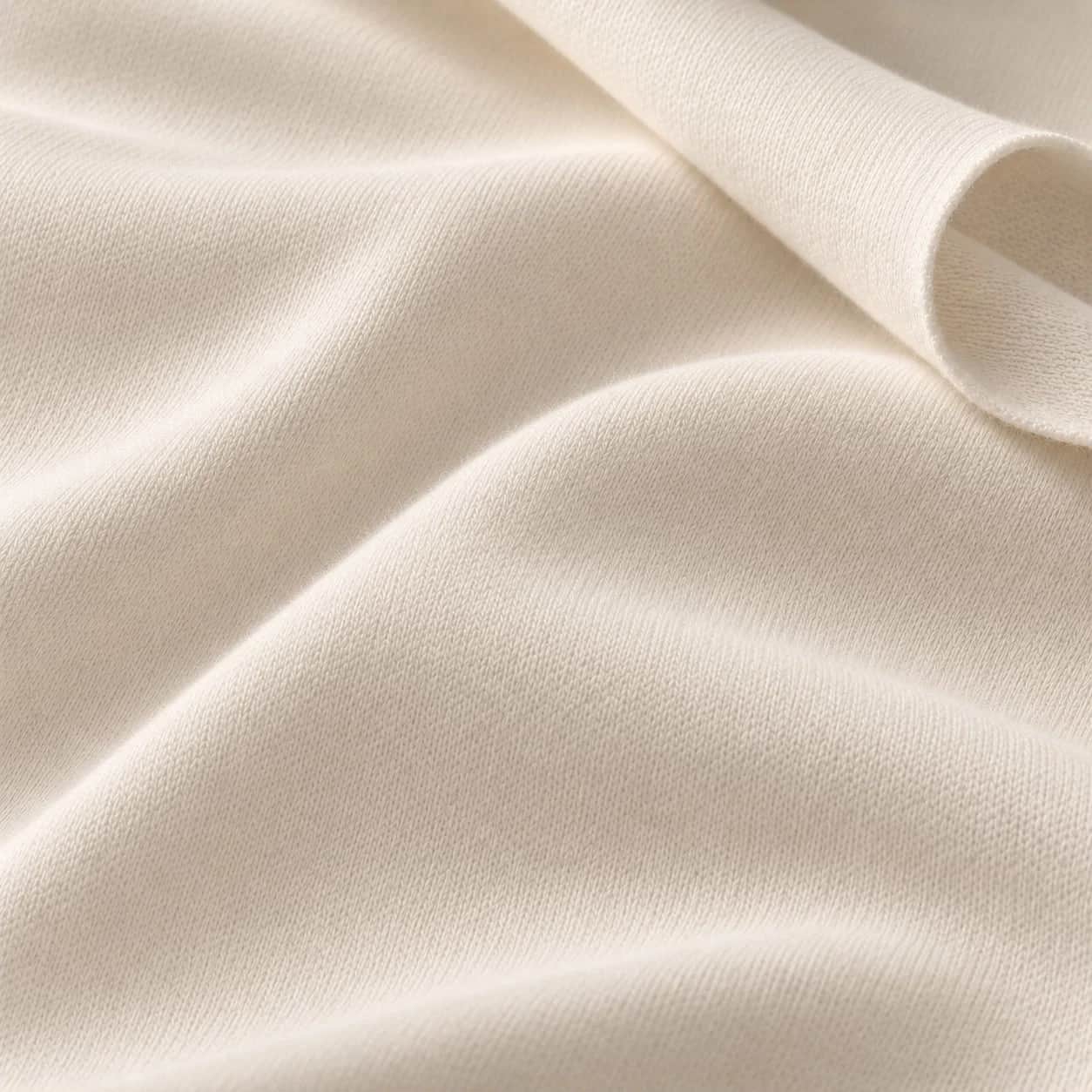
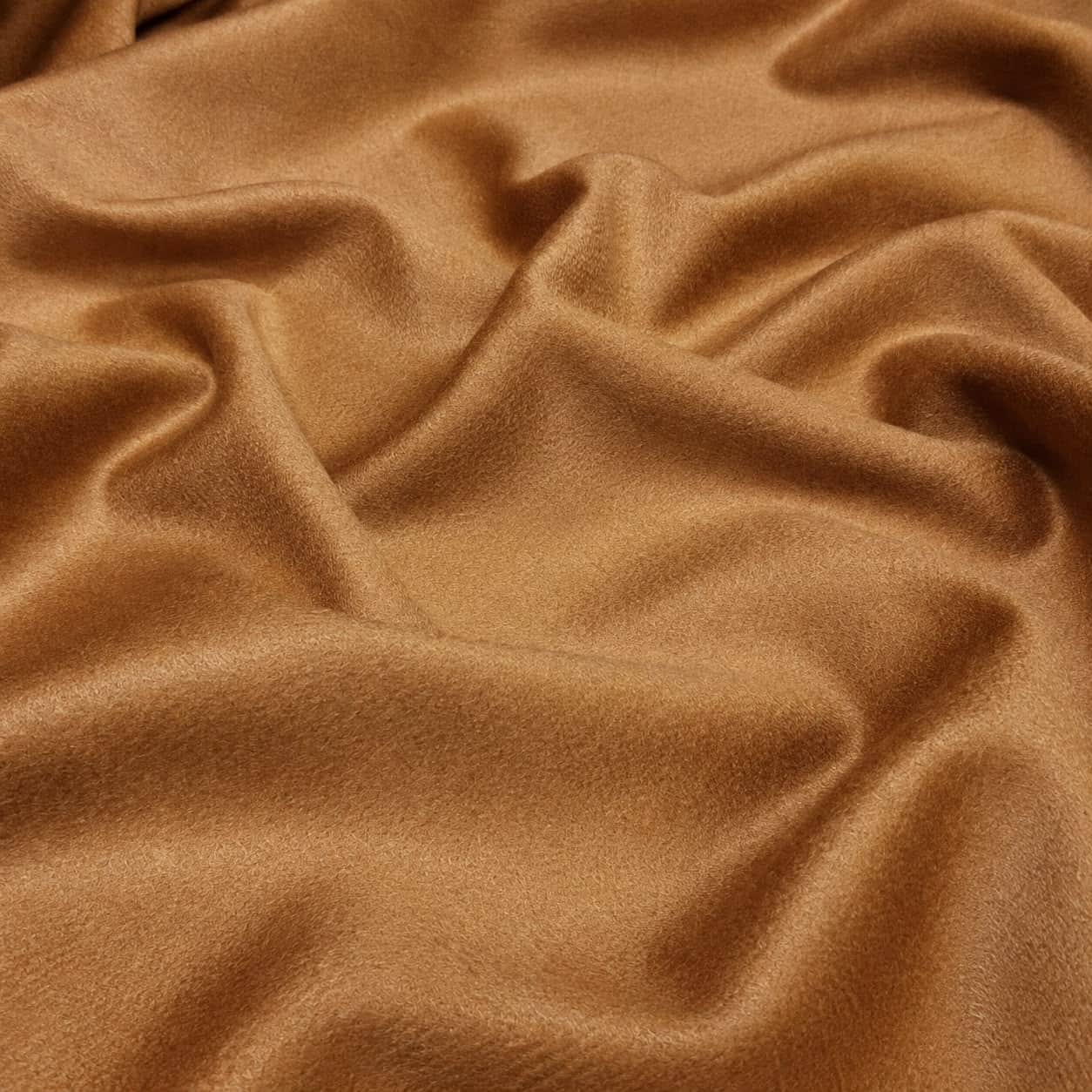
Fabrics
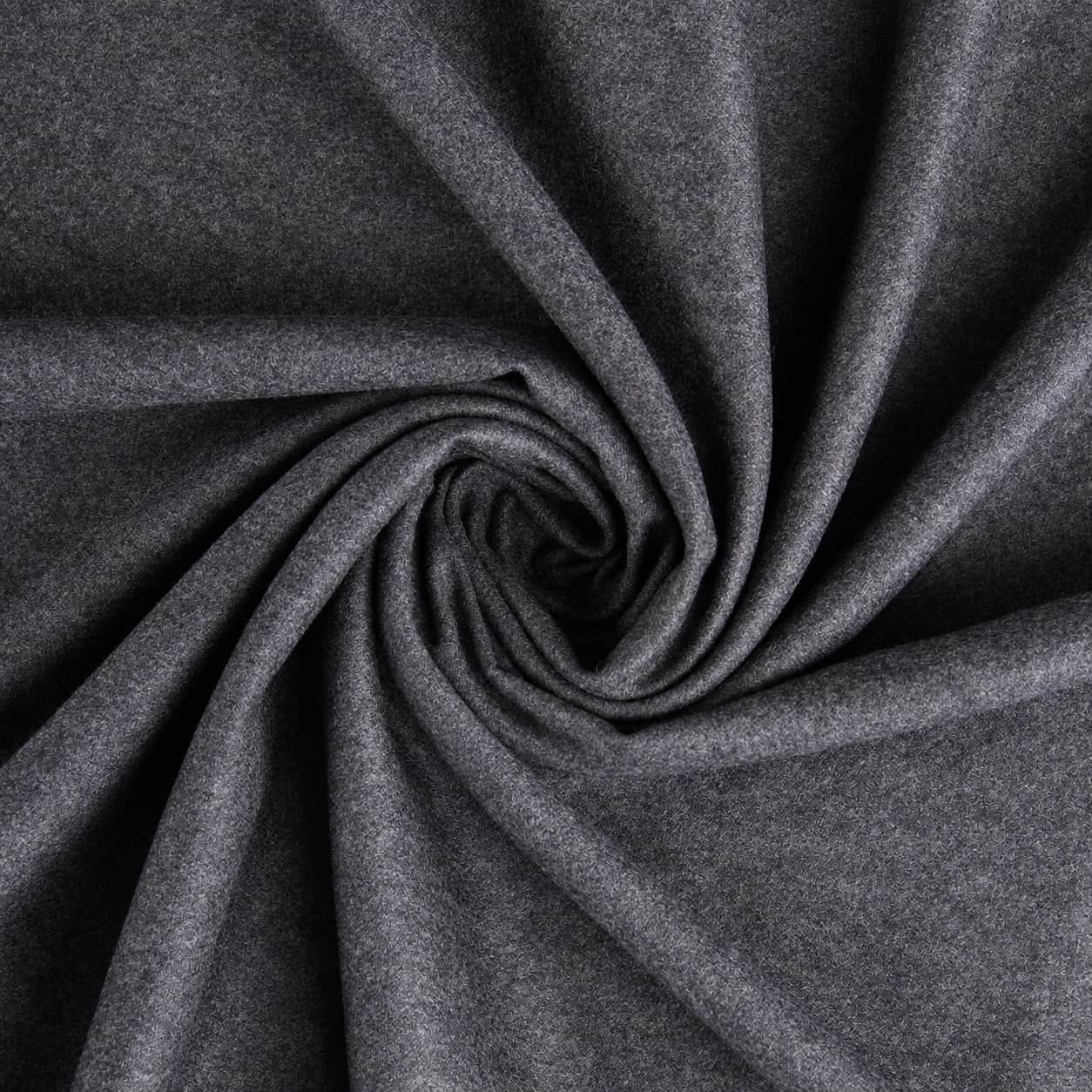
The New Era 59FIFTY fitted cap was introduced in 1954 as the official on-field cap of Major League Baseball. Every MLB team. Every player. For 70 years. The cap is made from six identical panels of wool-poly blend, fitted to a plastic moulded brim, finished with a leather sweatband. The construction has not changed since the 1950s. What changed is that in 1991, Ken Griffey Jr. started wearing his cap backwards on the field. A single moment of non-conformity turned a functional sports item into a streetwear icon. New Era now sells over 30 million caps a year. The construction is still from 1954. The culture made the value.
From Diamond to Streetwear: The Cap That Became a Canvas
The baseball cap was a functional item before it was a fashion item. Early 19th century American baseball teams wore various hat styles -- the short-billed cap that became the modern baseball cap was standardised in the 1900s. By mid-century, teams were using structured 6-panel caps with stiffened brims and embroidered logos as standard on-field uniform.
The cap crossed from sport into street culture through hip-hop in the 1980s. Run-DMC wore Adidas tracksuits and snapback caps. LL Cool J wore his Kangol bucket hat and Raiders snapback as identity markers. By the early 1990s, the cap was the primary logo vehicle for every street culture brand -- Starter, Sports Specialties, then New Era. The backwards cap moment (Griffey, later widespread) turned the product into a cultural signal.
Palace, Supreme, and Stüssy built entire brand identities on the cap as a logo vehicle. The cap is the most margin-efficient branding surface in fashion: a 120cm2 embroidered logo on the front panel is visible in every photo, every street shot, every social post. Logo-to-garment ratio is higher on a cap than on almost any other item. This is why caps are used as brand launch vehicles and limited drops -- the product communicates brand identity before the wearer says a word.
Luxury adoption in the 2010s-2020s confirmed the cap as a permanent fashion category. Balenciaga, Gucci, Prada, and Off-White all produced cap moments. The luxury cap is the same construction as a commercial cap -- the difference is material (Italian wool, Japanese nylon, premium twill) and hardware (brass D-ring strapback instead of plastic snap).
Articles
Guide · Baseball Caps
How Much Does a Baseball Cap Actually Cost to Make?
A real cost breakdown for manufacturing baseball caps — fabric, brim stiffener, embroidery, CMT, duty — from affordable to premium builds.
Guide · Baseball Caps
Why a Regular Garment Factory Will Wreck Your Baseball Cap
Baseball caps require a specialist headwear factory — brim-moulding presses, cap embroidery frames, curved sweatband jigs. Here's why a T-shirt factory can't do it.
Guide · Baseball Caps
One Closure Decision Quietly Controls Your Entire Cap Production Cost
The closure you choose affects SKU count, positioning, and cost. Here's the real difference between snapback, strapback, fitted, and flexfit caps.
Guide · Baseball Caps
Why Caps Get Taxed Harder Than Almost Any Other Fashion Item
Baseball caps fall under HS 6505 — a headwear tariff code that carries 20% US duty and 10.5% EU duty from China, higher than most apparel. Here's what to factor in.
Guide · Baseball Caps
Why the Cheapest Part of a Cap Is the Reason It Sells
A cap's embroidered logo costs a fraction of a cent per unit once amortized — yet it's the entire reason the product sells. Here's the real economics of cap branding.
FAQ
Affordable structured cap (China, 300 units): ~$10-$15 landed. Premium cap with leather sweatband and brass hardware (China, 300 units): ~$15-$22 landed. At $95 retail: 77-84% gross margin. The cap has the best brand-to-cost ratio of any fashion item.
China: 100-300 units minimum. Portugal: 50-150 units. Italy: 30-80 units. Embroidery setup is a one-time fee ($15-$40 per design) amortised across the run. At 100 units the setup fee adds $0.15-$0.40 per cap -- negligible.
No. Cap manufacturing requires specialist equipment: brim-moulding press, cap embroidery frames (not flat bed), curved sweatband insertion jig, eyelet punch and set. A garment factory cannot make a commercially acceptable cap. Brief a headwear factory only.
Snapback: plastic snap adjustment at rear, one size fits all, fast to produce. Strapback: leather, fabric or elastic strap with buckle, premium aesthetic. Fitted: no closure at all, sized by head circumference (S/M/L or fractional sizing), higher SKU count.
Thread colour (Pantone code), stitch type (flat or 3D puff), stitch count (affects production time), placement in mm from centre front base, logo file in DST or EMB format (machine embroidery file, not just AI or PDF). The factory digitises your logo file into a stitch file -- ask to see the stitch preview before production.
Cotton twill (6-8oz, 200-220GSM) is the standard for commercial caps. Wool-poly blend for premium/heritage positioning. Japanese nylon for technical/rain-repellent. Corduroy for fashion/seasonal. Denim for workwear crossover. Specify GSM and fibre content always.
An embroidery technique where a foam sheet (2-8mm thick) is placed under the logo stitching, creating a raised, dimensional logo that stands proud of the fabric. Strong streetwear and sport signal. Cost: $0.20-$0.40 more per cap vs flat embroidery. Specify puff height in mm.
HS 6505 (hats and headgear, knitted or textile) carries 20% US tariff and 10.5% EU tariff from China -- higher than most apparel categories. If duty is a concern: Portugal (no EU duty) or Vietnam (lower US tariff rates under CAFTA-adjacent agreements). Factor duty into landed cost before setting retail.