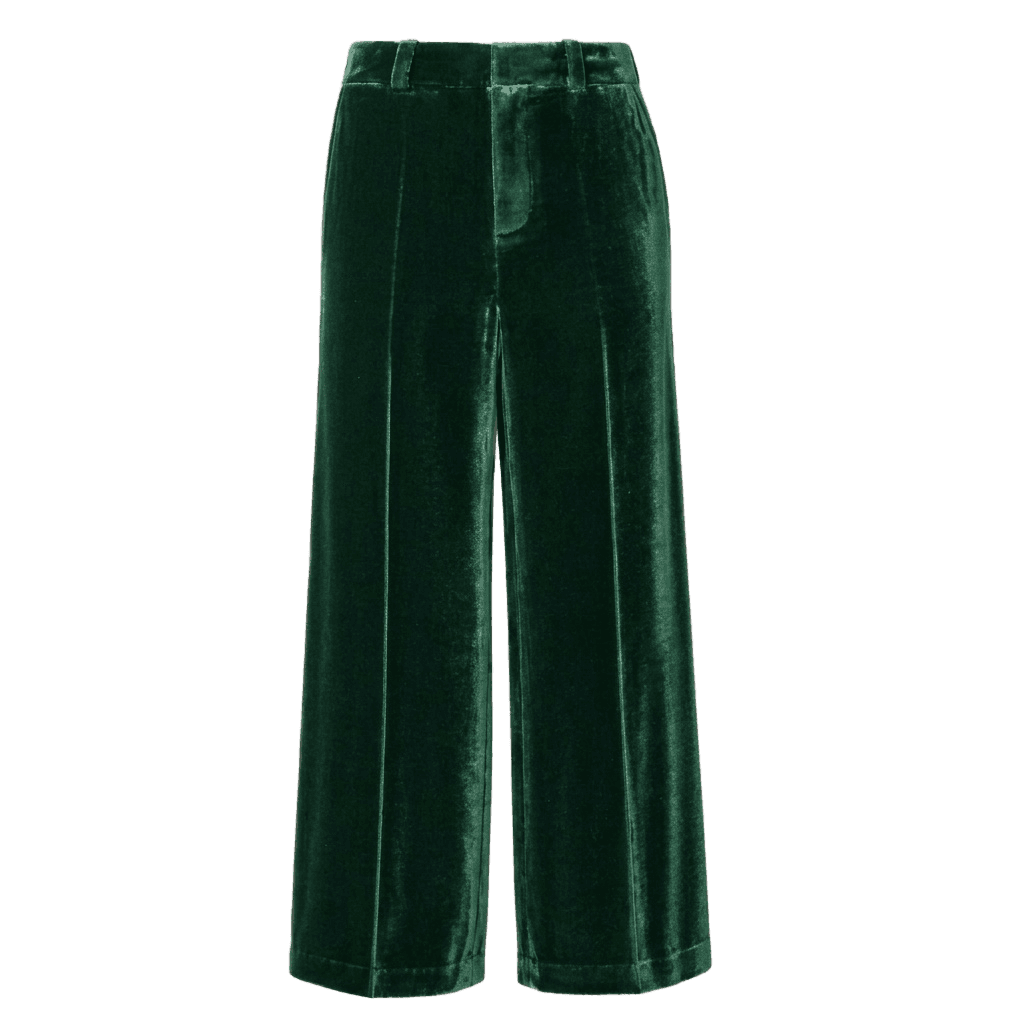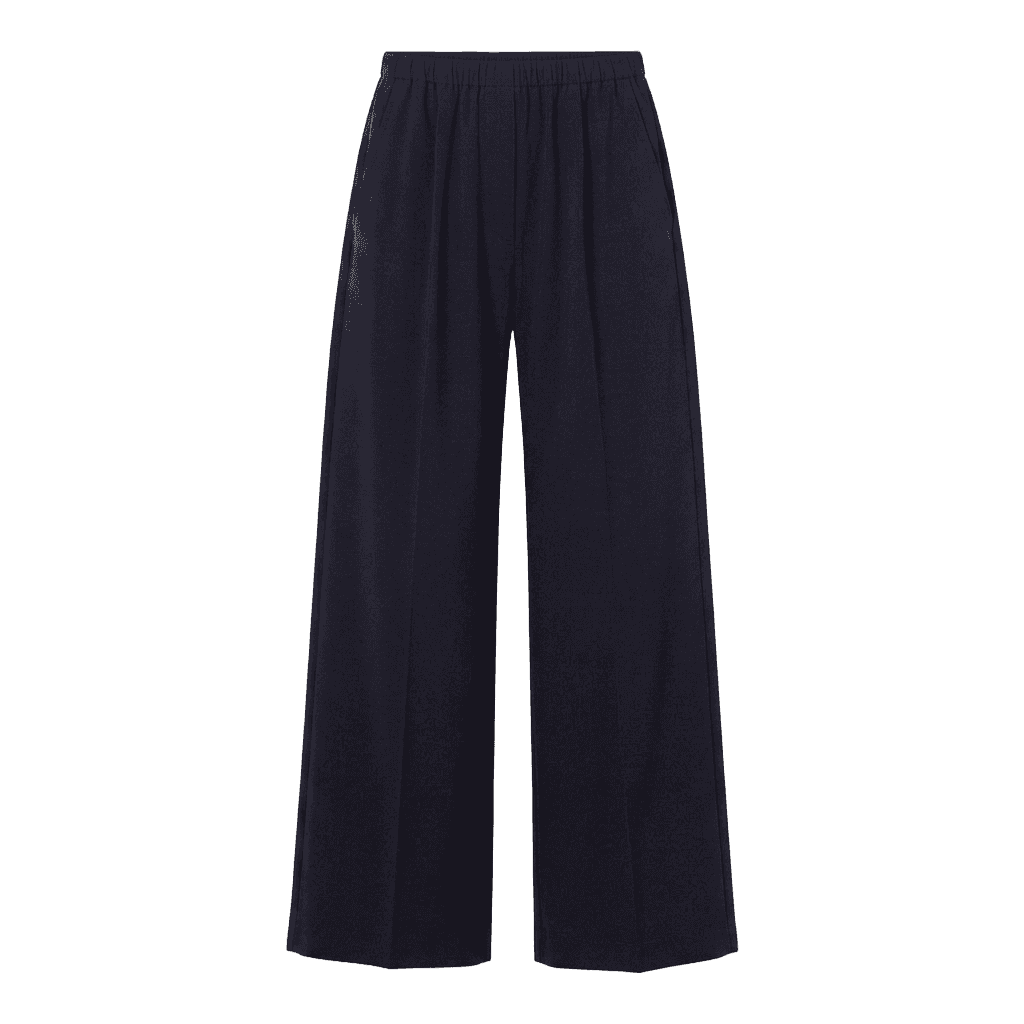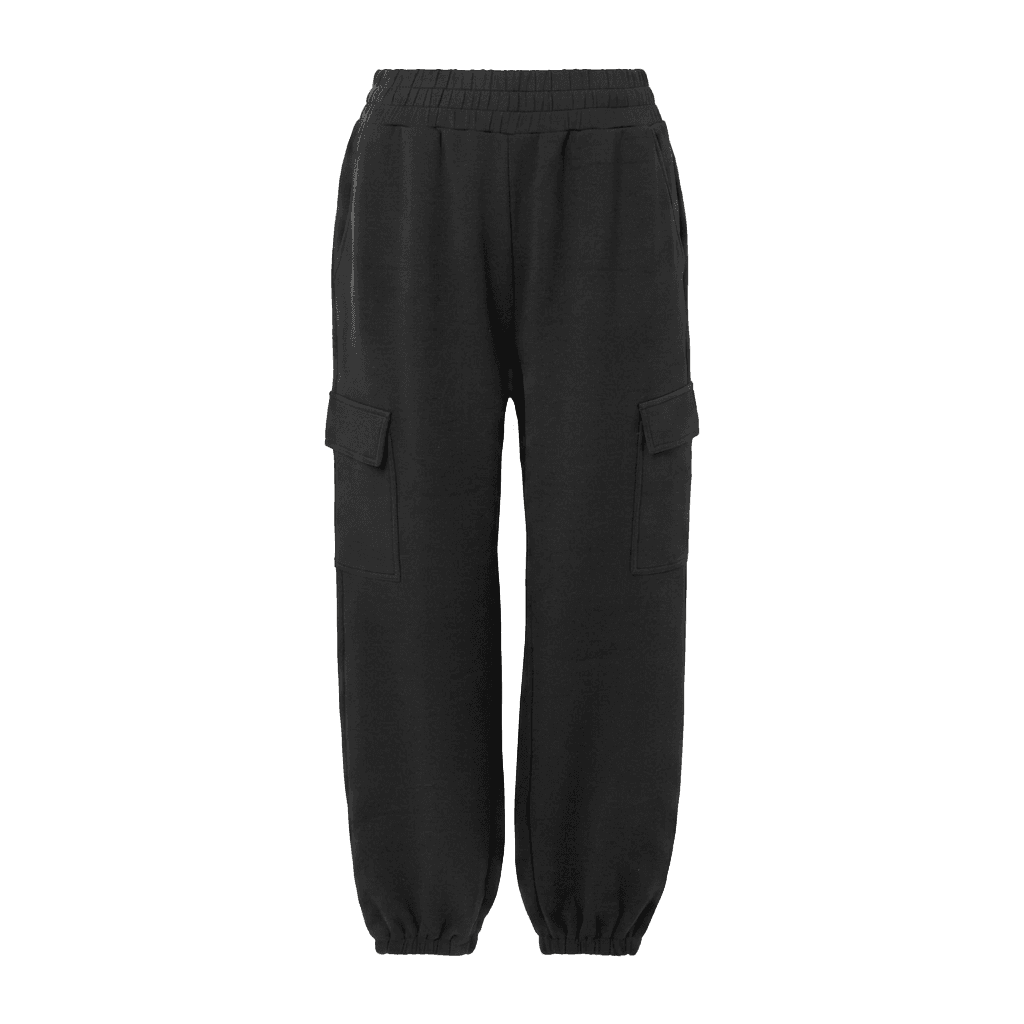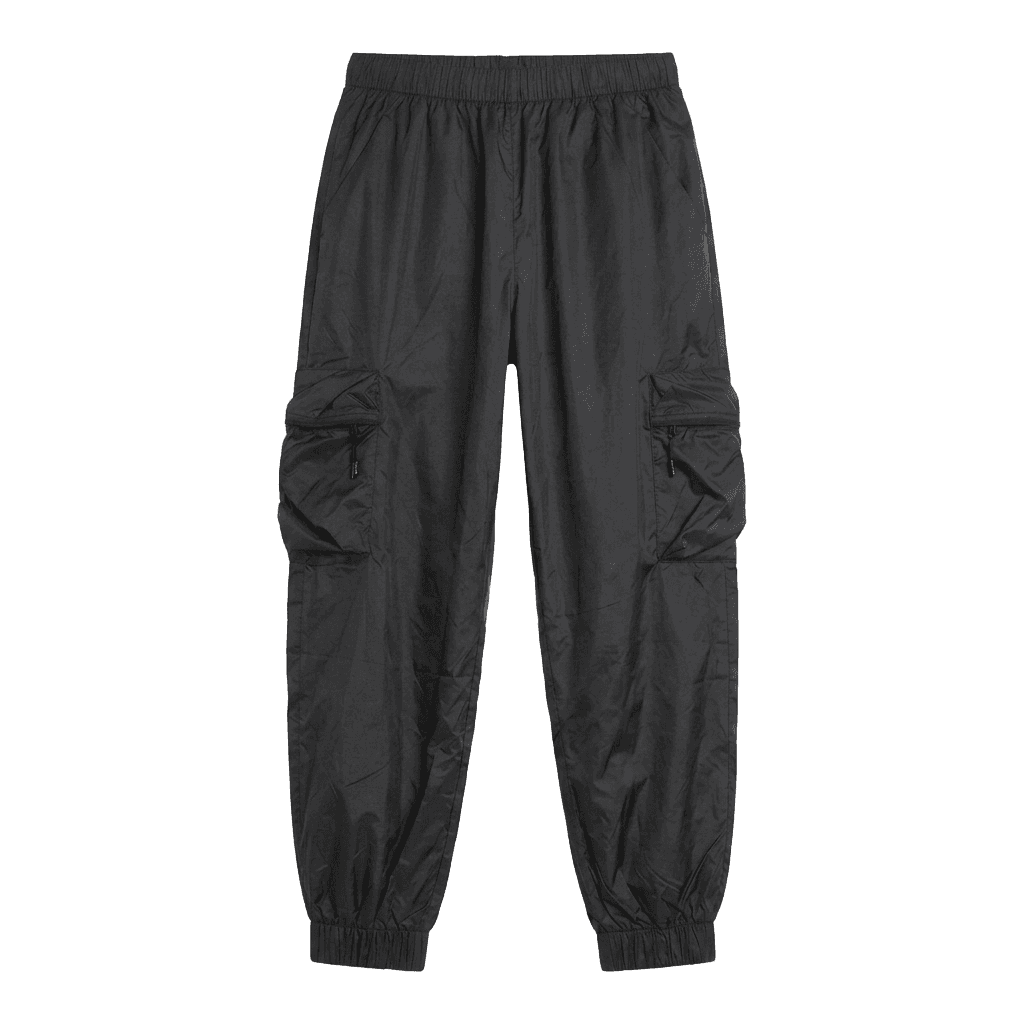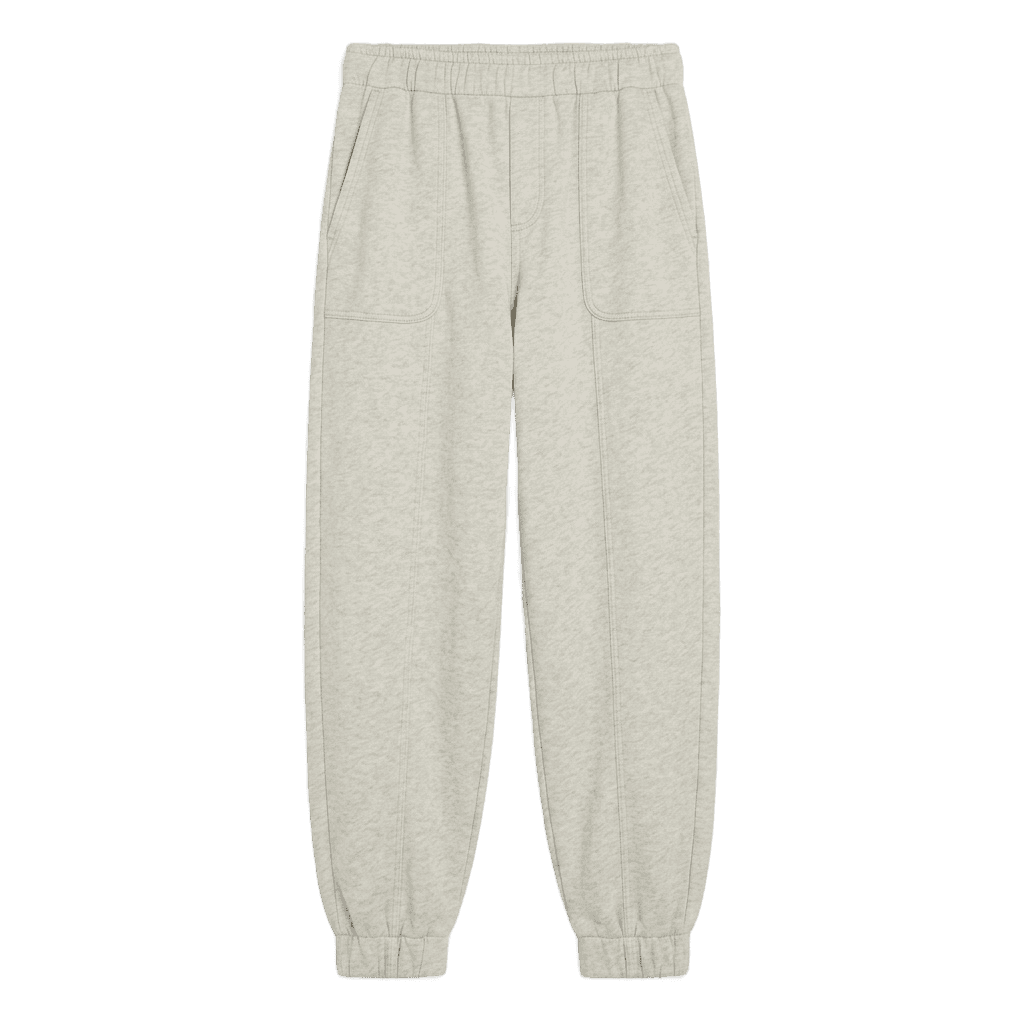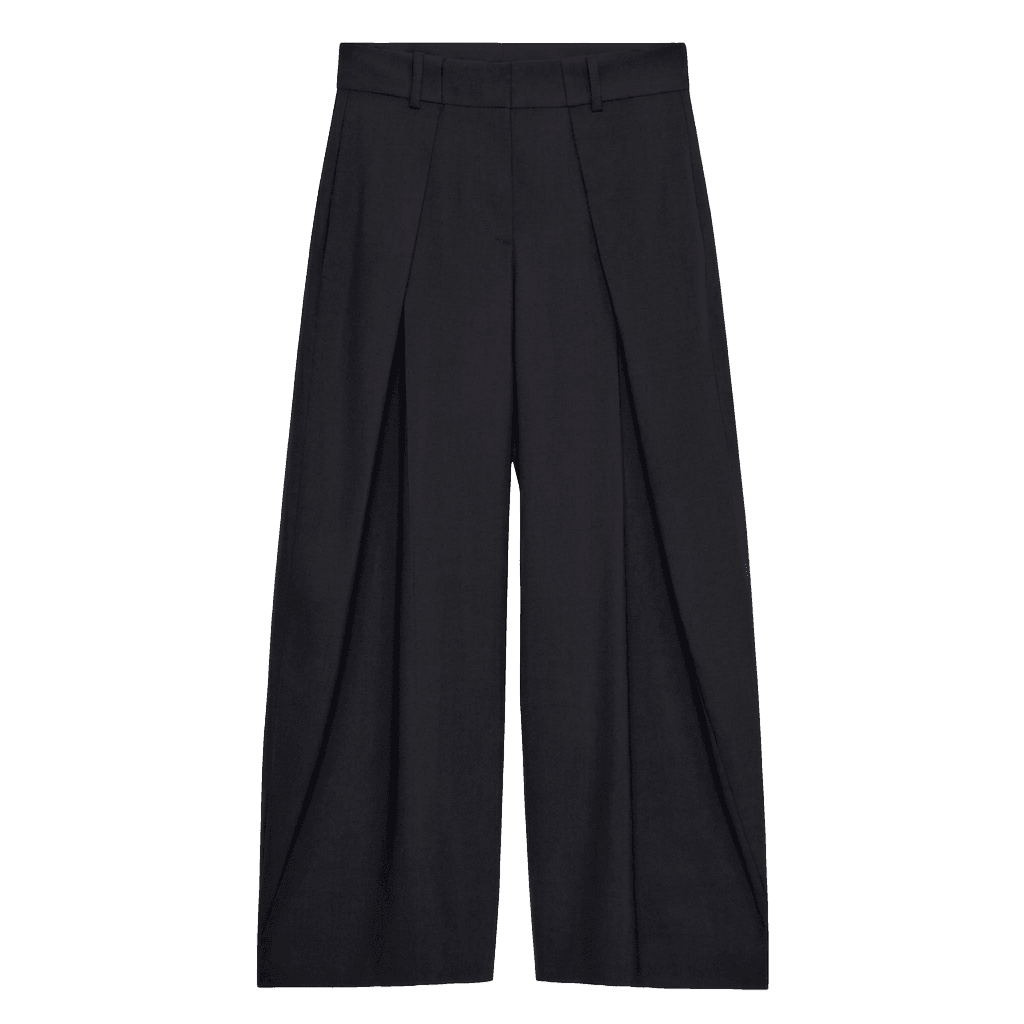
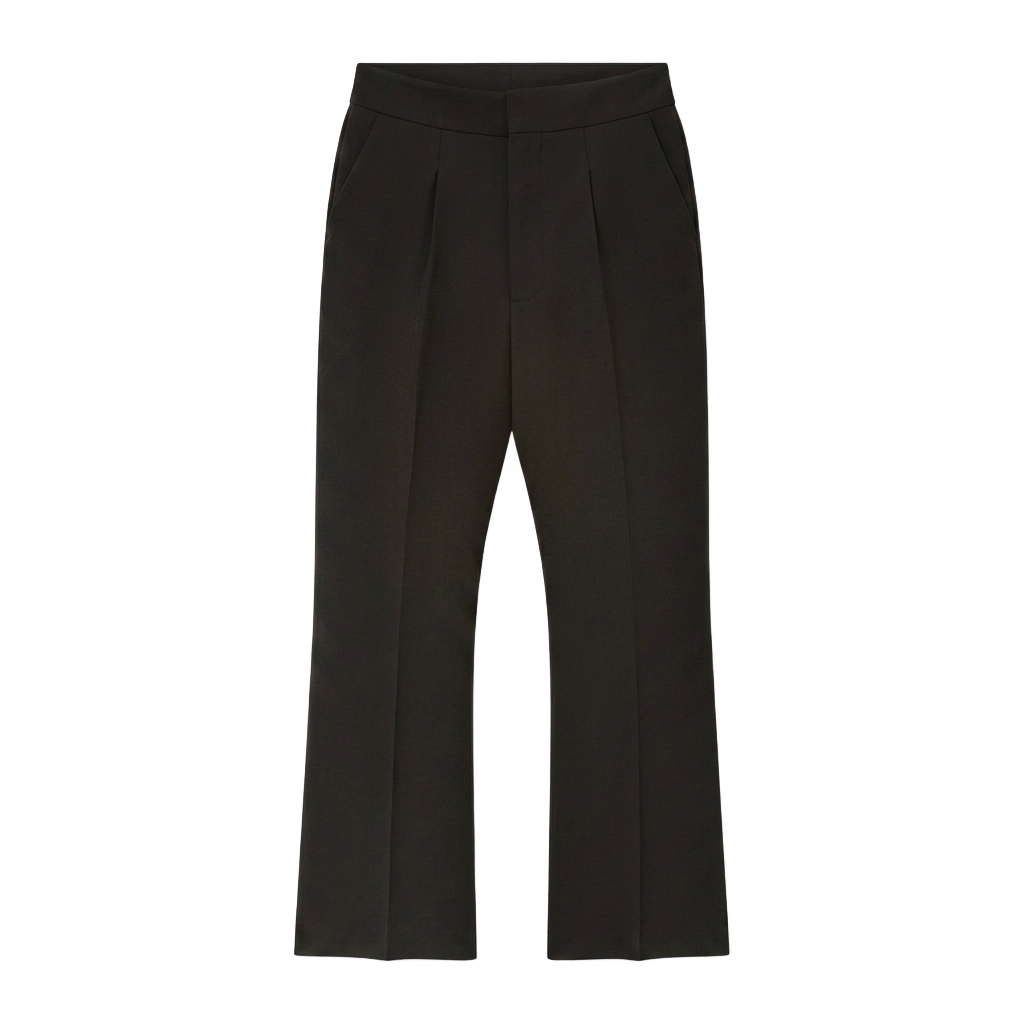
Black Tailored Trousers
These black trousers have a fitted high waist and hip that releases into a flare beginning at the knee, ending in a cropped, straight hem above the ankle. A concealed zip fly with a metal hook-and-bar closes the clean waistband, while a single front pleat on each leg and back waist darts shape the twill.
The same factories that produce for houses like Celine and Balenciaga can produce this piece, directly to you
GABI
Make it yours
Material gradeMOQ 50
Colour
- Main Fabric: 98% Cotton / 2% Elastane, 260gsm
- Pocketing: 65% Recycled Polyester / 35% Cotton
- Machine wash at 30°C on a gentle cycle
- Do not bleach
- Do not tumble dry
- Iron on a low setting
- Fasten zips and hardware before washing
A guide based on the garment’s materials — always follow the care label on the item itself.
Fabrics
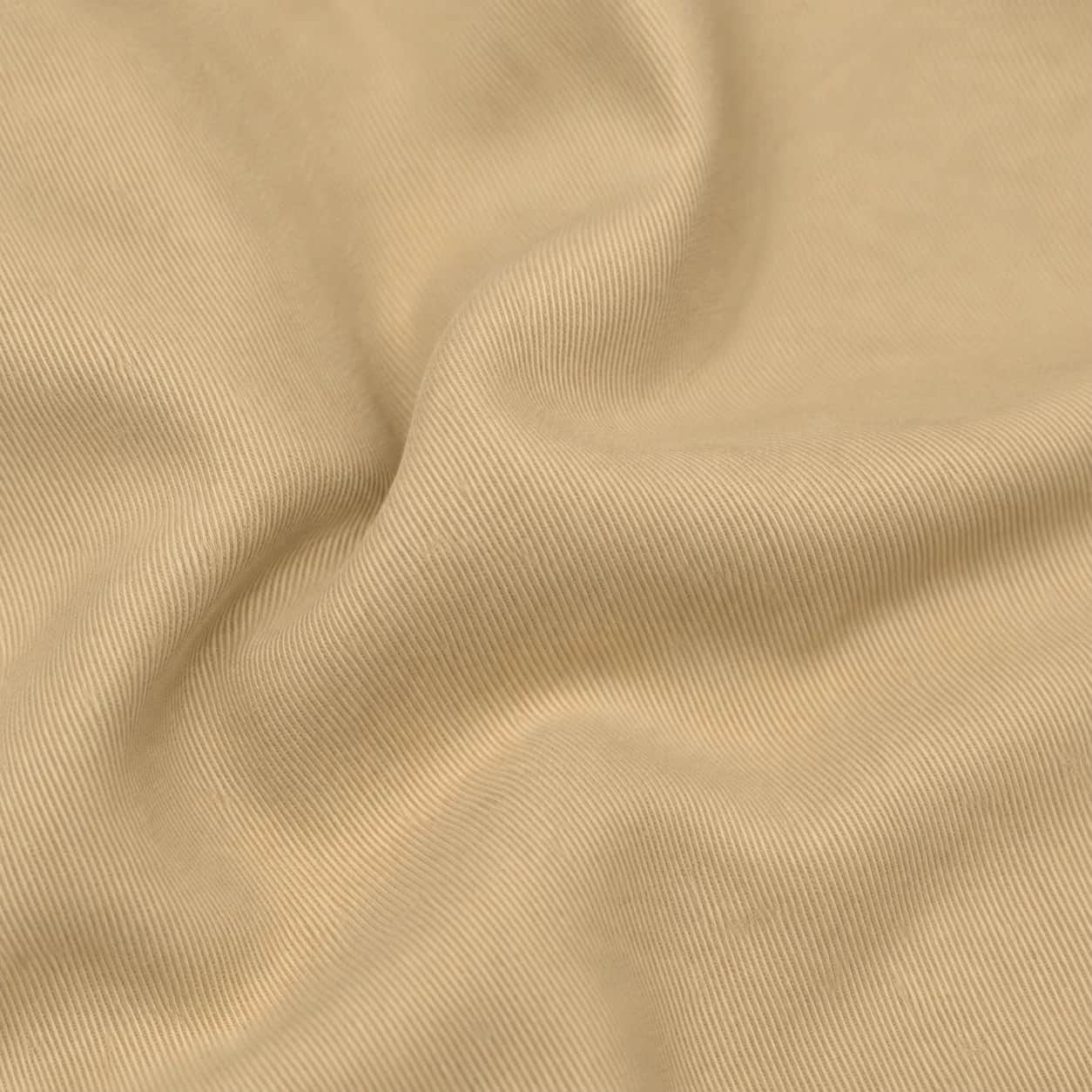
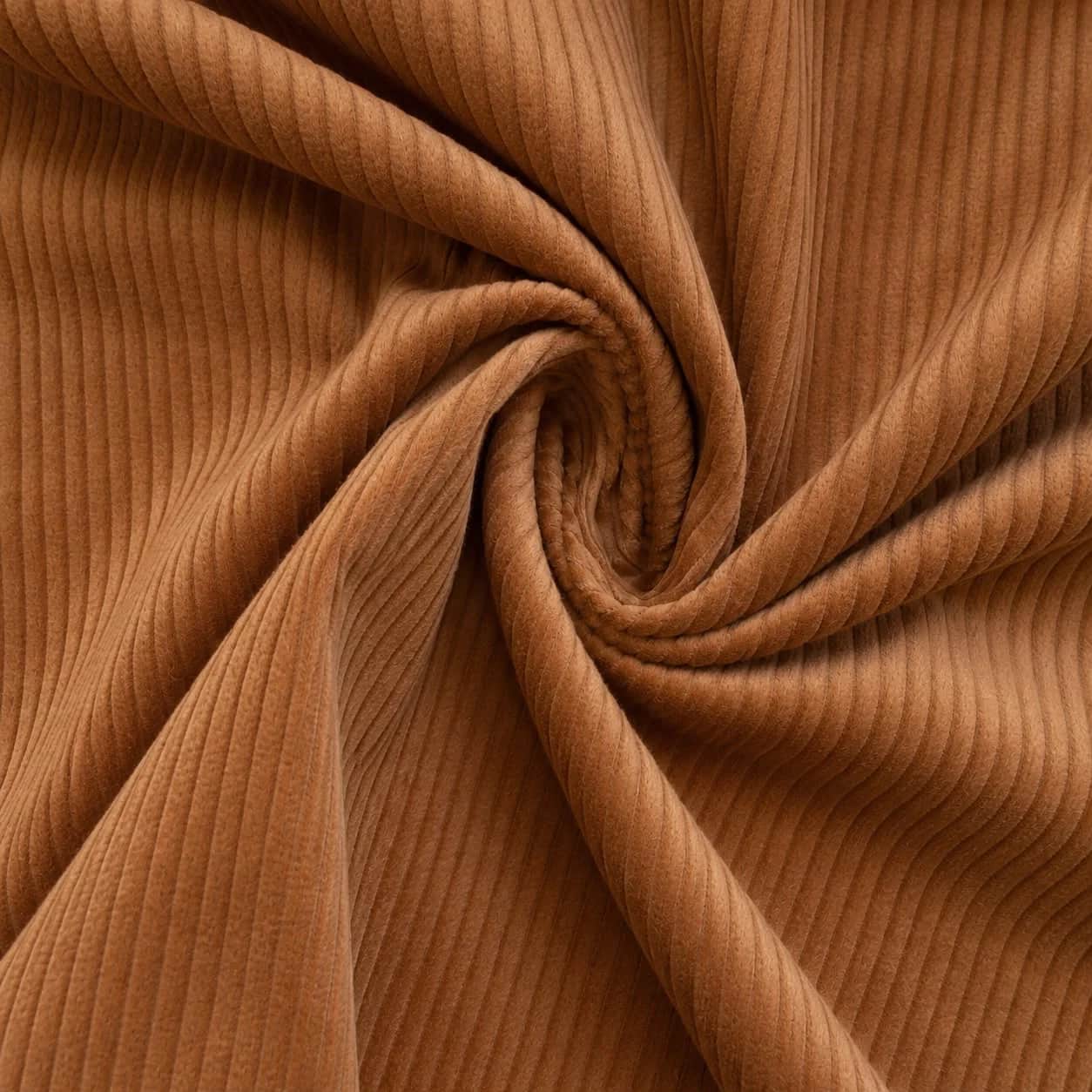
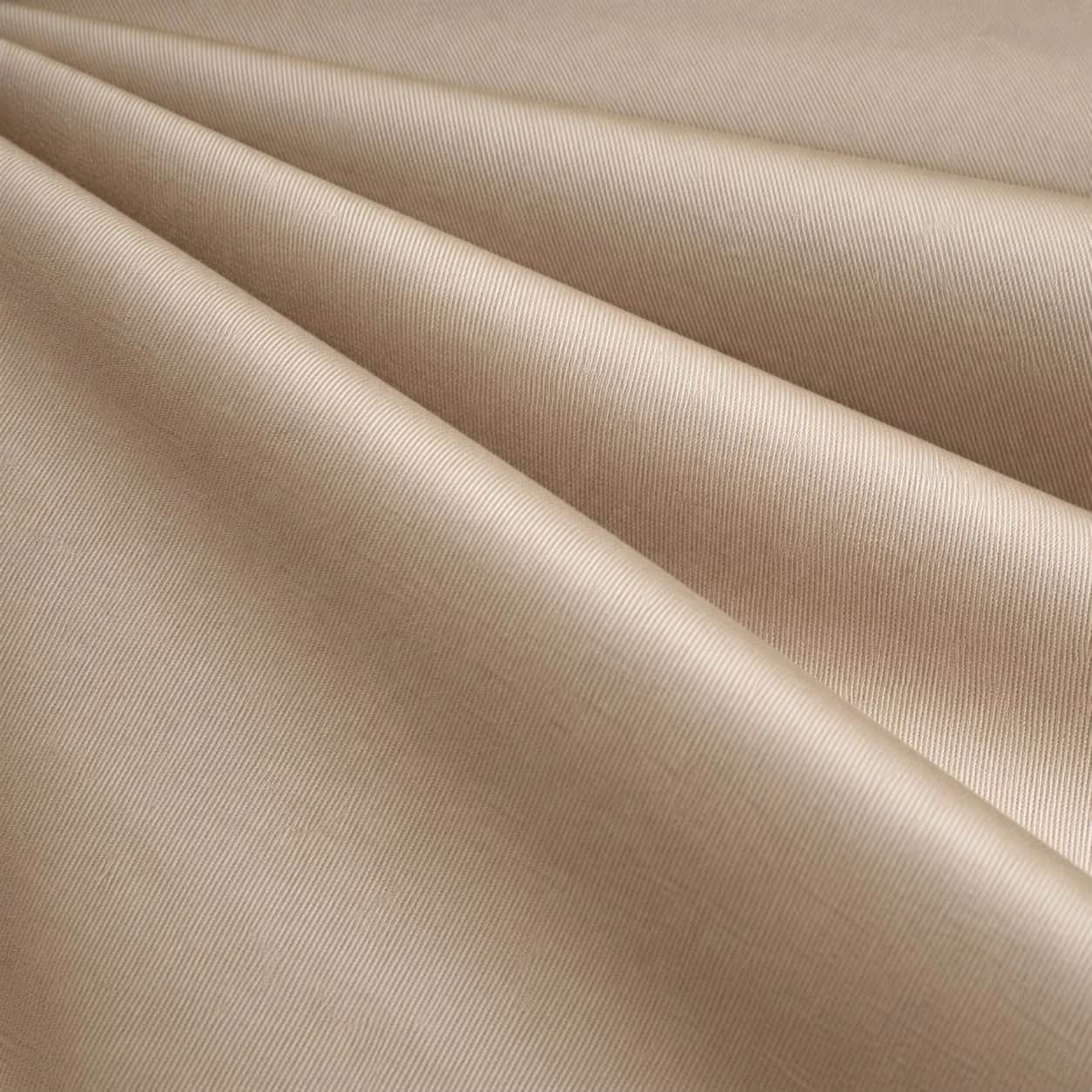
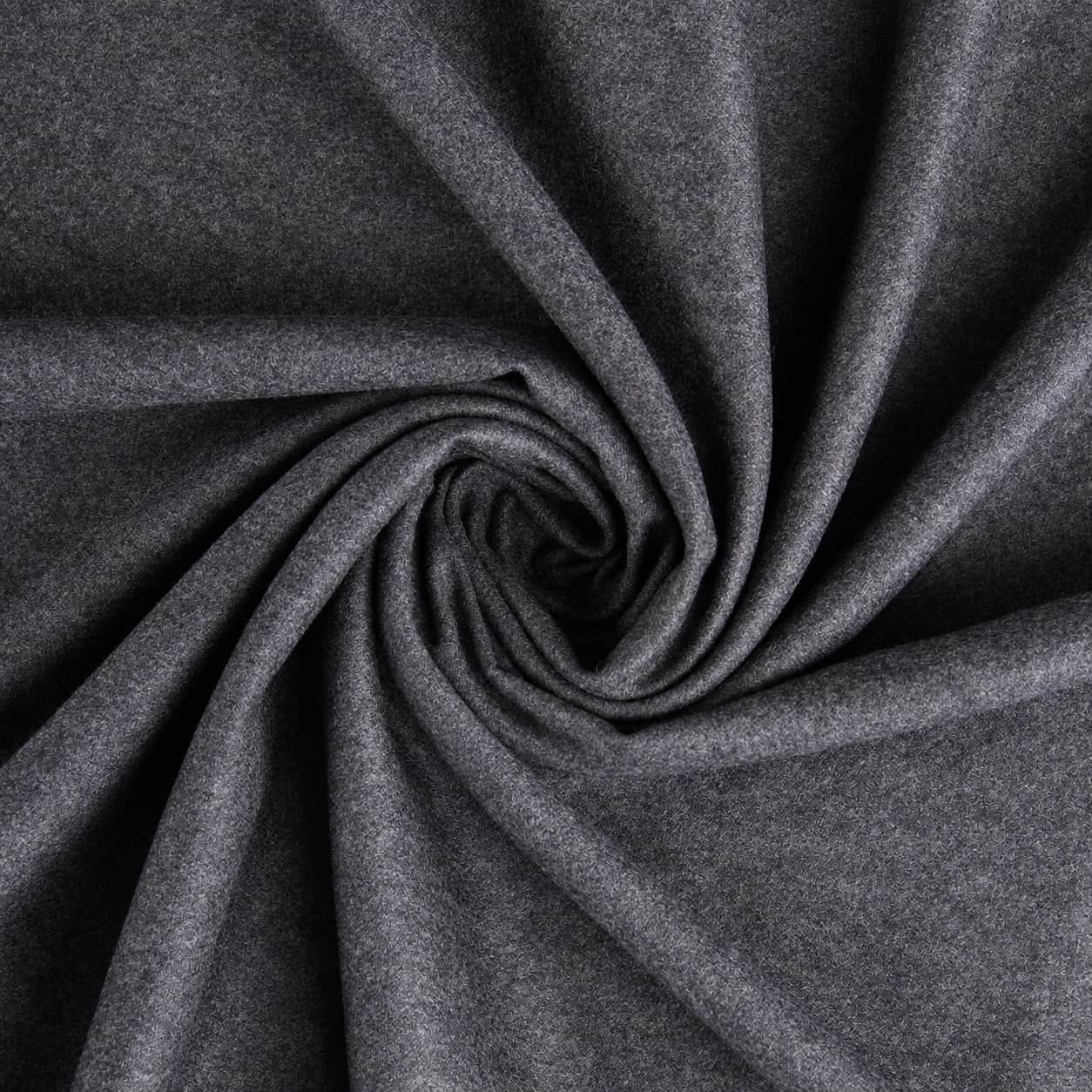

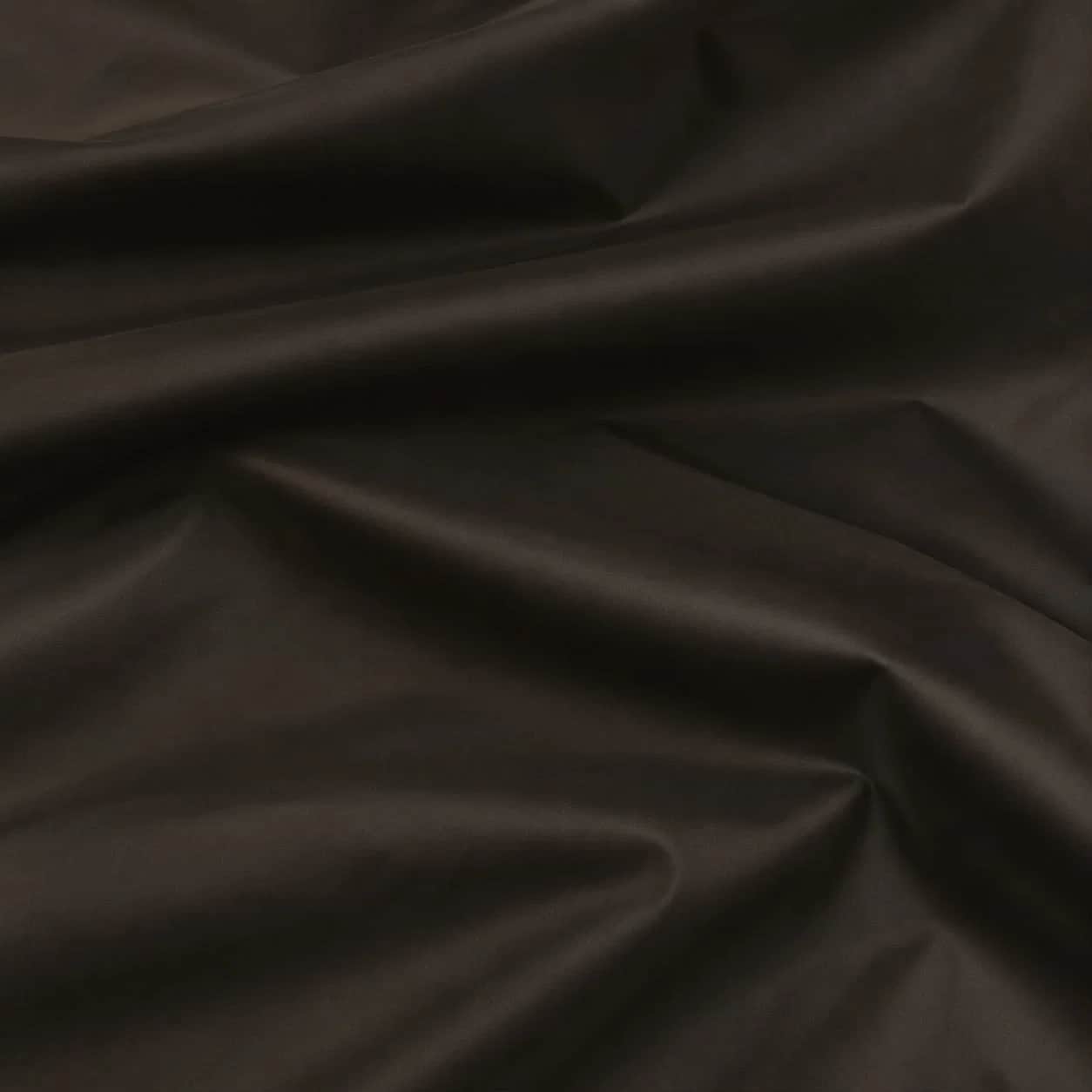
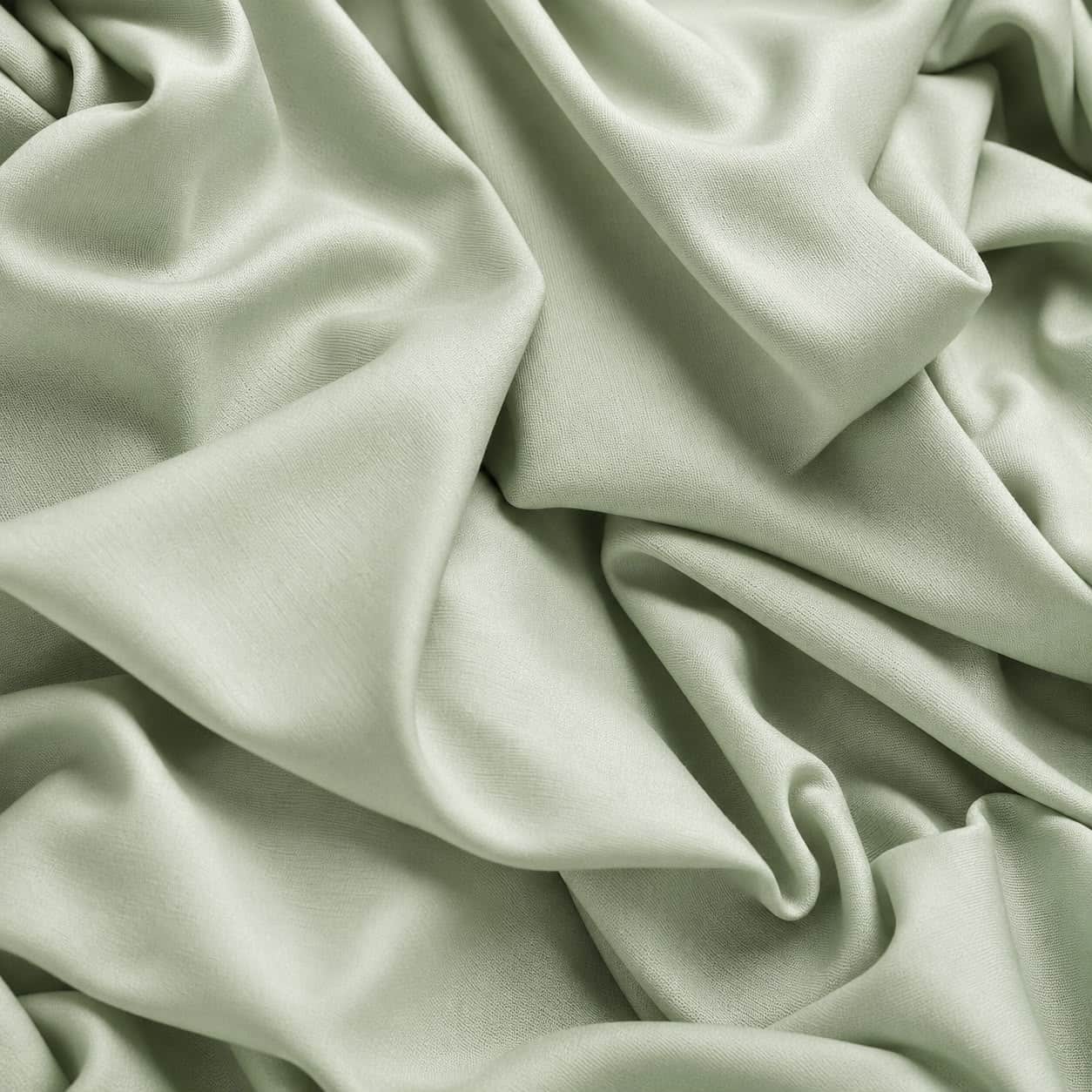
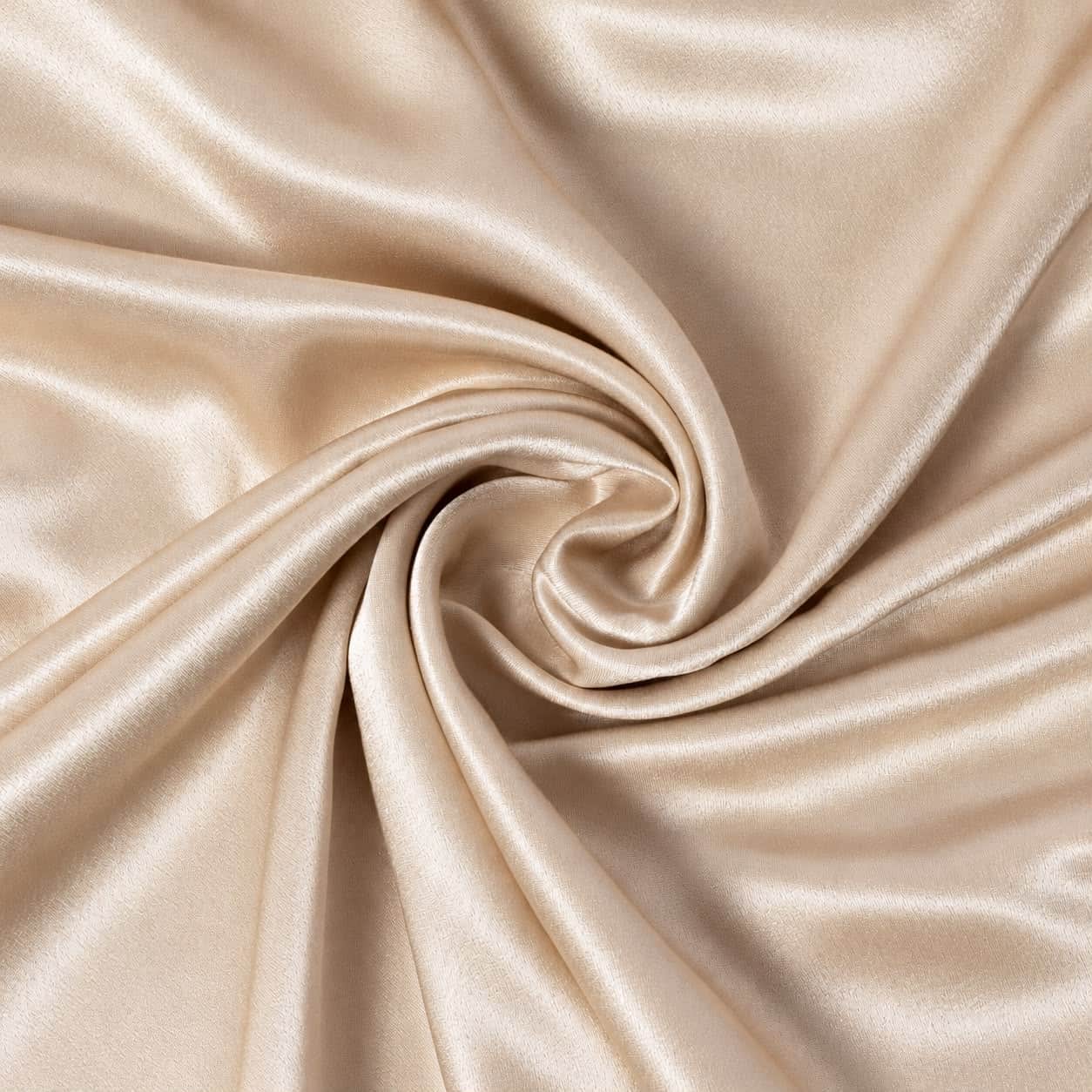
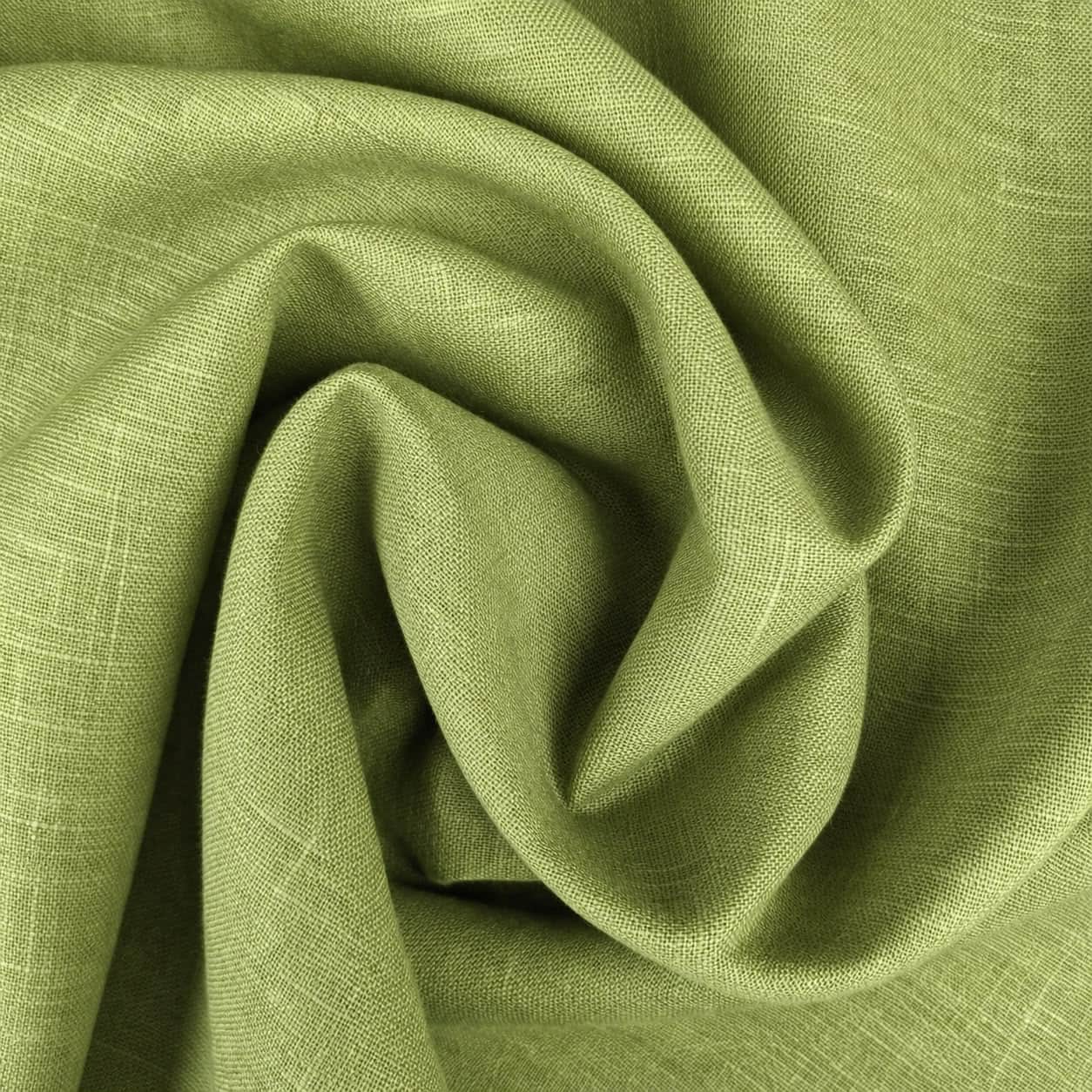
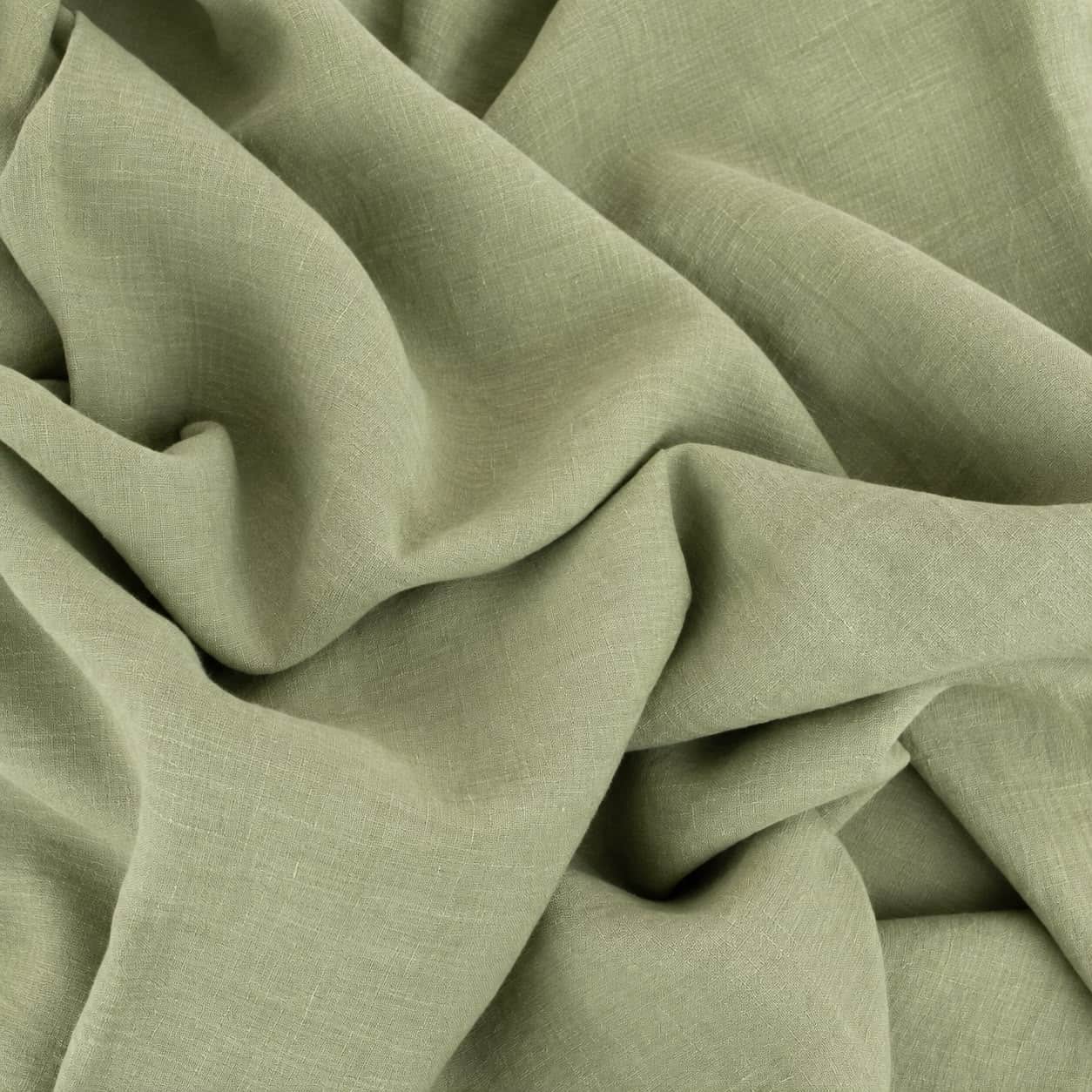
Dockers launched in 1986 with a single TV campaign that told American men it was okay to wear cotton trousers to the office. In five years the Dockers Docker was the biggest-selling trouser in the United States. In ten years, casual Friday was global. The silhouette never changed: two legs, a waistband, four pockets. The difference between a $30 chino and a $300 one is entirely in the fabric, the waistband construction, and whether anyone pressed the back crease properly.
The Chino — "The Trouser That Conquered the Office"
The word chino derives from the Spanish term for Chinese — a reference to the cotton twill that was woven in China for British and American military uniforms in the late 19th century. British troops in India wore khaki cotton trousers from the 1840s: breathable, durable, and sand-coloured enough to provide camouflage in desert conditions. By the time American forces adopted khaki cotton in the early 20th century, the military utility of the fabric was established. After World War Two, surplus military chinos entered the civilian wardrobe and became the defining casual trouser of the American GI generation.
The Ivy League collegiate adoption of the khaki chino in the 1950s gave the garment a second set of cultural associations: academia, American preppy style, and the informal register below the business suit. The chino became simultaneously working-class surplus and elite collegiate uniform — a contradiction that gave it unusual cultural range. In the 1960s and 1970s, as American casual dress expanded, the chino moved from specific cultural contexts into general circulation.
Dockers changed everything in 1986. The brand — a division of Levi Strauss & Co — launched with a television campaign explicitly positioning the cotton khaki trouser as appropriate for the business-casual office. The timing was exact: casual Friday was beginning to spread through American workplaces, and employers and employees alike were looking for permission to shed the formal suit. Dockers provided that permission and captured the resulting market with a single, clean silhouette. Within five years, the Docker had become the largest-selling trouser in the United States.
The tailored trouser has a longer history rooted in English tailoring. The formal trouser — cut in fine wool worsted, with a full canvas waistband, knee lining, and hand-finished details — predates the lounge suit. Savile Row established the specifications for the formal dress trouser in the 19th century, and those specifications have remained largely unchanged: a precisely cut seat and thigh, a flat-front or single-pleat waist, back welt pockets with knife-edge finishes, and a centre crease pressed from waistband to hem.
The contemporary market spans from $20 fast-fashion chinos to $800 Savile Row trousers, with the commercial core at $60–150 — the Uniqlo, J.Crew, COS, and Arket price point where cotton/elastane twill, clean construction, and accessible sizing dominate. Stretch has been the defining trend: 1–4% elastane in the woven fabric allows slimmer cuts without sacrificing comfort, and has become the default specification at every tier from affordable to premium.
Technical stretch trousers — in nylon or polyester four-way stretch fabrics — represent the newest category, blurring the boundary between chino and activewear. Brands including Outlier, Ministry of Supply, and Bluffworks have built entire product ranges on the proposition that a technical stretch trouser can function simultaneously as performance and office wear. The category has grown significantly since 2020 as hybrid working environments normalised more relaxed dress codes.
FAQ
Bangladesh: dominant for affordable cotton. Vietnam: strong mid-tier. Turkey: EU delivery, good stretch sourcing. Portugal: Made in Europe, premium. China: all tiers, broadest infrastructure.
6203 for men's and unisex woven trousers, 6204 for women's. Knit trousers use 6103/6104. Classification is based on woven construction regardless of fabric content.
Chinos cost between $24 and $100 per unit landed. Affordable cotton/elastane from Bangladesh: ~$24. Premium GOTS cotton canvas waistband from Turkey: ~$53. Luxury wool worsted tailored from Italy: ~$100. The Poplin Engine Trousers line runs from $8.50 CMT at affordable to $28.00 at luxury — the most accessible CMT in Family 05 woven bottoms.
Cotton twill at 200–260 GSM is the classic spec. Cotton/elastane (1–4% elastane) at 220–280 GSM is the dominant commercial spec — slimmer fit without sacrificing comfort. Cotton/poly reduces cost. Linen/cotton is appropriate for summer. Wool worsted is the dress trouser specification. Technical stretch nylon/poly is performance-adjacent.
A canvas waistband uses a structured woven canvas layer rather than heat-bonded fusible interlining. It provides shape retention without delamination risk, sits flatter against the body, and moulds over time. It adds $1.50–3.00/unit CMT. Premium standard. Fusible is adequate at affordable tier but degrades with washing.
Standard: two front diagonal slash pockets, two back welt pockets, optional coin pocket right. Back welt pocket is the most precision-intensive trouser detail — requires interlining, precise marking, and bar tacks. Patch pocket is simpler for casual register. On-seam side pockets are cleanest for dress trousers.
GOTS (Global Organic Textile Standard) certifies organic cotton with full chain of custody. It applies a ×1.23 multiplier to fabric cost in the Poplin Engine v1.0. On a cotton twill at $10/m, GOTS adds $2.30/m — making it the most impactful single certification decision in trouser fabric cost.
The seat seam is the highest-stress seam in trouser construction. Specify minimum 1.5cm seam allowance, 12–14 stitches per inch, and double-needle topstitch on the exterior. The most common affordable-tier trouser failure is seat seam splitting — always include a seat seam stress test in the QC protocol.
1.60–2.10m for straight/relaxed at size M, mid figure 1.85m (Poplin Engine v1.0). Wide-leg: 1.90–2.50m mid 2.20m. Size scaling: XS −5%, S −10%, M Base, L +5%, XL +10%, XXL +15%.
A half-lining in Bemberg or cupro applied from waistband to below the knee on fine wool trousers. Reduces knee bagging, protects wool, and improves comfort. Standard at luxury tier. An optional premium upgrade.
18–20mm flat button. Resin at affordable. Corozo or horn at premium and luxury. Specify shank type and thread colour matched to fabric.
A chino is cotton twill with a curtain waistband and slash pockets for casual to business-casual. A tailored trouser uses finer fabric, canvas waistband, back welt pockets with knife edges, and often a knee lining — for formal and dress contexts. Same CMT line in the Poplin Engine; the complex rate applies to tailored construction.