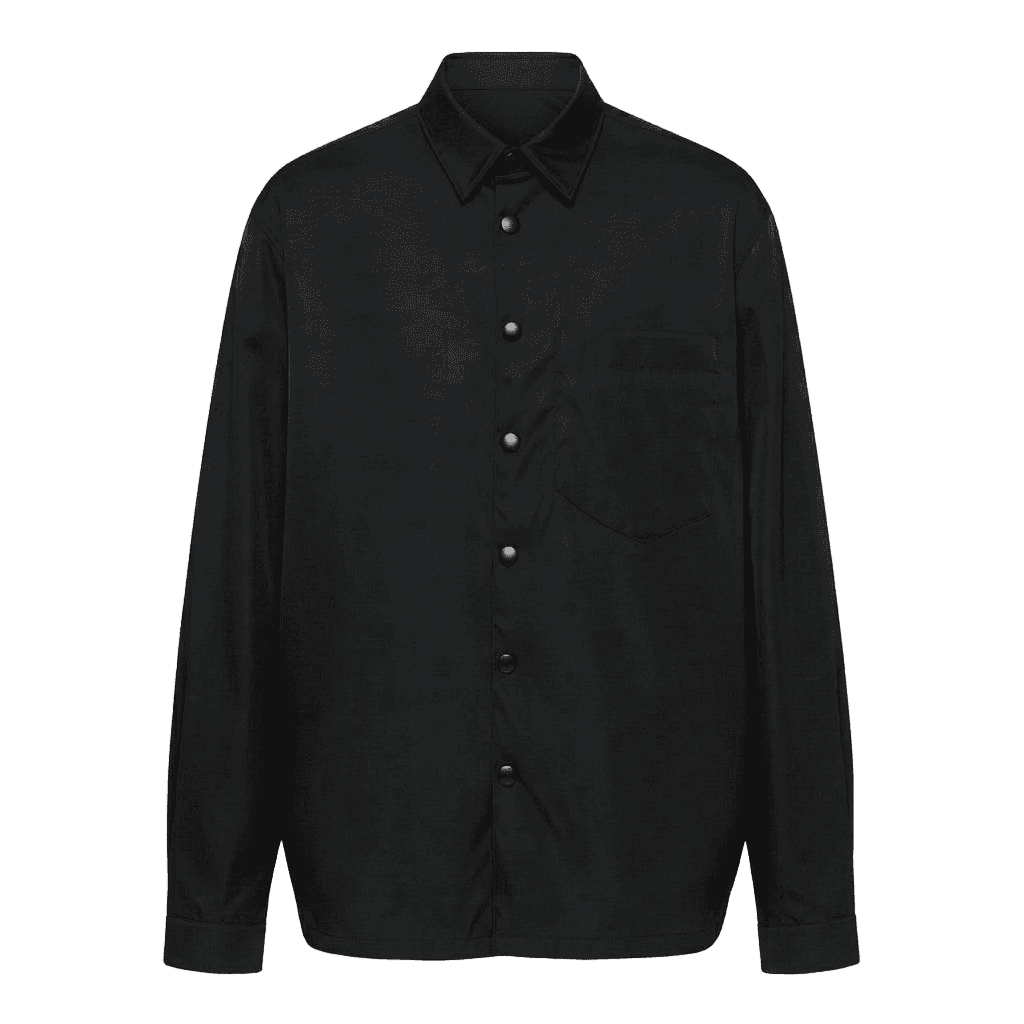
Track pants
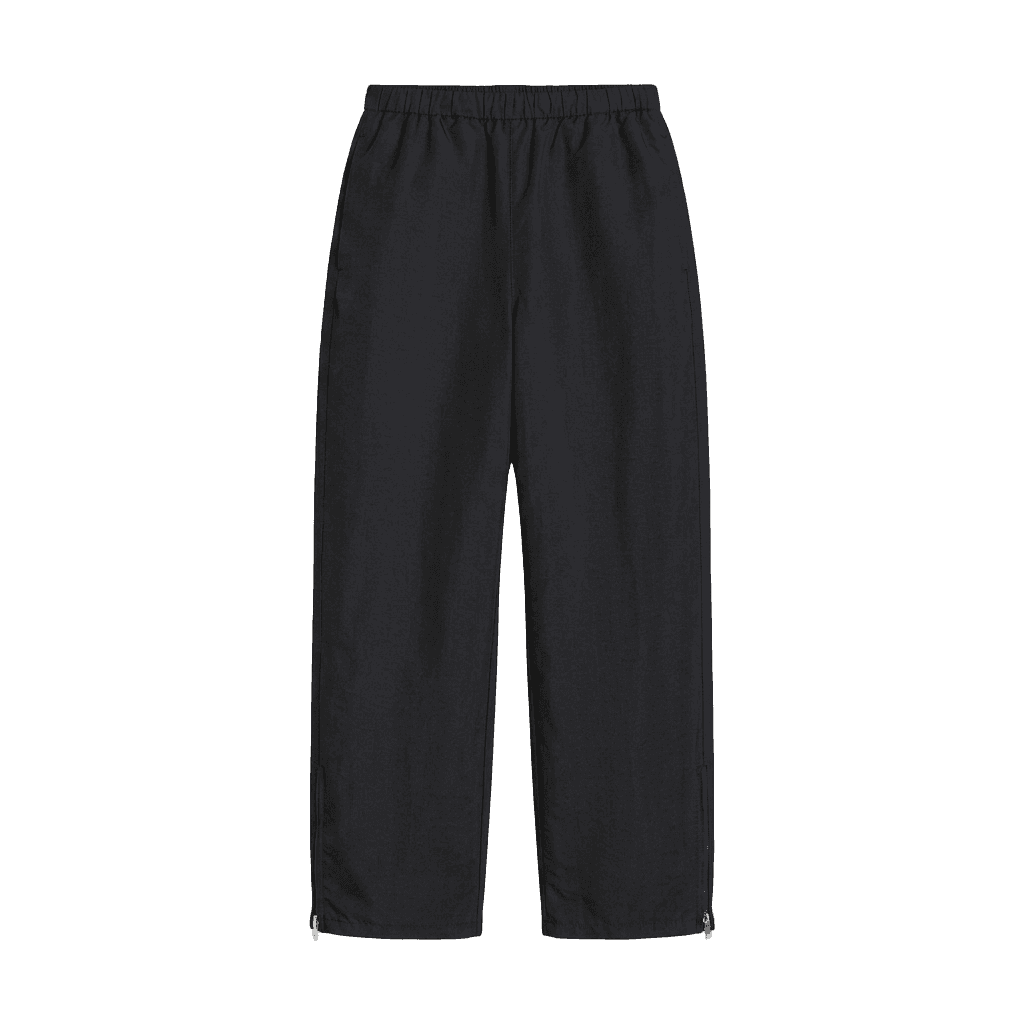
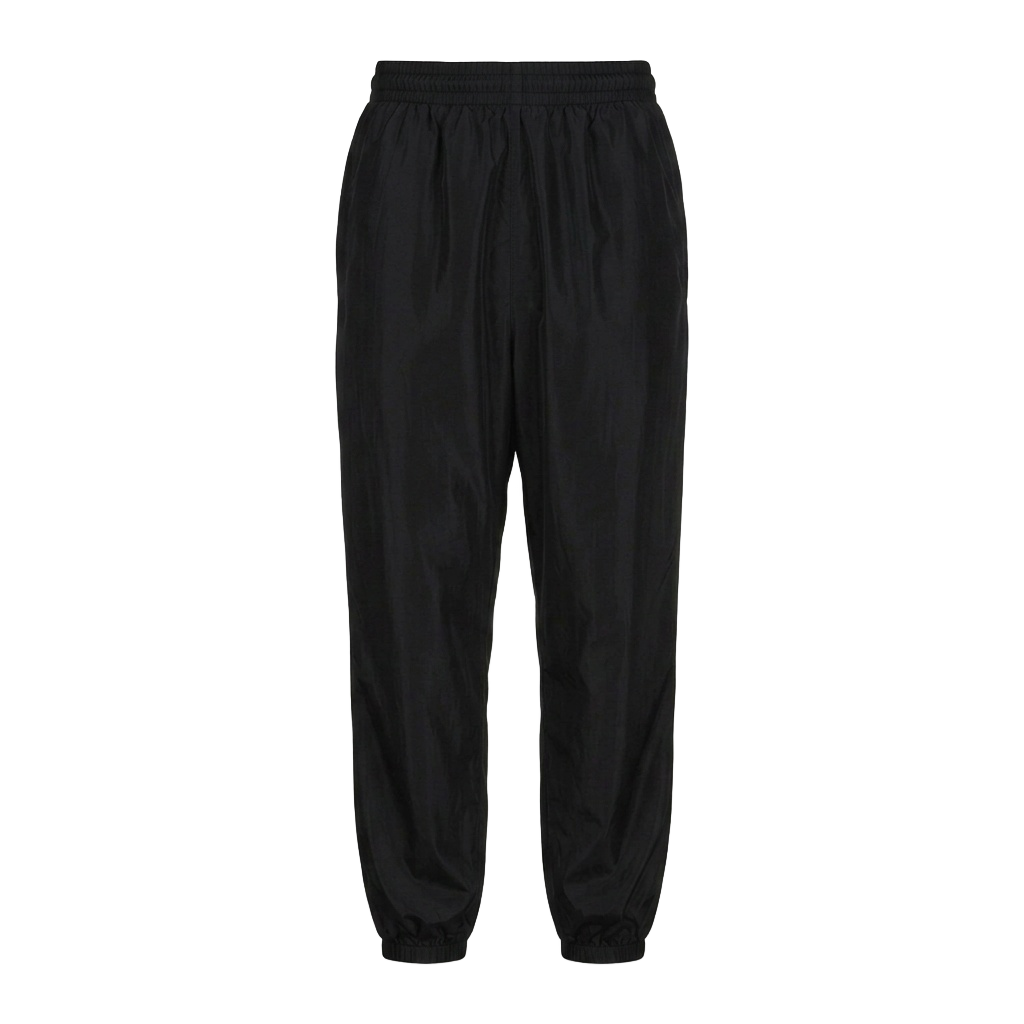
These black track pants have a relaxed cut through the seat and thigh that tapers toward the ankle, creating a gently narrowed leg line. The regular-length legs end in gathered elasticated cuffs, while the waistband is elasticated with an internal flat woven drawcord. Standard front and back leg panels keep the shape clean and uninterrupted.
The same factories that produce for houses like Celine and Balenciaga can produce this piece, directly to you
GABI
Make it yours
Material gradeMOQ 50
Colour
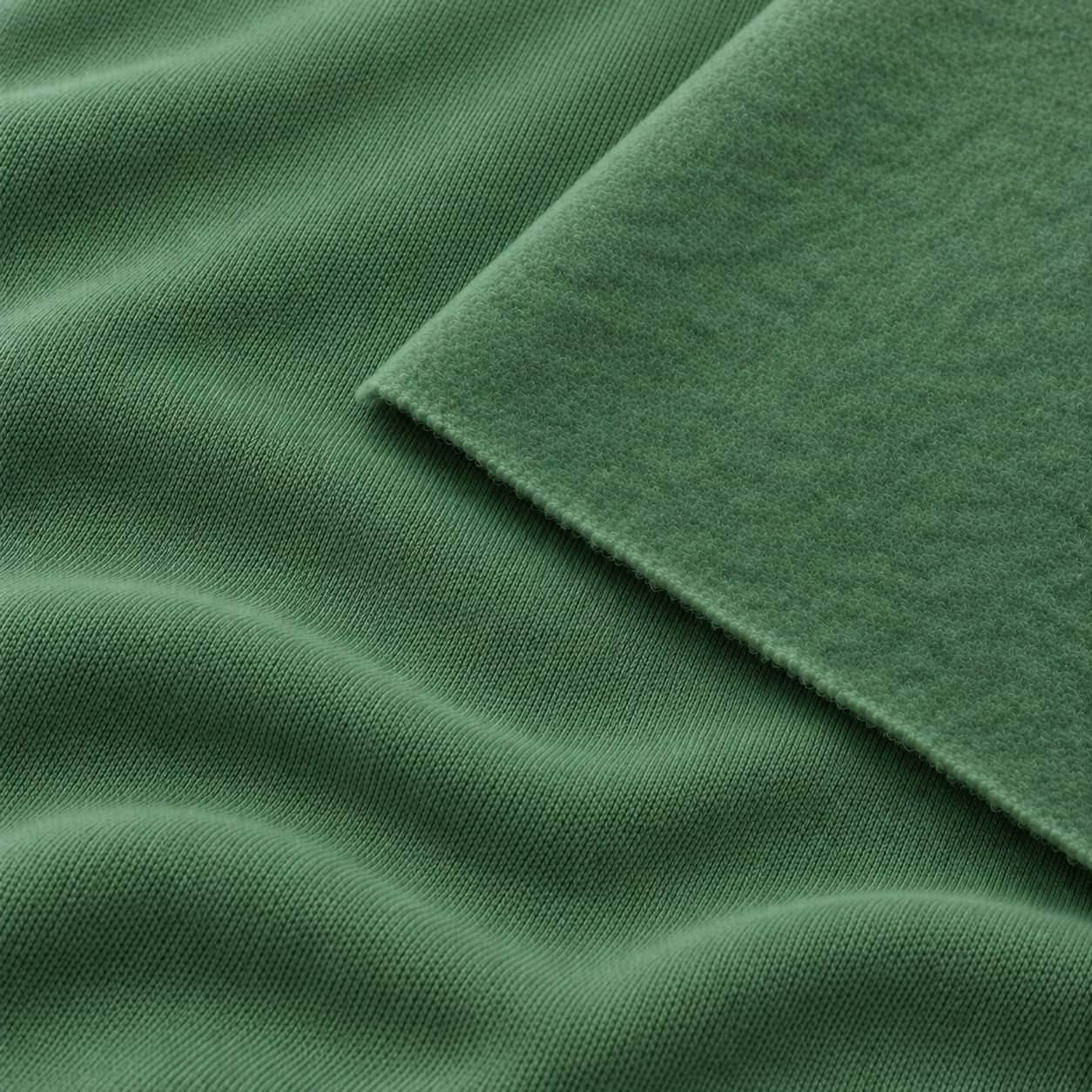
- Main Fabric: 100% Cotton, 340gsm
- Pocket Bags: 100% Recycled Polyester
- Machine wash at 30°C on a gentle cycle
- Do not bleach
- Tumble dry on low heat
- Iron on a low setting
A guide based on the garment’s materials — always follow the care label on the item itself.
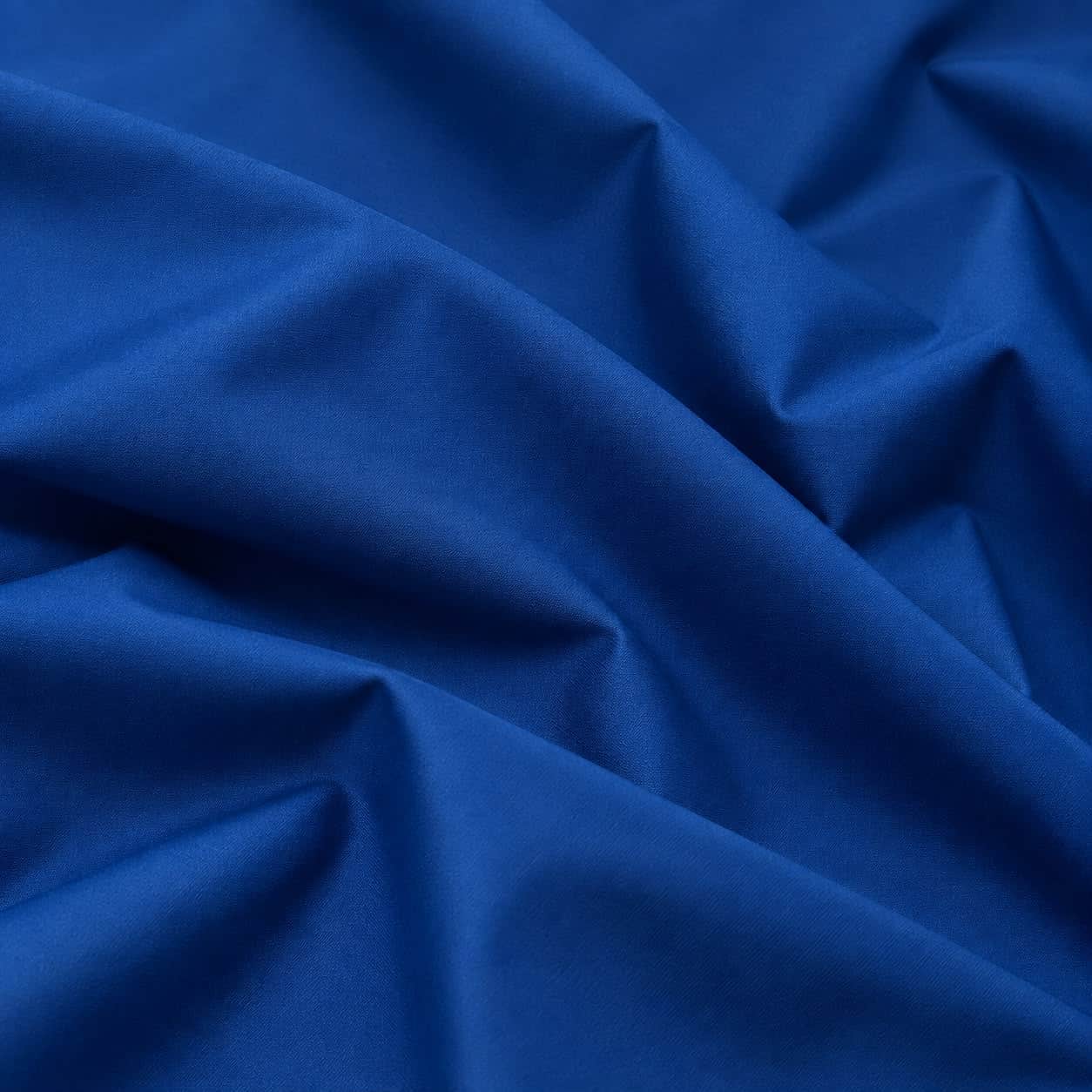
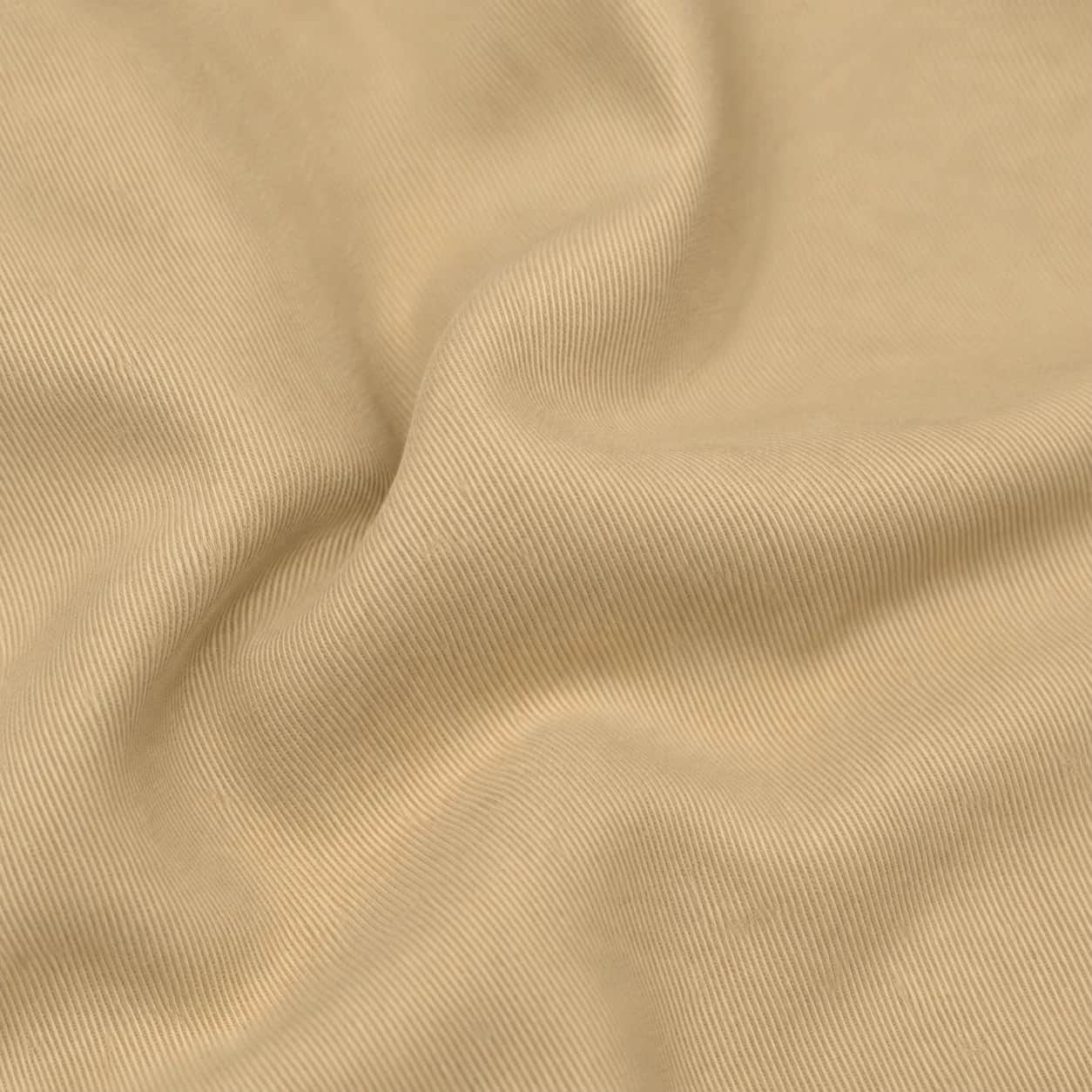
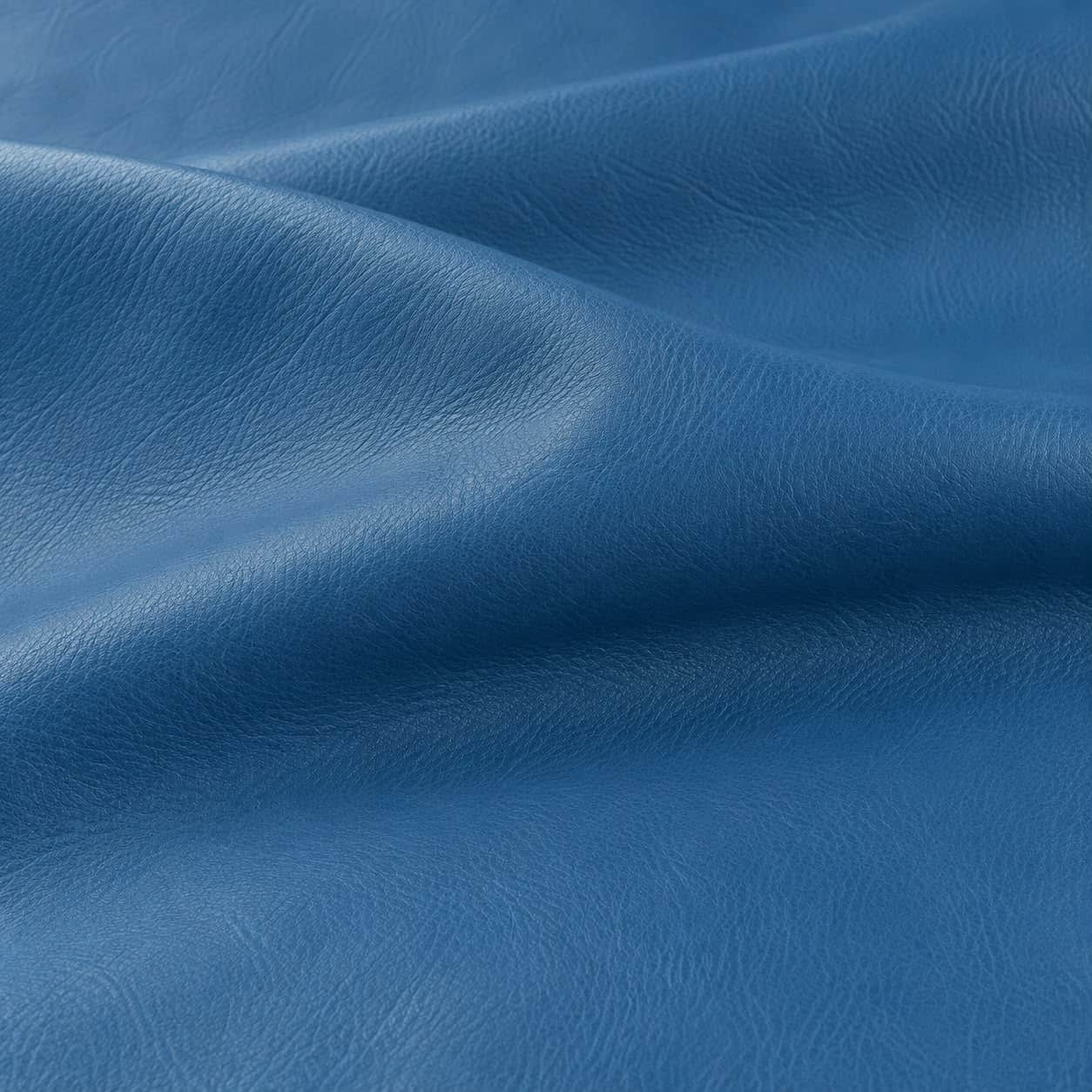
Fabrics
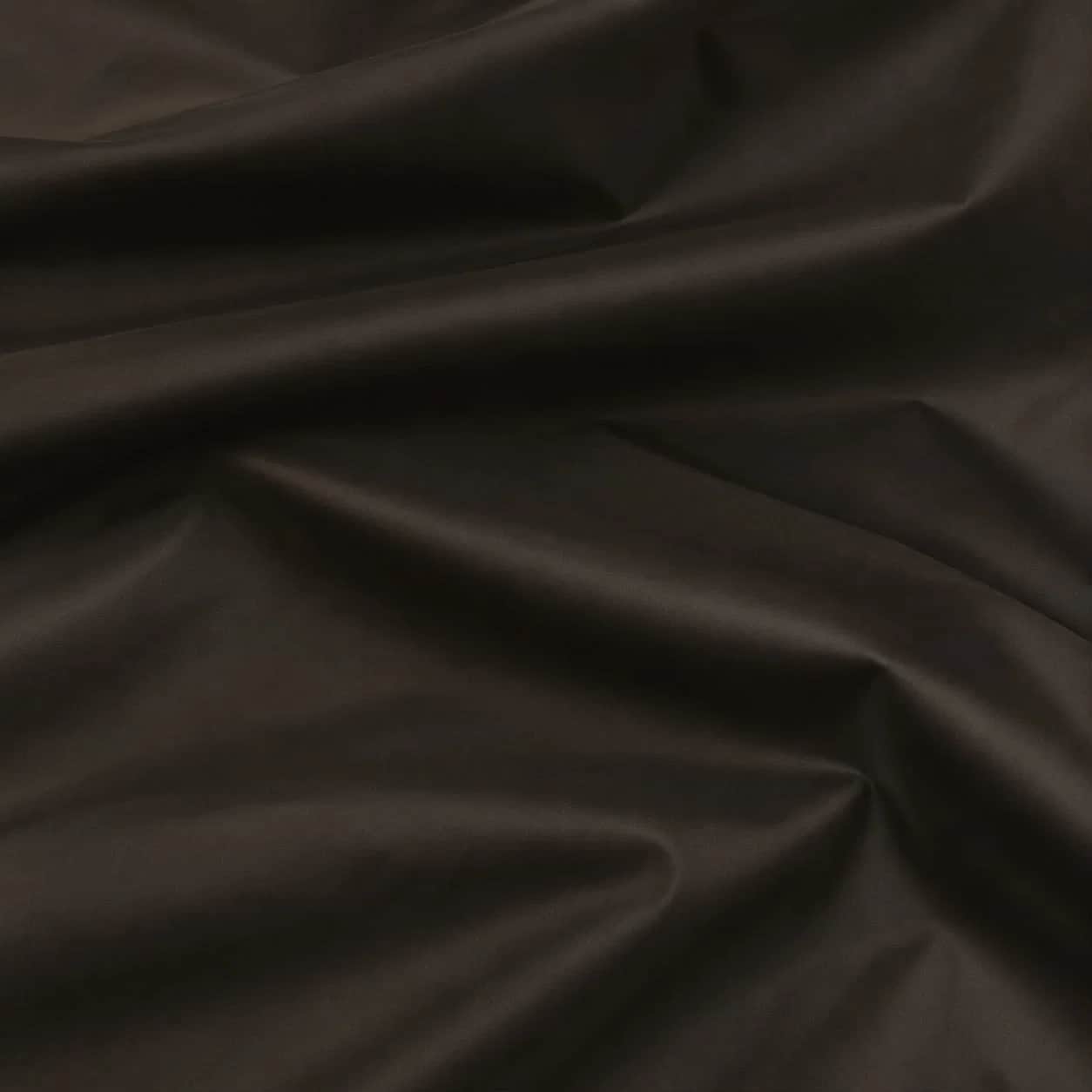

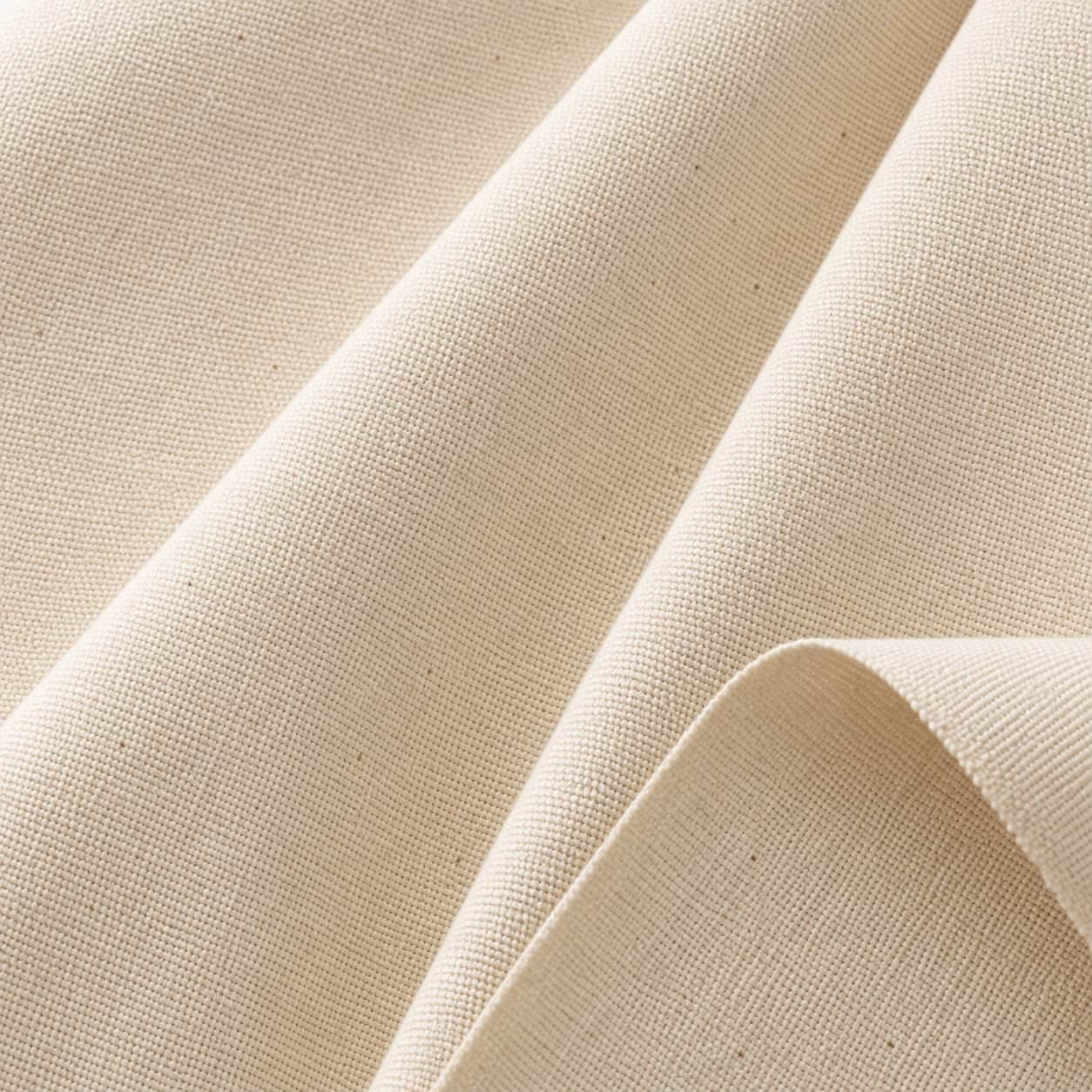
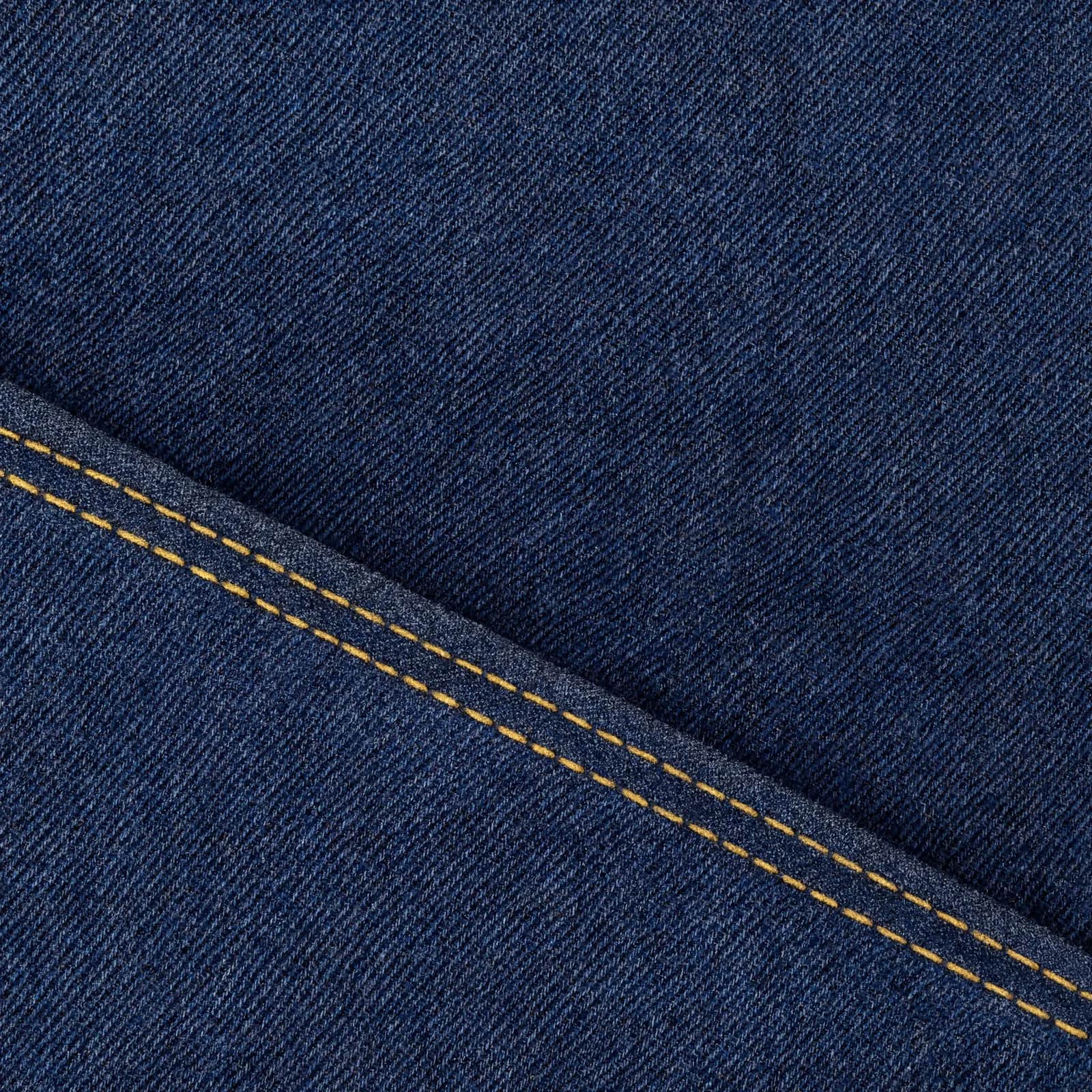
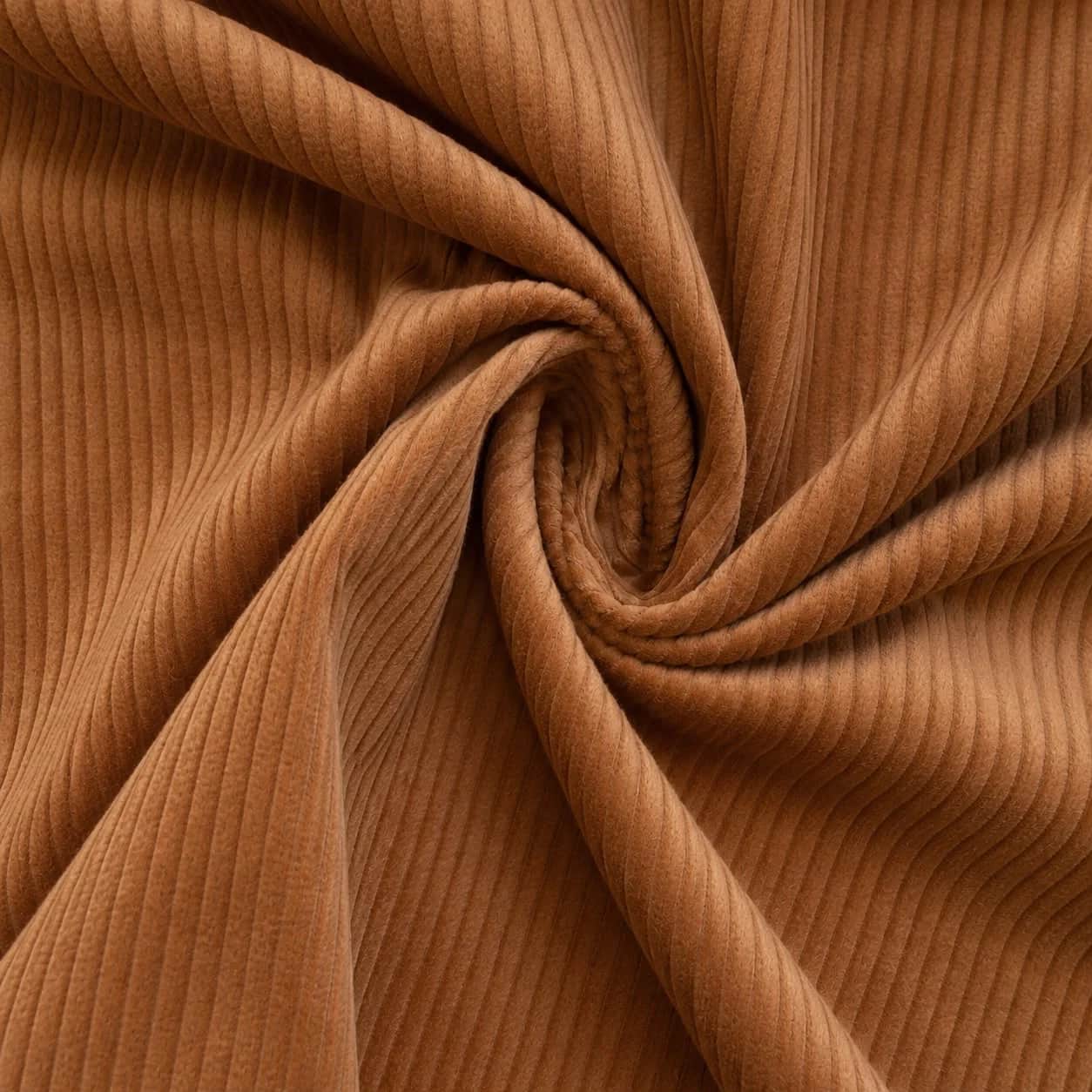
They were designed to break world records. Not to lounge in. Not to go viral in. Not to sell for $400 at Balenciaga. In 1920, a French designer named Émile Camuset made the first sweatpants for Olympic runners. A century later, they're on every runway, every Zoom call, every street corner on earth. From the track to the trend — the most unlikely fashion revolution in history.
The Story of Sweatpants — "From the Track to the Trend"
Did you know the sweatpants you wear today were designed not for lounging — but for breaking world records? In the 1920s, French designer Émile Camuset, founder of Le Coq Sportif, created the first sweatpants for runners and Olympians. Made from soft cotton jersey instead of stiff wool, they let athletes move freely — speed, comfort, and flexibility for the first time. It was performance before style.
By the 1930s, American universities picked up the trend. Teams started printing school logos on sweatshirts and matching pants — the birth of the college sweat set. It wasn't just training wear anymore — it was pride, belonging, identity.
Fast-forward to the 1980s — hip-hop crews and break-dancers turned sweats into street culture. Baggy, rhythmic, and fearless — they made comfort cool. And by the 1990s, brands like Champion and Nike turned them into global icons.
Then came 2020 — and the world stayed home. Video calls on top, sweatpants on the bottom. Loungewear sales jumped by over 80%. Sweatpants became the new suit — the uniform of comfort, calm, and survival.
Even luxury fashion caught on. Balenciaga, Gucci, PANGAIA and Fear of God sent sweatpants down runways — proving that cozy could also be couture. From Olympic tracks to college halls, from street corners to Zoom calls — sweatpants have come a long way. Born to move, evolved to live.
FAQ
Sweatpants cost between $27 and $50 per unit landed, depending on material tier and factory region. A standard conventional cotton fleece jogger at 300 units from China lands at approximately $27–$33 per unit, including fabric, CMT, trims, finishing, freight, and duties. Premium sweatpants using GOTS-certified organic cotton from Turkey land at $44–$55 per unit at the same volume.
The best fabric for sweatpants manufacturing is 280–340 GSM combed ring-spun cotton fleece or French terry with anti-pill treatment. Anti-pill is non-negotiable for sweatpants due to the high friction at the inner thigh. Cotton/polyester blends should only be used when price is the absolute priority — they pill significantly faster and have a shorter useful life.
Standard sweatpants should be 260–320 GSM for everyday wear, 220–260 GSM for lightweight or summer styles, and 340–440 GSM for premium heavyweight streetwear. Below 250 GSM at the inner thigh produces unacceptable pilling within 10 wears regardless of anti-pill treatment.
Joggers have a tapered leg and ribbed ankle cuff — the standard construction for most streetwear sweatpants. Straight-leg sweatpants omit the taper and replace the rib cuff with an open hem finish. Both share the same CMT range ($6.50–$10.00 affordable), with joggers adding $0.50–$1.00 for cuff attachment. Straight-leg requires more precise grain-line cutting to avoid leg twist after washing.
The minimum order quantity for sweatpants is typically 300 to 500 units per colourway at standard factories, with smaller runs of 50 to 100 units accessible through Sparkit. Blank jersey bottoms can be sampled from 12 units minimum.
Sweatpants manufacturing takes between 30 and 96 days from order to delivery. China is fastest for sampling at 5 to 7 days; full production plus sea freight to the UK totals 58 to 84 days. Turkey offers the fastest European delivery at 30 to 50 days total.
Prevent drawstring pull-through by specifying an anchor stitch at the centre back of the waistband tunnel in your tech pack. Without this stitch, the cord retracts fully into the tunnel — one of the most common sweatpants production failures. Also specify tunnel width to match cord diameter plus 4–6mm clearance.
Inner thigh pilling is caused by high friction between the legs during normal movement, amplified by short-staple cotton or polyester content and the absence of anti-pill finish. Prevent it by specifying anti-pill treatment ($0.55/m), using combed ring-spun or long-staple cotton, and specifying a flatlock inseam which distributes friction over a wider seam area.
Luxury sweatpants use 360–440 GSM long-staple Pima or Egyptian cotton with anti-pill, silicone softener, enzyme wash, and often garment dyeing, plus flatlock inseam construction and premium waistband components. High street versions use 220–260 GSM CVC blends with no finishing, overlock inseam, and standard elastic. The crotch construction and waistband quality are the most immediately visible difference.
Adding a diamond crotch gusset is recommended for active and performance sweatpants but is optional for fashion and lifestyle styles. A gusset increases range of motion, distributes stress at the crotch point, and significantly reduces the risk of crotch seam failure under repeated wear. It adds approximately $0.50–$0.80 per unit in CMT and 0.05m in fabric consumption.
Yes, regenerative cotton is the strongest sustainability credential available and performs identically to conventional cotton in weight, handle, and durability. Sweatpants — as high-wear, high-consideration garments in a creator's matching set — are an excellent vehicle for communicating regenerative credentials at a retail price of $150–$220.
CMT stands for Cut, Make, and Trim — the core labour cost covering cutting all panels, sewing them together, and attaching all trims including drawstring, labels, and ribbed cuffs. For a standard jogger, CMT ranges from $7.00 to $10.00 per unit at affordable tier in China or Vietnam, up to $20.00 to $32.00 at luxury tier in Portugal or Turkey.