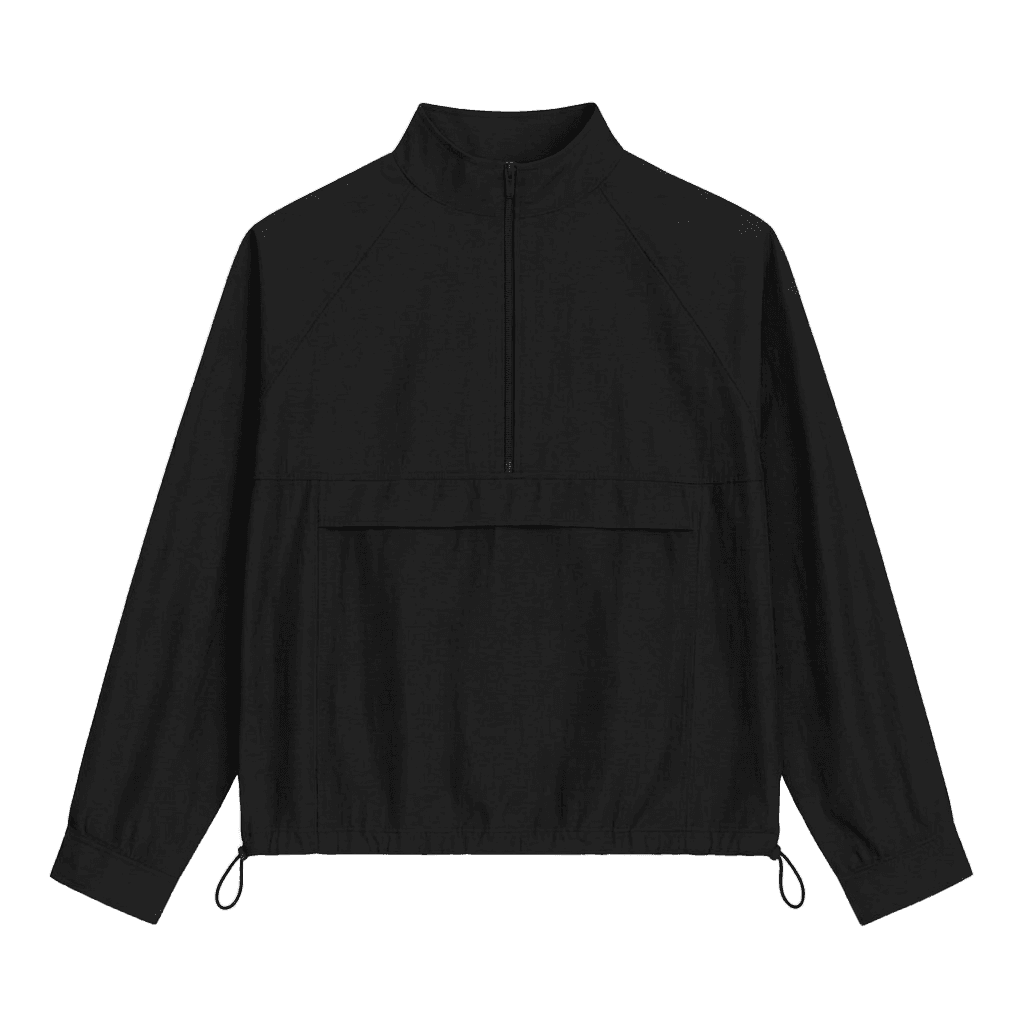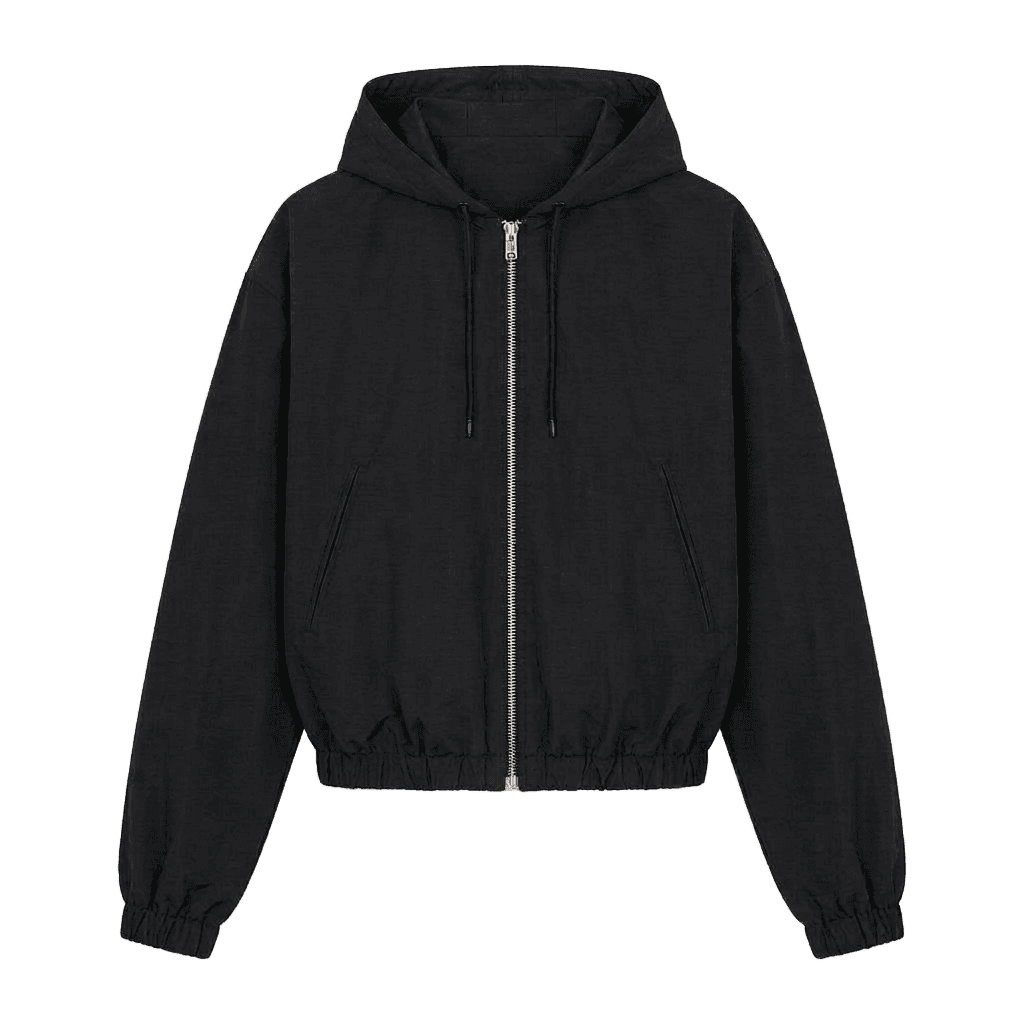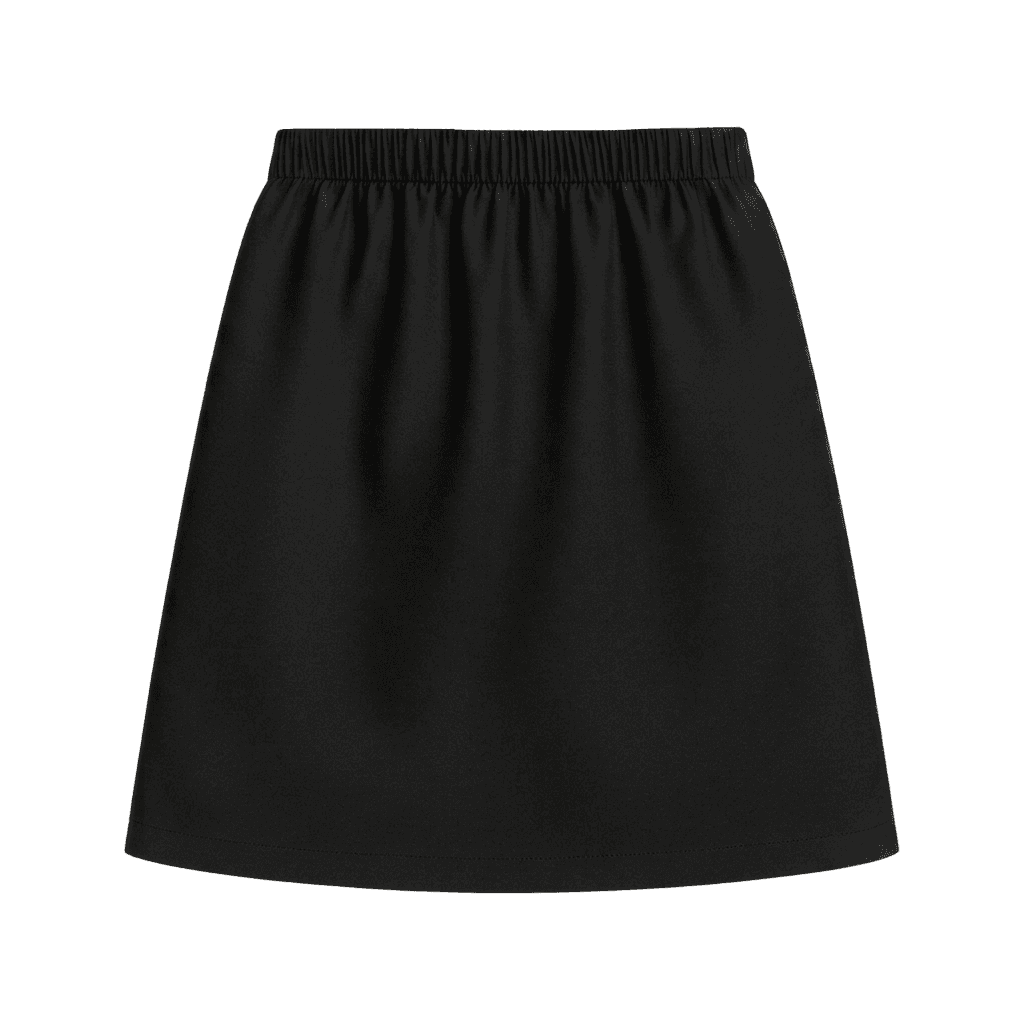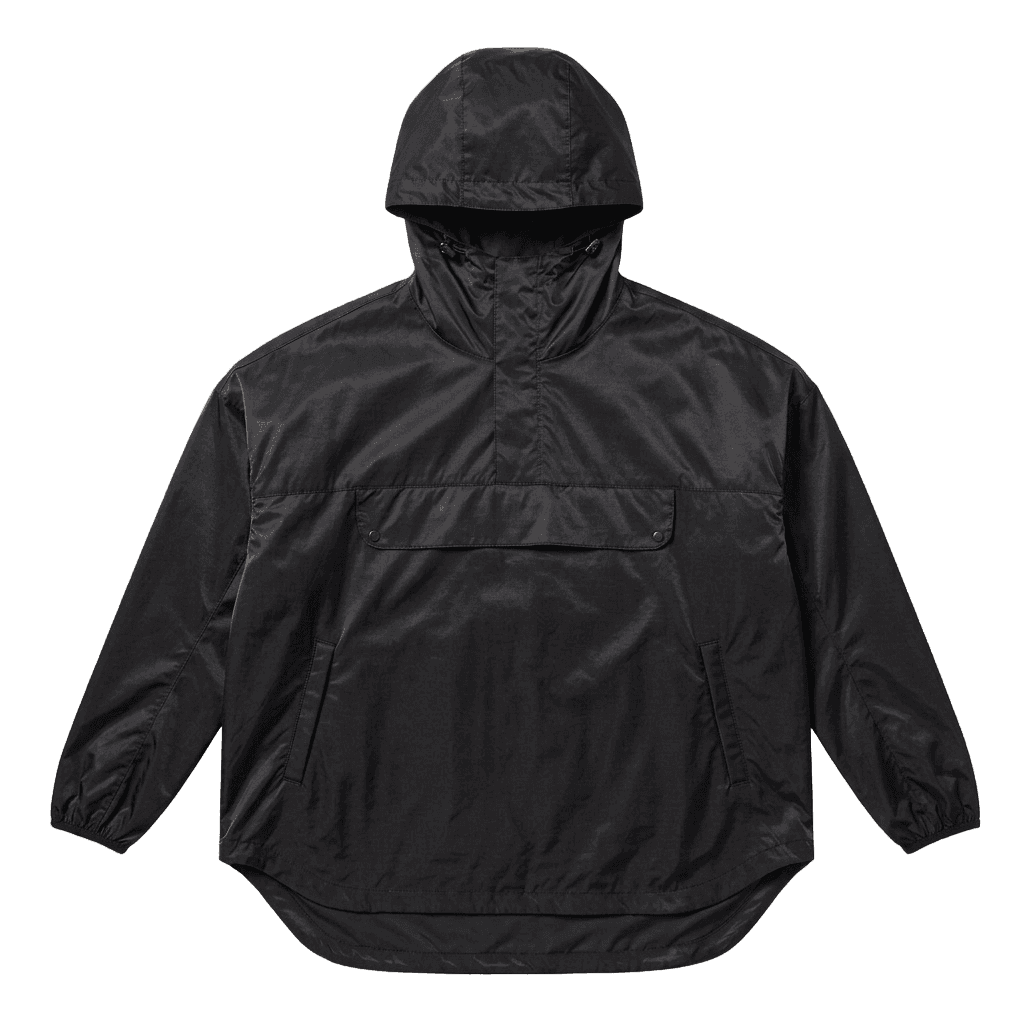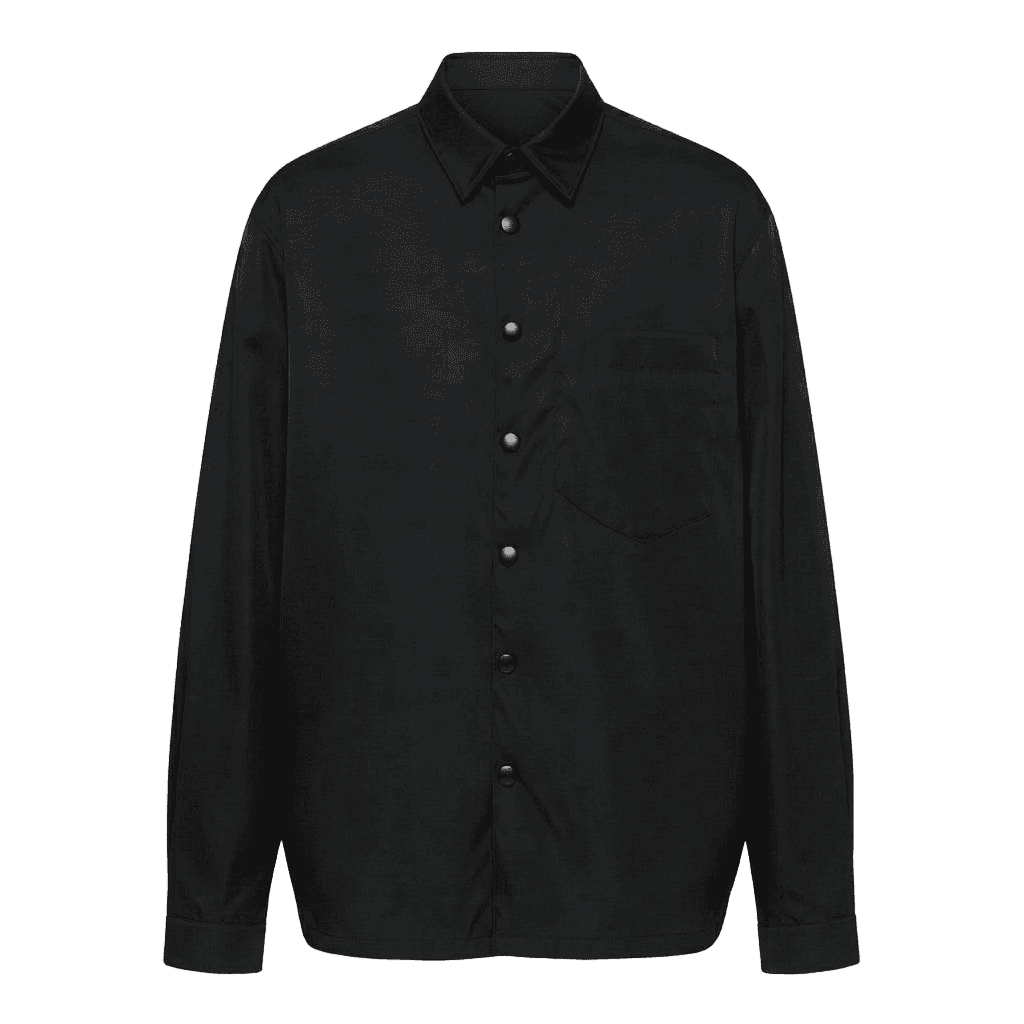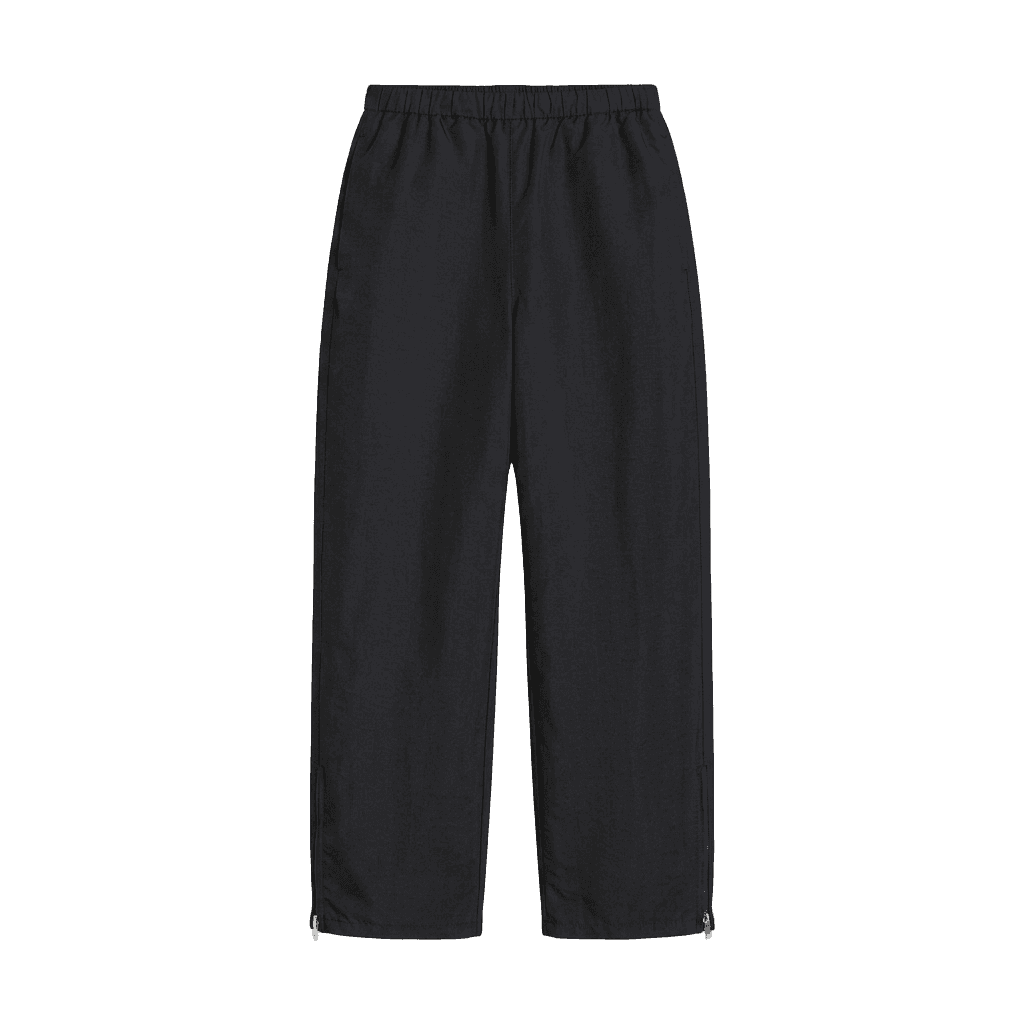
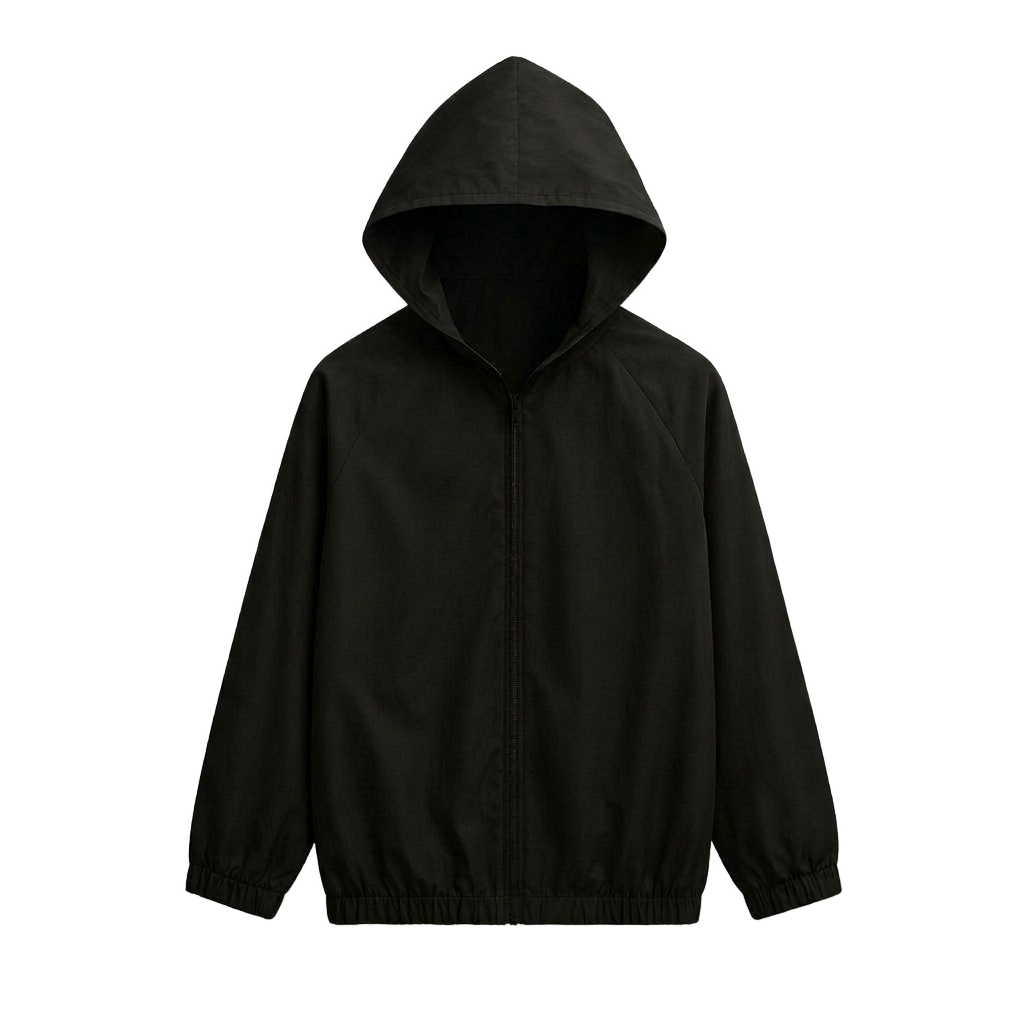
Minimalist Matte Black Hooded Utility Jacket
A regular-fit zip-up jacket with a straight body and regular length, distinguished by raglan sleeves that run from the attached three-piece hood to the cuffs. The hood forms a rounded shape above a center front zipper, while encased elastic gathers the cuffs and straight hem. It sits with a relaxed, straight drape on the body in matte black.
The same factories that produce for houses like Celine and Balenciaga can produce this piece, directly to you
GABI
Make it yours
Material gradeMOQ 50
Colour
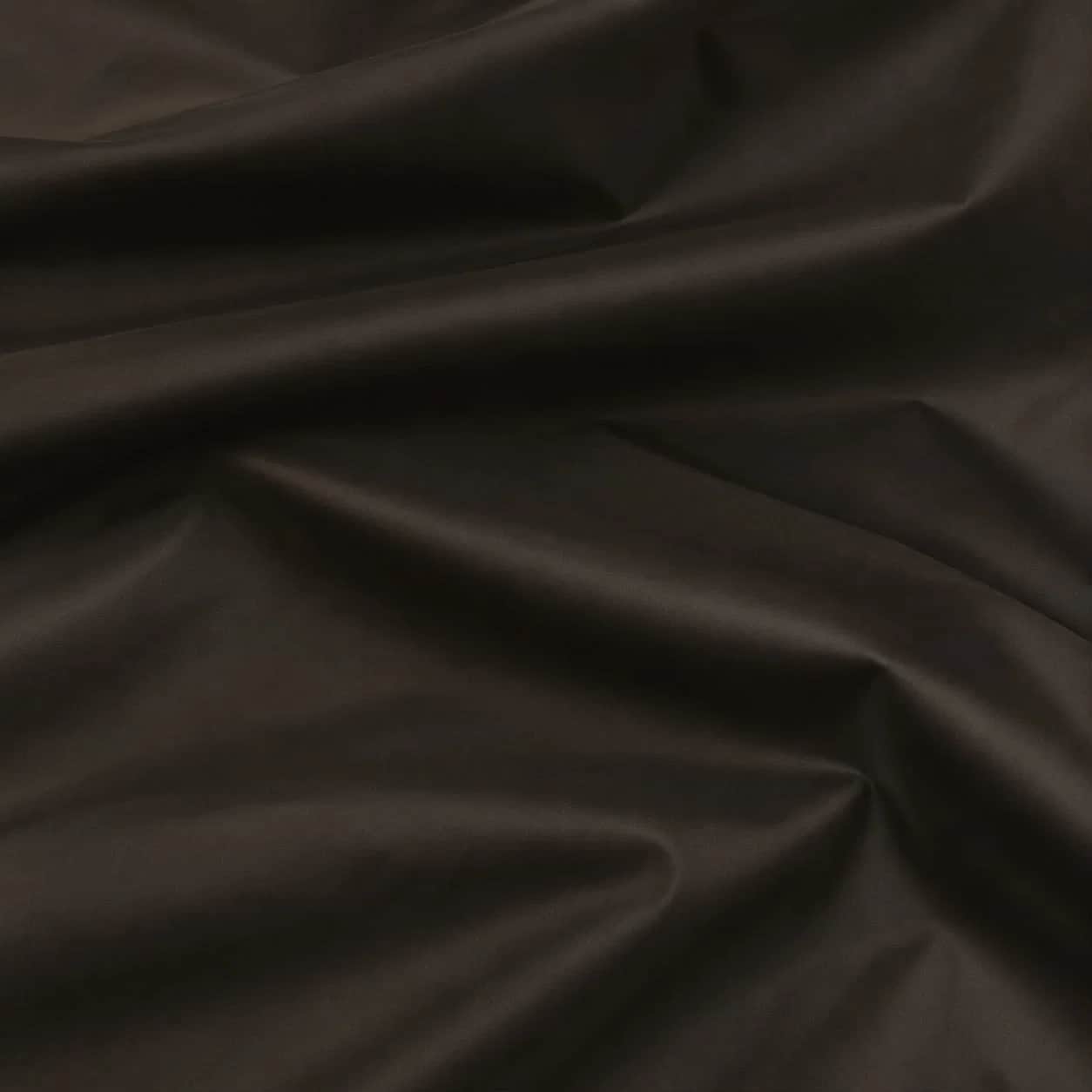
- Main Fabric: 100% Recycled Nylon, 120gsm
- Pocket Bag: 100% Recycled Polyester
- Machine wash at 30°C on a gentle cycle
- Do not bleach
- Tumble dry on low heat
- Iron on a low setting
- Fasten zips and hardware before washing
A guide based on the garment’s materials — always follow the care label on the item itself.
Fabrics

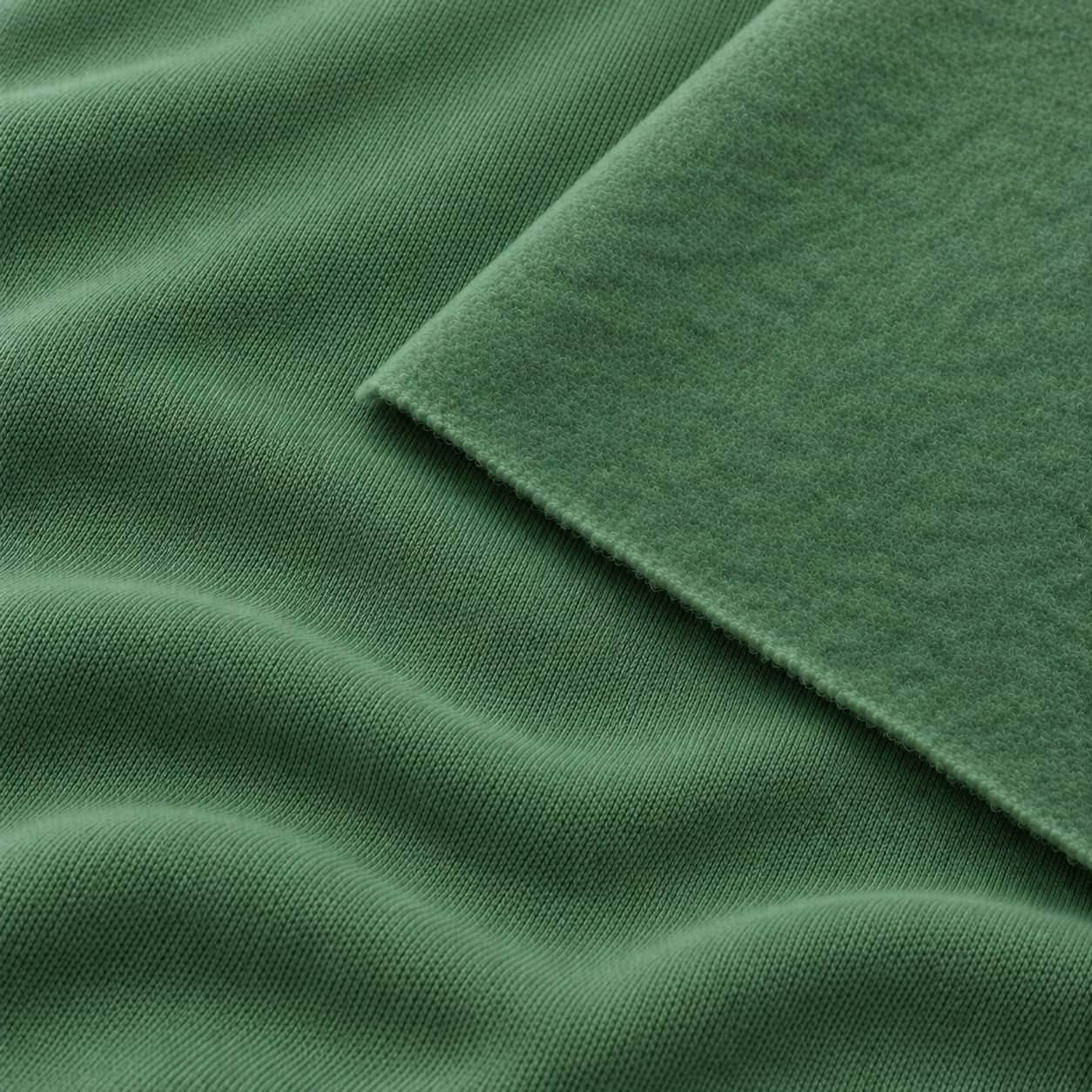
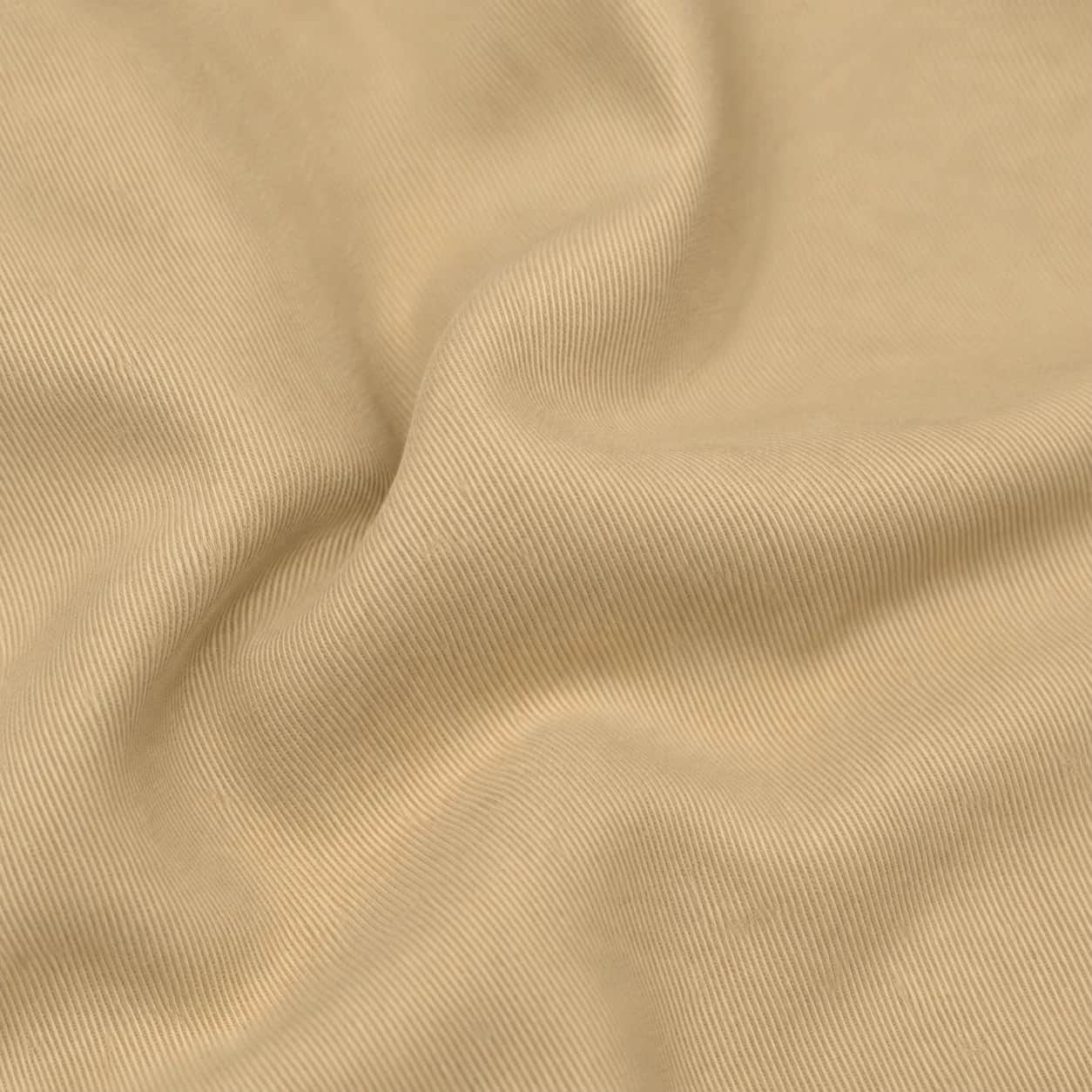
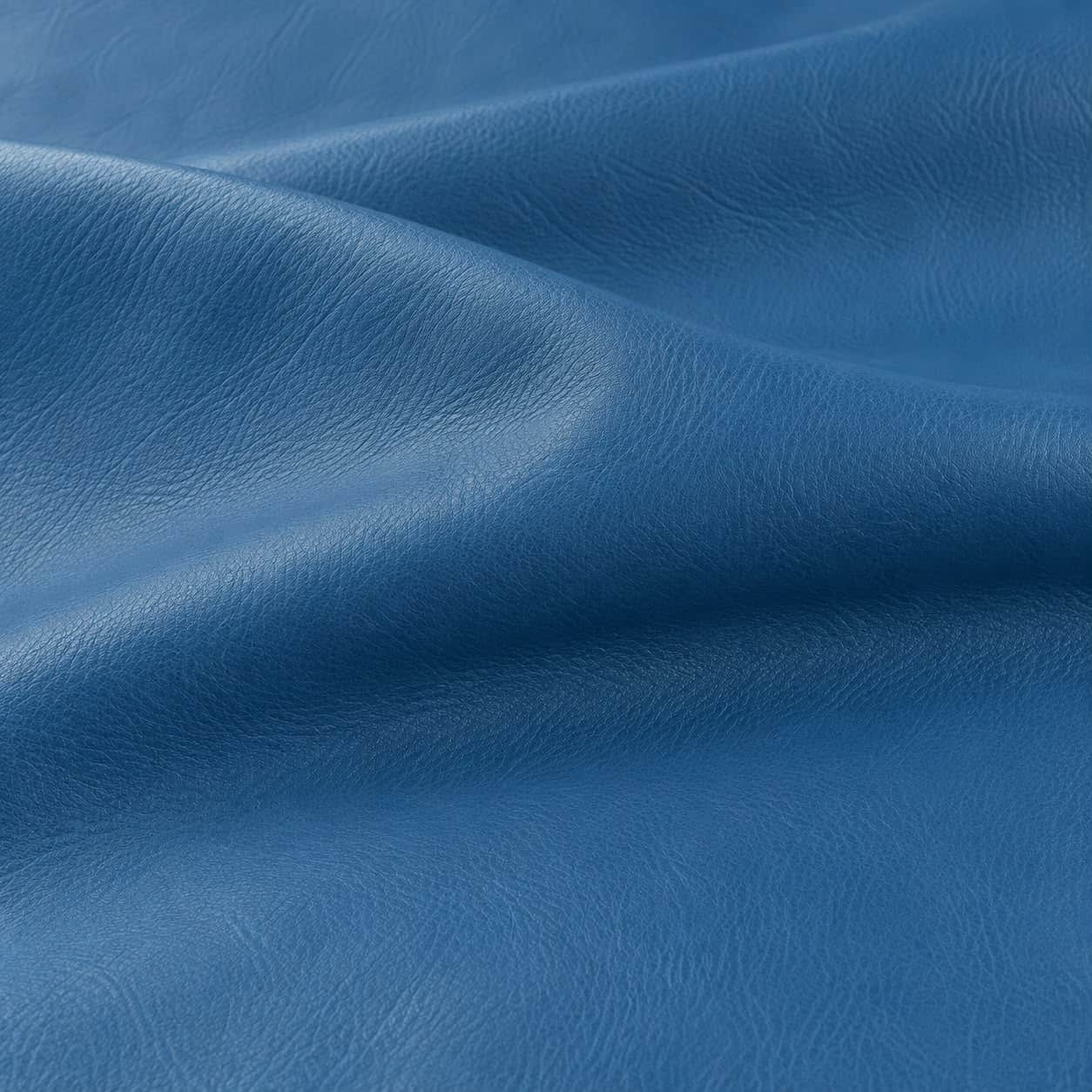
In the late 1920s, DuPont's chemical director sent his executive committee a radical memo: stop investing in practical improvements to existing products and fund pure science instead. The result, a decade later, was nylon — the first synthetic fiber ever made, and one of the most consequential material discoveries of the twentieth century.
Wallace H. Carothers, a young organic chemistry lecturer lured away from Harvard, joined DuPont's new 'Purity Hall' research laboratory in 1928. He proposed to center his work on polymerization — the chemical process by which small molecules link into long-chain structures. On February 28, 1935, his team produced polyhexamethylene adipamide — nylon 66 — a polymer that could be drawn into strong, elastic threads unlike anything that had existed before. The name 'nylon' was not an acronym. It was simply a coined word, invented by DuPont's marketing team, for a synthetic and versatile material.
Nylon's public debut came at the 1939 World's Fair in New York, where DuPont unveiled nylon stockings as a revolution in women's fashion. On May 15, 1940 — 'N-Day' — nylon stockings went on sale nationwide. In the first year, 64 million pairs were sold. When demand outpaced supply, 'nylon riots' erupted at department stores across the country. Nothing like it had happened for a consumer product before.
Then came WWII, and nylon vanished from the shops overnight. DuPont's entire nylon output was redirected to the war effort: parachutes replacing silk, tent ropes, mosquito nets, tire cords. The Allied armed forces were quite literally held together by a polymer from a Delaware laboratory. When the war ended, nylon returned to civilian life carrying an unprecedented reputation — it had helped win a world war.
The story also has its tragedy. Wallace Carothers — the man who made it possible — never saw N-Day. Brilliant and profoundly depressive, he died by suicide in April 1937, two years before the product bearing his intellectual legacy reached the public. DuPont's nylon patent application had been filed just months before.
Today, 7 million tonnes of nylon are produced annually. It is in toothbrush bristles, guitar strings, surgical sutures, parachutes, car engine components, fishing lines, hosiery, activewear, technical outerwear, swimwear, and cargo pants. Its sustainability challenge — petroleum-derived and shedding microplastics in every wash — has triggered an innovation race producing some of the most genuinely interesting material science in fashion today.
FAQ
A nylon garment uses polyamide fibre, valued for strength, light weight, abrasion resistance, and smooth technical handfeel.
Common options include nylon taslan, nylon ripstop, nylon taffeta, nylon/elastane stretch woven, recycled nylon, mesh lining, and water-repellent finishes.. Choose based on target price, handfeel, durability, and care requirements.
Focus on needle selection, seam finish, lining, zipper quality, heat sensitivity, pocket reinforcement, and water-repellent finishing. These details usually determine whether the product feels credible or cheap.
Check fabric noise, drape, breathability, sleeve or leg mobility, lining comfort, and whether the garment needs stretch. Fit should be reviewed on the body type and use case the product is designed for, not only on a flat measurement sheet.
The main cost drivers are recycled nylon, denier, coating, lining, zippers, seam finishing, and technical treatments. Sampling time and rejection risk also increase cost when the fit is sensitive.
Request checks for tear strength, abrasion, colourfastness, seam slippage, water repellency, and coating durability. For performance or workwear products, test under the real use condition rather than only visually.
Watch for snagging, shiny cheap surface, seam puckering, coating peel, static cling, and poor breathability. These issues should be caught at fit sample, pre-production sample, and bulk inspection stages.
affordable uses standard nylon or polyester blends; premium uses better denier, recycled nylon, and improved trims; luxury adds technical mills, refined handfeel, and branded hardware.
Include fibre content, denier or GSM, coating, lining, seam finish, zipper spec, pocket reinforcement, and care notes. Add reference photos and tolerance notes where fit or construction is easy to misread.
light outerwear, activewear, or technical woven factories are best depending on garment type.
Use OEKO-TEX STANDARD 100 as a consumer-safety baseline where possible. Use GOTS for organic cotton, GRS for recycled polyester or nylon, RWS for responsible wool, and leather-specific or chemical compliance where relevant to the material.
wash cool, avoid high heat, and protect coated or water-repellent finishes from aggressive detergents.