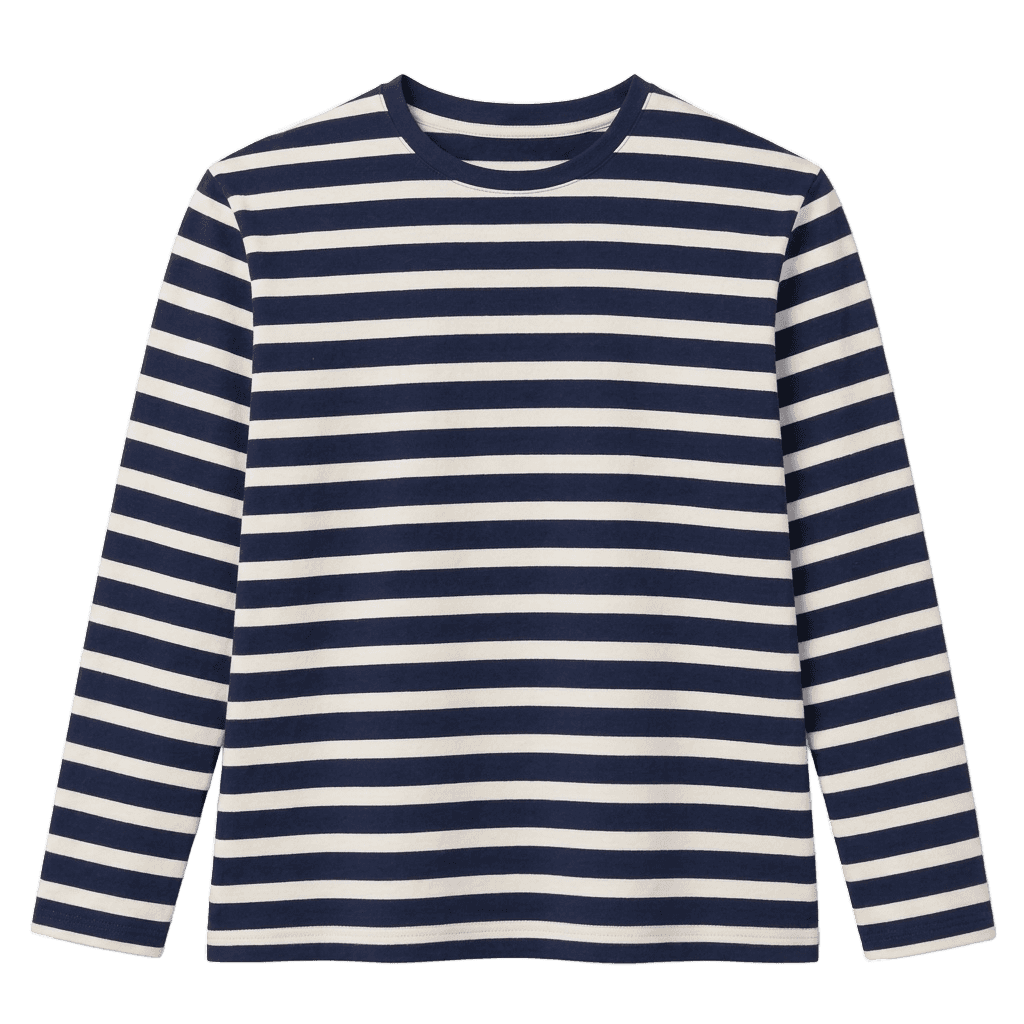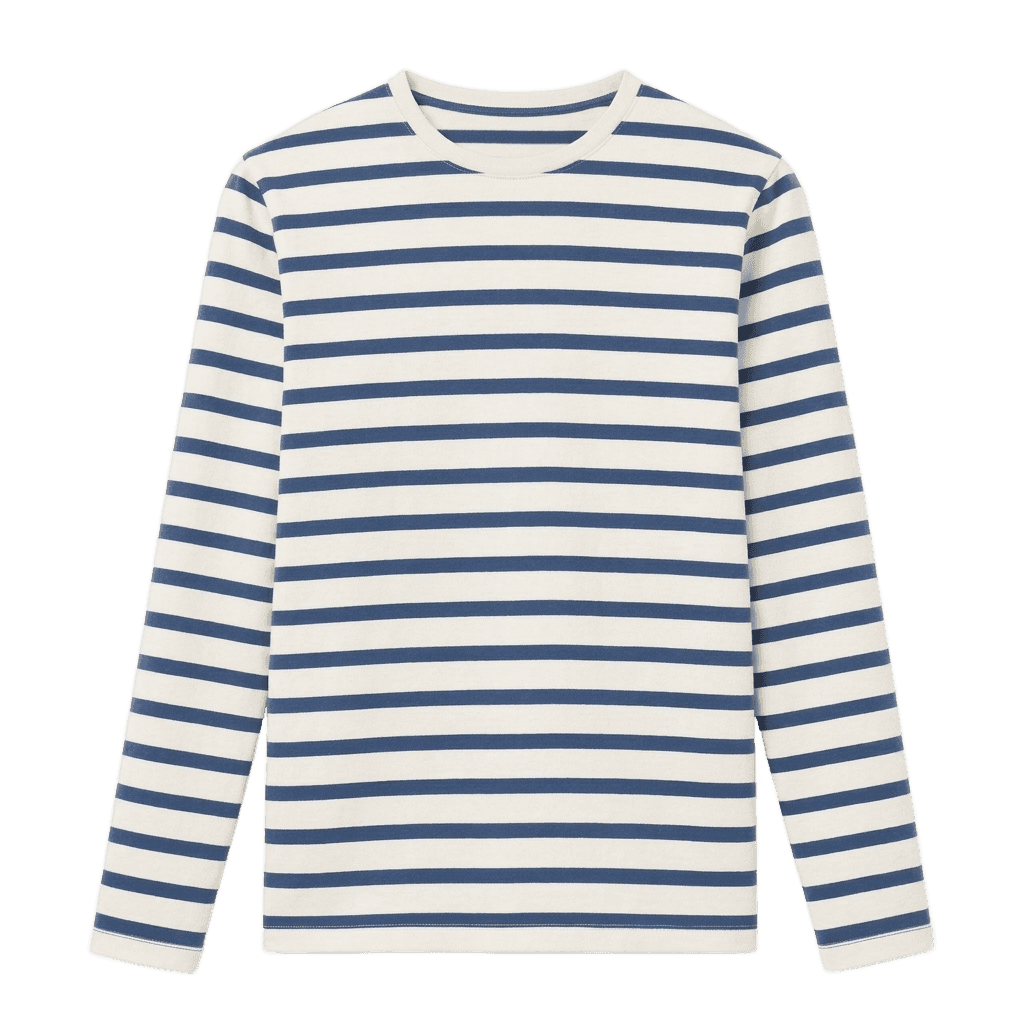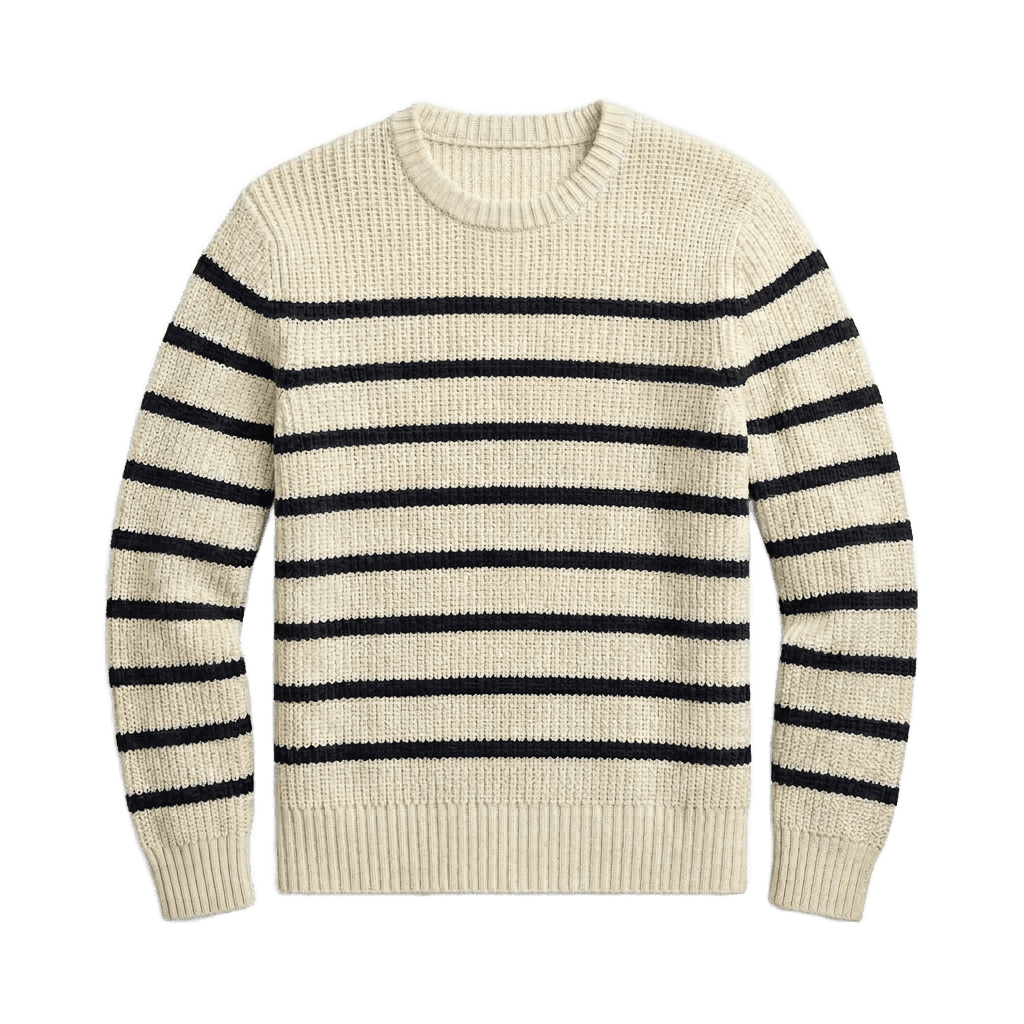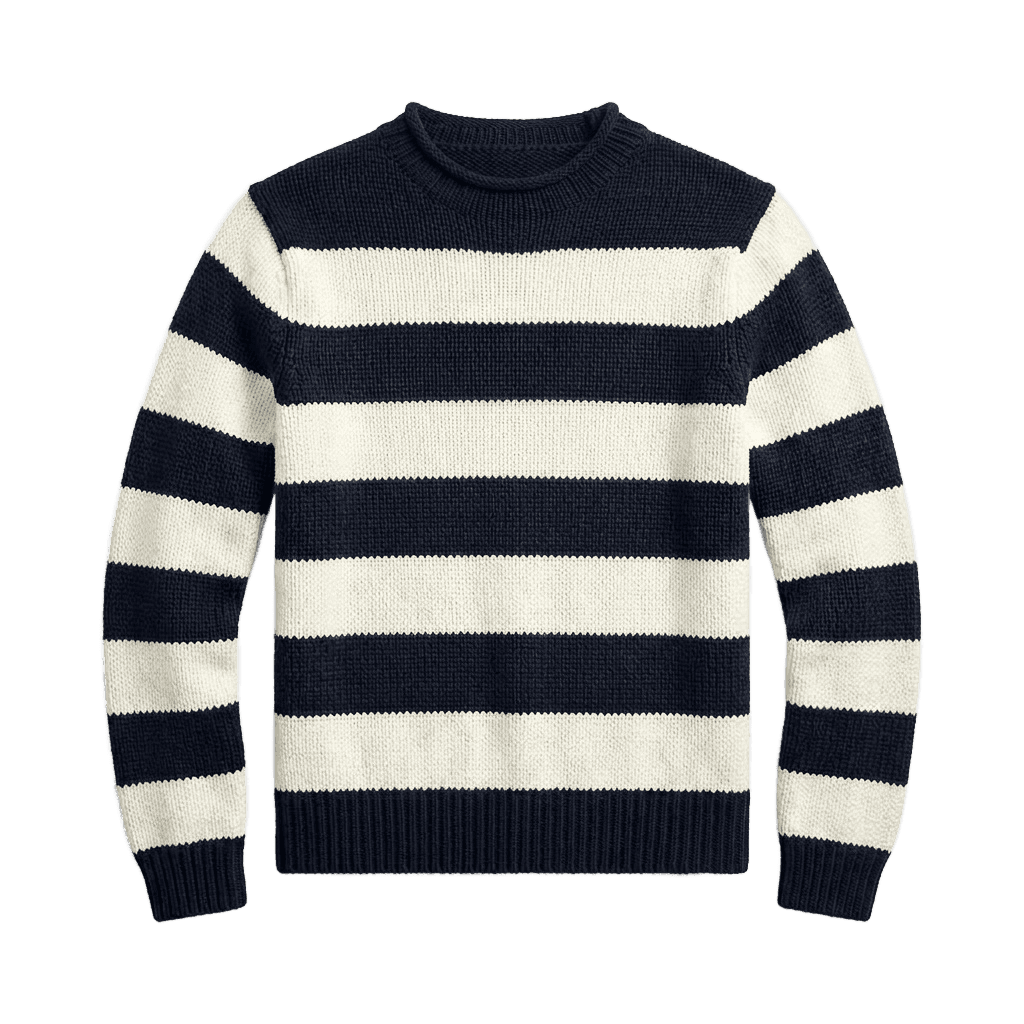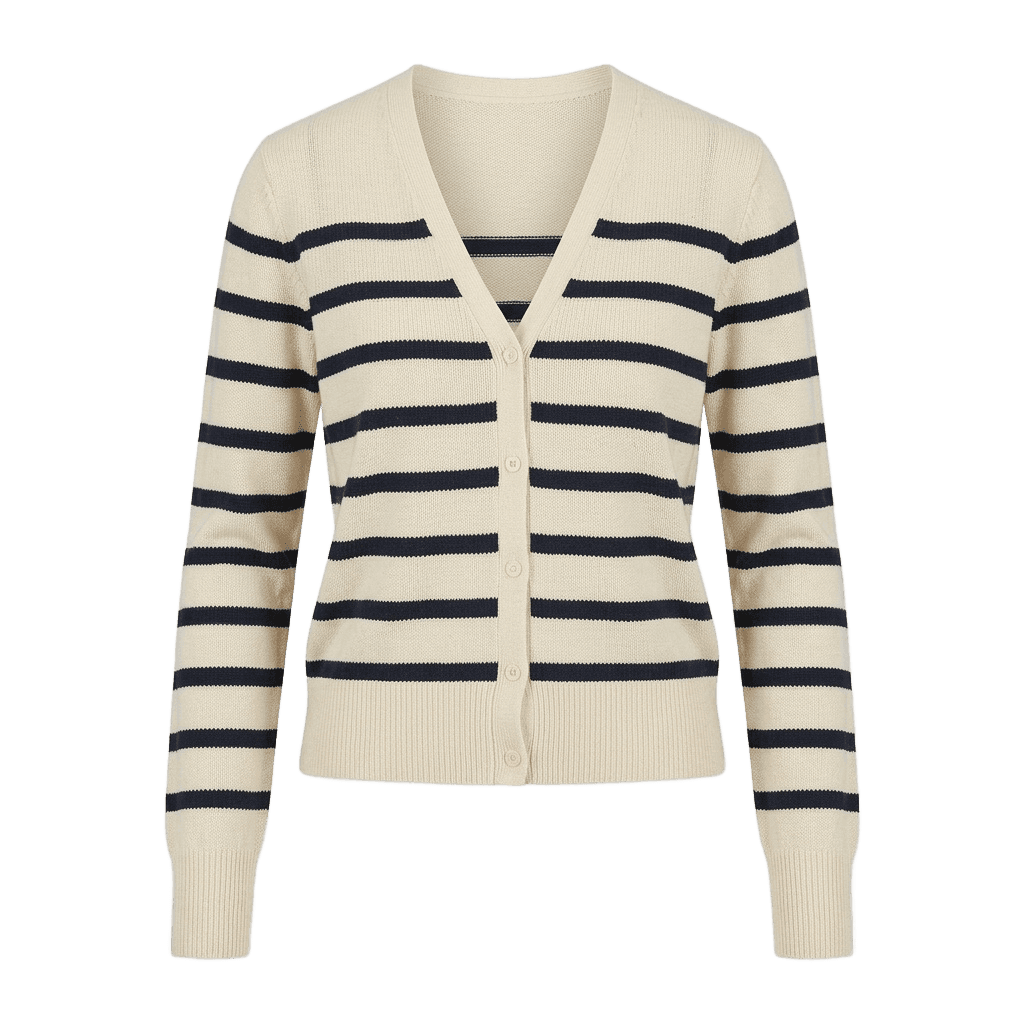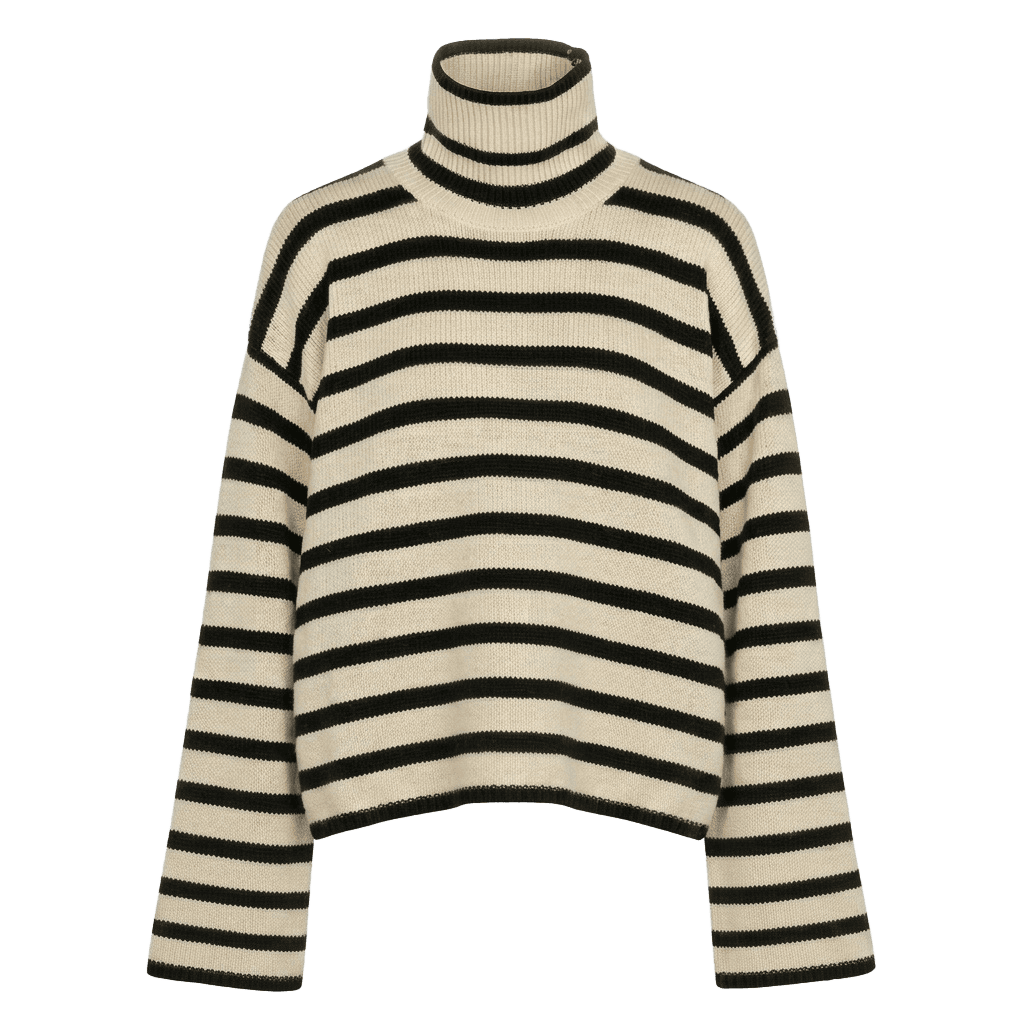
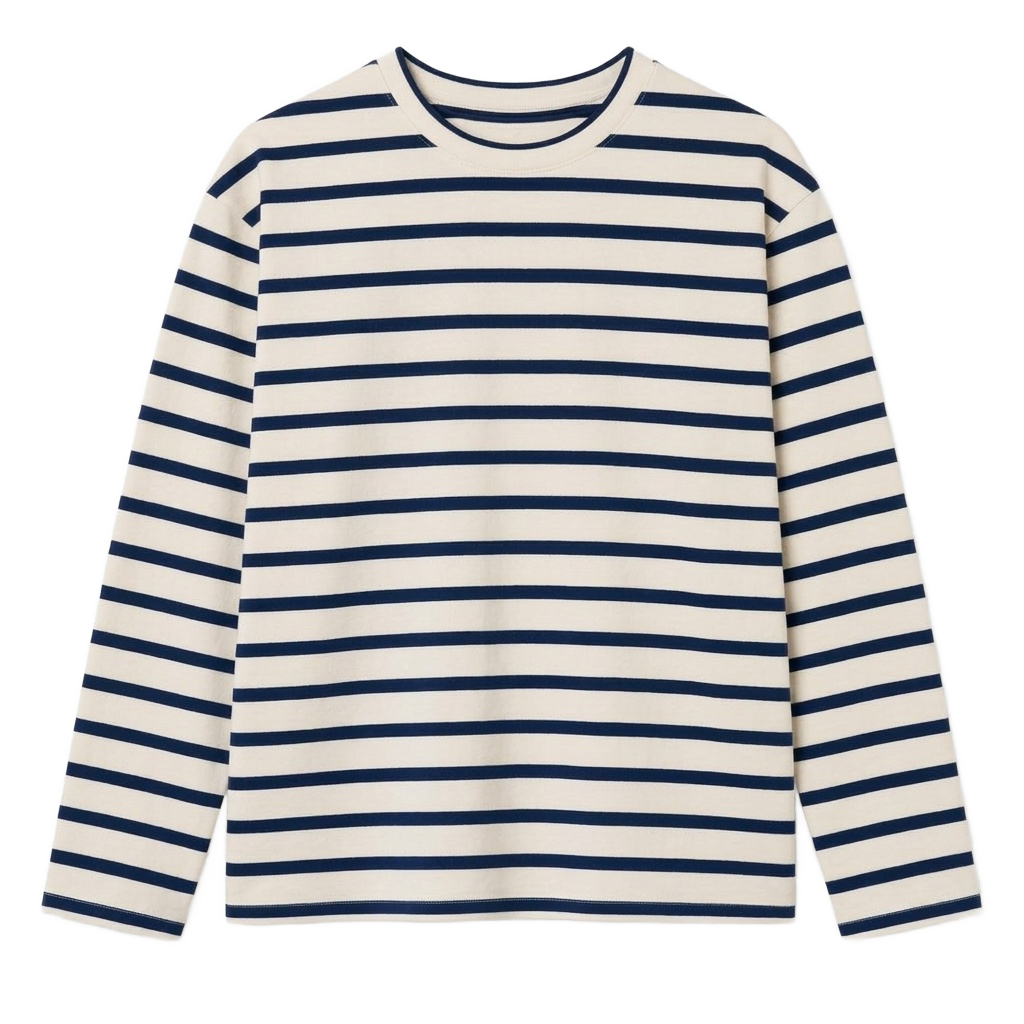
Black Striped Mariniere
A boxy, regular-length pullover with a straight hem and a crew neckline finished by a bound rib collar. Long set-in sleeves are attached at dropped shoulders, roughly six centimetres out from the neck, and end in folded, coverstitched cuffs. The relaxed body hangs away from the torso without tapering, and the horizontal stripe pattern runs across the chest and down both sleeves.
The same factories that produce for houses like Celine and Balenciaga can produce this piece, directly to you
GABI
Make it yours
Material grade
Colour
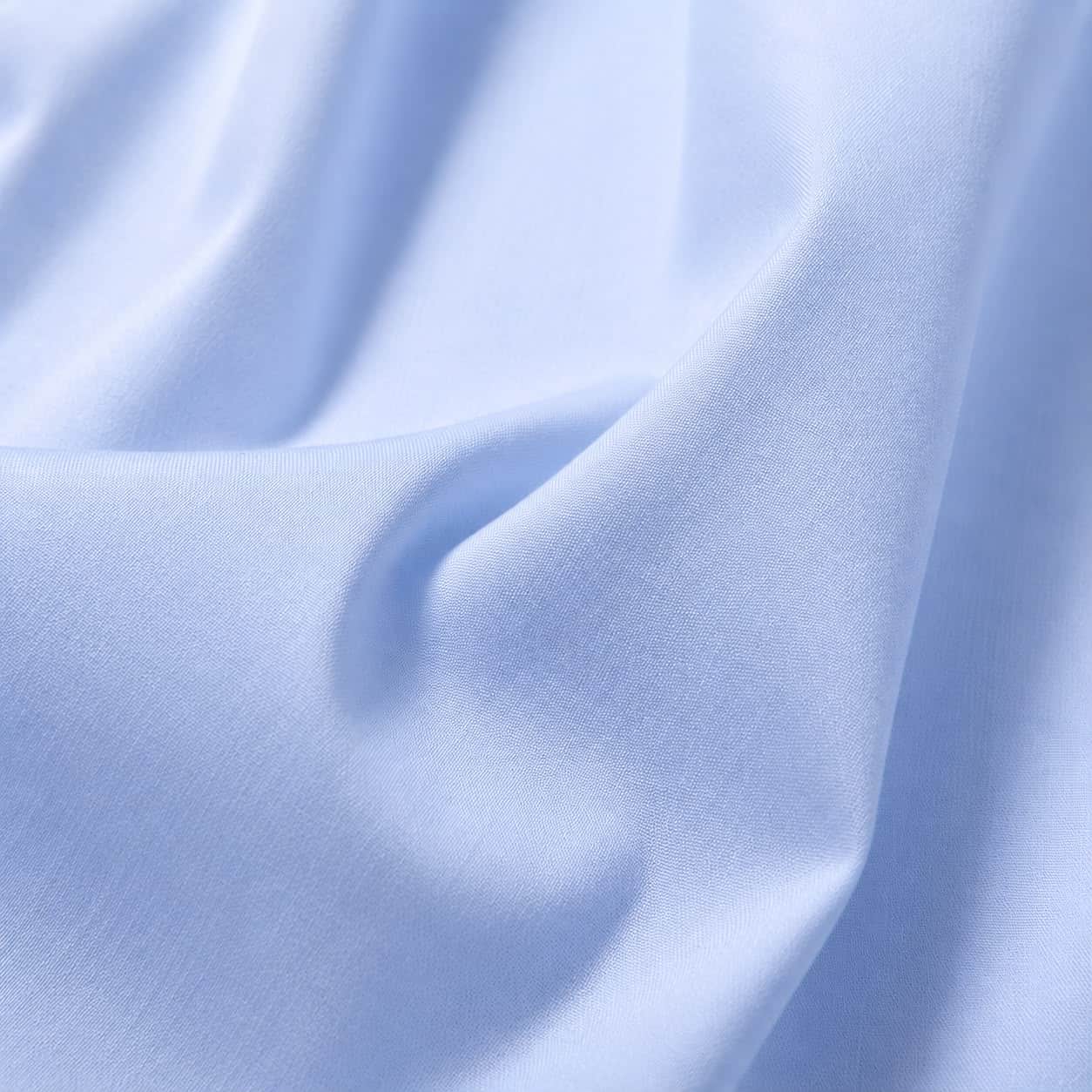
- Main Fabric: 100% Cotton, 180gsm
- Neck Binding: 95% Cotton / 5% Elastane
- Machine wash at 30°C on a gentle cycle
- Do not bleach
- Do not tumble dry
- Iron on a low setting
A guide based on the garment’s materials — always follow the care label on the item itself.
Fabrics

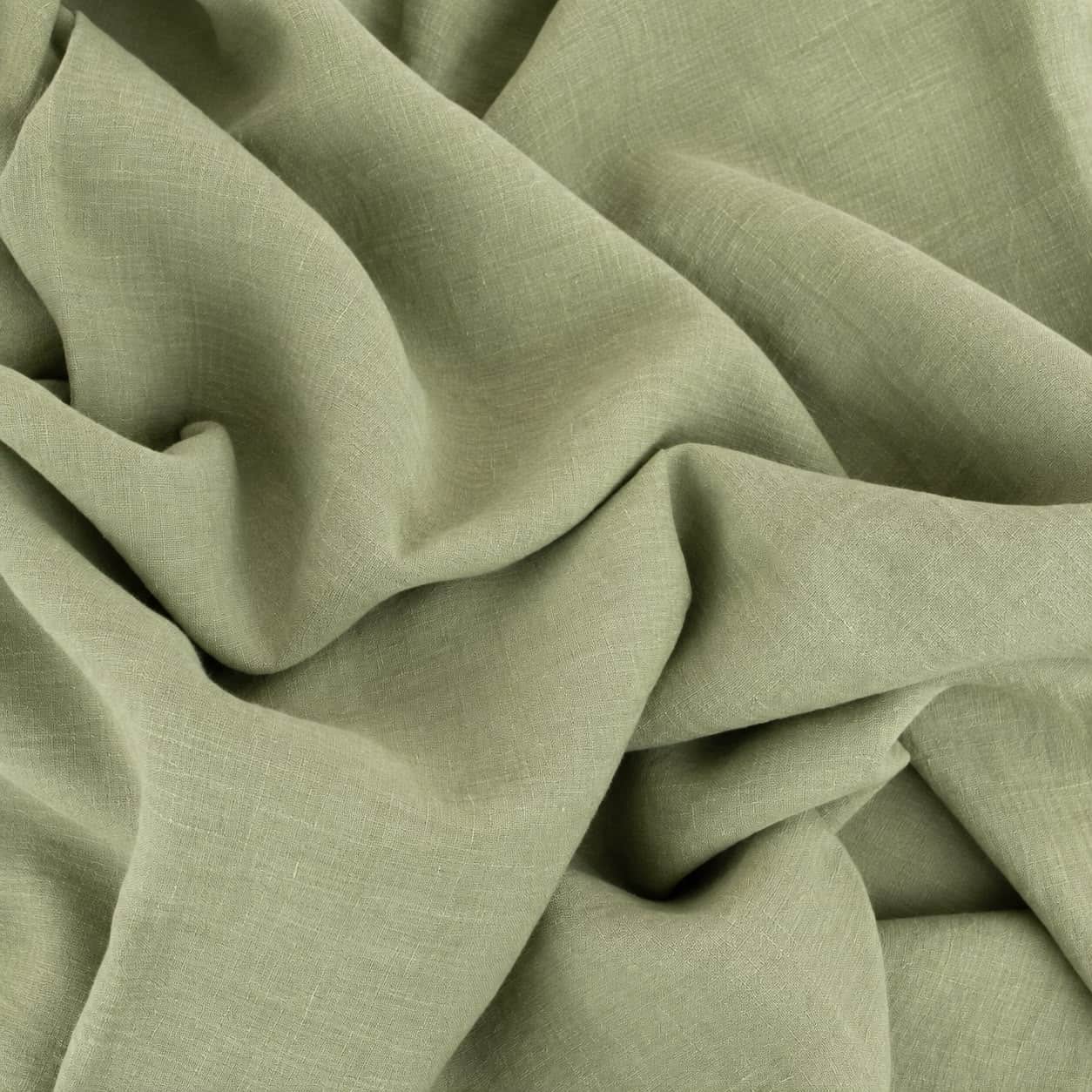
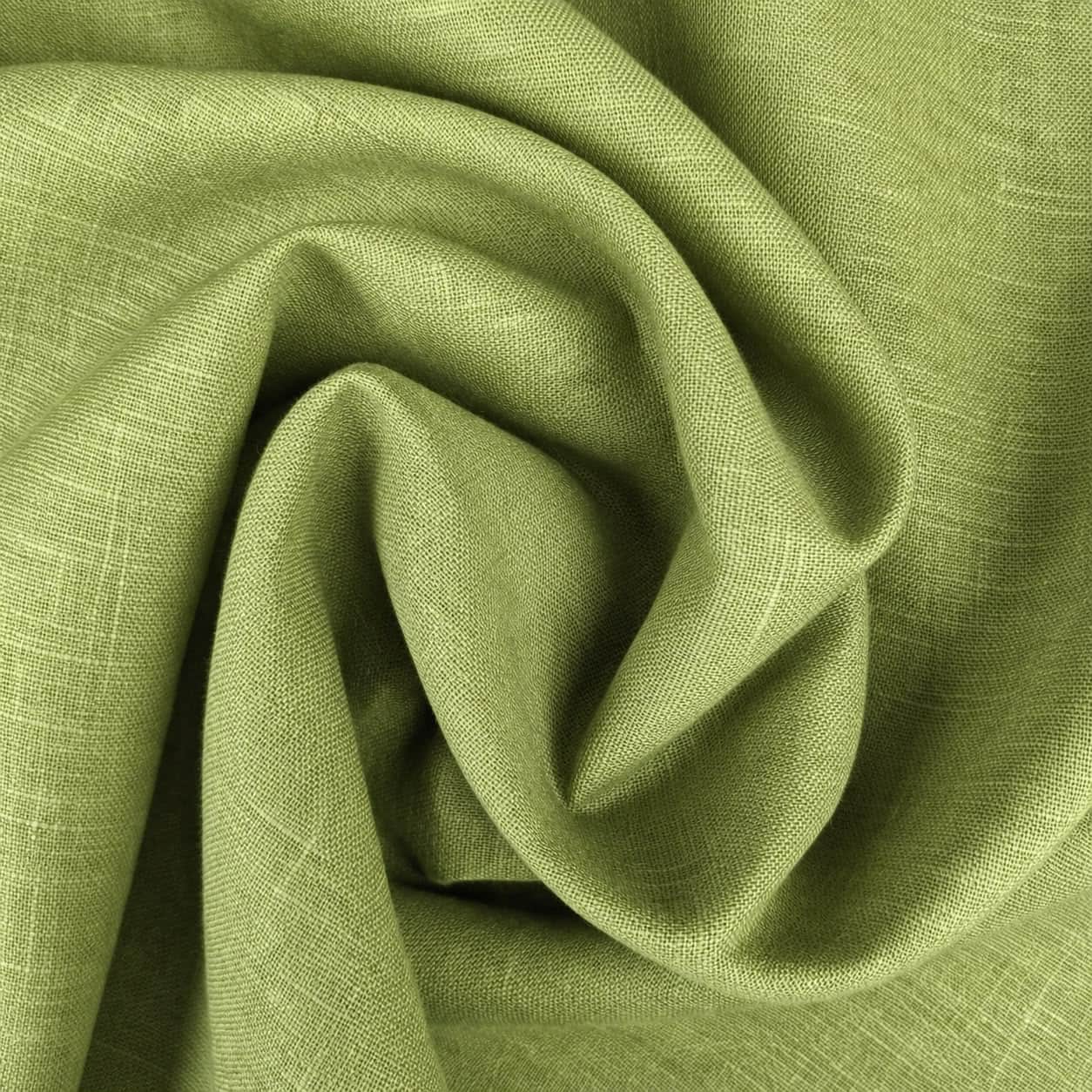
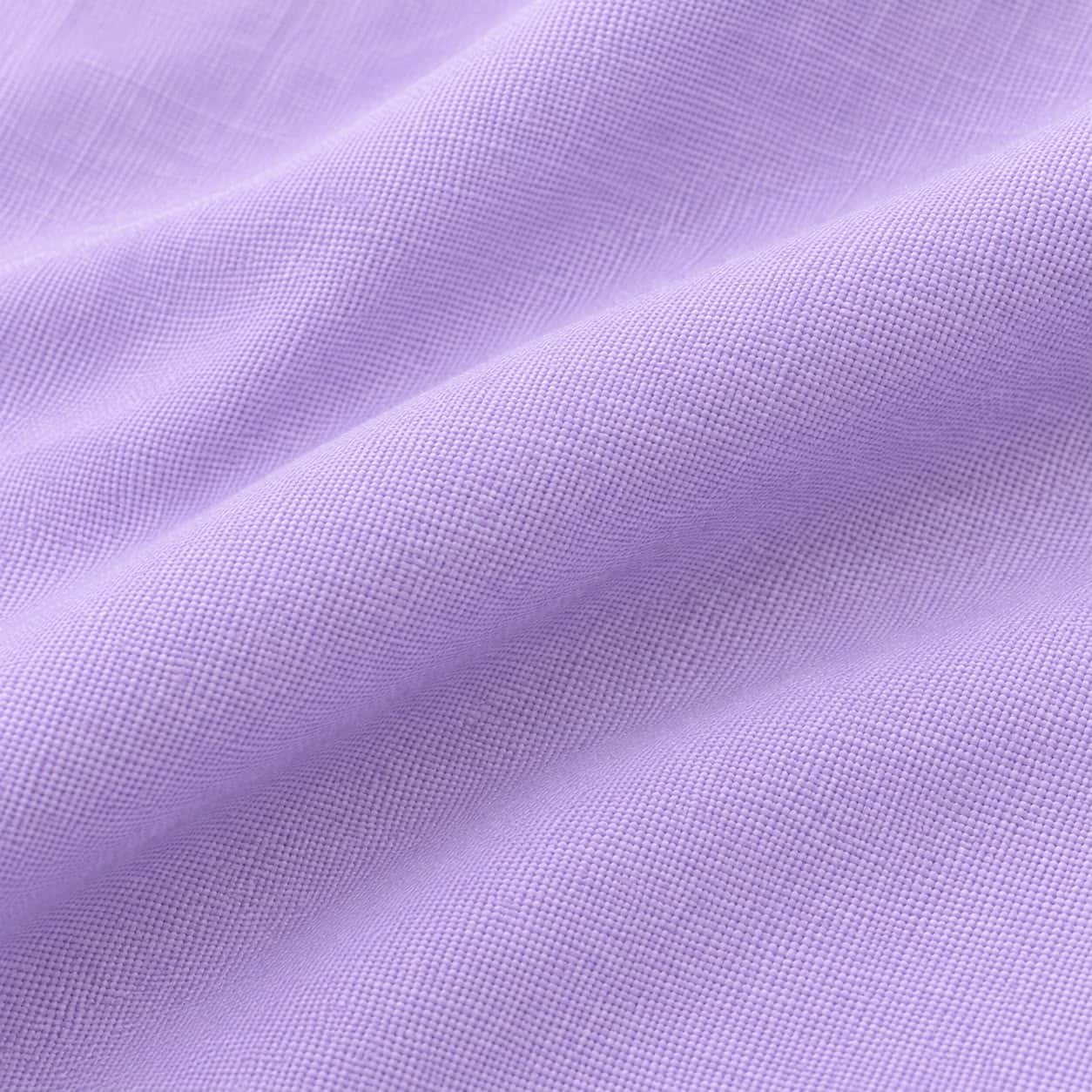
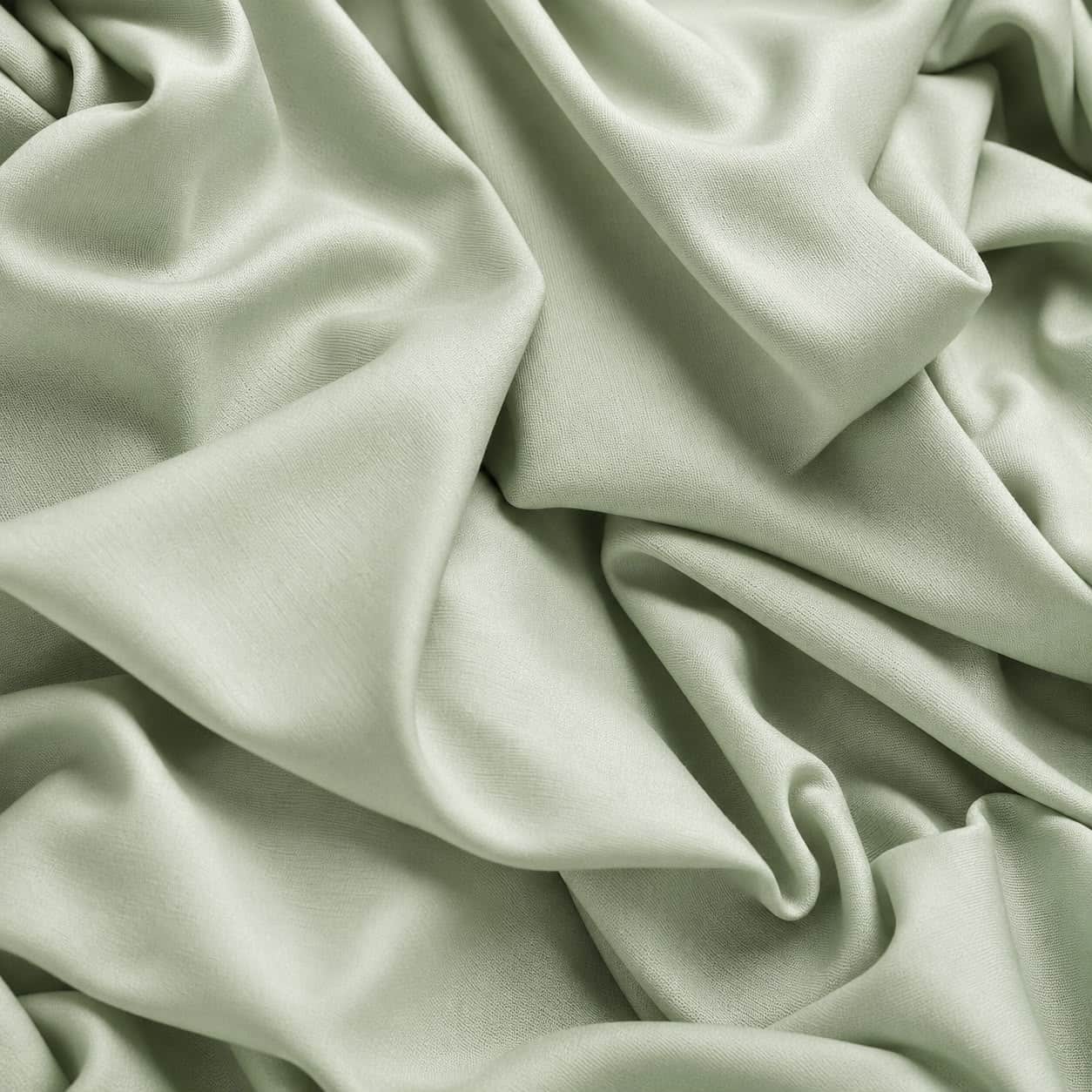
The mariniere is the stripe that became a uniform, then a symbol, then a wardrobe staple. It began as a French naval shirt and ended up on artists, designers, and every resort rail in fashion. The construction is simple; the stripe placement is not.
The Breton / Mariniere Top -- "The mariniere is the stripe that became a uniform, then a symbol, then a wardrobe staple."
The Breton or mariniere top traces its identity to French naval uniforms: a boat-neck, long-sleeve knitted shirt with horizontal stripes. Its move into fashion came through the visual clarity of the stripe and the association with coastal utility. Once designers adopted it, the garment became a permanent casual classic rather than a seasonal nautical theme.
Construction logic
A mariniere can be jersey, interlock, or knit, but it must control stripe matching, neck shape, and shrinkage. The boat neck needs stability without feeling stiff, and the stripe repeat must align at side seams and sleeves. Cheap versions fail when the stripe twists after wash.
Commercial logic for creators
For creators, the mariniere is a low-risk signature product if the stripe is owned. The commercial value comes from recognizable graphic identity, long shelf life, and easy styling. Premium versions justify price with yarn-dyed stripes, heavier cotton, and meticulous matching.
FAQ
A Breton or mariniere top is a striped knit or jersey top inspired by French naval dress.
Common options include cotton jersey, cotton interlock, wool-cotton knit, merino knit, and yarn-dyed stripe fabric.. Choose based on target price, handfeel, durability, and care requirements.
Focus on stripe matching, stable boat neck binding, shoulder reinforcement, sleeve alignment, and shrinkage control. These details usually determine whether the product feels credible or cheap.
Check neck width, sleeve length, body ease, shoulder position, and whether the fabric is jersey or sweater knit. Fit should be reviewed on the body type and use case the product is designed for, not only on a flat measurement sheet.
The main cost drivers are yarn-dyed stripes, heavier GSM, stripe matching waste, and neckline construction. Sampling time and rejection risk also increase cost when the fit is sensitive.
Request checks for stripe alignment, spirality after wash, colourfastness, neck stretching, and seam puckering. For performance or workwear products, test under the real use condition rather than only visually.
Watch for misaligned stripes, twisted body, stretched neckline, and uneven sleeve stripe placement. These issues should be caught at fit sample, pre-production sample, and bulk inspection stages.
affordable prints stripes; premium uses yarn-dyed jersey; luxury uses heavier compact cotton or fine-gauge knit.
Include stripe repeat, colour sequence, match points, neckline width, fabric GSM, and shrinkage allowance. Add reference photos and tolerance notes where fit or construction is easy to misread.
knit or jersey factories with stripe-matching discipline are preferred.
Use OEKO-TEX STANDARD 100 as a consumer-safety baseline where possible. Use GOTS for organic cotton, GRS for recycled polyester or nylon, RWS for responsible wool, and leather-specific or chemical compliance where relevant to the material.
wash inside out and avoid high heat to preserve stripe colour and shape.