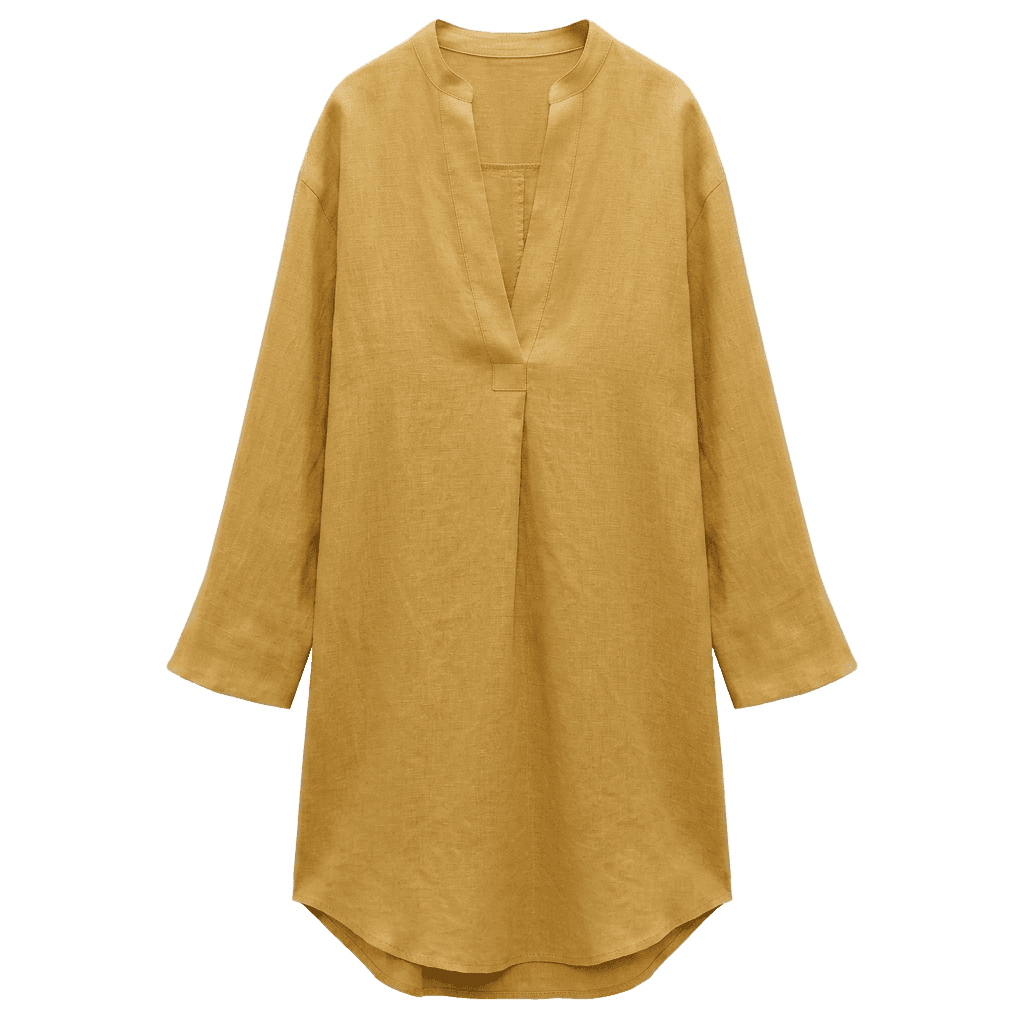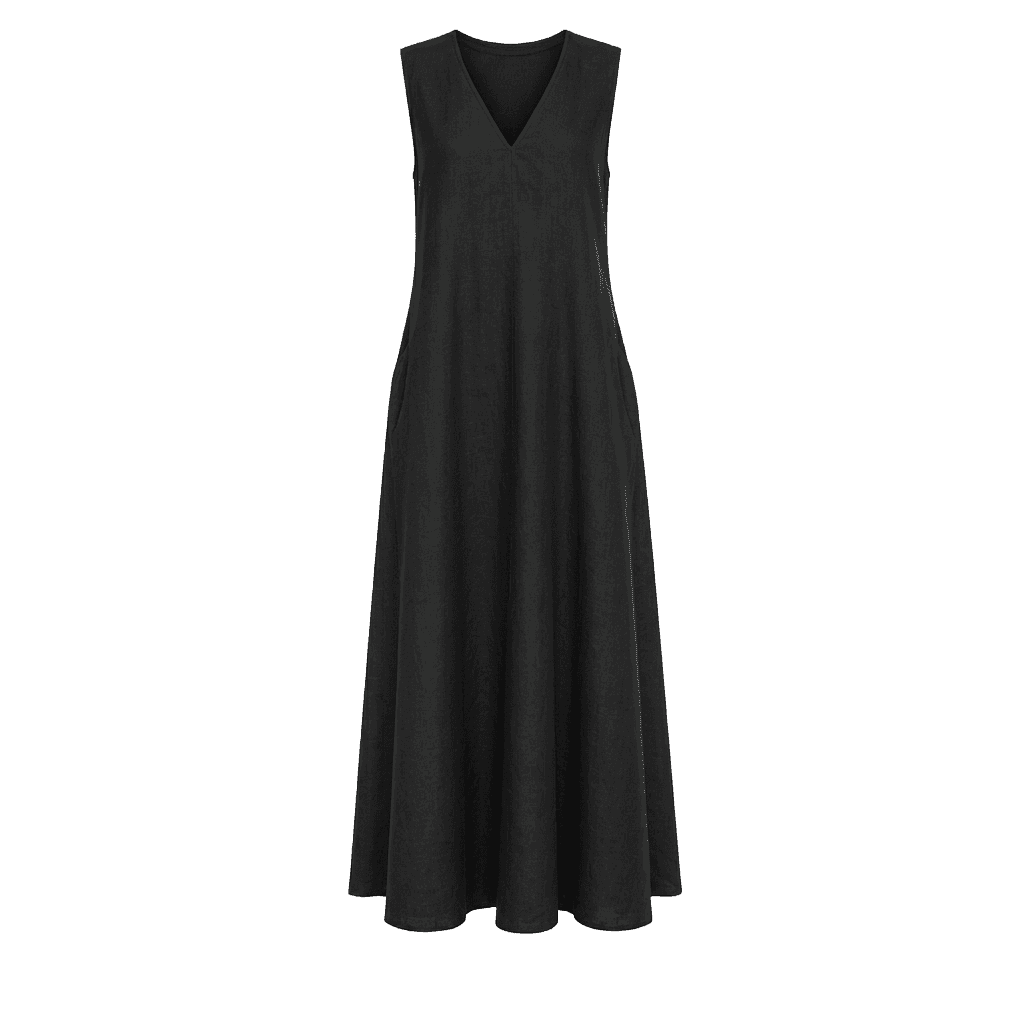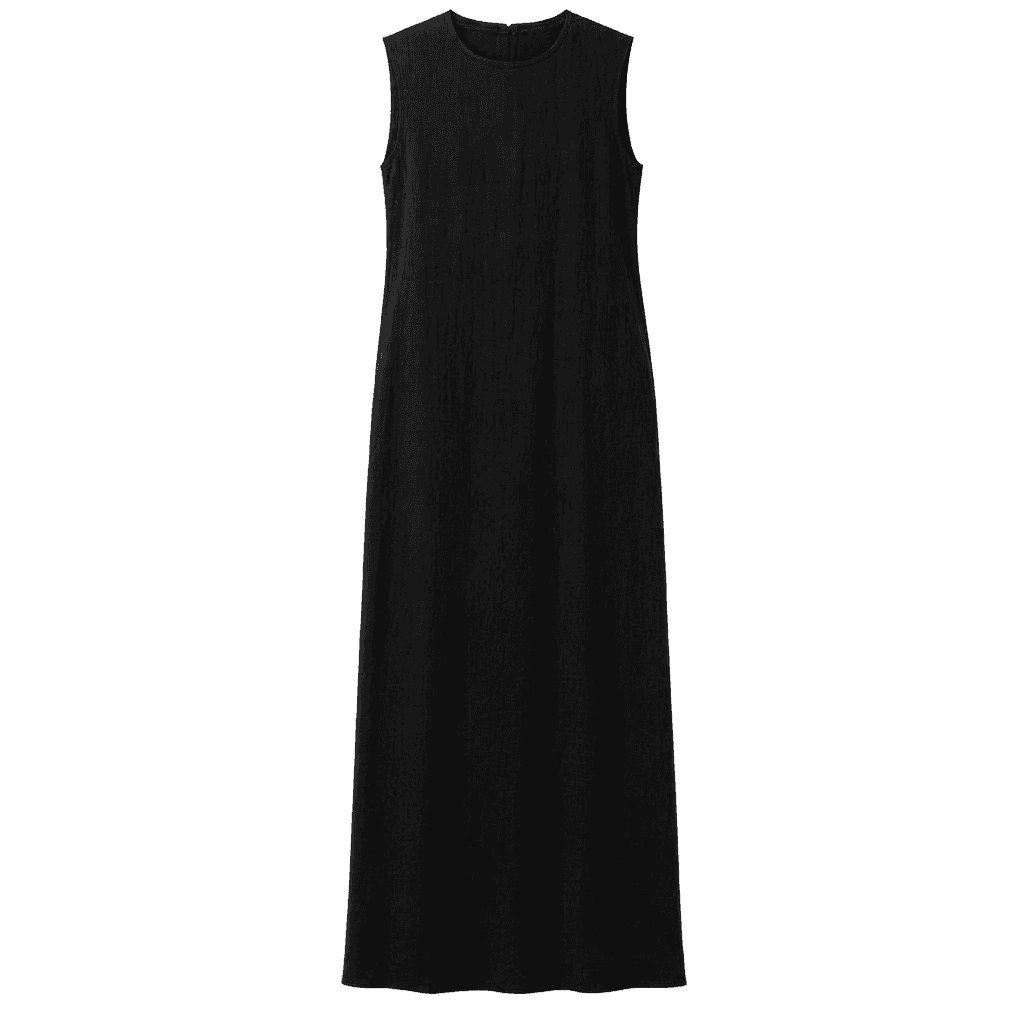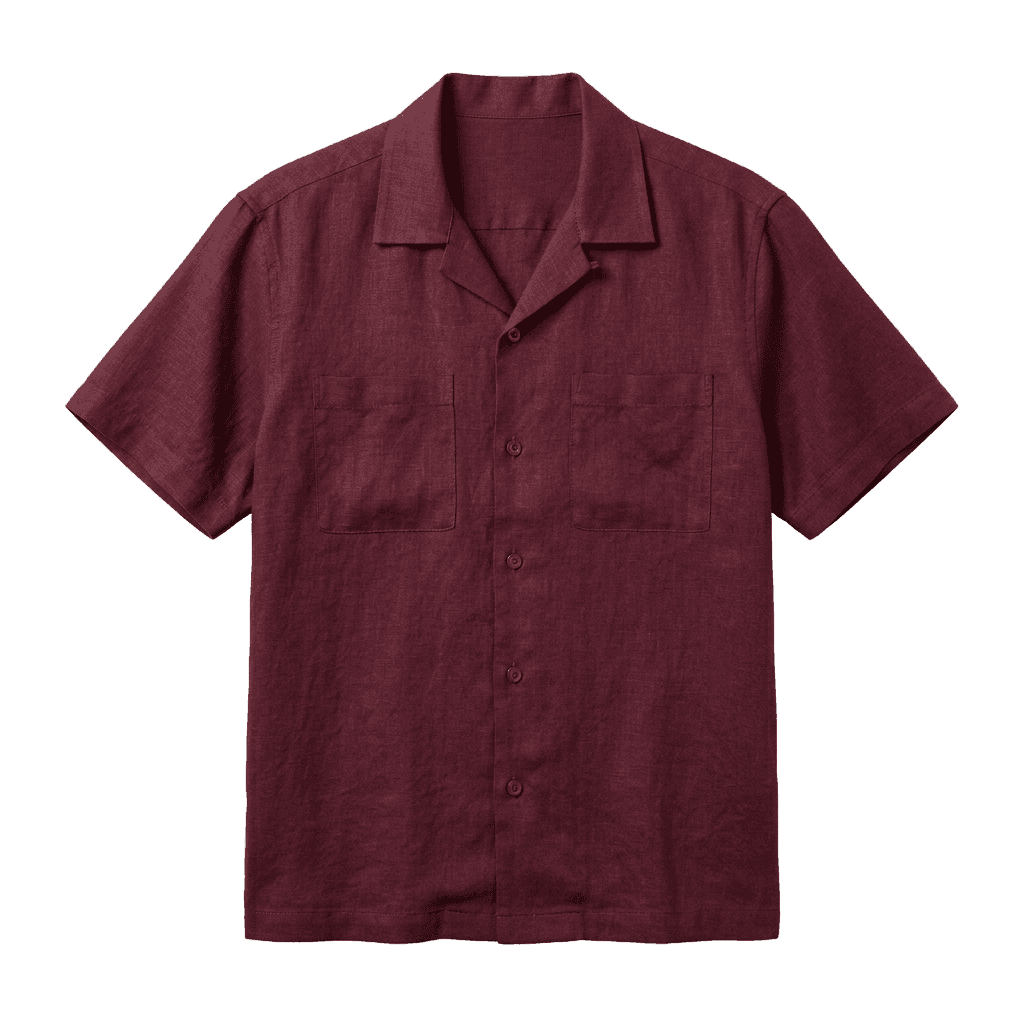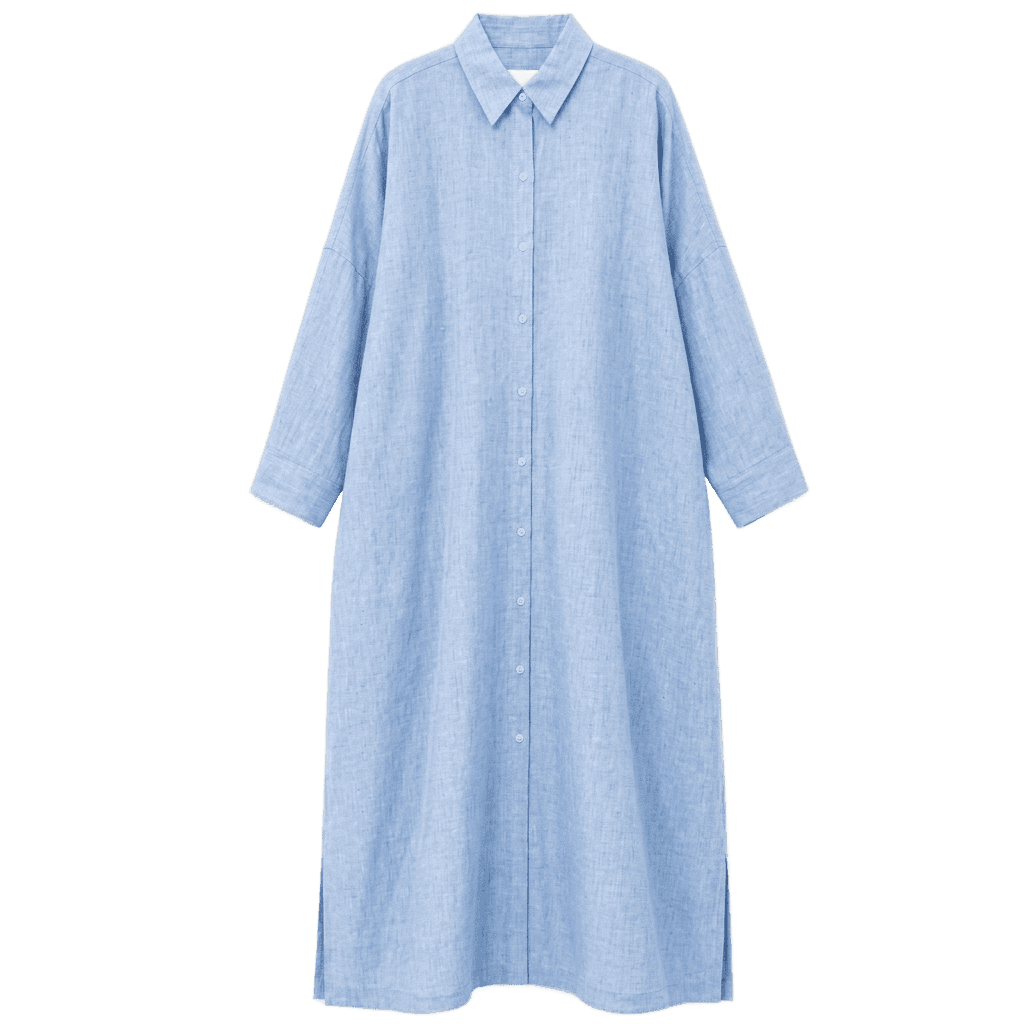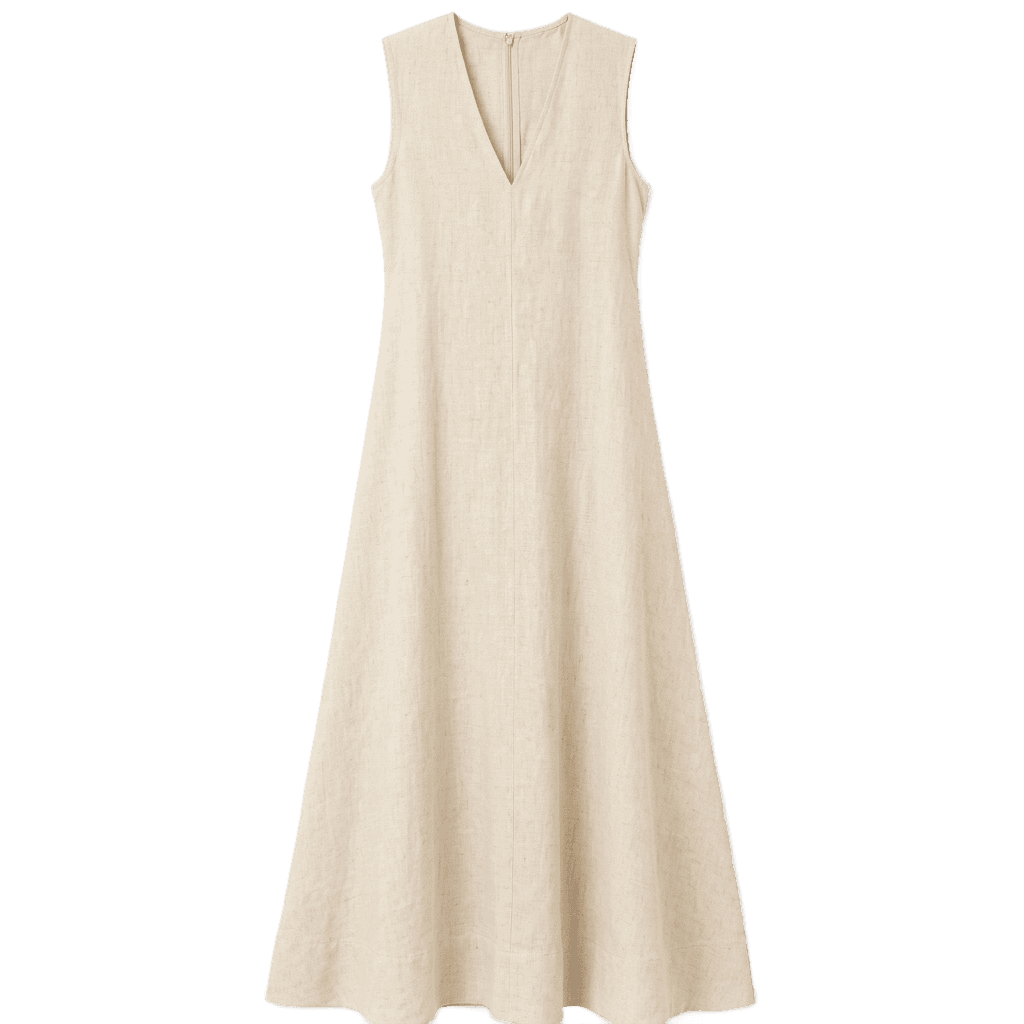
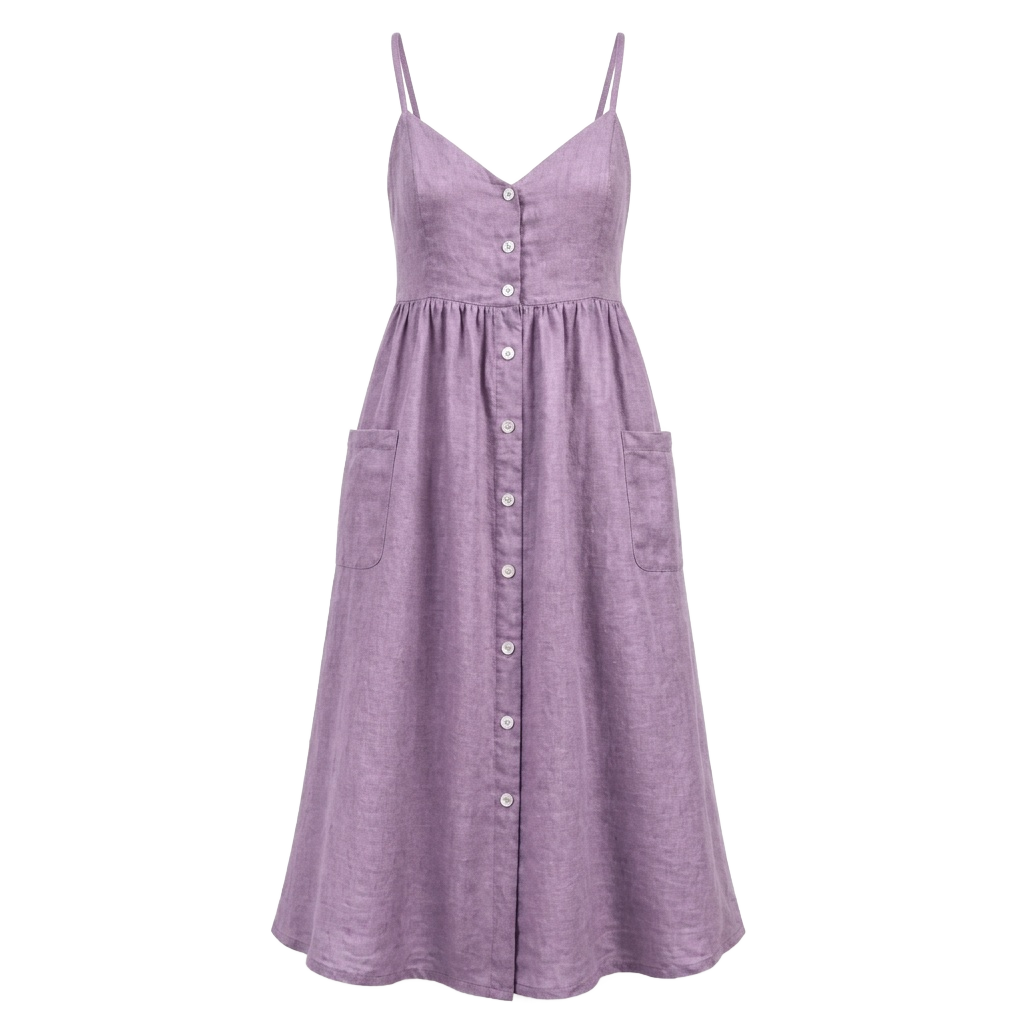
Lavender Linen Slip Dress
A fitted bodice with a V-neck front and back gives way to a gathered waist seam and a relaxed A-line skirt that falls to midi length. Thin adjustable spaghetti straps sit over the shoulders, while a center front placket of nine buttons runs from neckline to a straight, slightly flared hem. Two patch pockets sit at the hips on the lavender linen.
The same factories that produce for houses like Celine and Balenciaga can produce this piece, directly to you
GABI
Make it yours
Material gradeMOQ 50
Colour
- Main Fabric: 100% Linen, 160gsm
- Bodice Facing: 100% Linen
- Machine wash at 30°C on a gentle cycle
- Wash separately for the first few washes — the finish may transfer
- Do not bleach
- Tumble dry on low heat
- Iron on a high setting
- Fasten zips and hardware before washing
A guide based on the garment’s materials — always follow the care label on the item itself.
Fabrics
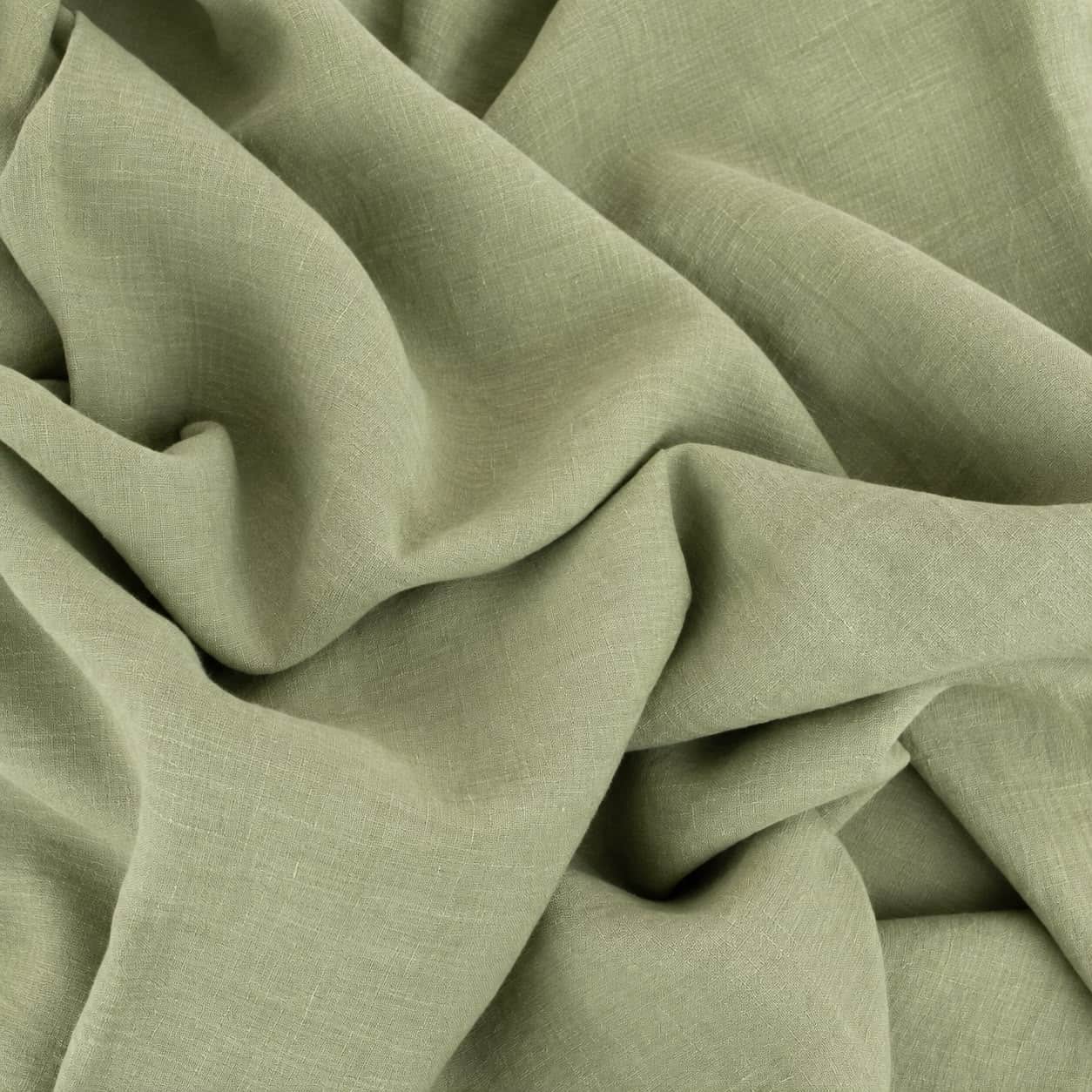

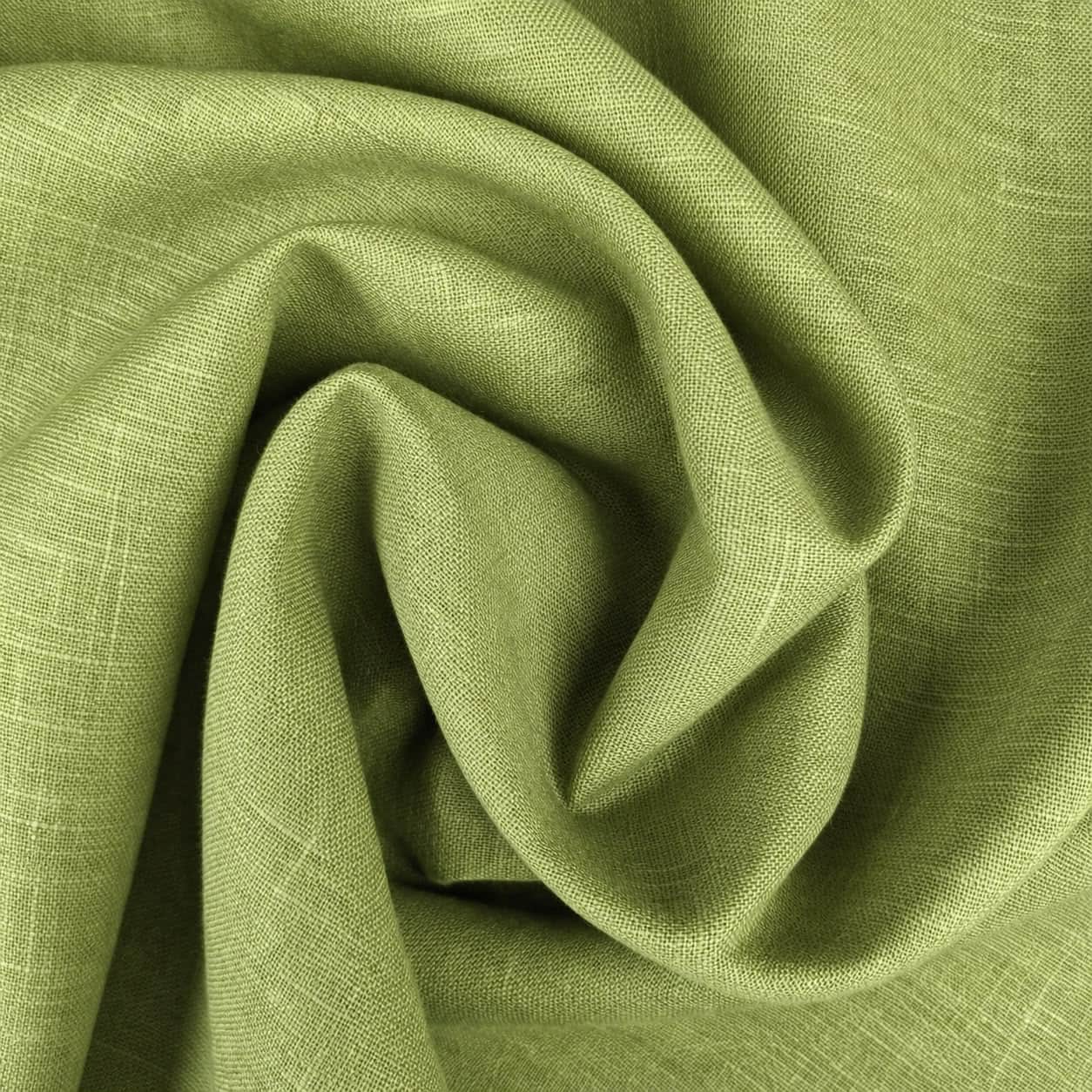
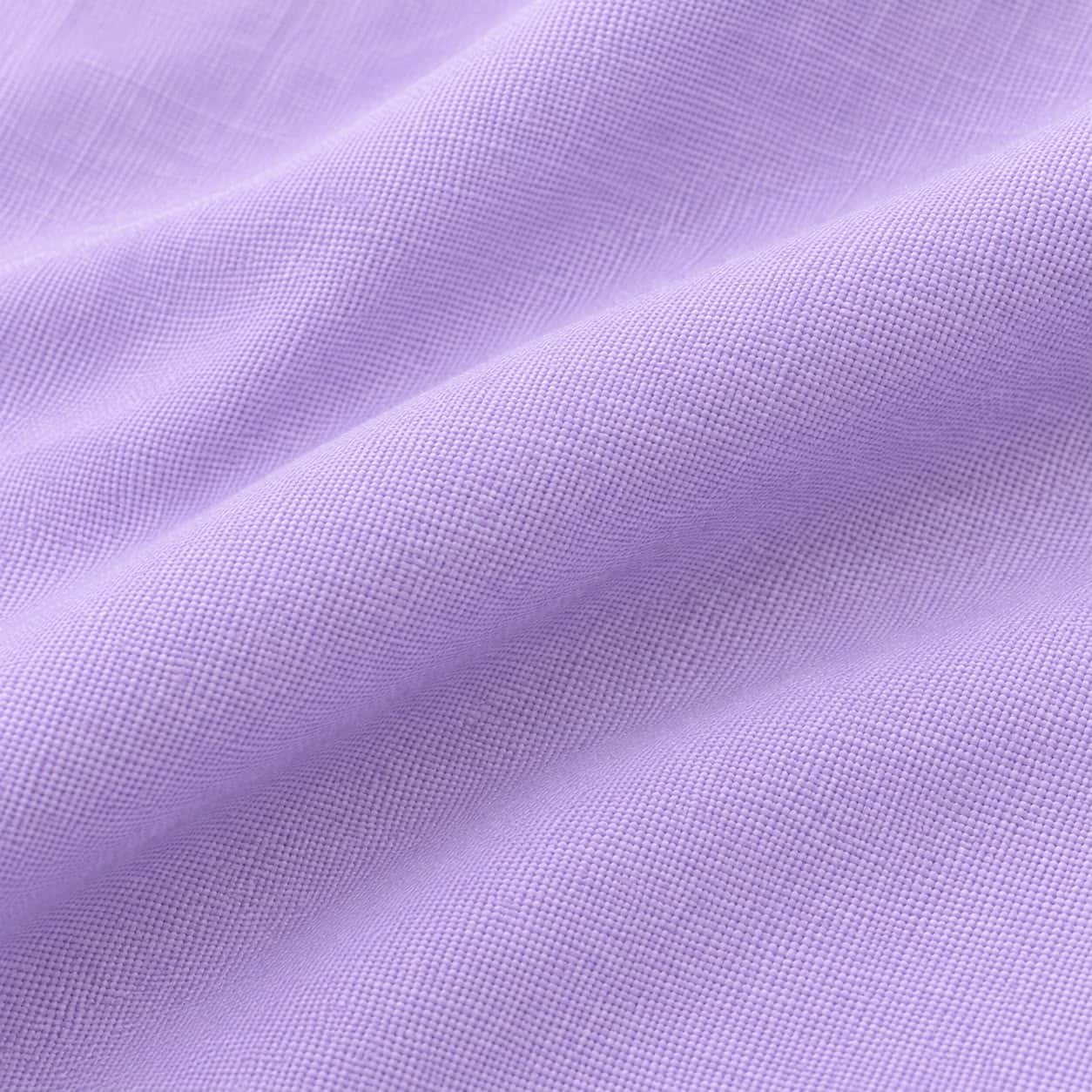
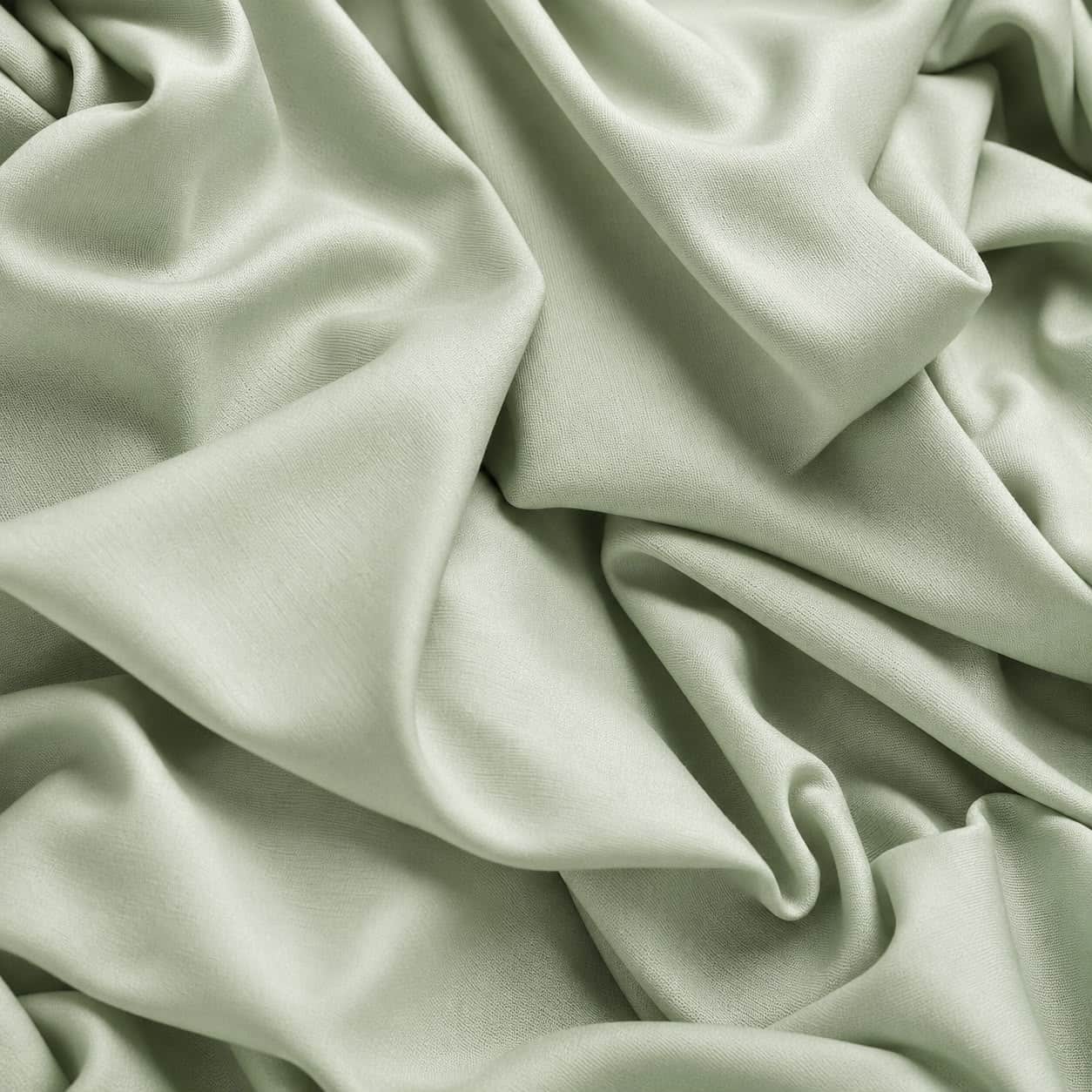
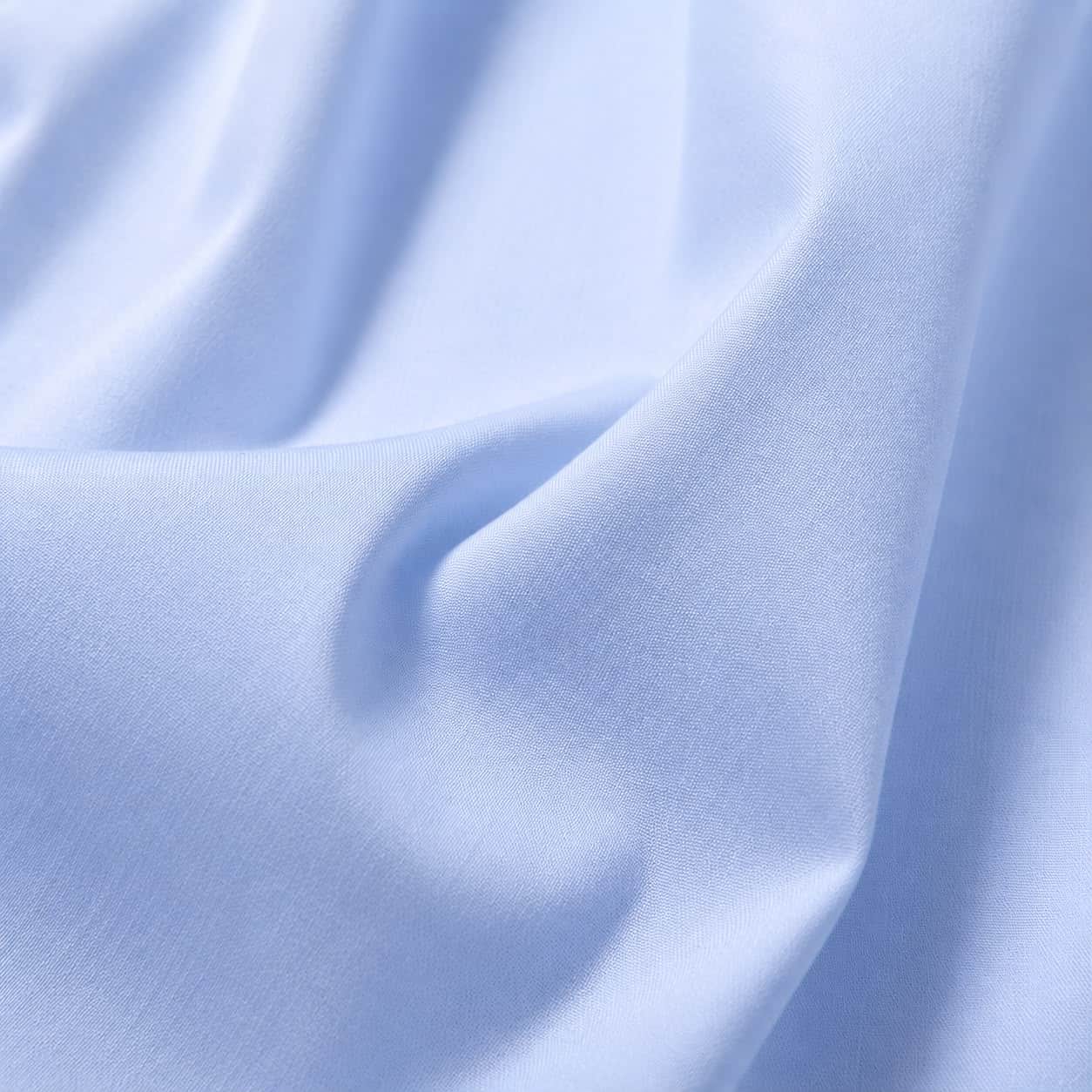
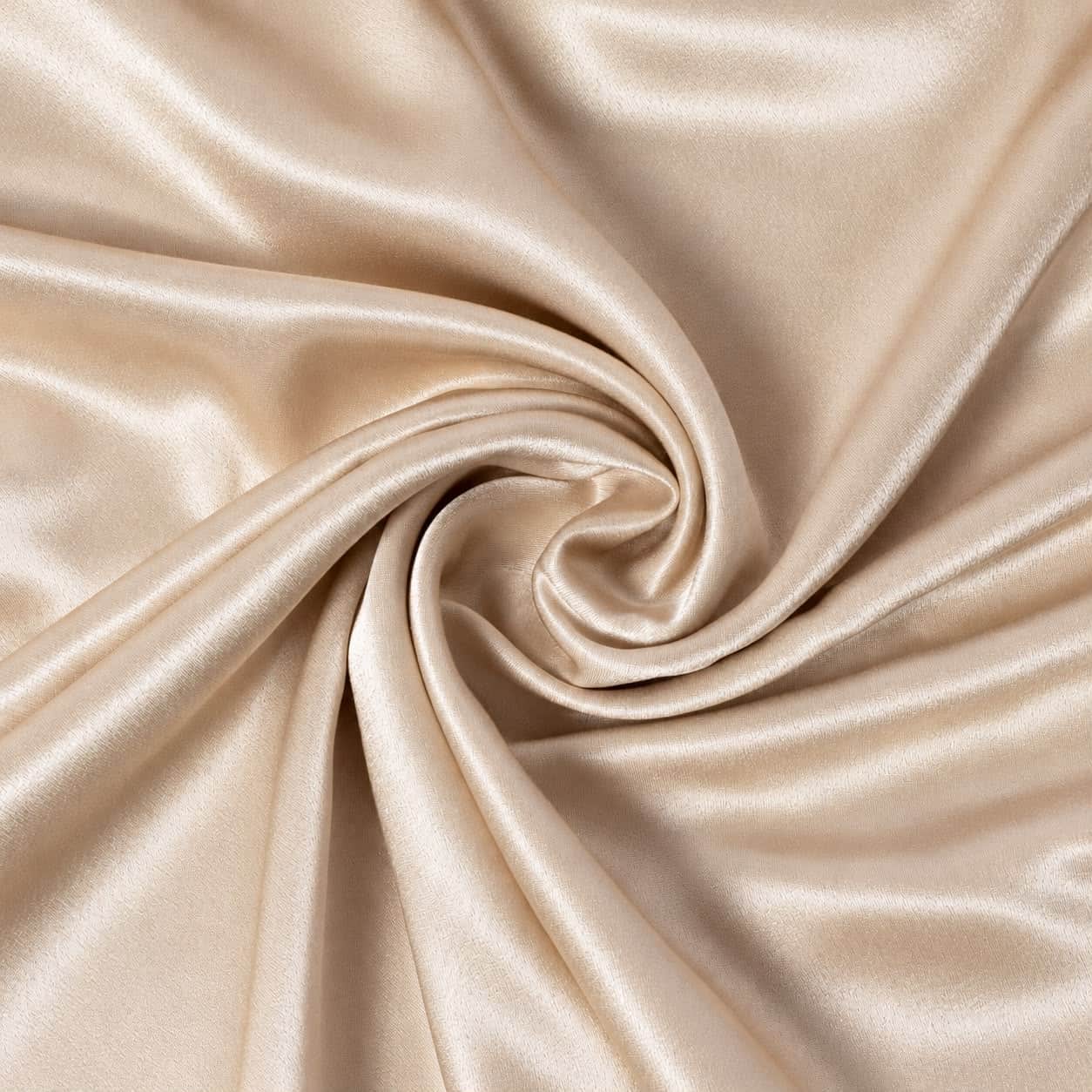
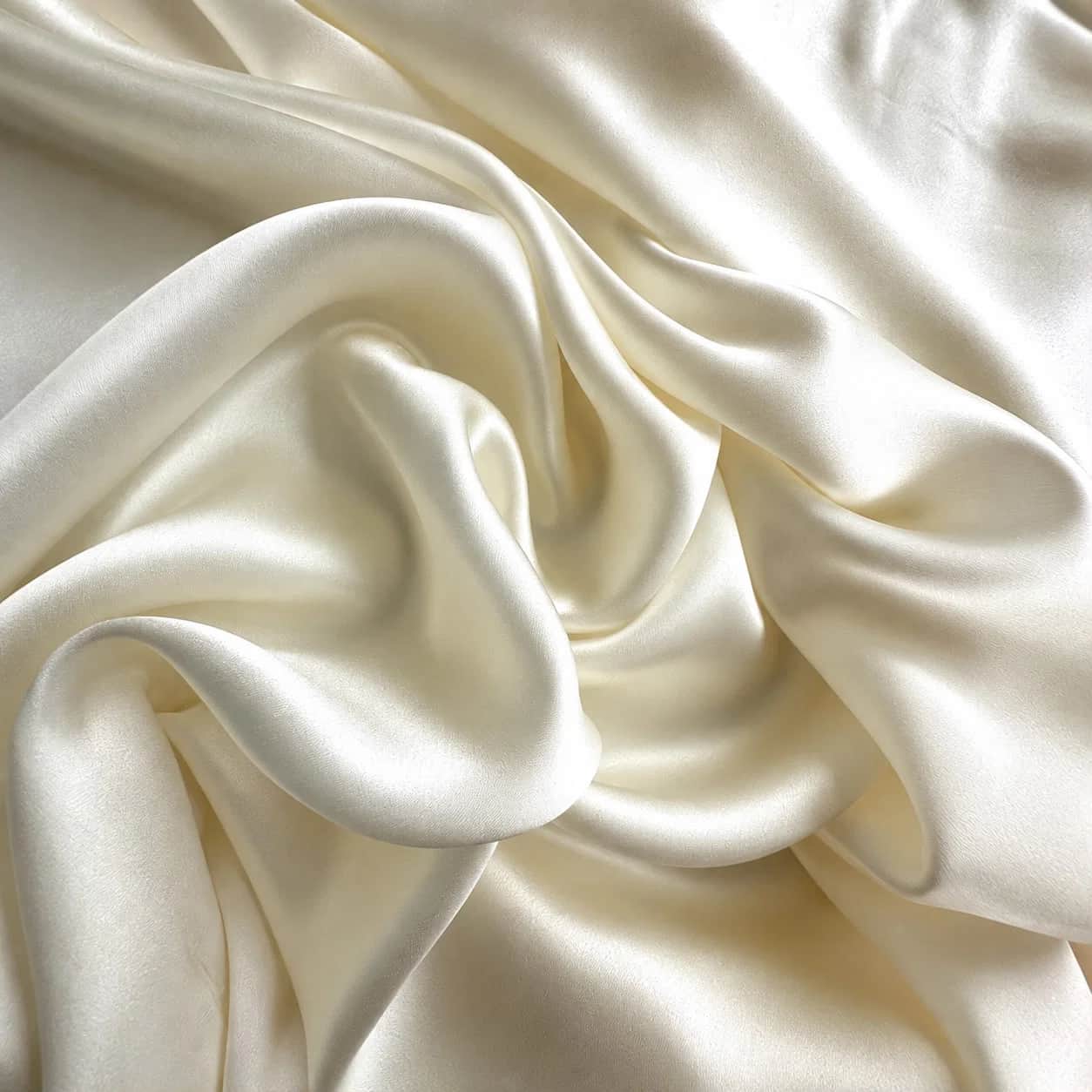
The linen dress sells a contradiction: structure made from a fabric that wants to wrinkle. That is the appeal. A slip dress, kaftan, shirt dress, and tunic can all come from the same flax story, but the pattern decides whether the wrinkle looks expensive or accidental.
The Linen Dress / Kaftan -- "The linen dress sells a contradiction: structure made from a fabric that wants to wrinkle."
Linen clothing is older than fashion as an industry, but the modern linen dress belongs to resort wear, warm-weather tailoring, and relaxed luxury. Kaftans and tunics brought volume and ventilation; slip dresses brought minimalism; shirt dresses brought utility. All rely on linen's ability to feel crisp, dry, and breathable in heat.
Construction logic
The category changes dramatically by silhouette. A slip dress needs bias control, clean straps, and neckline stability. A kaftan needs balanced volume, side vents, and clean seams. A shirt dress adds placket, collar, cuffs, and belt loops. The fabric must be pre-washed or shrinkage will rewrite the pattern after the first laundry cycle.
Commercial logic for creators
For creators, the linen dress is a summer-margin product with strong colour potential. The risk is cheap sheerness and unstable seams. Premium versions win through fabric weight, garment wash, French seams, lining only where needed, and relaxed but intentional fit.
FAQ
A linen dress or kaftan is a warm-weather woven garment built from linen or linen-blend fabric, usually emphasizing breathability and relaxed drape.
Common options include 100% linen, linen/viscose, linen/cotton, linen/Tencel, garment-washed linen, and optional cotton voile lining.. Choose based on target price, handfeel, durability, and care requirements.
Focus on stable necklines, clean plackets or straps, side vents, French seams, careful hem allowance, and optional partial lining. These details usually determine whether the product feels credible or cheap.
Check ease, body transparency, armhole depth, neckline stability, dress length, and whether the silhouette is bias, straight, or volume-based. Fit should be reviewed on the body type and use case the product is designed for, not only on a flat measurement sheet.
The main cost drivers are linen weight, lining, button quality, belt details, garment washing, and seam finishing. Sampling time and rejection risk also increase cost when the fit is sensitive.
Request checks for shrinkage, seam slippage, sheerness, colourfastness, button security, and post-wash distortion. For performance or workwear products, test under the real use condition rather than only visually.
Watch for twisted hems, see-through body panels, strap stretching, neckline collapse, and excessive shrinkage. These issues should be caught at fit sample, pre-production sample, and bulk inspection stages.
affordable uses linen blends; premium uses heavier washed linen; luxury uses refined European flax, precise finishing, and selective lining.
Include fabric weight, shrinkage allowance, lining map, placket or strap construction, seam finish, and garment-wash instruction. Add reference photos and tolerance notes where fit or construction is easy to misread.
woven dress factories with linen experience are ideal because handling and shrinkage are the main challenges.
Use OEKO-TEX STANDARD 100 as a consumer-safety baseline where possible. Use GOTS for organic cotton, GRS for recycled polyester or nylon, RWS for responsible wool, and leather-specific or chemical compliance where relevant to the material.
cold wash, reshape while damp, and accept natural wrinkling; high heat can cause shrinkage.