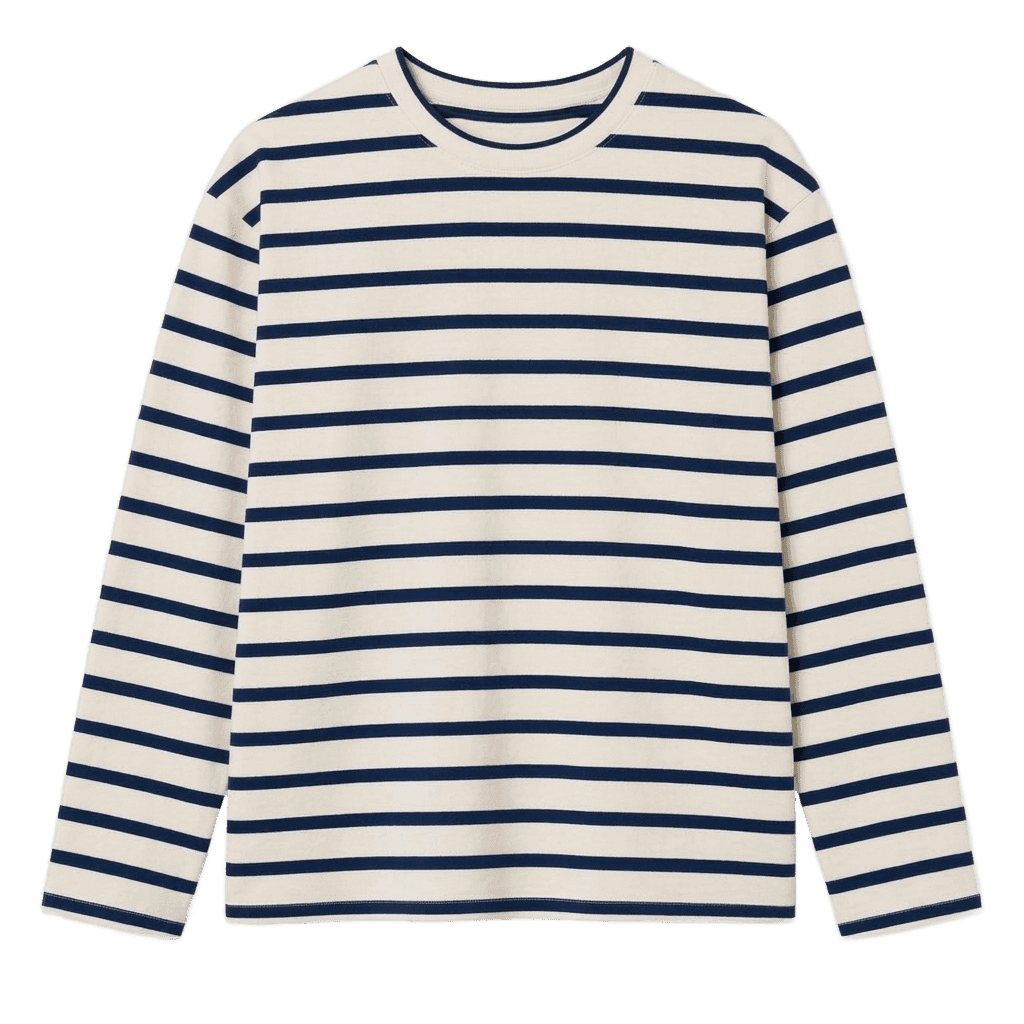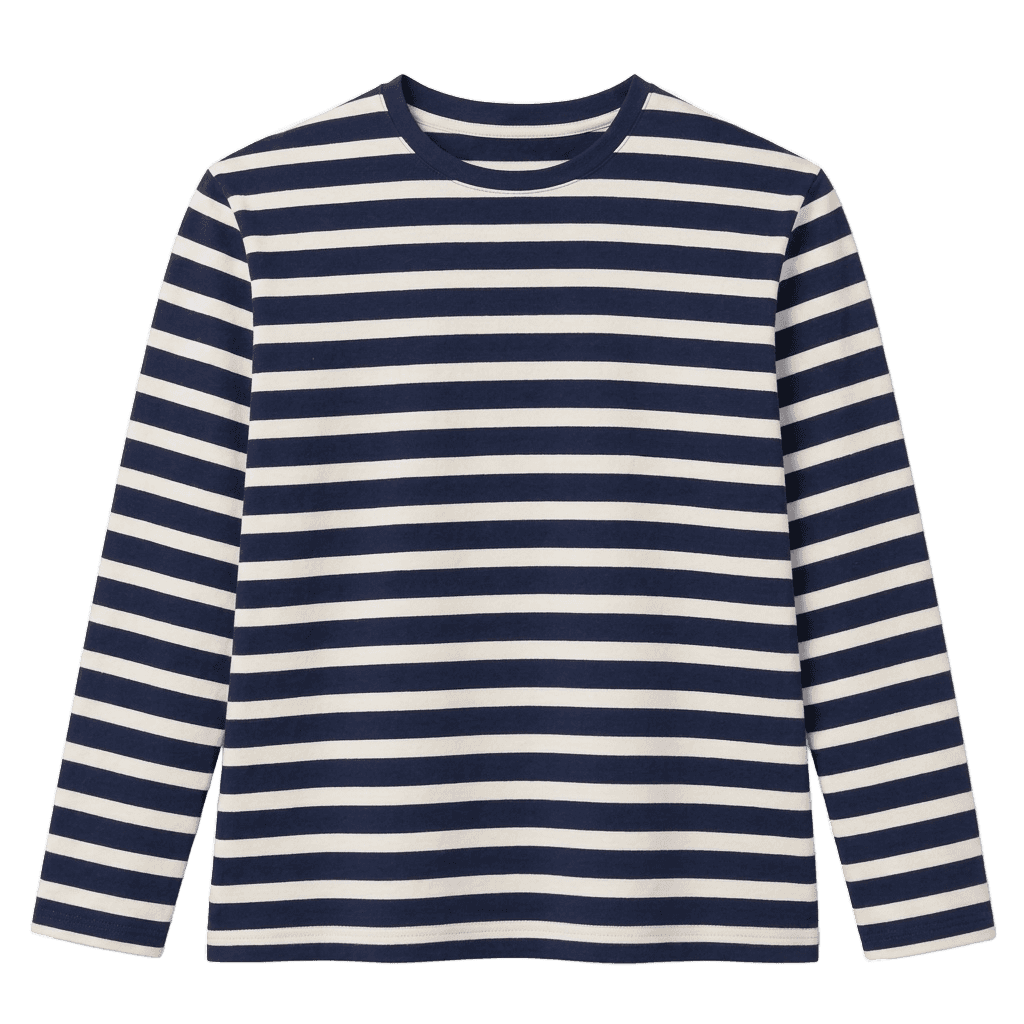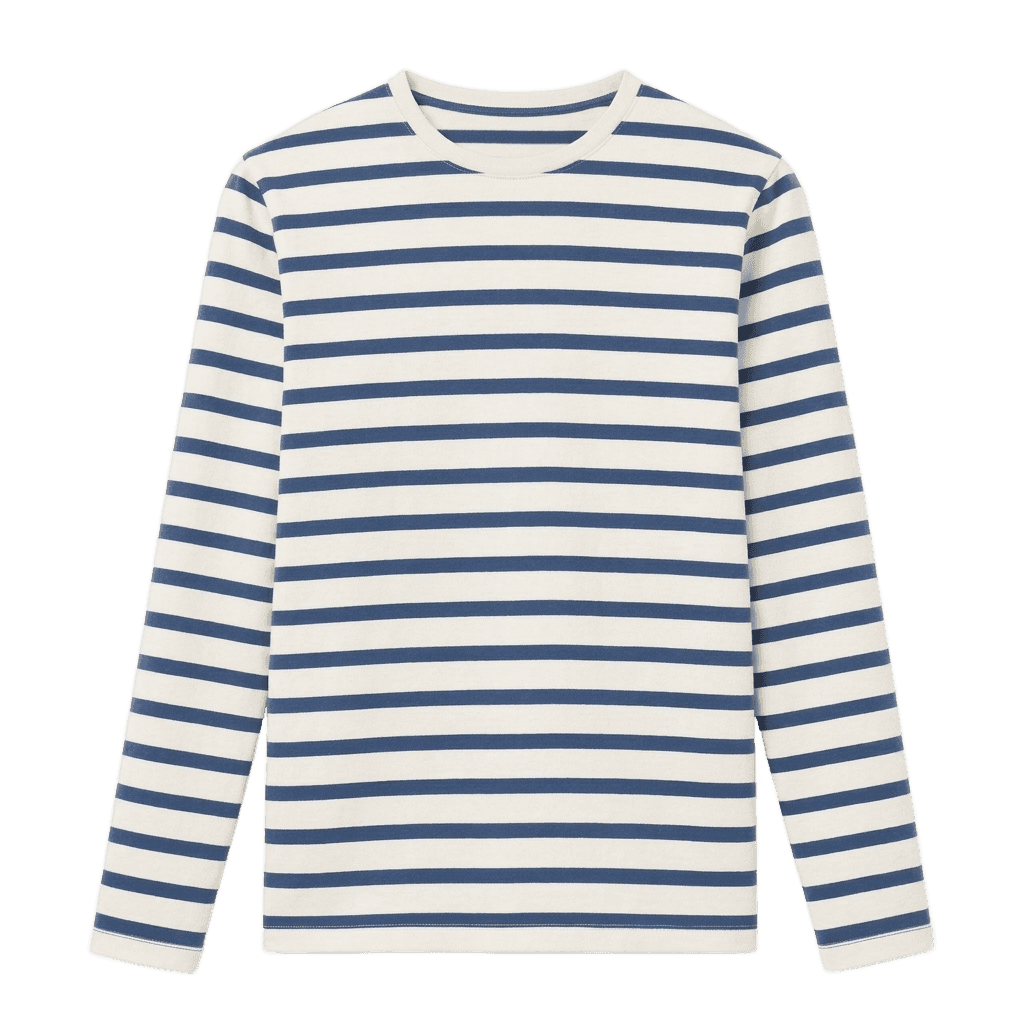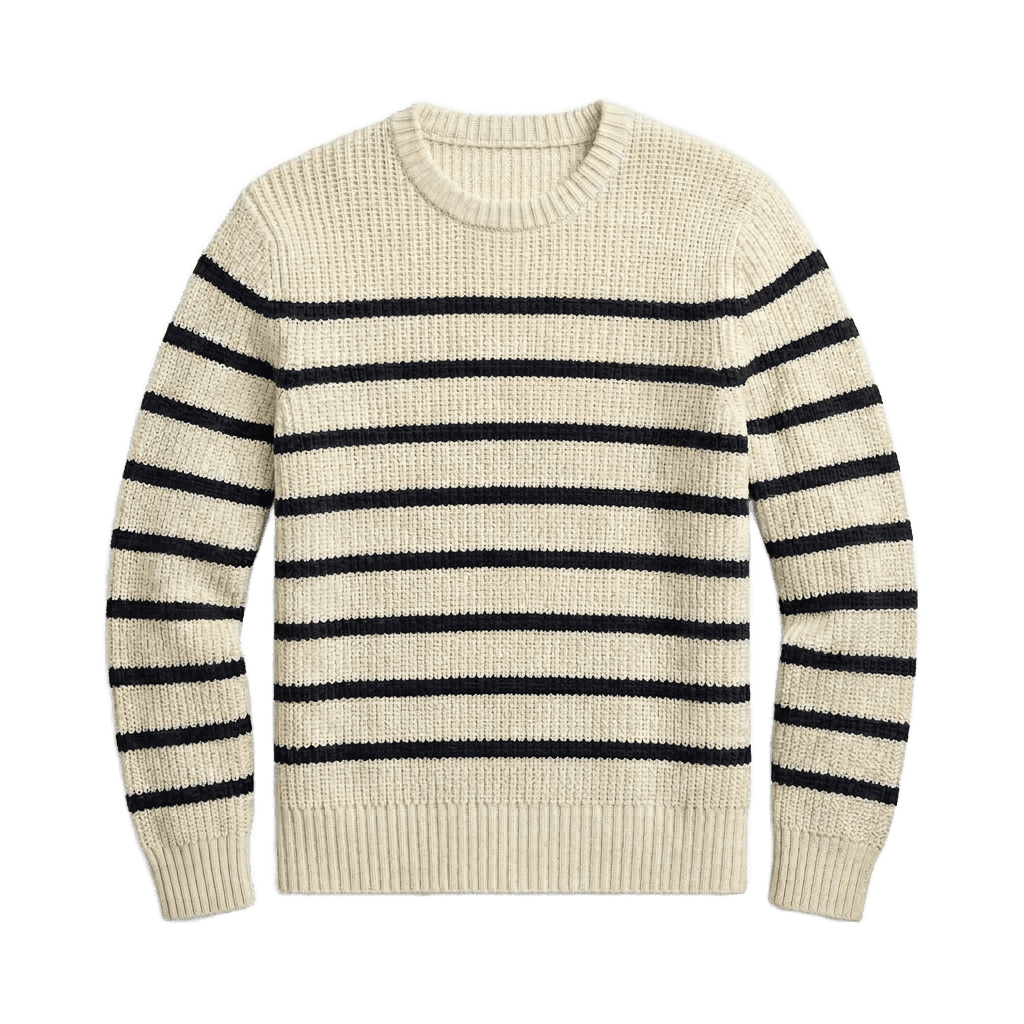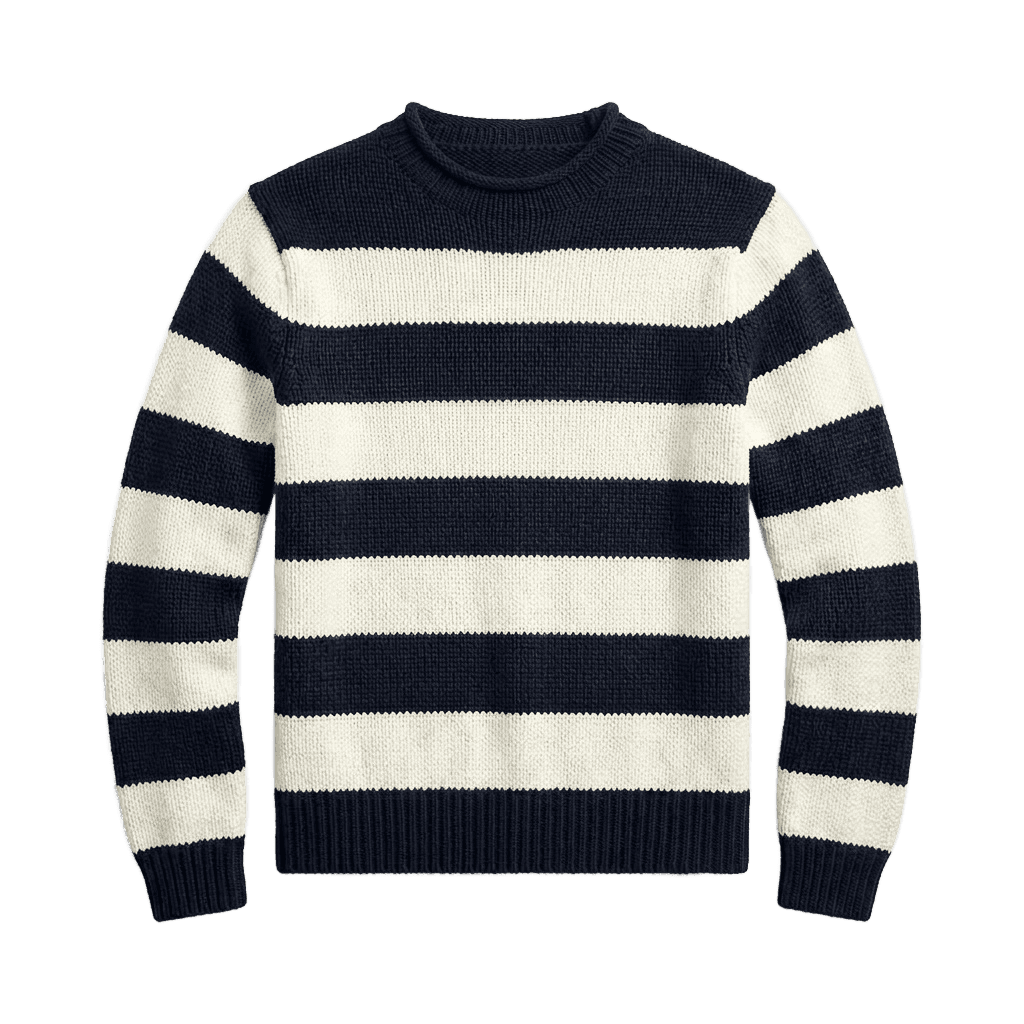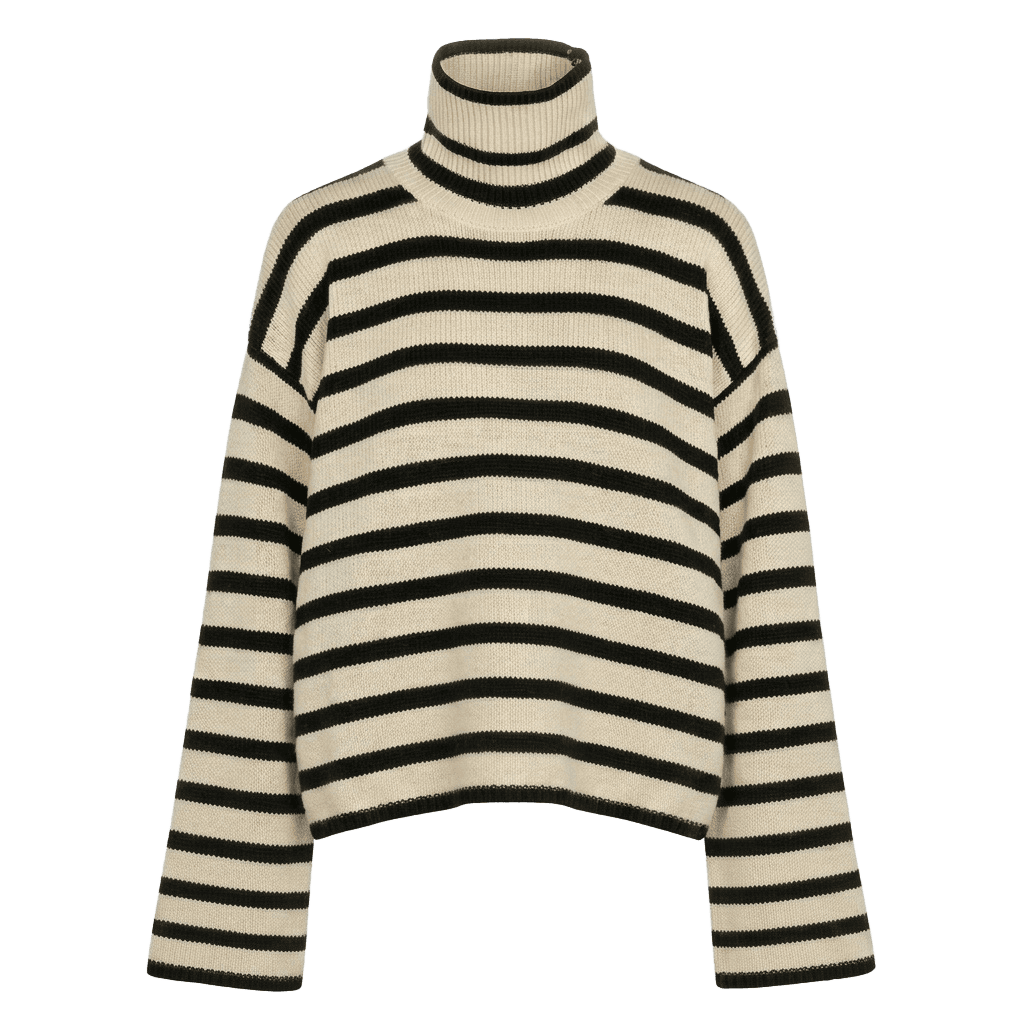
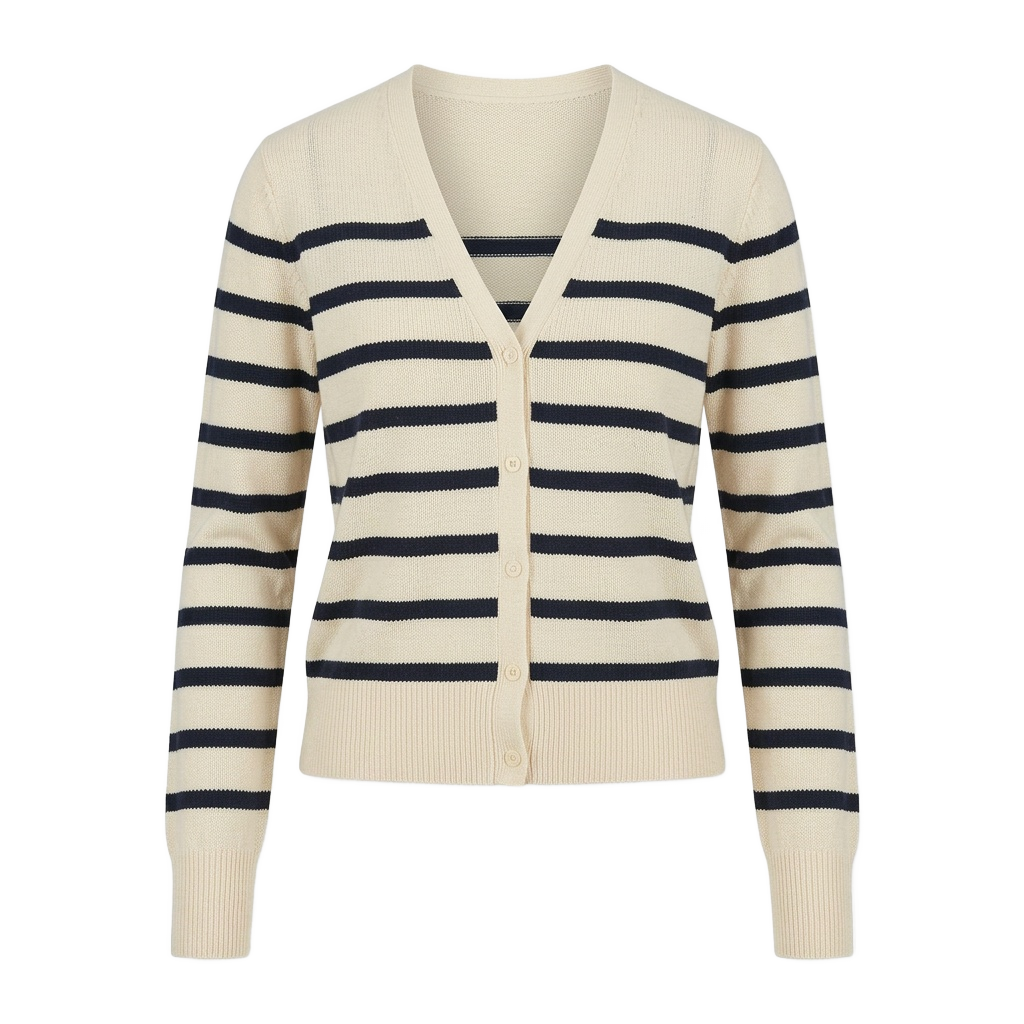
Striped Crew Neck Cardigan
Horizontal stripes wrap continuously across the straight body and set-in sleeves, interrupted only by the front placket. The regular-fit cut ends at hip level with a straight ribbed hem, while the V-neckline and ribbed cuffs finish the long sleeves. Five cream buttons run down the center front on a cream base.
The same factories that produce for houses like Celine and Balenciaga can produce this piece, directly to you
GABI
Make it yours
Material gradeMOQ 50
Colour
- Main Fabric: 100% Cotton, 350gsm
- Rib Trims: 100% Cotton
- Machine wash at 30°C on a gentle cycle
- Do not bleach
- Tumble dry on low heat
- Iron on a medium setting
- Fasten zips and hardware before washing
A guide based on the garment’s materials — always follow the care label on the item itself.
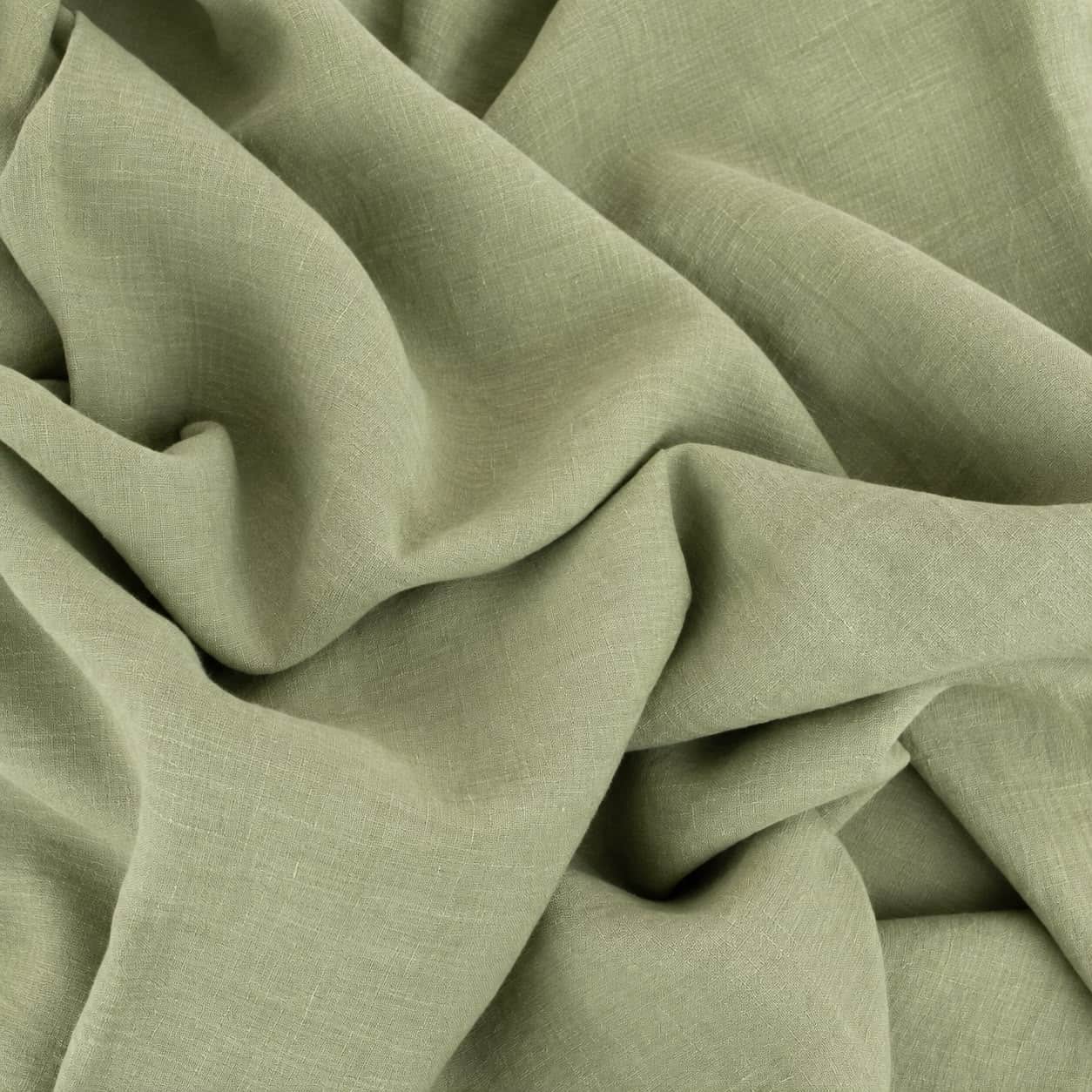
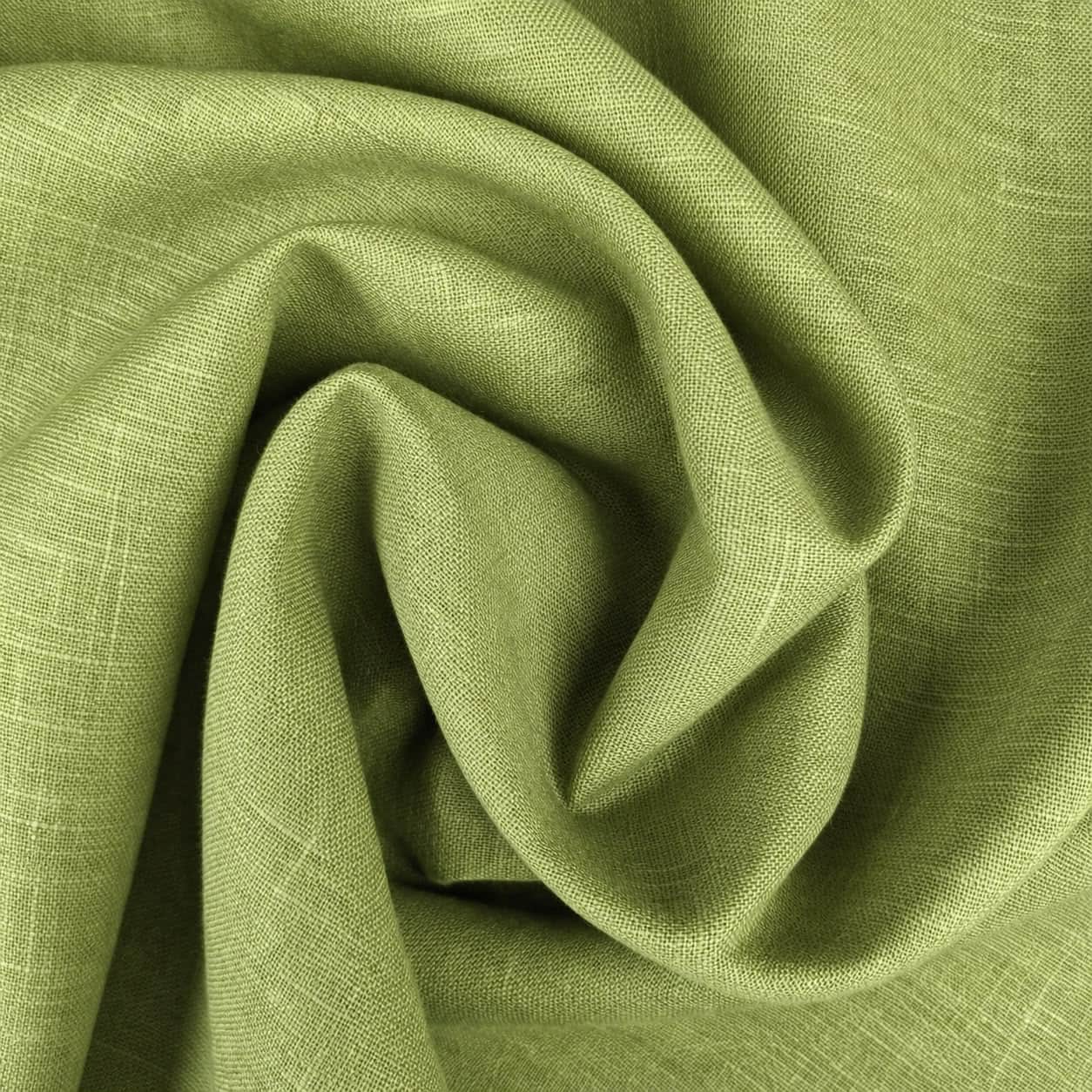
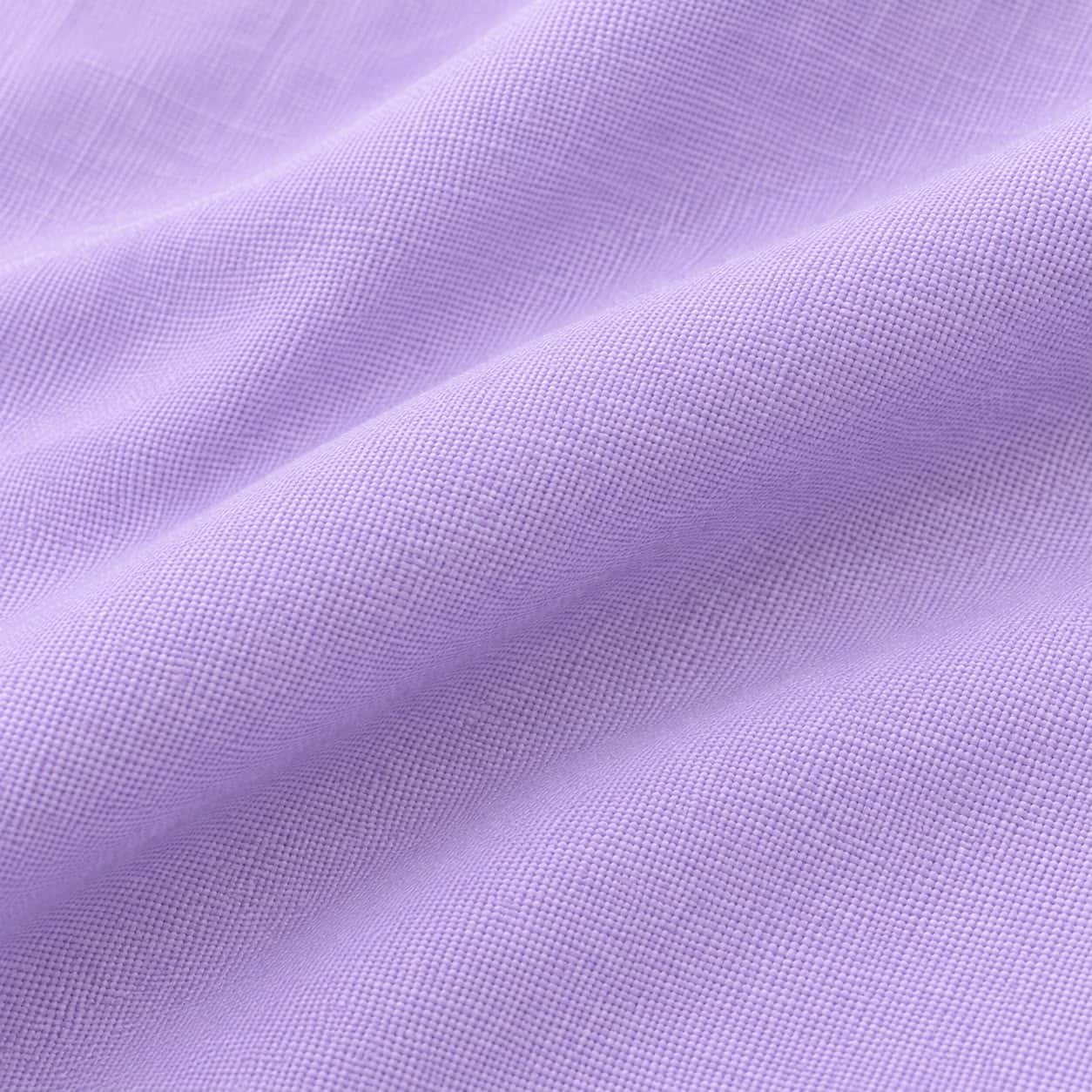
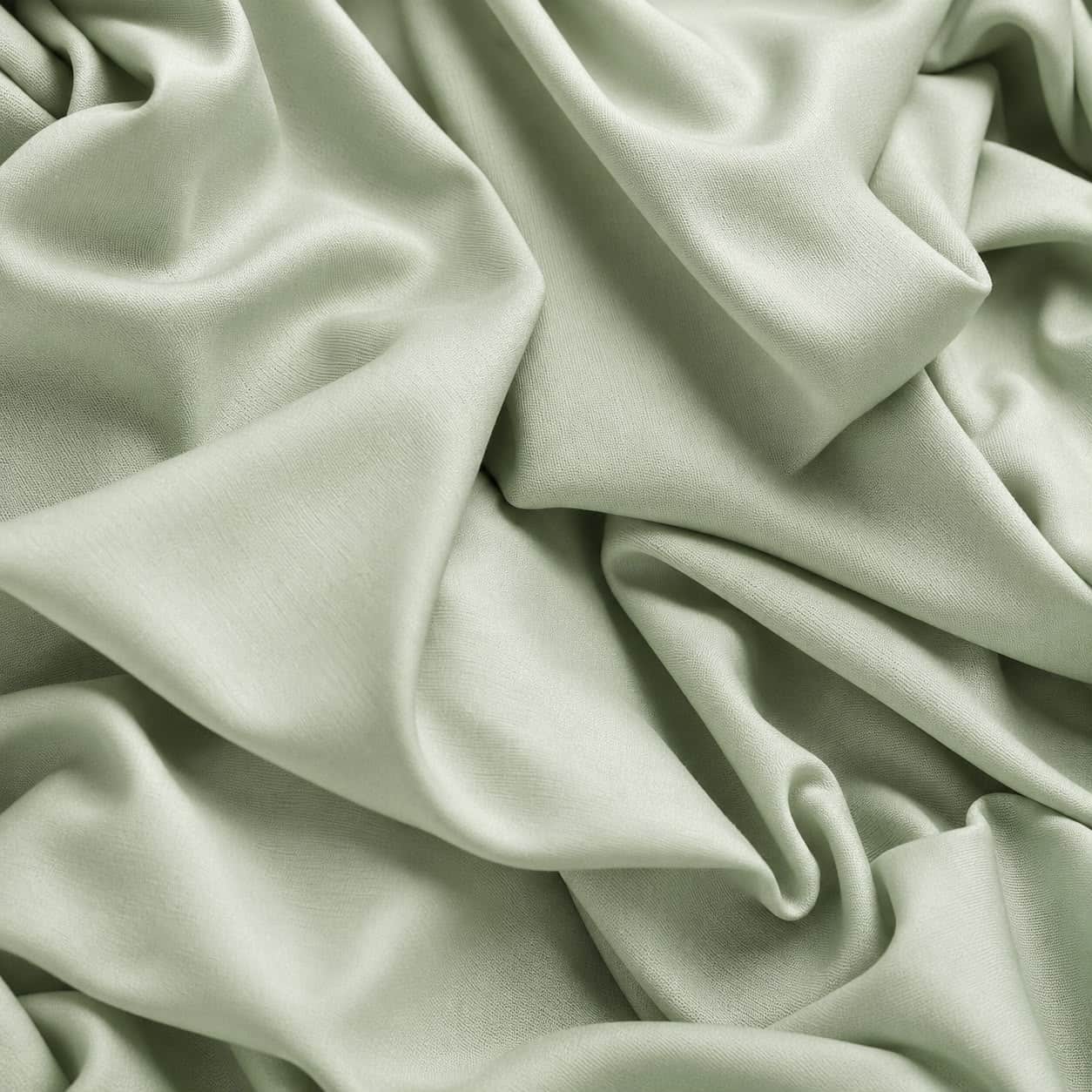
Fabrics

The cardigan was named after James Brudenell, the 7th Earl of Cardigan, who led the Charge of the Light Brigade in 1854. His soldiers cut the sleeves off their knitted waistcoats to keep warm in the Crimean winter. The cut front became the button band. The button band became the cardigan. One hundred and seventy years later, Taylor Swift wore a cardigan on the cover of her album and it became the most Googled piece of knitwear in fashion history. The Earl would not have predicted that.
The Cardigan — "From the Crimean Winter to Every Wardrobe in the World"
The cardigan's origin story is one of the most specific in the Sparkit Encyclopedia: a named person, a named place, and a named military engagement. James Thomas Brudenell, the 7th Earl of Cardigan, commanded the Light Brigade at the Battle of Balaclava in October 1854 during the Crimean War. The soldiers under his command adapted their knitted woollen waistcoats by cutting the front open — allowing the garment to be put on and taken off without removing equipment, and to be layered over other clothing in the brutal Crimean winter. The resulting open-front knitted garment acquired the name of its aristocratic patron.
The military origin gave the cardigan an immediate association with practicality, warmth, and masculine utility. It entered civilian life through surplus clothing routes and by the early 20th century had been adopted as comfortable domestic and leisure wear across class lines — from working-class utility to the country-house wardrobe of the English upper classes.
The 20th century history of the cardigan is a sequence of cultural reclamations and repositionings. Coco Chanel incorporated knitted cardigans into relaxed women's clothing in the 1920s and 1930s. In the 1950s, the fitted sweater-girl cardigan became a sexualised fashion statement. In the 1970s, the oversized grandpa cardigan became the uniform of the intellectual and the bohemian.
The commercial history of the cardigan in the late 20th century is dominated by two opposing forces: massification and luxury positioning. Cotton and cotton/acrylic cardigans democratised the garment completely, while the cashmere cardigan became one of the defining luxury knitwear propositions, with brands such as N.Peal, Loro Piana, and Brunello Cucinelli building significant revenues on fully fashioned cashmere cardigans.
Taylor Swift's 2020 album Folklore produced a cultural moment for the garment that no marketing campaign could have manufactured. The vintage-inspired brown cardigan on the album artwork triggered an immediate and measurable spike in cardigan search volume globally and a sustained period of cardigan commercial dominance across all tiers.
For independent creators, the cardigan offers a distinct commercial proposition from the pullover crewneck: it is more versatile as a layering piece, it allows the button band to be a brand identity tool, and it sits in a product category with demonstrated luxury price acceptance. The construction adds one specification layer — the button band — above the crewneck, and that layer is where the brand's manufacturing choices are most visibly expressed.
The contemporary cardigan market spans from the oversized zip cardigan of streetwear to the open-front longline cardigan of resort wear to the fitted button-front cashmere of luxury. All are variations on the same construction logic: a knit body with a front opening and a closure system. The gauge, yarn, and closure together define the garment.
FAQ
A cardigan costs between $25 and $113 per unit landed. Affordable cotton/acrylic cut-and-sew from China with a picked-up button band: ~$25. Premium ZQ Merino fully fashioned from Portugal with a knitted-in band and horn buttons: ~$56. Luxury Grade A cashmere fully fashioned from Scotland with a welt band and hand-worked buttonholes: ~$113. The cardigan costs $3–20 more per unit than an equivalent crewneck sweater, driven entirely by the button band construction and button specification.
A picked-up band is knitted separately after the front panels are assembled — stitches are picked up from the front edge and a rib band is worked outward. The result is adequate at affordable tier but can pull and curl without stabilisation. A knitted-in band is part of the front panel itself, knitted on the flat-bed machine as an integral extension of the front panel — there is no join seam. It is the cleaner, more precise construction, available only in fully fashioned production, and adds $2–4/unit CMT.
A hand-worked buttonhole is sewn by hand using a blanket or buttonhole stitch around a cut opening, rather than by machine. It is the defining luxury detail of high-end tailoring and knitwear, visible on Savile Row jackets and on N.Peal and Loro Piana cashmere cardigans. It adds $0.50–1.00 per buttonhole — $3–6/unit on a 6-button cardigan. The hand-worked buttonhole is a visible quality signal.
Resin at affordable. Corozo at mid-premium. Horn at premium and luxury. Mother of pearl for fashion and feminine positioning. Metal toggle for heritage references. Specify button diameter, shank type, and thread colour matched to yarn. Always apply a backing button on the interior behind all button attachments on mid-gauge or heavier knit.
A zip-through cardigan uses a YKK coil zip instead of a button band and is common in sportswear or Harrington-adjacent variants. It eliminates button-band CMT and replaces it with zip cost, usually saving about $1–6 per unit overall. The real decision is positioning: zip reads sport/technical, buttons read heritage knitwear.
Plain jersey is the most commercially common. Cable stitch is strongest for heritage positioning. Moss or seed stitch is especially good for open-front cardigans because it lies flat without strong band stabilisation. Jacquard and Fair Isle add the most visual differentiation. Chunky ribs suit oversized and streetwear-adjacent positioning.
Button count is determined by front length: typically one button every 8–10cm. A standard hip-length cardigan usually carries 6–7 buttons. Cropped styles may have 3–4; longline styles may have 8–10. Always specify exact button count and placement on the tech pack.
GOTS ×1.23 for cotton, RWS ×1.08–1.12 for lambswool, ZQ ×1.12–1.18 for merino, RCS ×1.10–1.15 for cashmere, and OEKO-TEX as the baseline consumer safety credential across all fibres.
China for all tiers and the widest infrastructure. Portugal for Made in Europe premium. Scotland for luxury fully fashioned merino, lambswool, and cashmere. Italy for luxury fully fashioned cashmere and fine merino.
A shawl collar cardigan has a wide folded lapel rather than a standard rib neckband. It wraps around the neck and creates a continuous lapel from shoulder to hem. It adds roughly $3–10/unit CMT, requires shaping expertise, and must be blocked correctly after assembly.
HS code 6110 — jerseys, pullovers, sweatshirts, waistcoats, and similar articles of knit or crocheted fabric. Same as the crewneck sweater. The open front does not change the classification.
A cardigan typically retails at 10–20% above an equivalent crewneck sweater, reflecting the added button band construction and button material. At luxury tier, the premium can be larger because hand-worked buttonholes and high-quality buttons are visible value signals.