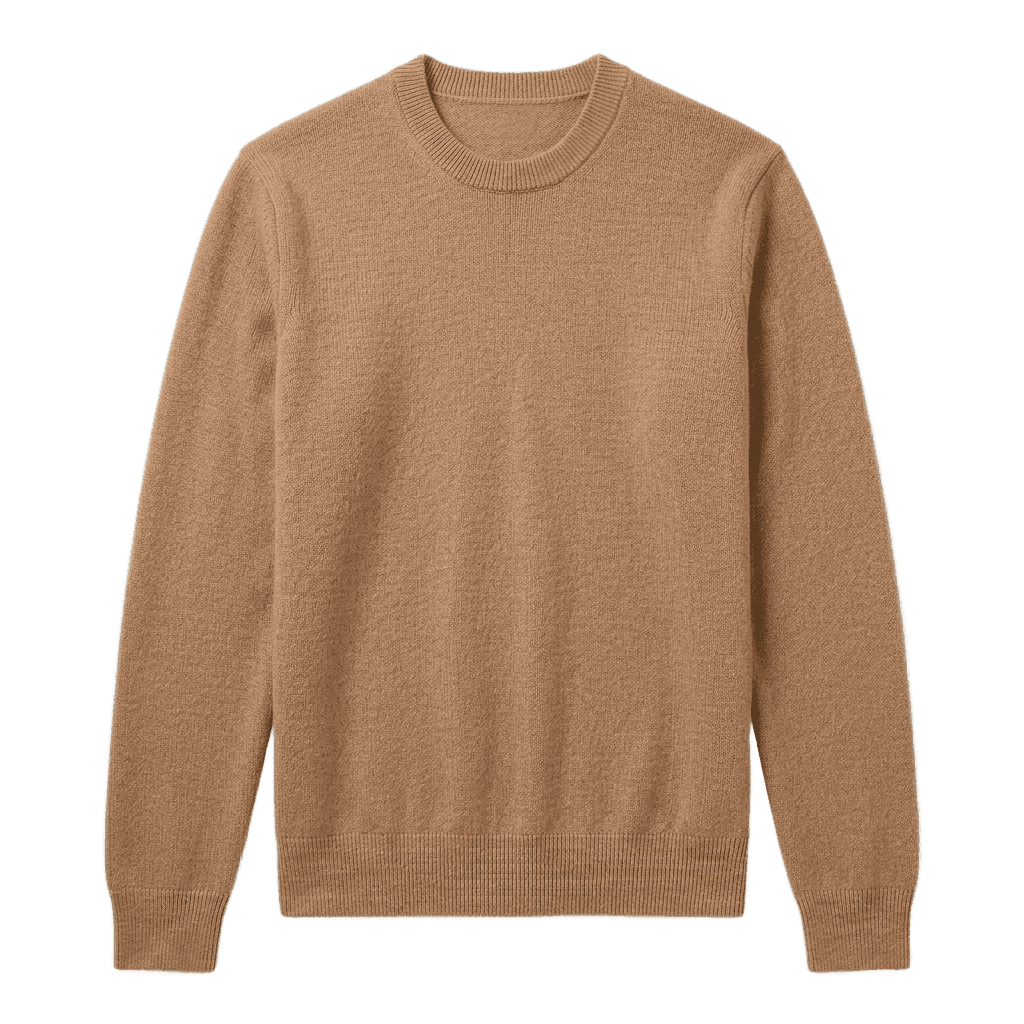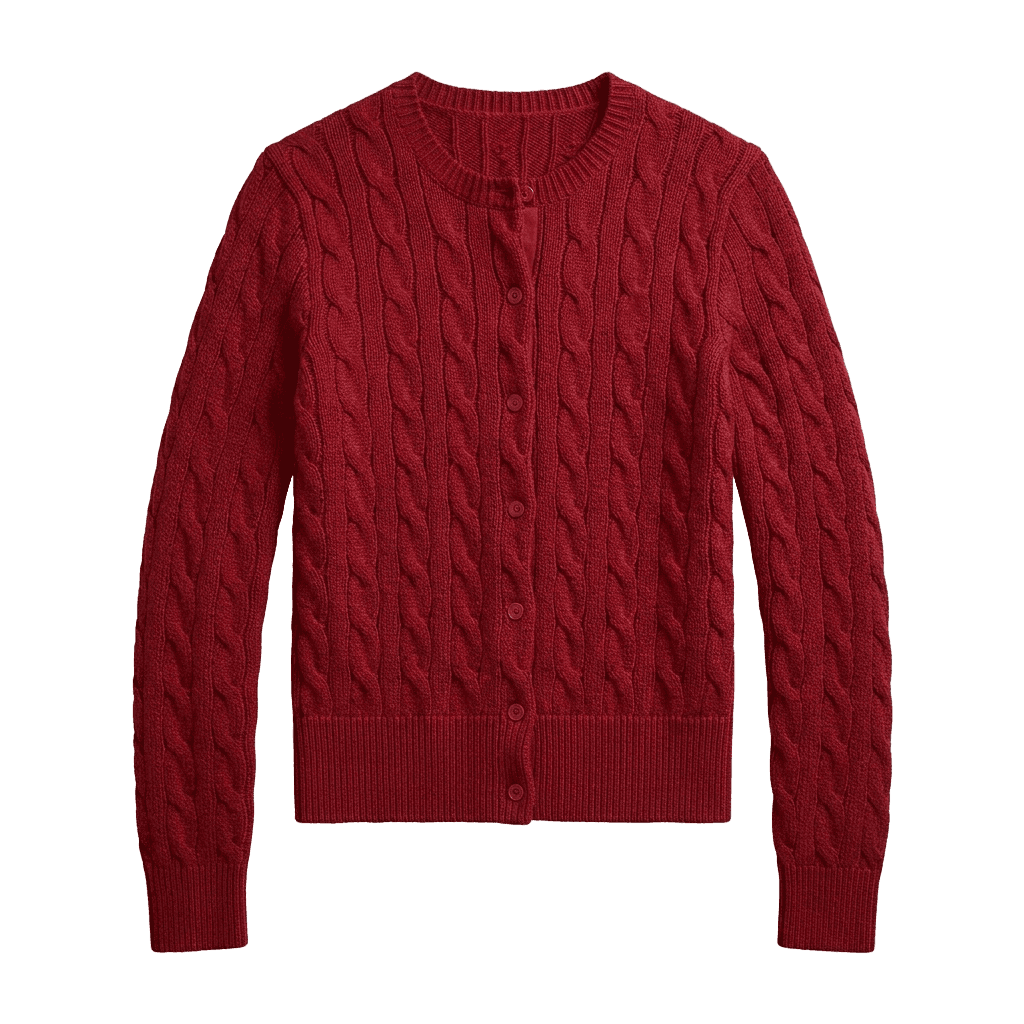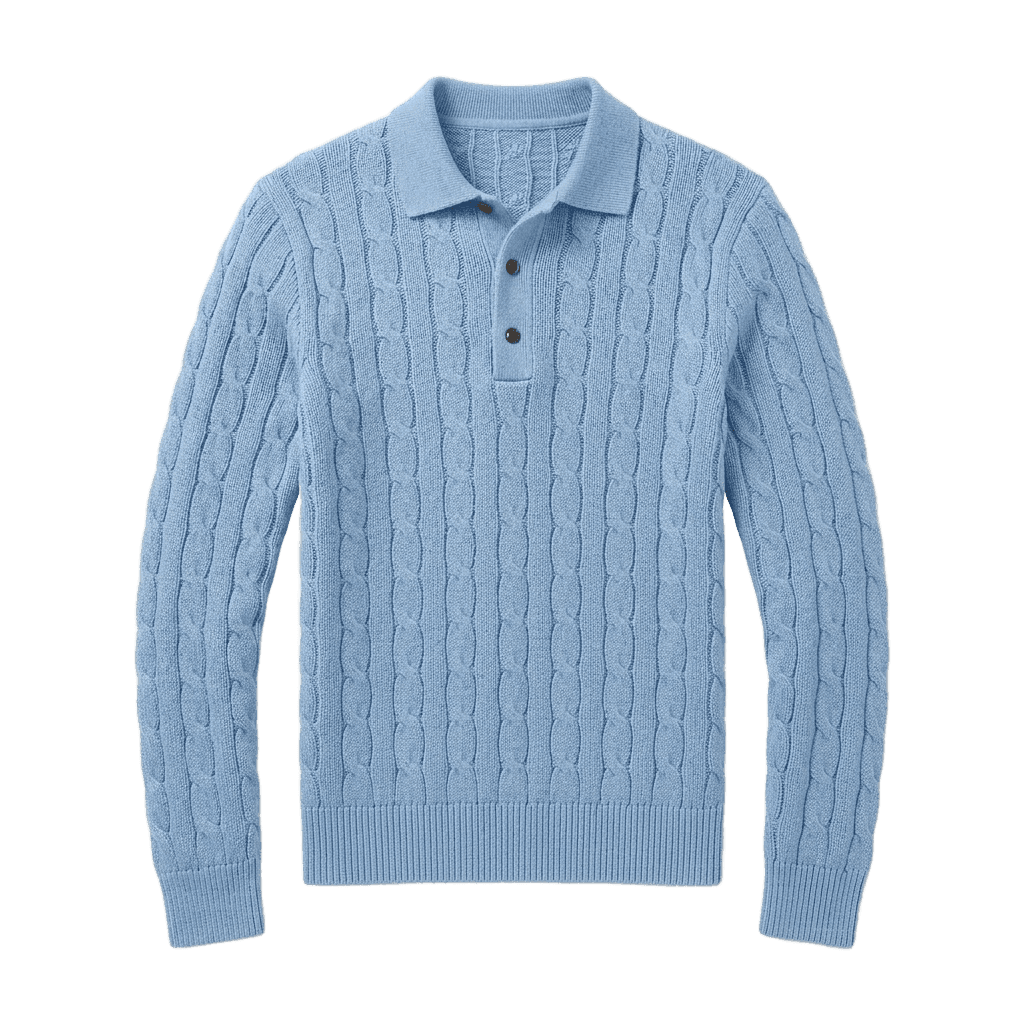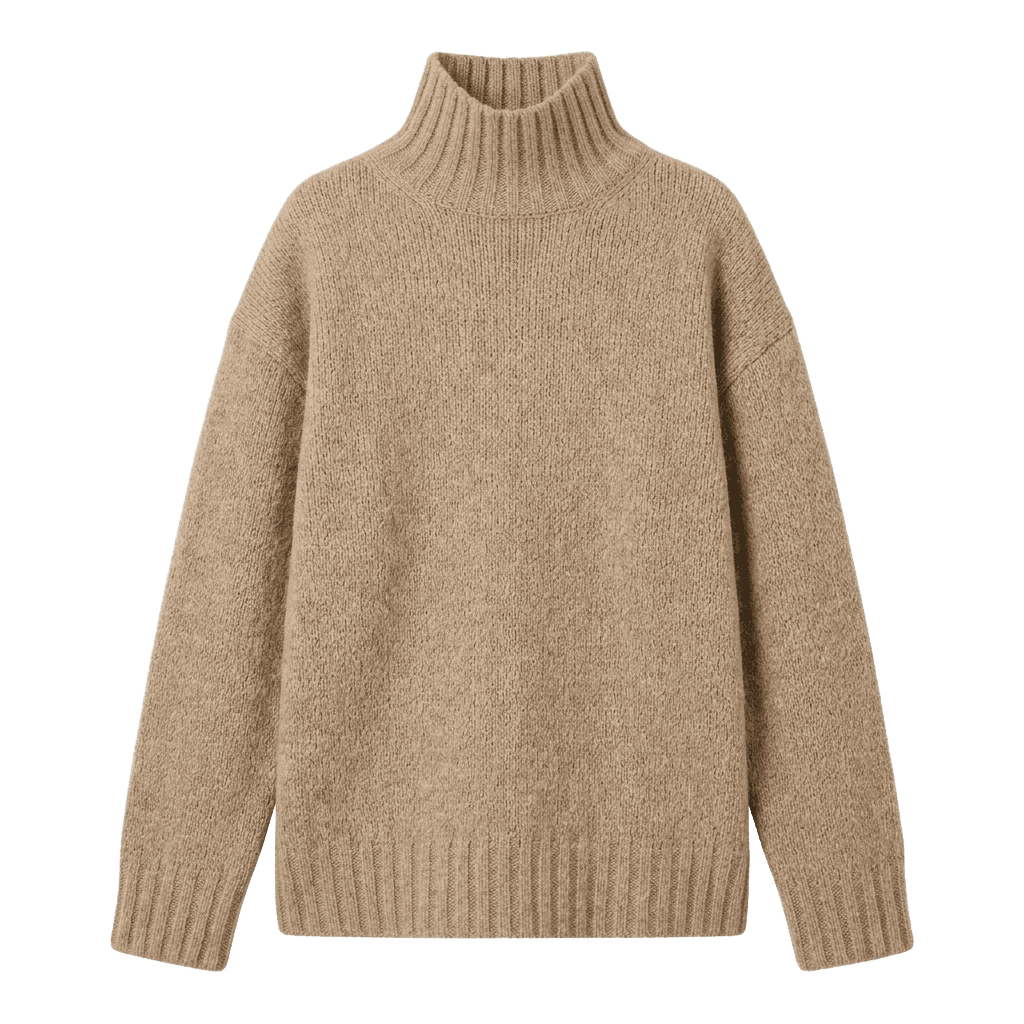
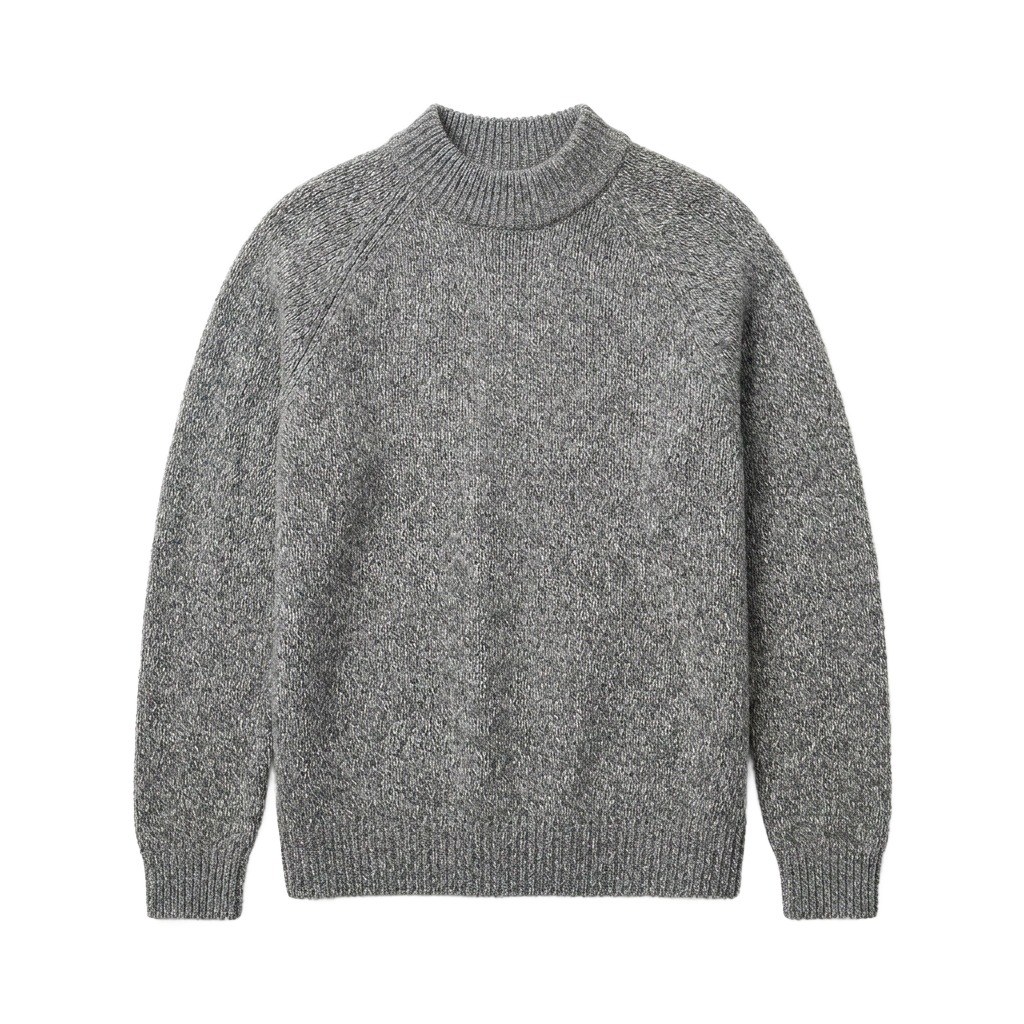
Marled Grey Mock Neck Sweater
A regular-fit pullover with a straight body and a ribbed mock neck that sits close to the throat. Fully fashioned raglan seams run from the collar to the underarms, giving sloped shoulders and sleeves that narrow into ribbed cuffs. The straight hem falls at hip level, and the marled grey knit is the only colour noted.
The same factories that produce for houses like Celine and Balenciaga can produce this piece, directly to you
GABI
Make it yours
Material gradeMOQ 50
Colour
- Main Fabric: 100% Cotton, 340gsm
- Rib Knit: 80% Wool / 20% Nylon
- Hand wash cold
- Do not bleach
- Do not tumble dry
- Dry flat to keep its shape
- Iron on a low setting
A guide based on the garment’s materials — always follow the care label on the item itself.
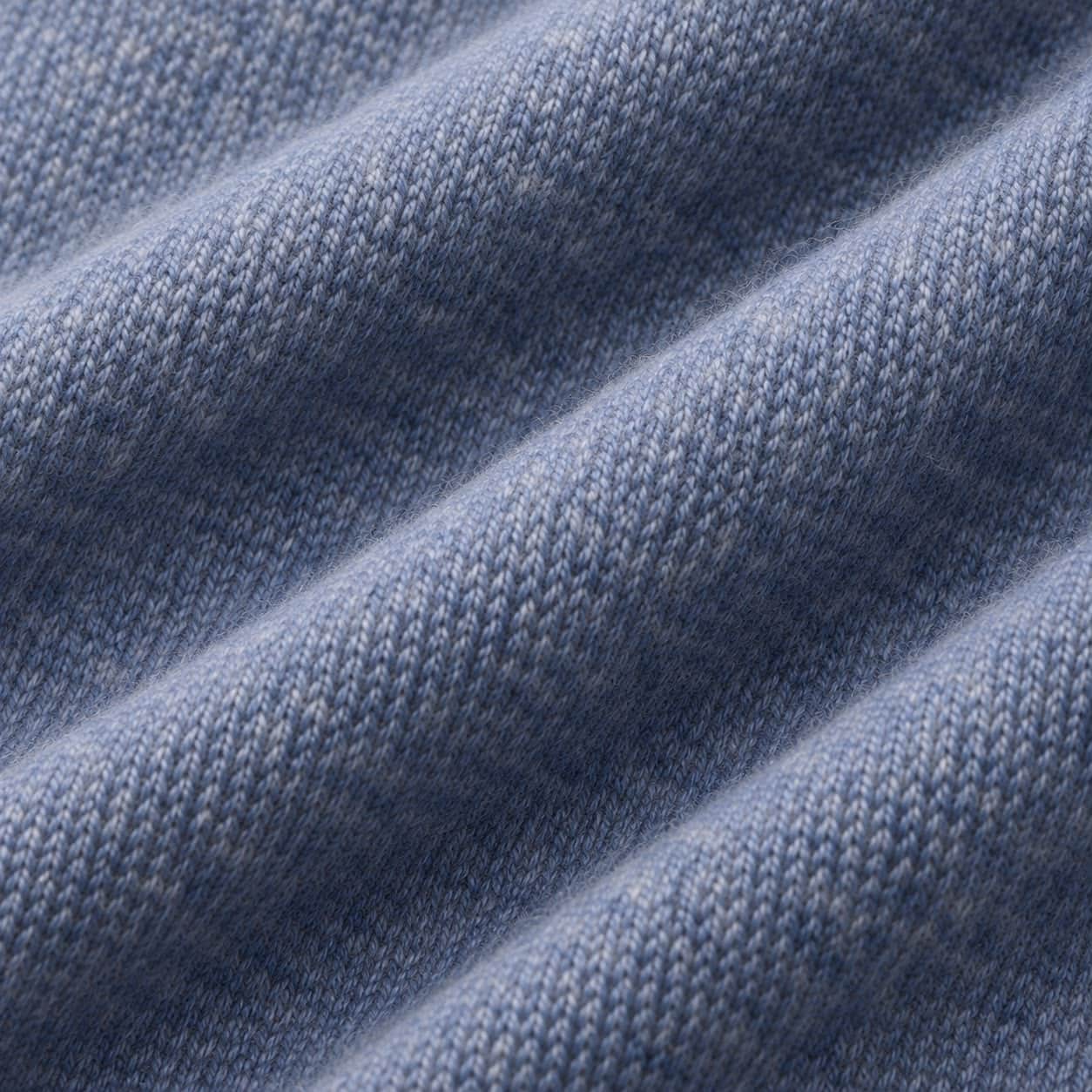
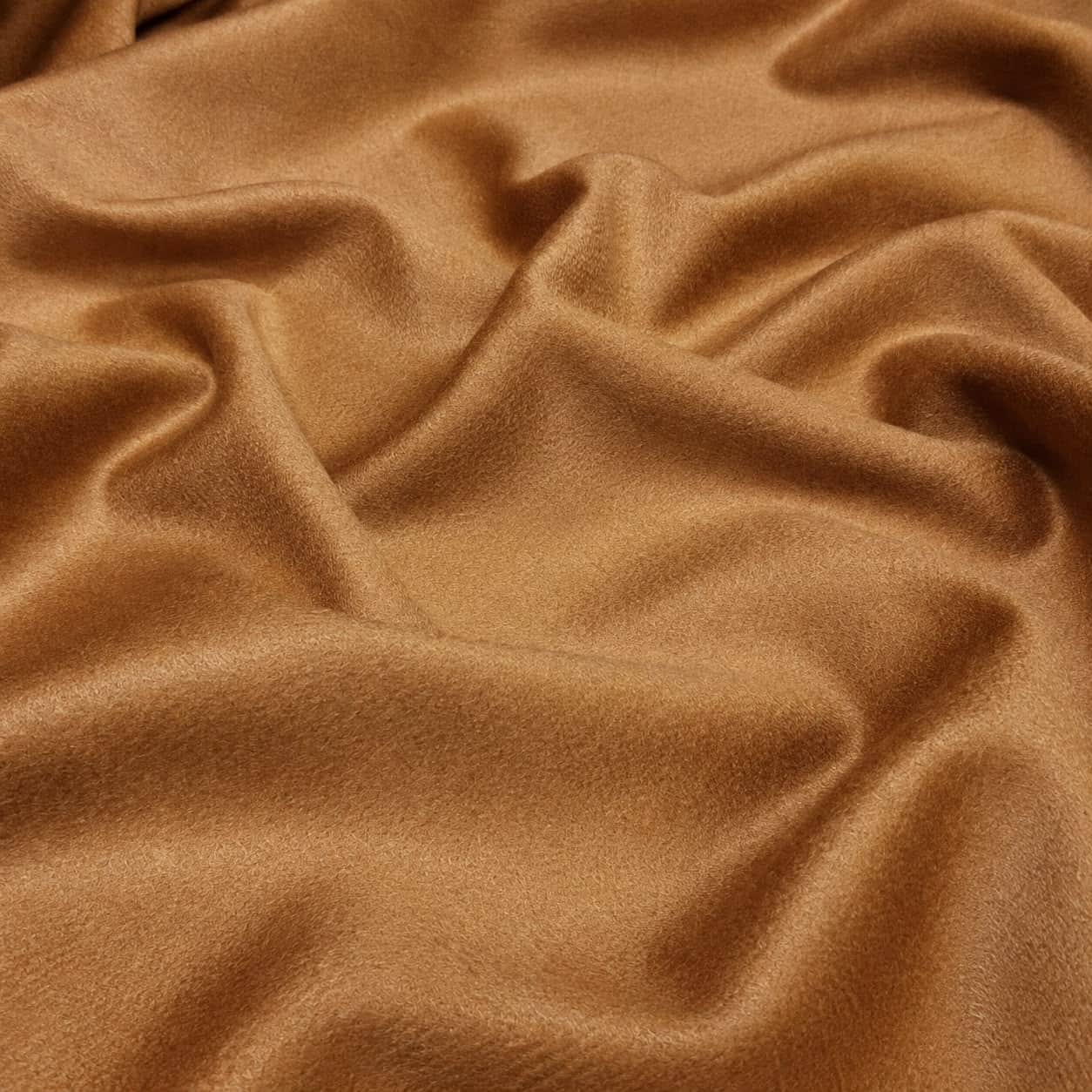
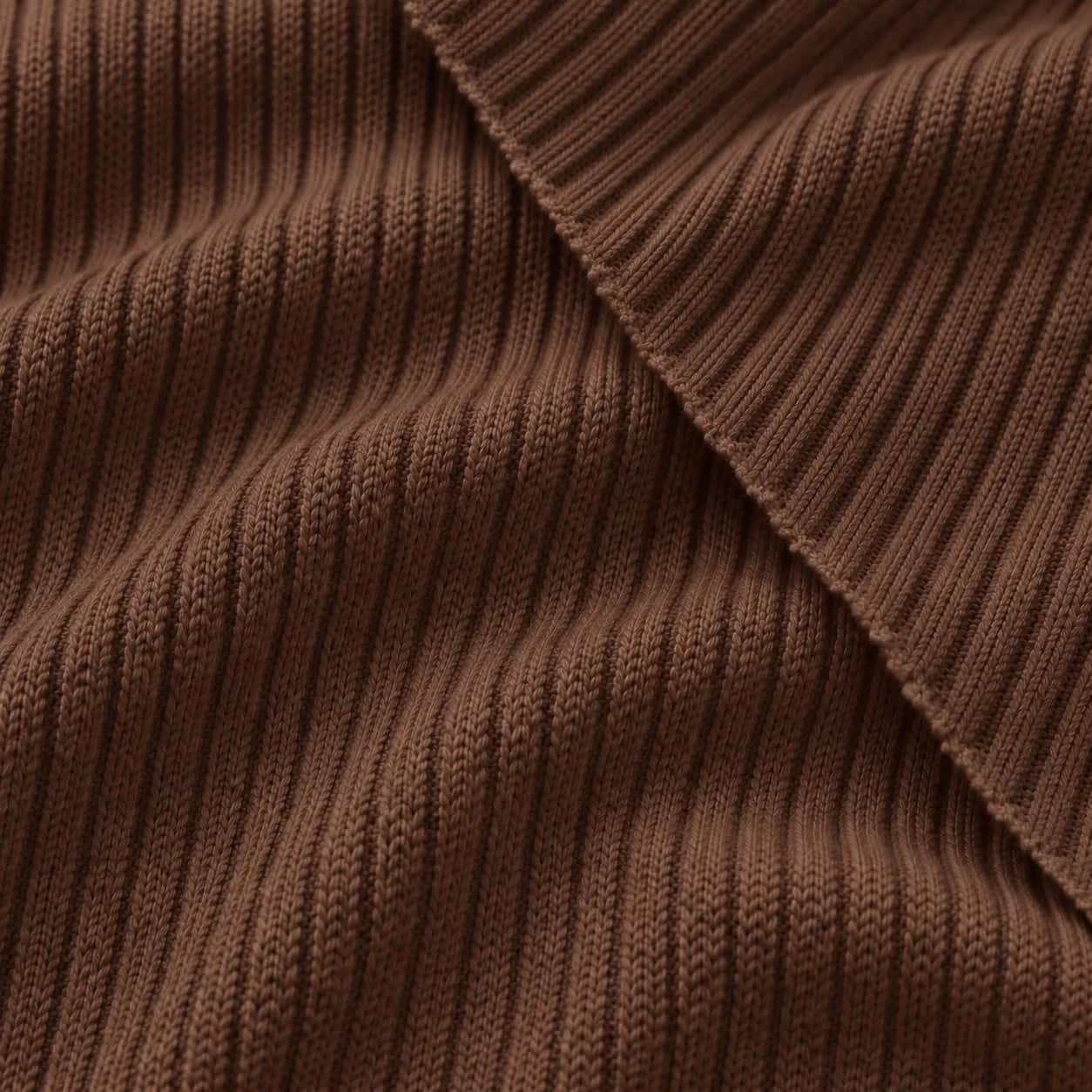
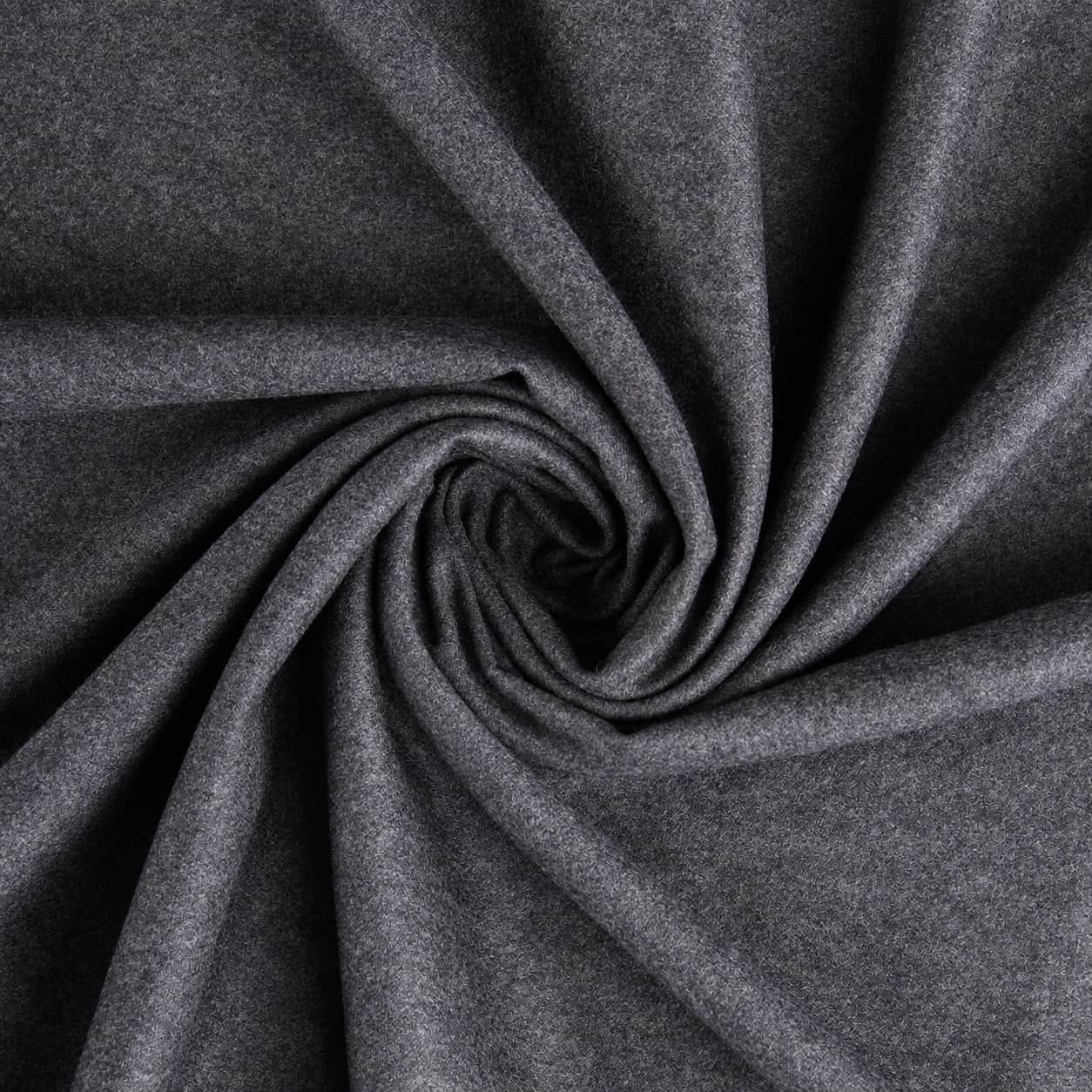
Fabrics
Steve Jobs wore the same black turtleneck every day for twenty years. He had 100 of them made by Issey Miyake. He said it saved him from decision fatigue. That is one way to think about the turtleneck. Here is another: Coco Chanel borrowed it from sailors in the 1910s and made it fashion. James Dean wore it in 1955 and made it rebellion. Steve McQueen wore it in 1968 and made it cool. Steve Jobs wore it in 1998 and made it genius. One collar. Four icons. The most culturally overdetermined neckline in fashion.
The Turtleneck — "The Most Culturally Overdetermined Neckline in Fashion"
The turtleneck's physical definition is precise and simple: a ribbed knit collar that extends above the standard crewneck height and folds over one or more times to cover the neck. The turtleneck proper folds over once to create a double layer of fabric at the neck — the roll sits at mid-neck. The rollneck is effectively synonymous: a collar that rolls, rather than standing. The mock neck or mock turtleneck does not fold — it stands straight at a height typically between 8cm and 15cm. The cowl neck drapes loosely rather than standing. Each variation is a slight modification of the same basic construction.
The turtleneck's origins are maritime. Sailors and fishermen wore high-necked knitted garments against the cold and spray of open water from at least the 19th century — the Aran and Guernsey fishing sweater traditions include high-neck variants as functional cold-weather garments. The transition from working garment to fashion item followed the same pattern as many utilitarian garments: adoption by a cultural figure with sufficient authority to transform the register.
Coco Chanel is credited with the first significant fashion appropriation of the turtleneck, incorporating jersey knit high-neck tops into her early 1910s collections as part of her broader project of relaxed, masculine-adjacent women's clothing. The turtleneck was part of the same vocabulary as jersey suits and nautical stripes — practical, comfortable, and deliberately opposed to the corseted formality of Edwardian fashion.
The turtleneck's mid-20th century cultural arc is one of the most concentrated in fashion history. In the 1950s, it became the uniform of the New York intellectual and beatnik community — a deliberate anti-fashion statement worn by writers, poets, and jazz musicians as a rejection of the white-collar shirt-and-tie uniform of corporate America. In Europe, the existentialist community around Jean-Paul Sartre and Simone de Beauvoir adopted the same garment for the same reasons. The turtleneck became the garment of the person who thought rather than worked.
The 1960s extended the turtleneck into mainstream fashion through two routes: the influence of European cinema and the broader casualisation of men's dress that the decade produced. By the late 1960s, the turtleneck had become an acceptable alternative to the dress shirt in many formerly formal contexts — worn under a suit jacket by men who wanted to signal modernity without full dress-code abandonment.
Steve McQueen's association with the turtleneck in the late 1960s — particularly in The Thomas Crown Affair (1968) — is one of the most commercially referenced moments in the garment's fashion history. The McQueen turtleneck established the archetype of the relaxed, confident, masculine rollneck that luxury brands have referenced continuously since.
Steve Jobs's black Issey Miyake turtleneck uniform, adopted systematically from the early 2000s, added a new cultural layer: the turtleneck as the garment of the focused visionary. The story of Jobs commissioning 100 black turtlenecks for personal use became one of the defining wardrobe stories of the technology era. It connected the turtleneck to radical simplicity, focus, and creative identity in a way that the beatnik and cinema traditions had not quite achieved.
For independent creators, the turtleneck offers a clear commercial proposition: the most architecturally minimal garment in knitwear with the highest cultural name recognition. The only manufacturing decision unique to this garment — the collar specification — is also the brand's most visible design choice. A slim ribbed mock neck reads differently from a wide rolled collar; a fine-gauge cashmere rollneck reads differently from a chunky ribbed turtleneck. The collar is the entire design statement.
FAQ
A turtleneck sweater costs between $23 and $94 per unit landed. Affordable cotton/acrylic cut-and-sew standard turtleneck from China: ~$23. Premium ZQ Merino fully fashioned rollneck from Portugal: ~$48. Luxury Grade A cashmere deep rollneck from Italy or Scotland: ~$94. The turtleneck costs only $1.50–7.00 more per unit than an equivalent crewneck sweater — making it the most cost-efficient collar upgrade in Family 06 knitwear.
Turtleneck and rollneck are largely synonymous — both describe a ribbed knit collar that extends above the crewneck height and folds over once or more to cover the neck. In American English, turtleneck is more common; in British English, polo neck or rollneck. A mock neck (mock turtleneck) does not fold — it stands straight at a height of typically 8–15cm. The mock neck adds less CMT and yarn than the folded variants. A cowl neck drapes loosely rather than standing, requiring a different knitting shape.
Specify finished folded collar height in centimetres — this is what the consumer sees. The knitted collar panel must be cut or knitted to double the finished folded height (a 20cm finished rollneck requires a 40cm knitted collar). Always specify post-blocking, post-wash measurement — knit relaxes after finishing. Add a tolerance: ±1cm on finished collar height. Inconsistent collar height between units is a frequent bulk QC failure.
The turtleneck is the highest skin-contact sweater in the catalogue — the collar sits directly against the neck. Fibre softness matters more here than in any other knitwear style. ZQ Merino (≤18.5 micron) is the minimum softness specification for a turtleneck at premium tier — any coarser merino or lambswool risks neck irritation. Grade A cashmere (≤15.5 micron) is the luxury standard. At affordable tier, specify a cotton/acrylic blend with a brushed or softened finish — this reduces collar prickle on coarser yarns.
2×2 rib is the commercial standard — it provides good elasticity, clear texture definition, and holds its fold reliably at mid-gauge. 1×1 rib is finer and more elegant — appropriate for fine gauge cashmere. Fisherman rib (half-cardigan stitch) produces a thick, spongy collar with a luxury handle — uses more yarn but has a distinctive tactile quality associated with premium knitwear. Specify rib type explicitly on the tech pack.
The collar is knitted as a separate rib panel to double its finished folded height. It is then attached to the neckline opening — either by linking (fully fashioned, premium) or by overlocked seam (cut-and-sew, affordable). The collar is attached with the knit face out so that the interior of the fold becomes the visible outer surface when worn. The neckline join seam must be specified as a linking seam at premium and luxury tier — this is the primary skin-contact seam and an overlock at this point is the most common turtleneck quality complaint.
A dickie is a collar-only garment with no body or sleeves — worn as an insert under a jacket, coat, or crew-neck sweater to simulate the appearance of a turtleneck. It uses minimal yarn (50–100g) and minimal CMT, and is a specialist product for the layering and styling market. MOQ is standard knitwear. It should not be confused with a full turtleneck sweater in the tech pack.
No — the turtleneck is the most cost-efficient garment upgrade in Family 06. The collar adds only $1.50–7.00/unit CMT over an equivalent crewneck, depending on collar height: mock neck +$1.50, standard turtleneck +$2.50, deep rollneck +$7. Yarn consumption increases by 30–80g per unit for the collar. At retail, a turtleneck typically commands $15–50 above an equivalent crewneck — a strong margin upgrade for a small cost increase.
Identical to #028–030: ZQ ×1.12–1.18 for merino, RWS ×1.08–1.12 for lambswool, RCS ×1.10–1.15 for cashmere, GOTS ×1.23 for cotton, OEKO-TEX ×1.05–1.10 as baseline. For a turtleneck specifically, OEKO-TEX is more commercially important than for other knitwear because the collar is directly skin-contact — consumers are more likely to query chemical safety for a garment that touches the neck continuously.
Italy and Scotland for luxury fully fashioned cashmere and fine merino — both have established traditions in fine gauge rollneck production. Portugal for premium European production at accessible MOQ. China for all methods and fibres at volume. All must be knitwear factories — the turtleneck uses the same factory as all Family 06 entries.
Collar irritation at the neck — caused by three compounding issues: fibre quality (coarse yarn), seam construction (overlock at neckline interior), and collar knit structure (too loose or uneven). The fix for each: specify fibre fineness (ZQ Merino ≤18.5 micron minimum at premium), specify linking at the neckline join, and specify 2×2 rib minimum for the collar. All three must be in the tech pack. Addressing only one or two does not solve the irritation problem.
HS code 6110 — jerseys, pullovers, sweatshirts, and similar articles of knit or crocheted fabric. Same as the crewneck sweater, cardigan, and knit hoodie. The collar height does not affect the classification.