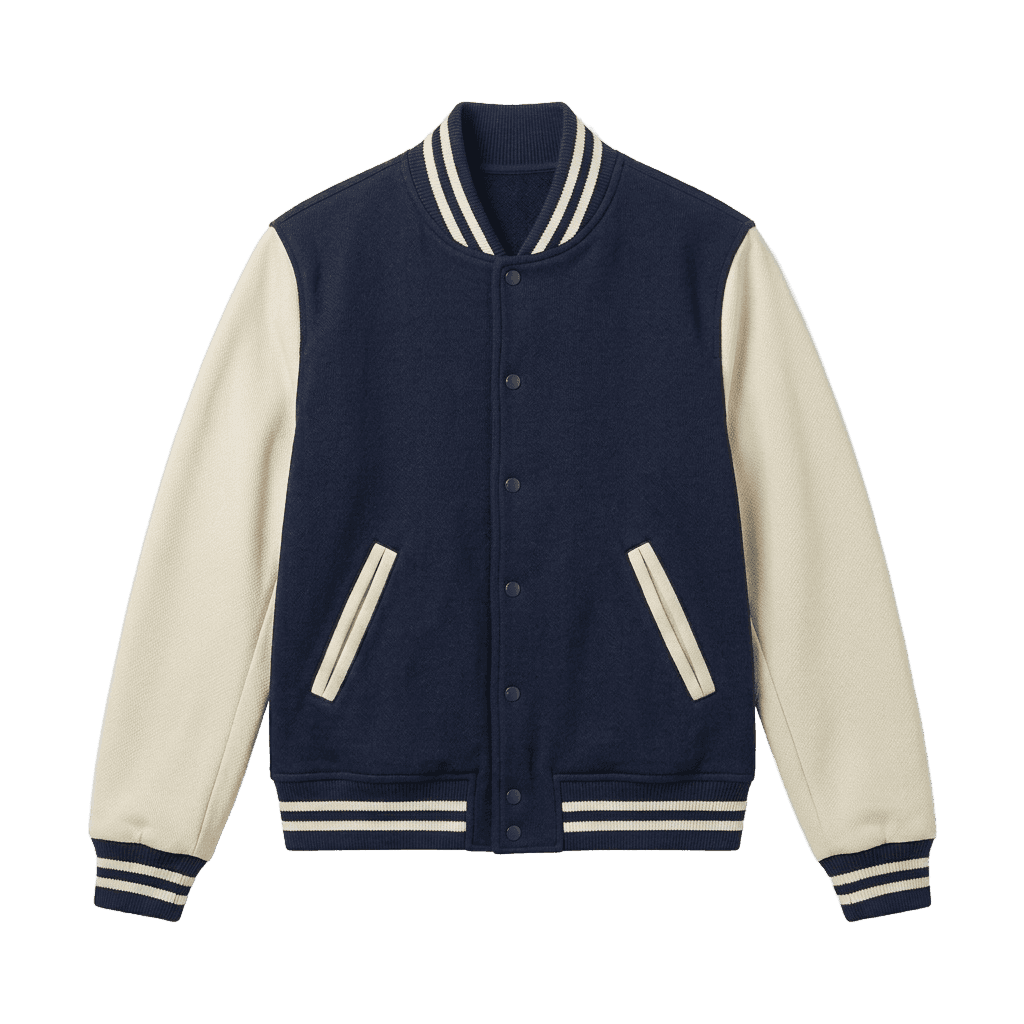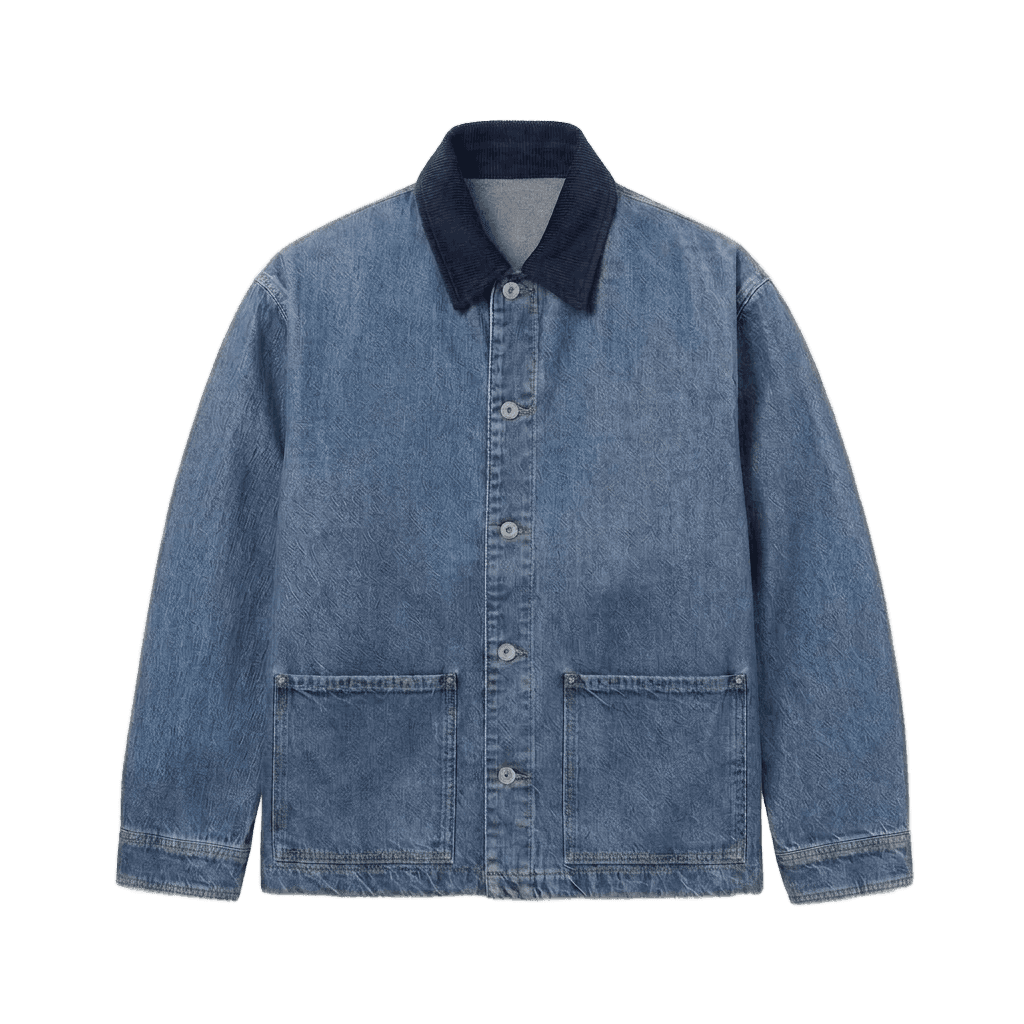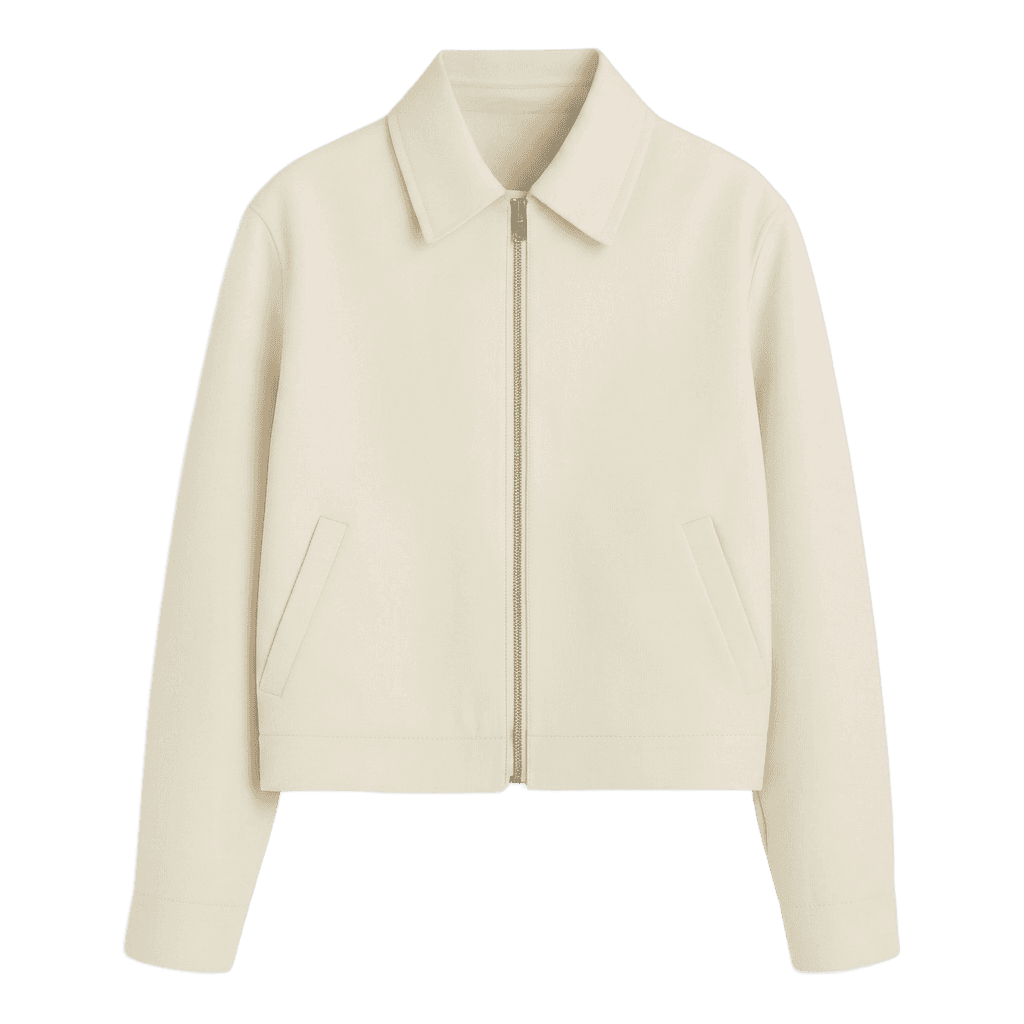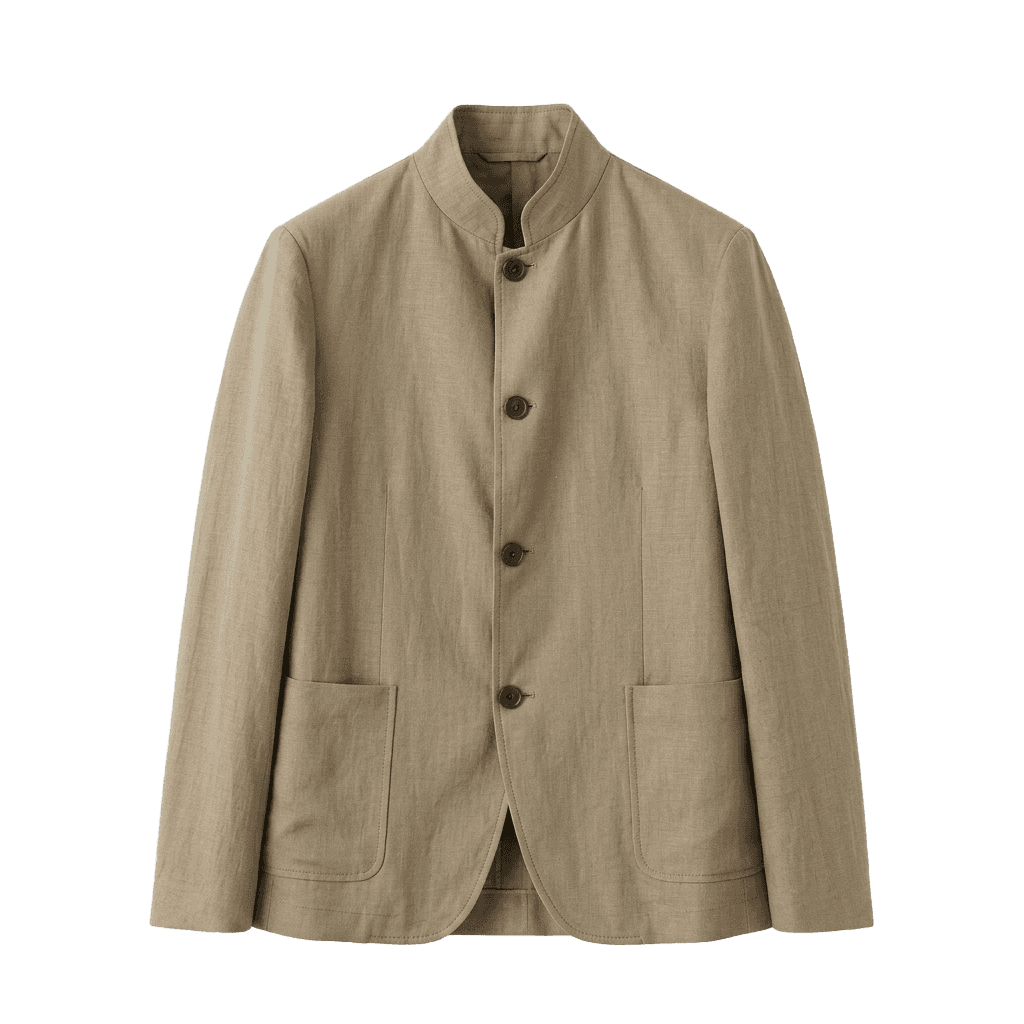
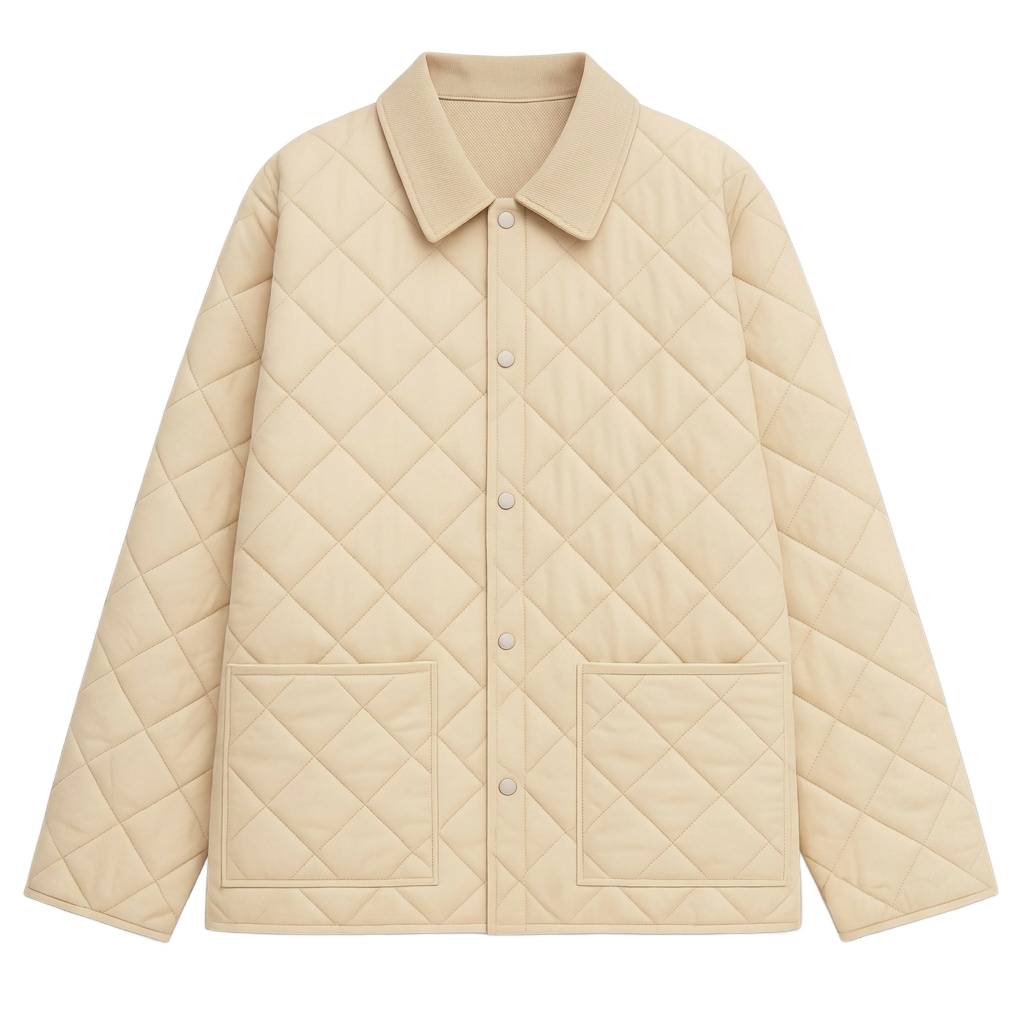
Quilted Jacket
A boxy, straight-cut jacket with a regular body length and a straight hem that sits away from the torso in a relaxed fit. The ribbed point collar frames a center-front placket fastened by five metal snaps, while raglan sleeves extend from the neckline to clean-finished cuffs. Two large patch pockets sit at the lower front, and a center back seam runs the length of the quilted diamond body.
The same factories that produce for houses like Celine and Balenciaga can produce this piece, directly to you
GABI
Make it yours
Material gradeMOQ 50
Colour
- Main Fabric: 70% Wool / 30% Polyester, 350gsm
- Wadding: 100% Recycled Polyester
- Collar: 95% Cotton / 5% Elastane
- Lining: 100% Recycled Polyester
- Hand wash cold
- Do not bleach
- Do not tumble dry
- Dry flat to keep its shape
- Iron on a low setting
A guide based on the garment’s materials — always follow the care label on the item itself.
Fabrics

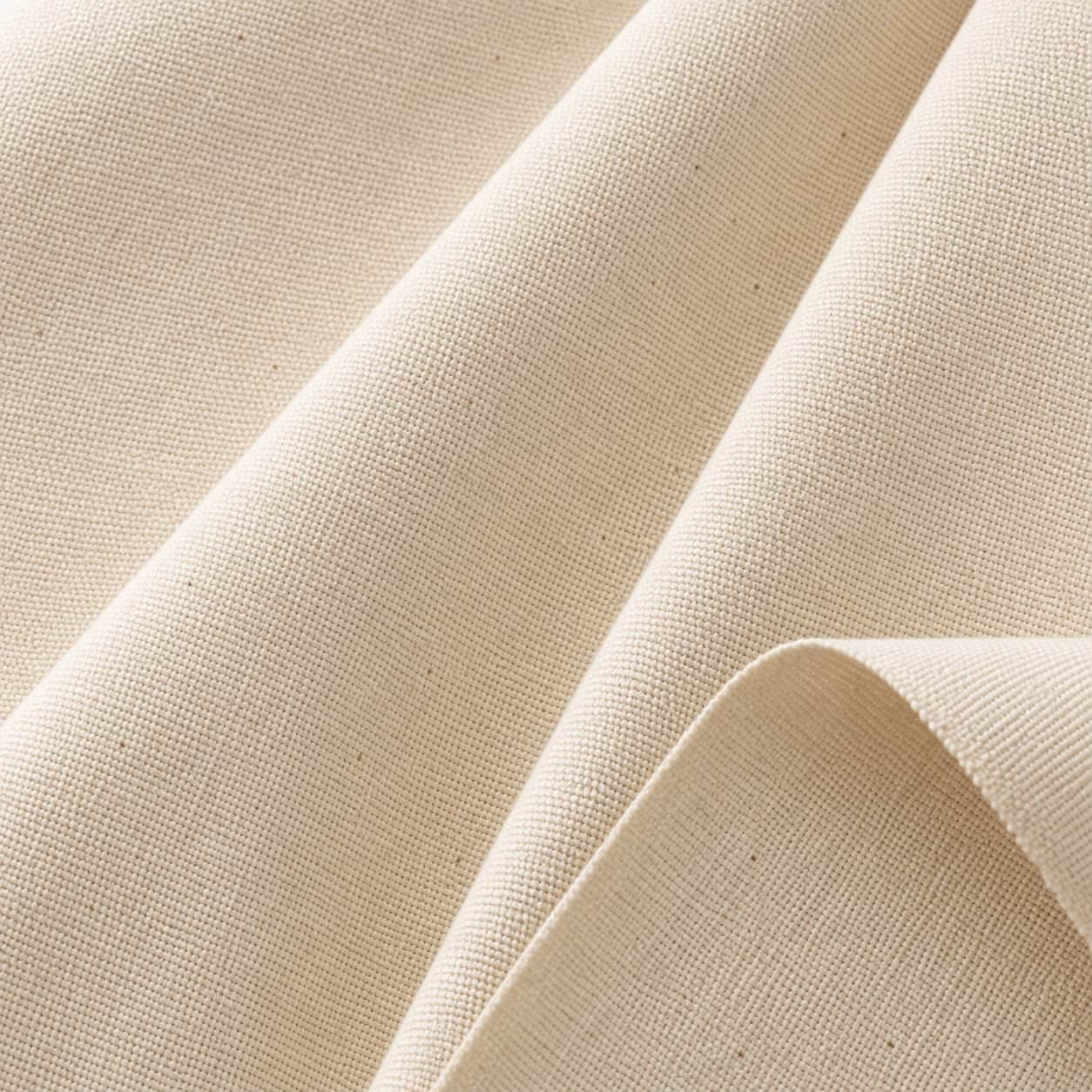
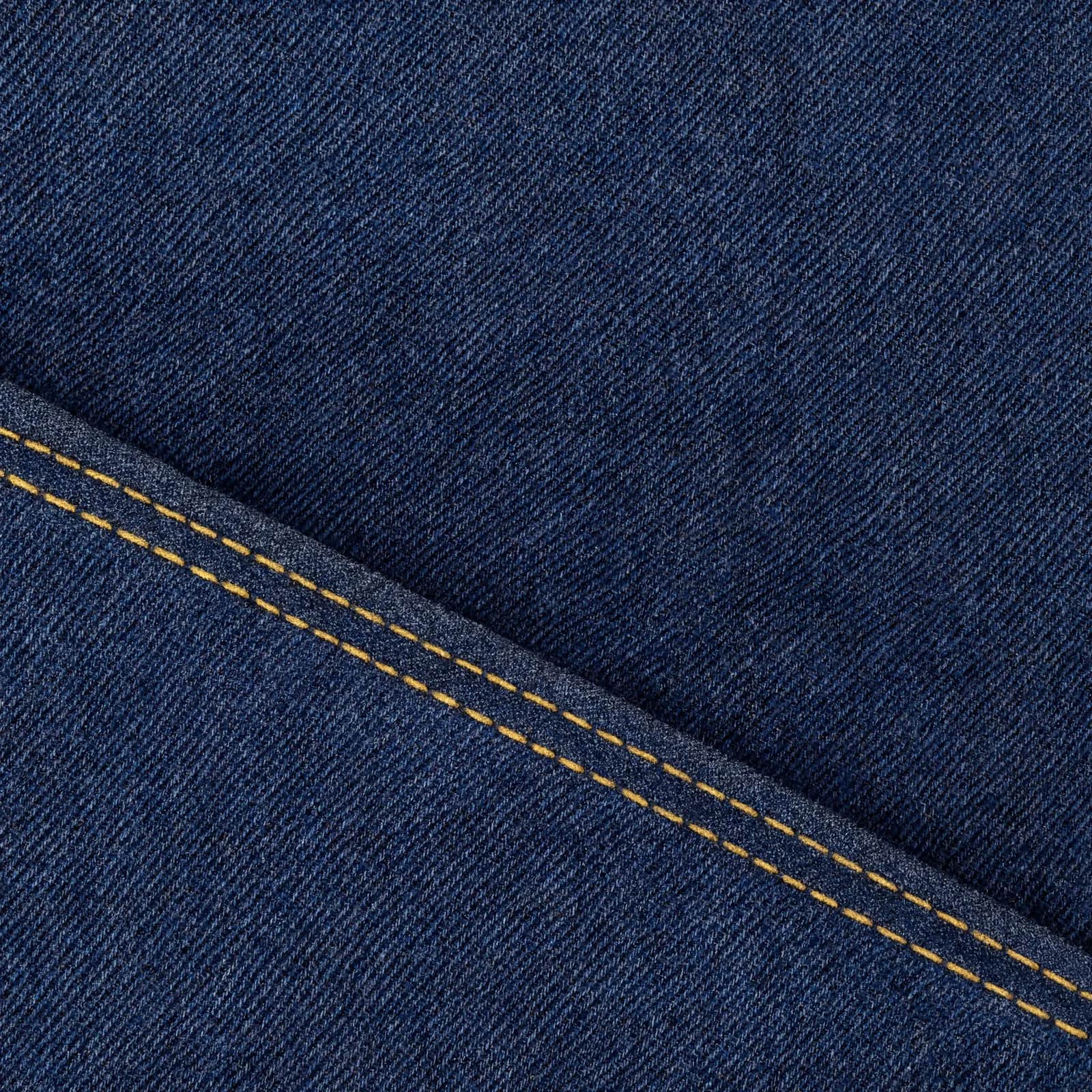
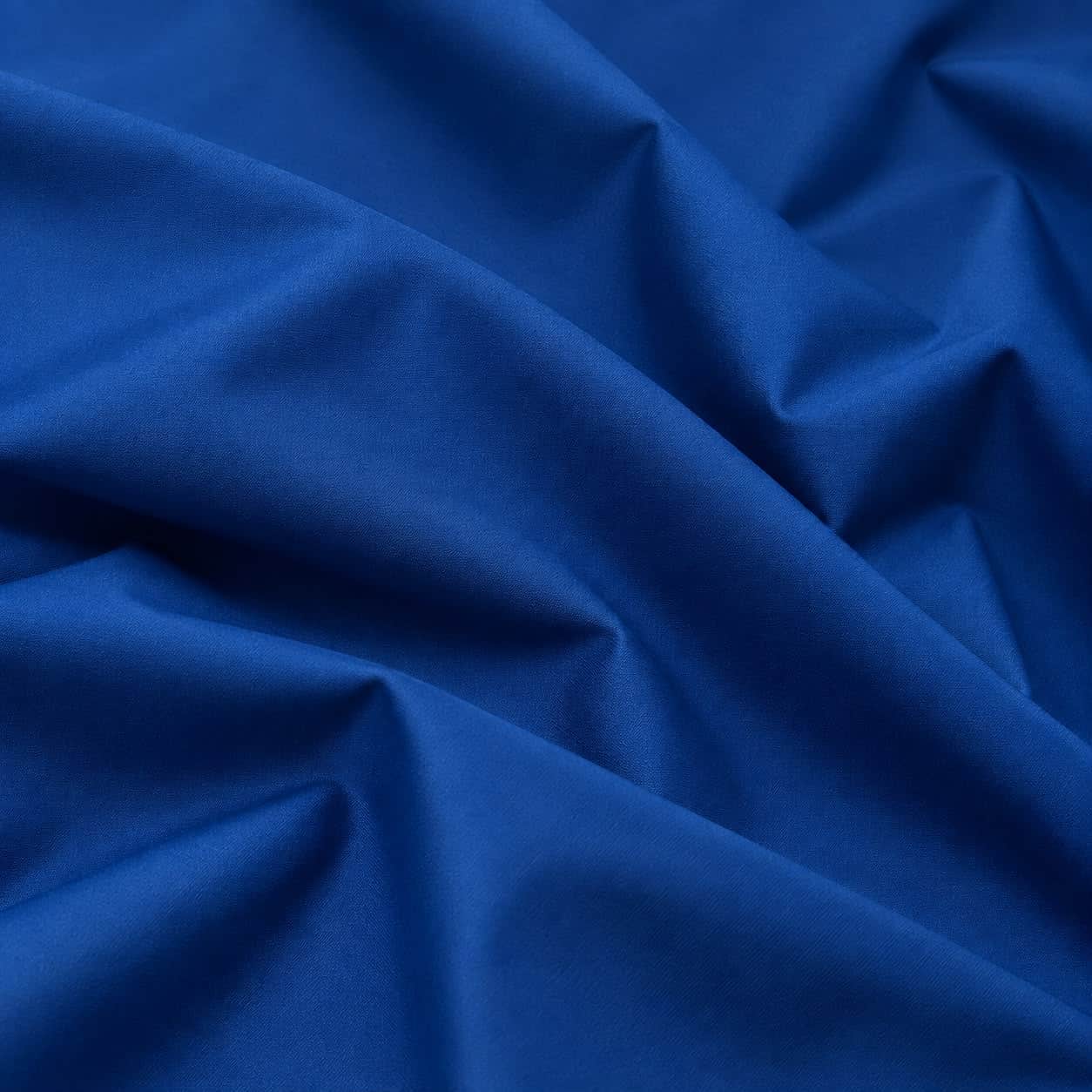
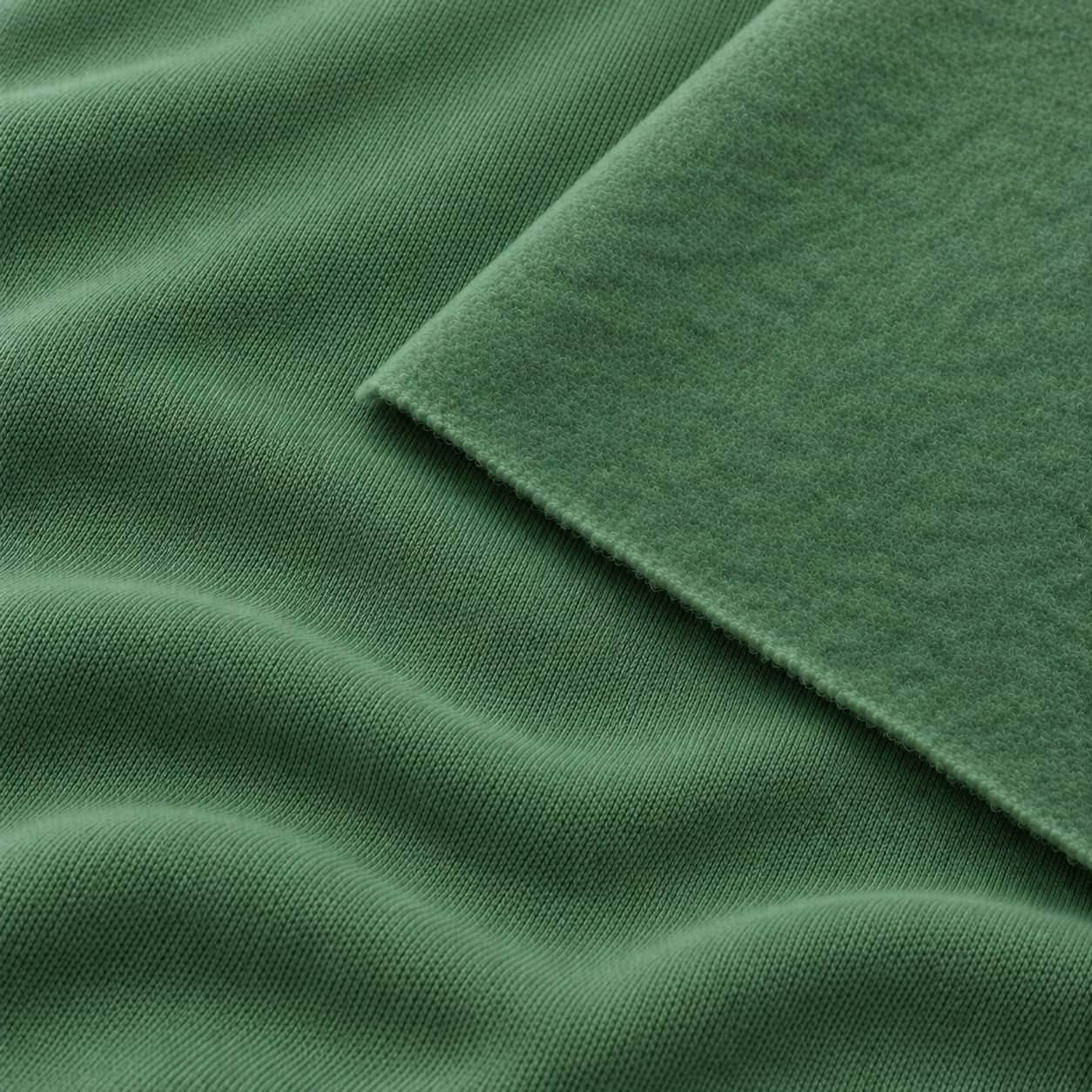
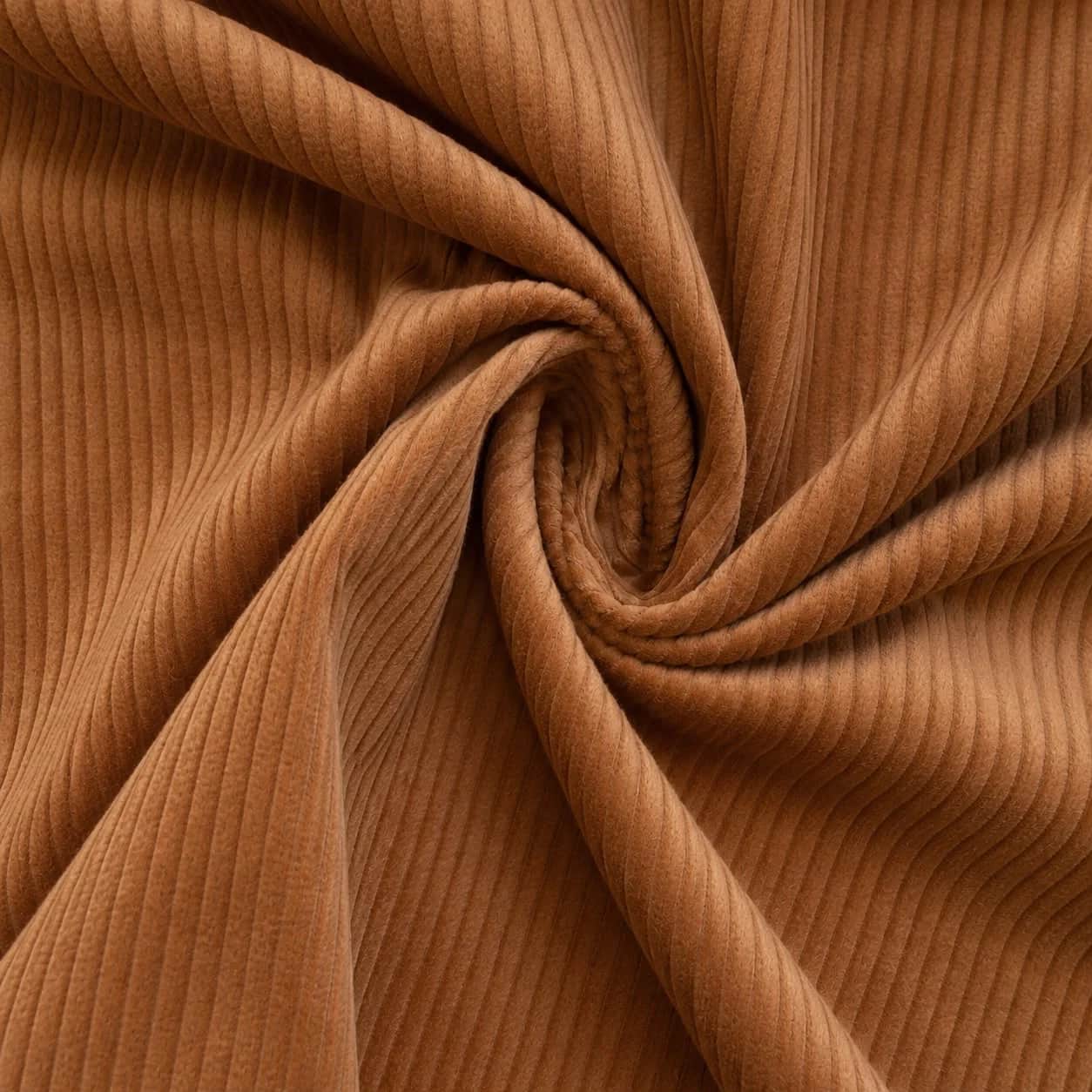
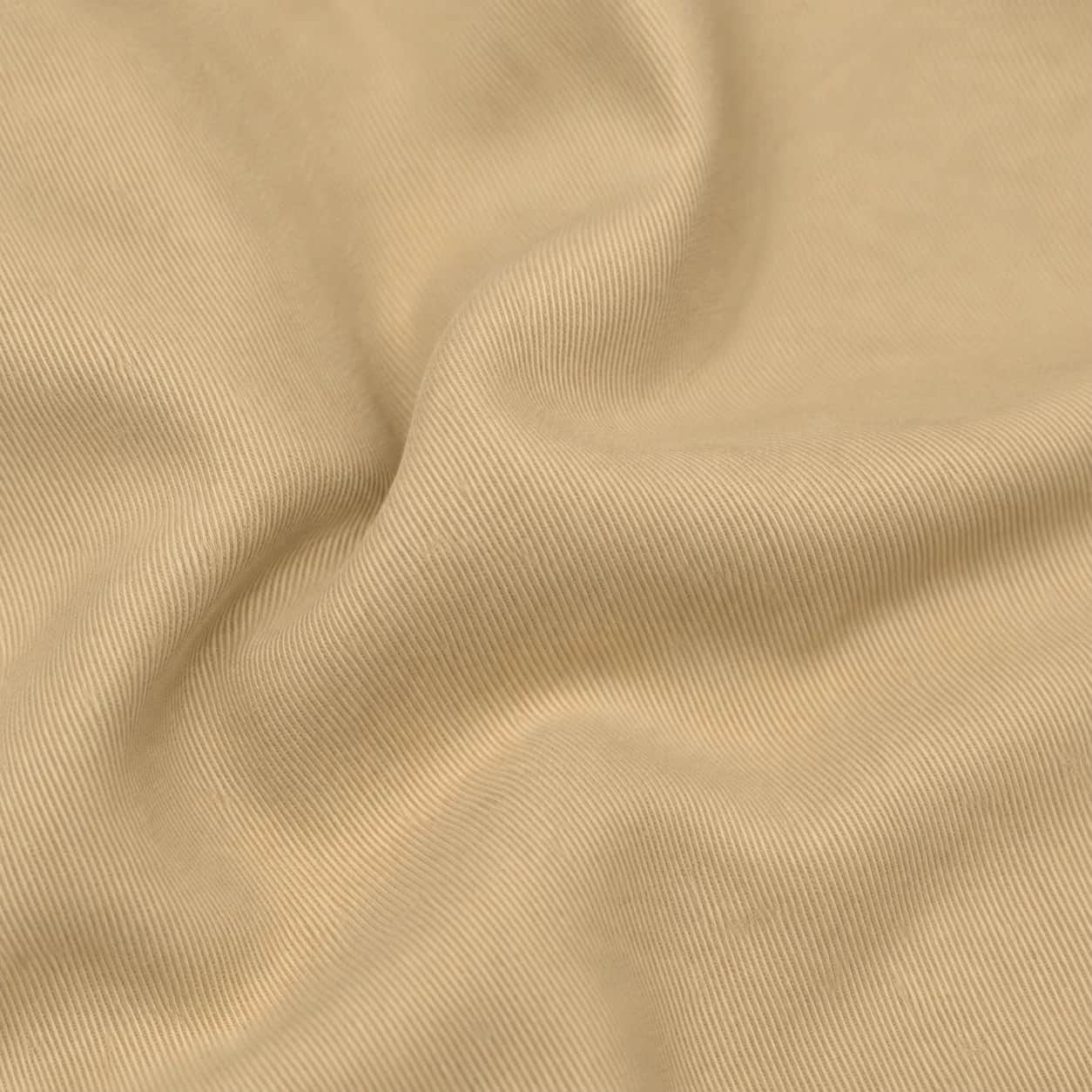
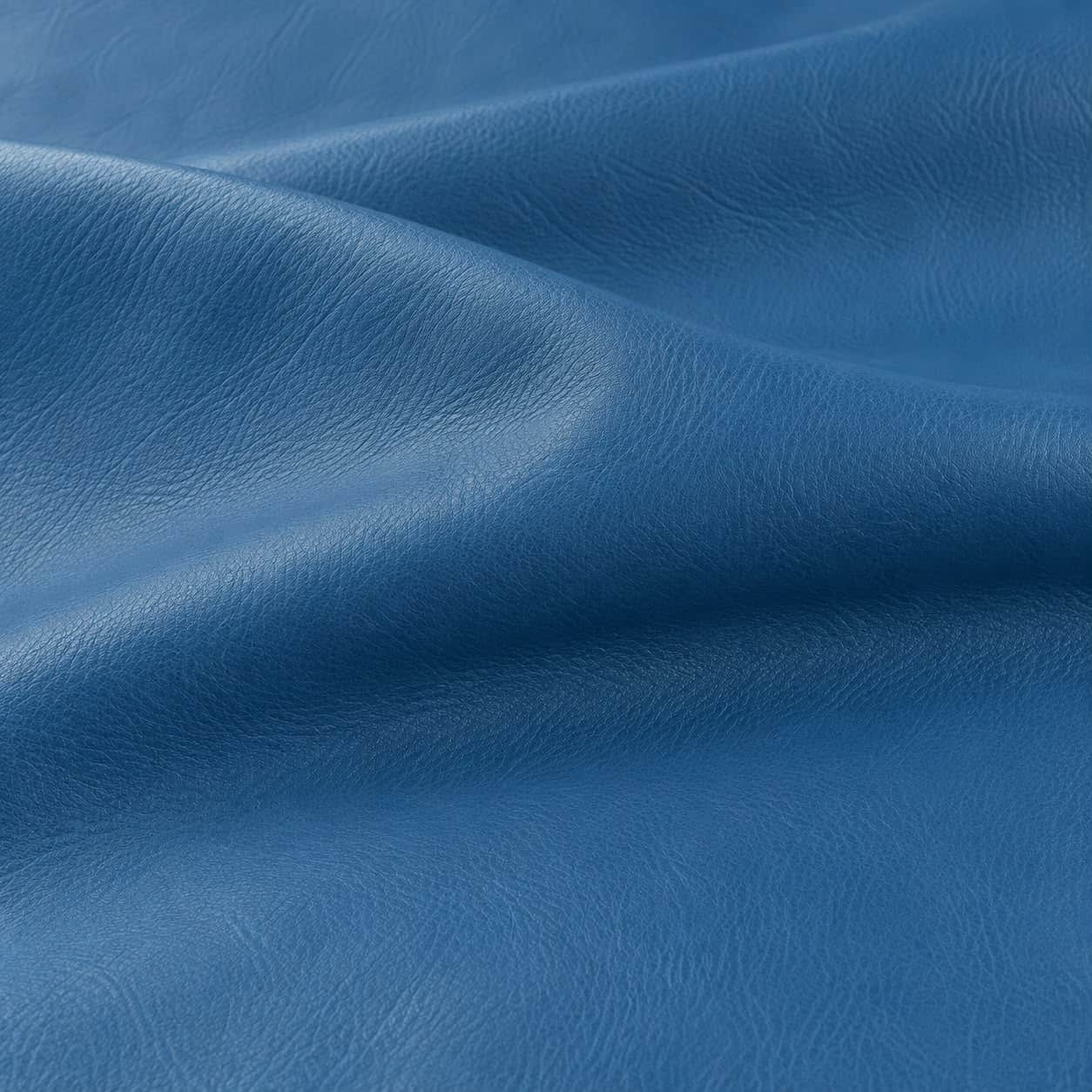
In 1954, two Italians called Remo Ratti and Novo Girardi started a company in the Alps to make quilted jackets for mountain workers. They called it Moncler — short for Monestier-de-Clermont, the French village where they set up. Their first product was a quilted sleeping bag jacket filled with goose down. Today Moncler is worth $15 billion. The jacket has not changed: a shell, some down, a zip. The genius is in what goes inside.
The Story of the Puffer Jacket — "The Garment That Traps Air"
The puffer jacket's function is entirely physical. It works by trapping air. The fill — whether goose down or synthetic polyester — creates millions of tiny air pockets between the shell and the lining. Air is an excellent insulator. The thicker the layer of trapped air, the warmer the garment. The entire engineering challenge of a puffer jacket is to trap as much air as possible at the lowest possible weight, prevent that air from escaping through the shell or migrating through the fill, and contain it in a structure that retains its shape and function after repeated compression, washing, and use.
This is a physics problem, not a fashion problem. And yet the puffer jacket became one of fashion's defining garments of the late 20th and early 21st century — simultaneously the most functional piece of outerwear available and one of the most status-laden.
The technology came from mountaineering and expedition equipment. Down-filled garments had been used in Alpine exploration since the early 20th century, when climbers discovered that goose down — the soft underplumage beneath the outer feathers — had a warmth-to-weight ratio that no synthetic material could match. The key metric is fill power: the volume in cubic inches that one ounce of down fills when allowed to loft fully. Higher fill power means more air trapped per gram of fill.
Moncler was founded in 1954 in the French Alps to produce quilted garments for mountain workers and, quickly, for the French expedition to Annapurna in 1954 and the Italian Olympic team at the 1968 Grenoble Games. The garments were functional to an extreme. They were also, incidentally, beautiful — the quilted channels of a properly constructed down jacket have a visual logic that is both structural and aesthetic.
The civilian adoption of the puffer jacket in the 1970s and 1980s followed outdoor clothing into the mainstream as recreational mountaineering, skiing, and adventure travel grew. North Face, Eddie Bauer, and Patagonia built their brands on technically specified outdoor equipment that moved into everyday use. The puffer jacket was the most portable and versatile piece of this equipment.
The status dimension arrived through Moncler's repositioning in the early 2000s, when the brand moved from technical outerwear to luxury fashion. The puffer jacket became luxury's most counterintuitive product: a garment that looks like it belongs on a ski slope selling alongside Hermès and Louis Vuitton.
The contemporary puffer jacket market spans a range that almost no other garment category can match: from a $29 polyester-fill jacket to a $3,500 luxury collaboration, with comparable silhouettes and the same basic construction logic at every price point. The difference is entirely in the fill, the shell fabric, the baffle construction, and the brand.
The synthetic fill alternative deserves its own account. PrimaLoft and other synthetic fills maintain insulation when wet, are vegan, and easier to wash. The performance gap with high-quality down has narrowed significantly — at moderate temperatures, a quality synthetic fill is functionally equivalent to down at lower fill power ratings.
The quilted jacket — a thinner variant — brings the construction into fashion contexts where warmth is not the primary function. A quilted jacket with 40–60 g/m² fill creates the visual language of luxury without the thermal engineering requirements.
FAQ
A puffer jacket costs between $40 and $135 per unit landed depending on fill type, baffle construction, and factory region. An affordable GRS recycled polyester fill channel baffle puffer from China lands at approximately $40. A premium duck down 650 fill power RDS-certified channel baffle puffer from Vietnam lands at approximately $67. A luxury white goose down 800 fill power box baffle puffer from Portugal lands at approximately $135. Fill type and baffle construction are the two primary cost drivers — they determine 60 to 70 percent of total production cost.
Fill power is the measure of down quality — specifically, the volume in cubic inches that one ounce of down occupies when fully lofted. Higher fill power means more air trapped per gram of fill, which means more warmth at lower weight. 550 fill power is entry-level commercial down. 700 to 800 fill power is premium. 900 to 1,000+ fill power is ultra-premium used in expedition gear.
Down offers superior warmth-to-weight ratio at premium fill power ratings — lighter, more compressible, and longer-lasting. However, it collapses when wet and loses insulation. Synthetic fill (PrimaLoft, recycled polyester) maintains warmth when wet, is vegan, washable, and cheaper. For accessible price points, synthetic is the default. For premium dry performance, use RDS-certified down.
Baffle construction determines how fill is contained. Stitched-through is simplest but creates cold spots. Channel baffle creates horizontal tubes — commercial standard. Box baffle creates fully separated chambers — best performance, no cold spots, adds 25–35 percent CMT. Choose based on warmth requirement and price positioning.
RDS (Responsible Down Standard) certifies that down is sourced ethically without live plucking or force feeding. It tracks the supply chain from farm to finished product. It is required for any brand making ethical claims and applies a small cost increase (×1.05–1.10 on fill cost).
Fill weight determines warmth. 40–60 g/m² for decorative quilted jackets. 80–100 g/m² for light urban puffers. 120–150 g/m² for standard winter jackets. 180–250 g/m² for extreme cold. Heavier fill increases cost directly and must be balanced with fill power and shell weight.
Lightweight nylon (20–40 GSM) is standard — allows loft and keeps weight low. Nylon ripstop adds durability. Technical nylons like Pertex are premium. Polyester is cost-down. All shells must be DWR-treated and down-proof to prevent fibre migration.
A down-proof shell has a tight weave or coating that prevents fine down fibres from escaping through the fabric. Without it, fibres will migrate to the surface and cause visible defects. Always specify down-proof fabric when using real down fill.
Yes — a fill station is required to blow fill into baffles before sealing. Not all factories have this capability. Always confirm fill station availability before placing orders. China has the strongest infrastructure for puffer production.
Down: wash at 30°C with down detergent, tumble dry low with balls to restore loft, never dry clean. Synthetic: standard gentle wash, tumble dry low. DWR must be periodically refreshed after washing. Always include care instructions on labels.
RDS for down. GRS for recycled synthetic fill. Bluesign for shell fabrics. OEKO-TEX STANDARD 100 for consumer safety. PFC-free DWR is increasingly required for EU compliance.
HS 6201 for men/unisex woven outerwear and 6202 for women. Fill type does not change classification. Knit-shell puffers use 6101/6102. Always confirm with your customs broker.