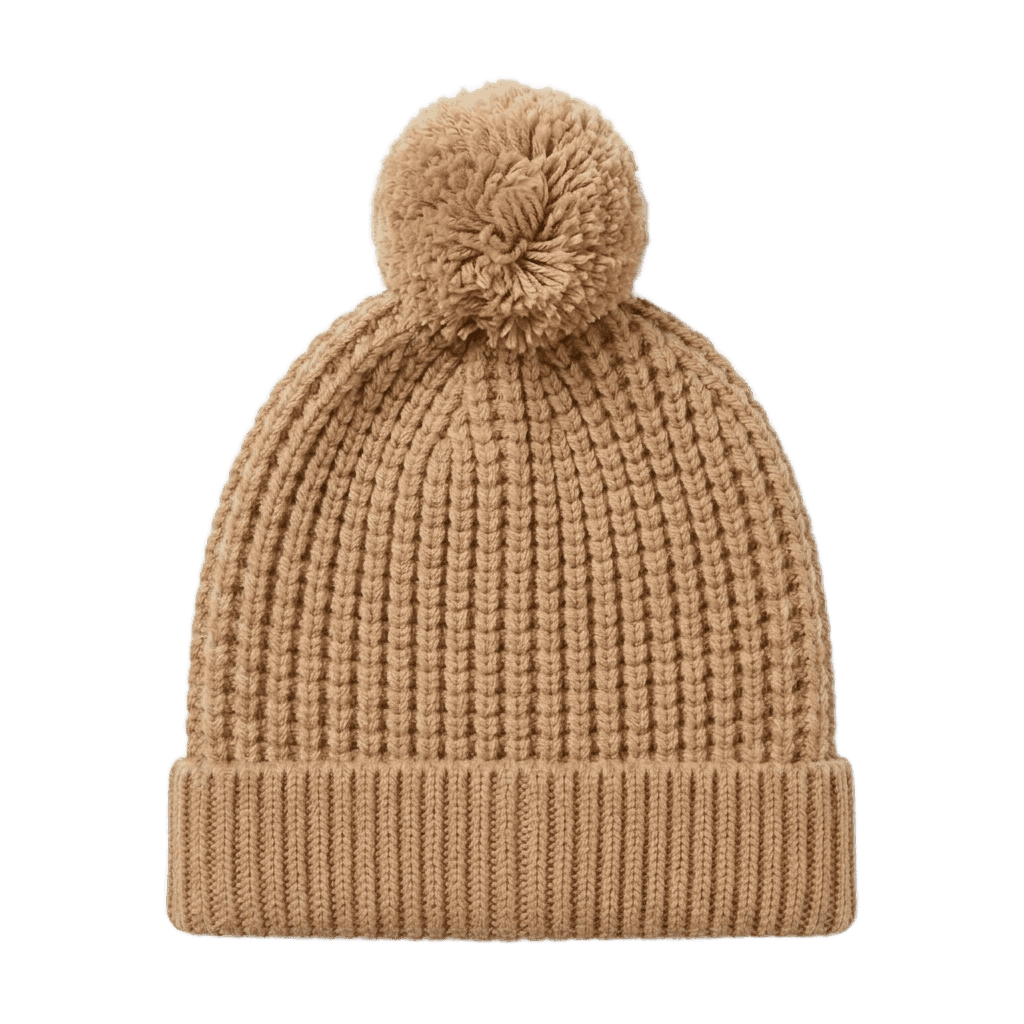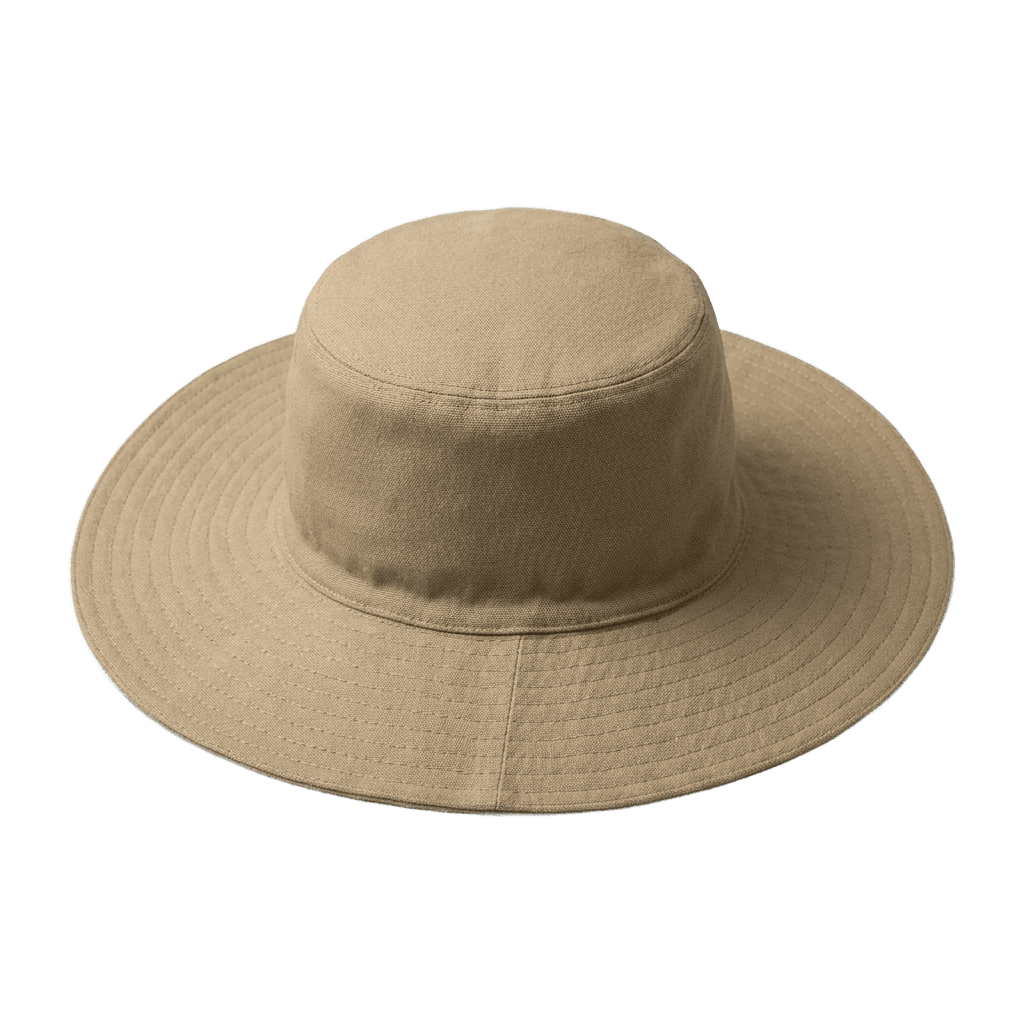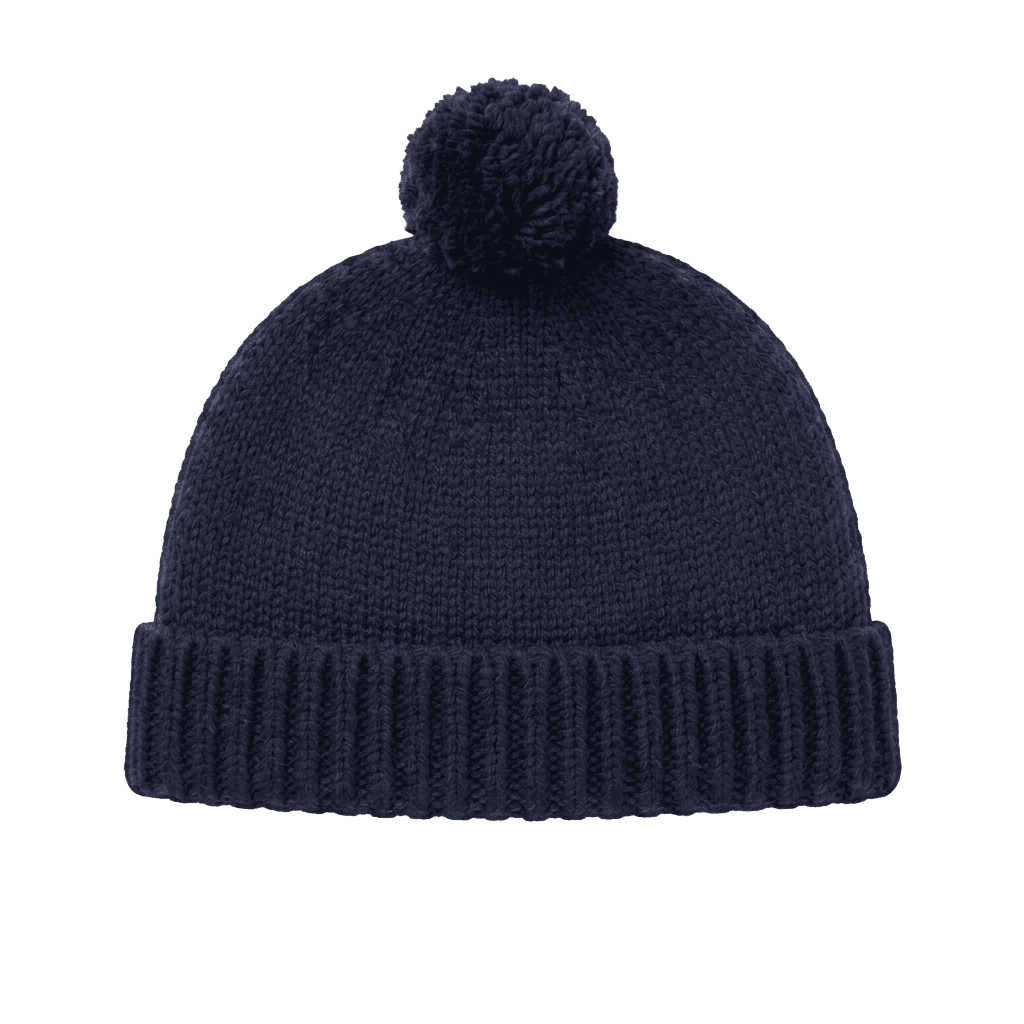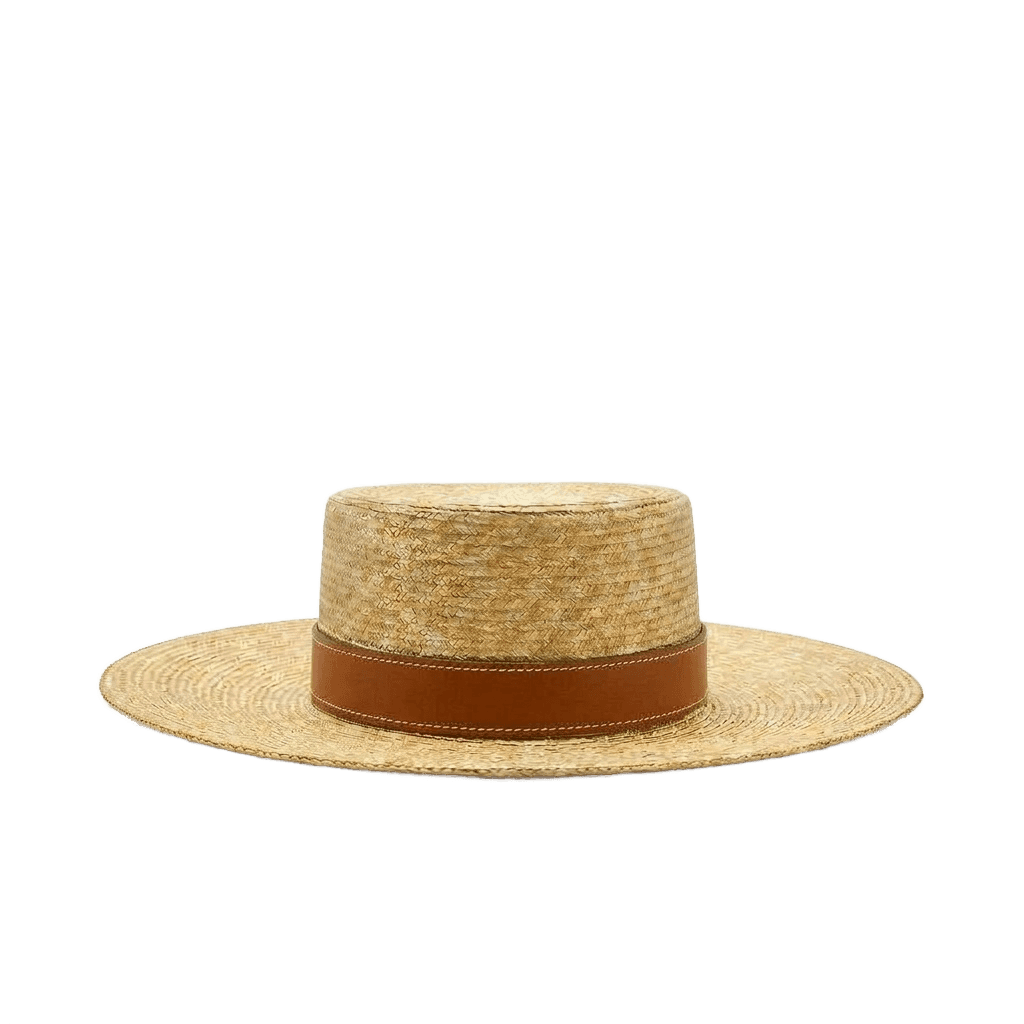
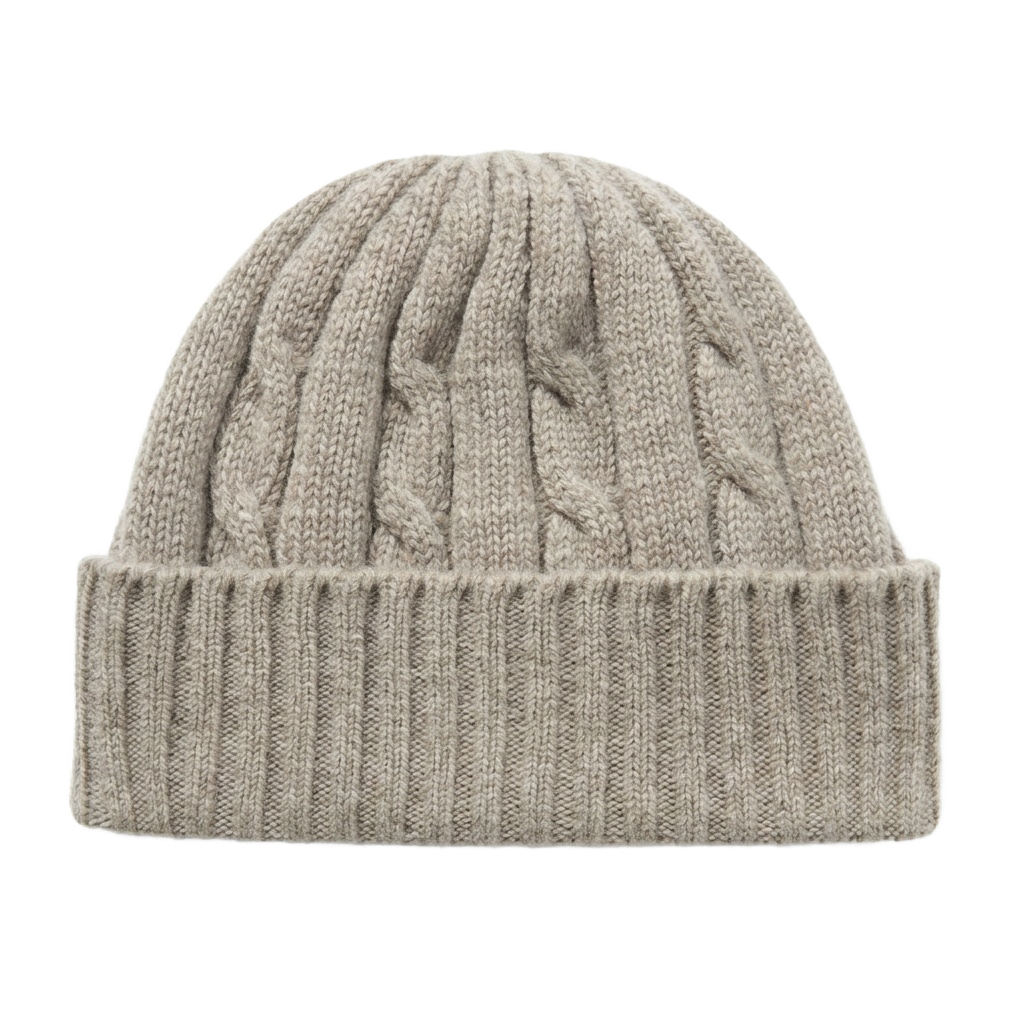
Cable knit beanie
A fitted dome crown rises to a rounded top with fully fashioned decreases that close the shape without a button or pom. A deep, straight fold-over cuff in 1x1 ribbing wraps the base, sitting close around the head. The crown carries continuous vertical cable panels, and the regular body length keeps the cuff below the crown rather than slouched.
The same factories that produce for houses like Celine and Balenciaga can produce this piece, directly to you
GABI
Make it yours
Material gradeMOQ 30
Colour
- Main Fabric: 80% Wool / 20% Nylon, 380gsm
- Spot clean with a damp cloth — do not machine wash
- Do not bleach
- Do not tumble dry
- Dry flat to keep its shape
- Iron on a low setting
A guide based on the garment’s materials — always follow the care label on the item itself.
Fabrics
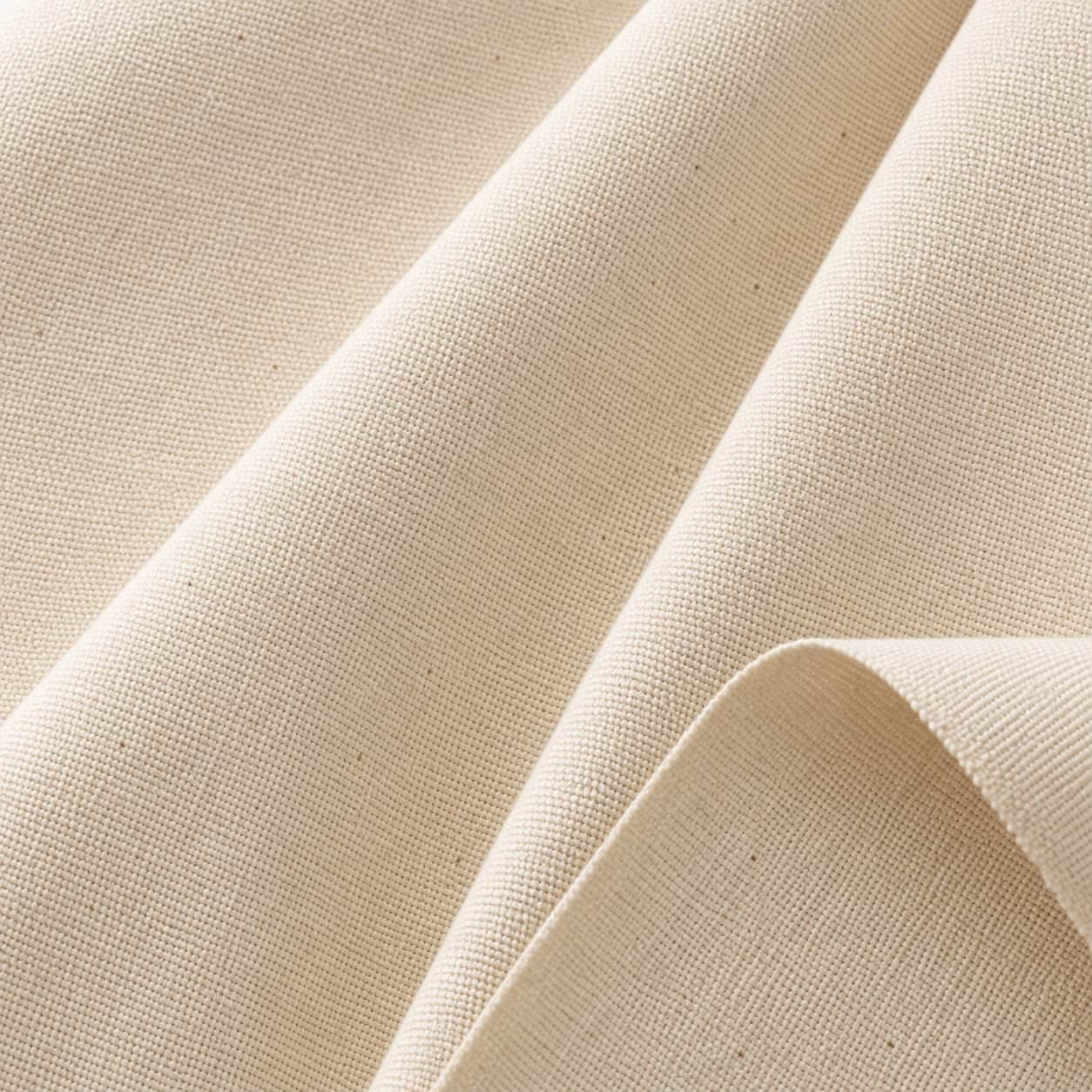
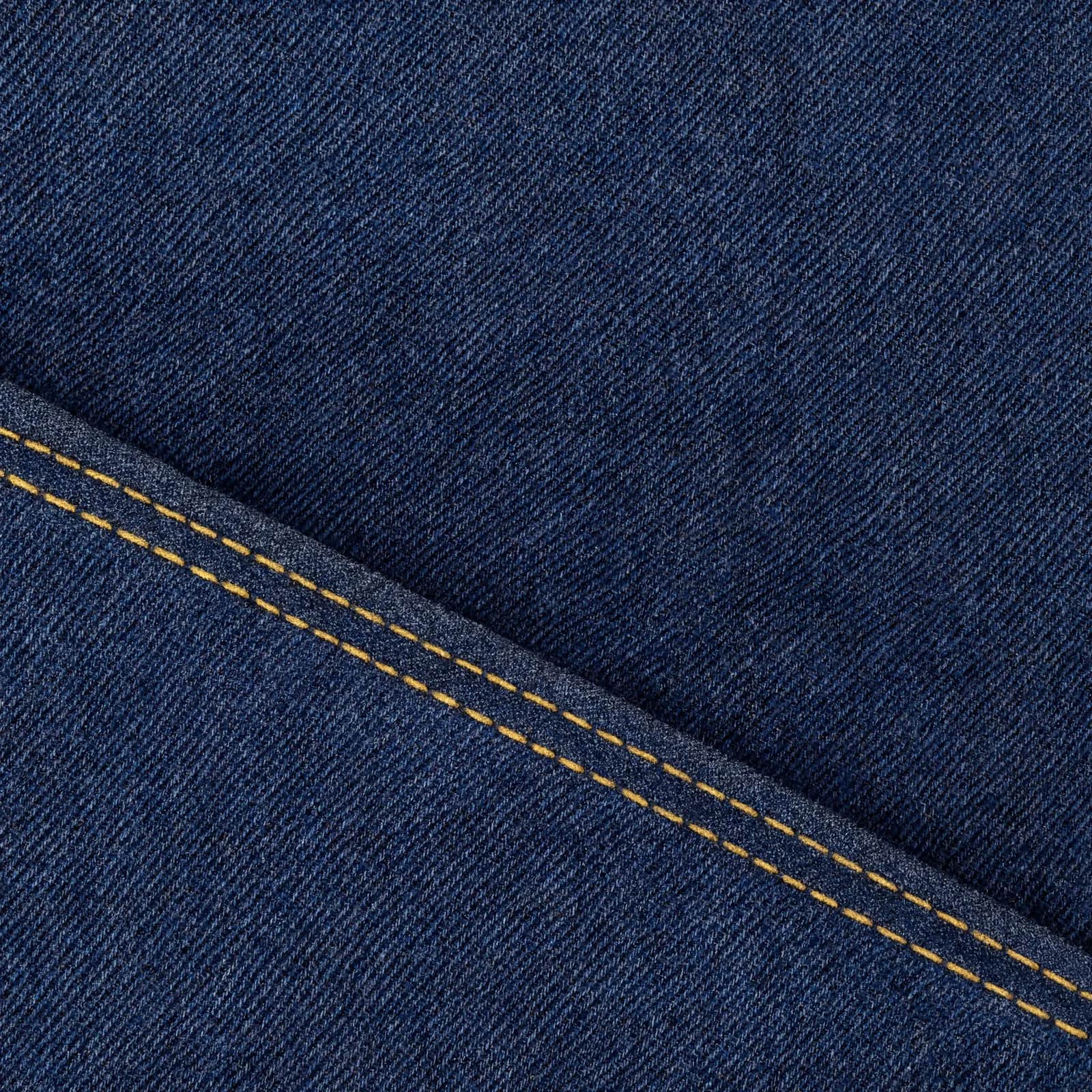
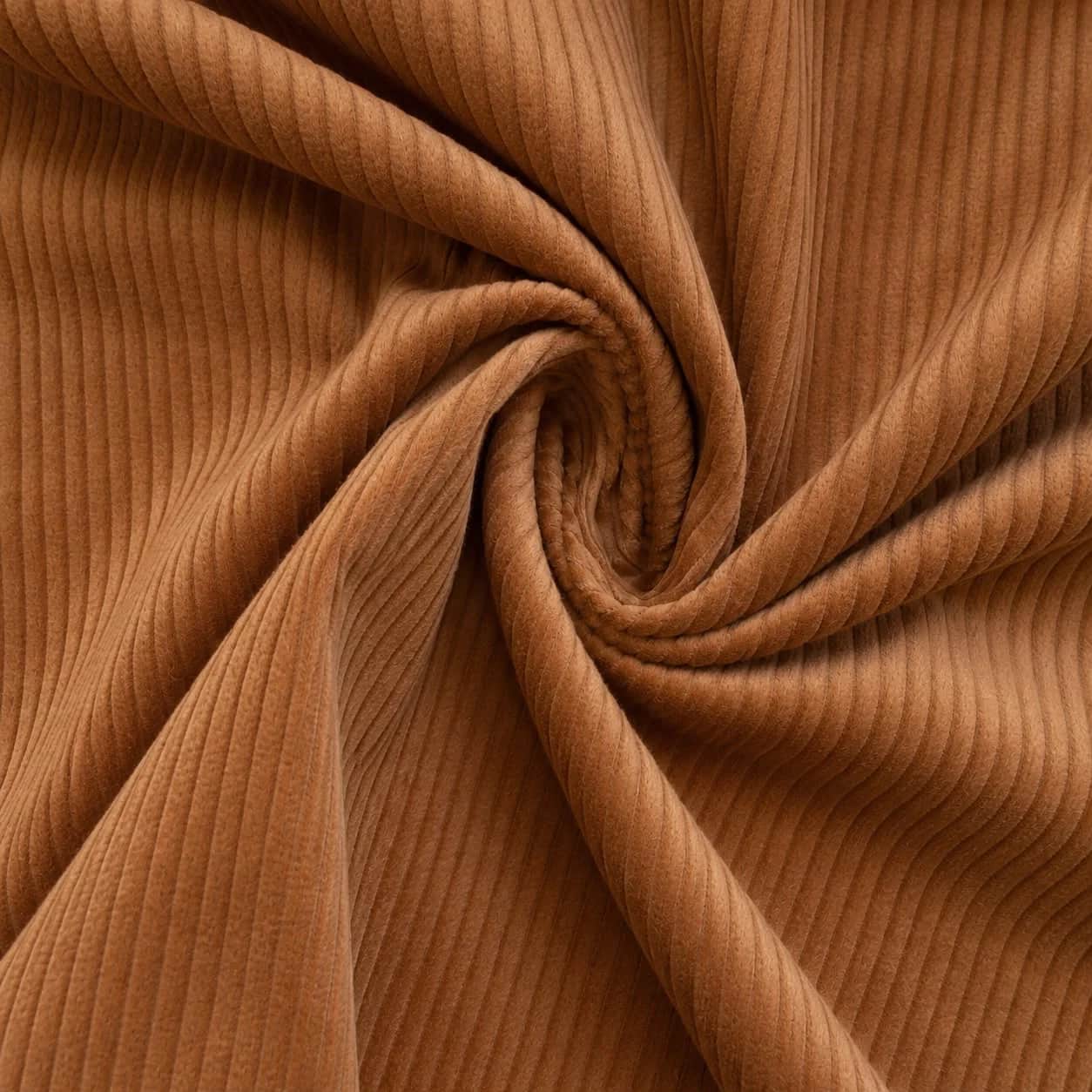

The beanie is the smallest knitwear product with the biggest margin lesson: cheap yarn looks cheap immediately. A cuff, a pom-pom, a rib structure, and one label can turn a basic tube into a winter brand signature. The only thing hiding poor quality is the first wear; after that, pilling tells the truth.
The Beanie / Knit Hat -- "The beanie is the smallest knitwear product with the biggest margin lesson: cheap yarn looks cheap immediately."
Knit caps developed as practical cold-weather headwear for sailors, workers, soldiers, and skiers. The modern beanie became a fashion staple because it is universal, genderless, easy to brand, and compact. Cuffed beanies, watch caps, pom-pom hats, and fisherman beanies are variants of the same knitwear logic.
Construction logic
Beanies are usually circular-knitted or fully fashioned in rib, jersey, waffle, or cable stitches. Fit depends on yarn recovery, crown shaping, cuff depth, and tension. Pom-poms, patches, labels, and jacquard patterns add identity but also cost and quality risk.
Commercial logic for creators
For creators, the beanie is an accessible cold-weather accessory with low sizing complexity. The challenge is perceived value: yarn handfeel, density, and pilling resistance matter more than silhouette. A good beanie becomes repeatable merchandise; a poor one becomes giveaway stock.
FAQ
A beanie is a close-fitting knit hat, often ribbed or cuffed, used for warmth and casual styling.
Common options include acrylic, wool, merino wool, cotton, cashmere blends, recycled polyester, and wool/acrylic blends.. Choose based on target price, handfeel, durability, and care requirements.
Focus on rib structure, crown reduction, cuff depth, seam or seamless knitting, pom-pom attachment, and patch placement. These details usually determine whether the product feels credible or cheap.
Check head circumference, depth, cuff tension, stretch recovery, and whether the hat is slouchy, cuffed, or fitted. Fit should be reviewed on the body type and use case the product is designed for, not only on a flat measurement sheet.
The main cost drivers are yarn fibre, gauge, knit density, jacquard, pom-poms, labels, and finishing. Sampling time and rejection risk also increase cost when the fit is sensitive.
Request checks for pilling, stretch recovery, seam comfort, yarn shedding, colourfastness, and patch attachment. For performance or workwear products, test under the real use condition rather than only visually.
Watch for loose cuff, itchy handfeel, pilling, crown points, and pom-poms detaching. These issues should be caught at fit sample, pre-production sample, and bulk inspection stages.
affordable uses acrylic; premium uses wool blends; luxury uses merino, cashmere, or dense fully fashioned knitting.
Include gauge, yarn content, cuff height, finished depth, crown shape, label position, and stretch tolerance. Add reference photos and tolerance notes where fit or construction is easy to misread.
knit accessory factories are best; cut-and-sew garment factories are not ideal for beanies.
Use OEKO-TEX STANDARD 100 as a consumer-safety baseline where possible. Use GOTS for organic cotton, GRS for recycled polyester or nylon, RWS for responsible wool, and leather-specific or chemical compliance where relevant to the material.
wool and cashmere need gentle washing; acrylic can tolerate more but pills if yarn quality is low.