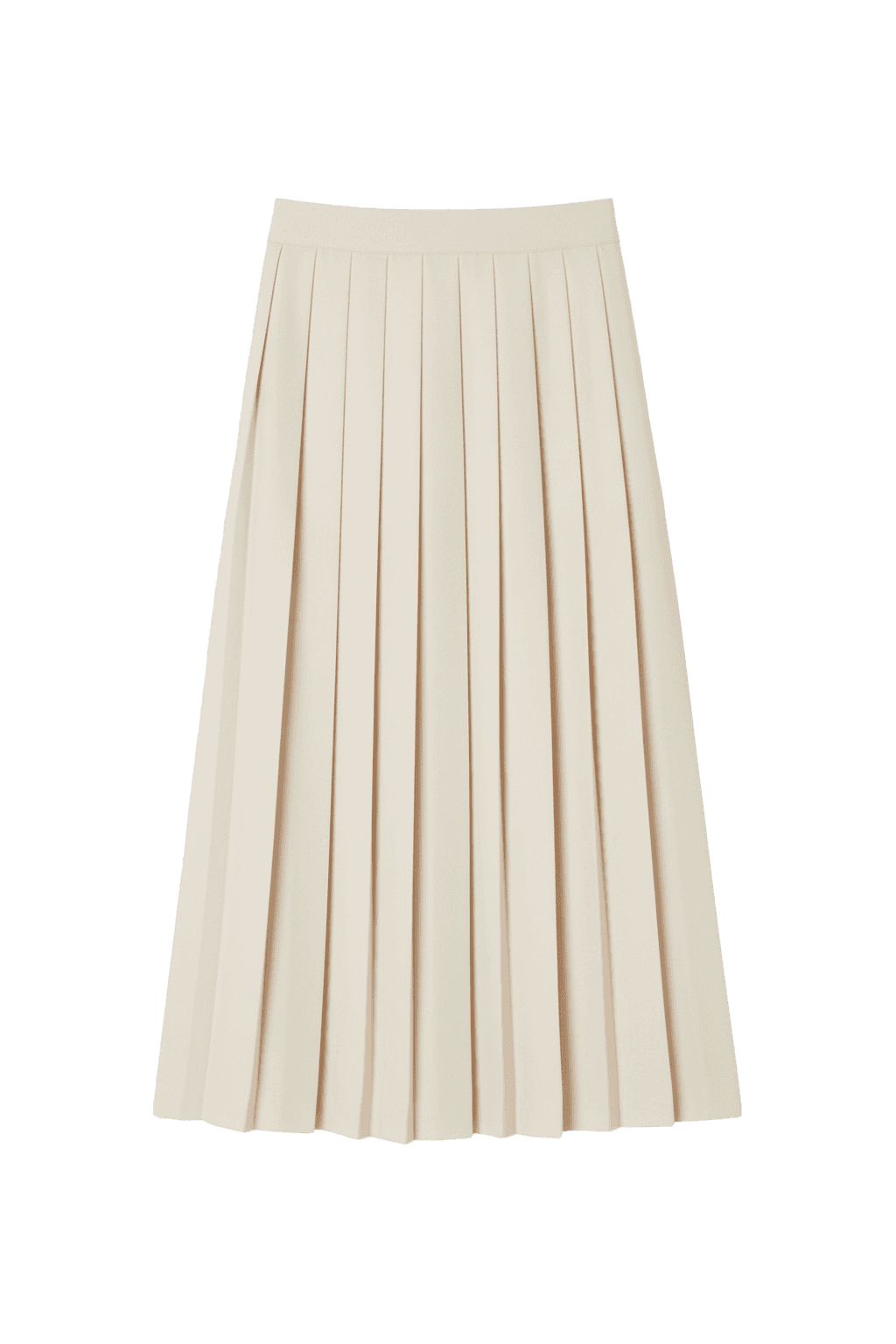
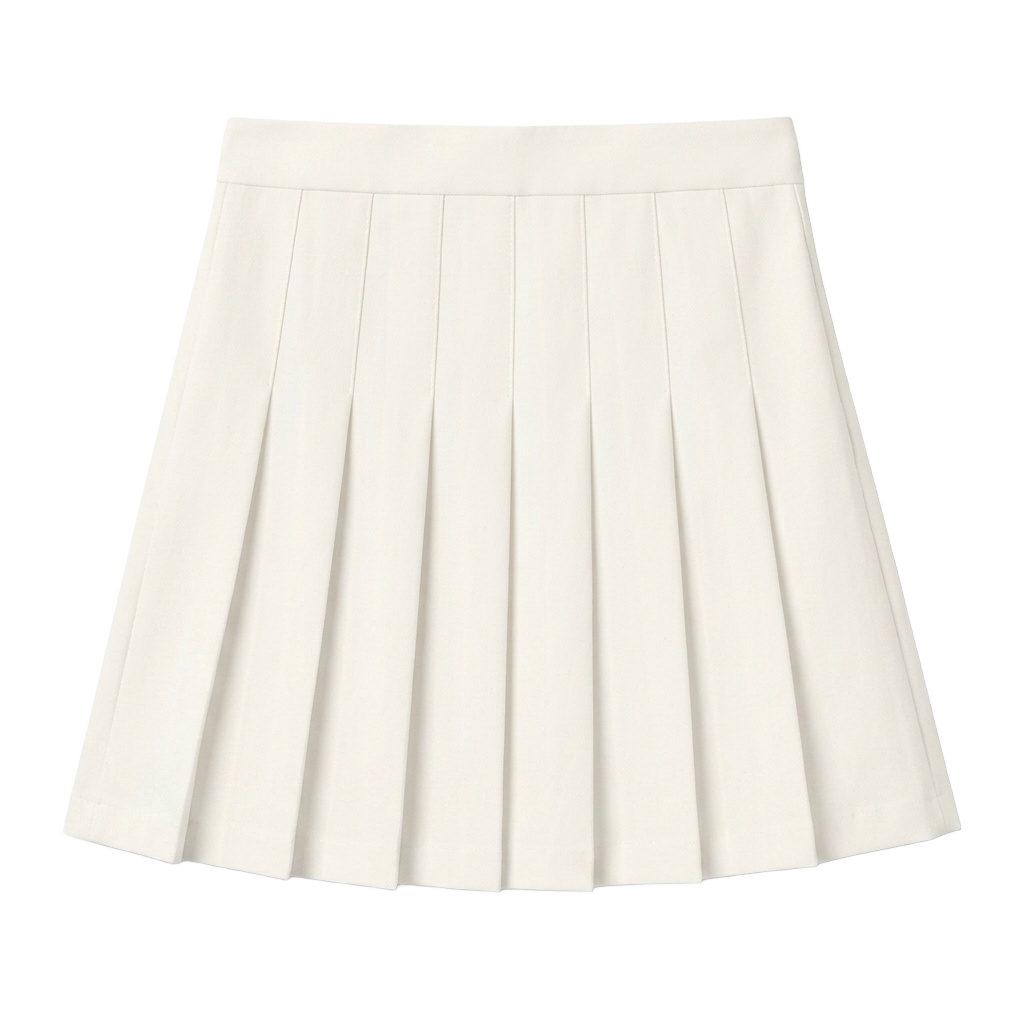
Pleated Tennis Skirt
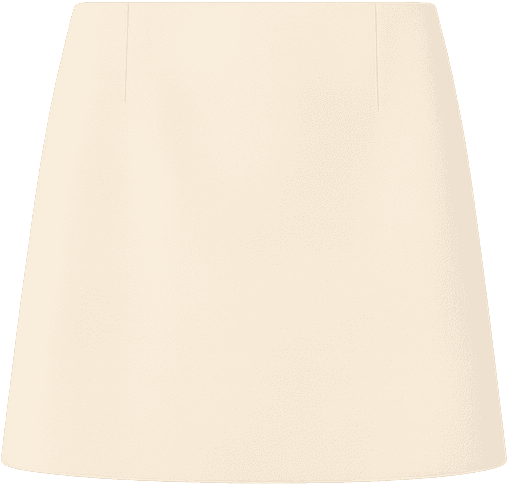
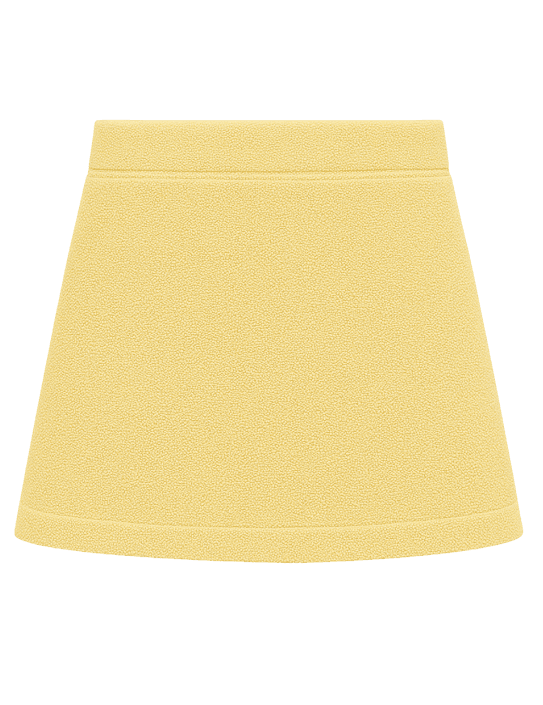
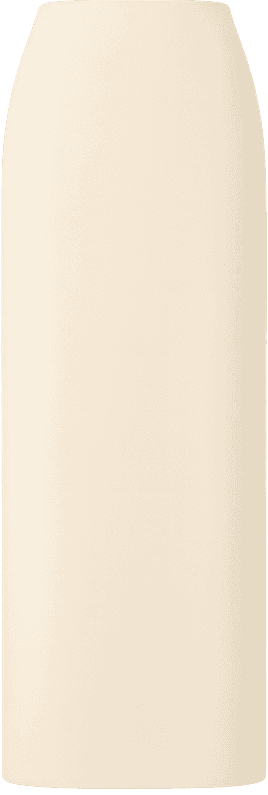
A white mini skirt cut in an A-line shape that flares outward from a flat, high waistband to a straight hem. Knife pleats run continuously across both front and back panels, giving the body a structured, expanding volume. The center back invisible zipper closes with a hook and eye at the top edge.
See 1 community designThe same factories that produce for houses like Celine and Balenciaga can produce this piece, directly to you
GABI
Make it yours
Material gradeMOQ 50
Colour
- Main Fabric: 100% Cotton, 230gsm
- interfacing: 100% Recycled Polyester
- Machine wash at 30°C on a gentle cycle
- Do not bleach
- Tumble dry on low heat
- Iron on a low setting
- Fasten zips and hardware before washing
A guide based on the garment’s materials — always follow the care label on the item itself.
The tennis skirt is pleats, movement, and performance hidden inside a very clean silhouette. The court dress extends the same logic into a one-piece outfit. Both sell sport even when the customer never steps on a court.
The Tennis Skirt / Court Dress -- "The tennis skirt is pleats, movement, and performance hidden inside a very clean silhouette."
Tennis clothing moved from formal whites to performance skirts, skorts, and dresses as the sport modernized. Pleats allowed movement; inner shorts added coverage; stretch knits and woven performance fabrics made the garments functional. Fashion adopted the court look because it signals prep, athleticism, and summer without needing explanation.
Construction logic
A tennis skirt is often a skort: outer skirt plus built-in shorts. Pleats, waistband stability, inner short length, pocket placement, and fabric recovery all matter. A court dress adds bodice fit, straps or sleeves, and often an internal bra or shelf layer.
Commercial logic for creators
For creators, tennis silhouettes are strong in activewear and resort capsules. The risk is cheap pleating, transparent fabric, and inner shorts that ride up. Premium versions feel crisp, secure, and light.
FAQ
A tennis skirt or court dress is a sport-inspired garment using pleats, stretch, and coverage for movement.
Common options include performance woven, polyester/elastane, nylon/elastane, ponte, mesh lining, and lightweight jersey.. Choose based on target price, handfeel, durability, and care requirements.
Focus on pleating, inner shorts, waistband, hem control, pocket placement, and optional built-in bra for dresses. These details usually determine whether the product feels credible or cheap.
Check waist tension, inner short comfort, skirt length, pleat movement, bodice support, and coverage in motion. Fit should be reviewed on the body type and use case the product is designed for, not only on a flat measurement sheet.
The main cost drivers are pleat setting, inner shorts, technical fabric, pocket construction, lining, and bra support. Sampling time and rejection risk also increase cost when the fit is sensitive.
Request checks for pleat retention, opacity, waistband roll, inner short ride-up, and seam stretch. For performance or workwear products, test under the real use condition rather than only visually.
Watch for collapsed pleats, transparent fabric, riding shorts, twisting waistband, and weak inner seams. These issues should be caught at fit sample, pre-production sample, and bulk inspection stages.
affordable uses simple skort construction; premium adds better fabric and pocketing; luxury adds refined pleats, support, and trims.
Include skirt length, pleat depth, inner short inseam, waistband height, fabric stretch, and pocket requirements. Add reference photos and tolerance notes where fit or construction is easy to misread.
activewear or sportswear factories with pleat and stretch-sewing experience are best.
Use OEKO-TEX STANDARD 100 as a consumer-safety baseline where possible. Use GOTS for organic cotton, GRS for recycled polyester or nylon, RWS for responsible wool, and leather-specific or chemical compliance where relevant to the material.
avoid high heat if pleats are heat-set; wash cold to preserve stretch and colour.