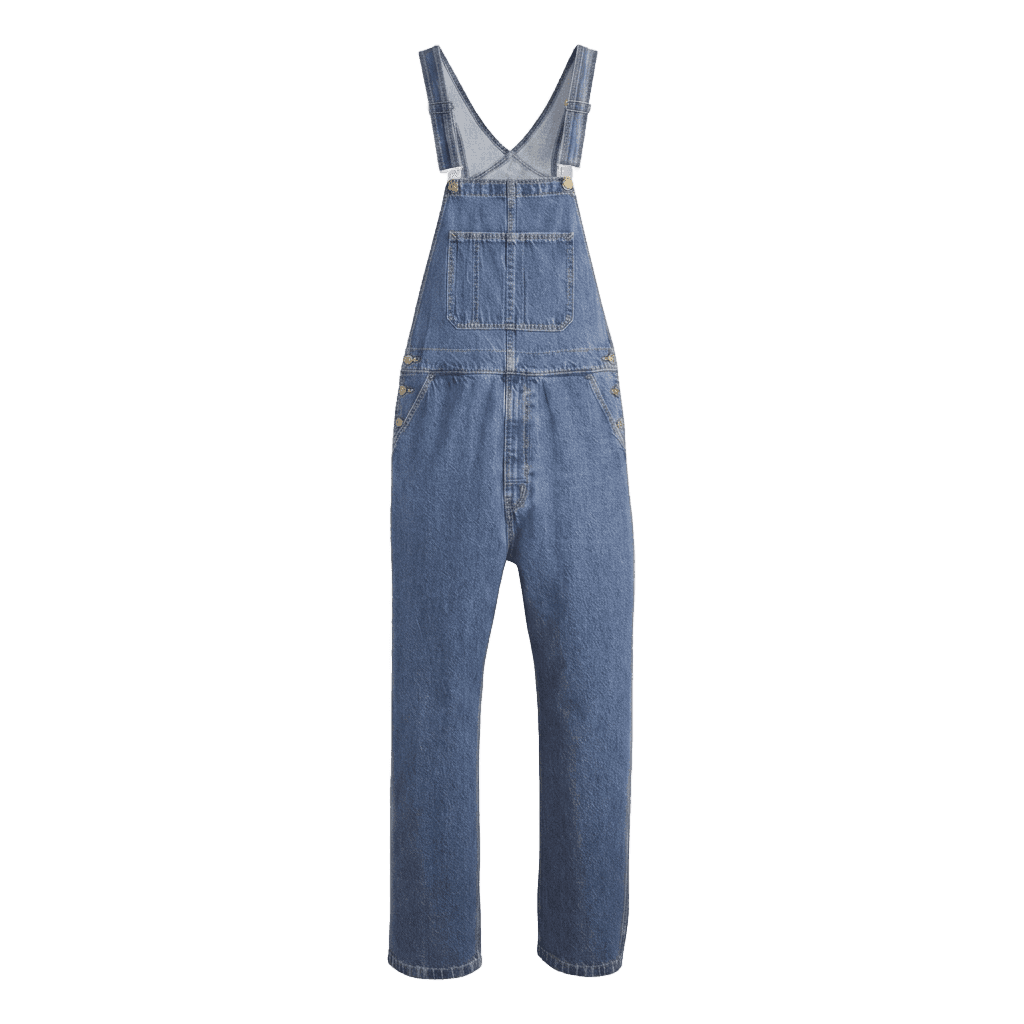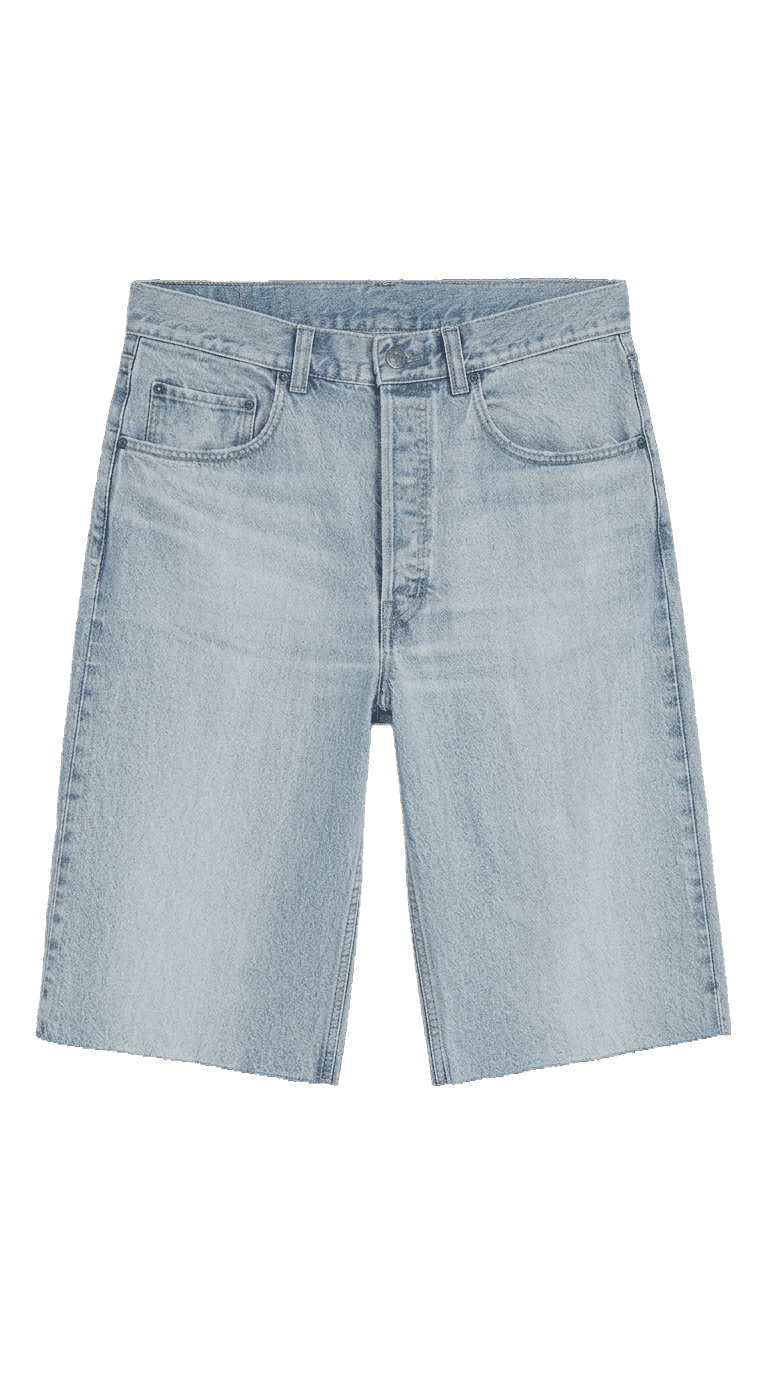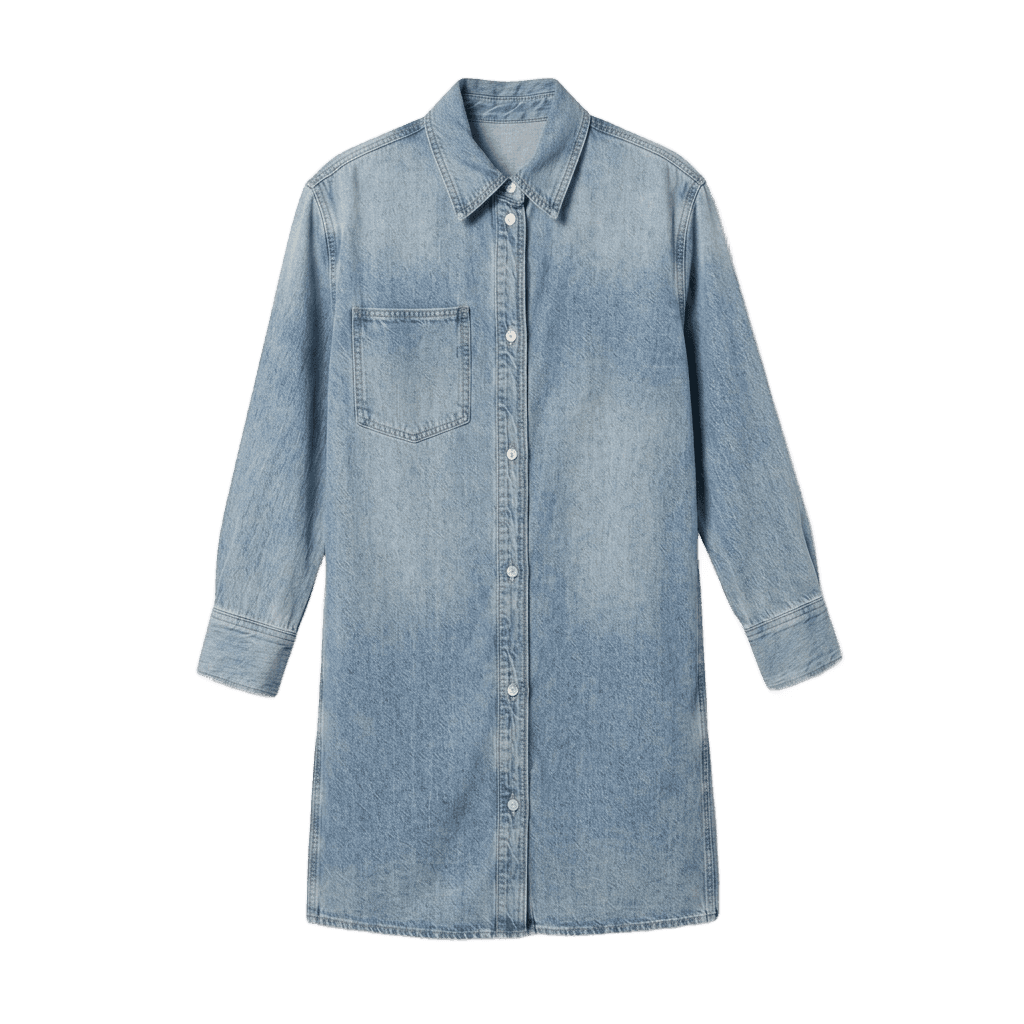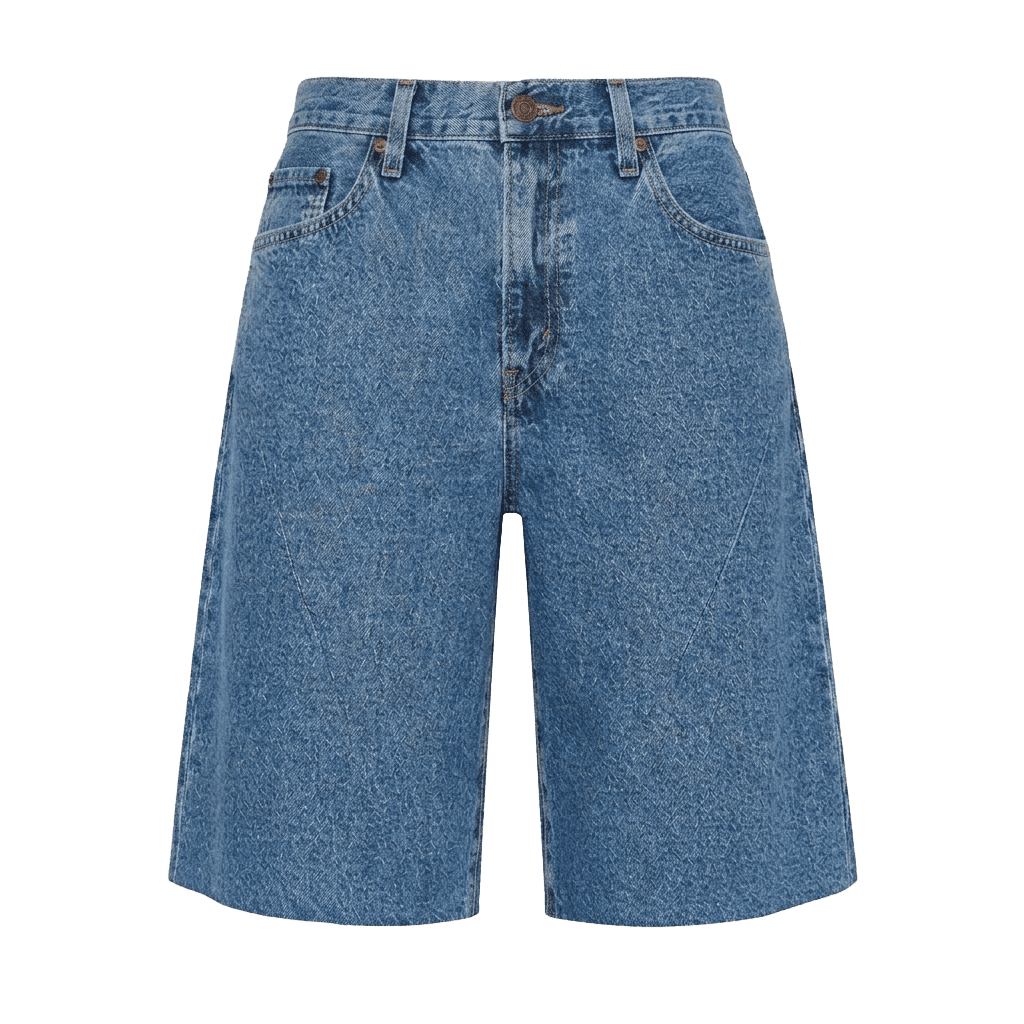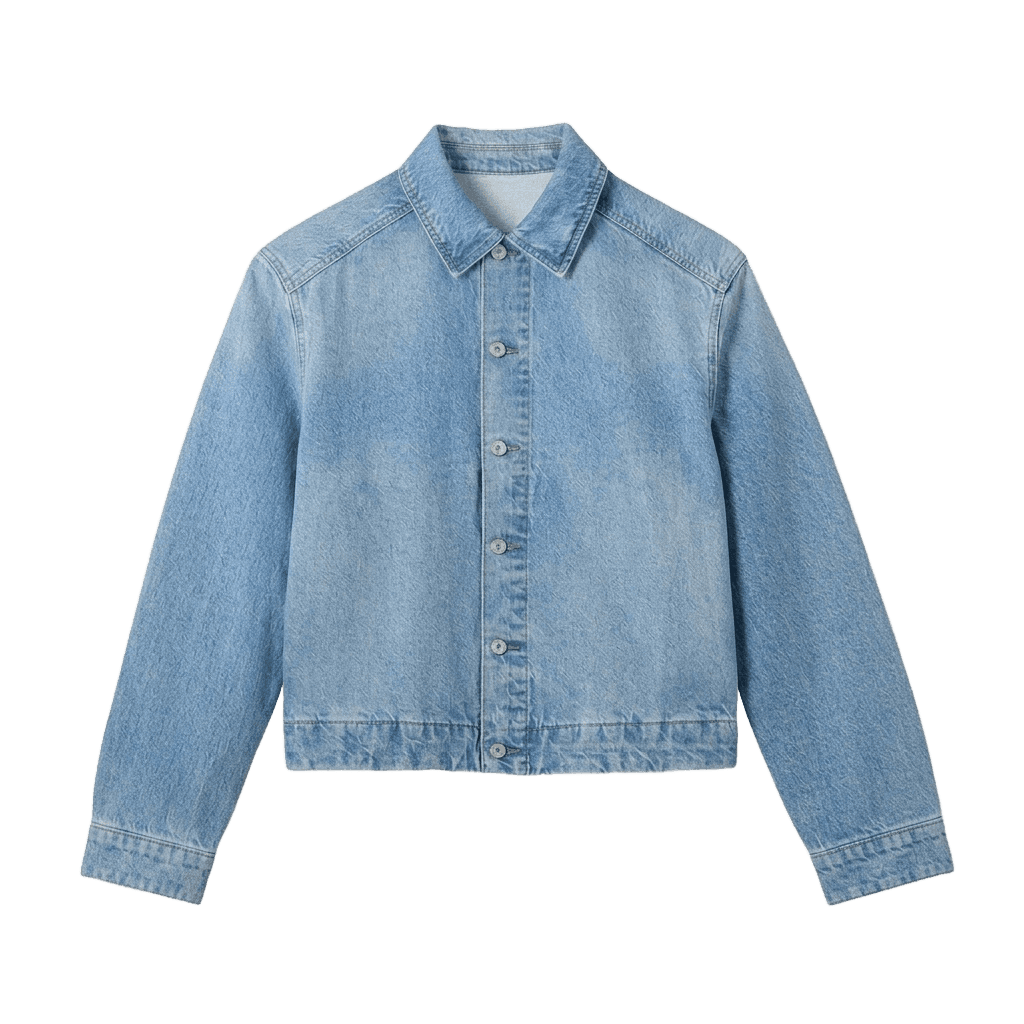
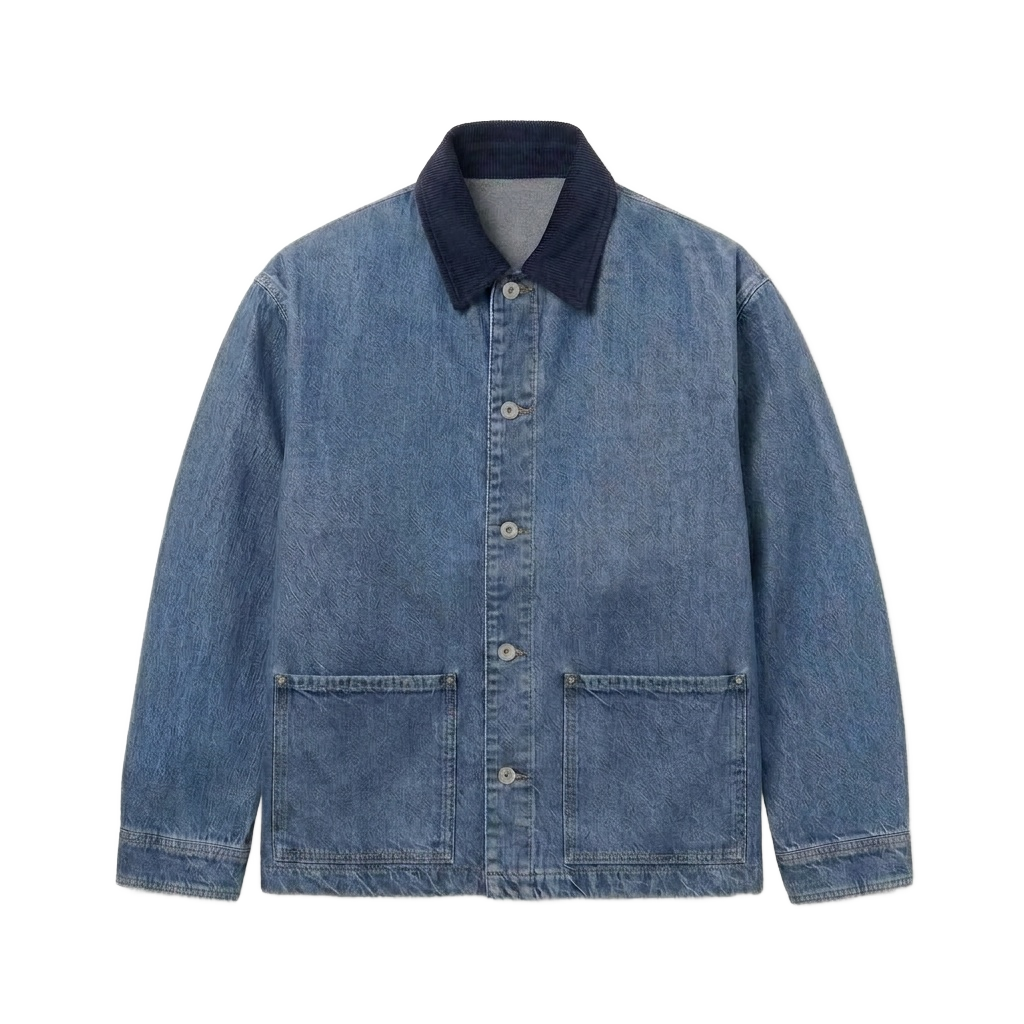
Denim Jacket
In 1962, Levi's released the Type III trucker jacket. It had four pockets, two chest buttons, and a back pleat. It cost a few dollars. Today that same construction — unchanged — sits in every major brand's collection from Zara to Balenciaga. Some things don't need to be reinvented. They just need to be built right.
The same factories that produce for houses like Celine and Balenciaga can produce this piece, directly to you
GABI
Make it yours
Material gradeMOQ 50
Colour
Denim Jacket
In 1962, Levi's released the Type III trucker jacket. It had four pockets, two chest buttons, and a back pleat. It cost a few dollars. Today that same construction — unchanged — sits in every major brand's collection from Zara to Balenciaga. Some things don't need to be reinvented. They just need to be built right.
The same factories that produce for houses like Celine and Balenciaga can produce this piece, directly to you
GABI
Make it yours
Material gradeMOQ 50
Colour
In 1962, Levi's released the Type III trucker jacket. It had four pockets, two chest buttons, and a back pleat. It cost a few dollars. Today that same construction — unchanged — sits in every major brand's collection from Zara to Balenciaga. Some things don't need to be reinvented. They just need to be built right.
The Story of the Denim Jacket — "Sixty Years and Still the Same Four Pockets"
The denim jacket was an accident of utility. In the late 19th century, denim was already the fabric of American labour — miners, farmers, railroad workers. The trousers had been patented. The jacket was the natural extension: the same heavy indigo twill, the same copper rivets, the same logic of making something that could survive hard work without falling apart.
But it took decades for the denim jacket to find its cultural moment. The pivotal design arrived in 1962: the Levi's Type III trucker. Four pockets — two chest, two hand. Two rows of buttons at the chest. A back pleat for movement. Adjusted waistband. It was a working jacket designed for the American West, and it became one of the most copied silhouettes in the history of fashion.
In the 1960s and 70s, the denim jacket went global. Students in Paris wore it. Rock bands in London wore it. Cowboys in Texas wore it. The same garment carried entirely different cultural meanings depending on who was wearing it and where — which is the definition of a true fashion object.
Then came the 1980s personalisation era. Iron-on patches. Band logos. Hand-painted backs. The denim jacket became a canvas. Every jacket was singular. Every jacket told its wearer's story.
By the 1990s, fashion had fully claimed it. Versace studded it. Helmut Lang deconstructed it. Jean Paul Gaultier sent it down the runway in configurations that bore no relation to the American West. The trucker silhouette survived every interpretation.
Today the denim jacket is produced in every weight class, every wash, every price point. The trucker remains the commercial default. But beside it stands the oversized drop-shoulder jacket, the lined winter version, the cropped fashion iteration, the reconstructed and patched luxury piece.
The construction — four pockets, back pleat, adjusted waist — has not fundamentally changed since 1962. What changes is everything around it: the fabric weight, the wash, the fit, the story.
The denim jacket is one of the few garments where heavyweight fabric (13–15 oz) is the premium signal rather than an outlier. Where a stiffer, darker, rawer jacket commands more than a soft and faded one. Where the break-in period is part of the product proposition.
No one owns the Type III silhouette. The Levi's patent expired. The trucker jacket belongs to everyone willing to build it with the right fabric and the right intention.
FAQ
A denim jacket costs between $35 and $65 per unit landed for standard commercial tiers. An affordable trucker in heavyweight denim from China with stone wash lands at approximately $35. A premium GOTS organic trucker from Turkey with vintage wash lands at around $60. Lined denim jackets add $5–$10 to landed cost. The denim jacket is the highest CMT item in the denim family — more panels, more hardware, and greater construction complexity than jeans.
Heavyweight denim at 13–15 oz (440–510 GSM) is the standard and preferred weight for denim jackets. This weight provides the structure, durability, and fade potential that defines a credible denim jacket. Lightweight 6–9 oz denim is only appropriate for cropped fashion styles where drape is prioritised over structure.
A trucker jacket is unlined — typically four pockets, button front, back pleat, adjustable waist — and relies entirely on the denim shell for warmth and structure. A lined denim jacket adds an interior lining, such as quilted, sherpa, or standard woven, for warmth and a premium finish feel inside. Lined construction adds $8–$15 to CMT and requires separate lining fabric.
Denim jacket manufacturing takes 40 to 97 days from order to UK delivery depending on region. China is 67 to 97 days total with sea freight. Turkey is 40 to 62 days. Portugal is 38 to 65 days. Jacket production runs longer than jeans because of greater construction complexity — more panels, more hardware, and more precise alignment requirements.
Standard factory MOQs for denim jackets range from 300 to 1,000 units in China and 200 to 500 in Turkey. Through the Sparkit network, MOQs start at 50 to 150 units. Trucker jackets run at lower MOQ than lined jackets because lined construction requires coordinating two fabric types and a lining supplier simultaneously.
Stone wash is the industry standard for a first trucker jacket drop — it delivers the expected denim jacket aesthetic, is widely available, and is straightforward to QC. Vintage and distress treatments should be reserved for later collections once wash-house relationships are established. Raw or rinse wash is appropriate for a deliberate raw-denim aesthetic.
Prevent sleeve torque by specifying the sleeve grain line precisely in the tech pack and requesting a post-wash check on the pre-production sample. Sleeve torque is more visible in jackets than jeans because seam rotation is apparent when the jacket is hanging or worn open. Use ring-spun yarn and specify grain line at 90° to the fold.
A quality denim jacket should use shank buttons, not flat buttons, with a burnished or antique brass finish, YKK or equivalent quality zip if applicable, and copper rivets at stress points. Shank buttons are the immediate visible quality signal on a denim jacket. Specify a pull-test on all shank buttons in QC.
Yes — nettle denim at ×1.35 in the Sparkit Denim Engine is available in heavyweight weights suitable for jacket construction. A nettle heavyweight jacket at 0.75m fabric consumption adds approximately $2.00 to fabric cost per unit. The zero-irrigation, zero-pesticide story is particularly compelling for an outerwear piece where the consumer is making a considered, higher-value purchase.
Luxury denim jackets use 13–15 oz selvedge denim from Japanese or Italian mills, raw or very light rinse wash to preserve indigo depth, chainstitch construction at key seams, and premium hardware throughout. The selvedge ID cuff — visible when the sleeve hem is turned back — is the unmistakable luxury signal.
A standard trucker denim jacket has 12 to 18 panels depending on the style: front panels, back panel or back with yoke, sleeves, collar, collar band, chest pocket pieces, side pocket pieces, and waistband adjustment tabs. The higher panel count relative to jeans is why jacket CMT is higher — more cutting, more seaming, and more alignment precision.
The HS code for a denim jacket is 6201 for mens and unisex outerwear or 6202 for womens outerwear. Use 6201 for unisex and mens trucker styles. Use 6202 for womens-specific constructions. The UK import duty rate is approximately 12% on CIF value for both codes.