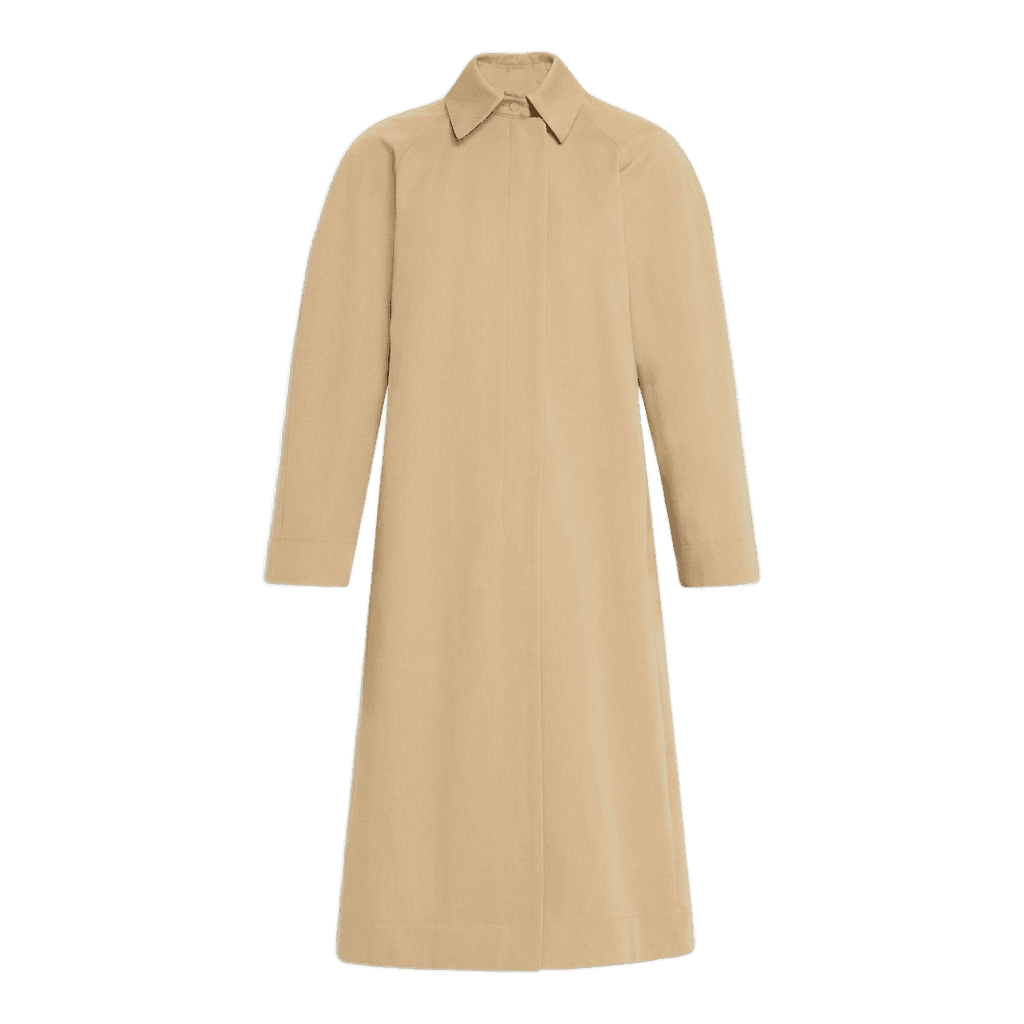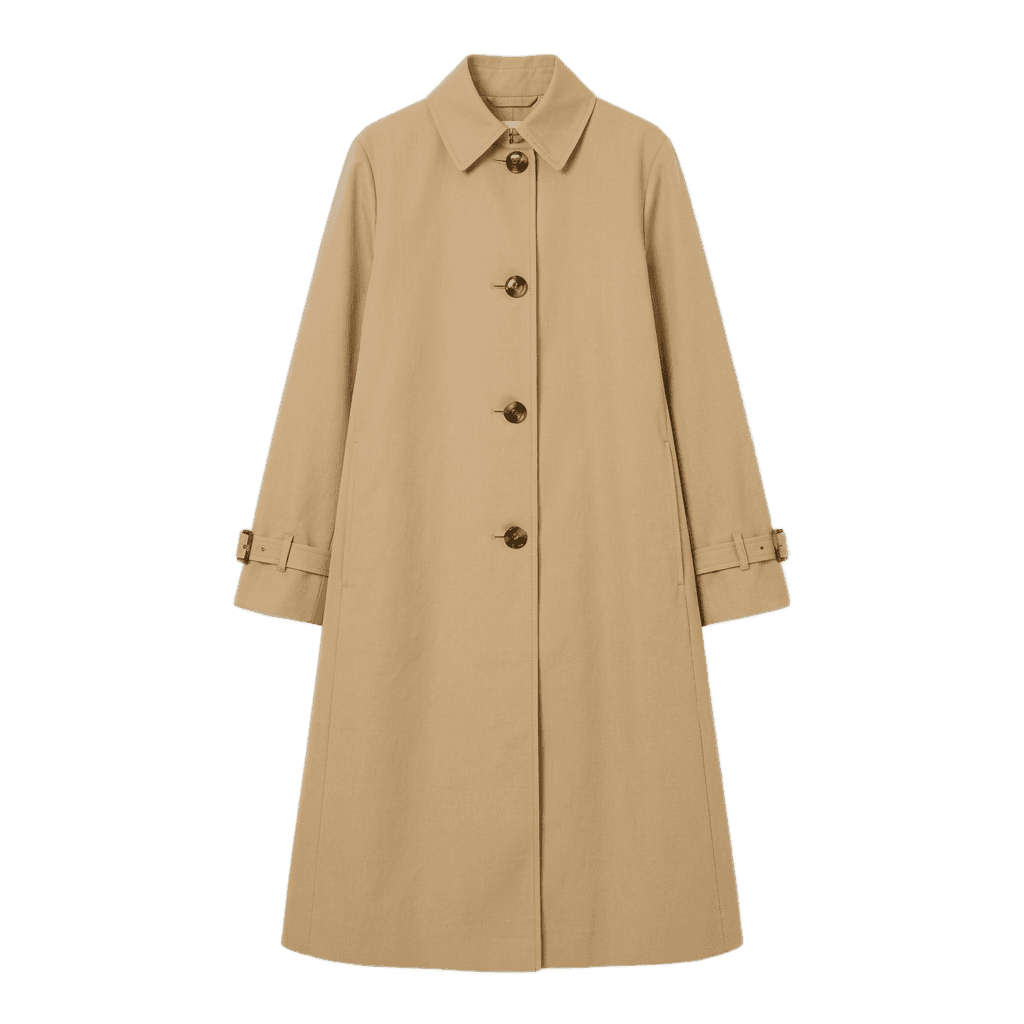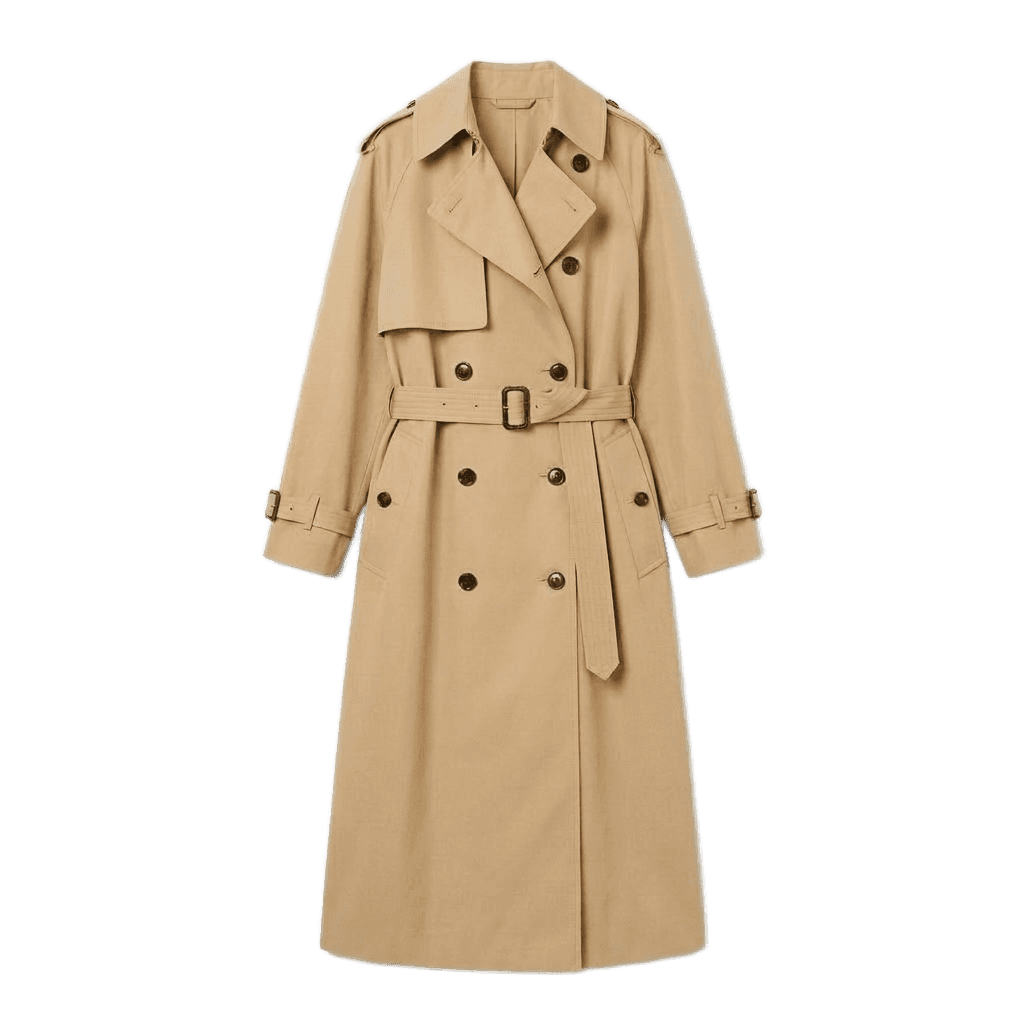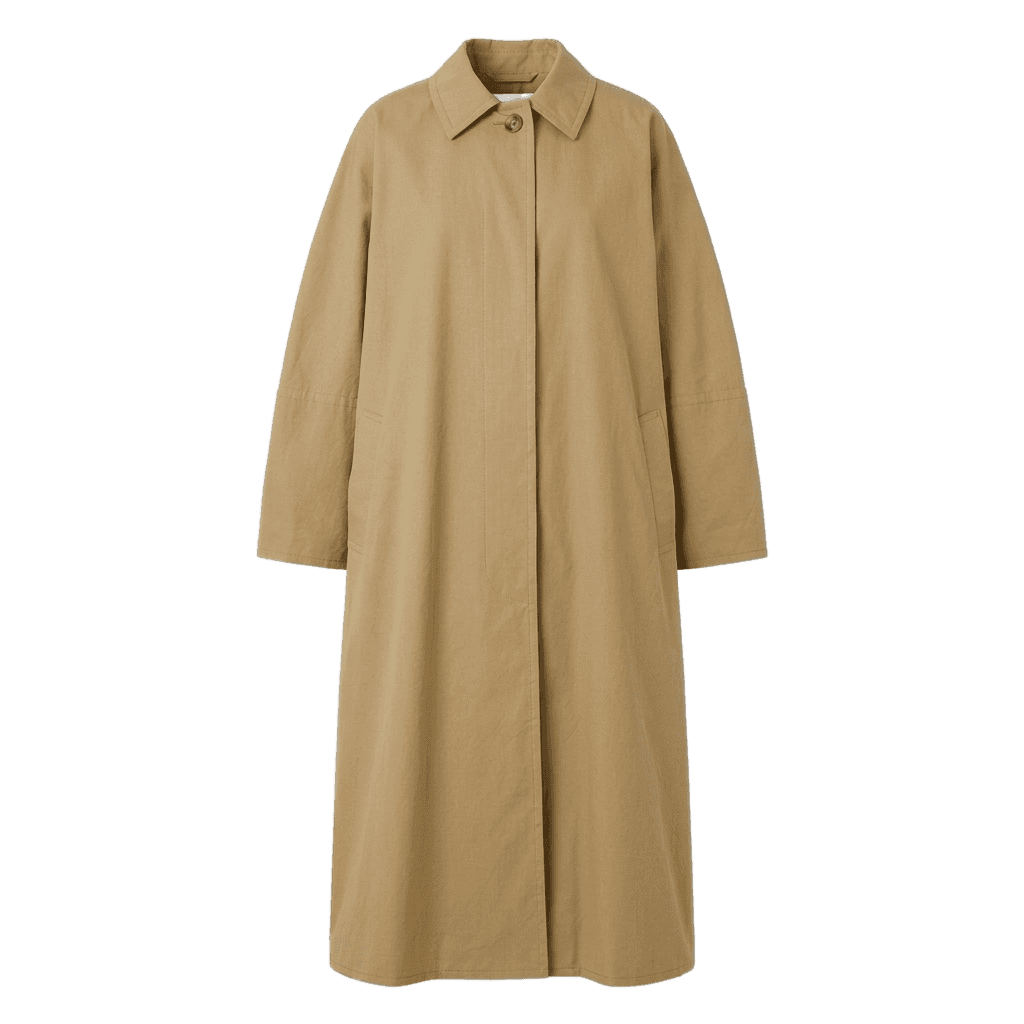
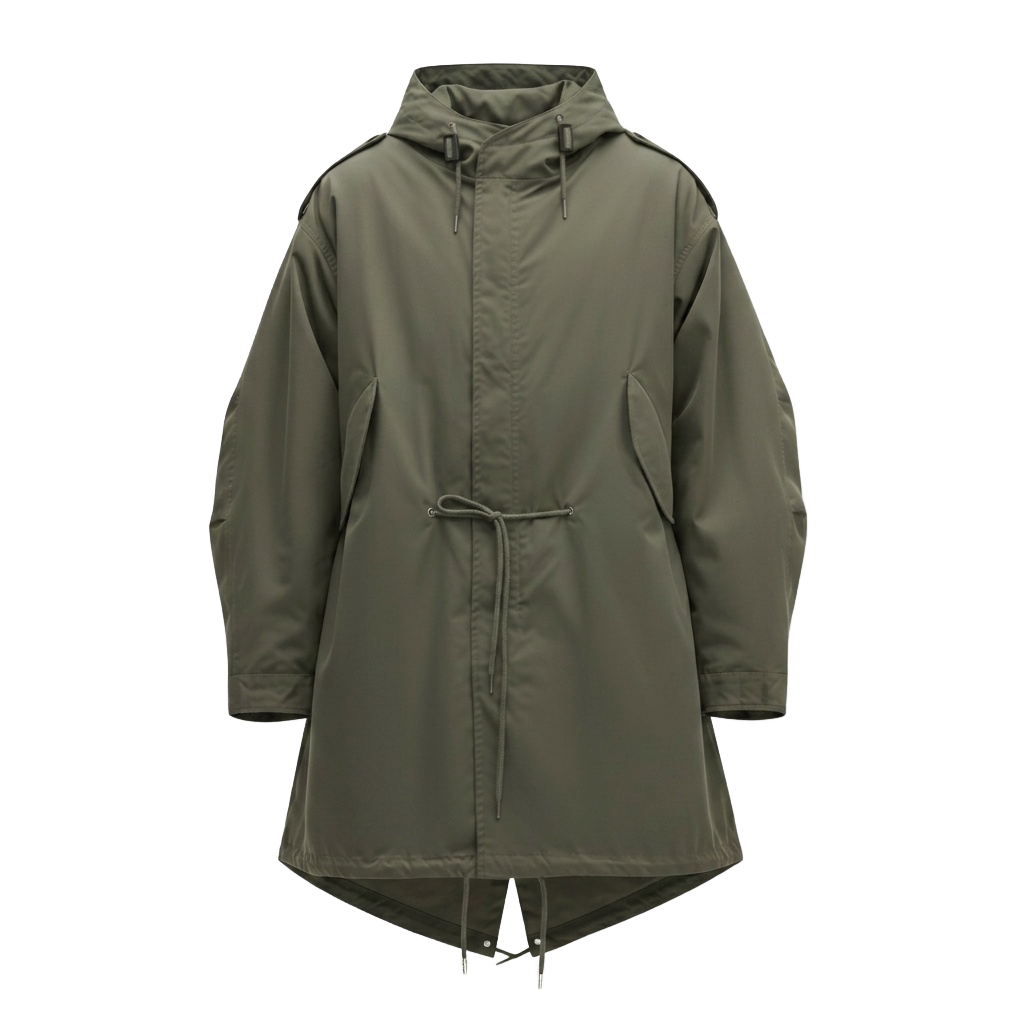
Parka
An oversized, longline coat with a relaxed A-line shape that falls below the knee. A high stand collar rises into a three-piece hood, while drop shoulders and two-piece articulated sleeves create a voluminous upper body. The concealed front closure is cinched by a drawcord waist, and the hem drops into a fishtail back.
The same factories that produce for houses like Celine and Balenciaga can produce this piece, directly to you
GABI
Make it yours
Material gradeMOQ 50
Colour
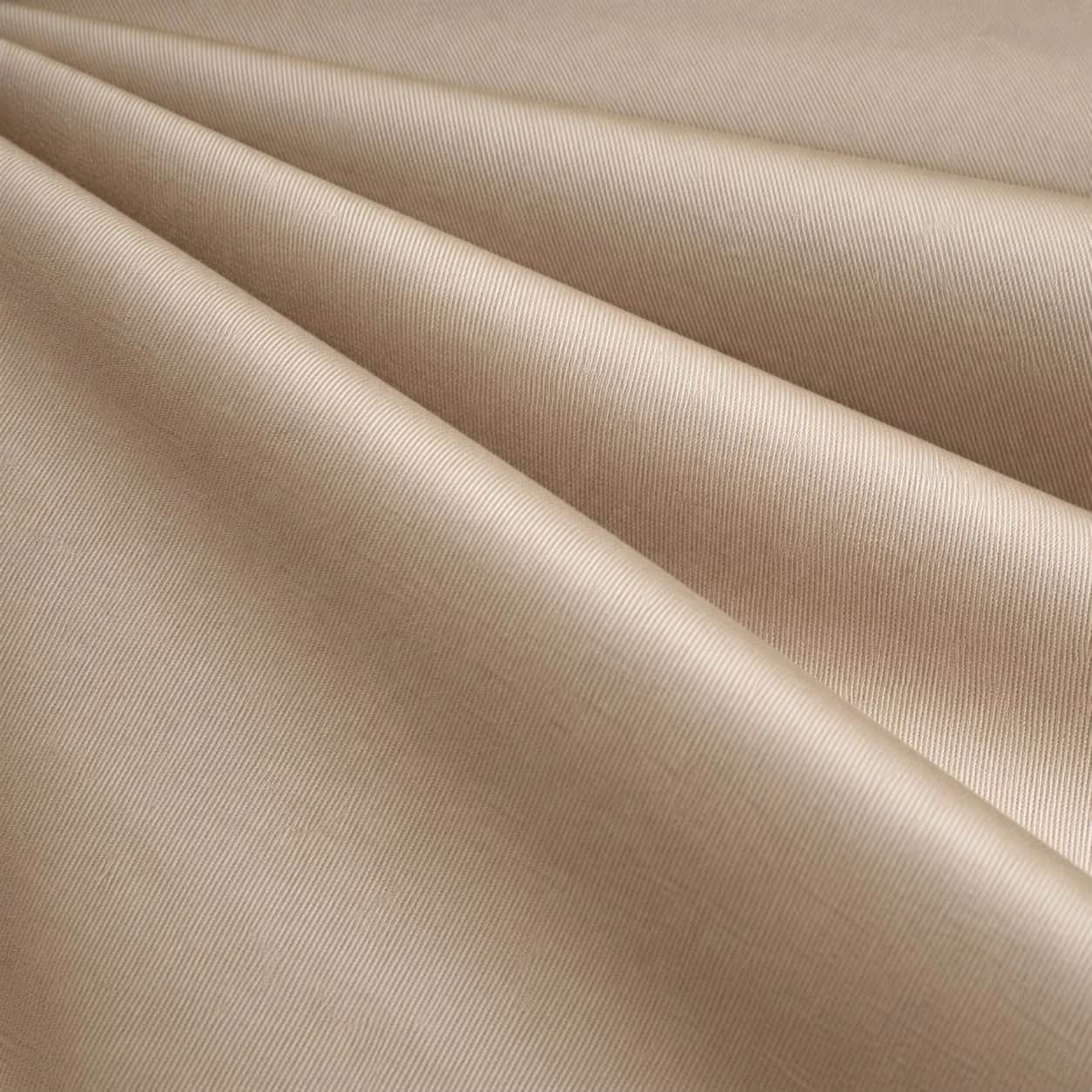
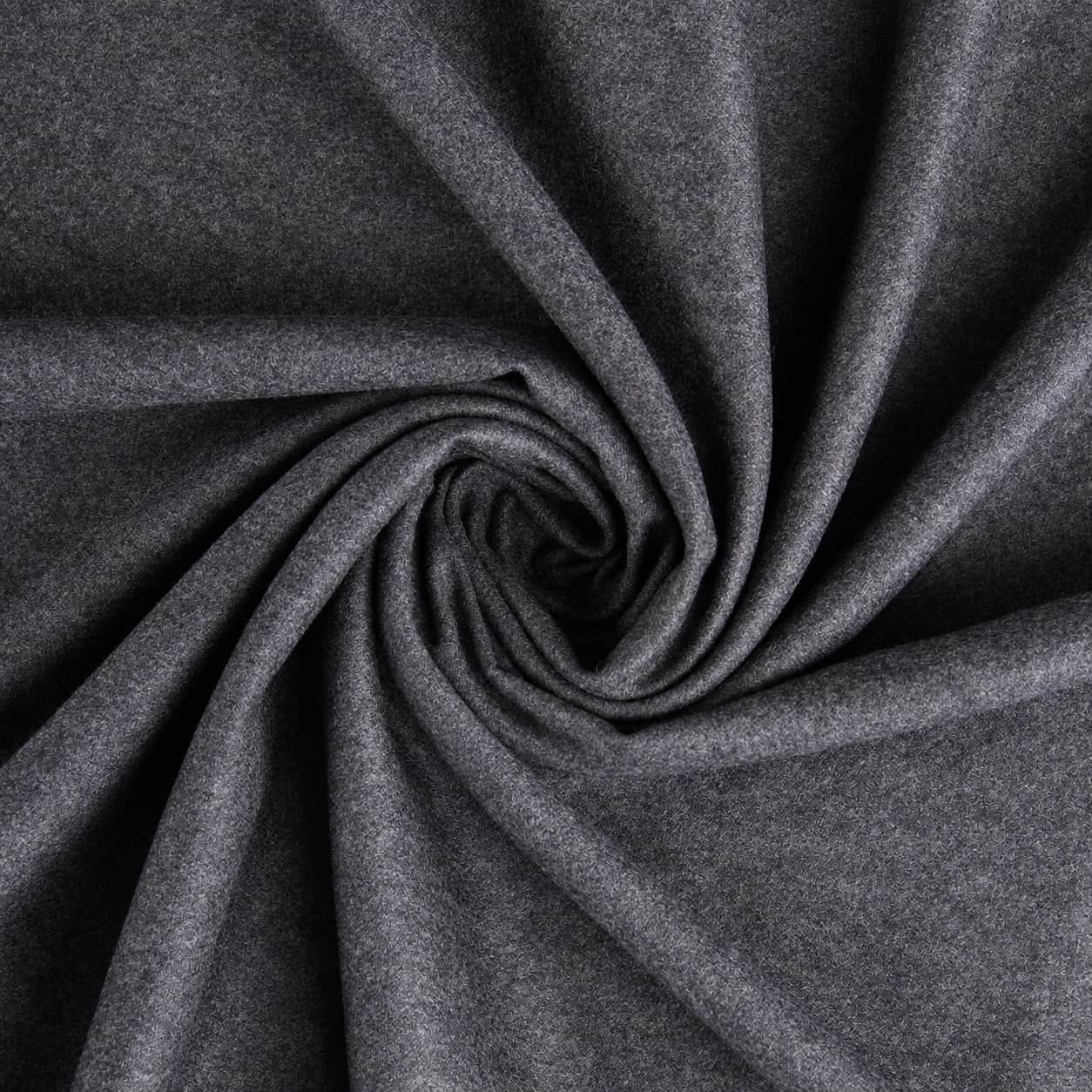
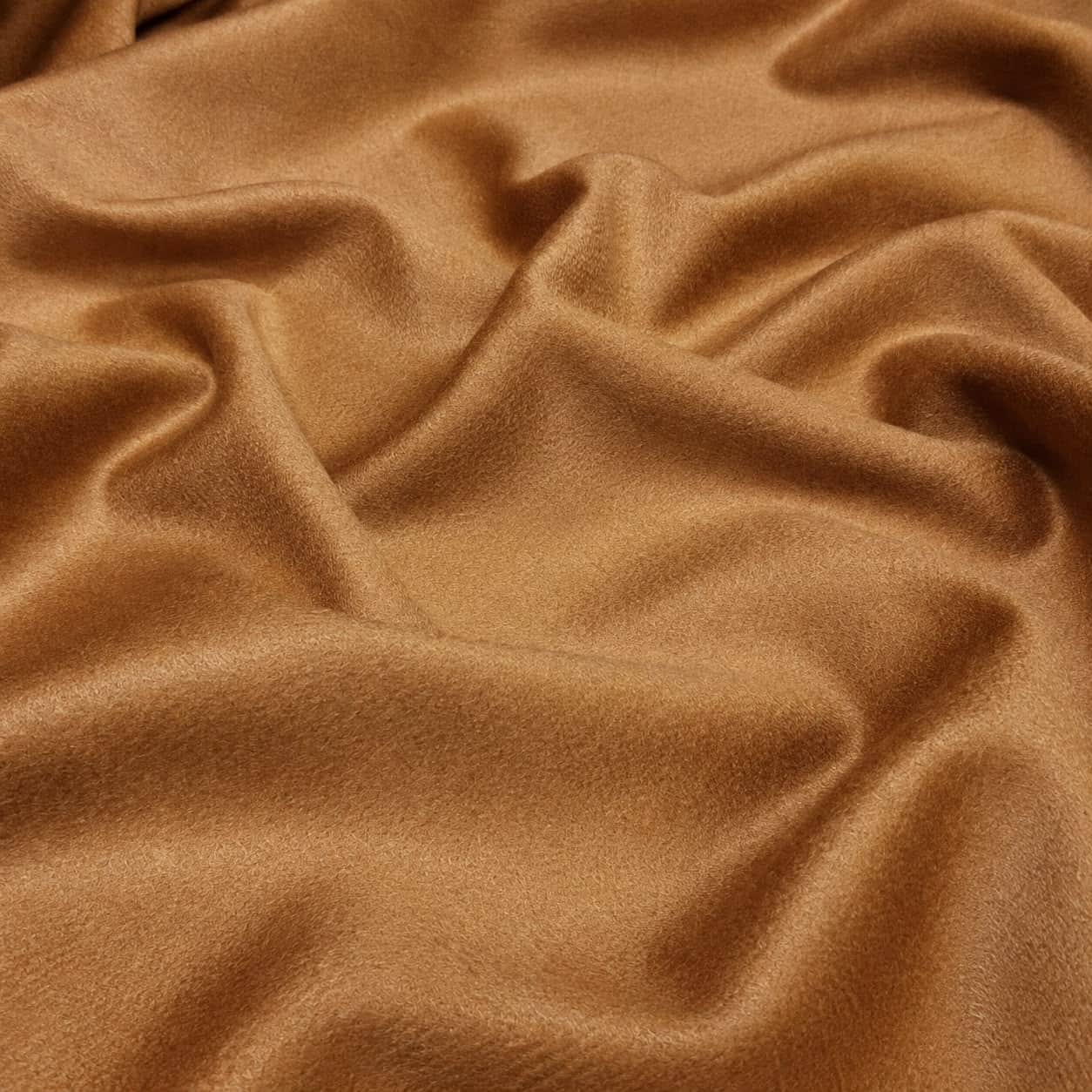
- Main Fabric: 80% Wool / 20% Nylon, 300gsm
- lining: 100% Recycled Polyester
- Dry clean only
- Do not bleach
- Do not tumble dry
- Dry flat to keep its shape
- Iron on a low setting
A guide based on the garment’s materials — always follow the care label on the item itself.
Fabrics
The parka is outerwear designed for bad weather, which is why fashion keeps borrowing it. Hood, drawcord, longer body, pockets, and insulation create a garment that reads protective before it reads stylish. The hard part is balancing weight, warmth, and cost.
The Parka -- "The parka is outerwear designed for bad weather, which is why fashion keeps borrowing it."
Parka forms come from cold-weather protective clothing, military outerwear, and Arctic-inspired hooded garments. The modern fashion parka blends utilitarian details with civilian styling: fishtail hems, faux-fur hoods, quilted linings, storm flaps, and technical shells. Its appeal is practical authority.
Construction logic
A parka usually has a longer body, hood, front placket, drawcords, large pockets, lining, and sometimes insulation. The shell must resist wind or water; the lining must add warmth without excessive bulk. Hardware and seam finishing carry the quality signal.
Commercial logic for creators
For creators, the parka is a high-ticket outerwear product with real production complexity. It works when the specification is clear: shell performance, insulation weight, hood construction, pocketing, and trim quality. Under-spec it and it becomes an expensive jacket that does not protect.
FAQ
affordable uses polyester shell and synthetic fill; premium adds better shell and hardware; luxury uses technical fabric, down, and refined trims.
A parka is a hooded outerwear coat, typically longer in length and designed for warmth, wind protection, or weather resistance.
Common options include cotton nylon, polyester shell, waxed cotton, technical twill, quilted lining, synthetic fill, down, faux fur, and metal hardware.. Choose based on target price, handfeel, durability, and care requirements.
Focus on hood shaping, placket, drawcords, pocket bags, lining, insulation, storm flaps, and reinforced seams. These details usually determine whether the product feels credible or cheap.
Check layering ease, sleeve pitch, hood depth, body length, hem drawcord, and shoulder mobility. Fit should be reviewed on the body type and use case the product is designed for, not only on a flat measurement sheet.
The main cost drivers are shell fabric, lining, insulation, hardware, pocket complexity, seam sealing, and hood trim. Sampling time and rejection risk also increase cost when the fit is sensitive.
Request checks for zip durability, lining attachment, water repellency, drawcord function, fill migration, and seam strength. For performance or workwear products, test under the real use condition rather than only visually.
Watch for heavy stiff body, weak zippers, uneven fill, shallow hood, pocket sag, and lining tears. These issues should be caught at fit sample, pre-production sample, and bulk inspection stages.
Include shell performance, insulation weight, hood spec, drawcords, pocket map, lining, hardware, and care standard. Add reference photos and tolerance notes where fit or construction is easy to misread.
outerwear factories are required because the construction is more complex than a simple jacket.
Use OEKO-TEX STANDARD 100 as a consumer-safety baseline where possible. Use GOTS for organic cotton, GRS for recycled polyester or nylon, RWS for responsible wool, and leather-specific or chemical compliance where relevant to the material.
follow shell and fill instructions; down and technical coatings need specific washing methods.