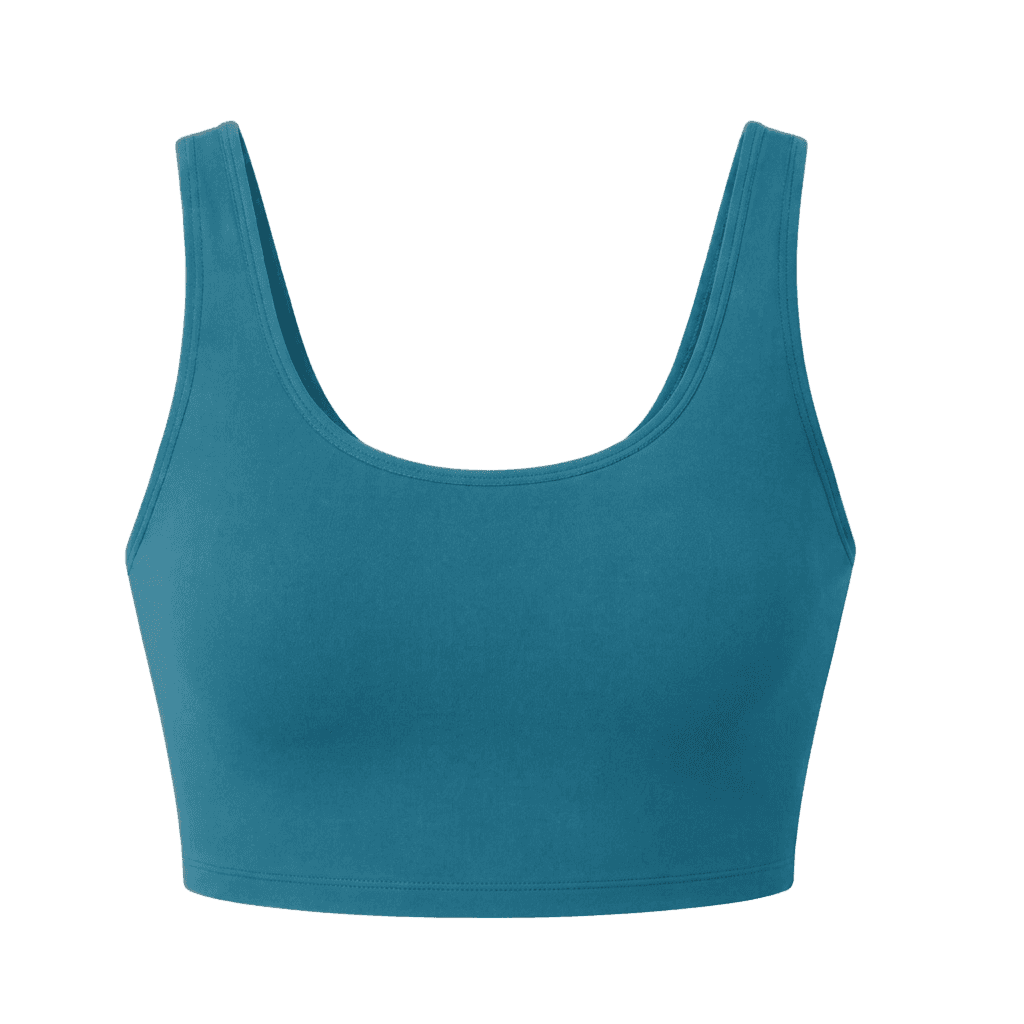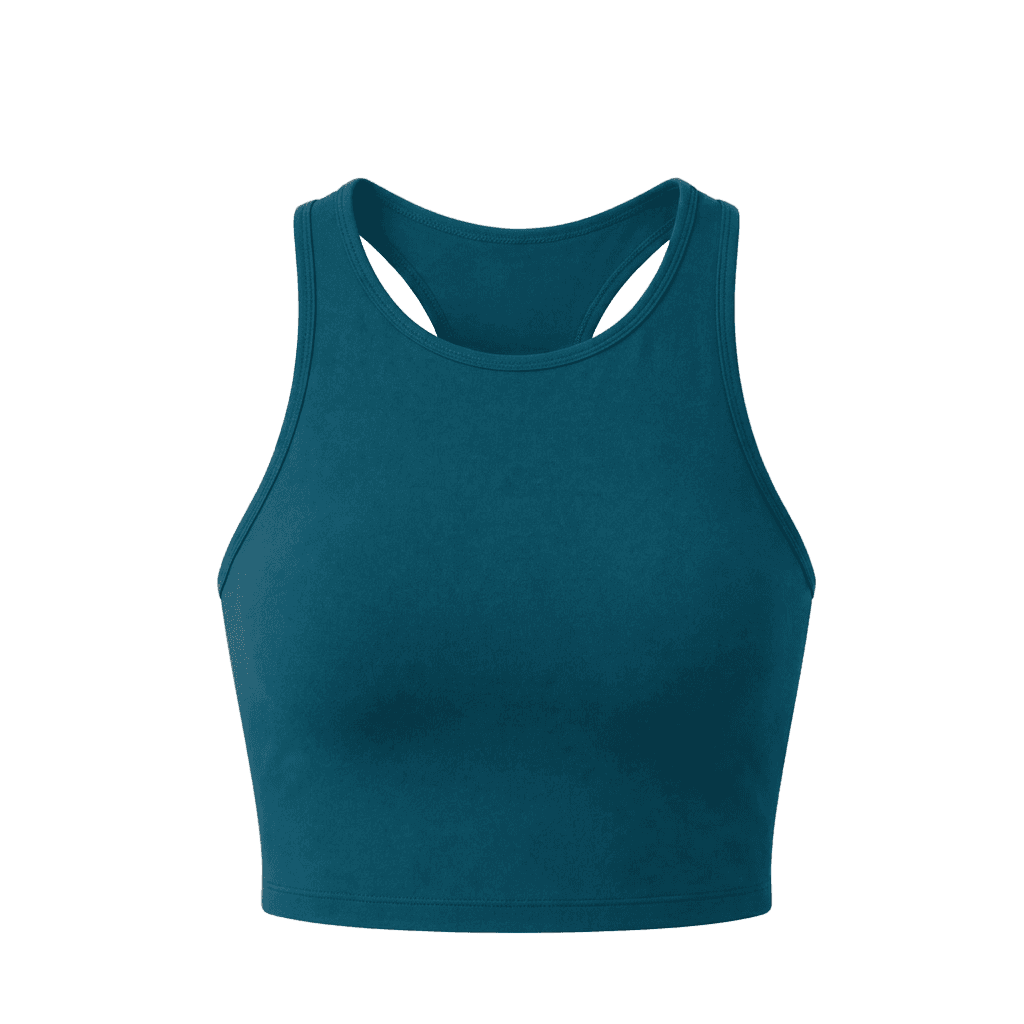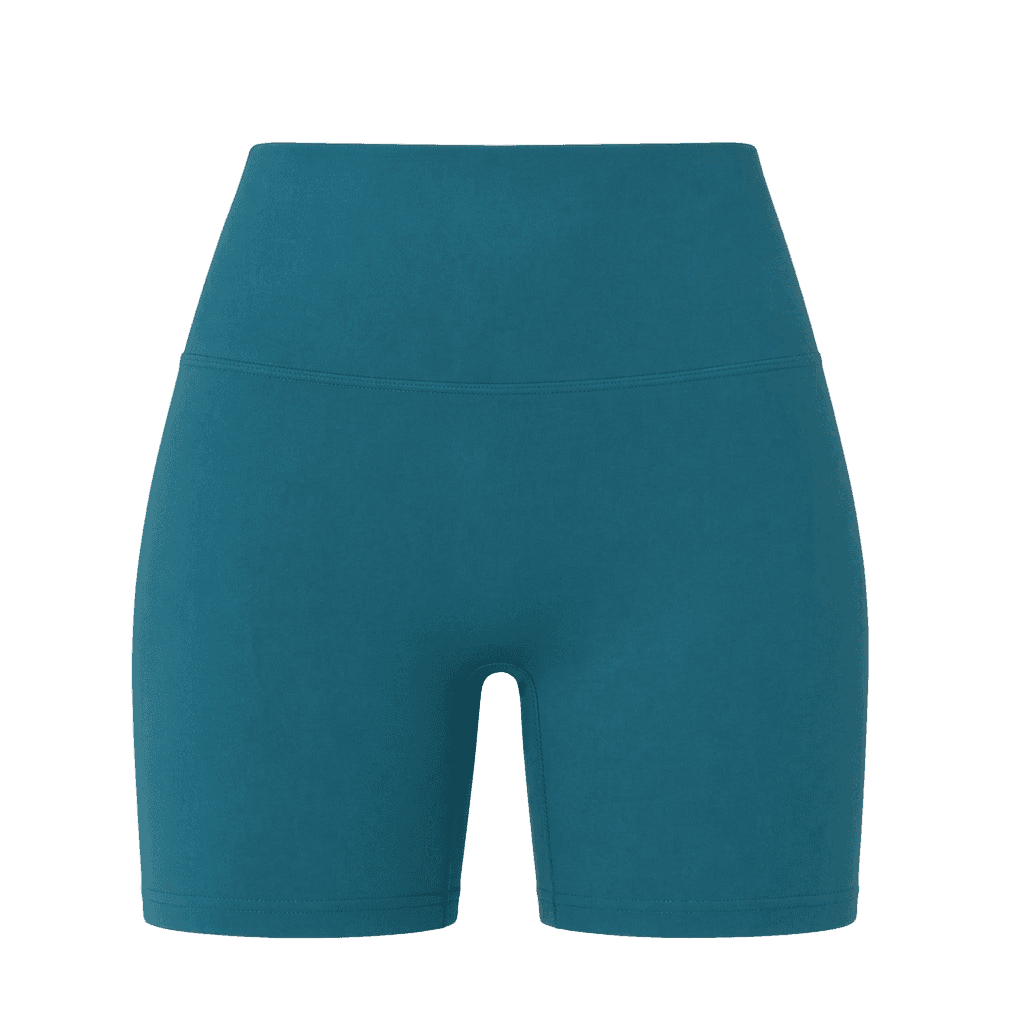
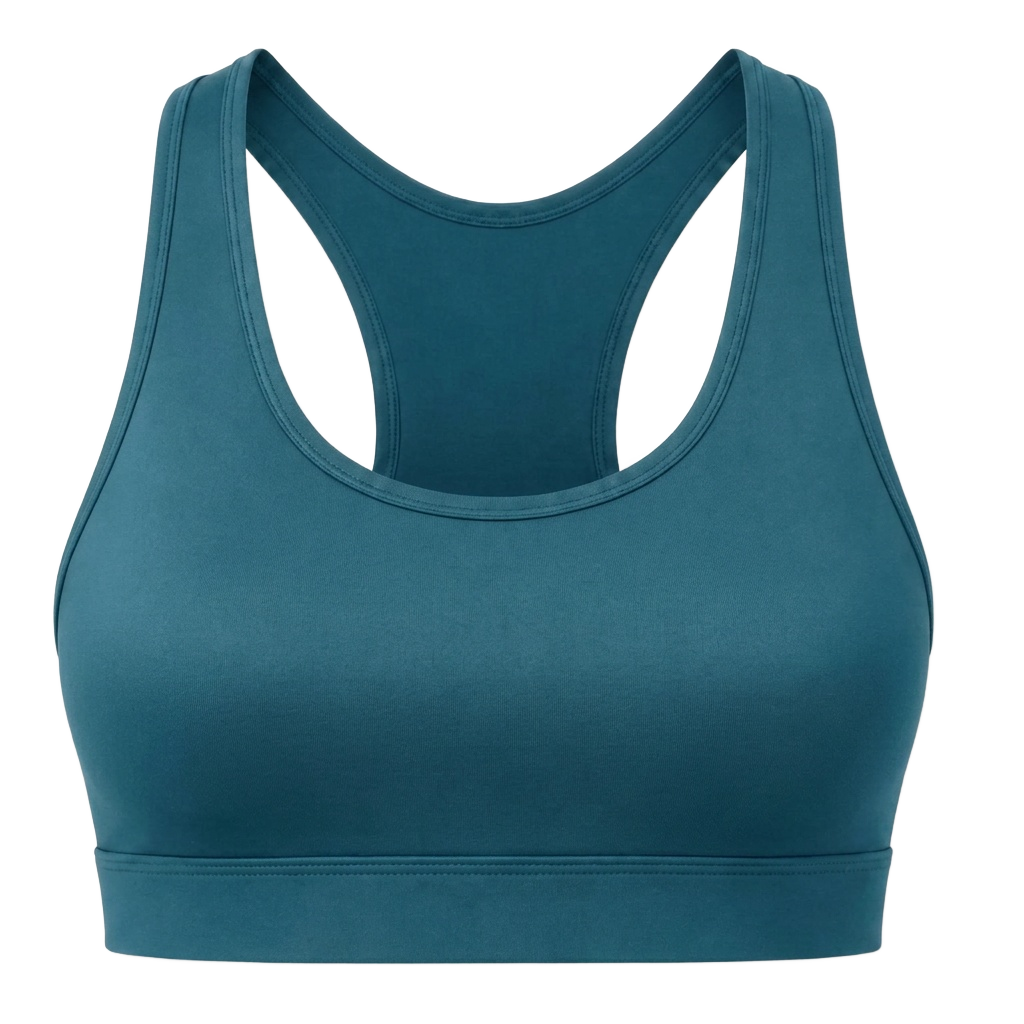
Racerback Sports Bra
A cropped, tight-fitting athletic top that ends at the underbust, where a continuous straight band forms the hem. Wide shoulder straps join at the top of the shoulders and merge into a racerback panel, leaving the upper back open. The scoop neckline dips low at the front, and the pullover body has no closure.
The same factories that produce for houses like Celine and Balenciaga can produce this piece, directly to you
GABI
Make it yours
Material gradeMOQ 300
Colour
- Main Fabric: 75% Recycled Polyester / 25% Elastane, 250gsm
- lining: 90% Recycled Polyester / 10% Elastane
- padding: 100% Polyurethane
- Do not wash — specialist clean only
- Do not bleach
- Do not tumble dry
- Do not iron
A guide based on the garment’s materials — always follow the care label on the item itself.
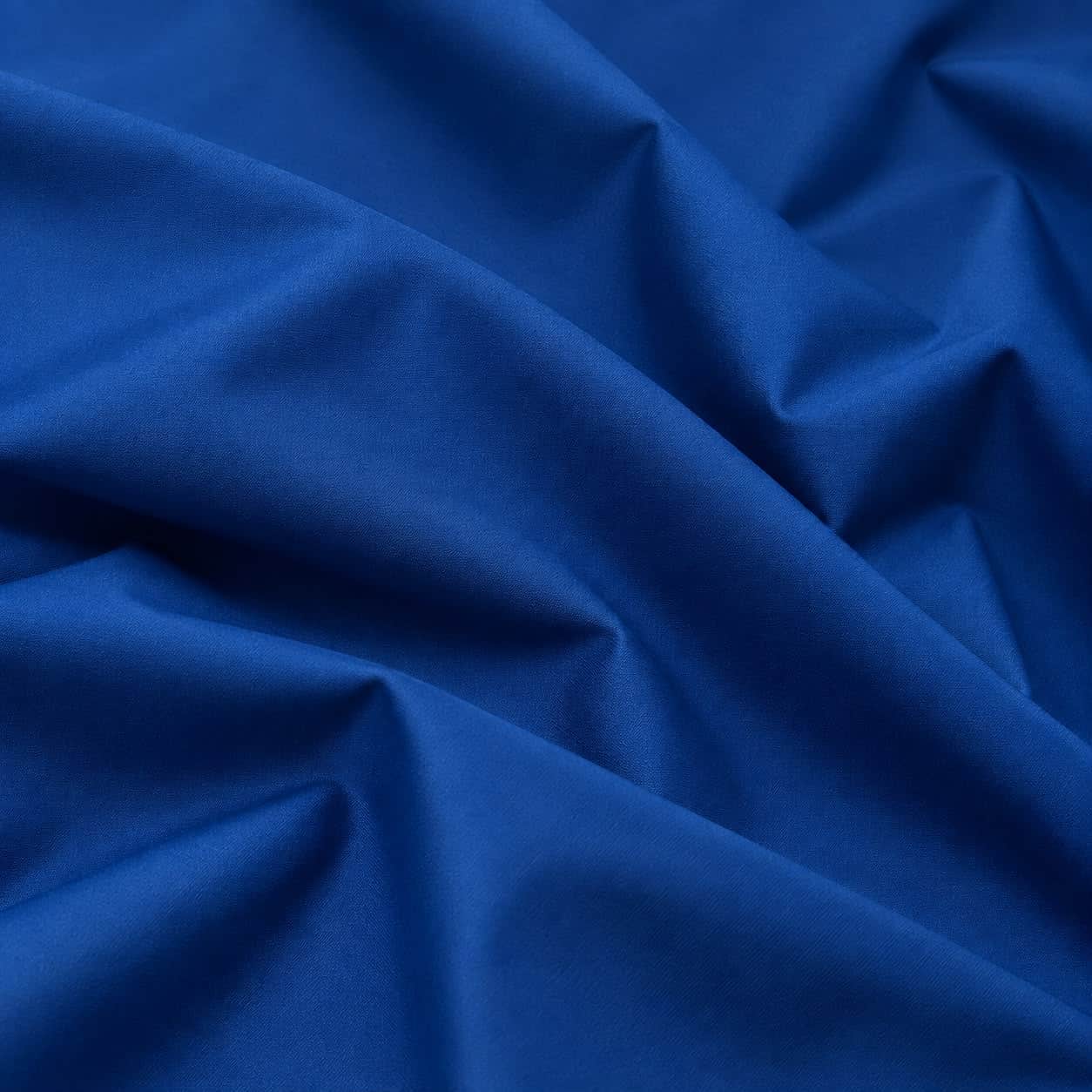
Fabrics

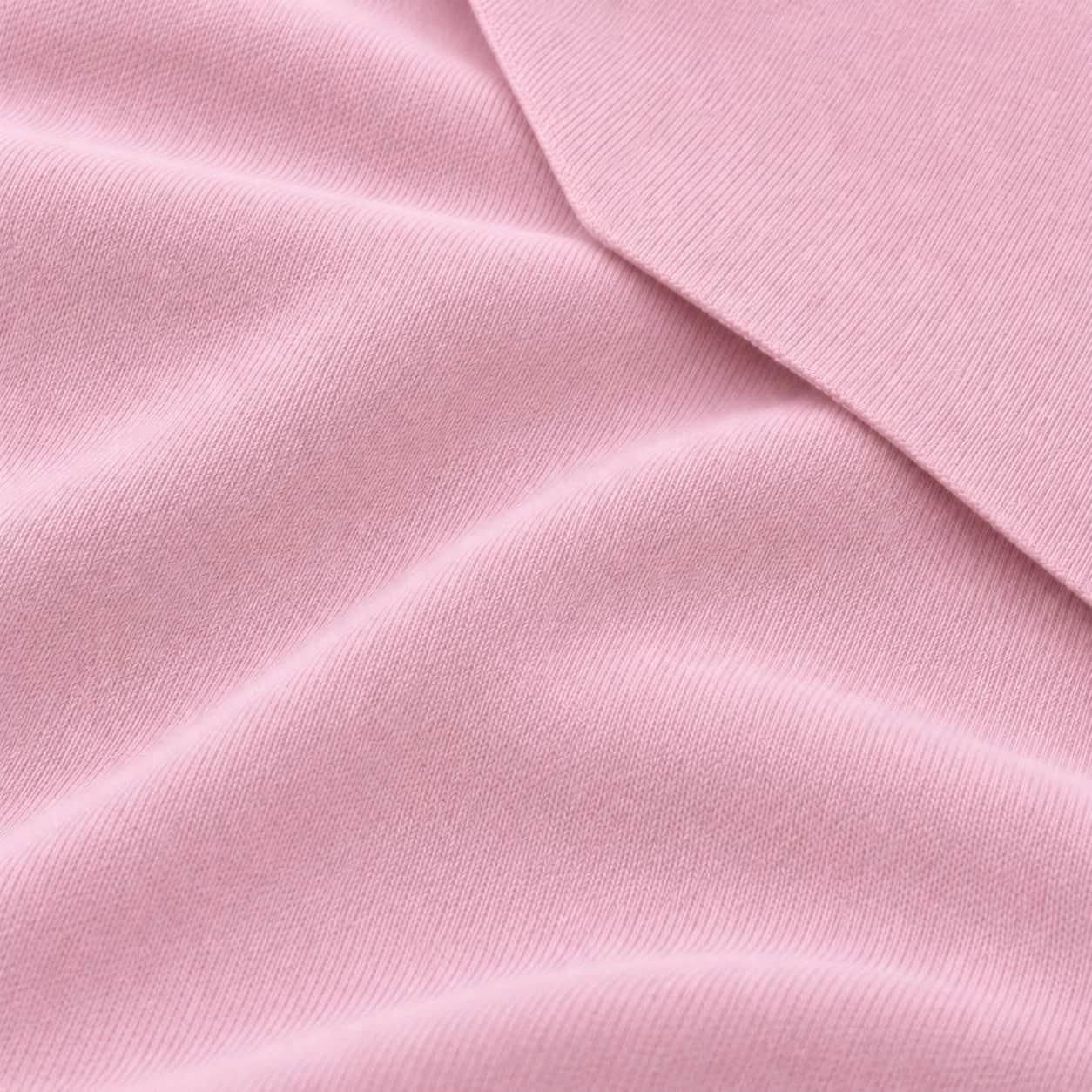
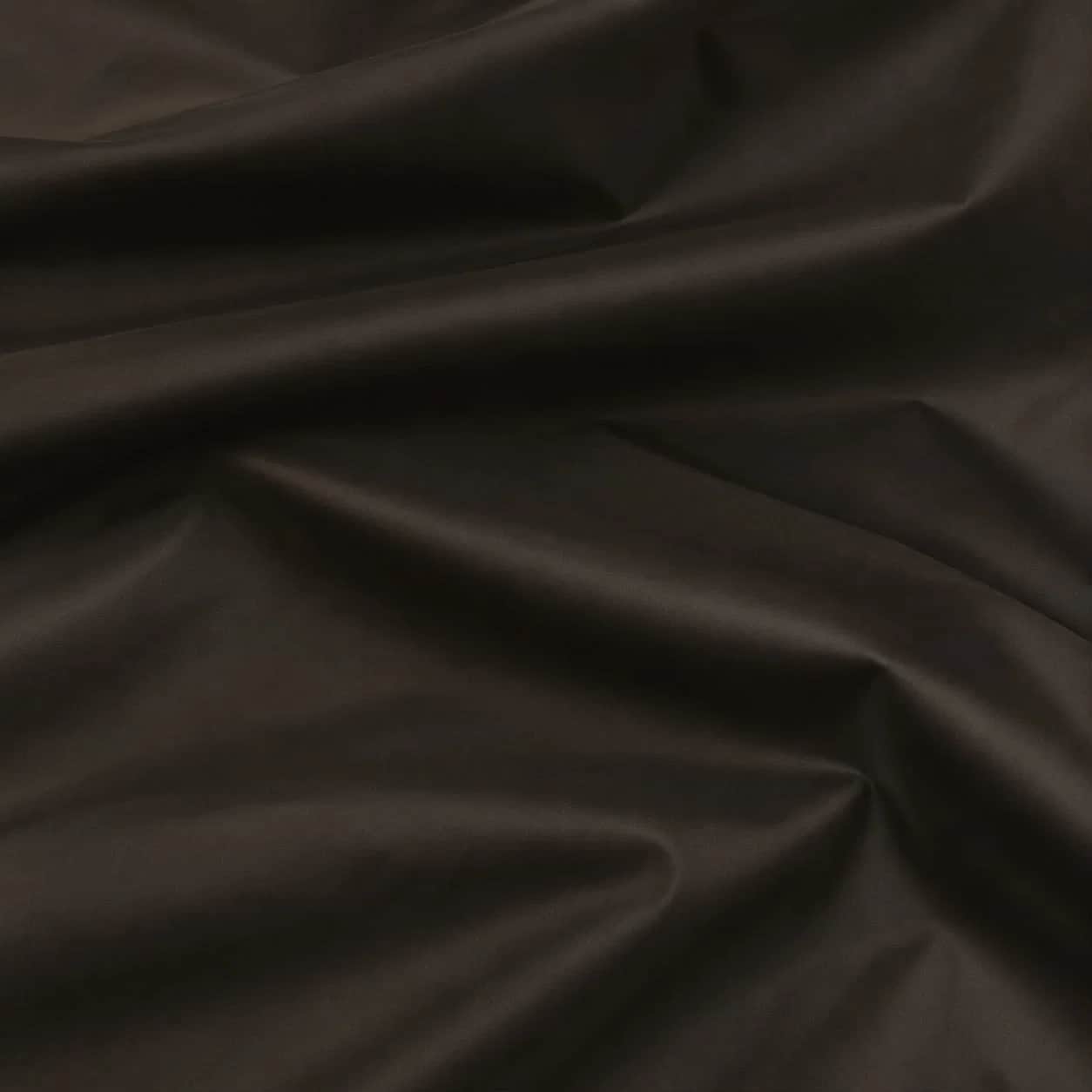
The sports bra is the small garment that changed how women trained. It took the logic of lingerie, rebuilt it for movement, and turned elastic recovery into the whole product. The difference between a cheap bralette and a credible performance bra is not the silhouette; it is support engineering, fabric recovery, and the way the underband is built.
The Sports Bra / Performance Bralette -- "The sports bra is the small garment that changed how women trained."
The modern sports bra emerged when running, aerobics, and gym culture created demand for support garments that could handle repeated movement rather than static fit. Early versions borrowed from swimwear and lingerie, but the category only became commercial when makers treated bounce control, compression, encapsulation, and moisture management as design requirements rather than styling details.
Construction logic
A sports bra is a system of stretch fabric, power mesh, elastic, binding, and seam placement. Low-impact bralettes can be cut from a single compression knit; high-support versions need separate zones, stabilized straps, and a wide underband that does not roll. The underband, not the front panel, carries much of the load.
Commercial logic for creators
For independent creators, the sports bra is one of the highest-trust products in activewear. Consumers will pay for comfort, opacity, recovery, and support, but returns spike immediately when sizing or fabric recovery is wrong. Sampling must test movement, wash recovery, and sweat opacity before bulk.
FAQ
A sports bra is a close-fit support garment engineered for movement, usually using compression, encapsulation, or a hybrid of both.
Common options include nylon/elastane, polyester/elastane, recycled performance knit, power mesh, brushed elastic, and optional molded cups.. Choose based on target price, handfeel, durability, and care requirements.
Focus on stabilized straps, clean binding, bartacked elastic joins, lined front panels, and a wide underband with controlled stretch. These details usually determine whether the product feels credible or cheap.
Check cup coverage, underband tension, strap length, armhole height, neckline security, and movement testing. Fit should be reviewed on the body type and use case the product is designed for, not only on a flat measurement sheet.
The main cost drivers are fabric weight, lining, power mesh, molded cups, branded elastic, and the number of seams and binding operations. Sampling time and rejection risk also increase cost when the fit is sensitive.
Request checks for stretch recovery, opacity under strain, underband roll, strap slippage, and seam abrasion. For performance or workwear products, test under the real use condition rather than only visually.
Watch for underband rolling, cup gaping, transparent fabric, strap twist, and elastic that fails after washing. These issues should be caught at fit sample, pre-production sample, and bulk inspection stages.
affordable uses single-layer compression; premium adds lining and power mesh; luxury adds refined handfeel, bonded edges, or branded hardware.
Include support level, size grading, stretch direction, elastic width, lining map, cup option, and underband measurement after stretch. Add reference photos and tolerance notes where fit or construction is easy to misread.
activewear or swimwear factories with coverstitch, binding, and stretch-quality control are the right fit.
Use OEKO-TEX STANDARD 100 as a consumer-safety baseline where possible. Use GOTS for organic cotton, GRS for recycled polyester or nylon, RWS for responsible wool, and leather-specific or chemical compliance where relevant to the material.
cold wash, low heat, and avoided fabric softener help preserve elastane recovery.