Ocean Tank
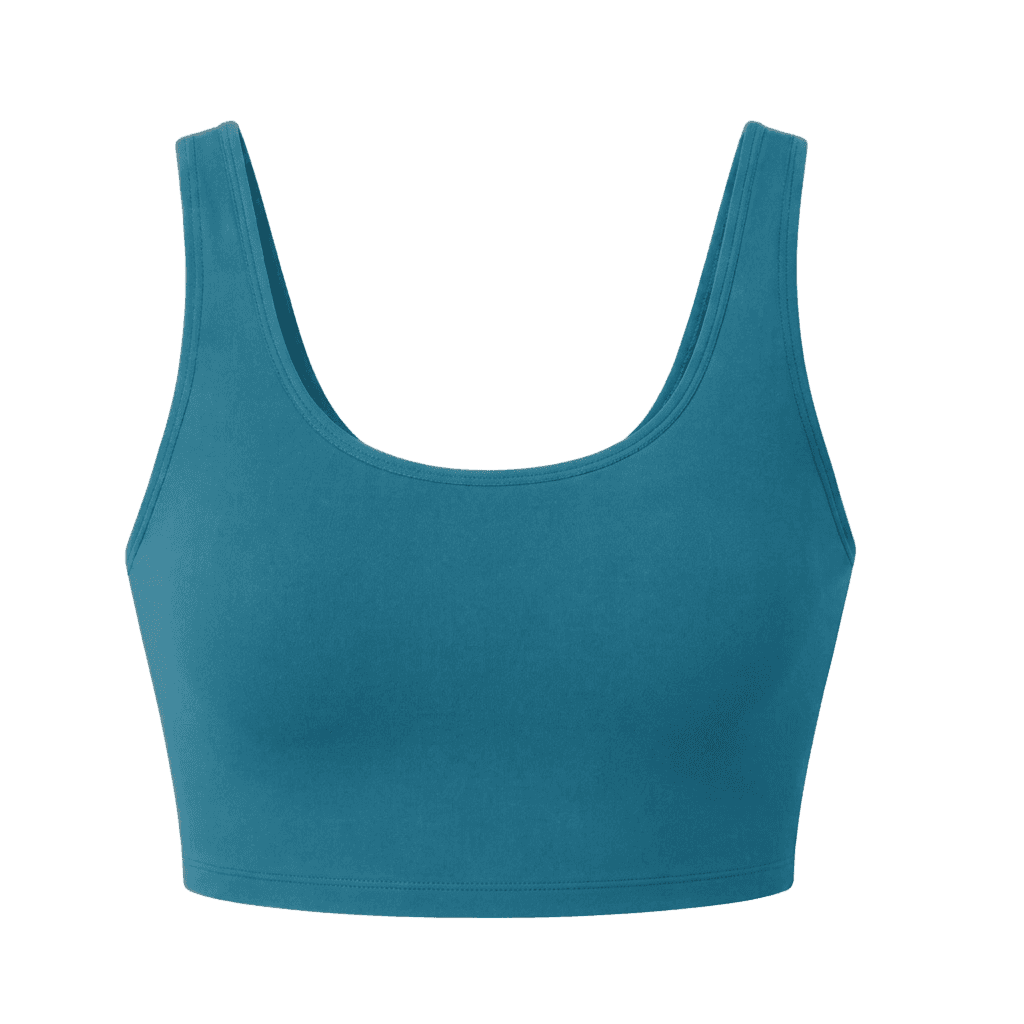
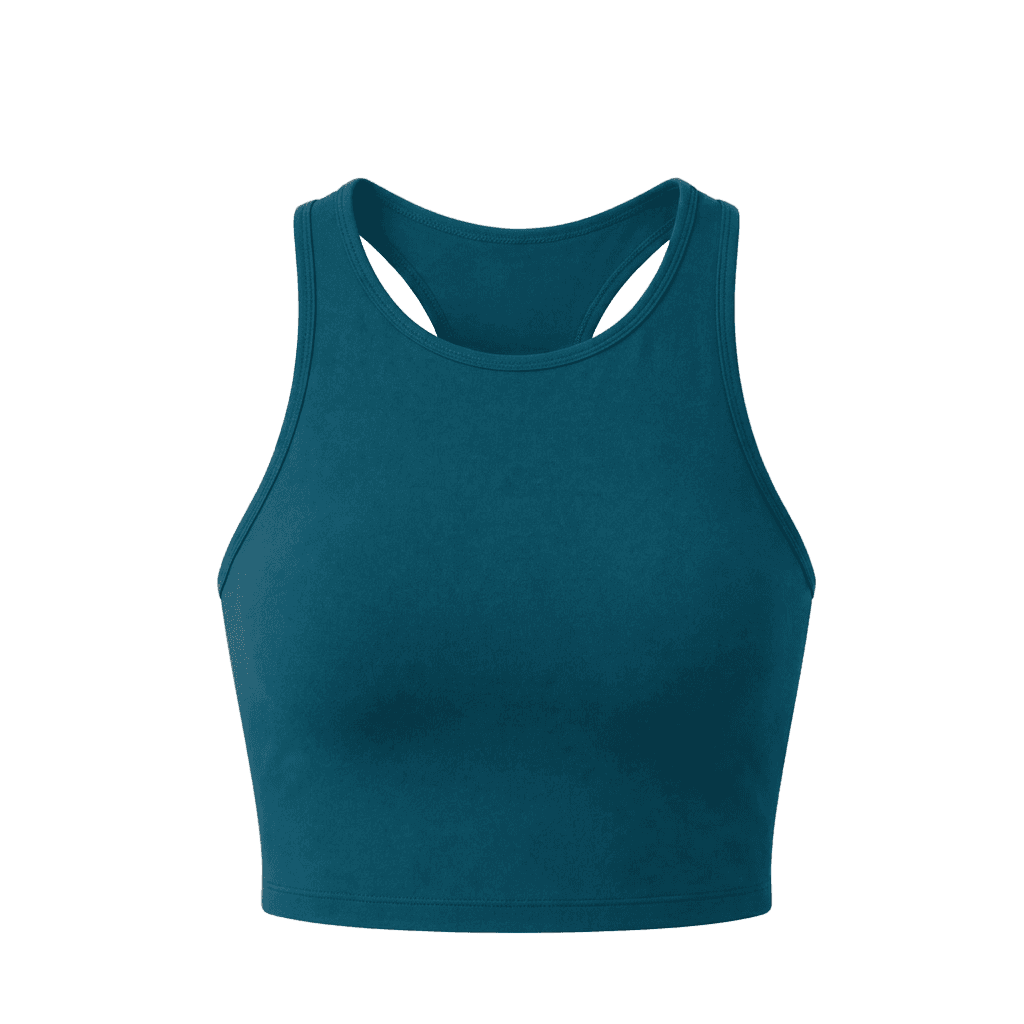
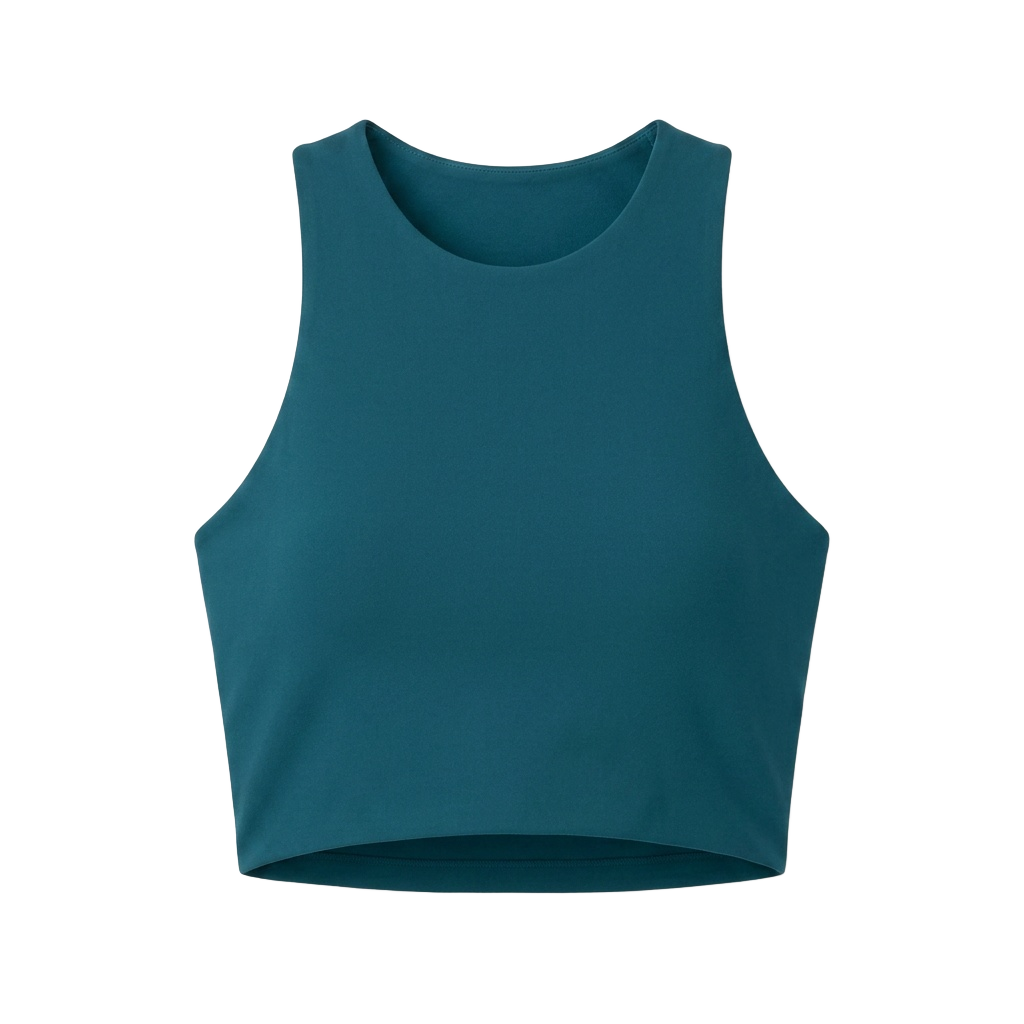
A fitted crop top with a high scoop neckline and narrow shoulder straps, cut in deeply at the back armholes. The body follows a bodycon line through the torso and ends at a straight hem just below the bust. Seamless front and back panels meet only at side seams, and the pullover shape has no closure.
The same factories that produce for houses like Celine and Balenciaga can produce this piece, directly to you
GABI
Make it yours
Material gradeMOQ 30
Colour
- Main Fabric: 100% Cotton, 220gsm
- Lining: 75% Nylon / 25% Elastane
- Machine wash at 30°C on a gentle cycle
- Do not bleach
- Do not tumble dry
- Iron on a low setting
A guide based on the garment’s materials — always follow the care label on the item itself.
Fabrics
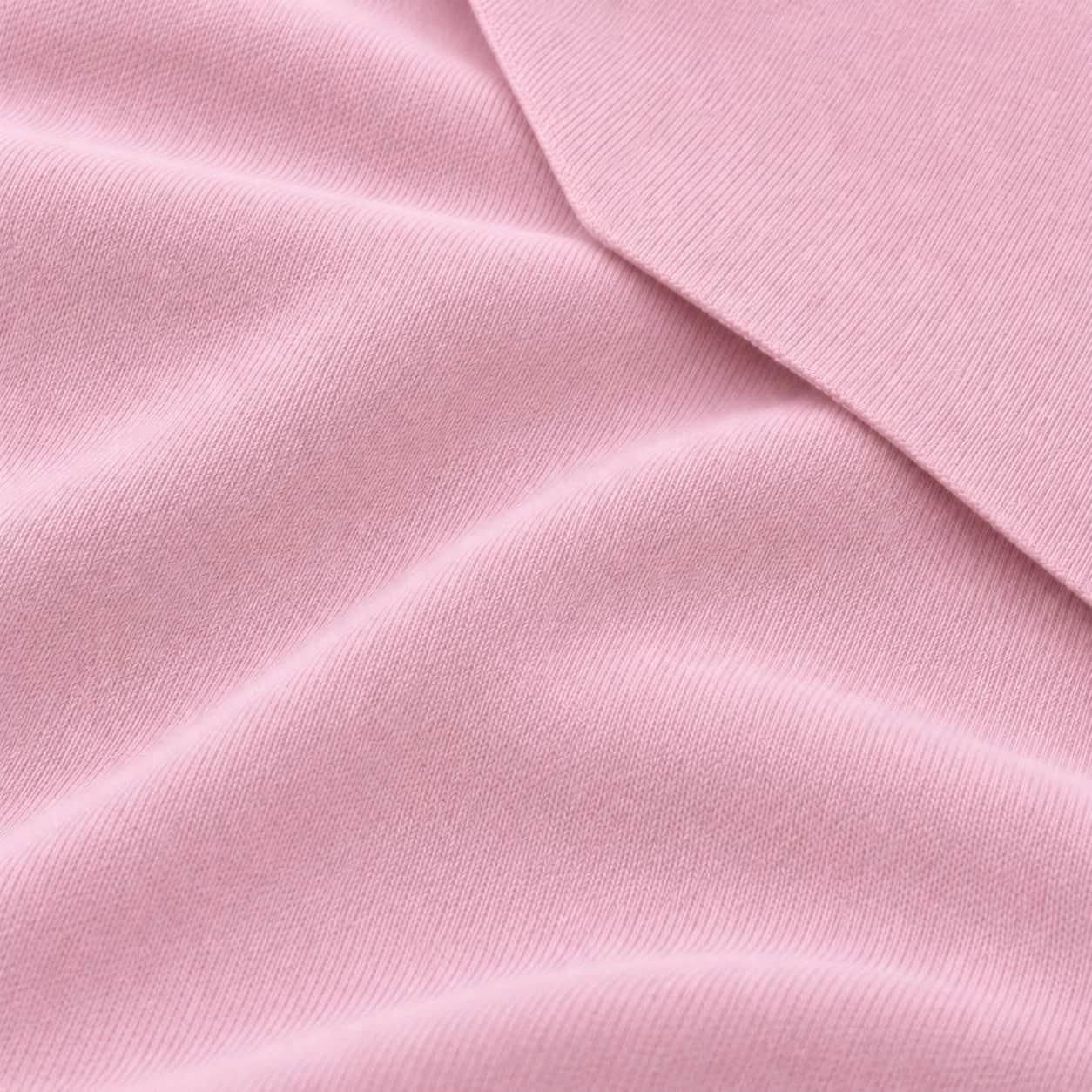

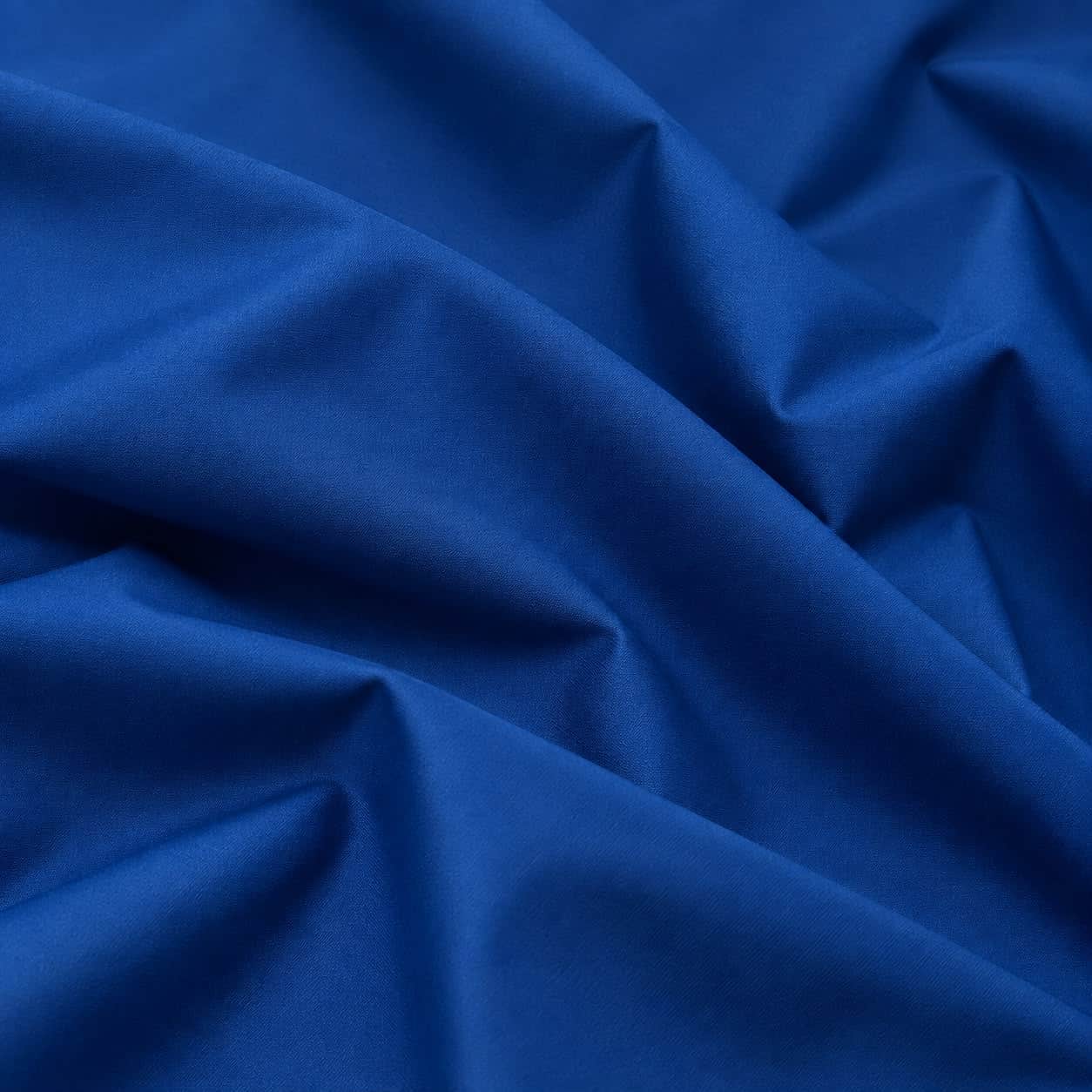
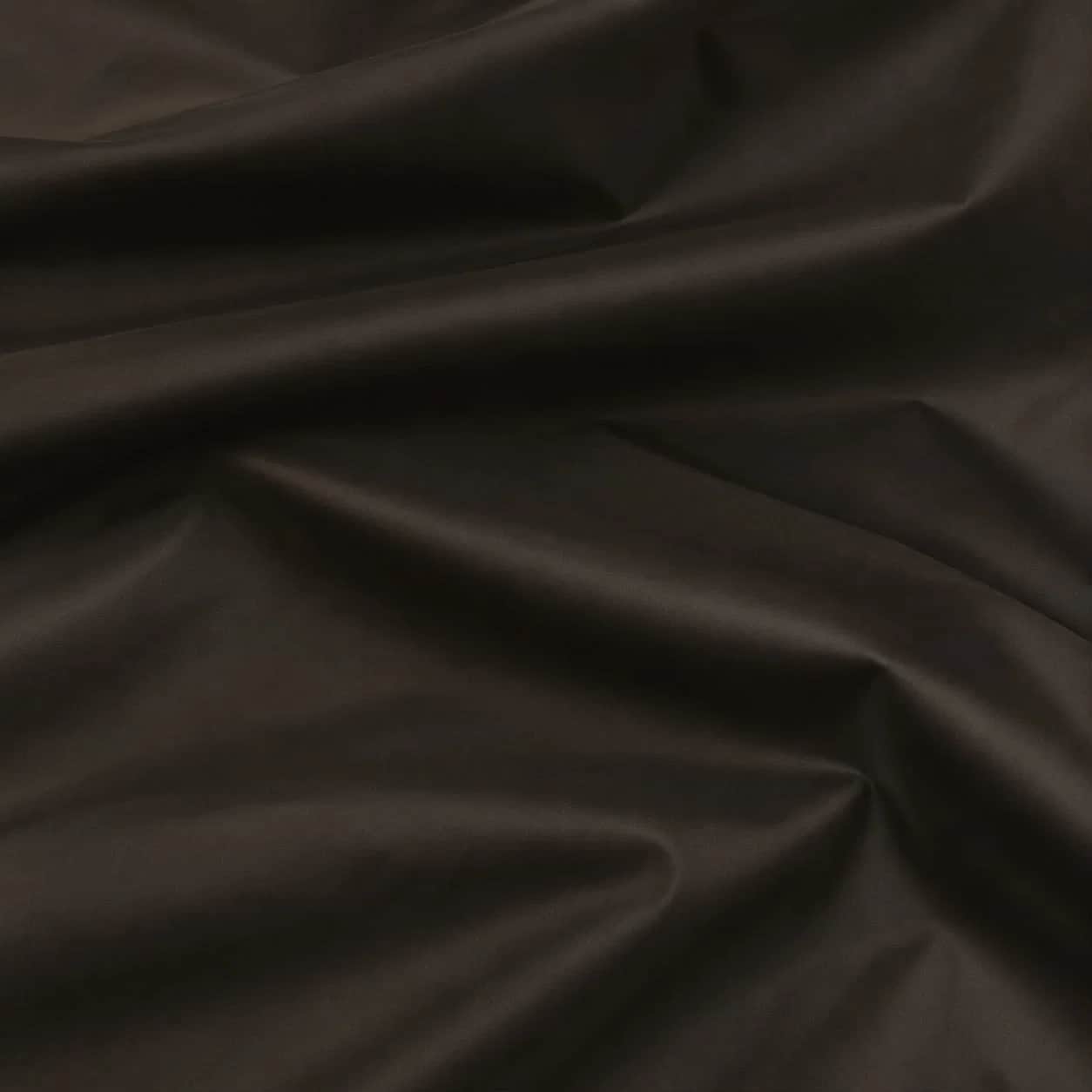
The tank top is the T-shirt with nowhere to hide. No sleeves to cover the fit. No fabric to forgive the fabric. Just the body, the jersey, and every decision you made at the fabric stage. Skims charges $68 for one. Entireworld charges $95. Both are cotton jersey. The difference is 40 GSM and one finish treatment. That's the whole game.
The Story of the Tank Top — "The Garment With Nowhere to Hide"
The tank top has always been honest. It began as an undergarment — a sleeveless undershirt worn beneath dress shirts to absorb sweat and protect the outer layer. In the early 20th century, it was purely functional: thin cotton, loose fit, invisible by design.
The name came from tank suits — the one-piece swimwear worn in tanks, or public swimming pools, in the 1920s. The garment borrowed the silhouette: sleeveless, armhole-cut, collarless. Practical. Unintentionally elegant.
For decades it stayed hidden. Men wore it under shirts. Women wore it under blouses. It was the invisible layer — the garment that kept other garments in place.
Then Marlon Brando appeared in A Streetcar Named Desire in 1951, and the white undershirt became a cultural object. The tank top followed the same trajectory a decade later — worn visibly, deliberately, as a statement about ease, physicality, and freedom from formality.
By the 1970s, the tank top had moved permanently into the wardrobe. The disco era embraced it — strappy, fitted, worn tucked into high-waisted trousers. The fitness revolution of the 1980s gave it athletic legitimacy — the muscle tee, the racerback, the oversized training vest all descended from the same sleeveless ancestor.
Hip-hop made it baggy and long. Fashion made it cropped and ribbed. Sportswear made it technical and moisture-wicking. The same basic pattern — no sleeves, two armholes, one body — became the most shape-shifted garment in the jersey family.
The tank top is the jersey family stripped to its essence. Every other basic is a tank top with something added.
In the 2010s, the ribbed tank top became a fashion object in its own right. Brands like Entireworld, Skims, and Totême elevated the humble ribbed vest into a luxury basic — priced at $65–$120, worn as the centrepiece of a minimal wardrobe, not the invisible layer beneath it.
The athleisure era accelerated the tank top's cultural range. From Lululemon's technical racerbacks to Alo Yoga's sculpted crop tanks, the sleeveless silhouette became a premium category commanding serious price points and serious brand loyalty.
Today, the tank top is one of the most produced garments in the jersey family. Billions of units annually. Every price point. Every silhouette. Every cultural context. And like the T-shirt before it — no one owns the design. The tank top is open source. The question is who builds it best.
FAQ
A tank top costs between $11 and $22 per unit landed, depending on material tier and factory region. A standard conventional cotton jersey tank at 300 units from China lands at approximately $11–$14 per unit, including fabric, CMT, trims, finishing, freight, and duties. Premium GOTS organic rib tank tops from Turkey land at $17–$22 per unit. Tank tops are the lowest landed cost garment in the jersey basics family due to minimal fabric consumption and simple construction.
The best fabric for tank top manufacturing depends on the style: 160–200 GSM combed ring-spun cotton jersey for standard crew neck tanks, and 180–220 GSM combed ring-spun rib for fitted ribbed tanks. Rib fabric is preferred for fitted styles worn as a standalone piece — it has superior stretch, recovery, and skin feel. Jersey is better for relaxed, oversized, and layering styles.
A standard tank top should be 160–200 GSM for everyday wear and layering, 120–150 GSM for lightweight summer or beachwear styles, and 200–240 GSM for premium basics worn as standalone pieces. Below 150 GSM risks sheerness — always request a light-table opacity test on samples. Rib tank tops worn as outerwear should be minimum 180 GSM for adequate coverage and hand feel.
Jersey is a standard knit with a smooth face — versatile, more affordable, and better for relaxed or oversized tank styles. Rib fabric alternates knit and purl columns, creating a textured, stretchy fabric with superior recovery — it hugs the body and returns to shape after stretching. Rib is standard for fitted tanks, bodysuits, and premium basics. Rib typically costs $0.50–$1.50/m more than jersey at equivalent GSM.
The minimum order quantity for tank tops is typically 300 to 500 units per colourway at standard factories, with smaller runs of 50 to 100 units accessible through Sparkit. Blank jersey basics can be sampled from 12 units minimum. Tank tops have the lowest MOQ premium in the jersey family due to their simple construction.
Tank top manufacturing takes between 25 and 84 days from order to delivery. China is fastest for sampling at 3 to 5 days; full production plus sea freight to the UK totals 50 to 75 days. Turkey offers the fastest European delivery at 25 to 43 days total. Tank tops are the fastest jersey basic to produce due to their simple construction and minimal seam count.
Prevent neckband flare by specifying rib weight and tension in your tech pack and requesting a 5-cycle wash test before bulk production. The neckband on a tank top is more visible than on a T-shirt — there is no collar or sleeve to draw the eye away — so flaring is immediately apparent. Specify 1x1 rib for standard tanks and ensure the neckband is cut on the correct grain.
A racerback tank top has straps that converge at the centre back rather than running parallel over the shoulder — creating a Y or T shape at the back. This construction requires an additional back panel piece and more precise strap alignment, adding approximately 8–12% to CMT. Racerbacks are standard in athletic and performance positioning and have strong commercial appeal in women's activewear.
Tank tops cost approximately 25–35% less to produce than T-shirts at equivalent quality due to lower fabric consumption, no sleeve construction, and simpler armhole finishing. The CMT differential is the largest component — no sleeve set-in reduces labour by approximately 20–25%. Tank tops are the entry point for the jersey basics family in both cost and complexity.
Yes — a bodysuit is a tank top with a crotch construction added, typically with three to four snaps at the gusset. The body shell is identical to a tank top pattern; the additional CMT covers the crotch piece, gusset attachment, and snap installation. Bodysuit CMT is approximately 60–80% higher than a standard tank at equivalent quality tier due to the crotch construction complexity.
Yes — and tank tops are particularly well-suited to regenerative credentials because they are worn directly against skin, making fabric quality the most immediately perceivable product attribute. The per-unit cost premium is lower on tank tops than any other jersey basic, due to minimal fabric consumption, making the retail price differential highly defensible.
CMT stands for Cut, Make, and Trim — the core labour cost covering cutting all panels, sewing them together, and attaching all trims including neckband binding, armhole binding, and labels. For a standard crew neck tank, CMT ranges from $2.50 to $4.00 per unit at affordable tier in China or Vietnam, up to $7.00 to $11.00 at luxury tier in Portugal or Turkey. Tank top CMT is the lowest in the jersey basics family — approximately 60% of T-shirt CMT due to the absence of sleeve construction.