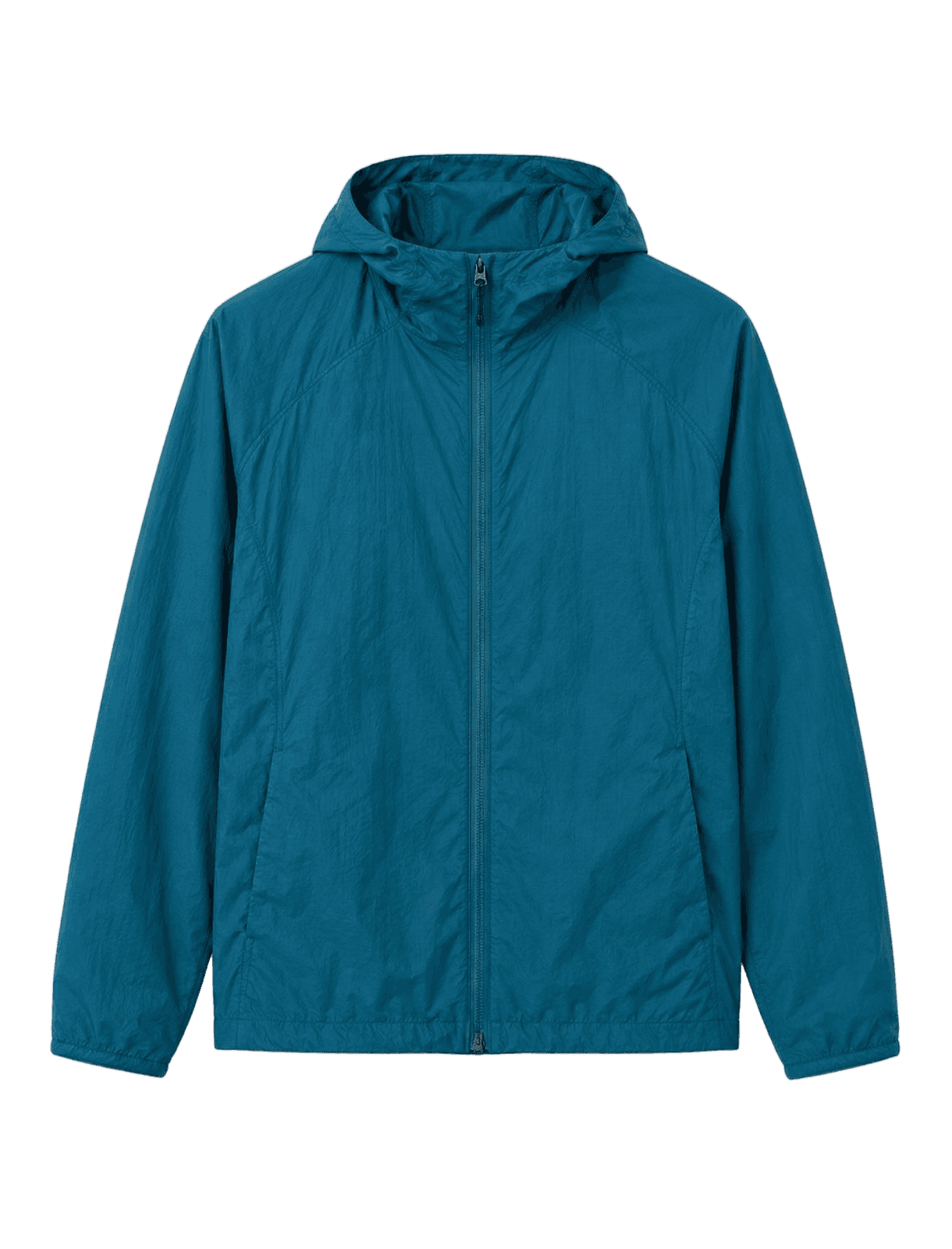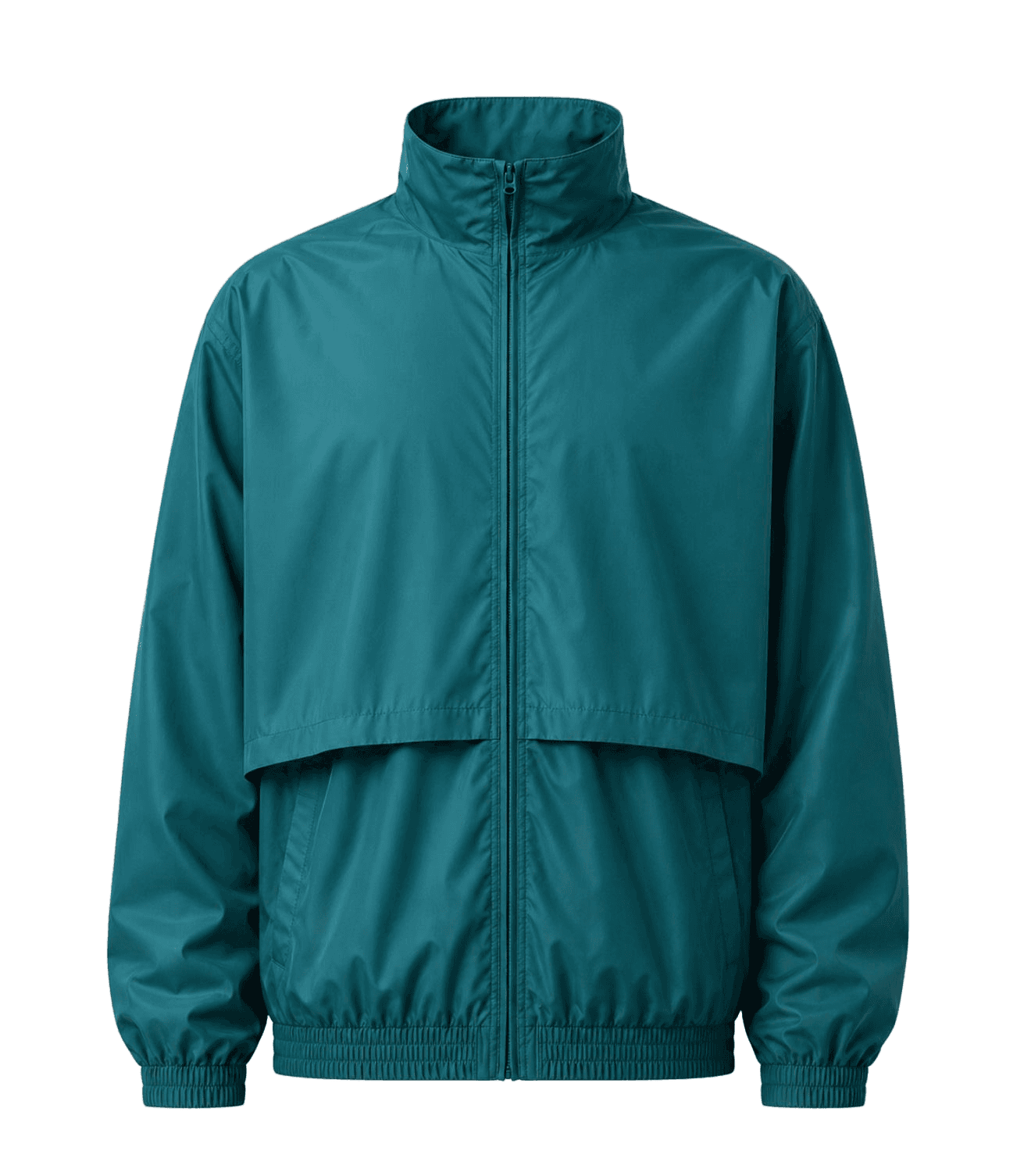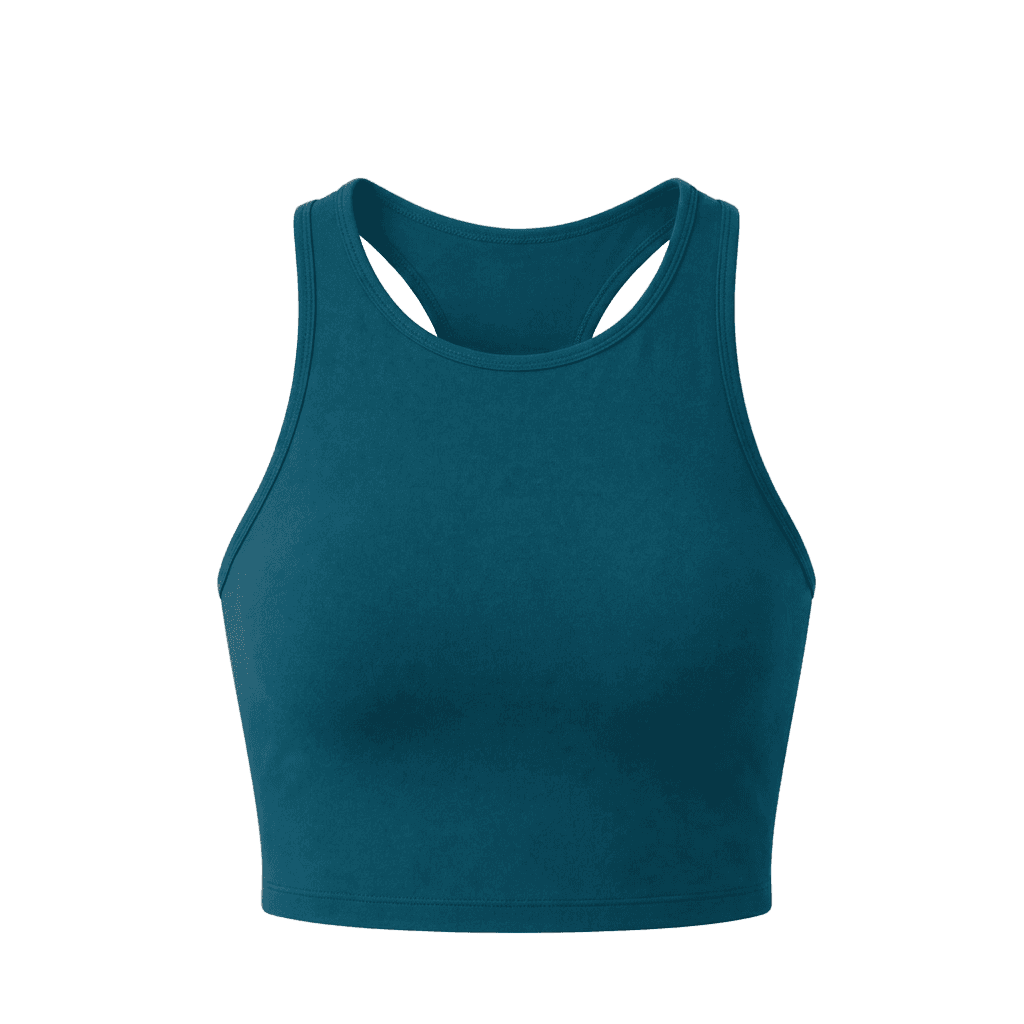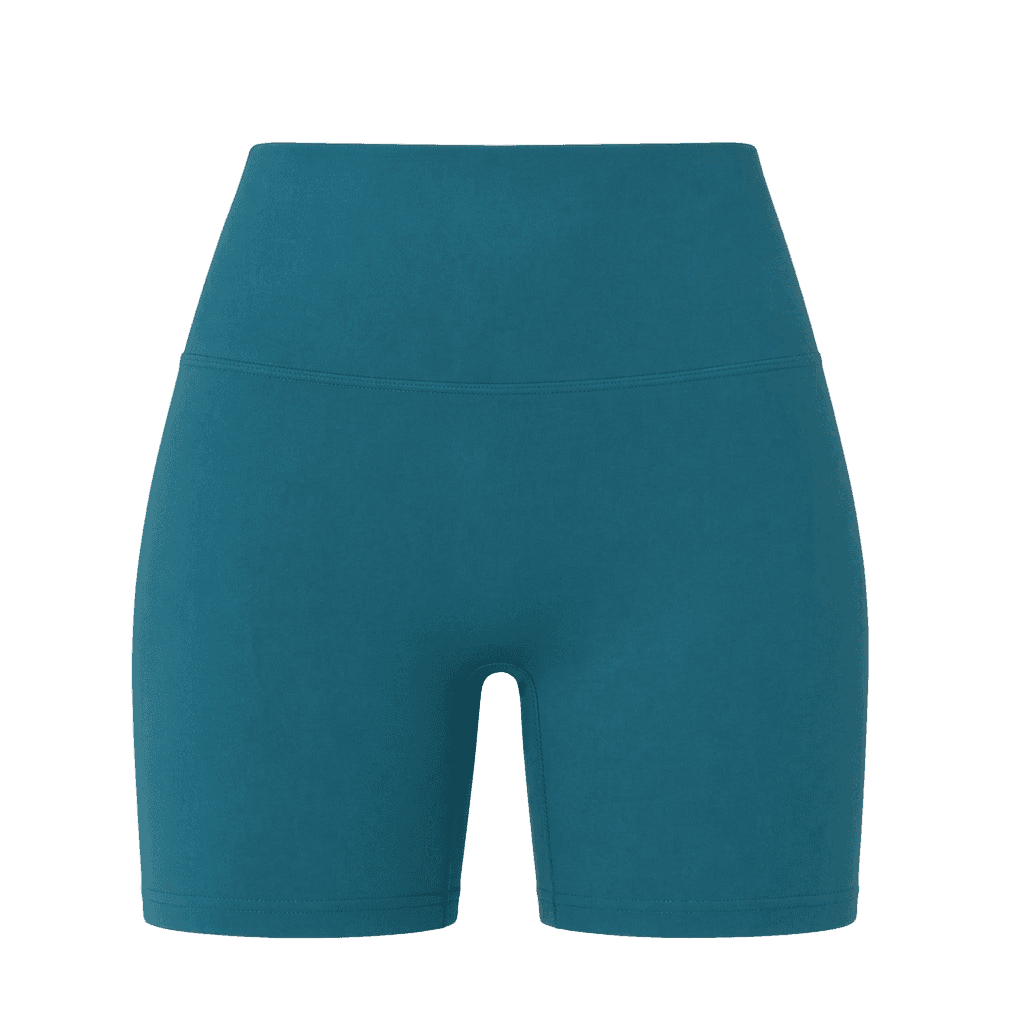
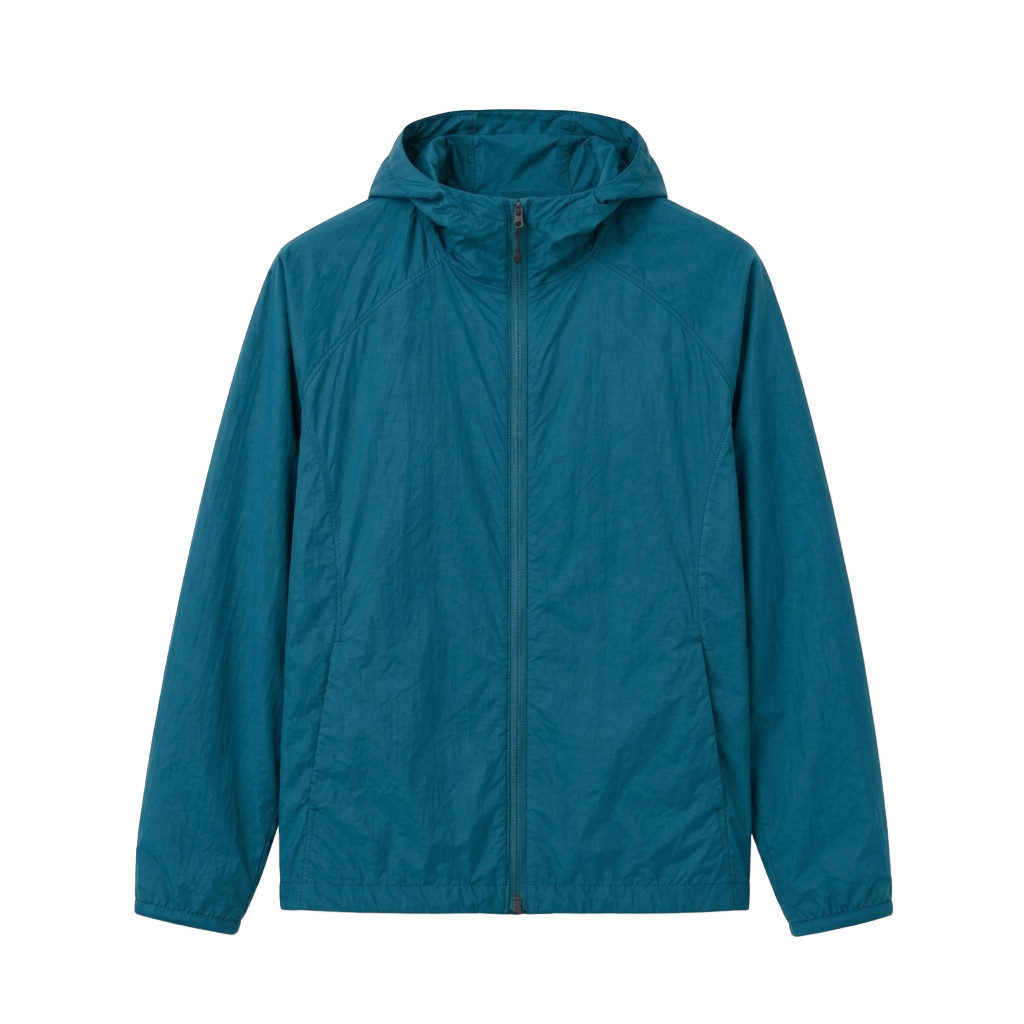
Hooded Performance Windbreaker
A straight-bodied zip-up windbreaker with a regular length that ends at the high hip. The three-piece hood is integrated into the collar, and raglan sleeves extend from the neckline to single-needle topstitched elastic cuffs. Curved side body panels narrow the waist slightly above a straight elasticated hem, shown in teal.
The same factories that produce for houses like Celine and Balenciaga can produce this piece, directly to you
GABI
Make it yours
Material gradeMOQ 50
Colour
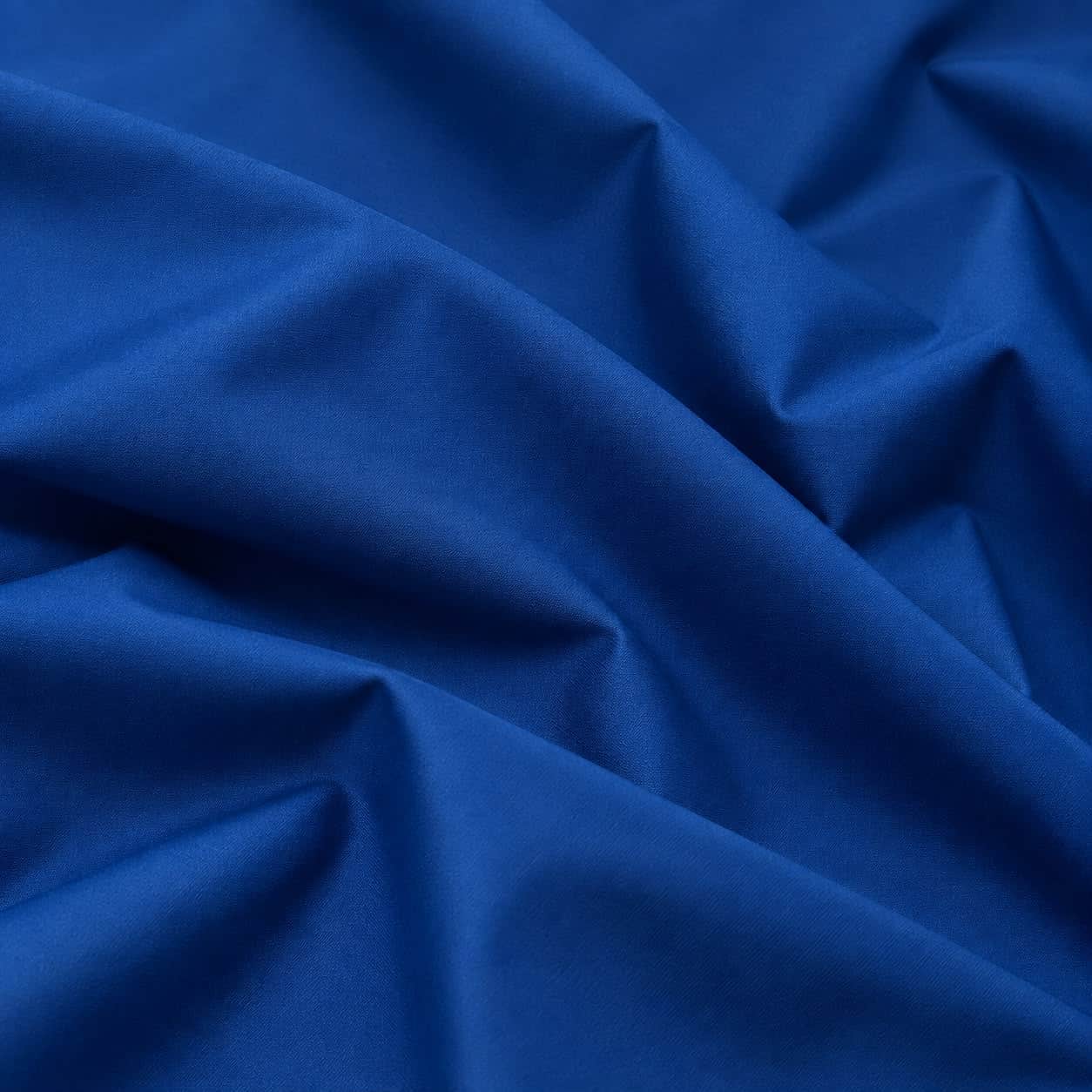
- Main Fabric: 100% Recycled Polyester, 100gsm
- Pocket Bag: 100% Recycled Polyester
- Machine wash at 30°C on a gentle cycle
- Do not bleach
- Tumble dry on low heat
- Iron on a low setting
- Fasten zips and hardware before washing
A guide based on the garment’s materials — always follow the care label on the item itself.
Fabrics

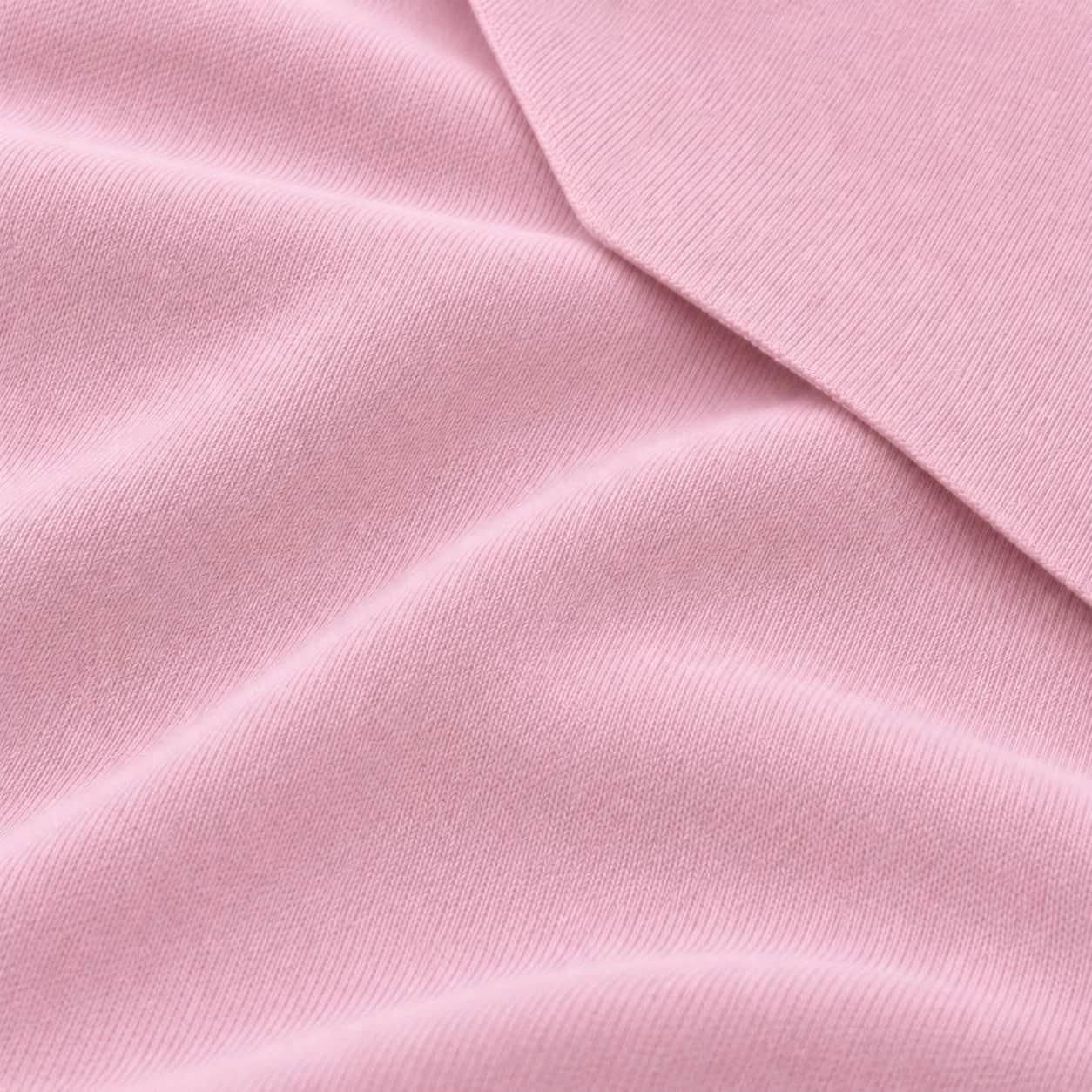
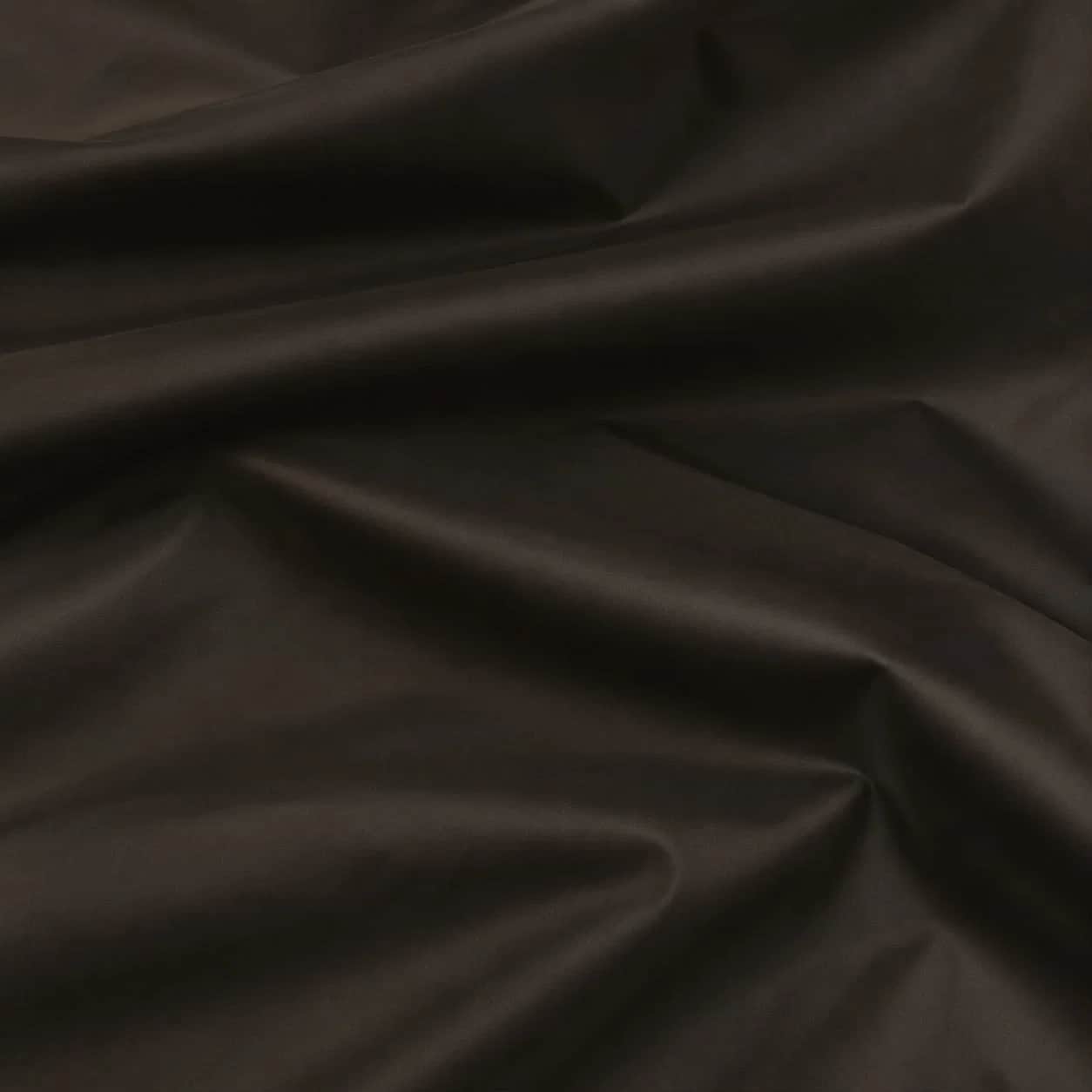
The coach jacket started on baseball dugout benches in the 1950s. It went to hip-hop videos in the 1980s. Supreme put its box logo on one in 1997 and charged $88. Hedi Slimane put one on the Celine runway in 2019 and charged $1,200. The construction has not changed in 70 years: one layer of nylon, a zip, two pockets, a collar. The simplest jacket in outerwear. The most restocked item in streetwear.
The Story of the Coach Jacket — "The Simplest Jacket That Refuses to Be Simple"
The coach jacket is defined by what it does not have. No lining. No insulation. No structural padding. No complex collar construction. It is a single layer of woven fabric — nylon or polyester — shaped into a hip-length jacket with a zip front, two pockets, and a stand collar or shirt collar. The construction is among the least technically demanding in the outerwear family. And yet the coach jacket has accumulated more cultural capital per square metre of nylon than almost any garment in contemporary fashion.
The origin is unambiguously American sporting culture. Baseball coaching staff wore lightweight zip-front jackets on the dugout bench from the 1950s onwards — practical outer layers that could be put on and removed quickly, were durable enough for daily use, and bore the team's colours and name. The satin baseball jacket — technically a close relative, with a wool body and leather sleeves — had been in use since the 1920s, but the all-nylon coach jacket was simpler, cheaper, and more functional as a lightweight layer. It spread from baseball to other American team sports and became standard equipment in school and college athletic departments by the 1960s.
The garment's transition from sporting function to street culture followed the same path as many American athletic garments: through the hip-hop community in New York in the early 1980s. As tracksuits, sneakers, and athletic brands became the visual vocabulary of hip-hop style, the coach jacket moved with them. Its clean lines, bold colour options, and surface area available for embroidery, printing, and customisation made it an ideal canvas. By the mid-1980s it was appearing in music videos, on album covers, and in the emerging streetwear market that was beginning to formalise around brands like Stüssy and the nascent Supreme.
Supreme's relationship with the coach jacket is one of the most commercially documented in streetwear. The brand has produced coach jacket drops in collaboration with virtually every major cultural partner it has worked with — from Louis Vuitton to The North Face to NFL teams to individual artists. The format is consistent: nylon shell, zip front, two pockets, Supreme branding, and a collaborator's graphic or logo. The production is simple. The cultural value is entirely in the branding and the collaboration. This is the coach jacket's fundamental commercial proposition: a minimal, reproducible shell that carries graphic identity without complexity.
The windbreaker is the functional cousin. Where the coach jacket is primarily a style statement with incidental weather protection, the windbreaker is engineered for weather resistance as its primary function. A windbreaker uses a technically specified shell fabric — coated nylon, ripstop, or laminate — with sealed or taped seams, a packable construction, and sometimes a mesh lining for comfort against the skin. The windbreaker originated in outdoor and sailing contexts in the 1960s and 1970s, where lightweight wind and water resistance was a genuine functional requirement.
The distinction between coach jacket and windbreaker has blurred significantly in contemporary fashion. Technical fabrics, DWR finishes, and performance-adjacent aesthetics have migrated into coach jacket briefs. Outdoor brands like Patagonia, Arc'teryx, and Stone Island have brought windbreaker-grade technical construction to fashion audiences. Acronym — the Berlin-based technical outerwear brand — designs windbreakers that function as garments for extreme conditions while retailing at prices that place them firmly in the luxury fashion market. The technical windbreaker has become a luxury category in its own right.
Meanwhile the coach jacket has gone in the opposite direction — toward maximum simplicity and graphic expression. The defining contemporary coach jacket brief is: clean silhouette, bold colour or colour block, screen print or embroidery on back, brand logo at chest. The construction is deliberately minimal. The value is in the graphic and the brand story, not the technical specification. This is a garment where the design work happens in the art department and the production work is almost secondary.
The luxury fashion market has absorbed both ends of the spectrum. Hedi Slimane at Celine brought the simple nylon coach jacket to the luxury runway — same construction as a $40 coach jacket, executed in higher-specification nylon with careful tailoring through the body, and positioned at $1,200 through the logic that luxury is as much about edit and restraint as it is about material complexity. Stone Island has built an entire brand identity around technical outerwear fabrics — their ghost-piece garment dyeing, Econyl nylon, and ice jacket phase-change constructions represent the technical windbreaker taken to its research-led extreme.
For independent creators, the coach jacket is the most commercially accessible outerwear entry point. The construction is simple enough to achieve quality at low MOQ. The surface is large enough to carry a meaningful graphic. The retail price can be competitive without sacrificing margin. And the cultural references are broad enough to serve almost any brand positioning — from heritage sport to technical lifestyle to luxury minimalism. The specification decisions are relatively few: shell fabric, colour, graphic treatment, and whether to add a mesh lining.
FAQ
A coach jacket costs between $32 and $78 per unit landed. An affordable unlined nylon coach jacket with a back screen print from China lands at approximately $32. A premium GRS recycled nylon colour block mesh-lined jacket from Turkey lands at approximately $57. A luxury seam-sealed Taslan windbreaker with packable hood from Portugal lands at approximately $78. The coach jacket has the lowest landed cost in the outerwear family because there is no lining, no insulation, and no complex internal construction — it is a single shell layer.
A coach jacket is primarily a style garment with incidental weather protection — unlined or mesh-lined, hip-length, standard woven nylon, DWR finish, worn for aesthetic rather than functional weather management. A windbreaker is engineered for weather resistance — technically specified shell, coated or laminated fabric, seam-sealed construction, packable design, often with a hood. The distinction has blurred in contemporary fashion, with many coach jackets using technical fabrics and many windbreakers designed for lifestyle rather than performance contexts.
Standard nylon (60–90 GSM) is the classic and most affordable option — lightweight, smooth, DWR-ready. Nylon ripstop adds tear resistance. Taslan nylon has a matte, textured handle that suits premium technical lifestyle positioning. GRS-certified recycled or regenerated nylon (Econyl) is the premium sustainability option. Polyester is the cost-down alternative — GRS recycled polyester is widely available. DWR finish is standard on all nylon and polyester shells at $1.00/m.
Colour blocking means constructing the jacket from panels of different colours — for example, a navy body with white sleeves and a red collar. Each different-colour panel must be cut from a separate fabric roll of the correct colour, and the panels must be sewn together precisely at the joins. Colour blocking adds 10–15% to CMT for 3+ panel designs, plus the complexity of managing multiple fabric rolls in production. It is one of the most powerful brand differentiation tools available in the coach jacket category and adds relatively modest cost compared to its visual impact.
The most common techniques are screen printing and embroidery. Screen printing on nylon requires nylon-compatible ink — elasticated plastisol or water-based formulations specifically designed for synthetic fabrics. Standard plastisol ink used on cotton is not sufficiently flexible for nylon and will crack or peel after washing. Always request a wash test of at least 5 cycles at 30°C before bulk approval. Embroidery on nylon requires a water-soluble topping and cutaway stabiliser to prevent the fabric from distorting under embroidery pressure.
DWR stands for Durable Water Repellent. It is a chemical finish applied to the shell fabric that causes water to bead and roll off rather than penetrating the weave. It is the standard finish for nylon and polyester coach jackets and costs $1.00/m in the Sparkit engine. DWR does not make a garment waterproof — it provides light rain and moisture resistance. It degrades with washing and can be refreshed by tumble drying on low heat. Always specify DWR on nylon shells. For windbreakers claiming waterproofing, seam sealing is required in addition to DWR.
For nylon shells: GRS (Global Recycled Standard) at ×1.15–1.20 for recycled or regenerated nylon content. Bluesign at ×1.10–1.15 for chemical safety and resource efficiency in production. For polyester shells: GRS recycled polyester. OEKO-TEX STANDARD 100 applies across all materials for consumer safety. PFC-free DWR is a growing specification for technical outerwear — conventional DWR uses PFAS chemicals that are increasingly restricted in European markets.
Seam sealing applies a waterproof tape over the stitched seams on the interior of the garment. Standard stitching leaves needle holes that allow water ingress under pressure — seam sealing closes these holes. It is required for any garment claiming waterproofing (rather than water resistance). It adds $1.50–3.00 per unit in cost and requires the factory to have seam sealing equipment. For a standard coach jacket with DWR only, seam sealing is not required. For a windbreaker claiming waterproofing, it is essential.
A packable construction allows the jacket to compress into its own pocket or a separate stuff sack for storage or travel. It requires: a lightweight shell fabric (40–70 GSM for maximum packability), an internal chest pocket large enough to contain the folded jacket, and bar tack reinforcement at the pocket opening to handle the stress of repeated stuffing. The seams in the pocket-as-stuff-sack area need to be reinforced beyond standard seam allowance. Packable construction adds $2–4 per unit in production complexity.
YKK is the quality standard for outerwear zips — the brand should be specified by name at premium tier. At affordable tier a non-branded equivalent is acceptable. For windbreakers claiming waterproofing, specify a YKK Aquaguard or equivalent waterproof zip. Zip weight matters: lightweight nylon jackets (60–80 GSM shell) should use a lightweight zip (YKK #3 or #5) to avoid the zip being heavier than the fabric around it. Contrast zip tape is a design detail — specify colour separately from zip hardware.
China handles the largest volume and has the strongest graphic infrastructure — screen printing, embroidery, and complex colour block construction are all well established. Vietnam is a growing mid-premium alternative with strong lightweight outerwear capability. Turkey offers EU delivery and good mid-premium technical fabric sourcing. Portugal is the Made in Europe option for premium and luxury technical positioning. Bangladesh has large volume capacity for affordable nylon outerwear.
Coach jackets and windbreakers use HS code 6201 for men's and unisex woven outerwear and 6202 for women's woven outerwear. This applies regardless of whether the shell is nylon, polyester, or a technical coated fabric. Knit outerwear uses 6101/6102. Leather outerwear uses 4203. Correct classification is important for import duty calculations — the duty rate for woven outerwear is typically 12% in the UK and varies in other markets.