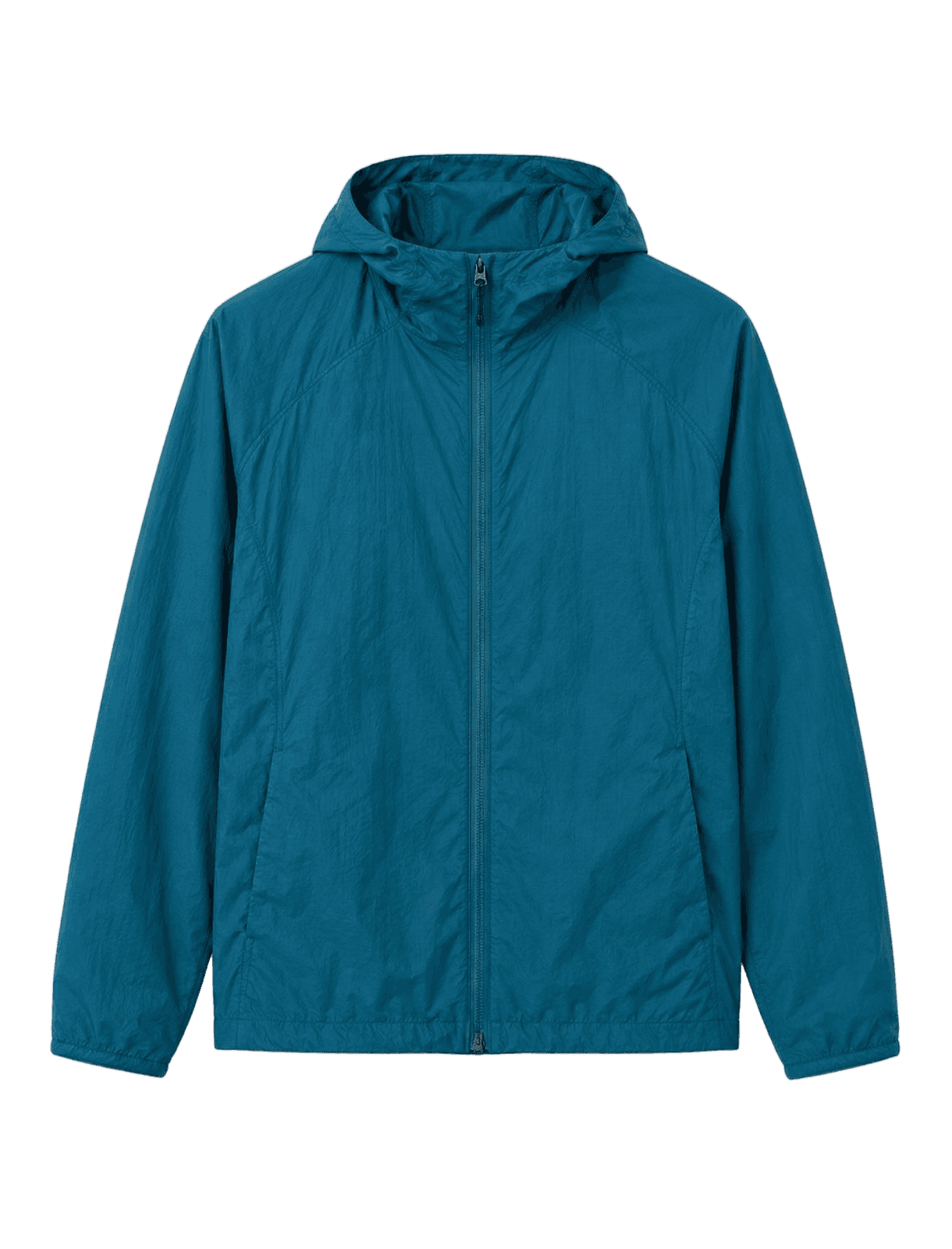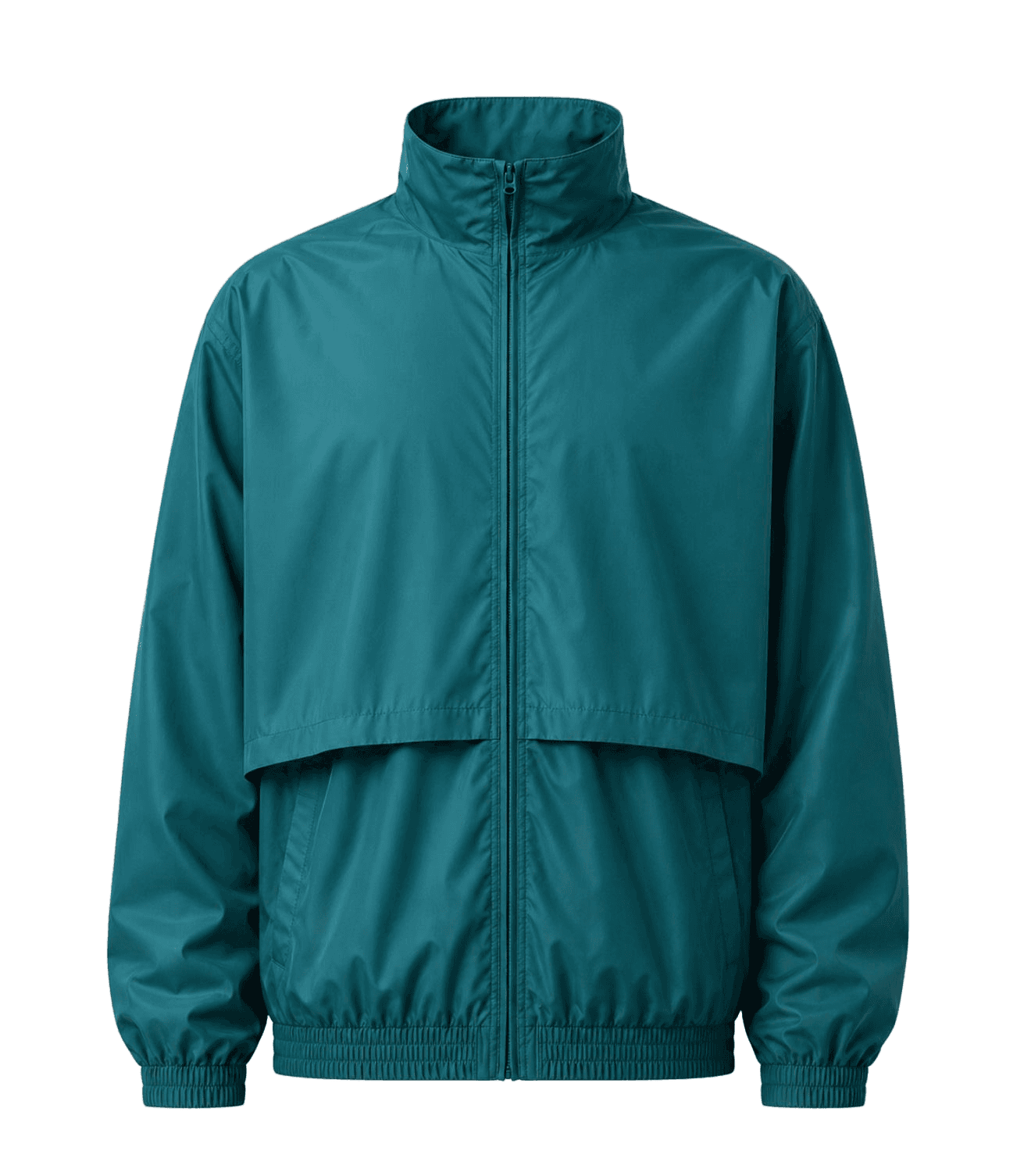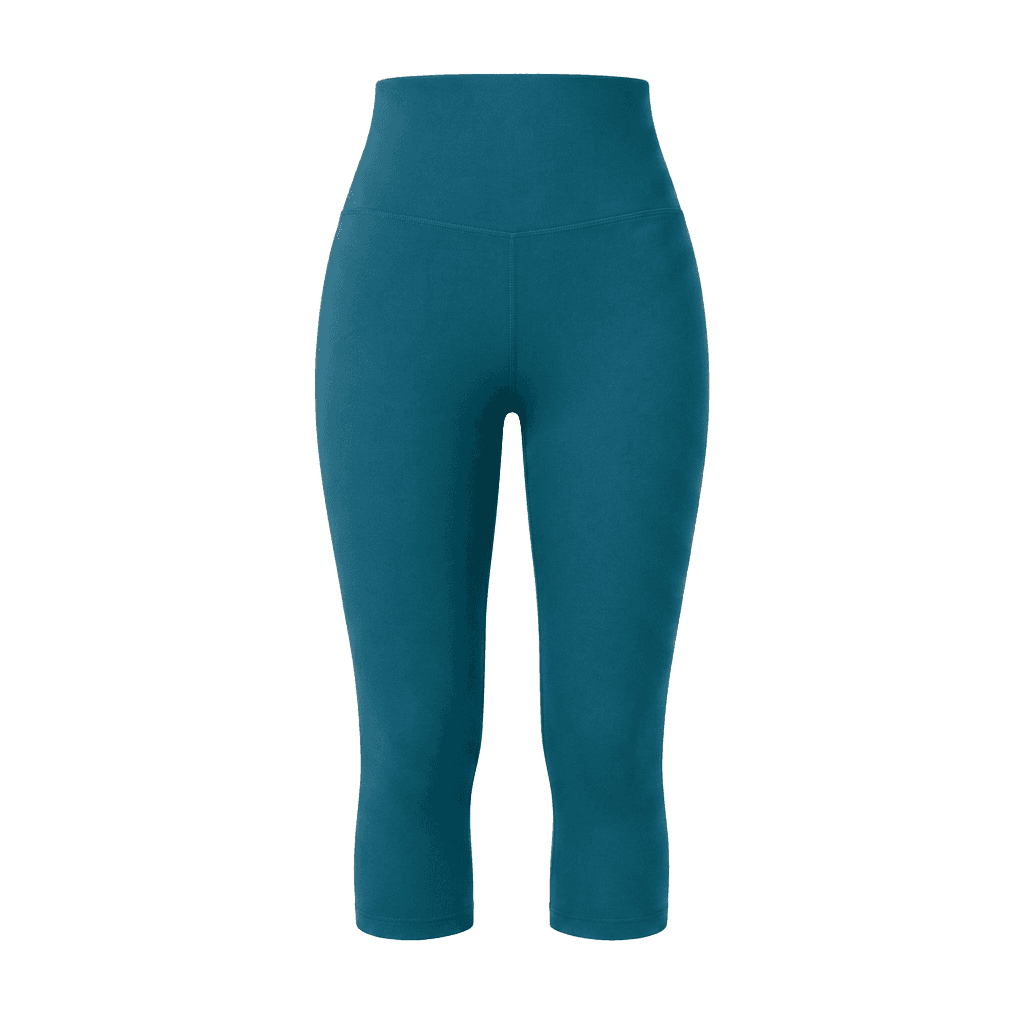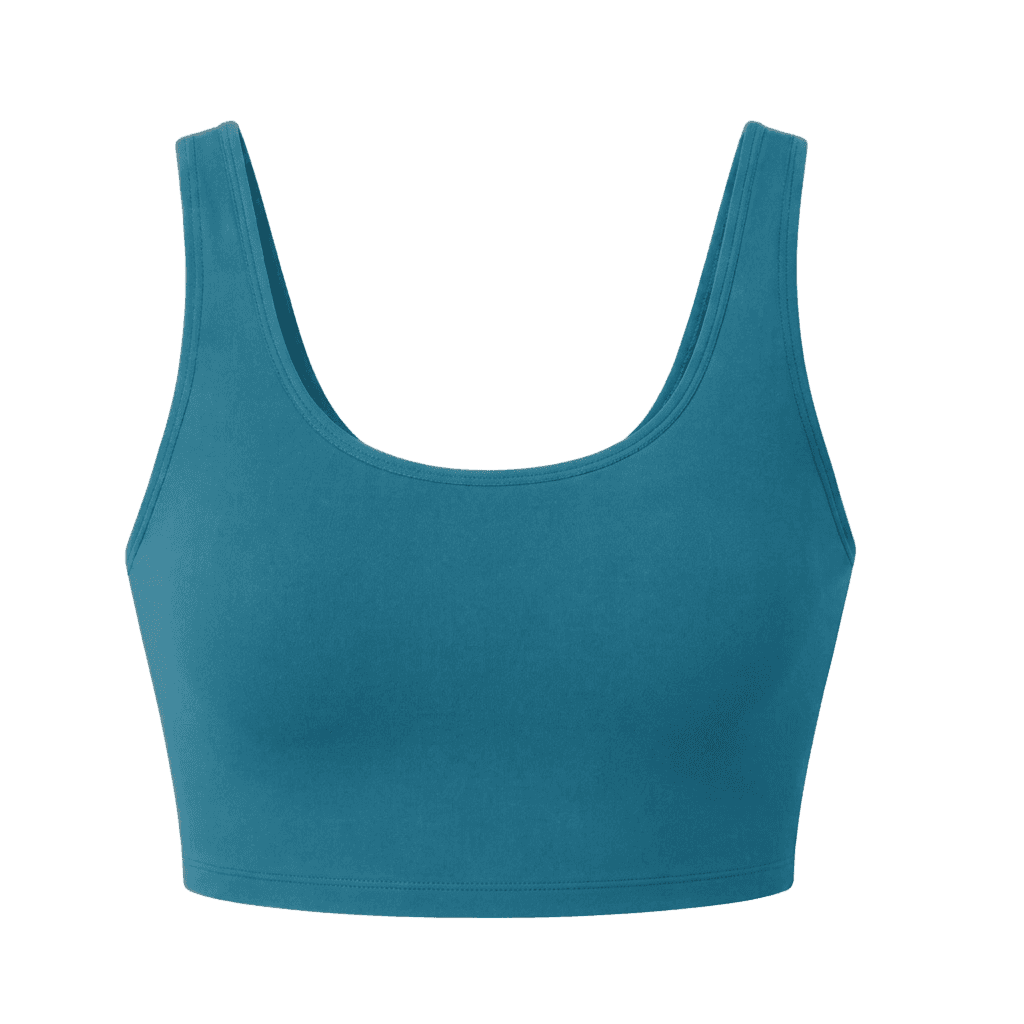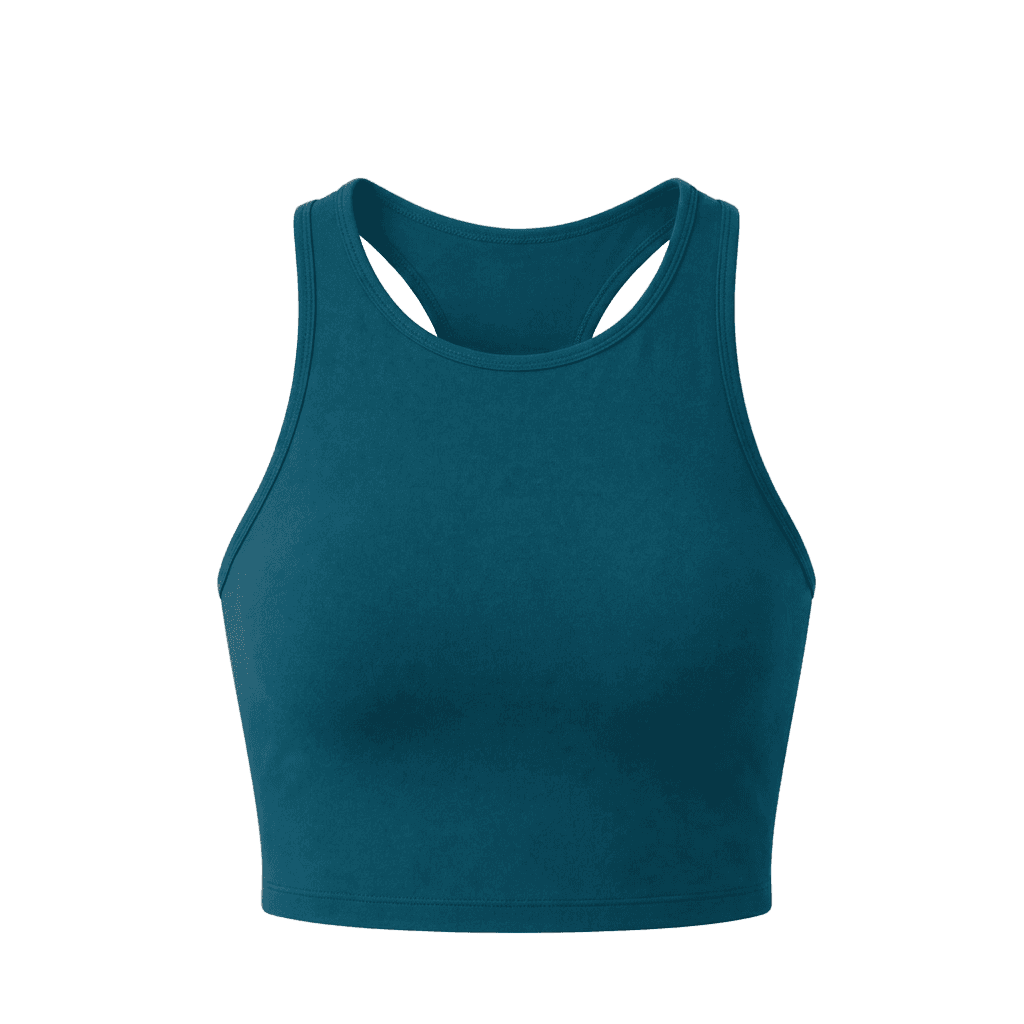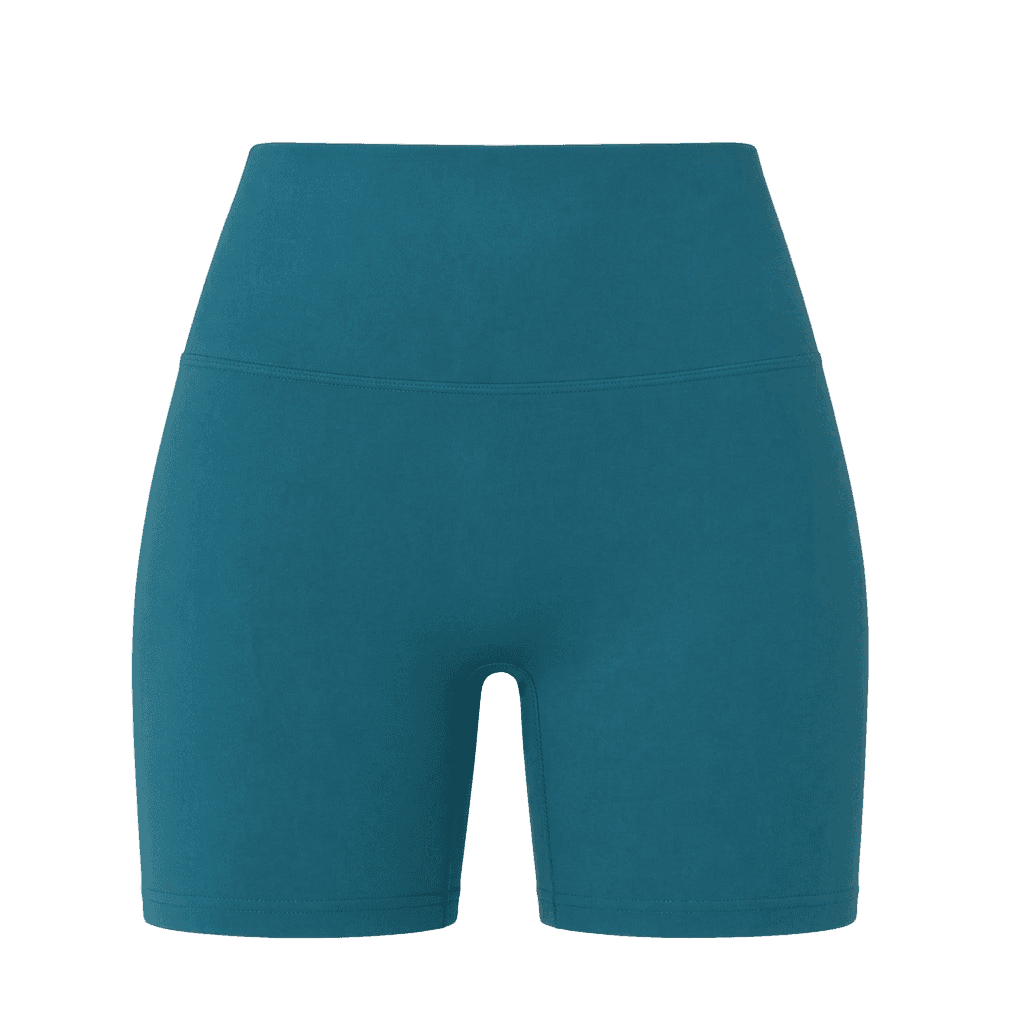
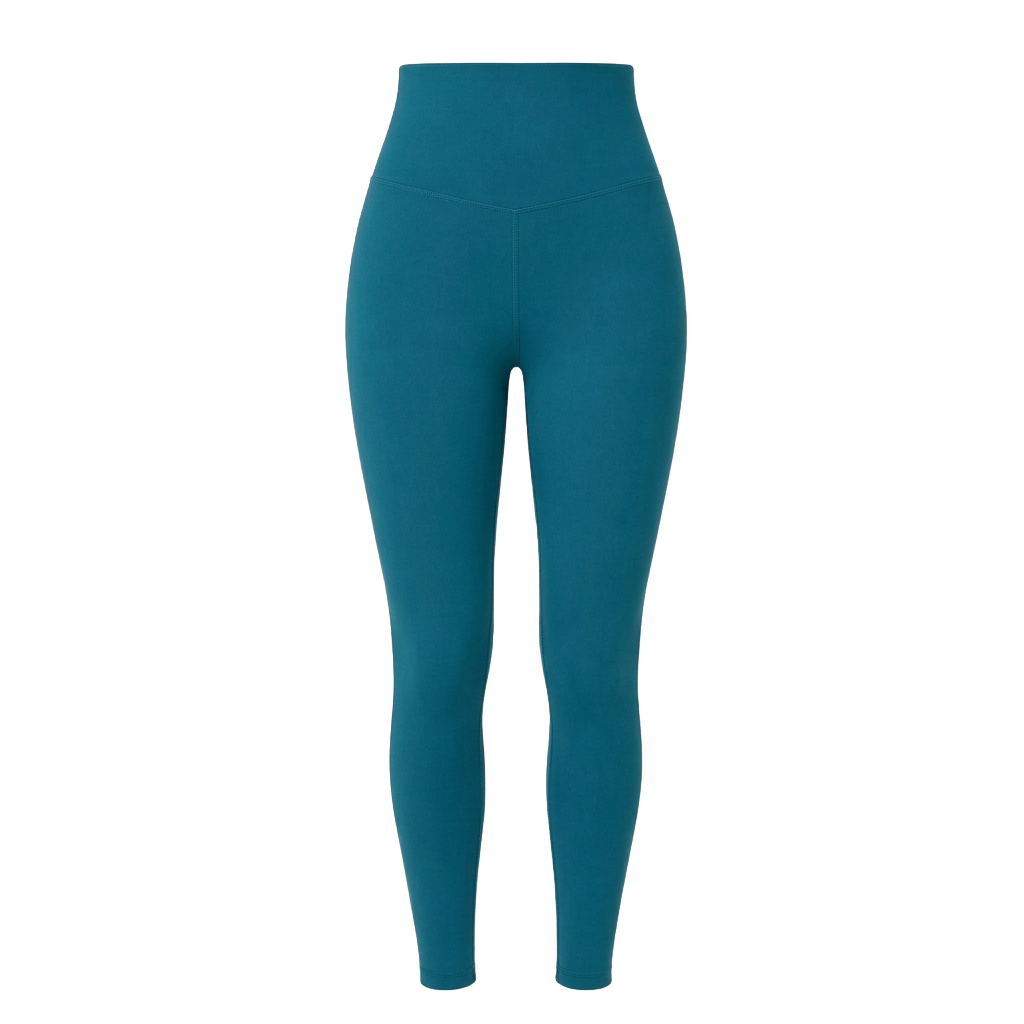
High-Waisted Performance Leggings
A form-fitting legging that extends from a high waist to a straight ankle-length hem, cut close through the hip, thigh and calf. The wide double-layer waistband sits flat against the torso, while a V-shaped front yoke seam angles downward from the side toward the centre. A pull-on closure and seamless outer leg give the leg a continuous line.
The same factories that produce for houses like Celine and Balenciaga can produce this piece, directly to you
GABI
Make it yours
Material gradeMOQ 300
Colour
- Main Fabric: 75% Recycled Polyester / 25% Elastane, 220gsm
- Machine wash at 30°C on a gentle cycle
- Do not bleach
- Do not tumble dry
- Iron on a low setting
A guide based on the garment’s materials — always follow the care label on the item itself.
Fabrics

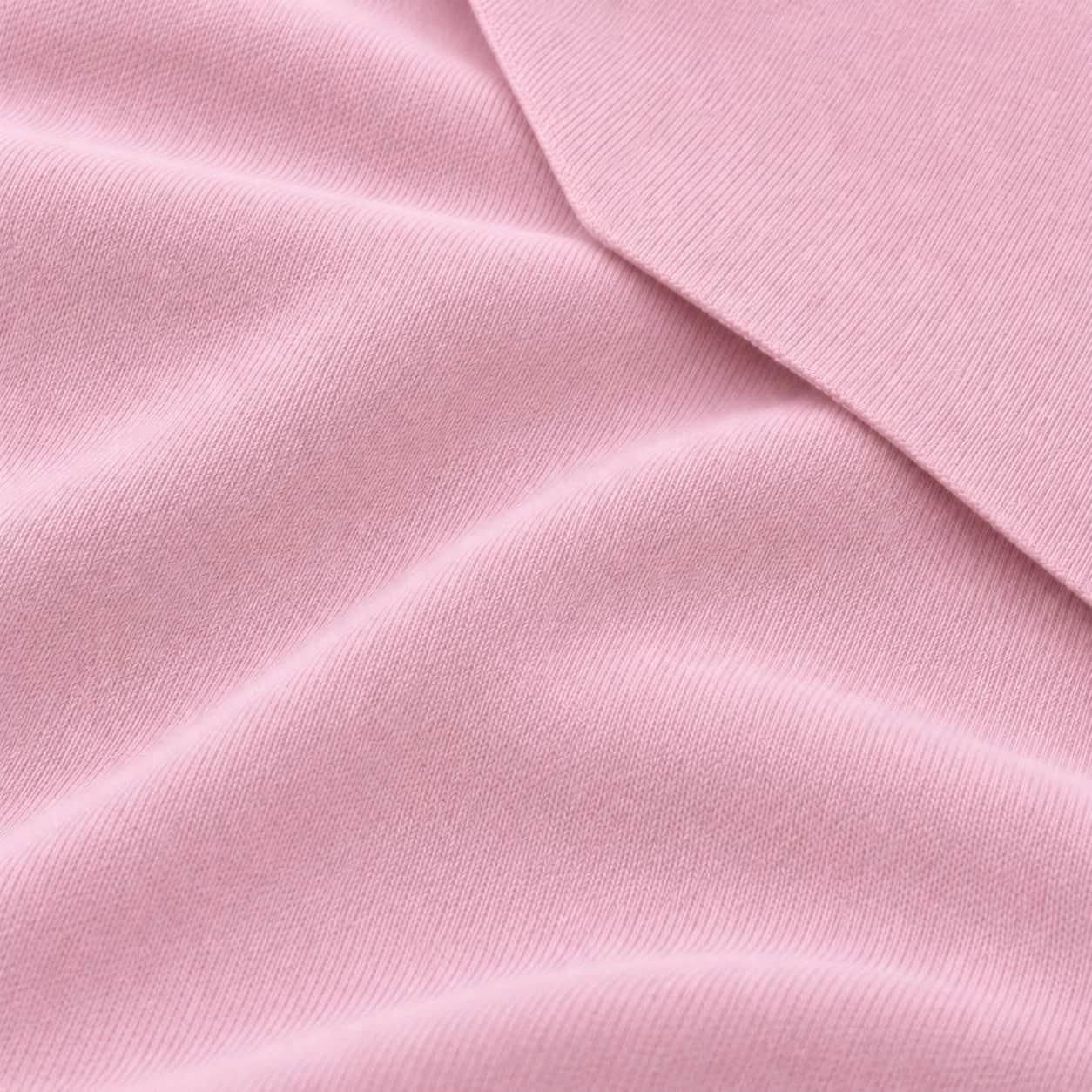
In 1959, DuPont introduced Lycra — a synthetic elastane fibre that could stretch to 600% of its length and snap back. Nobody knew what to do with it. By 1968, it was in dancewear. By 1979, it was in running tights. By 1990, it was in every aerobics class in the world. By 2014, Lululemon had built a $10 billion brand on a single fabric construction. By 2020, leggings were the second most sold bottom in the world after denim jeans. One fibre. Sixty years. The most disruptive bottom in fashion history.
The Legging — "The Most Disruptive Bottom in Fashion History"
The history of the legging begins with a synthetic fibre. In 1959, DuPont introduced Lycra — its trade name for elastane, also known as spandex or elastane — to the commercial market. Elastane is a synthetic polymer that can stretch to six times its resting length and return exactly to its original dimensions. This property, known as elastic recovery, had never been achievable with natural fibres at the scale and consistency that synthetic production allowed. Cotton stretches modestly. Wool stretches slightly. Elastane stretches completely, repeatedly, and permanently.
The first major commercial application of Lycra-blended knit fabric was in professional dancewear and swimwear — contexts where close-fit performance was commercially established and where consumers already understood the value of stretch. The dance tights and skating costumes of the 1960s and 1970s were the proving ground. By the late 1970s, running tights in nylon/elastane had entered the performance market through specialist running brands, and the category began its migration from professional sport into the broader casualwear market.
The aerobics boom of the early 1980s was the cultural moment that moved the legging into mainstream fashion. Jane Fonda's workout videos — which sold tens of millions of copies — put the legging in front of an audience that measured in hundreds of millions globally. The association with health, energy, and active lifestyle gave the legging a set of aspirational cultural references that neither denim nor woven trousers could match. The high-cut aerobics legging of the 1980s, with its footstrap and contrast waistband, was the direct ancestor of every performance legging that followed.
The technological trajectory of the legging over the following four decades has been one of continuous fabric innovation. The transition from nylon/cotton blends to high-performance nylon/elastane and polyester/elastane fabrics in the 1990s and 2000s enabled moisture management, compression, and four-way stretch at fabric weights below 200 GSM. The introduction of GRS (Global Recycled Standard) recycled polyester and nylon into performance legging fabrics from the early 2010s added a sustainability dimension that has become commercially significant.
Lululemon's commercial ascent from 1998 onwards represents the defining case study in legging brand architecture. The company built a premium legging brand on three pillars: fabric technology (the proprietary Luon nylon/elastane blend), community positioning (yoga rather than aerobics, studio-to-street rather than gym-only), and vertical retail that allowed price integrity and margin control. By 2020, Lululemon's market capitalisation exceeded $40 billion — built almost entirely on a knit bottom priced at $88–148.
The athleisure category that Lululemon helped to create and that was accelerated dramatically by the 2020 pandemic lockdowns has fundamentally altered the commercial logic of the legging. The legging is no longer a performance specialist product — it is a daily wear item worn from morning exercise through work, errands, and evening in a way that no previous activewear garment had achieved. This shift has created an enormous commercial market at every price tier, from $10 fast fashion polyester leggings to $150 compression performance tights.
The jersey tights variant — a legging worn as hosiery substitute with a sheer or semi-opaque knit — occupies a different but related market. The opaque jersey tight, typically in 80–200 denier nylon/elastane or cotton/elastane, bridges the space between hosiery and legging. It is constructed on finer gauge circular knitting machines, is typically sheerer than a performance legging, and is worn as a fashion item under dresses and skirts as well as standalone.
For independent creators, leggings offer a high commercial opportunity with manageable construction complexity — provided the factory is correctly identified. The critical production note is that leggings are a knit garment: they require a knit factory with circular knitting machines and the capability to handle elastane-blend fabrics, exactly as T-shirts and hoodies do. A woven factory cannot make leggings. The seam type — flatlock versus overlocked — is the primary construction quality signal. The waistband architecture — fold-over, wide, or narrow — is the primary design identity tool. Both must be specified before the factory quote.
FAQ
Leggings cost between $16 and $63 per unit landed. Affordable polyester/elastane with overlock seaming from China: ~$16. Premium GRS nylon/elastane with flatlock seaming and pocket waistband from Turkey: ~$42. Luxury Econyl seamless recycled nylon from Portugal: ~$63. The primary cost variables are fabric (polyester $5/m vs nylon $13/m) and seam type (flatlock adds $1.50–3.00/unit CMT).
Both are 4-way stretch performance fabrics, but nylon has superior tensile strength, softer hand, better elastic recovery over time, and greater resistance to pilling and abrasion at the inner thigh. Polyester is less expensive and adequate for casual or low-intensity use. Nylon is the correct specification for premium activewear — Lululemon's Luon fabric is nylon/elastane. The price difference is approximately $4–8/m benchmarked, which translates to $6–11/unit additional fabric cost on a full-length legging.
Flatlock seaming presses the seam allowance flat and stitches it from both sides, creating a flush, raised-edge-free seam. It eliminates the ridge that an overlocked seam creates, which can cause skin irritation during exercise at the inner thigh and gusset. It is the industry standard at premium and luxury tier and adds $1.50–3.00/unit to CMT. At affordable tier, overlocked seaming is standard and acceptable for casual use. Specify flatlock by default on any legging briefed for active or performance use.
Wide waistband (4–8 inch) is the dominant commercial specification — it provides visual core-coverage and a stable waistband that does not roll. A pocket waistband adds a phone pocket for $0.50–1.50/unit additional CMT and has very high consumer demand. Fold-over waistband is appropriate for yoga and casual positioning. High-waist bonded construction is the premium specification for compression positioning. Narrow elastic is the simplest option and appropriate only for basic or jersey tights.
The gusset is a small fabric panel at the crotch that replaces the single-seam crotch junction. It distributes the stress at the highest-friction point of the garment, improves comfort and range of motion, and allows the use of a different (moisture-wicking) fabric at the point of greatest perspiration. It is non-negotiable at mid-tier and above — a legging without a gusset is an entry-level specification only. Specify a moisture-wicking gusset in performance positioning.
A seamless legging is knitted to shape on a circular warp-knitting machine, eliminating the side seam and potentially the crotch seam depending on the machine gauge and construction. It requires specialist seamless knitting machinery — not all knit factories have this capability. Seamless construction is the luxury specification, adds $9–14/unit CMT over standard flatlock construction, and requires a separate factory qualification. Econyl or technical nylon/elastane is the standard fabric for seamless.
Leggings use HS code 6114 (knit garments) — not 6203/6204 (woven trousers). This is a significant customs classification distinction. The knit construction places leggings in the knit garment heading rather than the woven trouser heading, which can affect duty rates by destination market. Always verify with your customs broker, particularly for EU and UK imports.
China is the dominant market with the broadest knit factory infrastructure — handles all specifications including seamless. Turkey is strong for EU delivery with excellent stretch knit capability. Portugal for premium Made in Europe. Sri Lanka has strong activewear heritage and quality knit capability. Vietnam and Cambodia for growing volume at affordable tier. All must be knit factories — not woven.
GRS (Global Recycled Standard) certifies that recycled content is accurately claimed and traced through the supply chain. For leggings, GRS applies to recycled polyester or recycled nylon (Econyl) elastane blends. It applies a ×1.15–1.20 multiplier to the fabric cost in the Sparkit engine. On GRS nylon at $13/m, GRS adds $2.08–2.60/m — approximately $2.91–3.64/unit on a full-length legging. The GRS certification transaction certificate must be requested at every supply chain stage.
The squat test is a QC protocol in which the finished legging is worn by a fit model performing a deep squat under direct light. It tests opacity — whether the fabric becomes see-through under stretch. The minimum specification for squat-proof leggings is 180 GSM. Below this weight, opacity under stretch is unreliable. The squat test should be a mandatory AQL item in the QC protocol for every legging production run, regardless of fabric weight, as GSM can vary between fabric lots.
GOTS for cotton/elastane leggings (×1.23). GRS for recycled polyester or nylon (×1.15–1.20). OEKO-TEX STANDARD 100 as the consumer safety baseline across all fabrics. bluesign for chemical management on nylon performance fabrics (×1.10–1.15). The most commercially compelling combination for premium sustainable positioning is GRS + OEKO-TEX — both consumer-facing and covering material safety.
Yes. Pockets are a high-demand consumer feature in leggings. The waistband phone pocket (internal pocket within the waistband) adds $0.50–1.50/unit CMT and is the simplest option. Side seam hidden pockets add $1.00–2.50/unit and are the most commercially popular pocket specification. Back patch pockets are uncommon in leggings but used in cycling short variants. Specify pocket placement and opening type (open top or zip) precisely on the tech pack.