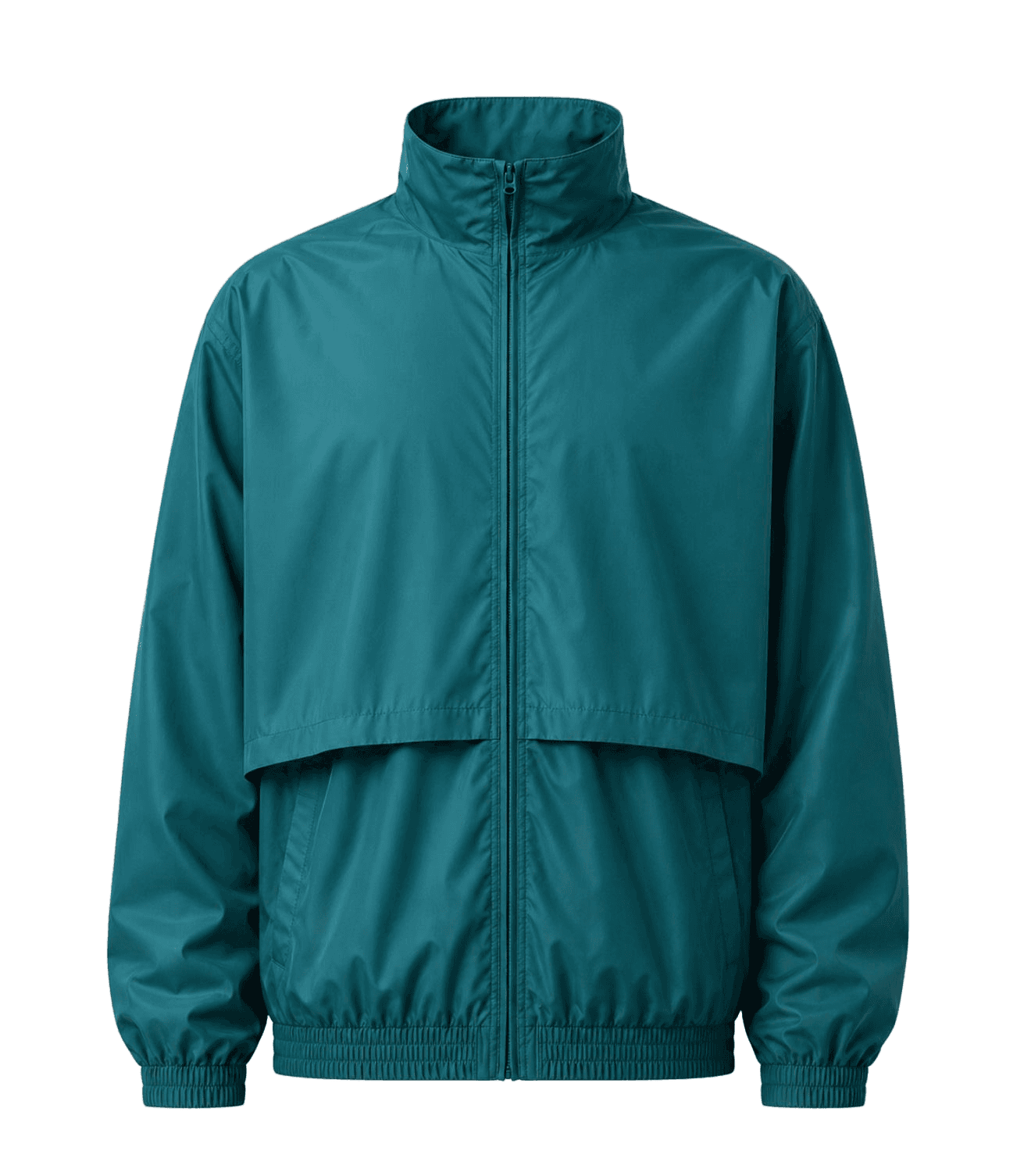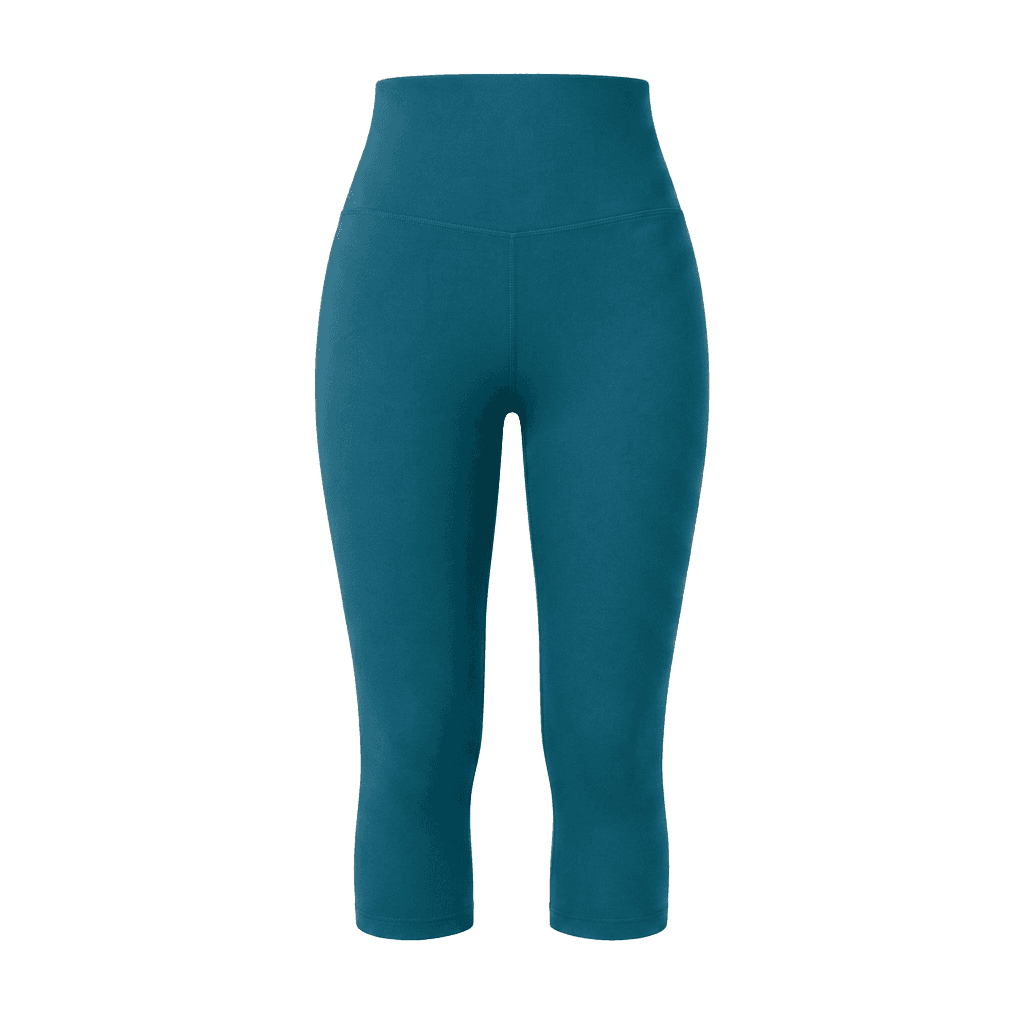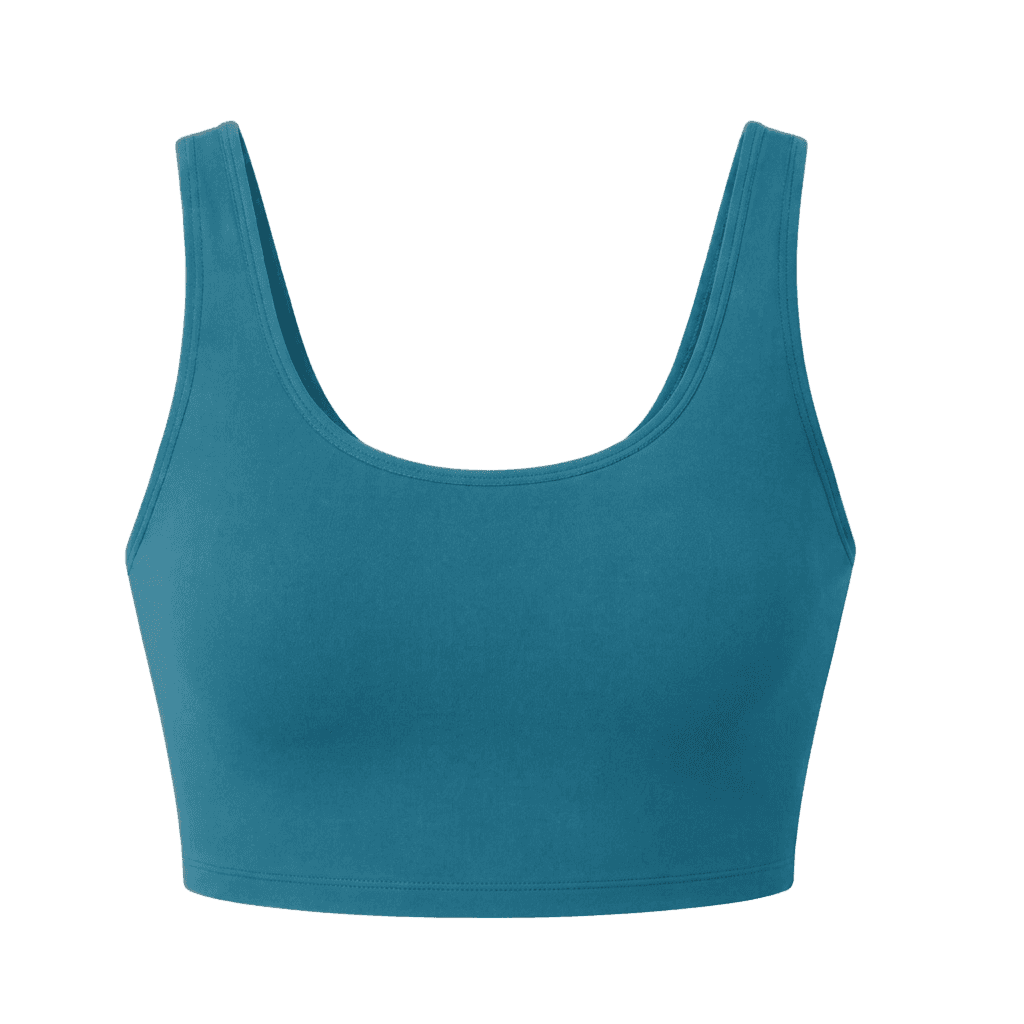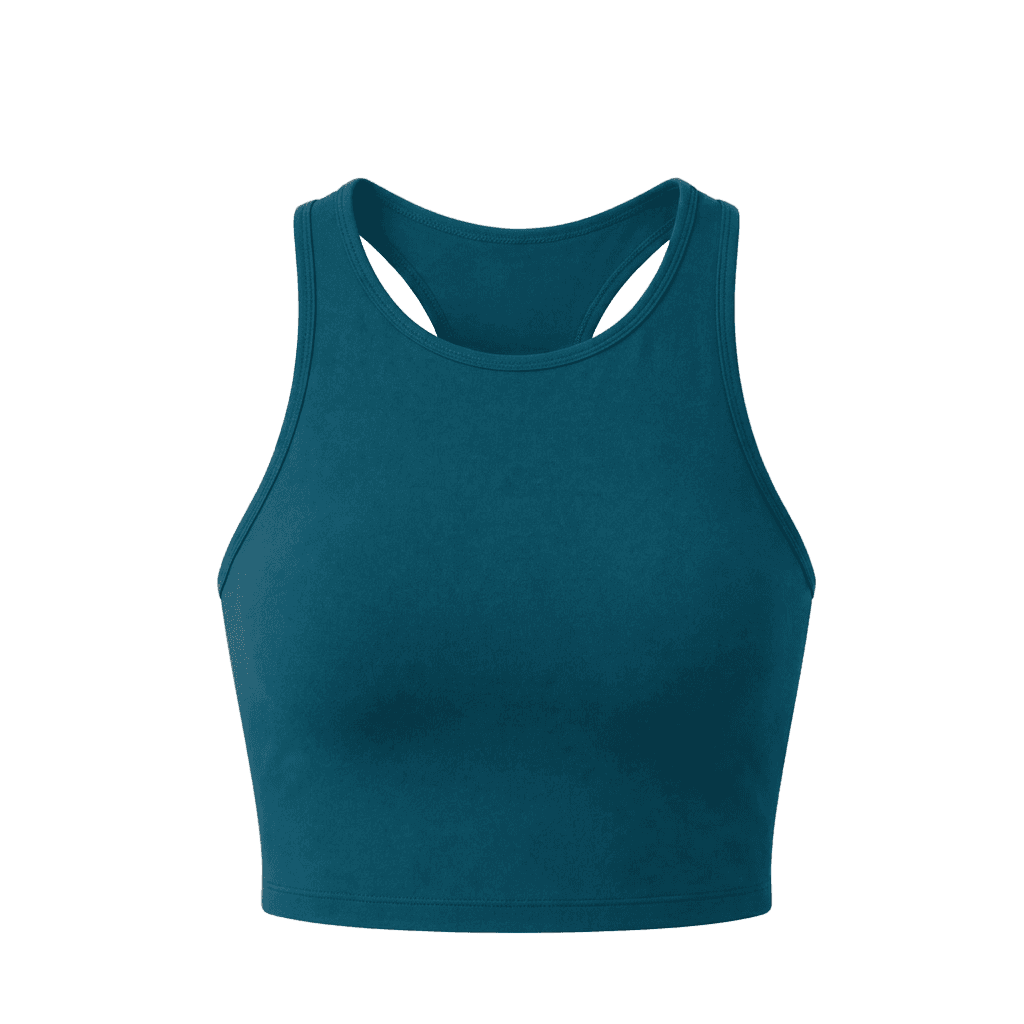
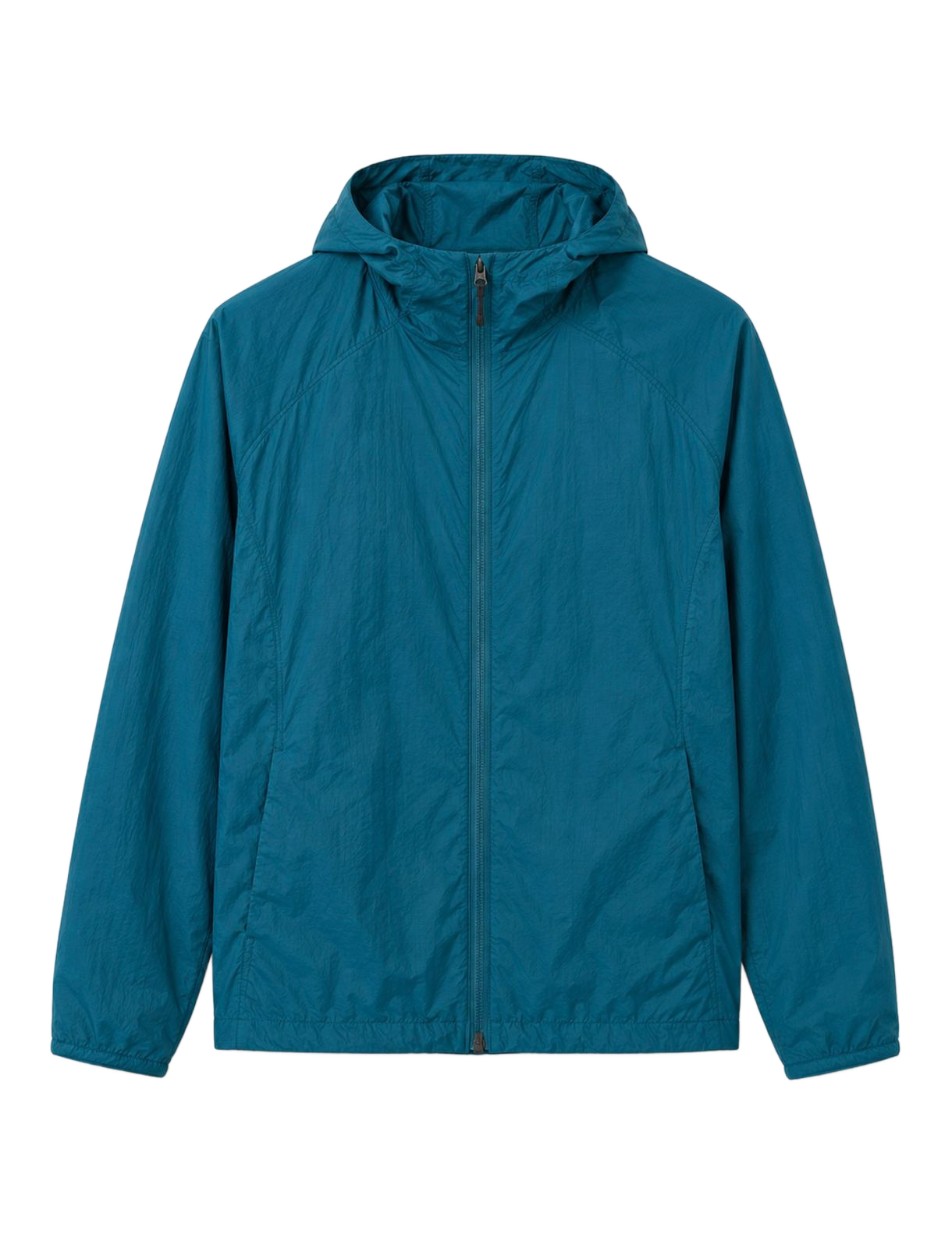
Active Lightweight Anorak
A regular-fit hooded windbreaker with a straight body and regular length, cut with raglan sleeves that run from the three-piece hood to gathered elastic cuffs. A center-front zipper closes the full length, and the straight hem holds internal elastic binding. Front side panels shape the lower body, giving a teal shell that sits close without tapering at the waist.
The same factories that produce for houses like Celine and Balenciaga can produce this piece, directly to you
GABI
Make it yours
Material gradeMOQ 50
Colour
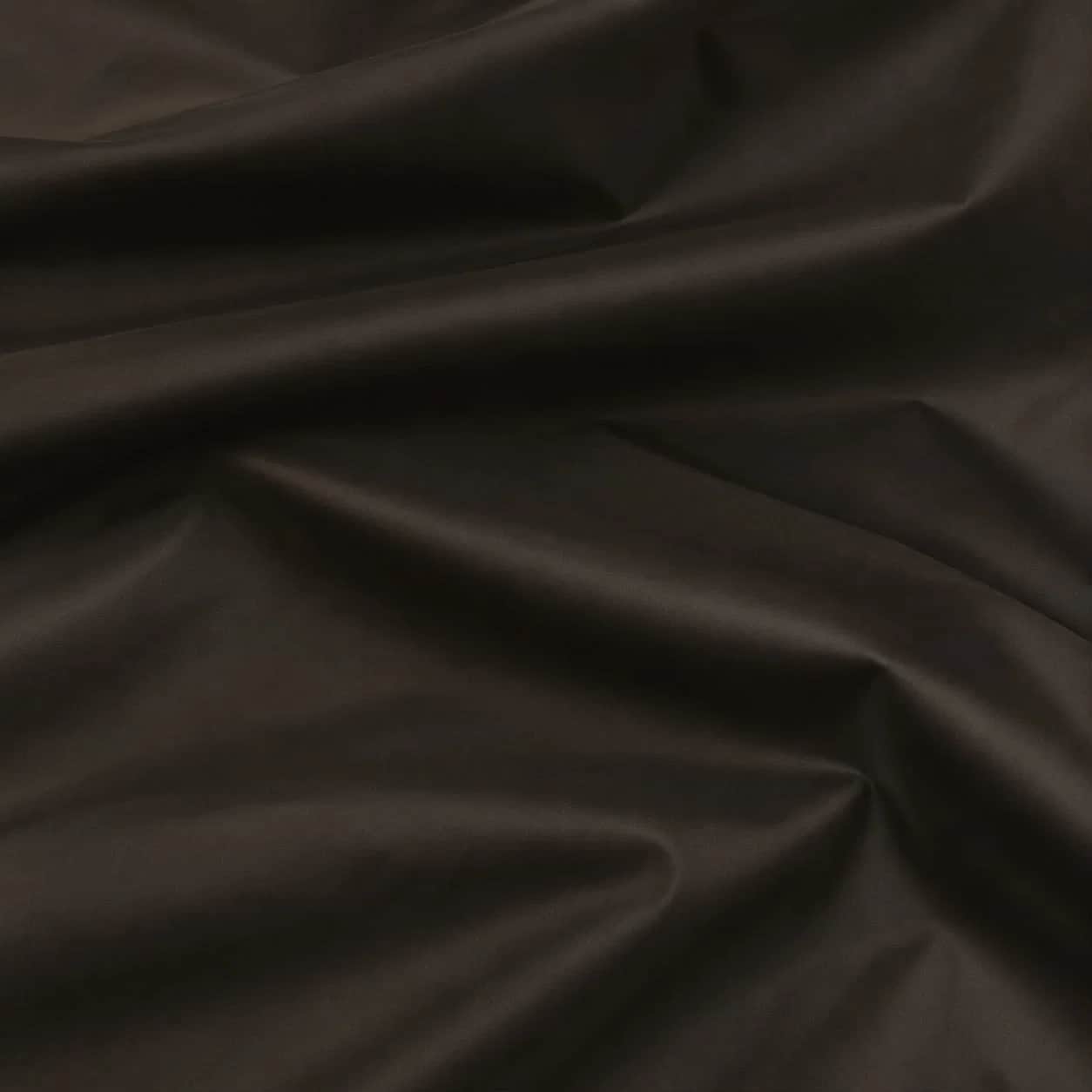
- Main Fabric: 100% Nylon, 85gsm
- Pocket Bag: 100% Recycled Polyester
- Machine wash at 30°C on a gentle cycle
- Do not bleach
- Tumble dry on low heat
- Iron on a low setting
- Fasten zips and hardware before washing
A guide based on the garment’s materials — always follow the care label on the item itself.
Fabrics

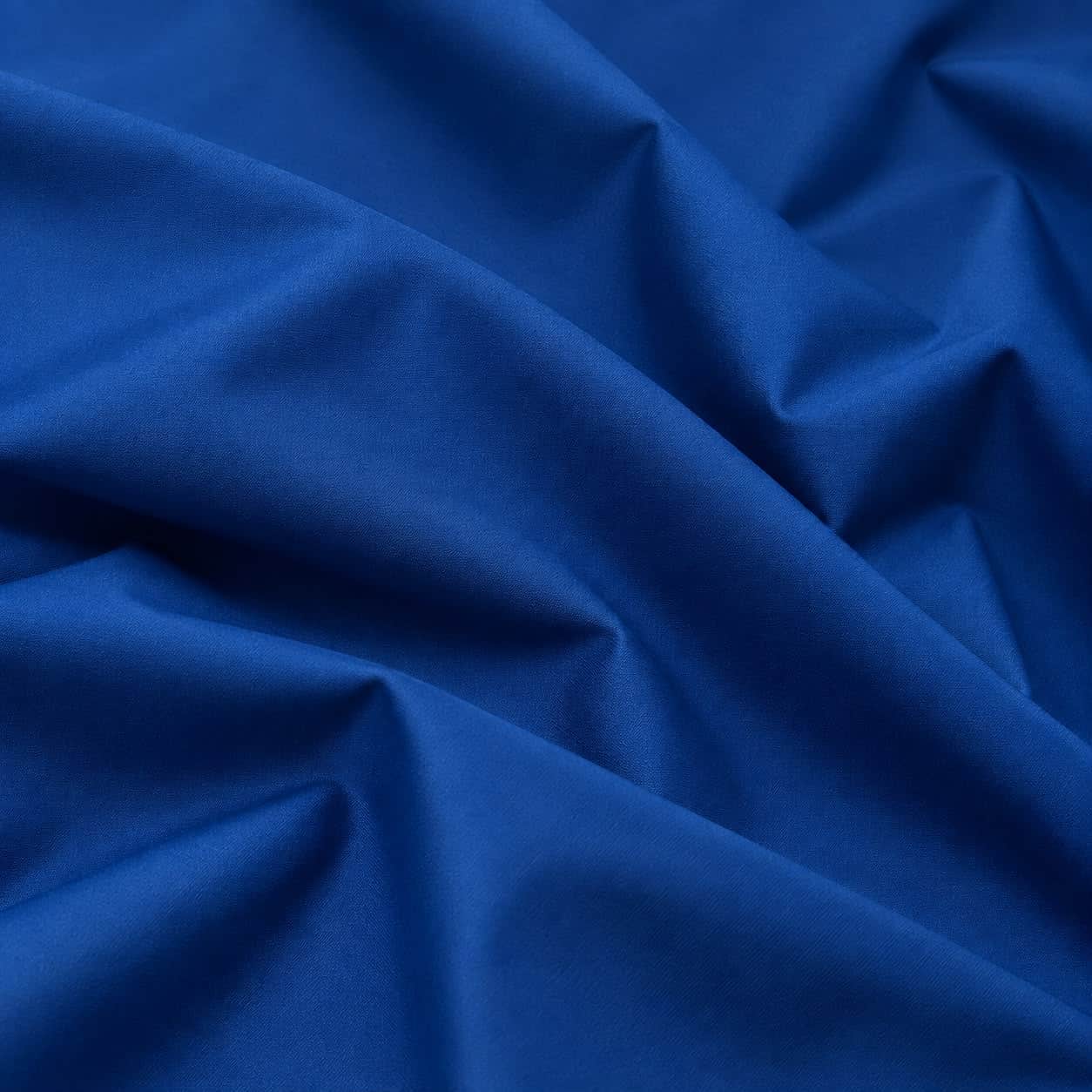
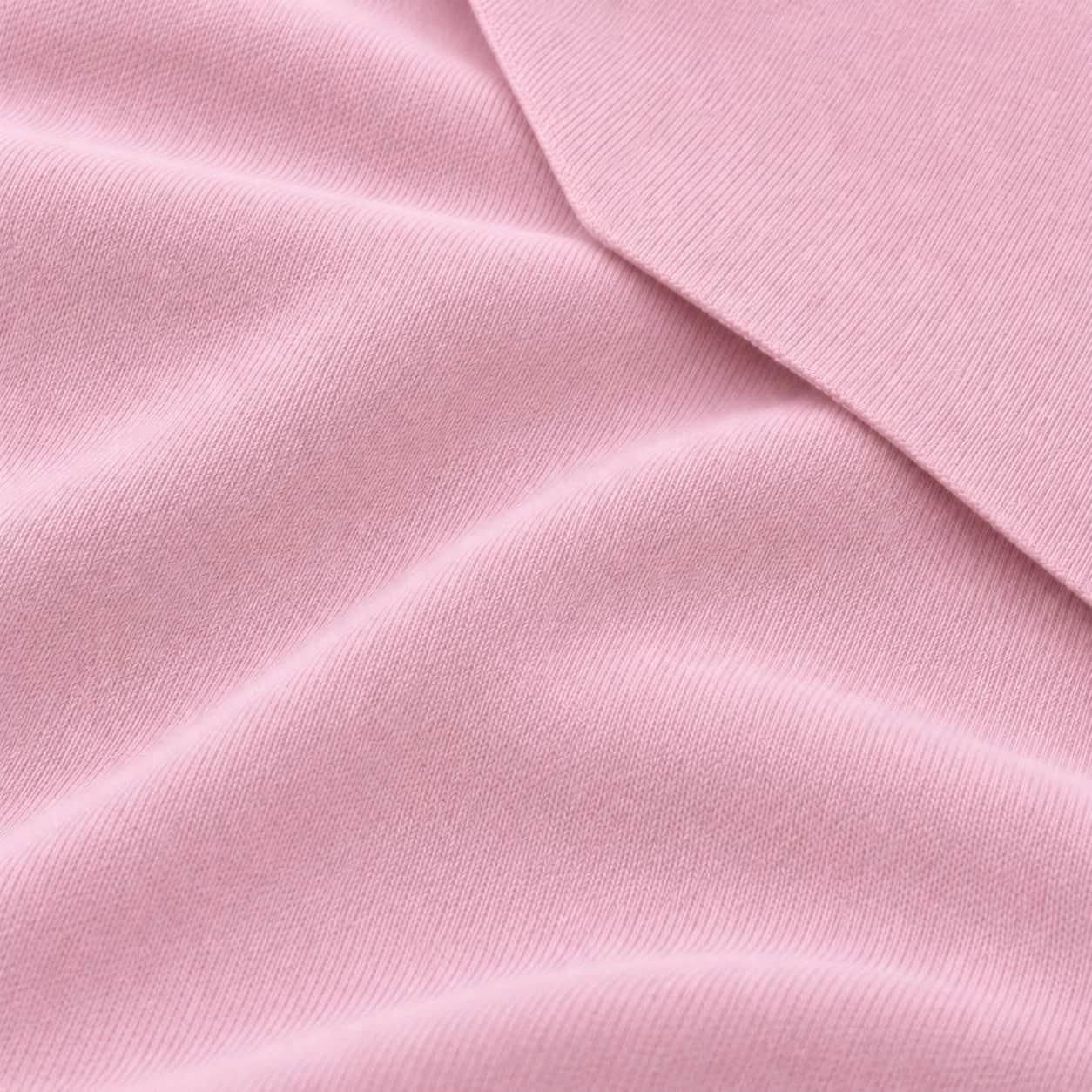
The performance top is the T-shirt after sport science got involved. Same basic idea: cover the torso. Different problem: manage sweat, stretch, friction, and heat without collapsing after three washes. The garment looks simple because the work is hidden in yarn, knit structure, and finishing.
The Performance Top / Base Layer -- "The performance top is the T-shirt after sport science got involved."
Base layers grew out of outdoor, military, and endurance sport needs: garments worn next to skin that moved moisture away from the body while reducing friction. As gym and running culture entered everyday wardrobes, the base layer became the performance top: long sleeve, mock neck, quarter-zip, crop, and fitted training tee variants built from the same technical logic.
Construction logic
The category depends on fabric more than pattern. Polyester or nylon microfilament knits, elastane content, mesh ventilation, flatlock seams, and antimicrobial or wicking finishes define performance. A quarter-zip adds zipper insertion and collar stability; a crop top adds hem control and recovery.
Commercial logic for creators
Creators use performance tops as the system product around leggings and sports bras. The commercial test is whether the fabric feels dry, moves with the body, and looks clean after repeat wear. A premium version should specify GSM, stretch recovery, pilling resistance, and opacity.
FAQ
affordable uses standard poly jersey; premium adds nylon handfeel and better recovery; luxury adds bonded finishes or engineered knit zones.
A performance top is a close-to-body activewear garment built from technical knit fabric for training, layering, or warm-up.
Common options include polyester/elastane jersey, nylon/elastane jersey, recycled performance knit, mesh inserts, and lightweight rib.. Choose based on target price, handfeel, durability, and care requirements.
Focus on flatlock or coverstitch seams, controlled hems, neck binding, optional zipper plackets, and ventilation zones. These details usually determine whether the product feels credible or cheap.
Check shoulder mobility, sleeve length, hem grip, neckline comfort, and whether the garment is compression, fitted, or relaxed. Fit should be reviewed on the body type and use case the product is designed for, not only on a flat measurement sheet.
The main cost drivers are technical fabric, elastane percentage, mesh panels, zipper quality, coverstitching, and finish treatments. Sampling time and rejection risk also increase cost when the fit is sensitive.
Request checks for wicking performance, pilling, snagging, seam stretch, colourfastness, and odour retention after wash. For performance or workwear products, test under the real use condition rather than only visually.
Watch for twisted side seams, shiny low-grade fabric, zipper waves, hem rolling, and poor recovery at the elbow. These issues should be caught at fit sample, pre-production sample, and bulk inspection stages.
Include GSM, fibre content, stretch percentage, seam type, zipper spec, hem construction, and desired compression level. Add reference photos and tolerance notes where fit or construction is easy to misread.
activewear factories with stretch-sewing capacity, flatlock, and fabric testing are preferred.
Use OEKO-TEX STANDARD 100 as a consumer-safety baseline where possible. Use GOTS for organic cotton, GRS for recycled polyester or nylon, RWS for responsible wool, and leather-specific or chemical compliance where relevant to the material.
wash cold, avoid softener, and dry away from high heat to protect stretch and wicking finishes.